Not Evaluated (NE)
Species the IUCN has not assessed. Most of the described species on Earth sit in this gap.
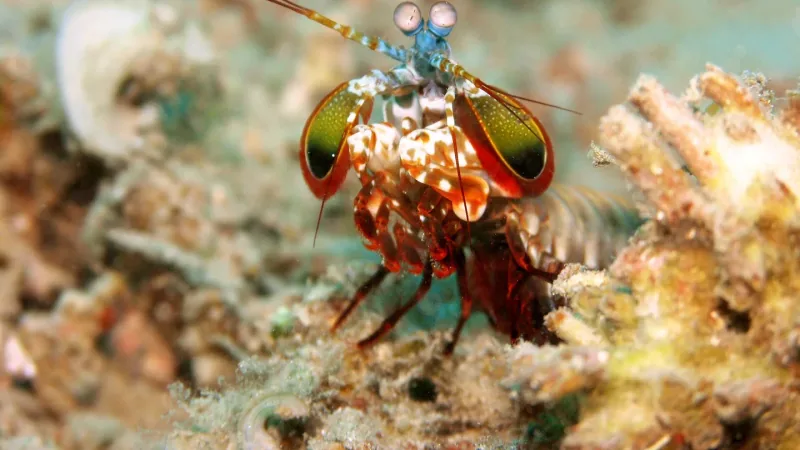
Peacock Mantis Shrimp
The brightly colored reef hunter whose club strike hits twice: once with the limb, then again with collapsing bubbles.
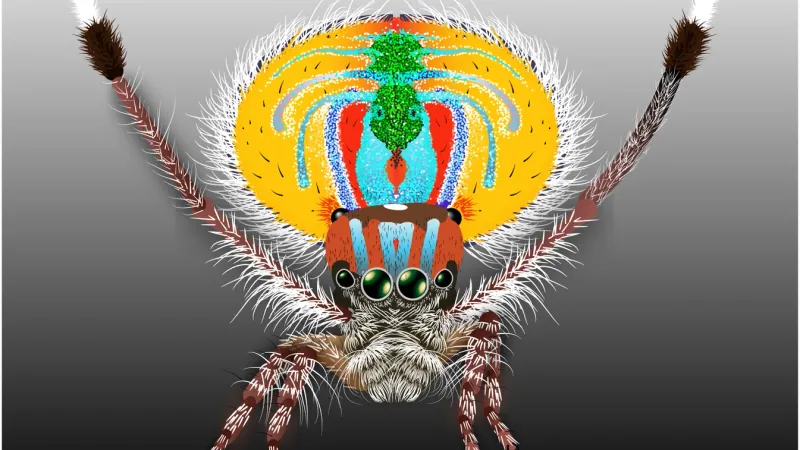
Peacock Spider
The Australian jumping spider whose males unfurl a peacock-style fan and send vibrations through the ground to win over a female.
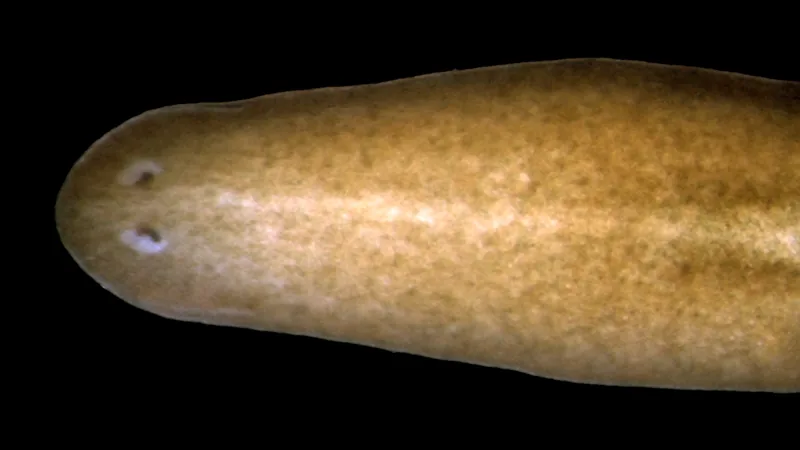
Planarian
A freshwater flatworm whose tail can turn into a head when one gene is switched off.
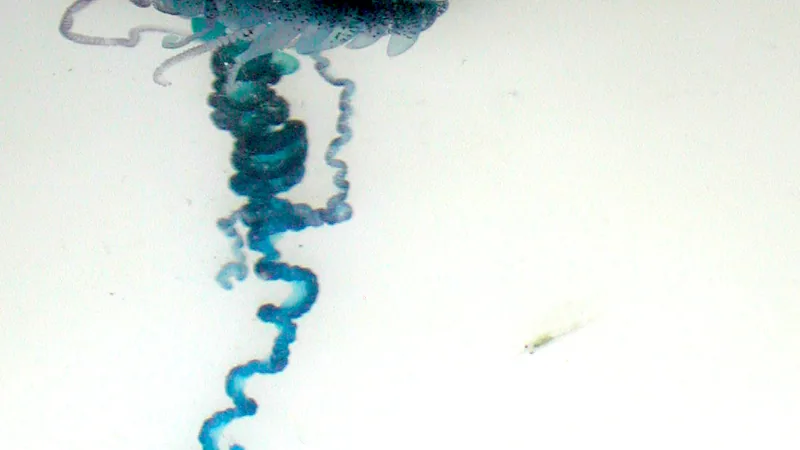
Portuguese Man o' War
Colonial siphonophore sail, up to thirty-meter neurotoxic tentacles, and ocean surface drifter.
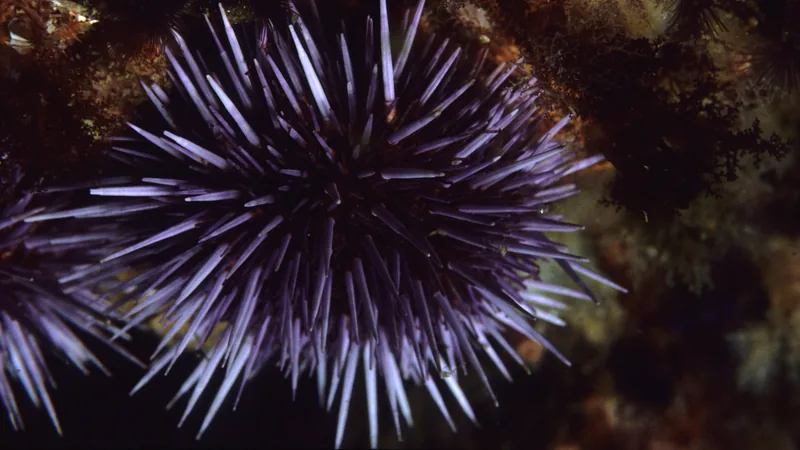
Purple Sea Urchin
A spiny kelp grazer with five teeth in a ring, whose massed feeding fronts can strip a whole kelp forest.
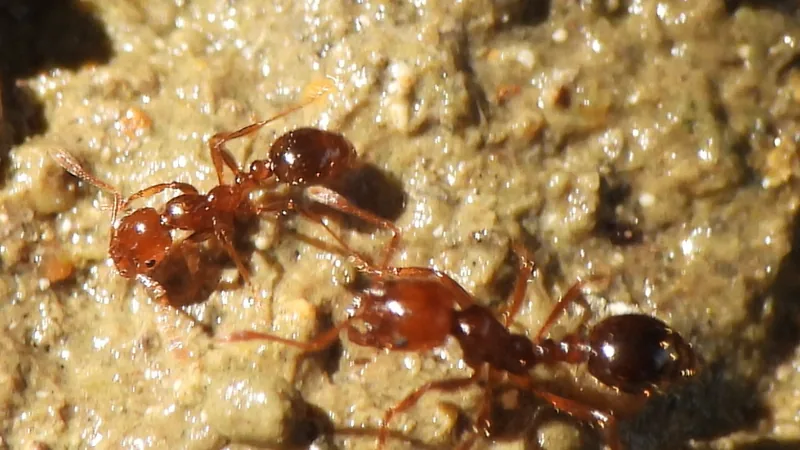
Red Imported Fire Ant
An ant a few millimetres long that links up with its nestmates into a raft that can float for days.
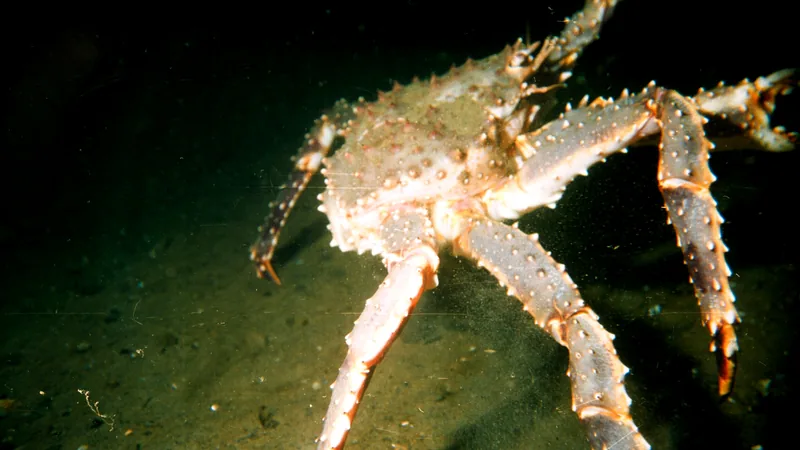
Red King Crab
A spiny crab that can reach 24 pounds and a 5-foot leg span, and can only grow by shedding its shell.
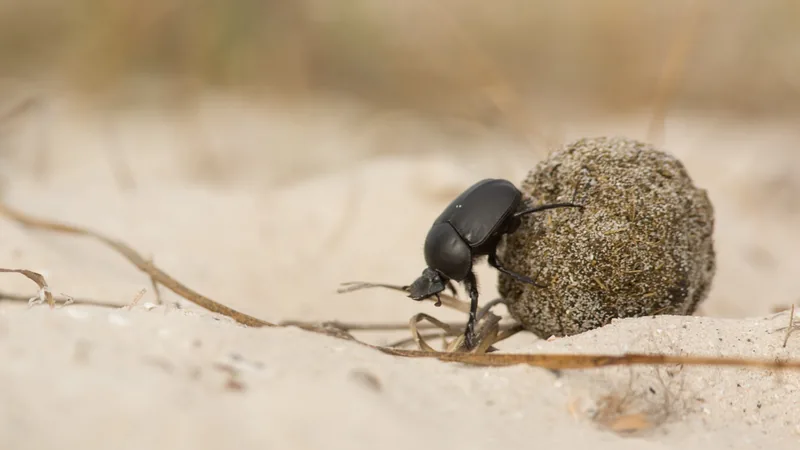
Sacred Scarab
A very large dung roller that shapes droppings into balls and holds heat in its thorax in flight.
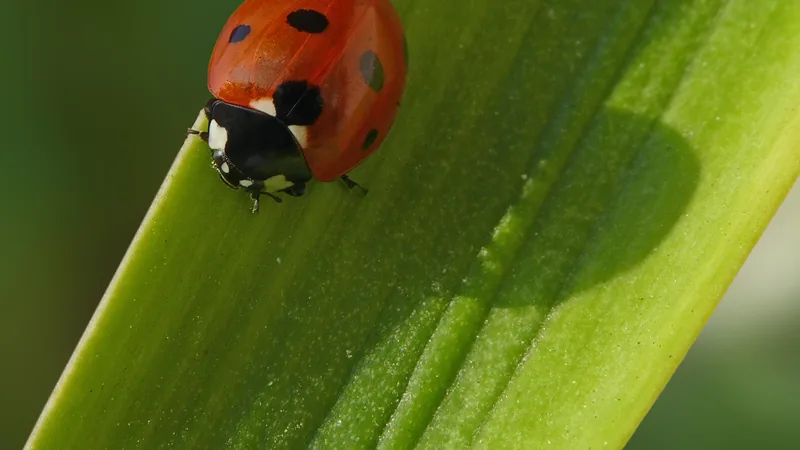
Seven-Spot Ladybird
The red beetle that bleeds poison from its leg joints.
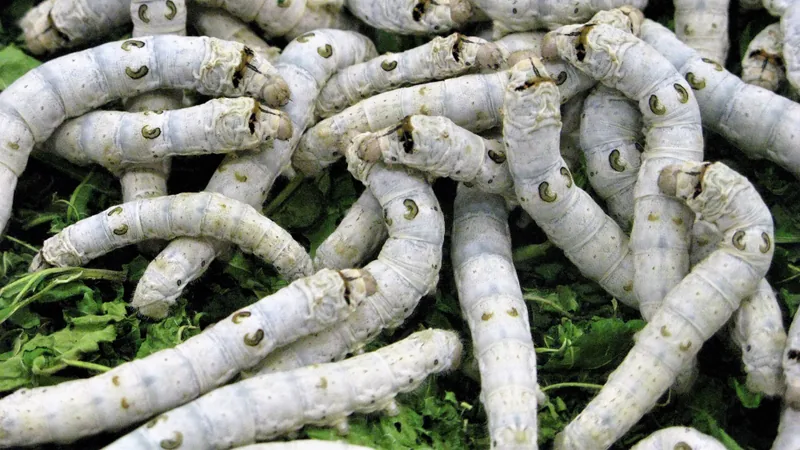
Silkworm
A caterpillar that grows thousands of times heavier in a month, then wraps itself in one silk thread up to 1,800 metres long.
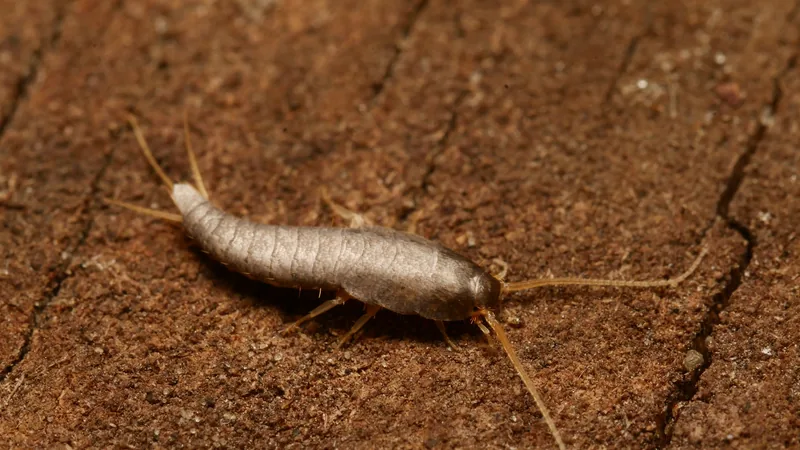
Silverfish
A wingless, silver-scaled insect that keeps molting as an adult and can go up to a year without food.
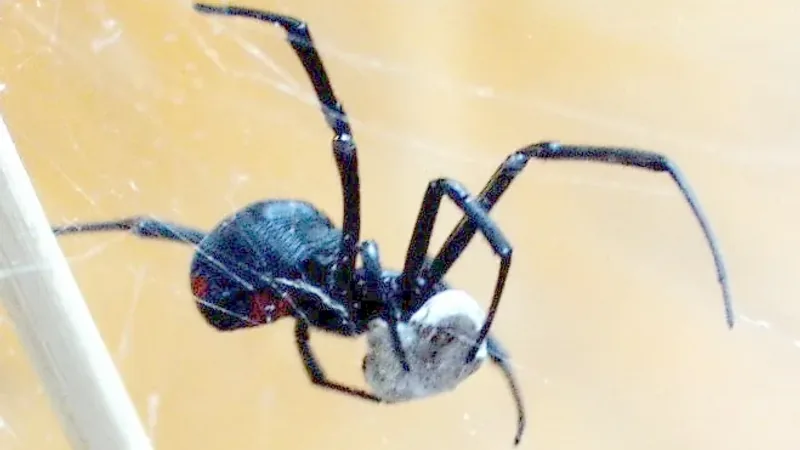
Southern Black Widow
Shiny black spider whose venom floods the nerve-muscle junction with acetylcholine and noradrenaline.
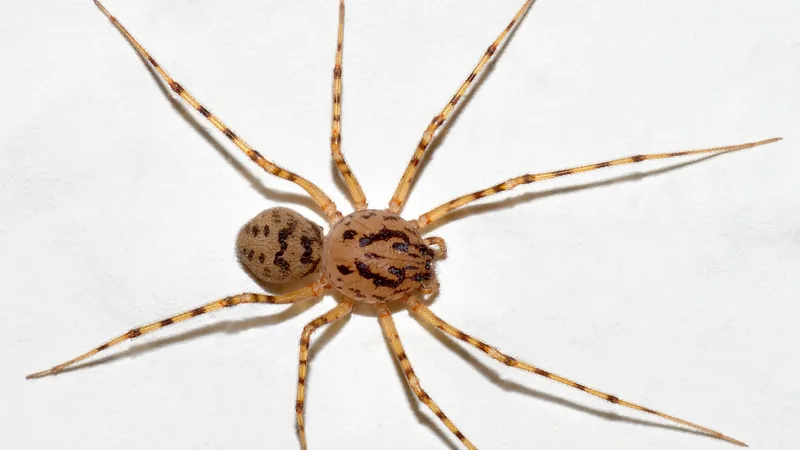
Spitting Spider
A tiny house spider that entangles prey from a distance with a zigzag spray of silk, glue and venom, fired at up to 28.8 meters a second.
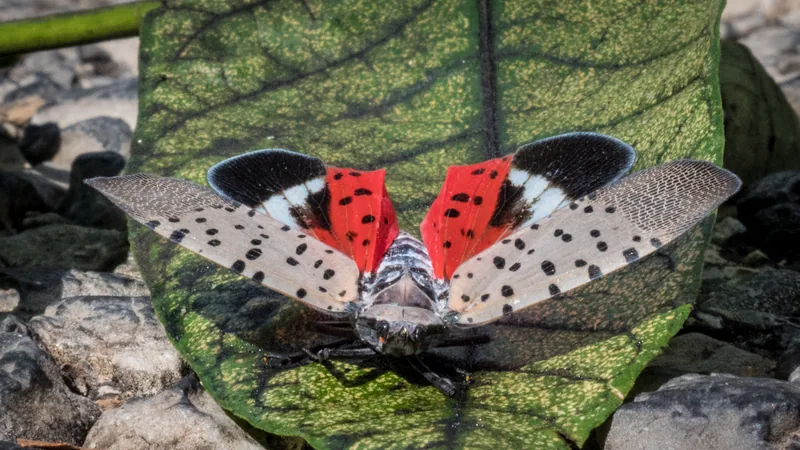
Spotted Lanternfly
A planthopper, not a moth, that turns red as it stocks up on its host tree's chemical defences.
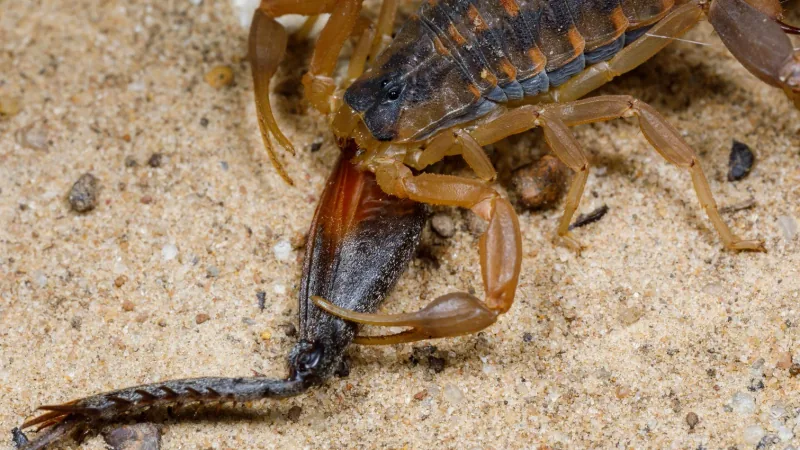
Striped Bark Scorpion
One of the most common scorpions in the United States. In lab tests, its females stung at a faster rate than its males.
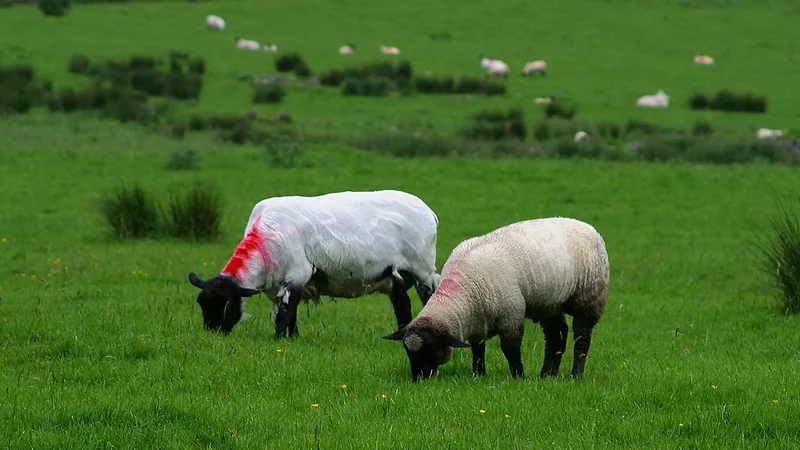
Suffolk Sheep
A jet-black, wool-free head and legs against a clean white fleece, on an English meat breed whose lambs can gain more than a pound a day.
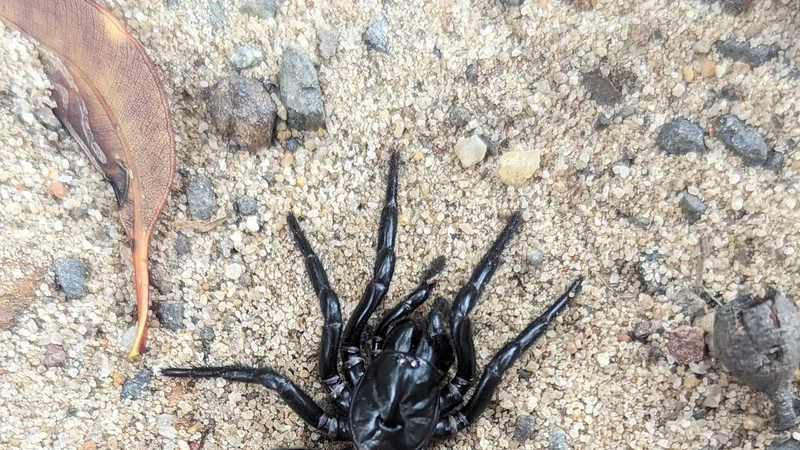
Sydney Funnel-Web Spider
Male venom carries a nerve toxin that likely evolved to deter bandicoots and birds, and is lethal to humans by unfortunate coincidence.
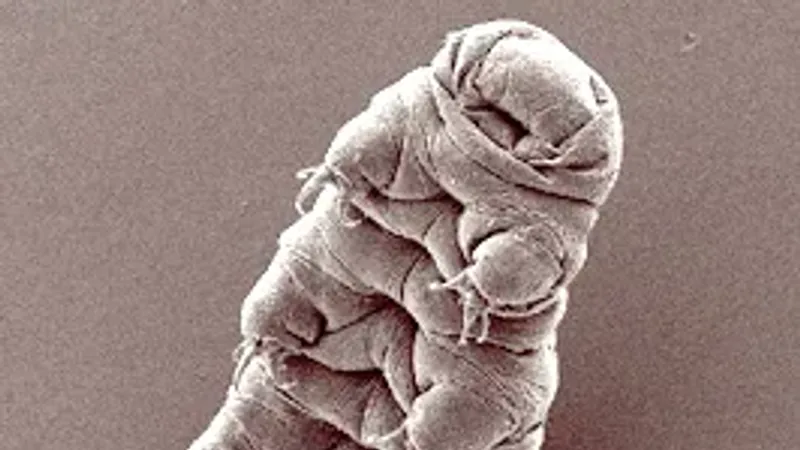
Tardigrade (Water Bear)
Eight-legged micro-survivor that meets a dose of gamma rays by rapidly switching on many of its own DNA-repair genes.
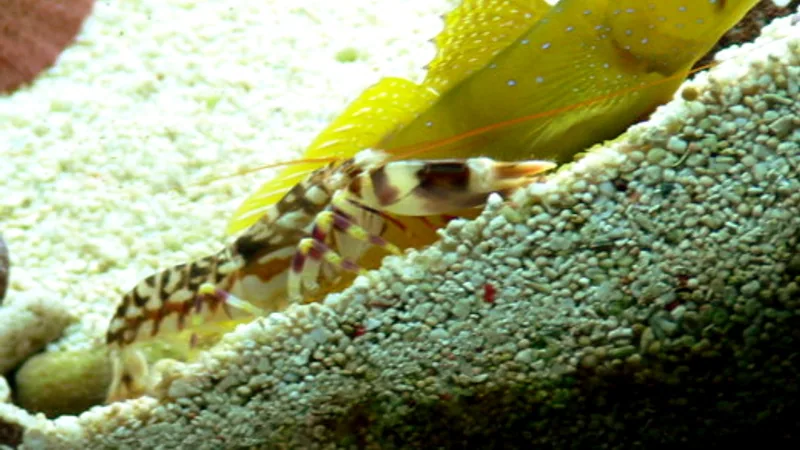
Tiger Pistol Shrimp
One oversized claw fires a high-speed water jet whose collapsing bubble, in a related shrimp, hits at least 5,000 kelvin and flashes with light.
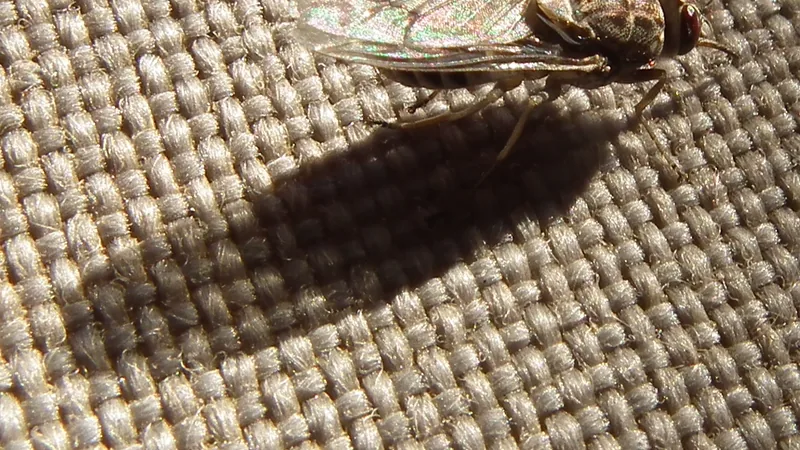
Tsetse Fly
A blood-drinking fly that makes milk and gives birth to a larva nearly as big as she is.
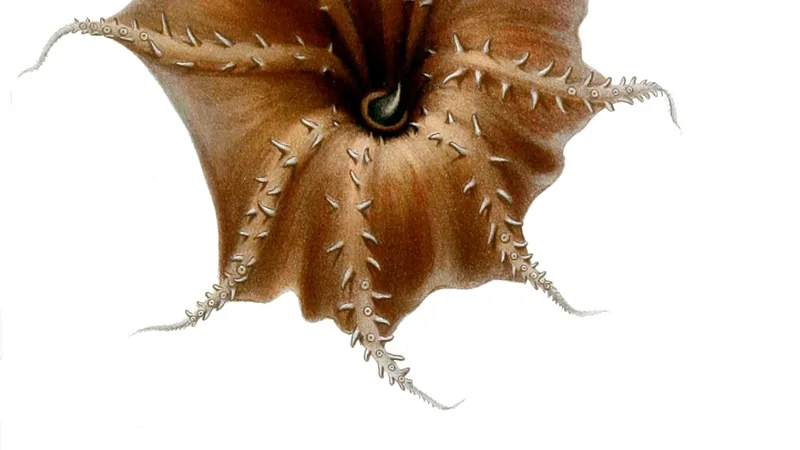
Vampire Squid
Oxygen-poor twilight-zone living, pulsing blue arm tips, and an inside-out pineapple posture.
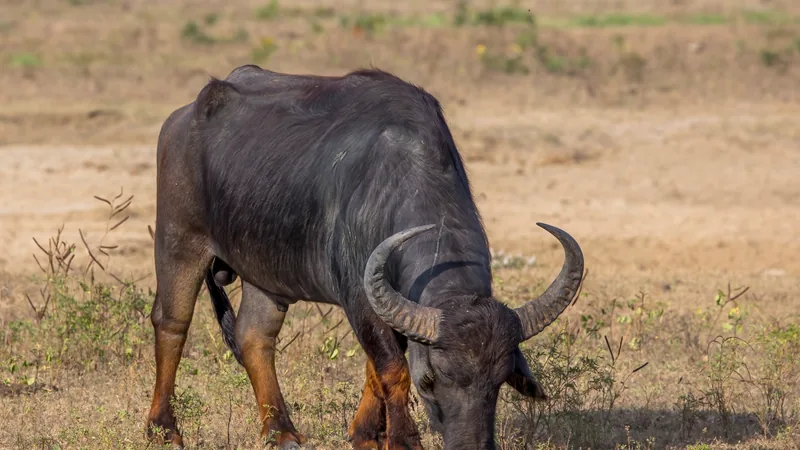
Water Buffalo
A farm giant that can reach 1,000 kg and wallows in mud to cool off.
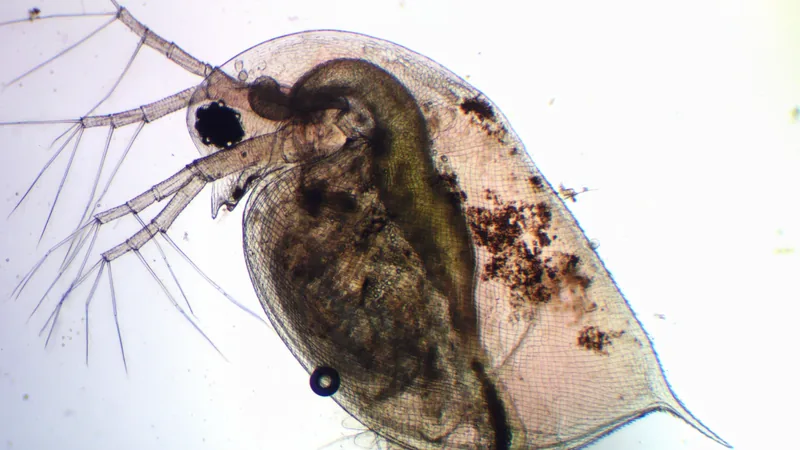
Water Flea
A mostly see-through pond crustacean whose 200-megabase genome holds at least 30,907 genes.
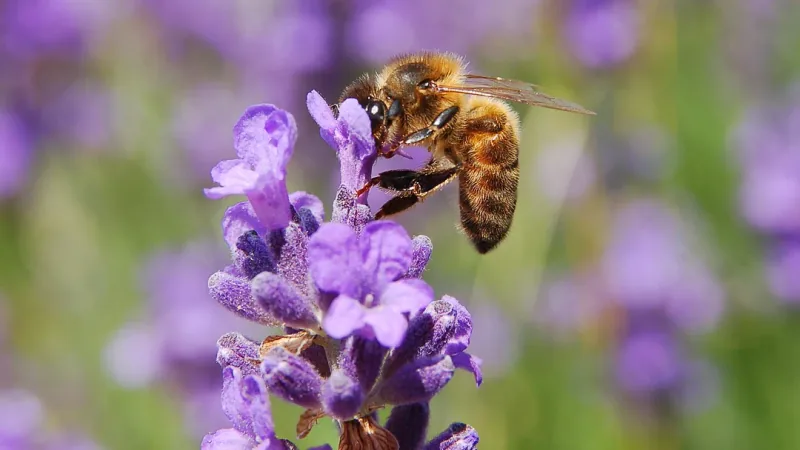
Western Honeybee
A forager who dances flower coordinates with her whole body, and dies giving her sting.
Conservation categories are from the IUCN Red List of Threatened Species. AnimalTracks is independent of IUCN.