Not Evaluated (NE)
Species the IUCN has not assessed. Most of the described species on Earth sit in this gap.
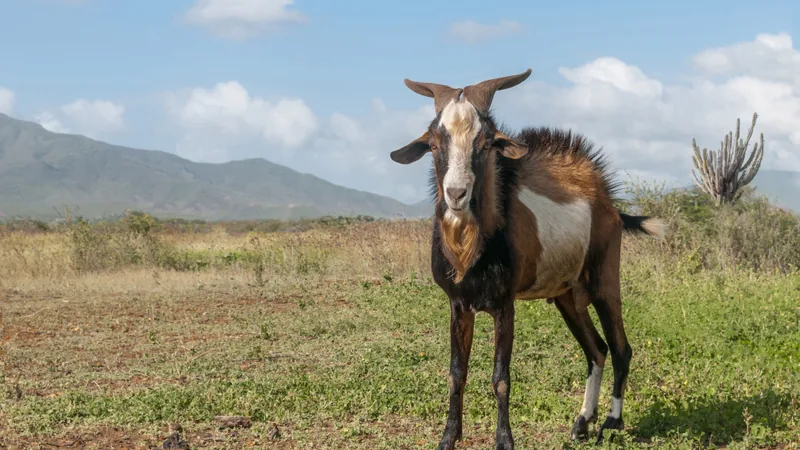
Goat
A domesticated ruminant with rectangular pupils and a digestive system that works nonstop.
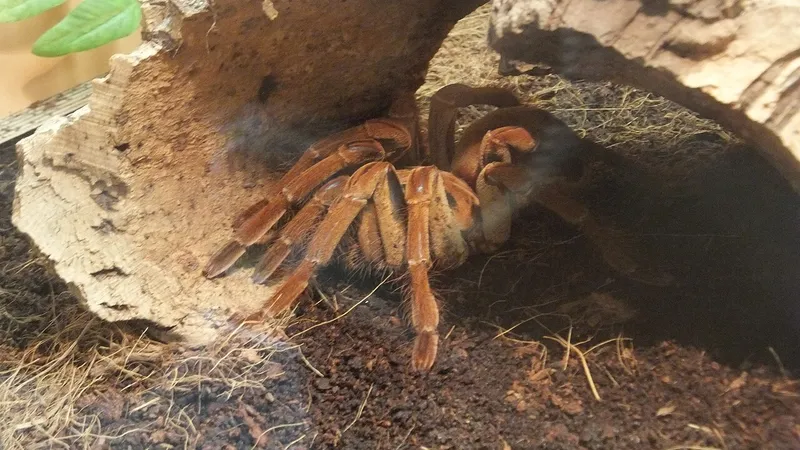
Goliath Birdeater
The heaviest spider in the world, a 6-ounce rainforest tarantula with fangs that can pierce human skin and stinging hairs it can release.
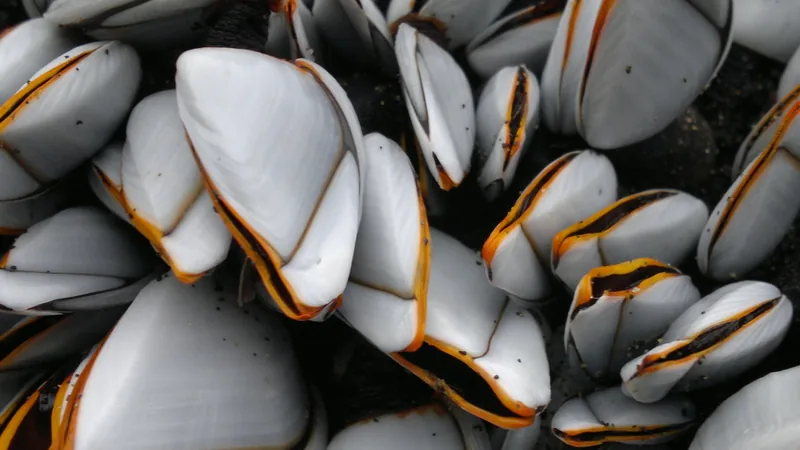
Goose Barnacle
A crustacean that glues itself to driftwood, buoys and turtles and rides them across the open ocean.
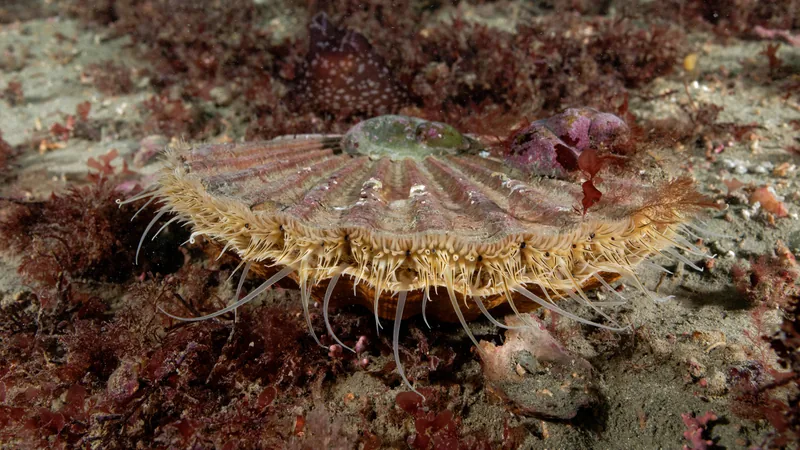
Great Scallop
Edges its mantle with tiny blue-green eyes and swims by clapping its shell
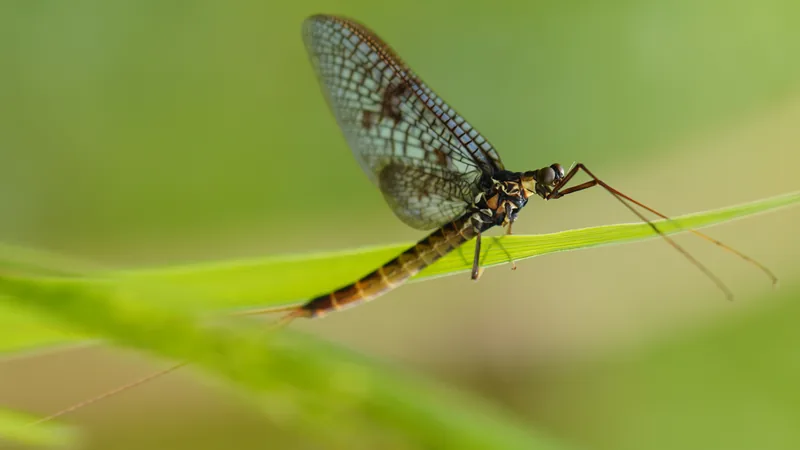
Green Drake Mayfly
A burrowing mayfly that finds rivers by their polarized glint, and lands on smooth black plastic too.
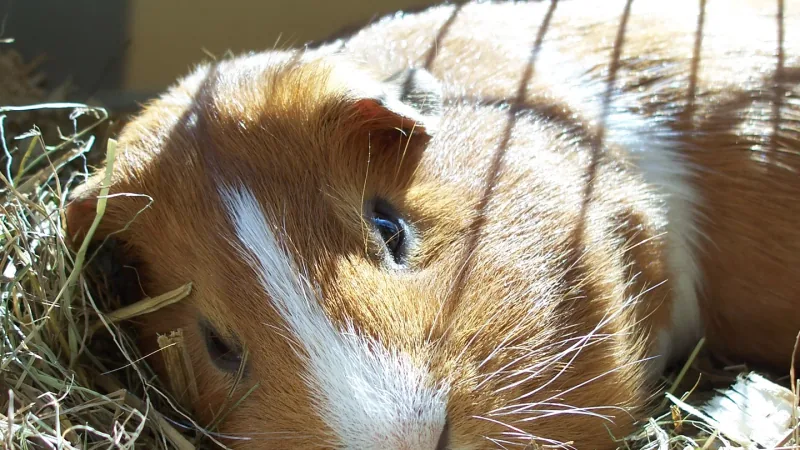
Guinea Pig
A tailless rodent with six main calls and a habit of popcorning.
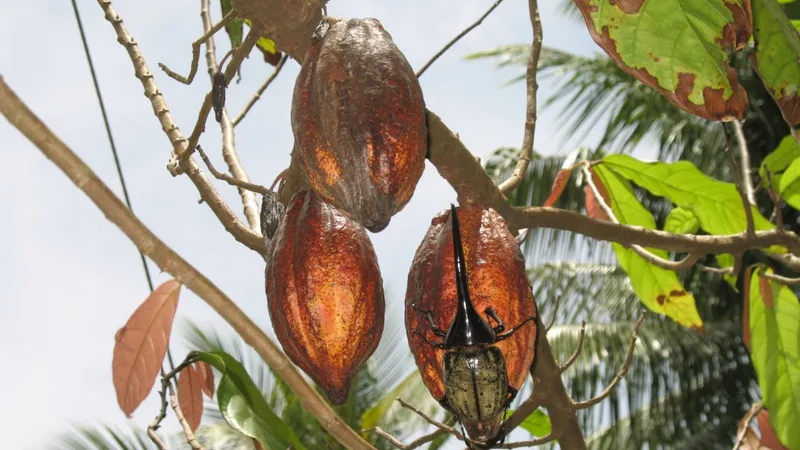
Hercules Beetle
A rainforest giant up to seven inches long that fights with pliers for horns, carves bark with gear-locked jaws, and turns from khaki-green to black as the air gets humid.
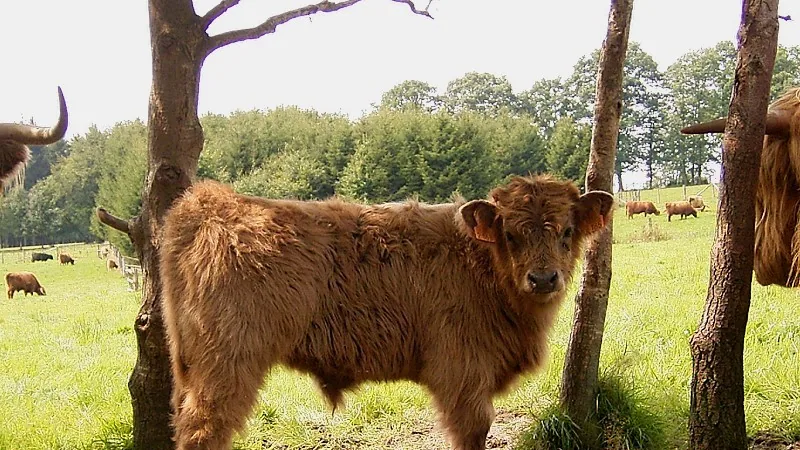
Highland Cattle
A long, shaggy coat, handlebar horns, and roots in Scotland going back to the 6th century.
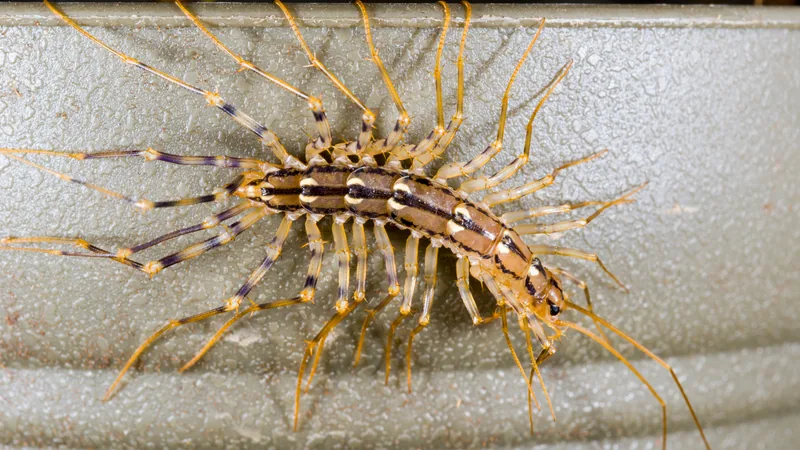
House Centipede
The night hunter on 15 pairs of legs, with back legs that on adult females are nearly twice as long as its body.
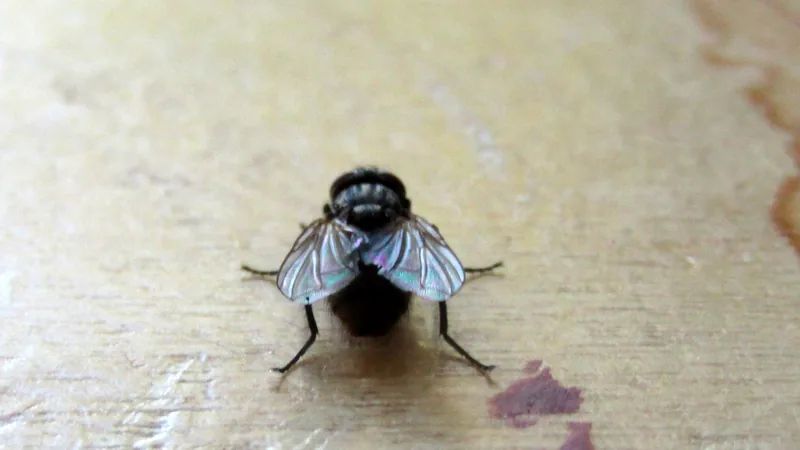
Housefly
A fly that tastes with its feet, sips only liquids and is a mechanical vector of more than 100 diseases.
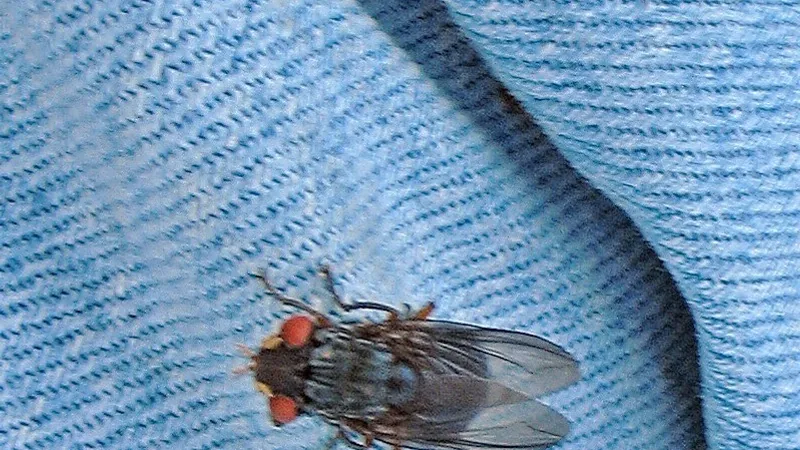
Human Botfly
A bumblebee lookalike that glues its eggs to a blood-feeding carrier, usually a mosquito or a tick, which delivers them when it feeds.
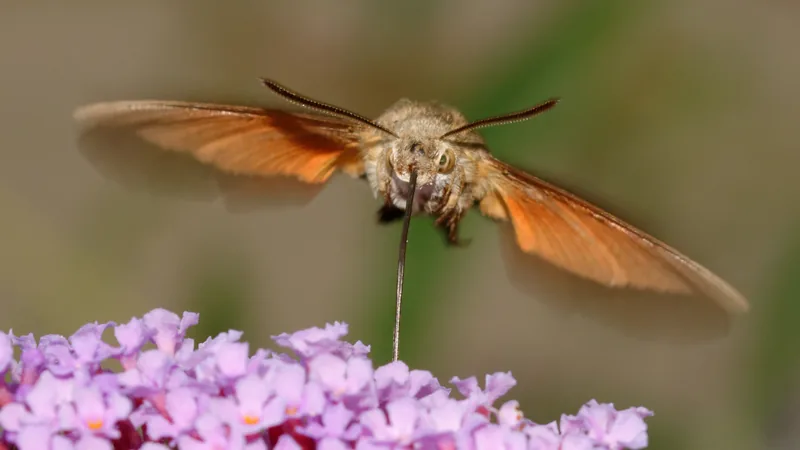
Hummingbird Hawk-Moth
A day-flying moth that hangs in front of flowers while a special patch of its eye fixes on the flower's entrance.
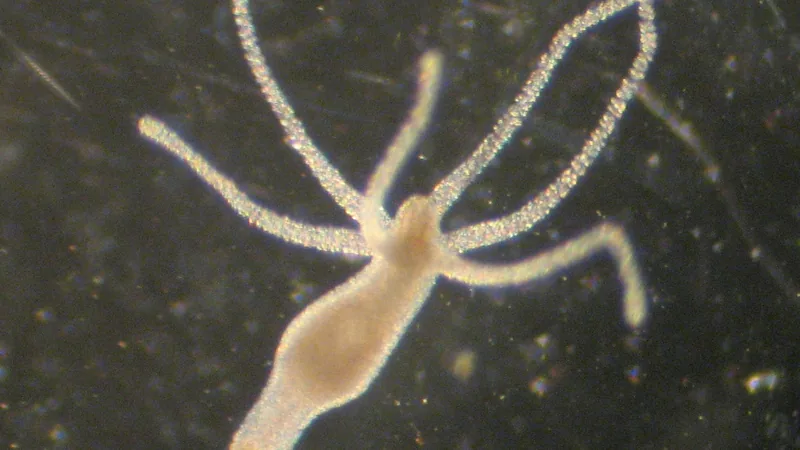
Hydra
A small freshwater polyp whose death rate in lab studies stayed flat as it got older.
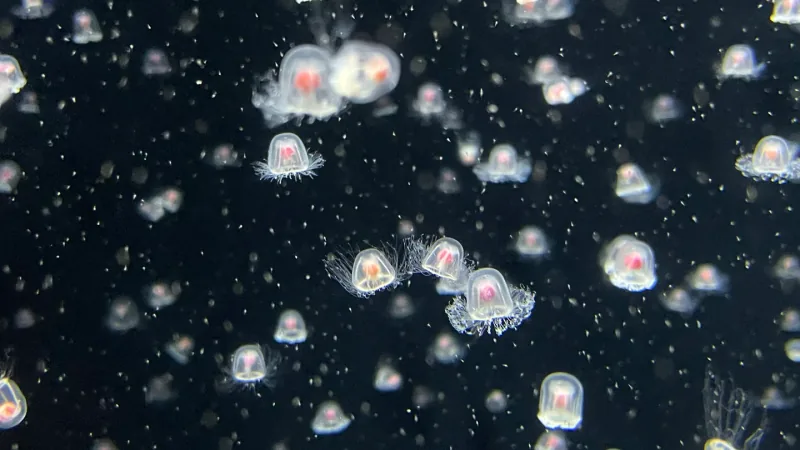
Immortal Jellyfish
A bell up to 3.3 millimetres wide that can turn back into a polyp instead of dying, in the lab at least.
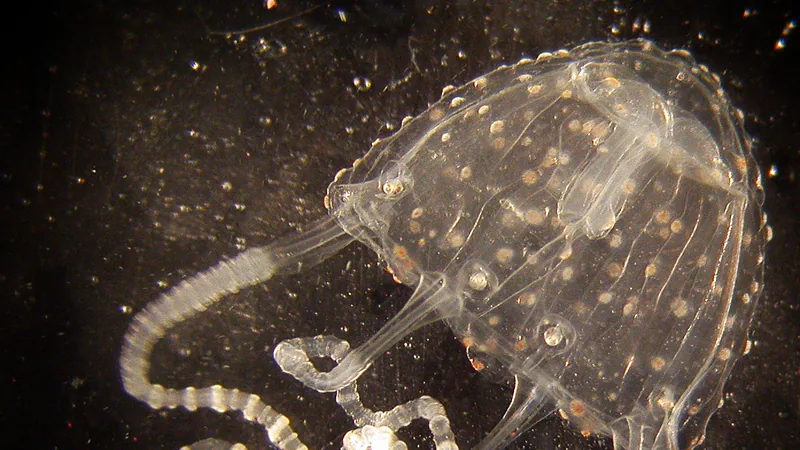
Irukandji Jellyfish
A box jellyfish that fishes for larval fish by twitching its tentacles like lures.
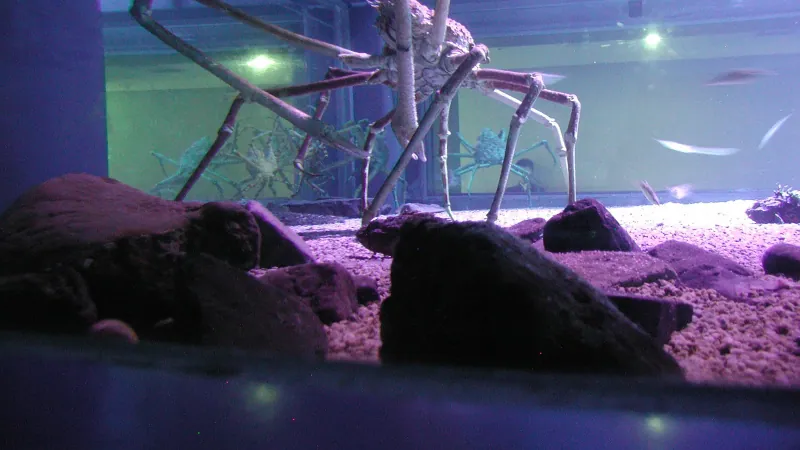
Japanese Spider Crab
The Pacific's leggiest scavenger: a giant crab known to grow up to twelve feet across, picking over the seafloor off Japan.
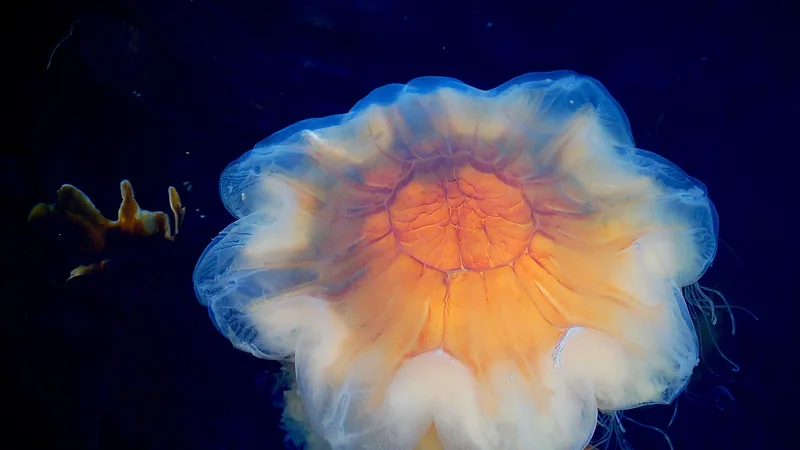
Lion's Mane Jellyfish
Often called the world's longest jellyfish, with tentacles speculated to trail up to 120 feet through Arctic and temperate seas.
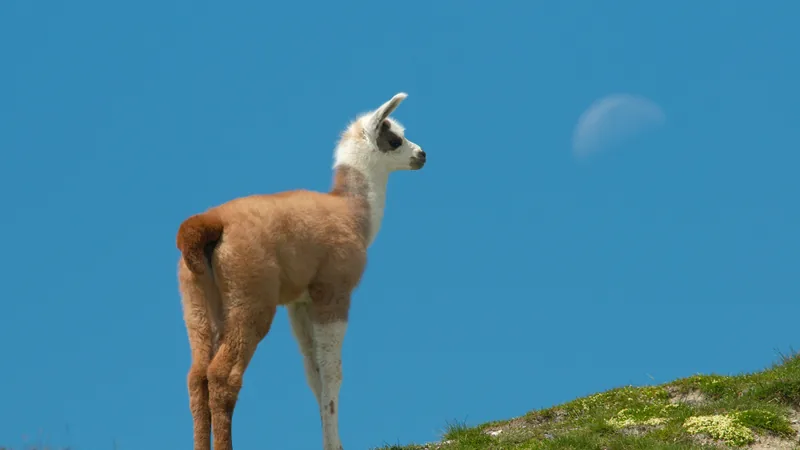
Llama
A woolly Andean pack animal that makes heavy chain-only antibodies, one of which, raised by immunization, neutralized 96 of 100 HIV-1 strains tested.
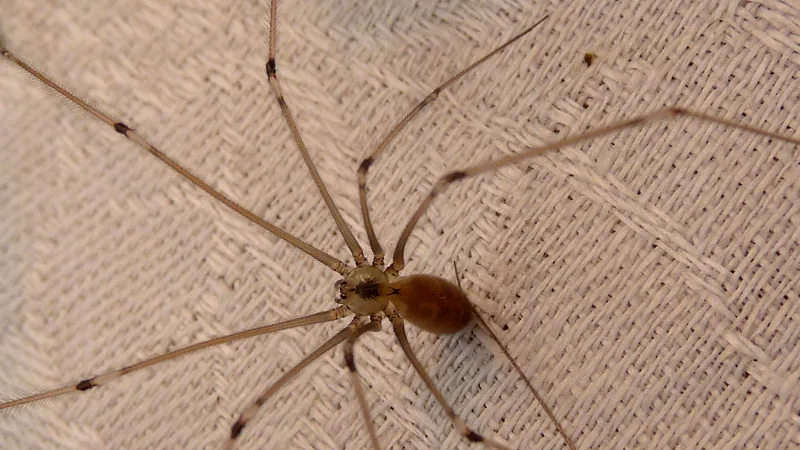
Long-Bodied Cellar Spider
The ceiling spider that raids other spiders' webs and spins itself into a blur when threatened.
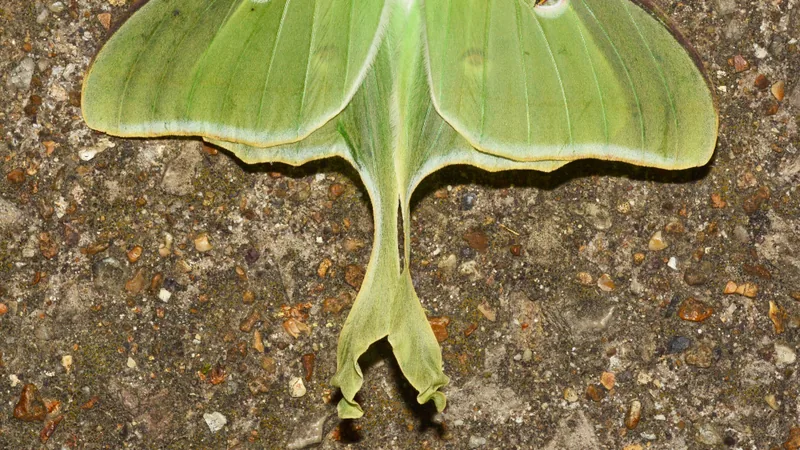
Luna Moth
A big green silk moth whose spinning hindwing tails pull bat attacks off its body, and whose adults do not eat.
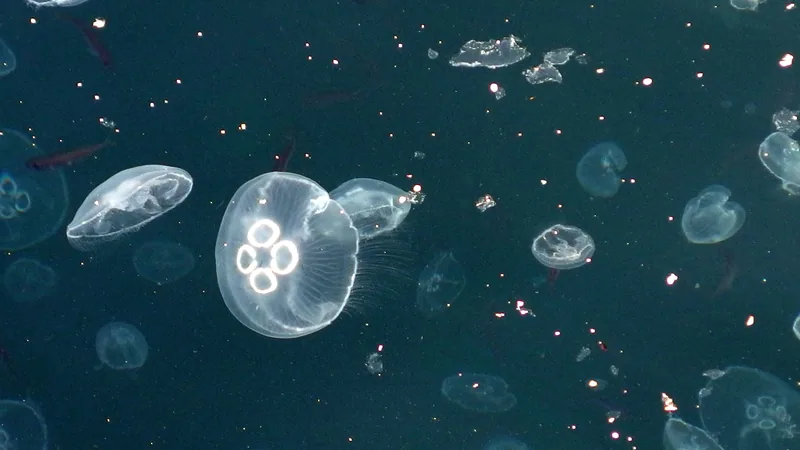
Moon Jellyfish
A see-through pulsing bell that ranks among the most energy-efficient swimmers on the planet.
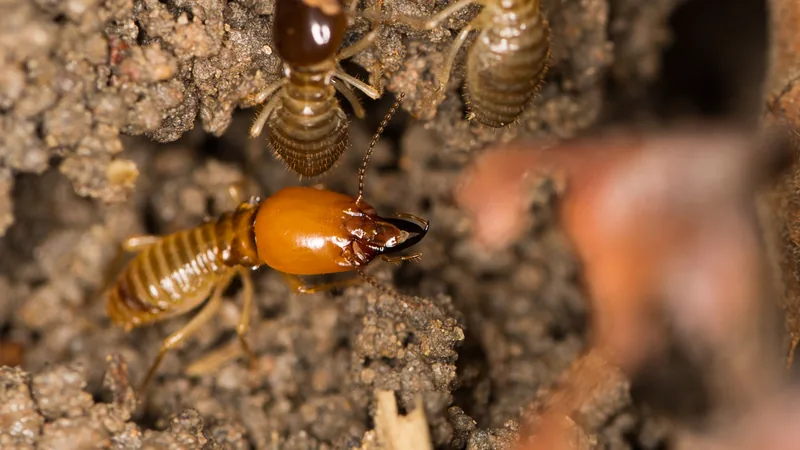
Mound-Building Termite
A fungus-farming termite whose queens and kings can live as long as 20 years in the lab, while its workers live only a few months.
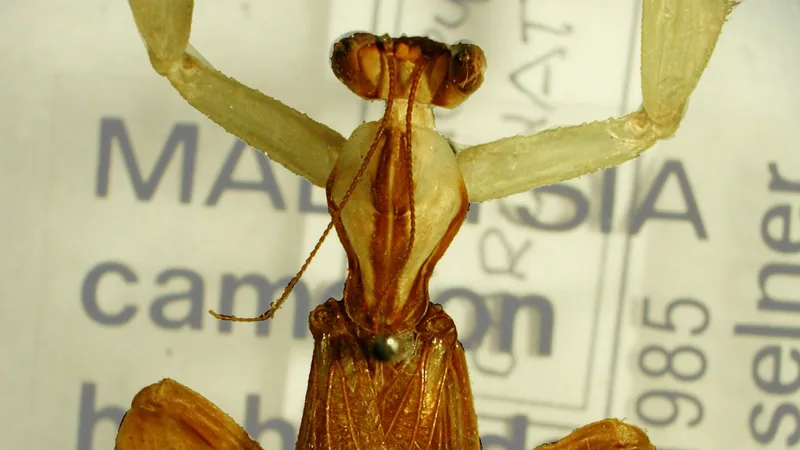
Orchid Mantis
Flower-colored to a bee's eyes, it draws in wild pollinators at a higher rate than real flowers do, then catches them.
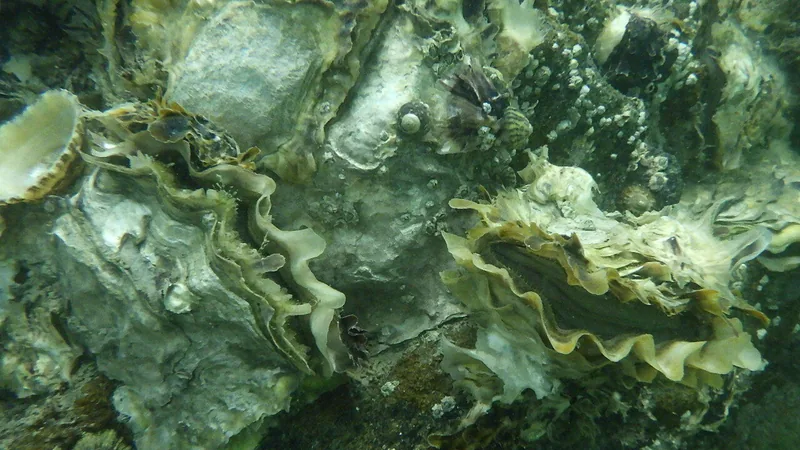
Pacific Oyster
A stay-put oyster that starts life male, hears underwater sound and filters up to 50 gallons of seawater a day.
Conservation categories are from the IUCN Red List of Threatened Species. AnimalTracks is independent of IUCN.