Creature Traits & Quirks
Explore the animal kingdom through evolutionary superpowers, extreme biome adaptations, and bizarre survival mechanics. Pick any trait to go down the rabbit hole.
Carnivore
Diet centered on other animals, from insects and krill to large prey, caught with teeth, beaks, talons or tongues.
Mammal
Warm-blooded vertebrates possessing hair or fur, nursing young with milk, and possessing three inner ear bones.

Ocean
Master of open marine waters, balancing salinity through osmoregulation and traversing major planetary currents.
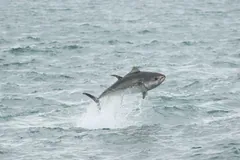
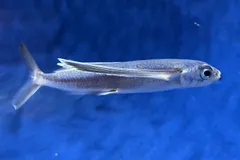
Herbivore
Feeding exclusively on vegetation, relying on specialized microbial fermentation to break down tough plant cellulose.
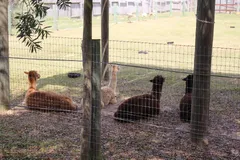
Freshwater
Adapted to inland rivers, creeks, and lakes, pumping out excess water through specialized kidney filtration.
Bird
Feathered bipedal vertebrates with lightweight hollow bones, toothless beaks, and high metabolic rates.

Omnivore
Flexible feeding strategy combining plant matter, fruits, insects, and meat depending on seasonal availability.
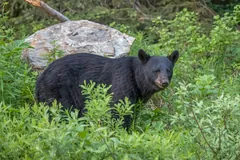
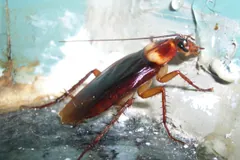
Nocturnal
Conducting foraging and hunting under darkness to avoid daytime heat and visual predators.
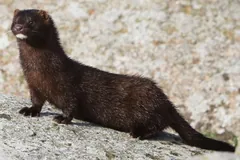
Rainforest
Surviving intense tropical humidity, dense multi-tiered canopies, and fierce biological competition in jungle biomes.
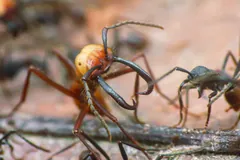
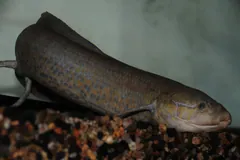
Fish
Gill-bearing aquatic vertebrates maneuvering with specialized fins and tracking water flow with lateral lines.
Woodland
Adapted to temperate deciduous and mixed forests with seasonal temperature swings and changing leaf cover.
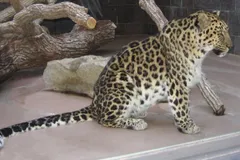
Reptile
Cold-blooded vertebrates protected by keratin scales or scutes, laying shelled eggs or bearing live young.
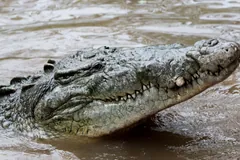
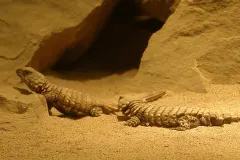
Wetlands
Thriving in saturated marshes, swamps, and floodplains with splayed feet and specialized water-resistant plumage.
Insect
Six-legged arthropods with three segmented body regions, compound eyes, and protective chitin exoskeletons.
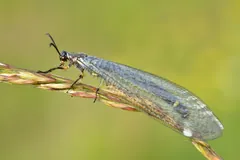
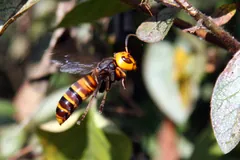
Desert
Surviving intense solar heat, freezing nights, and extreme water scarcity through concentrated waste and burrowing.
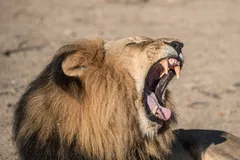
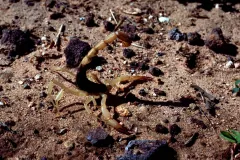
Venomous
Engineered biochemical cocktails delivered through fangs, stingers, spurs, or harpoons to disable nervous systems or dissolve tissue.
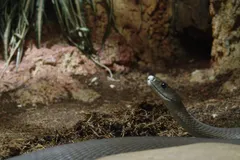
Apex Predator
Occupies the top of its food chain with no natural predators as adults, maintaining balance across entire ecosystems.
Predator
Active carnivorous hunter utilizing acute sensory tracking, stalking tactics, and lethal offensive weapons.
Savanna
Adapted to expansive tropical grasslands, enduring prolonged dry seasons and following migrating herbivore herds.
Mountains
Mastering rocky crags, thin atmosphere, and sheer vertical cliffs with specialized hooves and muscular grip.

Ungulate
Hoofed mammals with specialized digestive chambers adapted to break down tough grasses and foliage.
Insectivore
Hunting insects, spiders, and grubs with lightning tongues, sharp beaks, or sensitive hearing.
Migratory
Undertaking epic seasonal journeys spanning thousands of kilometers to access rich feeding and breeding grounds.
Giant Size
Immense physical body mass providing thermal stability, predator deterrence, and enormous internal digestive capacity.
Burrower
Excavating subterranean tunnels for temperature control, predator safety, and secure nursery dens.
Forest
Navigating multi-layered tree trunks and leaf-strewn forest floors with sharp hearing and nimble footwork.
Invertebrate
Animals lacking a backbone or spinal column, representing over 95 percent of all animal species on Earth.
Grassland
Thriving across wide open plains, using keen long-distance eyesight and sprinting speed to evade predators.
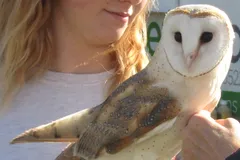
Urban
Thriving inside human cities, utilizing building ledges, bridges, and refuse for food and shelter.
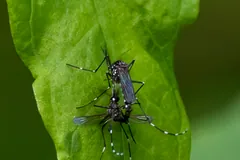
Social
Forming close-knit social groups that cooperate in sentry duties, mutual grooming, and group protection.

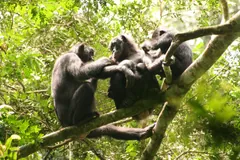
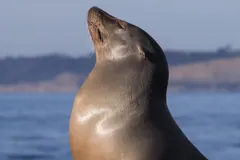
Social Colony
Living in coordinated colonies or family troops with strict division of labor and collective defense.
Camouflage
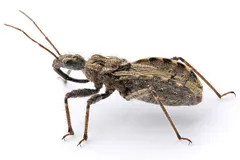
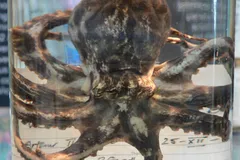
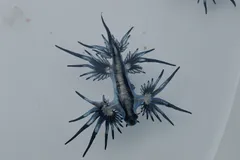
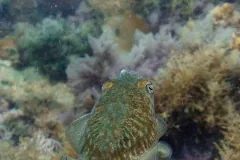
Disruptive coloration, chromatophore pigment cells, and texture morphing that blend the animal into surrounding terrain.
Invasive
Proliferating rapidly outside native ranges, outcompeting endemic wildlife through adaptability and fast breeding.
Solitary Hunter
Patrolling expansive home territories and securing prey alone without relying on a pack.
Agricultural
Foraging across farm pastures, crop fields, and grain silos, capitalizing on human agricultural landscapes.
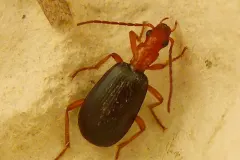
Benthic
Living on the bottom of aquatic bodies, crawling over sediments, rocky reefs, and seabed deposits.
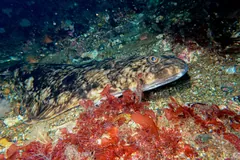
Arachnid
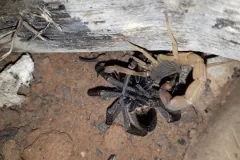
Eight-legged predatory chelicerates including spiders and scorpions, feeding via external digestive fluids.
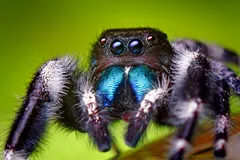
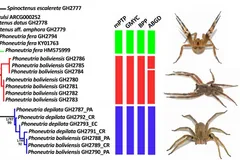
Armored
Tough exterior carapaces, bony scutes, and thick dermal shielding that resist crushing jaw strikes.
Deep Sea
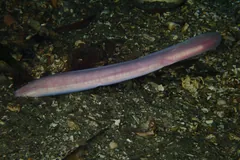
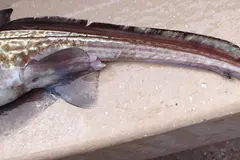
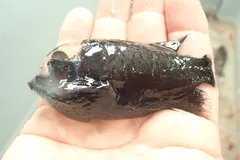
Surviving the bathypelagic abyss under freezing temperatures, complete absence of sunlight, and crushing hydrostatic pressure.
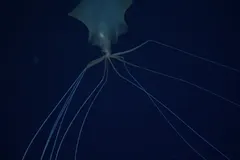
Flying
Aerodynamic wing surfaces, hollow skeletal structures, and powerful flight muscles generating sustained aerodynamic lift.

Ambush Predator
Remaining motionless for hours in camouflage before launching lightning strikes the moment prey steps into range.
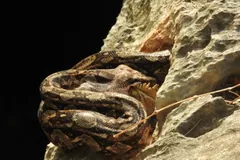
Amphibian
Dual-phase vertebrates with moist, water-permeable skin, transitioning from aquatic larvae to land adults.
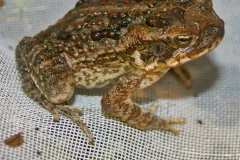
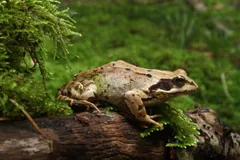
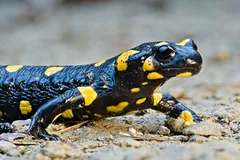
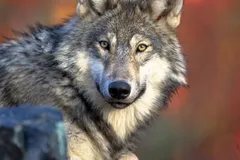
Arctic Tundra
Enduring the long, freezing winters of the far north, on permafrost, snow and ice or in the cold seas beside them.
Filter Feeder
Sieving massive volumes of water through baleen plates, gill rakers, bill lamellae, interlocking teeth, or mucous nets to trap plankton and krill.
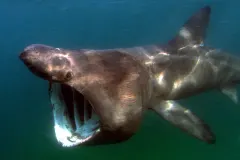

Hoofed
Mammals whose toes terminate in durable keratin hooves designed for running across rough terrain.
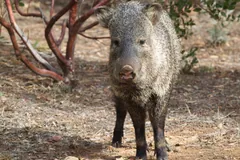

Primate
Mammals characterized by large brains, forward-facing binocular vision, and dexterous grasping hands.
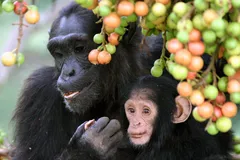
Antarctic
Surviving the coldest continent on Earth and the Southern Ocean around it, whether insulated by blubber, dense plumage or fur, or kept from freezing by antifreeze proteins in the blood.
Arboreal
Specialized for tree life with prehensile limbs, gripping claws, and balance organs tuned for high branches.
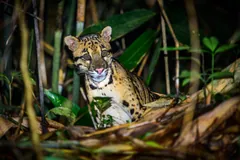
Domestic Pet
Species selectively bred alongside humans over centuries, exhibiting high social tolerance and domestic traits.
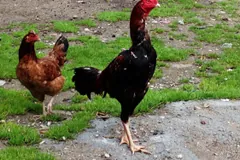
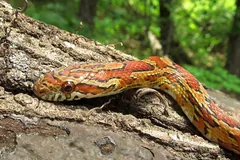

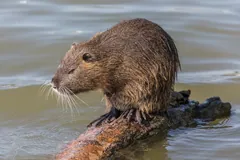
Rodent
Mammals distinguished by continuously growing rootless incisors that require constant gnawing to maintain.
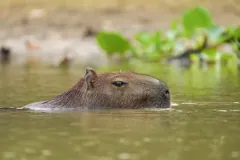
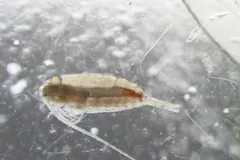
Crustacean
Hard-shelled arthropods equipped with two pairs of antennae, branched appendages, and calcified exoskeletons.
Scavenger
Feeding on animal carcasses, equipped with acidic digestive tracts that destroy deadly pathogens.
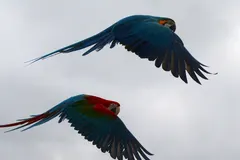
Frugivore
Diet focused on fresh fruit and seeds, acting as essential forest regenerators through widespread seed dispersal.
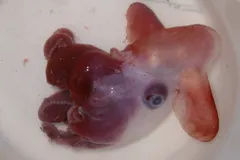
Cephalopod
Marine molluscs with prominent eyes, tentacle crowns, and jet-propulsion siphons.

Diurnal
Active during daylight hours, relying on color vision and solar warmth to feed and navigate.
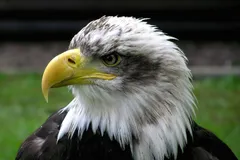
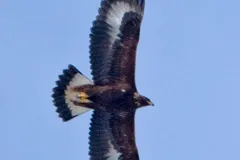
Raptor Bird
Birds of prey equipped with sharp hooked beaks, crushing talons, and telescopic binocular vision.
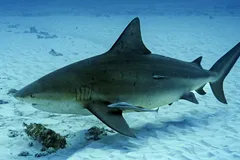
Shark
Cartilaginous ocean predators equipped with electrical sensors, multiple gill slits, and conveyor-belt rows of teeth.
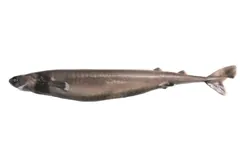
Agile
Flexible joints, acute balance organs, and rapid reflex arcs enabling lightning-quick pivots across tricky terrain.
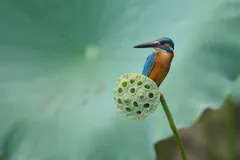
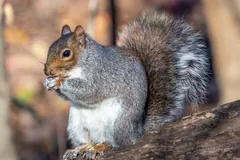
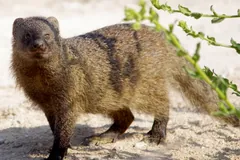
Arid
Thriving in dry scrublands and rain shadows, extracting metabolic moisture from succulent roots and seeds.
Endangered
Facing severe population threats from habitat loss and climate shifts, requiring focused global conservation.
Feline
Carnivores possessing razor retractable claws, flexible spines, sensitive whiskers, and acute night vision.
Mustelid
Elongated, muscular carnivores with scent glands, fearless attitudes, and high-energy hunting styles.
River
Streamlined bodies and strong pectoral fins adapted to fight river currents and navigate shifting silt channels.
Super Speed
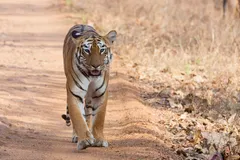
Flexible spines, non-retractable traction claws, and rapid-twitch muscle fibers powering explosive top speeds.
Toxic Chemical
Poisonous skin secretions, foul-smelling fluids, or concentrated dietary alkaloids that deter predators on contact.
Climber
Scaling sheer vertical cliffs and smooth tree trunks using adhesive pads, flexible ankles, and hooked claws.
Coral Reef
Navigating complex limestone reef structures with high maneuverability, sharp color vision, and specialized feeding tools.
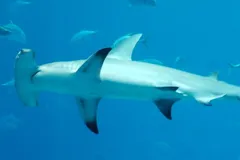
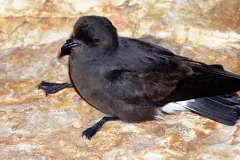
Pelagic
Cruising open ocean water columns far from coasts and reefs, built for constant forward swimming.
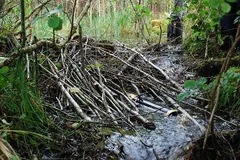
Architect Builder
Constructing complex dams, woven suspended nests, or air-conditioned underground mounds.
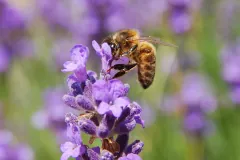
Bizarre Anatomy
Possessing unconventional body structures, strange jaw joints, or weird sensory extensions evolved for extreme niches.
Canopy
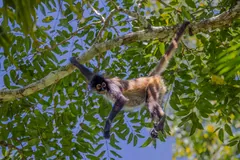
Dwelling tens of meters above the forest floor, leaping between swaying branches to harvest sunlight-rich fruits and leaves.
Deep Diver
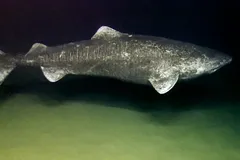
Compressible ribcages, high myoglobin oxygen storage, and slowed heart rates enabling deep ocean dives under crushing pressure.
Display
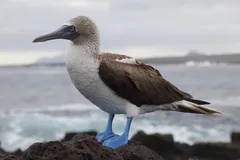
Performing elaborate courtship dances, vocal displays, and plumage presentations to communicate genetic fitness.
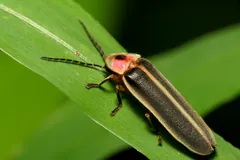
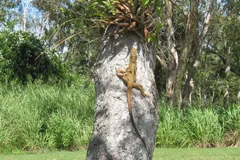
Canid
Slender-bodied carnivores with non-retractable claws, acute sense of smell, and exceptional stamina.
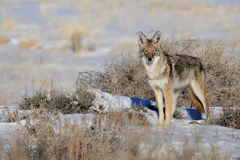
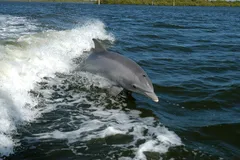
Cetacean
Fully aquatic marine mammals with streamlined bodies, blowholes for breathing, and horizontal tail flukes.
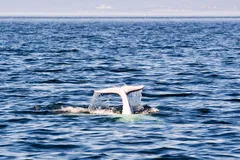
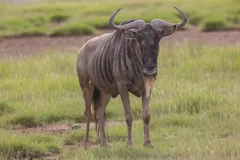
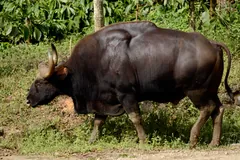
Horns
Keratin sheaths anchored over solid bone cores used for high-impact clashes, predator deterrence, and social dominance.

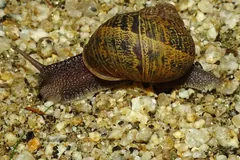
Mollusc
Soft-bodied invertebrates often protected by calcium carbonate shells, showing immense anatomical variety.
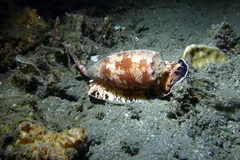
Super Bite Force
Massive jaw adductor musculature and reinforced skull bones delivering crushing pressures measured in thousands of Newtons.
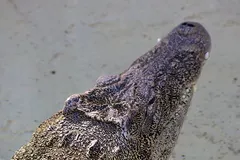
Cnidarian
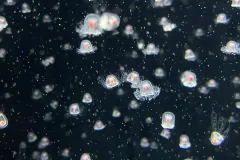
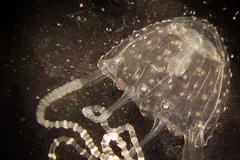
Aquatic invertebrates armed with stinging microscopic harpoon cells that inject venom on physical contact.
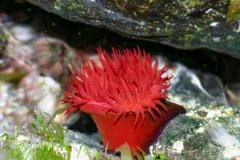
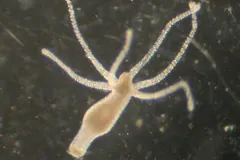
Electroreception
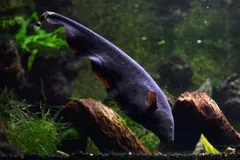
Specialized ampullary pores detecting microvolt electrical impulses produced by the muscular twitches of buried prey.
Marsupial
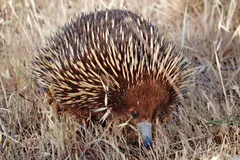
Mammals that give birth to tiny undeveloped young, sheltering and nursing them inside maternal pouches.
Vocalist
Complex acoustic repertoires including booming territory songs, harmonic whistles, and resonant mating calls.
Adaptable
Flexible opportunists capable of switching diets, adjusting behaviors, and settling into diverse landscapes.

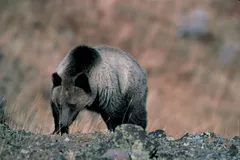
Bear
Large, heavily built omnivores with powerful non-retractable claws, keen scent detection, and winter dormancy cycles.
Big Cat
Large felines with specialized throat anatomy for roaring, tremendous muscular power, and apex hunting traits.
Echolocation
High-frequency ultrasonic click trains bouncing off obstacles and prey to construct detailed acoustic 3D maps in total darkness.

Hematophagy
Specialized diet consisting of vertebrate blood, supported by anticoagulants that keep host blood flowing.
Aposematic
High-contrast warning colors signaling toxic skin alkaloids, sharp spines, or foul tastes to predatory onlookers.
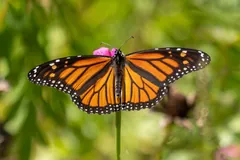
Bioluminescent
Luciferin-driven chemical light production in dark depths for counter-illumination camouflage, glowing lures, and flashes.
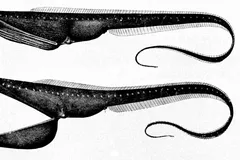
Cartilaginous
Fishes whose entire skeletons are made of flexible cartilage rather than rigid bone, saving weight.
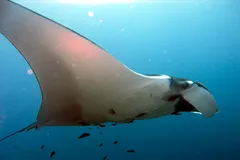
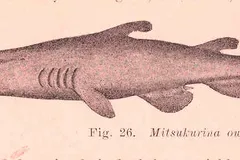
Colorful
Vibrant coloration produced by dietary pigments or structural cells, used for species recognition and warnings.
Fossorial
Spending major portions of life underground, anatomically specialized for digging and subterranean movement.
Intelligent
Demonstrating problem-solving skills, spatial memory, and complex learned traditions passed across generations.
Island Endemic
Species found exclusively on specific isolated islands, shaped by unique local evolutionary pressures.
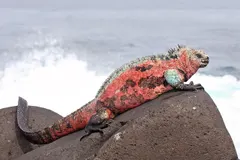
Pack Hunter
Coordinating strategic flank movements, vocal signals, and relay chases to bring down large game.
Subterranean
Living underground, using reduced eyes, shovel-like limbs, and sensitive snouts to navigate darkness.
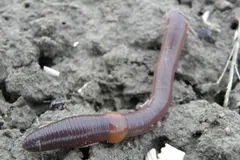
Tool User
Manipulating rocks, sticks, or shells to crack hard shells, probe tree hollows, or solve foraging puzzles.
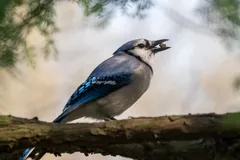
Vocalization Mimic
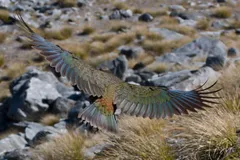
Precise syrinx or vocal tract control capable of replicating environmental noises, alarm calls, and foreign animal sounds.
Bipedal
Upright two-legged stance and locomotion, freeing forelimbs for grasping or powering explosive leaping strides.
Chemical Defense
Specialized glands firing irritating acid, boiling chemical sprays, or noxious liquids directly at approaching threats.
Cold Tolerant
Vascular counter-current heat exchangers and cellular cryoprotectants that keep blood flowing in freezing temperatures.
Extreme Survivor
Enduring severe ecological stress, extended starvation, and harsh environmental swings without failing.
Fast
High-velocity locomotion across open terrain, through air currents, or slicing through water with minimal drag.
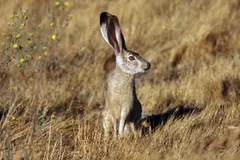
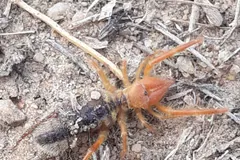
Immune Tank
Reinforced cellular defenses and specialized blood proteins capable of neutralizing lethal neurotoxins and tissue damage.
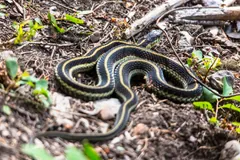
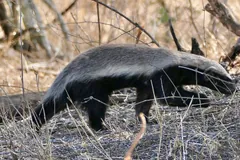
Infrared Vision
Facial pit organs equipped with thermal receptors that detect minute infrared heat signatures from warm-blooded prey.
Living Fossil
Surviving largely unchanged across hundreds of millions of years, outlasting mass extinction events.
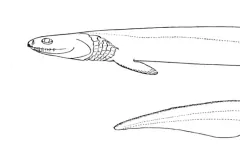
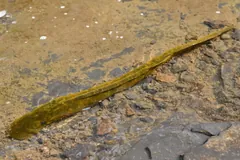
Regeneration
Ability to regrow severed limbs, tail vertebrae, retinal tissue, or internal organs without functional scar tissue.
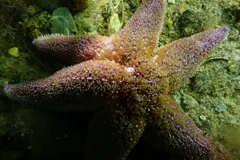
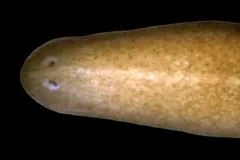
Stealth Hunter
Padded paws, serrated flight feathers, and ultra-slow stalking motions that close distance without making a sound.

Tide Pool
Tolerating wild fluctuations in salinity, water temperature, and crashing surf within intertidal rock pools.
Alpine
Surviving above the tree line in freezing winds, rocky boulder fields, and sparse seasonal alpine meadows.
Ancient Lineage
Representing primitive evolutionary branches that predate the emergence of modern vertebrate groups.
Aquatic
Organisms spending primary life stages submerged in water, equipped with hydrodynamic profiles and gills or diving lungs.
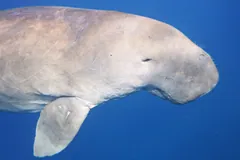
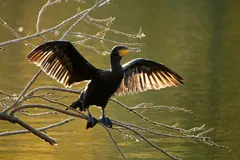
Pollinator
Feeding on floral nectar while transferring pollen across plants to power forest and grassland reproduction.
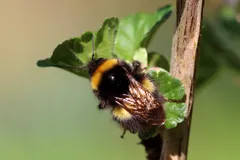
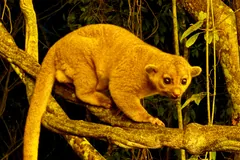
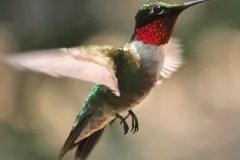
Super Navigator
Magnetic field sensing, polarized light detection, and celestial orientation guiding long-distance migrations across oceans.

Tactile Sense
Ultra-sensitive whiskers, sensory tentacles, or specialized touch receptors detecting microscopic vibrations and currents.
Amazon
Adapted to the immense Amazon river basin, thriving within the world's most biodiverse tropical ecosystem.
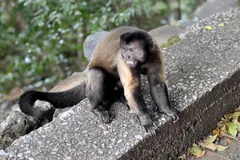
Caves
Navigating pitch-black limestone caverns and subterranean sinkholes with non-visual sensory tools.
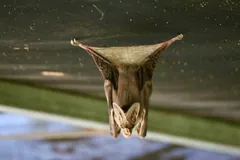
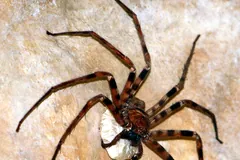
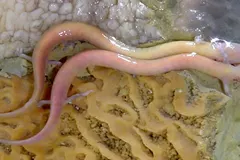
Electric Discharge
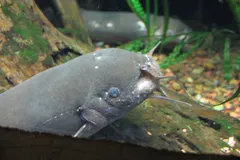
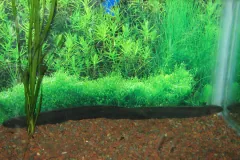
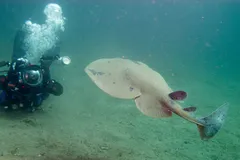
Electrocyte cell stacks aligned in series to discharge high-voltage shocks up to 860 volts for hunting and self-defense.
Glider
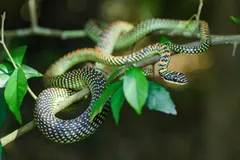
Patagium skin membranes stretched between limbs to glide dozens of meters between forest canopies without flapping wings.

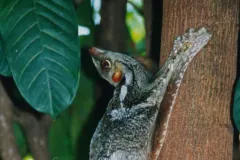
Highlands
Living on high altitude plateaus with elevated blood oxygen capacity to handle low atmospheric pressure.


Infrasound
Low-frequency acoustic rumbles below 20 Hz that travel tens of kilometers through ground and air to coordinate herds.
Keystone Species
Exerting major influence on ecosystem balance, supporting the survival of dozens of interconnected species.

Meadow
Foraging through seasonal flowering grasslands, capitalizing on summer seed blooms and dense ground cover.
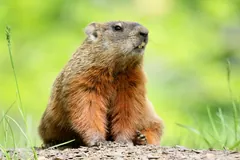
Mimicry
Morphological and behavioral impersonation of dangerous, toxic, or inanimate objects to deceive predators and prey.
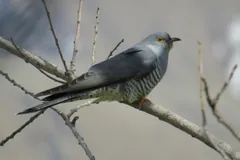
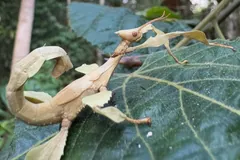
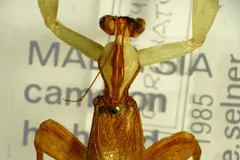
Montane
Inhabiting steep alpine slopes where temperatures drop rapidly and mountain gusts demand rugged thermal insulation.
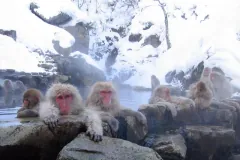
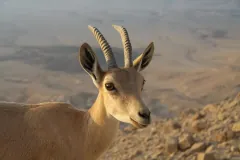
Parthenogenetic
Capable of virgin birth and asexual reproduction, producing viable female offspring without male fertilization.
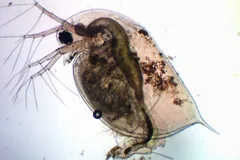
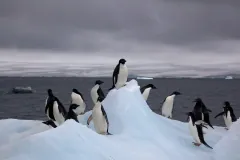
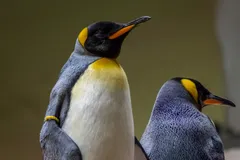
Penguin
Flightless marine diving birds with paddle-like wings and dense plumage adapted for freezing oceans.
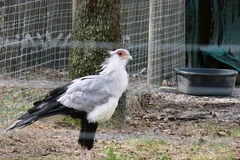
Snake Hunter
Resistant to snake venom, using lightning reflexes and durable skin to overpower venomous serpents.
Tree Dweller
Foraging, sleeping, and nesting in high tree canopies to avoid ground-based predators.
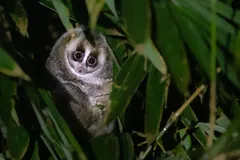
Abyssal
Inhabiting the deepest seafloor plains thousands of meters down, foraging around hydrothermal vents and mineral seeps.
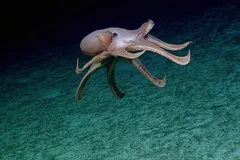
Burrowing
Using shovel-shaped paws, modified claws, or strong snouts to excavate soil with rapid efficiency.
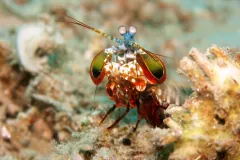
Cavitation Strike
Hyper-fast club or claw strikes that collapse water bubbles, generating shockwaves, intense heat, and shell-shattering force.
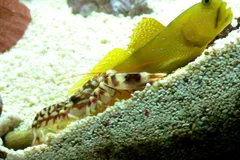
Dragon Scales
Heavily keeled, spiny keratin scales or bony osteoderms forming impenetrable biological chainmail against predator bites.
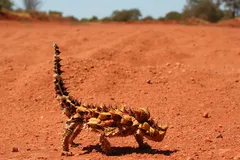
Eared Seal
Pinnipeds with external ear flaps and rotating hind flippers that allow them to walk efficiently on land.
Extreme Danger
Presents severe threat levels through sudden explosive aggression, high-yield toxins, or overpowering physical force.
Galapagos
Wildlife endemic to the volcanic Galapagos archipelago, demonstrating dramatic evolutionary divergence.
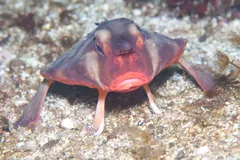
Hyperactive
Powered by sky-high metabolic rates requiring relentless foraging and rapid body movements around the clock.
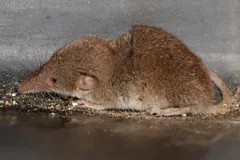
Iridescent
Microscopic structural nanostructures in feathers, scales, or wings that refract light into vivid shifting colors.
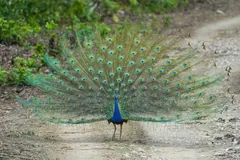
Island Life
Evolving in isolated island ecosystems, often developing unusual body sizes and occupying unconventional ecological roles.
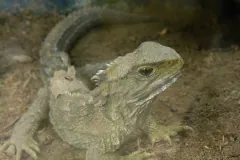
Monotreme
Egg-laying mammals that sweat milk without teats, combining reptilian skeletal traits with warm-blooded fur.
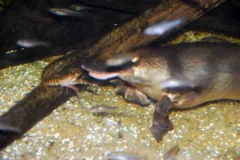
Pack Ice
Living on shifting sea ice over polar waters, resting, breeding or hunting among the drifting floes.
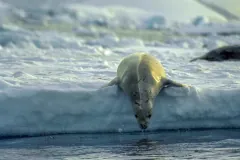
Parasitoid
Laying eggs inside or on living hosts, where developing larvae consume the host before pupating.
Polar Gigantism
Invertebrates growing to enormous proportions supported by cold, high-oxygen polar ocean currents.
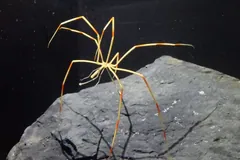
Polar Icon
Flagship species representing the delicate, ice-bound ecosystems of the Arctic and Antarctic circles.

Sensory Overload
High-density sensory systems combining multi-spectral vision, magnetic alignment, and acute chemical detection.
Super Endurance
Highly efficient aerobic metabolism, heat-shedding circulatory loops, and stamina built to run down prey over hours.
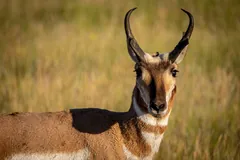
Super Tough
Dense hides, elastic connective tissues, and rugged physiological tolerances that endure severe physical trauma.
Ultrasonic
Acoustic communication and hearing tuned to frequencies above 20 kHz, operating beyond the hearing range of competitors.
Aerial Hunter
High-speed diving stoops, sharp talons, and precision optical tracking built to intercept prey mid-flight.
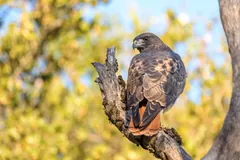
Armor
Reinforced dermal plates, thick carapaces, or interlocking keratin shields designed to resist crushing bite pressures.
Cave Dweller
Troglobites and subterranean specialists adapted to absolute darkness, high humidity, and steady cave temperatures.
Deadly
Equipped with lethal offensive weaponry, potent venoms, or massive crushing power capable of fatal blows.
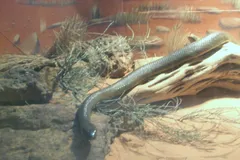
Evolutionary Marvel
Displaying bizarre anatomical innovations and unique survival strategies found nowhere else in nature.
Extreme Adaptation
Radical anatomical and physiological solutions evolved to conquer inhospitable environmental conditions.
Fluorescent
Absorbing ultraviolet radiation and re-emitting it as vivid neon glow for species recognition under dim light.
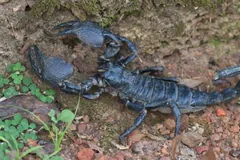
Ice Dweller
Living on and under solid ice, resting, breeding or keeping breathing holes open through it.

Jungle
Tackling tangled undergrowth, dense vine networks, and high moisture levels with acute hearing and agile movement.
Night Vision
Tapetum lucidum reflective eye layers and dense rod photoreceptors maximizing light sensitivity in near-total darkness.
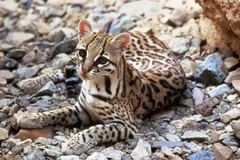
Slime Shooter
Pressurized mucus glands firing protein threads that instantly hydrate into liters of thick slime to clog predator gills.
Storm Dweller
Riding open ocean gale winds for days on dynamic soaring wings without flapping or landing on shore.
Vacuum Strike
Rapid expansion of the mouth cavity creating powerful negative suction that inhales prey in single-digit milliseconds.
No matching traits found
Try searching for a different biological feature or select another category.