Domestic Pet
Species selectively bred alongside humans over centuries, exhibiting high social tolerance and domestic traits.

Alpaca
The smallest domestic camelid makes antibodies with no light chain and grows fiber much stronger than Merino wool.
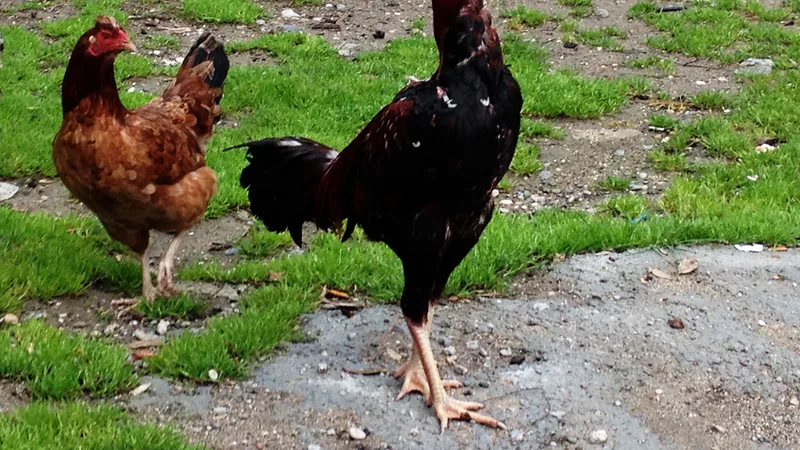
Chicken
The toothless bird whose gizzard does the chewing, whose hen usually lays an egg every 26 hours, and which outnumbers every other bird species.
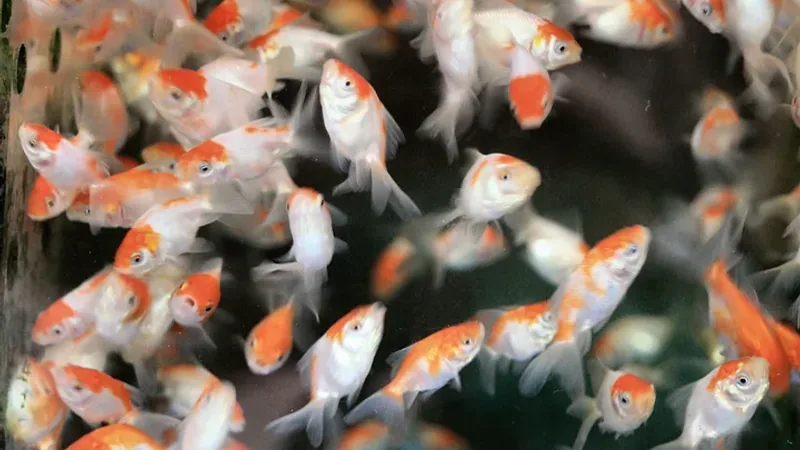
Common Goldfish
The pond fish that makes alcohol to survive without oxygen and sees four colors, ultraviolet included.
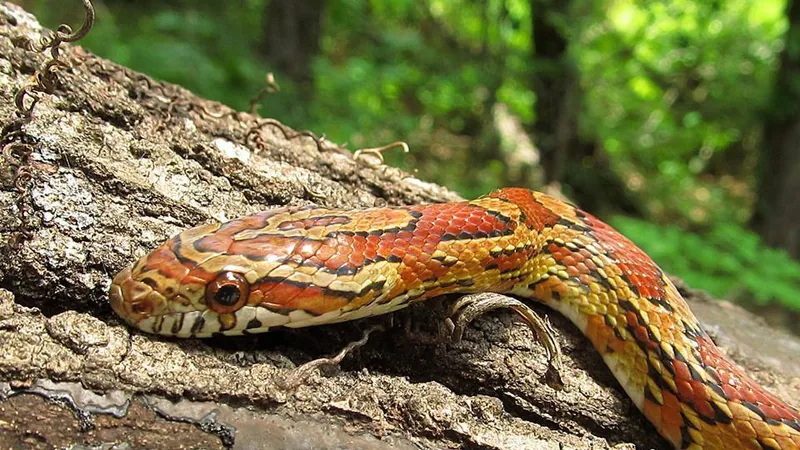
Corn Snake
The most commonly bred pet snake, and a lab model for how reptiles get their colours.

Domestic Cat
The flexible carnivore that jumps five times its own height and hears one of the broadest ranges of sound of any mammal.

Domestic Dog
The first animal humans domesticated, with hundreds of millions of scent-sensing cells and nasal airflow tuned to carry smells to them.

Domestic Rabbit
Sees almost all the way around, twists in midair when happy, and eats its own droppings for a second pass at its food.

Donkey
A working equid whose hee-haw can travel up to 3 km, domesticated in Africa around 5000 BCE.

Ferret
A domesticated weasel relative that spends over 60% of its time asleep in the lab.

Goat
A domesticated ruminant with rectangular pupils and a digestive system that works nonstop.
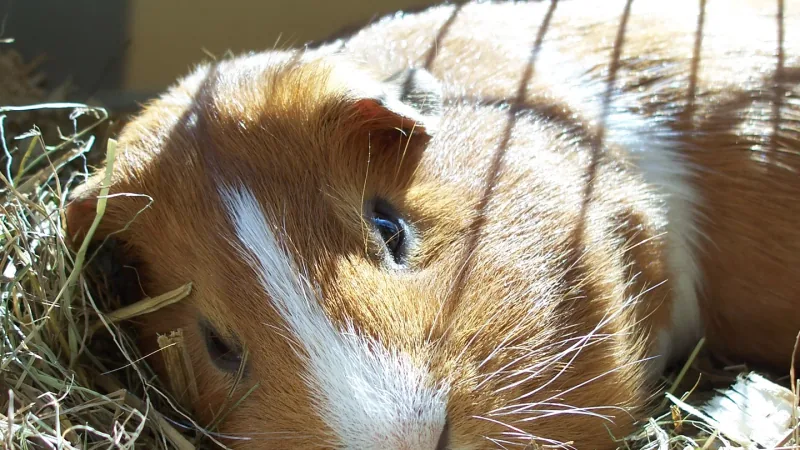
Guinea Pig
A tailless rodent with six main calls and a habit of popcorning.

Koi
A pet carp bred into over 100 colour varieties that, in one study, sought out a human hand.
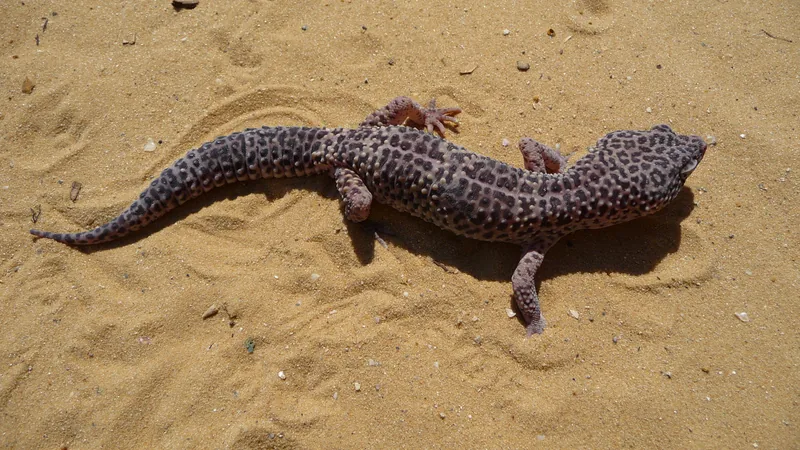
Leopard Gecko
A desert gecko with movable eyelids, no sticky toe pads, and a dropped tail that keeps moving for up to 30 minutes.

Red-Eared Slider
Whether a slider hatches male or female depends on how warm its nest was.
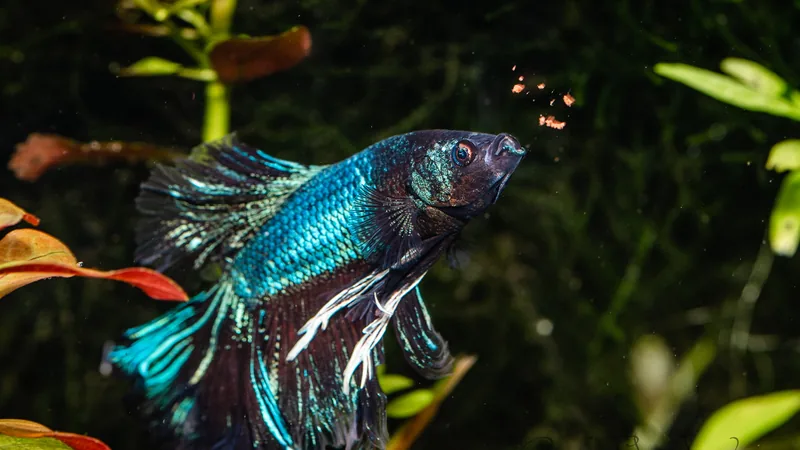
Siamese Fighting Fish
A fish up to 6.5 cm long that breathes air through a labyrinth organ, and whose males flare their gill covers at each other.

Suffolk Sheep
A jet-black, wool-free head and legs against a clean white fleece, on an English meat breed whose lambs can gain more than a pound a day.