Venomous
Engineered biochemical cocktails delivered through fangs, stingers, spurs, or harpoons to disable nervous systems or dissolve tissue.

Amazonian Giant Centipede
Venomous, up to 30 cm long, and its big ones are known to climb cave ceilings and catch bats.

Arizona Bark Scorpion
North America's most venomous scorpion, and the best climber among Arizona's thirty scorpion species.

Army Ant
A colony of up to a million sisters that clings together as a living nest, then raids the forest floor as a fan-shaped army.

Asian Giant Hornet
The world's largest hornet, whose raiding parties can kill thousands of honeybees in a few hours.

Black Mamba
Its scales are olive-brown, but the inky black mouth it flashes when cornered backs a venom that attacks the nervous system two ways at once.
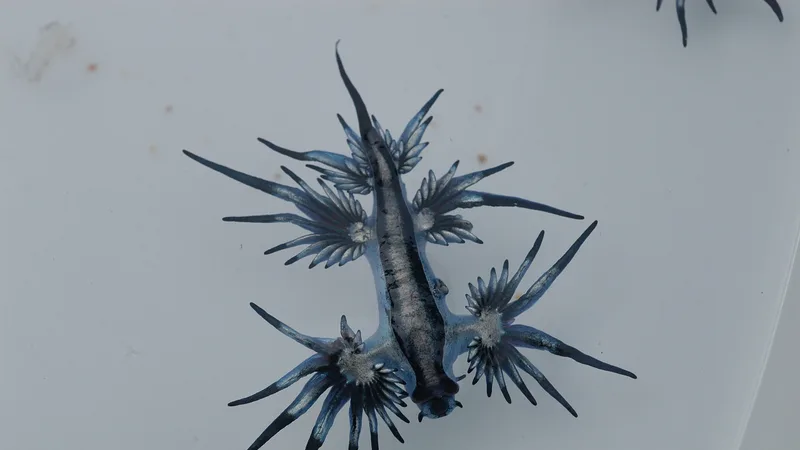
Blue Sea Dragon
Air-bubble buoyancy, blue-and-silver countershading, and a sting borrowed from the Portuguese man o' war.
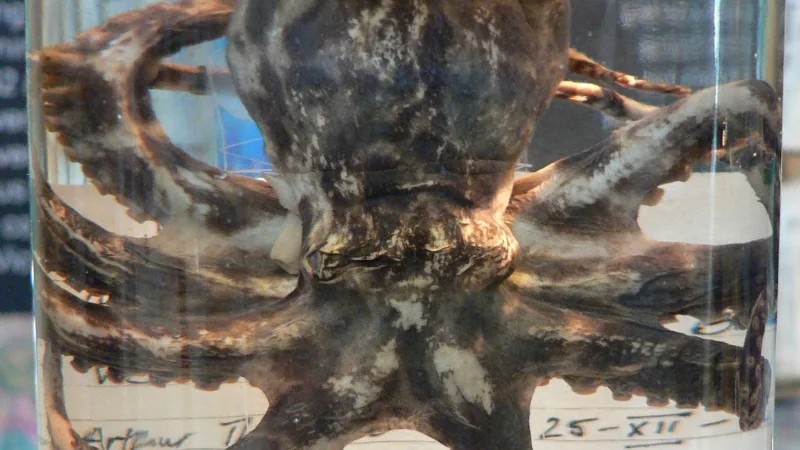
Blue-Ringed Octopus
Golf-ball sized tide pool titan flashing iridescent electric blue rings and deadly tetrodotoxin.

Boomslang
Giant round eyes, a 180-degree gape, and venom that turns the blood against itself.
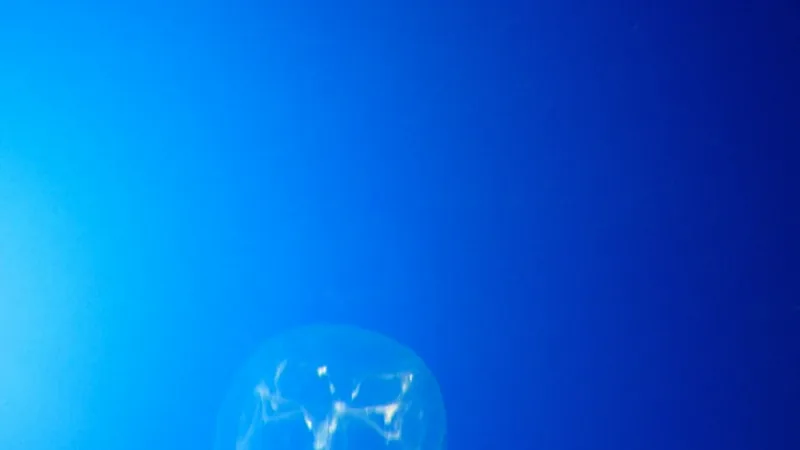
Box Jellyfish
The translucent ocean predator with 24 eyes, no brain, and venom that can kill a person in minutes.

Brazilian Wandering Spider
A web-less wandering spider of south-eastern South America that hunts among the vegetation after dark, throws its front legs up when threatened, and carries venom packed with peptides that jam ion channels.
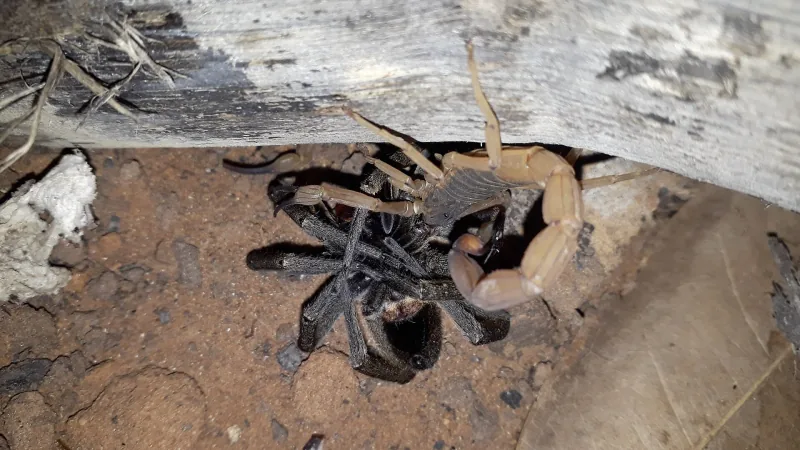
Brazilian Yellow Scorpion
The asexual arachnid that invaded Brazilian cities without needing a single male to reproduce.
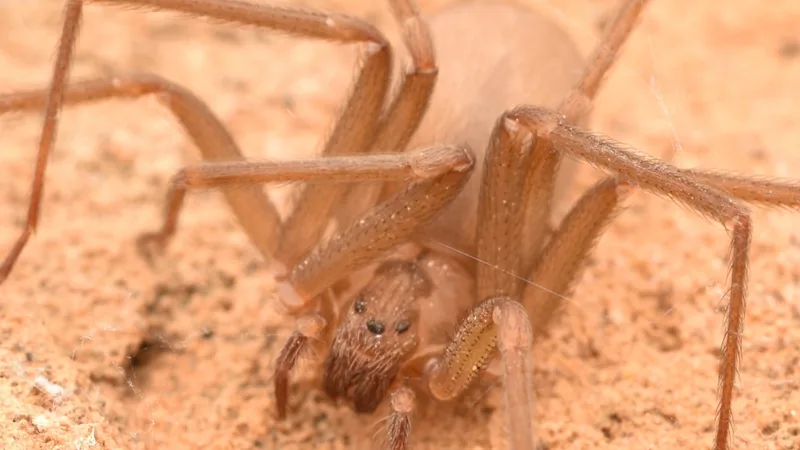
Brown Recluse
A six-eyed night hunter with a violin marking and venom that can kill the tissue around a bite.
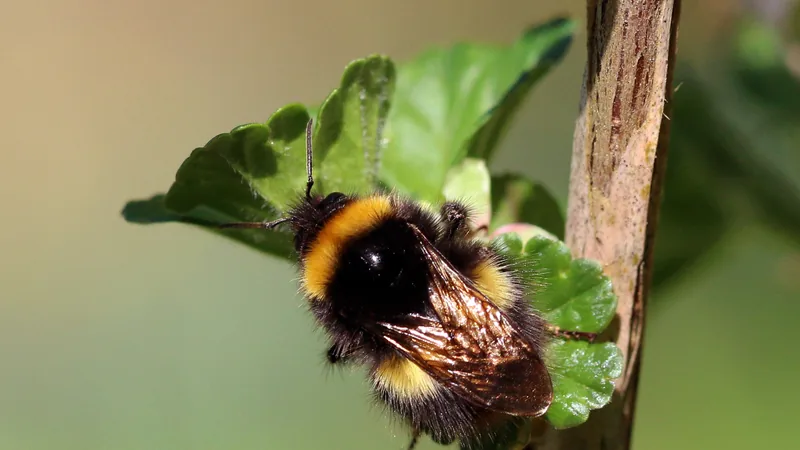
Buff-Tailed Bumblebee
A short-tongued bumblebee that bites holes in flowers to steal nectar, and nests underground in colonies of up to 600.
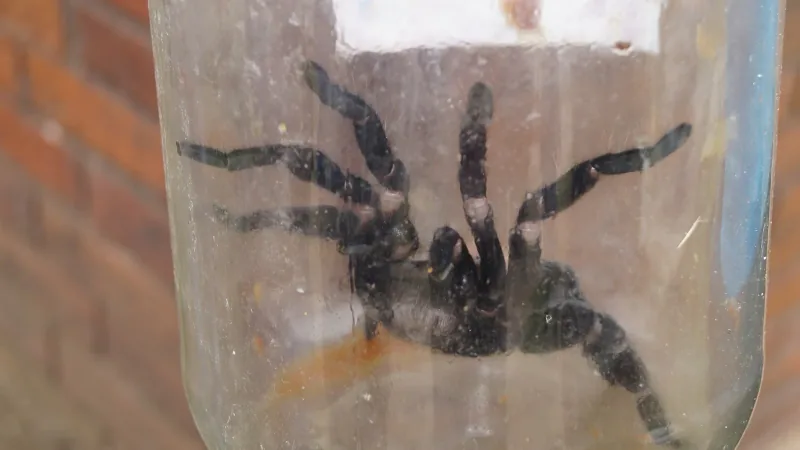
Chilean Rose Tarantula
The desert tarantula with no extensor muscles at two leg joints, and a metabolism that slows when food runs short.
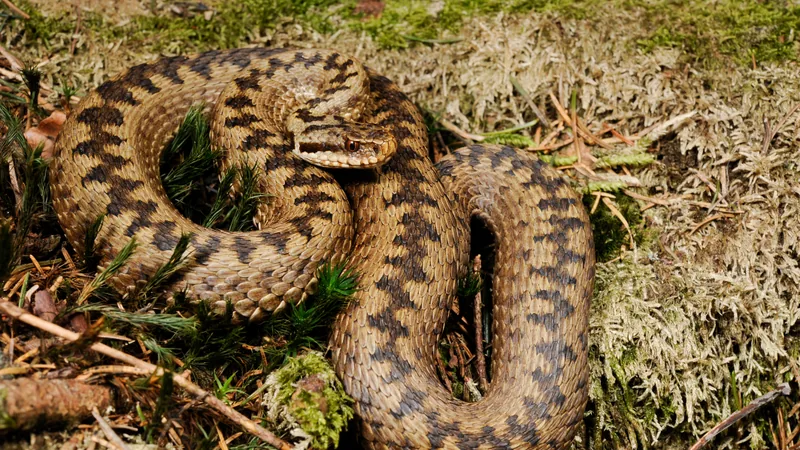
Common European Adder
A zigzag-backed viper that lives from Britain to the Pacific and is the only snake north of the Arctic Circle in Scandinavia.
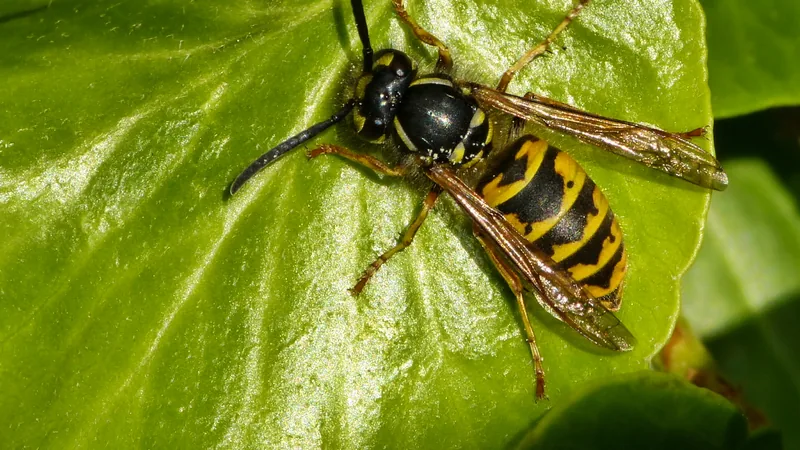
Common Wasp
A paper-nest builder whose workers police the colony by eating worker-laid eggs.
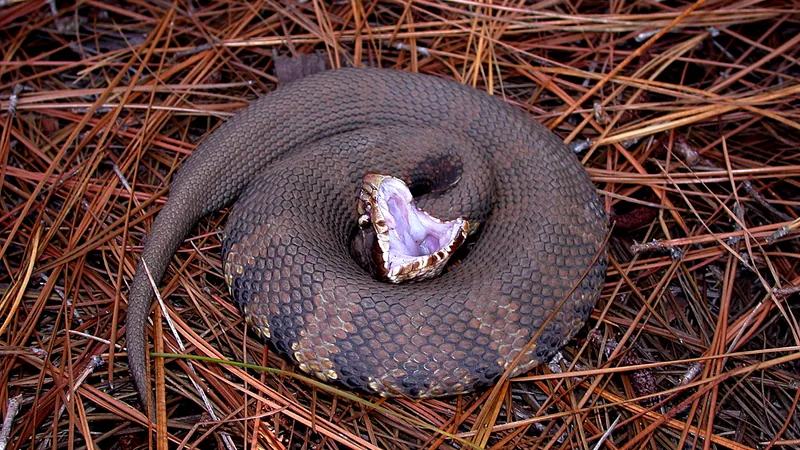
Cottonmouth
A swamp pit viper that warns with a wide-open white mouth and hunts on land and in water.
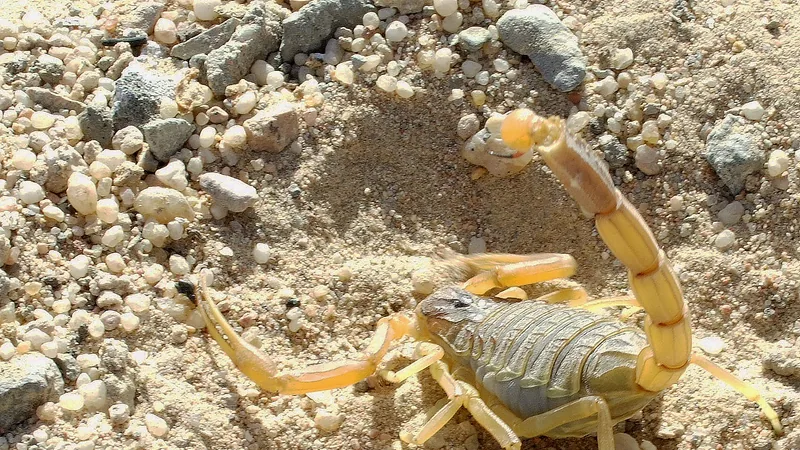
Deathstalker Scorpion
A desert scorpion about as long as a credit card, one of the most dangerous on Earth, whose venom yielded chlorotoxin, a peptide used in cancer research.

Duck-Billed Platypus
An egg-laying mammal with venomous spurs and an electric sense in its bill, once thought to be a taxidermist's hoax.
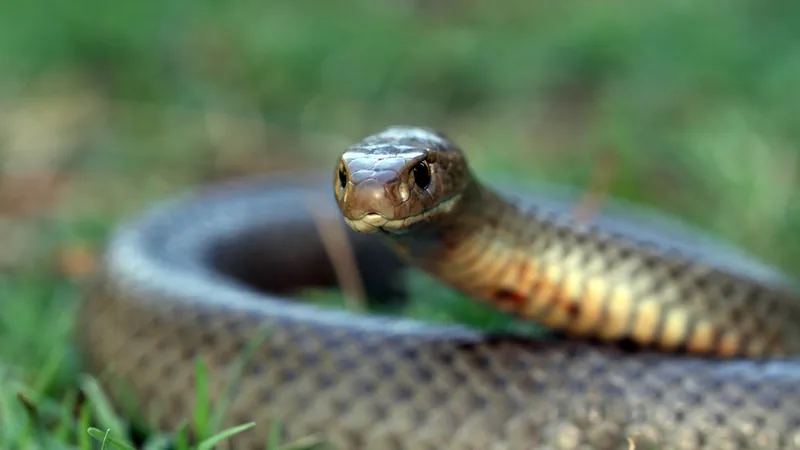
Eastern Brown Snake
Small fangs for an elapid its size, a modest average dose, and the second most toxic snake venom known.
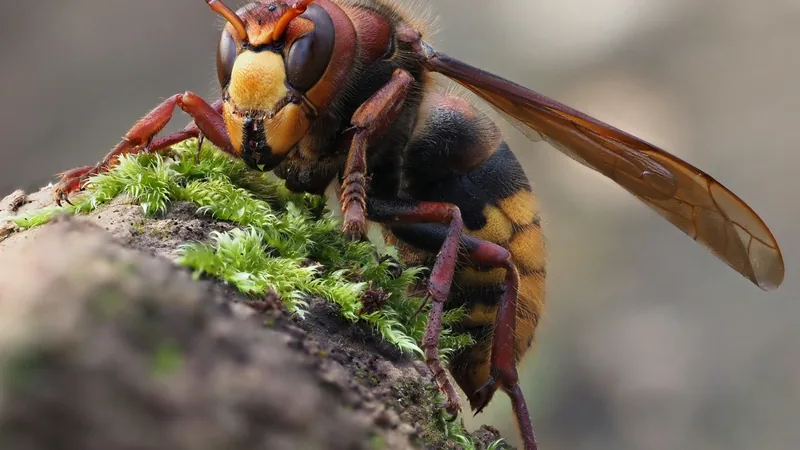
European Hornet
Central Europe's biggest vespine wasp, warmed by its own flight muscles.
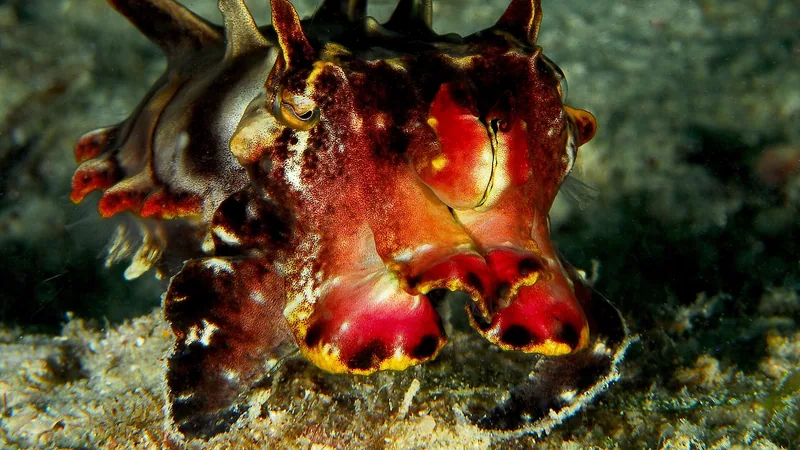
Flamboyant Cuttlefish
Bottom-walking cephalopod that sends color waves across its skin and flashes warning colors to advertise its venom.
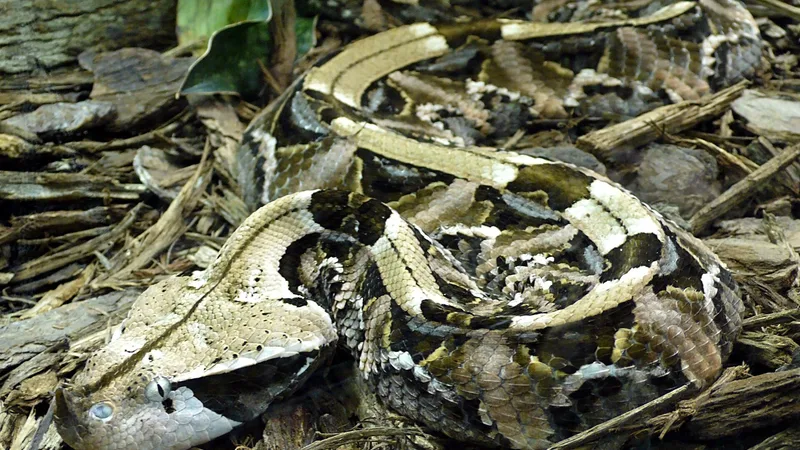
Gaboon Viper
Africa's largest viper has a head that mimics a fallen leaf, and the longest fangs of any venomous snake, up to 5 cm long.

Geography Cone Snail
Reef hunter whose venom insulin, released into the water, appears to disorient schools of small fish before the snail engulfs them and harpoons them with a hollow venom tooth.