Deep Diver
Compressible ribcages, high myoglobin oxygen storage, and slowed heart rates enabling deep ocean dives under crushing pressure.

Atlantic Bluefin Tuna
A tuna up to 13 feet long that dives past 1,000 meters and keeps a warm body.

Basking Shark
The second-largest fish on Earth, filtering up to 2,000 tons of seawater an hour through its gills to scoop up zooplankton.
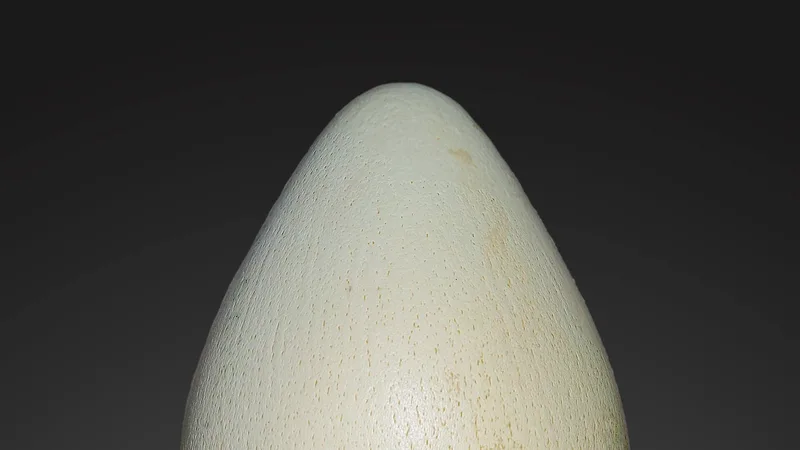
Emperor Penguin
Antarctic wind chills down to minus 60, dives past 500 meters, and months of fasting while the male alone incubates the egg.
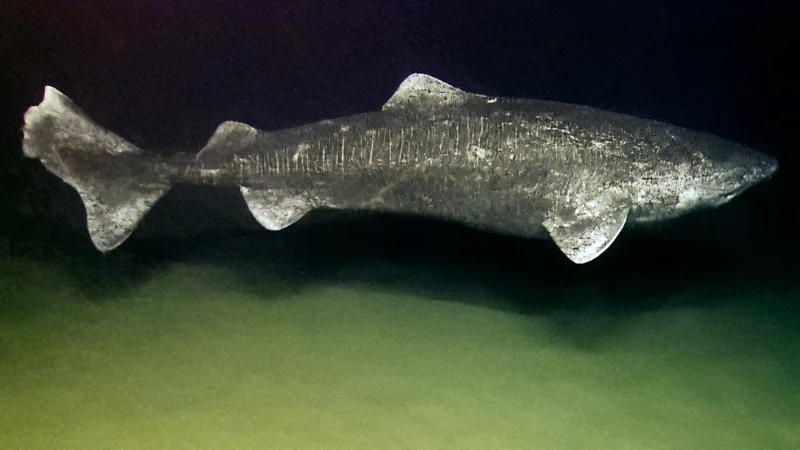
Greenland Shark
The longest-lived vertebrate known to science, growing under a centimeter a year, with females not sexually mature until at least 156 years old, give or take 22.
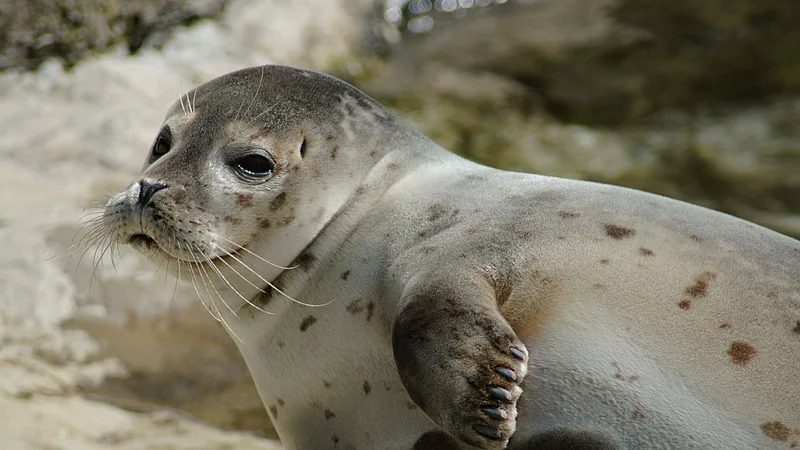
Harbor Seal
Whiskers that detect a swimming fish's wake, a heart rate that can drop to three or four beats a minute on a dive, and the widest range of any seal on Earth.
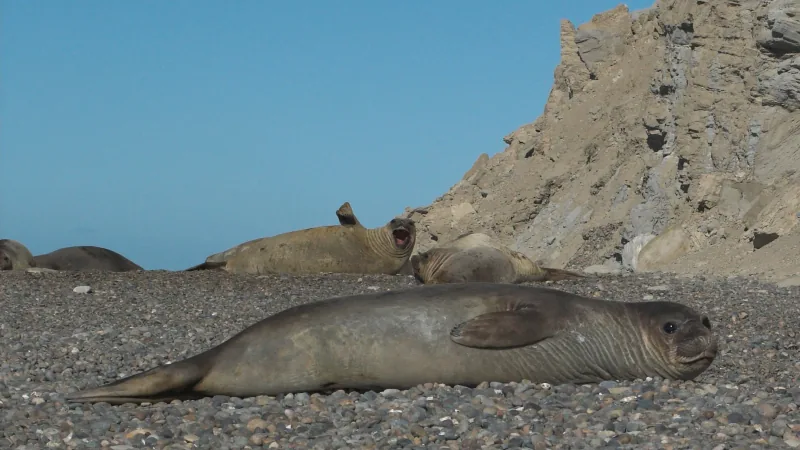
Southern Elephant Seal
The largest living carnivoran, with a roaring nose and blood built for breath-holds of up to two hours.

Sperm Whale
Hunts on dives that routinely reach 610 meters, fires biosonar clicks up to 236 decibels underwater, and occasionally swallows giant and colossal squid.
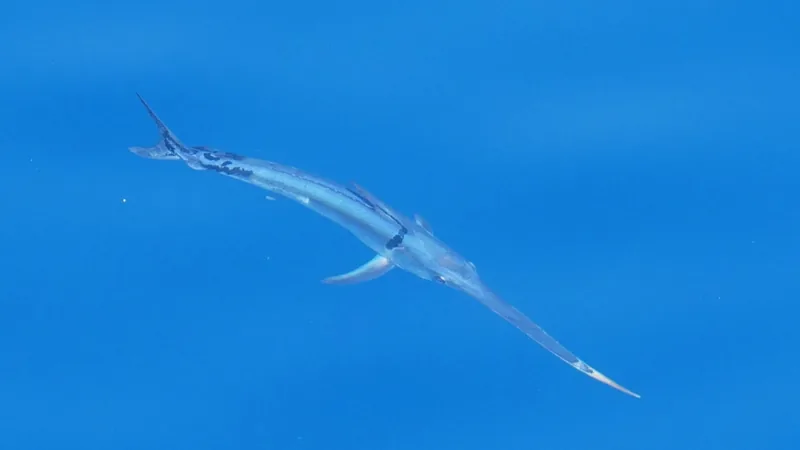
Swordfish
A fish with a heater for its brain and a flattened bill it apparently uses to slash prey.

Weddell Seal
The most southerly-ranging mammal living permanently in Antarctica, rasping breathing holes through new sea ice with its teeth and diving as deep as 720 metres.
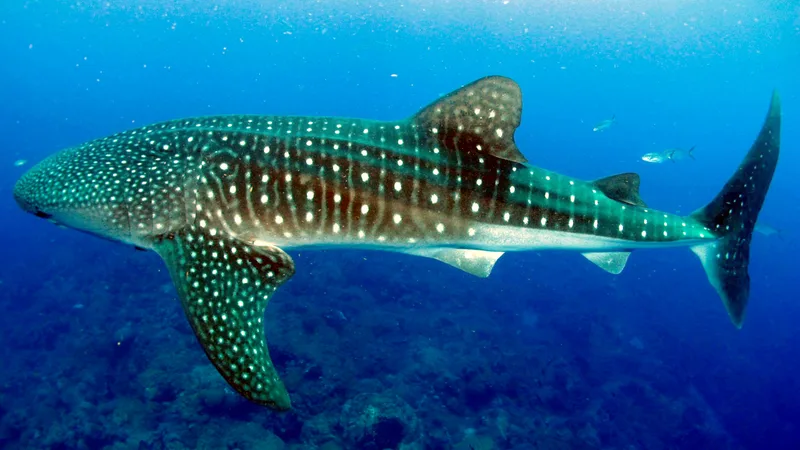
Whale Shark
World's largest fish, an ocean giant armored in tooth-like scales down to its eyeballs, that filters its food out of seawater.