Herbivore
Feeding exclusively on vegetation, relying on specialized microbial fermentation to break down tough plant cellulose.

African Buffalo
A heavyweight, cow-like grazer whose bulls sometimes chase lions into trees.

African Bush Elephant
Largest land mammal alive, matriarch-led herds, and rumbles felt through the ground.

African Crested Porcupine
The world's longest porcupine turns its back on a threat, rattles a tail of hollow quills, and charges backward to stab anything that ignores the warning.

Alpaca
The smallest domestic camelid makes antibodies with no light chain and grows fiber much stronger than Merino wool.

Alpine Chamois
Mountain relative of goats and antelopes, with hooves that grip slippery rock and hook-tipped horns on females as well as males.

Alpine Marmot
A whistling mountain sentinel that slashes its metabolism to hibernate, then regrows its gut after it wakes.

American Bison
North America's largest land animal, up to 2,400 pounds of it, and a lone wolf that attacks an adult catches it only about once in 100 tries.

American Pika
A rabbit relative that stacks hay in summer and can be killed by two hours above 28°C.

Asian Elephant
A boneless trunk with about 150,000 muscle units, a pregnancy of nearly two years, and rumbles humans can barely hear.
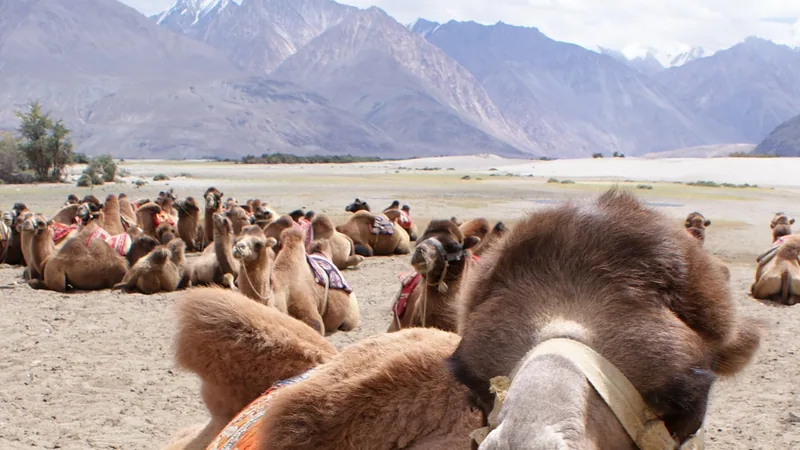
Bactrian Camel
Two humps of stored fat, a shaggy winter coat, and a body that survives temperatures from minus 29°C to 49°C.
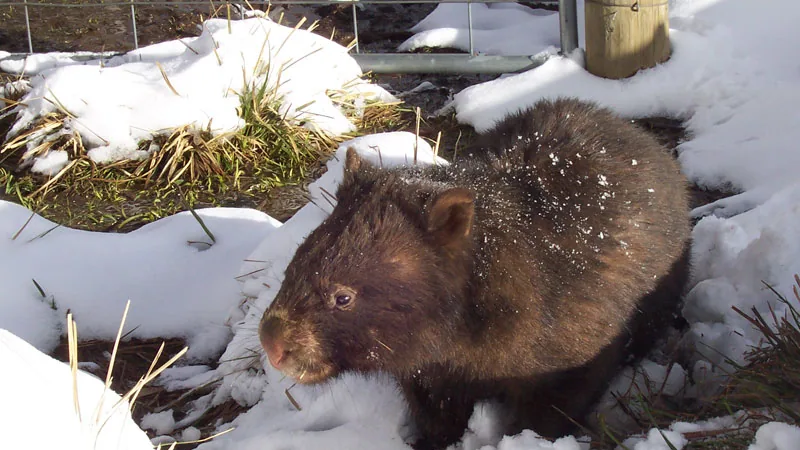
Bare-Nosed Wombat
A tough-skinned rump, cube-shaped scats, and the strength to crush an attacker against the burrow roof.
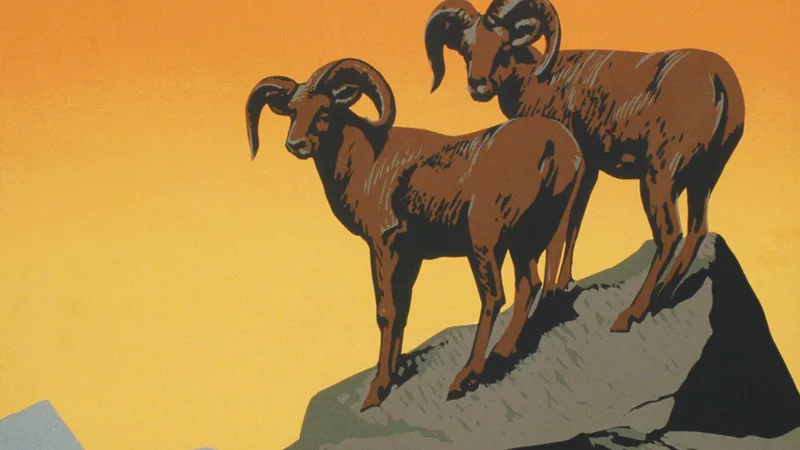
Bighorn Sheep
Horns weighing up to thirty pounds, head-first charges at up to forty mph, and hooves shaped to snag any slight protrusion.
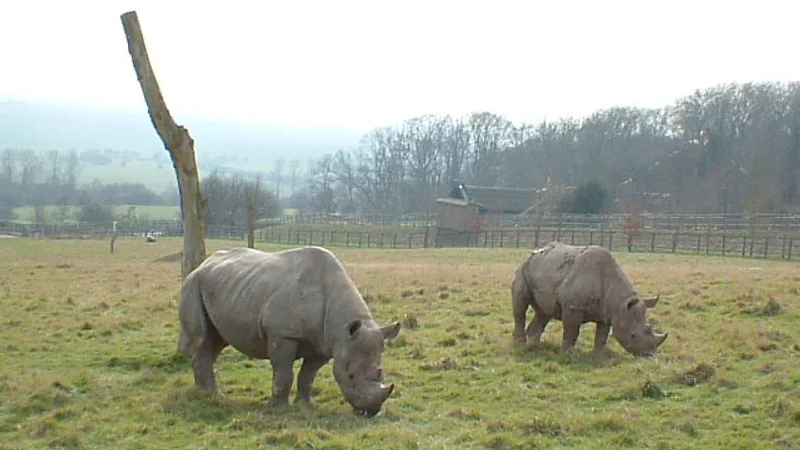
Black Rhinoceros
A hooked, prehensile lip, a recorded top speed of about 34 miles per hour, and two horns that grow from the skin all its life.
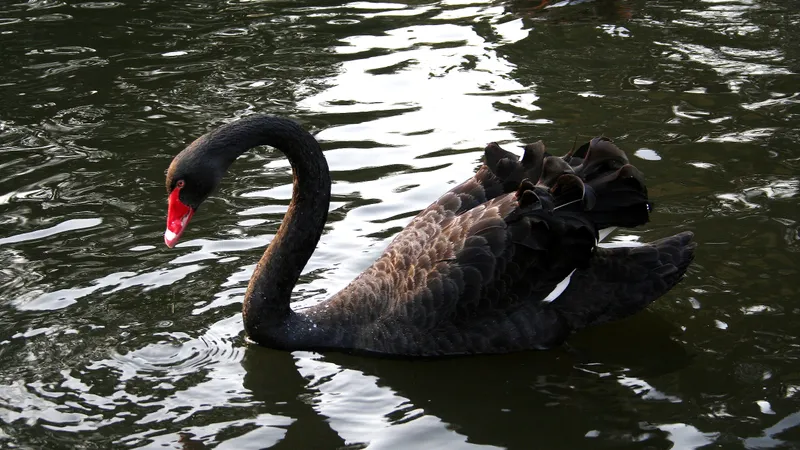
Black Swan
Australia's red-billed swan, whose black plumage is linked to a pigment gene that is cut short in the white mute swan.

Black-Tailed Jackrabbit
A desert hare that zigzags at up to 40 miles per hour and eats its own droppings for a second pass at its food.

Black-Tailed Prairie Dog
A keystone rodent that digs towns of multi-chamber burrows, and whose shrill jump-yip seems to set off the neighbors.
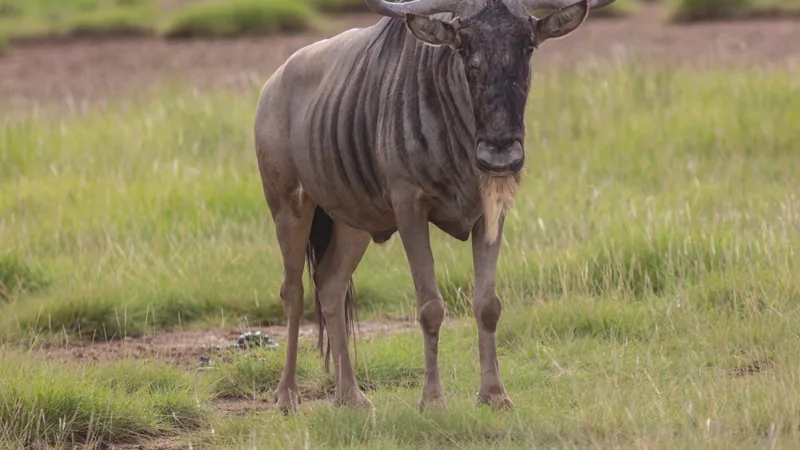
Blue Wildebeest
A bearded grassland grazer whose foreleg muscle is substantially more efficient than a cow's.
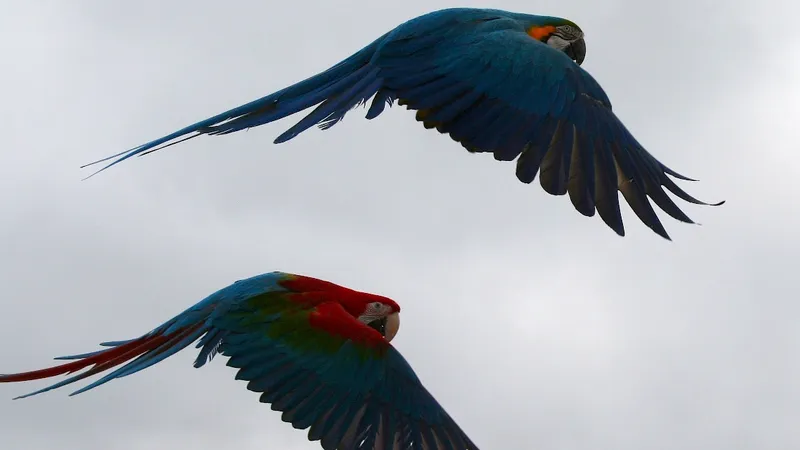
Blue-and-Yellow Macaw
A blue-and-gold parrot that blushes red, crushes nuts and seeds in its beak, and drops in on riverbank clay licks to eat soil.
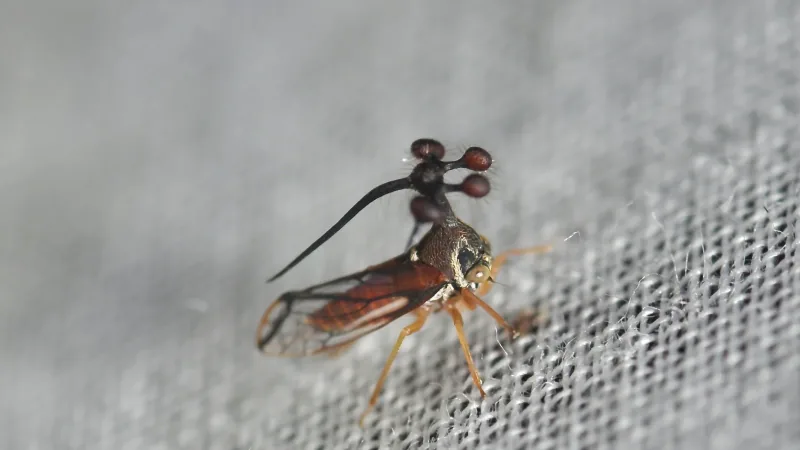
Brazilian Treehopper
A rainforest sap-drinker wearing a crown of glossy globes on slender horns, argued over by entomologists since 1903.
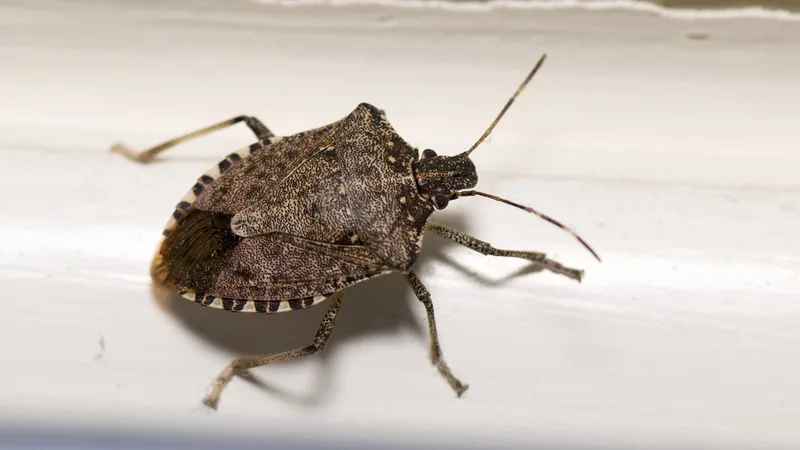
Brown Marmorated Stink Bug
The shield-shaped bug whose name points to its scent glands, a fruit-eating invader from east Asia that has reached North America and Europe.
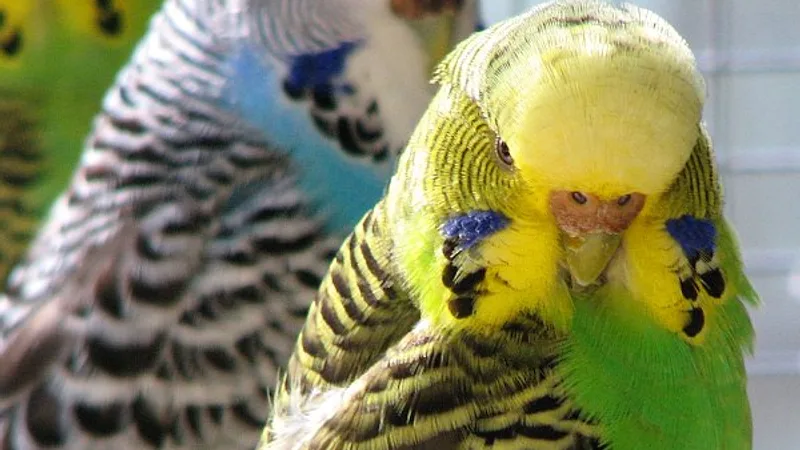
Budgerigar
The nomadic outback parrot that rewrites its own call to match a brand-new mate.
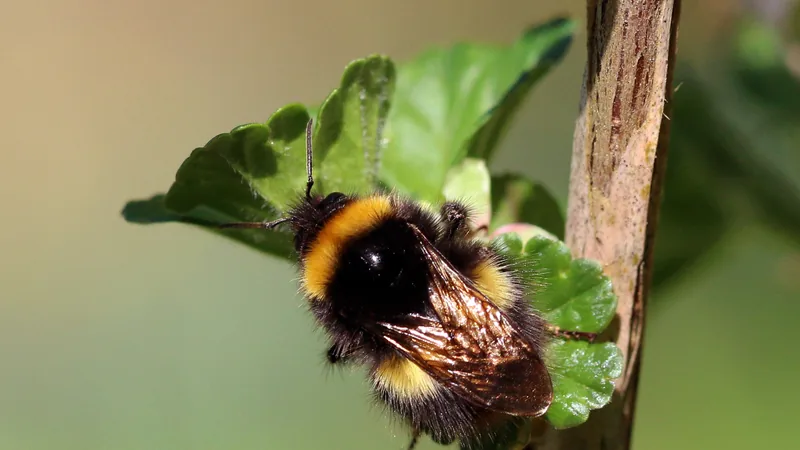
Buff-Tailed Bumblebee
A short-tongued bumblebee that bites holes in flowers to steal nectar, and nests underground in colonies of up to 600.
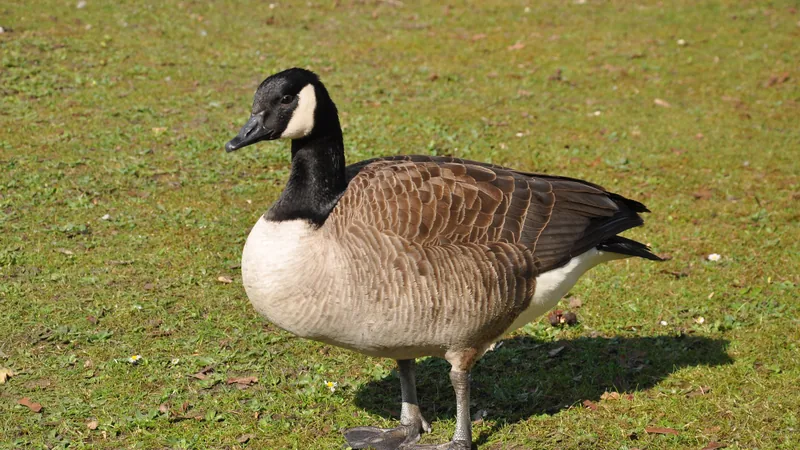
Canada Goose
North America's most widely distributed goose, with Hawaiian relatives that included a flightless giant over four times larger than the nene.
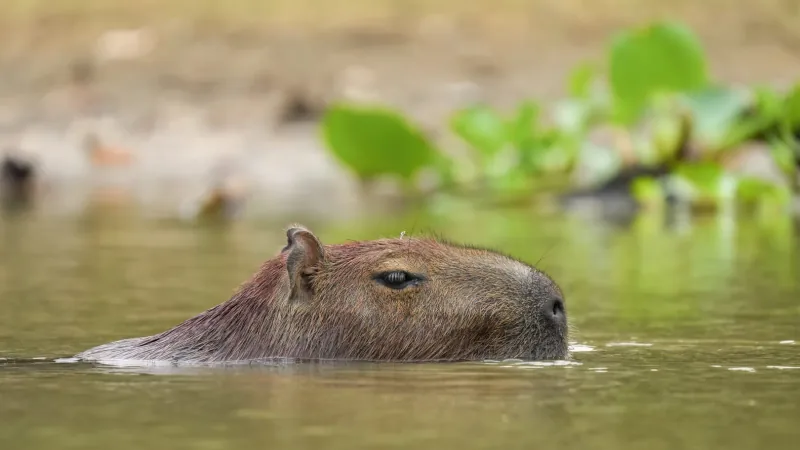
Capybara
Up to 66 kilograms (145 pounds) of South American zen diplomat, calm enough to let birds pick parasitic insects out of its fur.