Herbivore
Feeding exclusively on vegetation, relying on specialized microbial fermentation to break down tough plant cellulose.
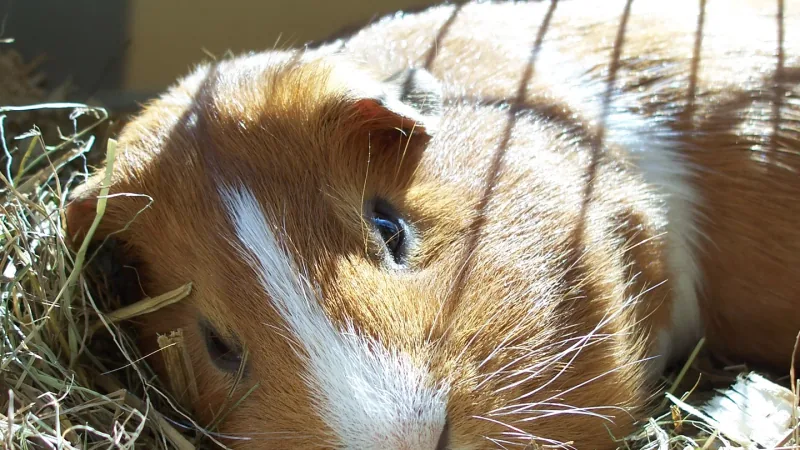
Guinea Pig
A tailless rodent with six main calls and a habit of popcorning.
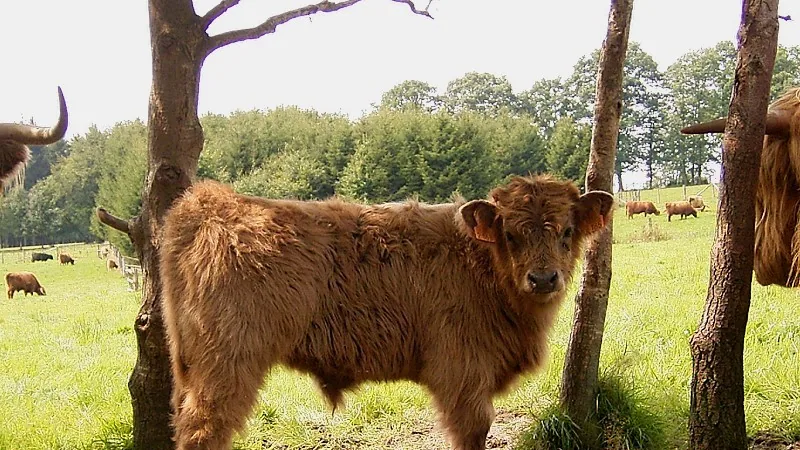
Highland Cattle
A long, shaggy coat, handlebar horns, and roots in Scotland going back to the 6th century.
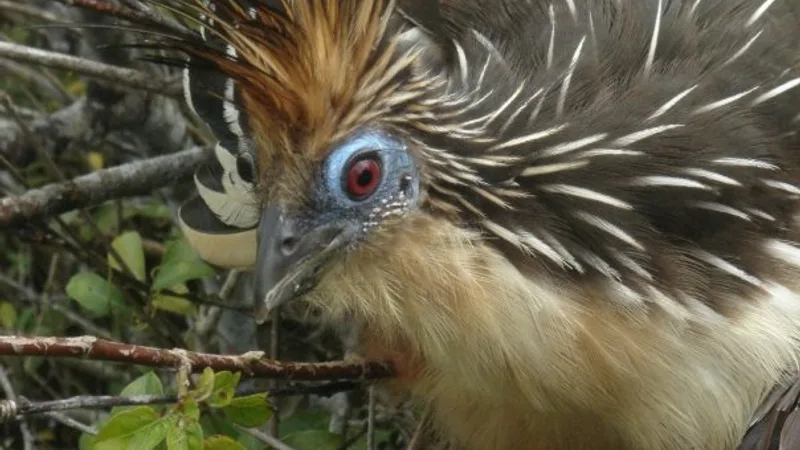
Hoatzin (Stinkbird)
A cow-style fermenting crop, wing-clawed chicks that swim from danger, and a place on the bird family tree debated since it was described in 1776.
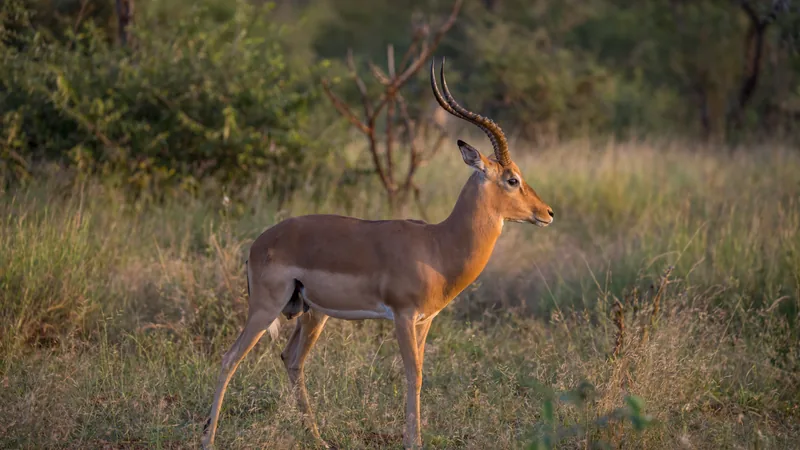
Impala
An antelope whose leaps often carry it over bushes and even other impala, with scent glands under black hair on its hind feet.
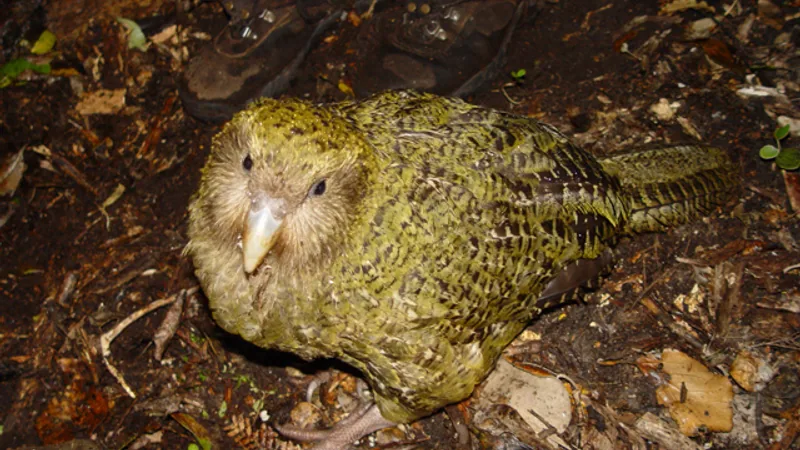
Kakapo (Owl Parrot)
The heaviest parrot in the world, camouflaged in moss-green feathers, betrayed by its own strong scent, and courting with a boom heard up to five kilometres away in ideal conditions.
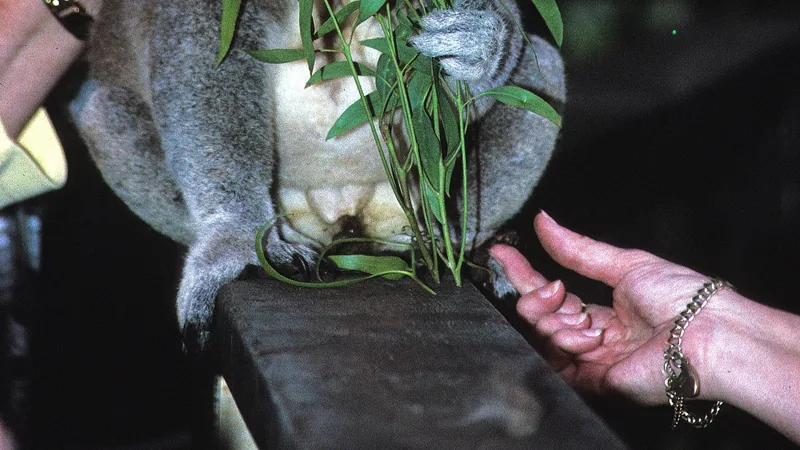
Koala
A slow-motion marsupial that sleeps up to 22 hours a day and leans on gut bacteria to live on eucalyptus leaves most herbivores can't tolerate.
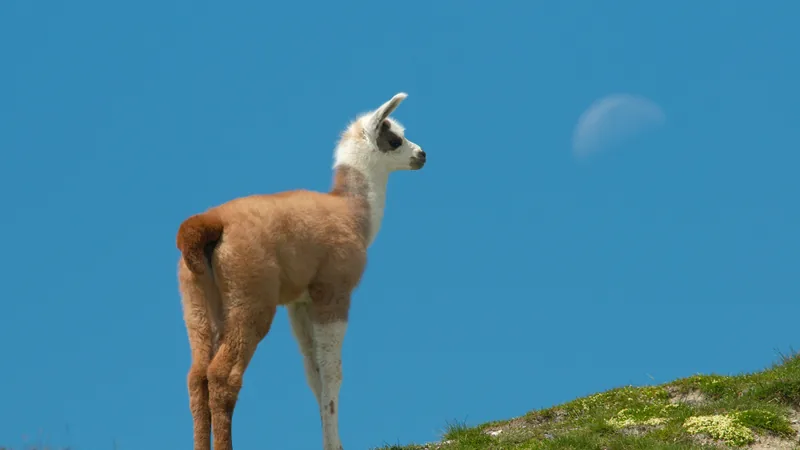
Llama
A woolly Andean pack animal that makes heavy chain-only antibodies, one of which, raised by immunization, neutralized 96 of 100 HIV-1 strains tested.
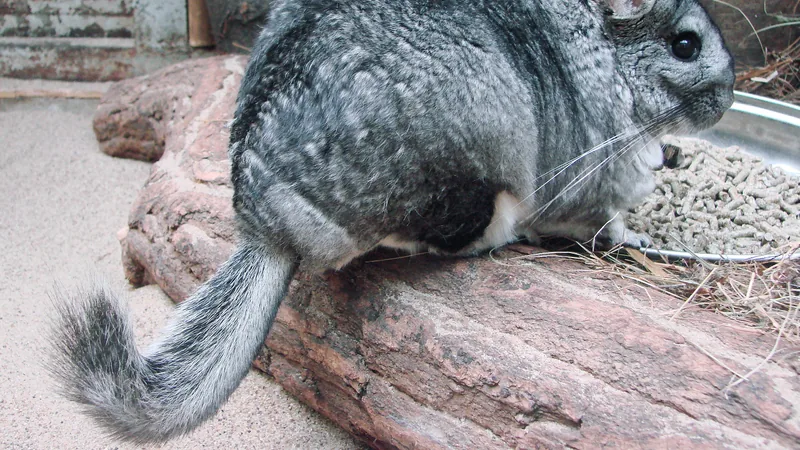
Long-Tailed Chinchilla
An Andean rodent with up to 60 hairs growing from one follicle.
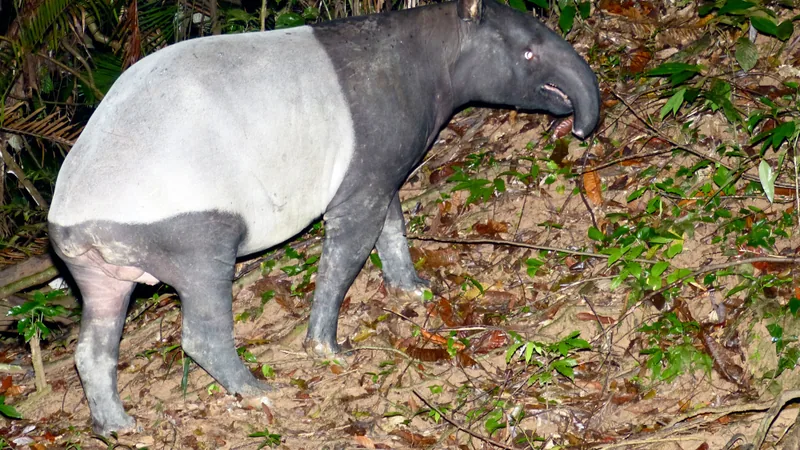
Malayan Tapir
Born striped, grown two-tone, and armed with a prehensile snout for plucking leaves.
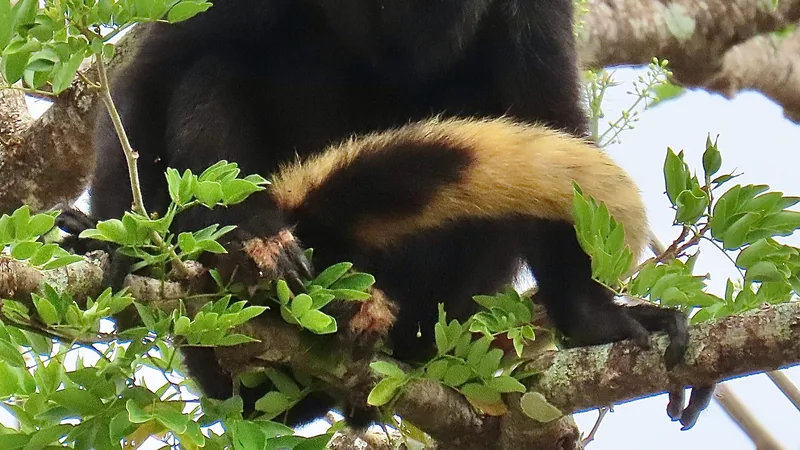
Mantled Howler Monkey
A leaf-eating monkey whose males' calls seem to help keep neighbouring troops apart.
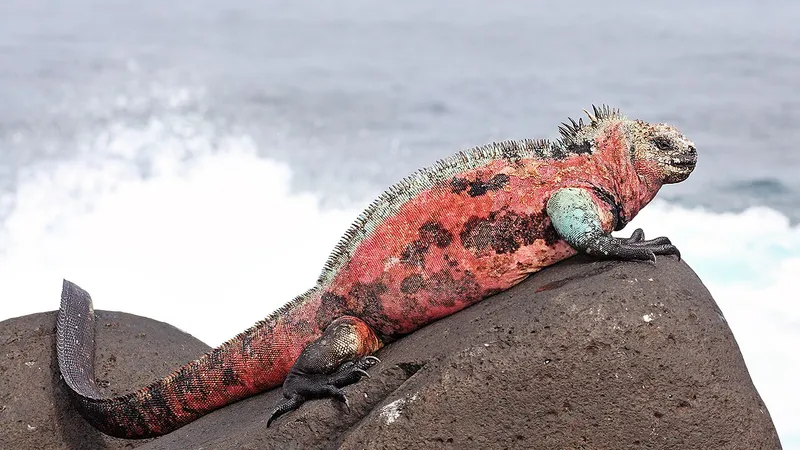
Marine Iguana
The only lizard in the world that forages in the ocean, grazing algae underwater and sneezing out the salt.
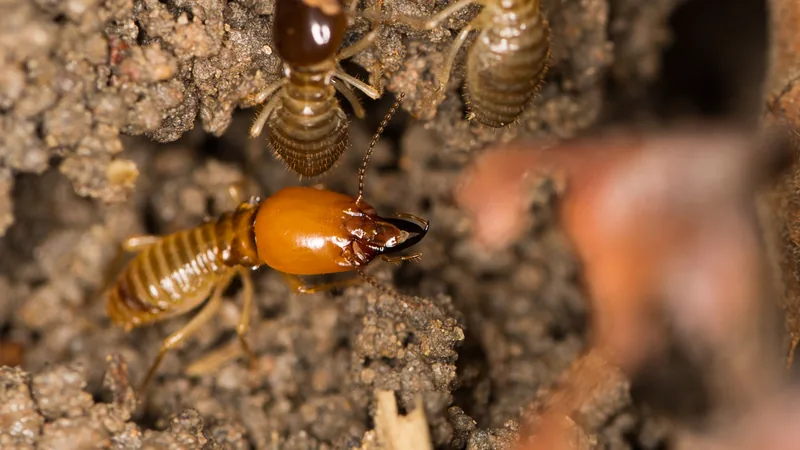
Mound-Building Termite
A fungus-farming termite whose queens and kings can live as long as 20 years in the lab, while its workers live only a few months.
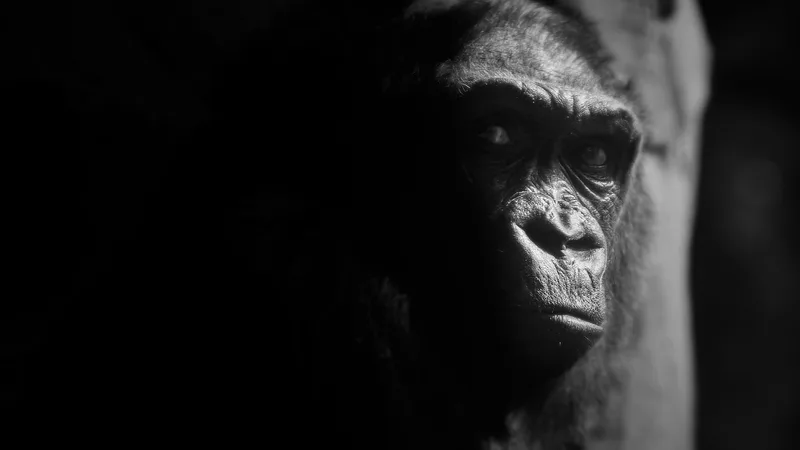
Mountain Gorilla
Up to 220 kilograms of plant-eating ape, a chest beat heard more than a kilometer away, and the only great ape whose numbers are growing.
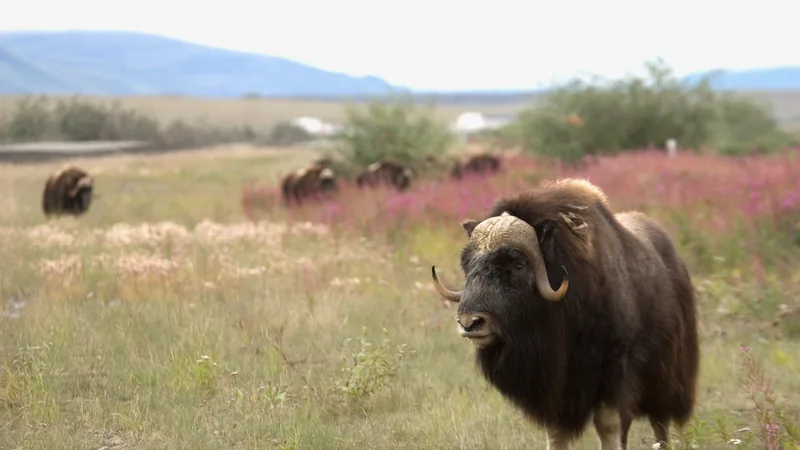
Muskox
Bulls settle rivalries by charging 50 yards or more and colliding head-first on their horn bosses.
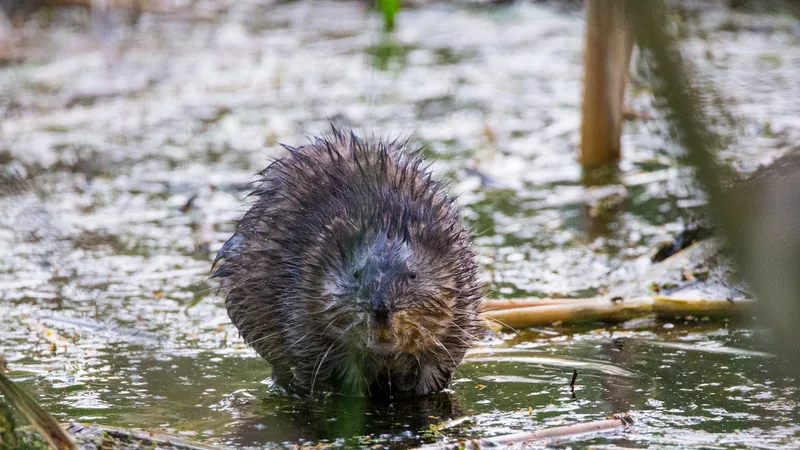
Muskrat
A marsh rodent that builds its home from piled-up plants and eats about a third of its own weight every day.
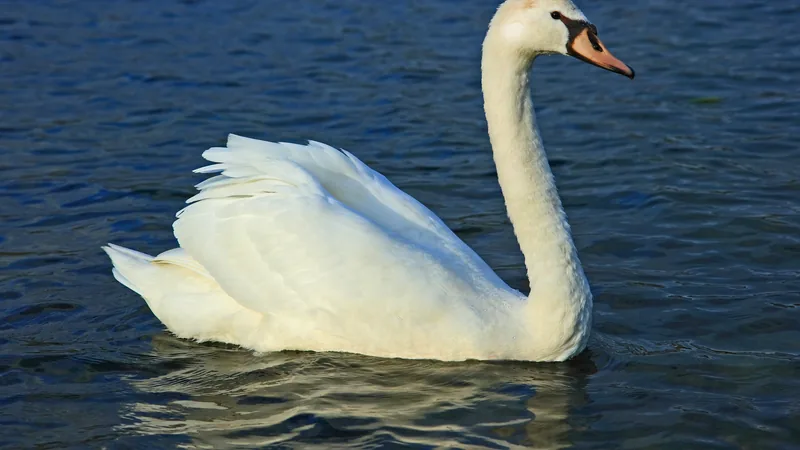
Mute Swan
Not actually mute: it hisses, snorts and twirls with its wings raised.
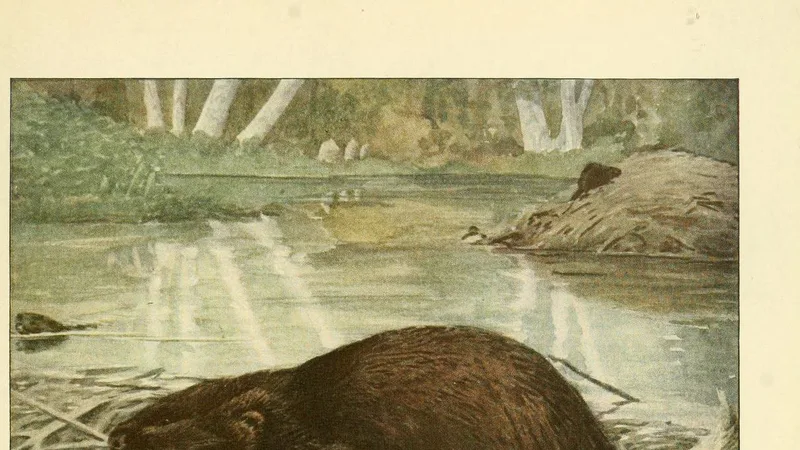
North American Beaver
Self-sharpening orange teeth strengthened with iron, and an ecosystem engineer that dams streams into ponds.
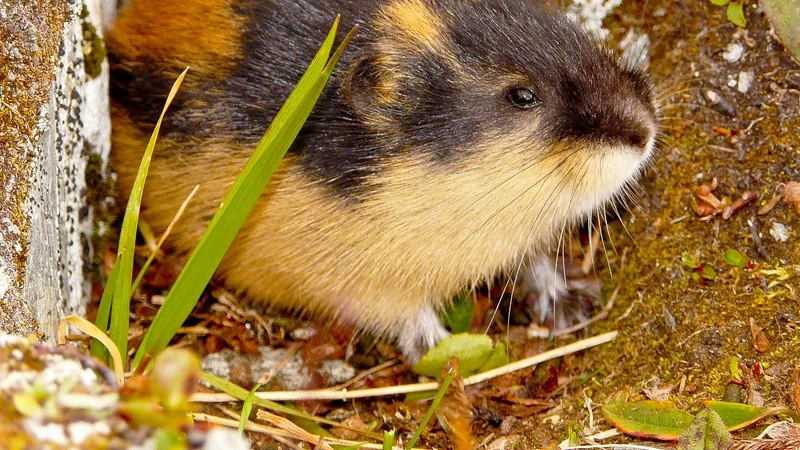
Norway Lemming
A warning-colored mountain rodent, kin of the lemmings wrongly said to leap to their deaths.
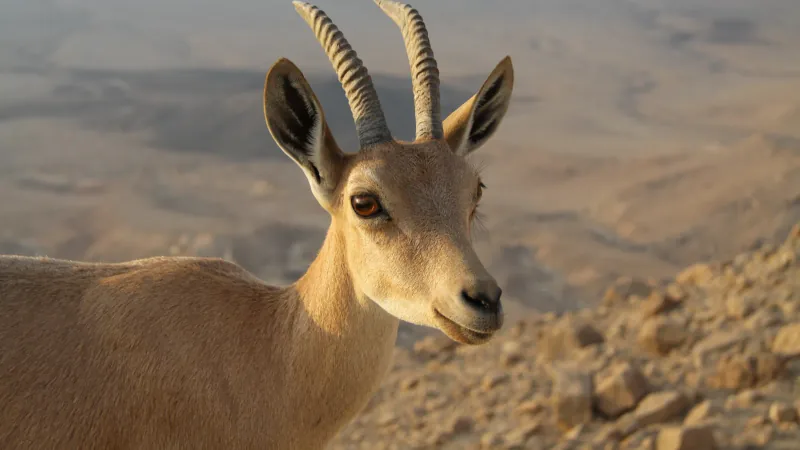
Nubian Ibex
Relatively small desert ibex of the Middle East and northeast Africa, a true cliff dweller whose males carry ridged, backward-arching horns up to 122 centimeters long.
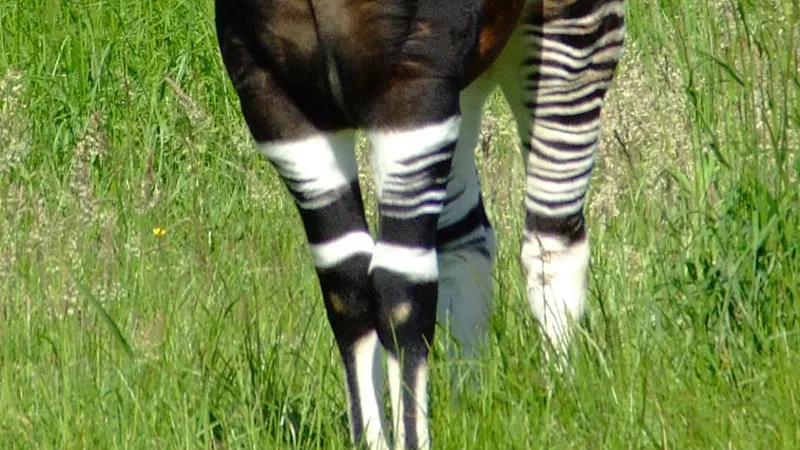
Okapi
Zebra-striped legs, a tongue that can reach past a foot, and the giraffe's only close living relative, unknown to scientists until 1901.
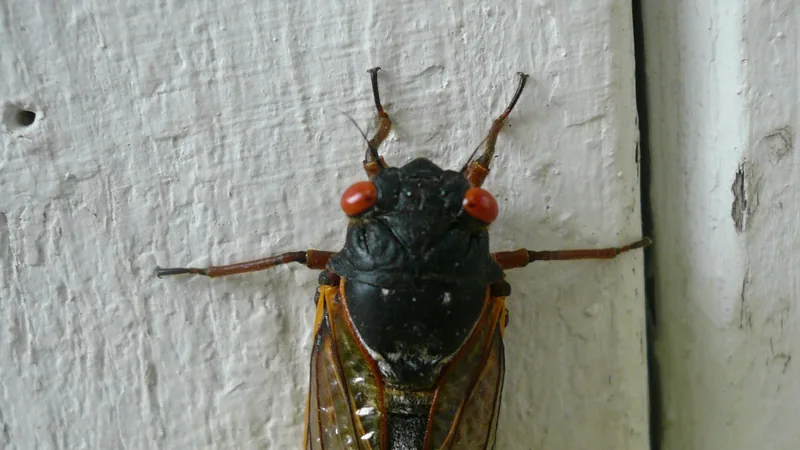
Periodical Cicada
17 years underground, then a few remarkably loud weeks
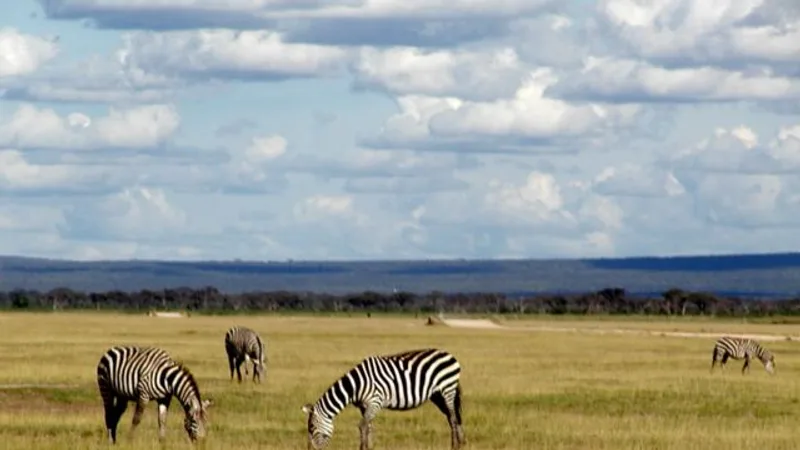
Plains Zebra
Stripes linked to biting flies, a coat as unique as a fingerprint, and a yearly Serengeti trek of around 2,900 kilometers.
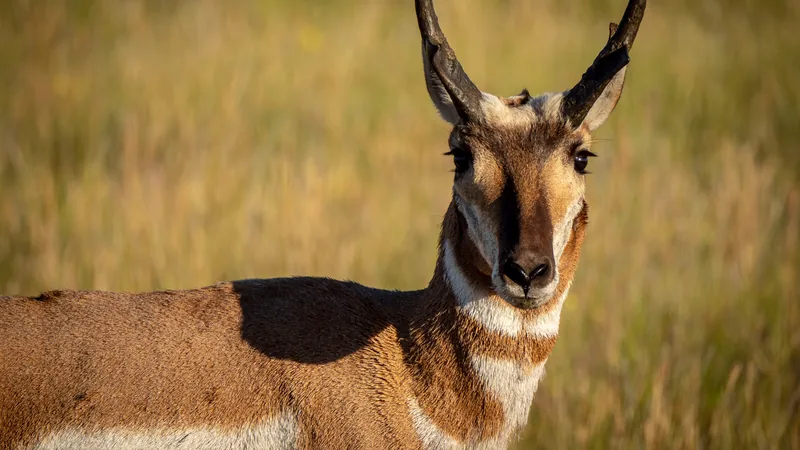
Pronghorn
A 40 to 59 kg grassland runner that can average 65 km/h over 11 km, backed by an extraordinary capacity to consume and process oxygen.
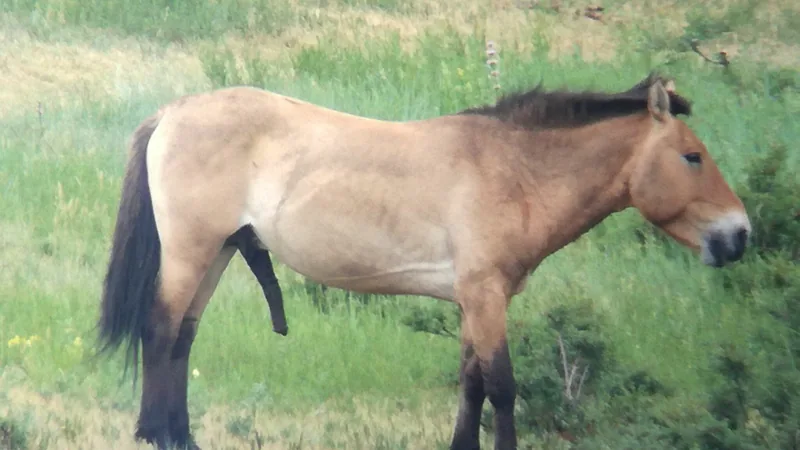
Przewalski's Horse
The wild horse with 66 chromosomes, gone from the wild and then put back.