Invasive
Proliferating rapidly outside native ranges, outcompeting endemic wildlife through adaptability and fast breeding.

American Mink
A fearless, semi-aquatic hunter that fur-farm escapes set loose in Europe and South America.

Asian Tiger Mosquito
A striped mosquito that rode used tyres out of South-East Asia's forests and around the world, with eggs that can wait out a winter.
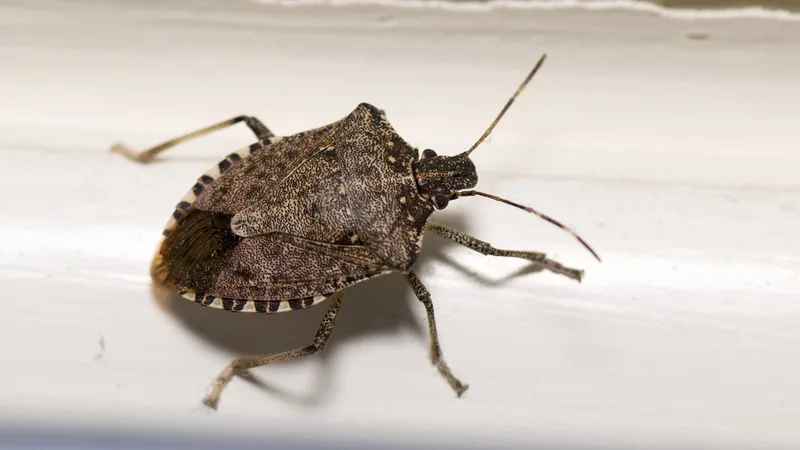
Brown Marmorated Stink Bug
The shield-shaped bug whose name points to its scent glands, a fruit-eating invader from east Asia that has reached North America and Europe.
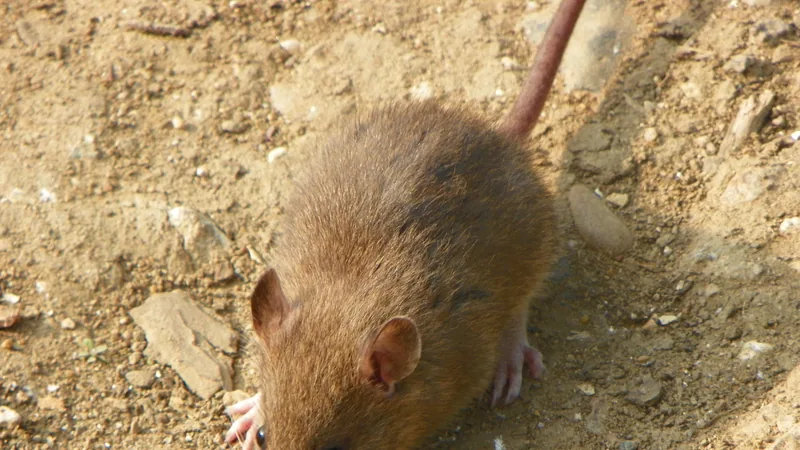
Brown Rat
A whisker-guided survivor that breeds all year and quickly learns to shun the taste of food that once made it ill.
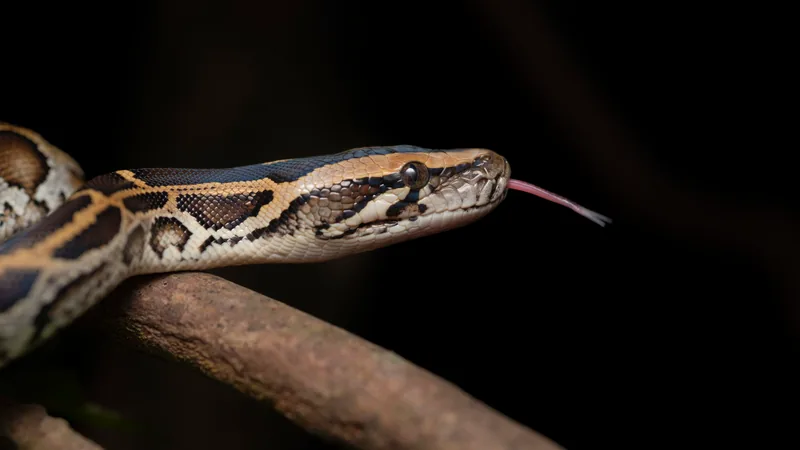
Burmese Python
A giant constrictor with stretchy jaws, and the Everglades invader linked to a 99.3 percent drop in raccoon sightings.
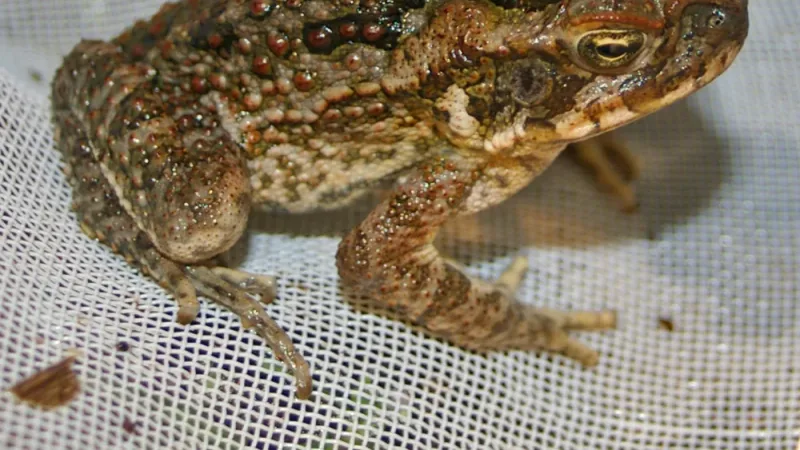
Cane Toad
Unstoppable neotropical chemical tank, turned loose in Queensland in 1935 to eat cane beetles, armed with shoulder glands whose toxins often kill the Australian native predators that try to eat it.
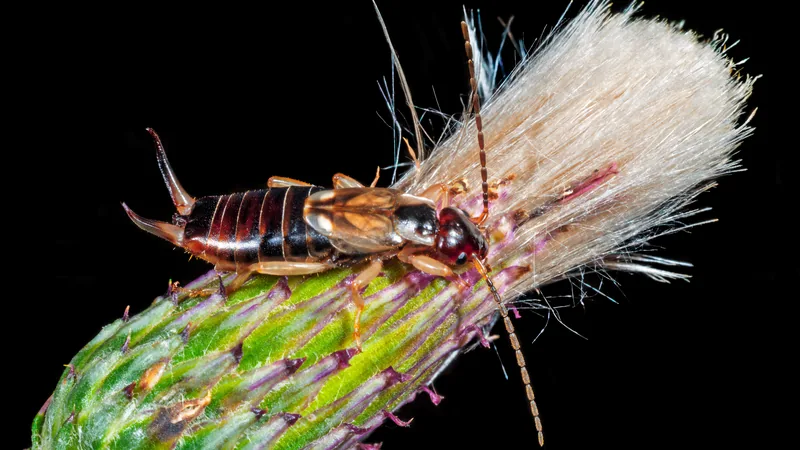
Common Earwig
The garden insect whose mother grooms her eggs like a hen and may go as long as 7 months without feeding.
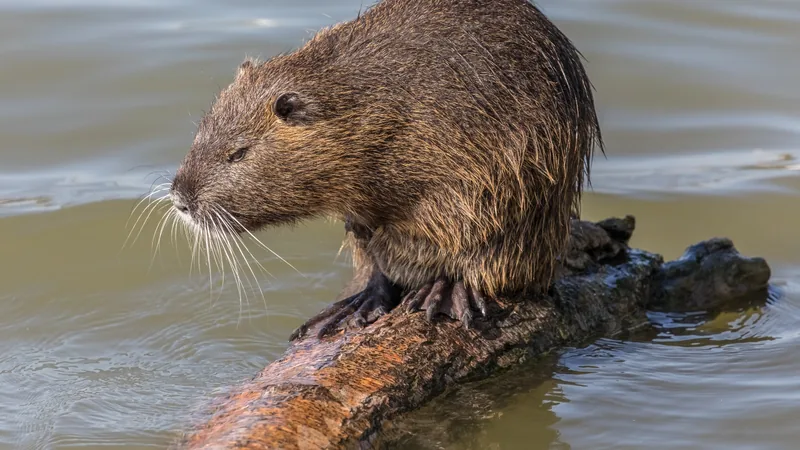
Coypu
A webbed-footed marsh rodent with its eyes, ears and nostrils on top of its head.
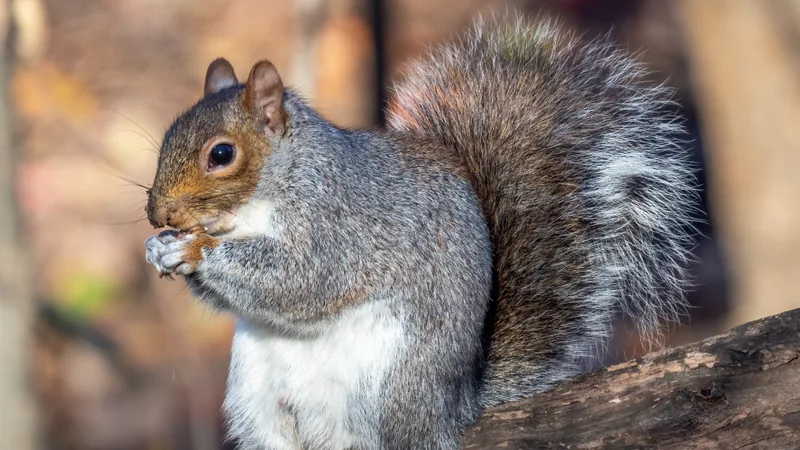
Eastern Gray Squirrel
An eastern North American tree squirrel that has been known to dig empty cache holes when other squirrels are around, and now far outnumbers the native red squirrel in the UK.
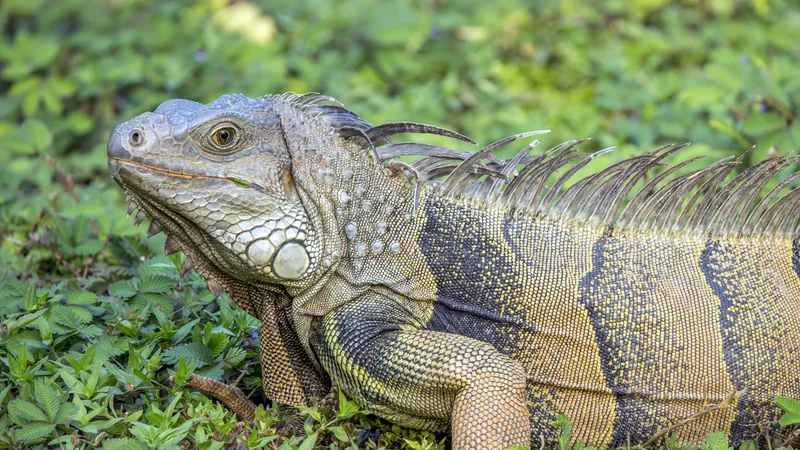
Green Iguana
A tree-top lizard with a light sensor on top of its skull that meters the sun and spots predator shadows from above.
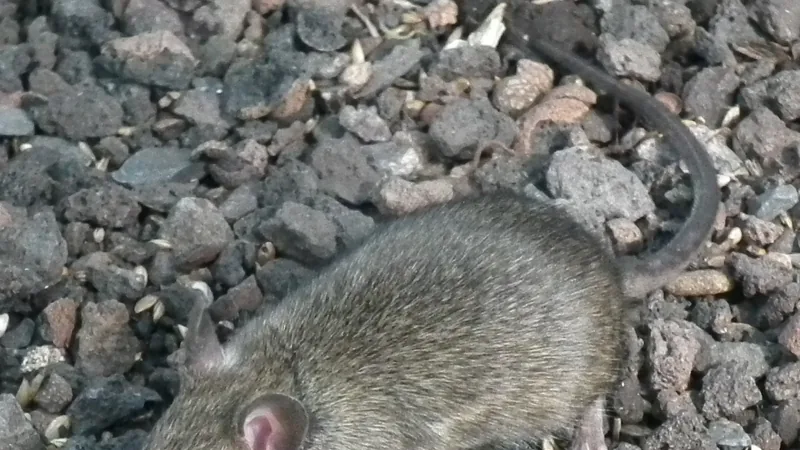
House Mouse
A 12 to 30 gram squatter whose love songs are too high for human ears.
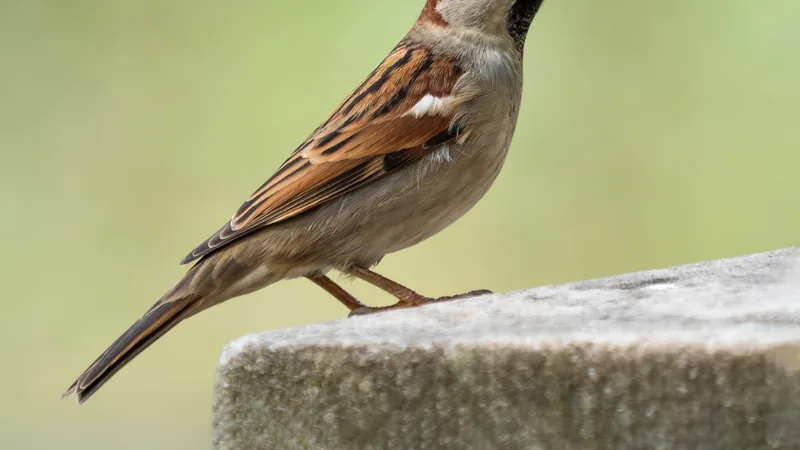
House Sparrow
A plain brown bird that developed regional differences in color and size in North America.
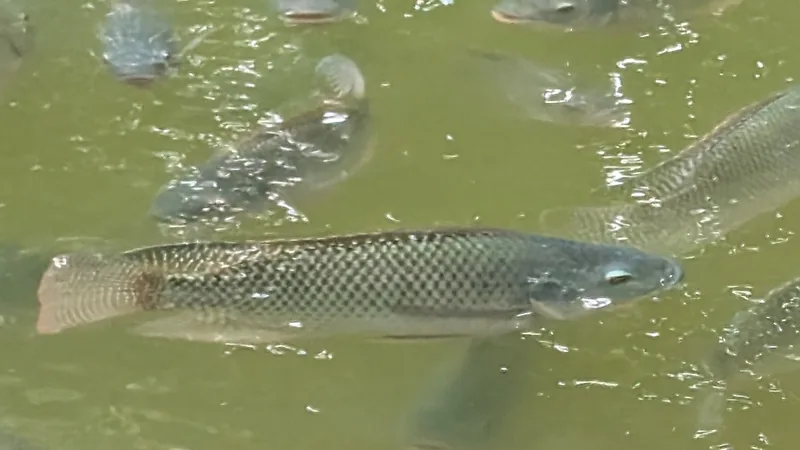
Nile Tilapia
A mouth-brooding cichlid; in one lab strain, a Y-chromosome gene proved essential for maleness.
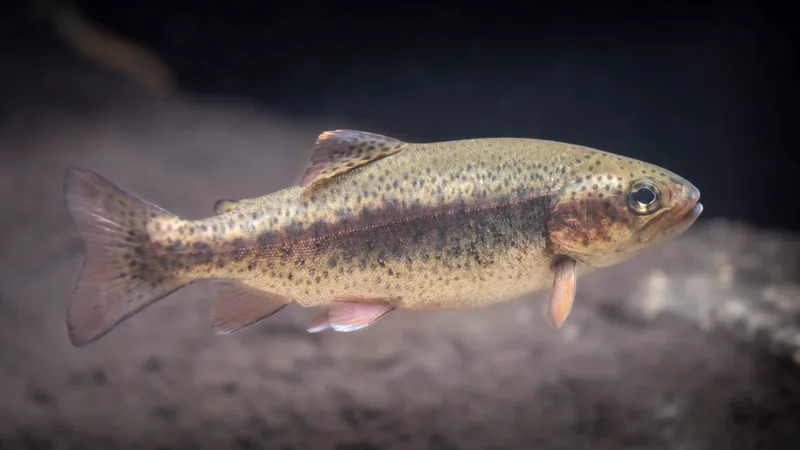
Rainbow Trout
A stream fish whose sex is set by a Y-chromosome gene unrelated to any known sex-differentiating gene.
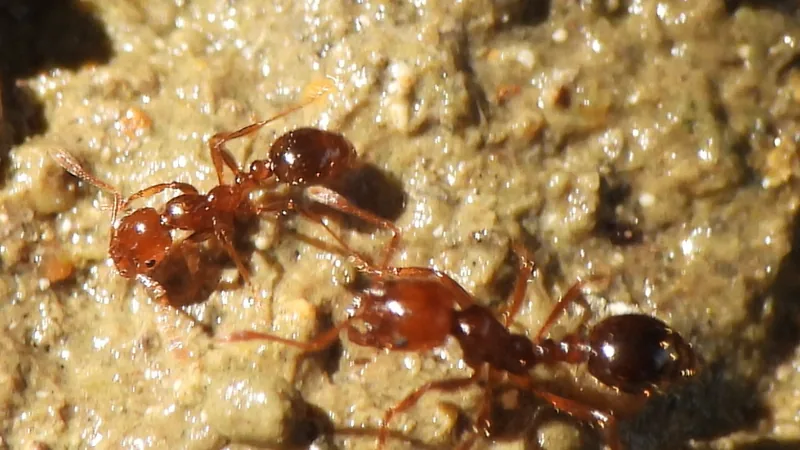
Red Imported Fire Ant
An ant a few millimetres long that links up with its nestmates into a raft that can float for days.
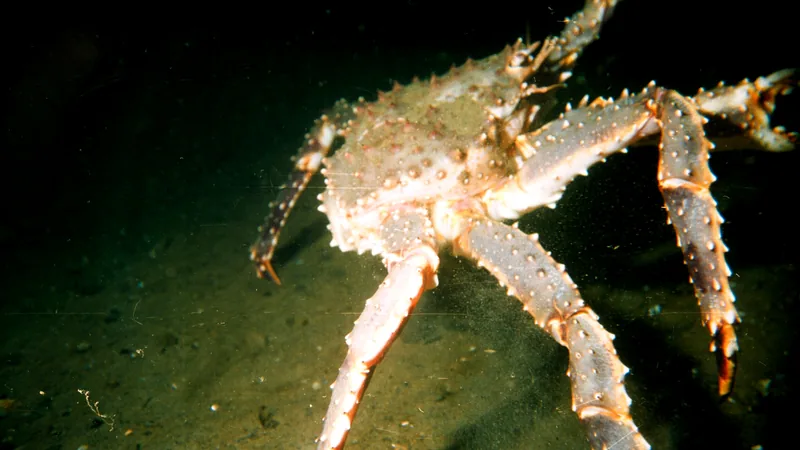
Red King Crab
A spiny crab that can reach 24 pounds and a 5-foot leg span, and can only grow by shedding its shell.
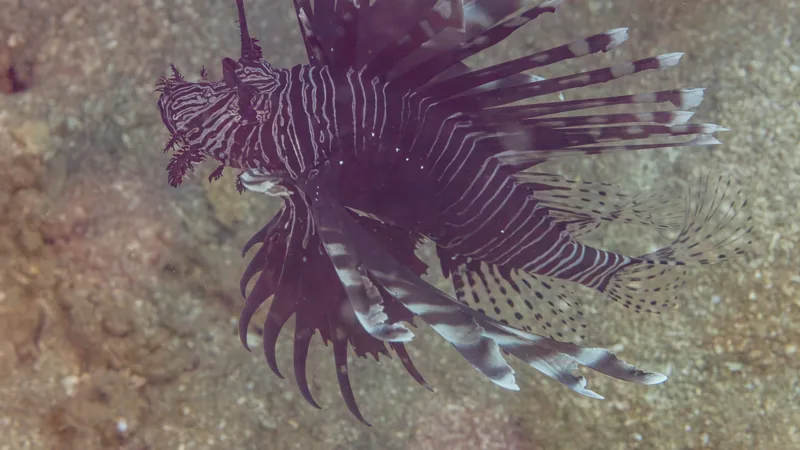
Red Lionfish
Swims at half its prey's speed and still wins six lab chases in ten.
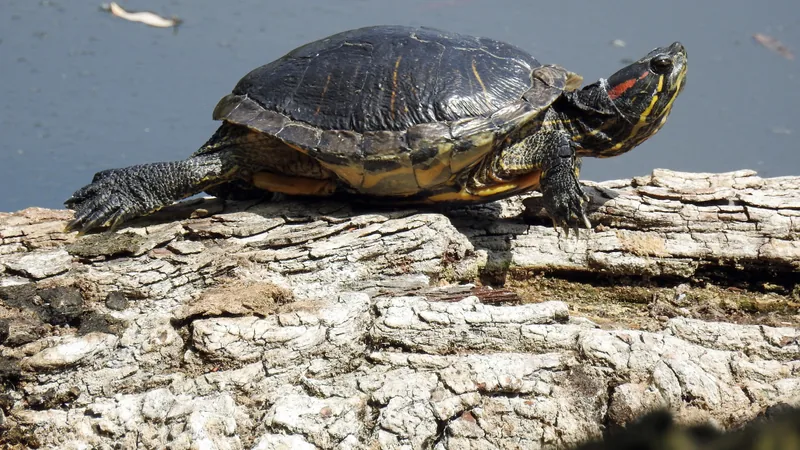
Red-Eared Slider
Whether a slider hatches male or female depends on how warm its nest was.
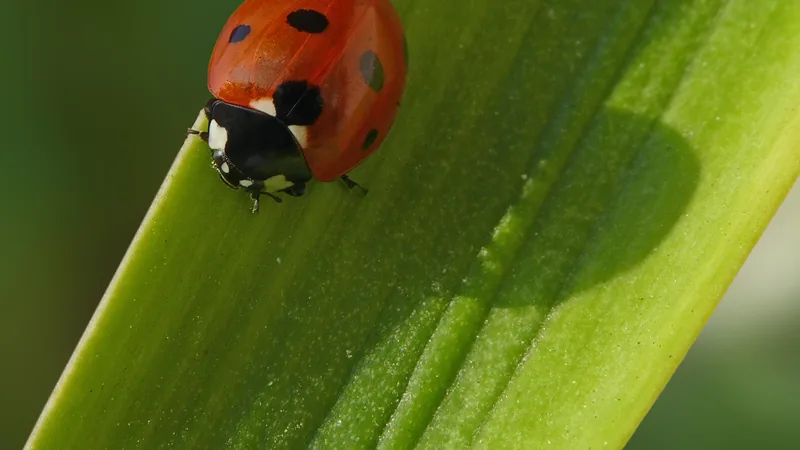
Seven-Spot Ladybird
The red beetle that bleeds poison from its leg joints.
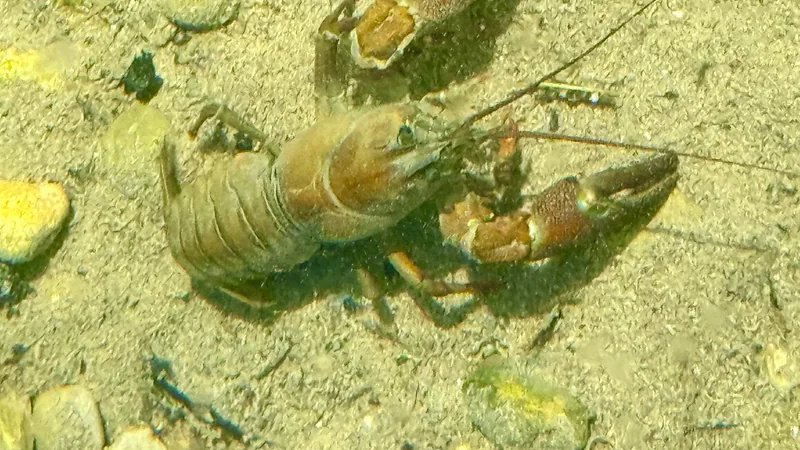
Signal Crayfish
A plague-resistant crayfish brought to Europe to supplement stocks the plague decimated, and a carrier of the disease itself.
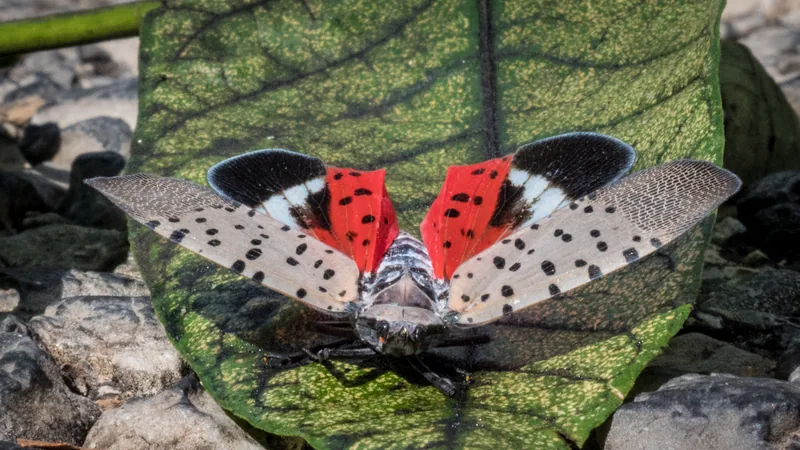
Spotted Lanternfly
A planthopper, not a moth, that turns red as it stocks up on its host tree's chemical defences.
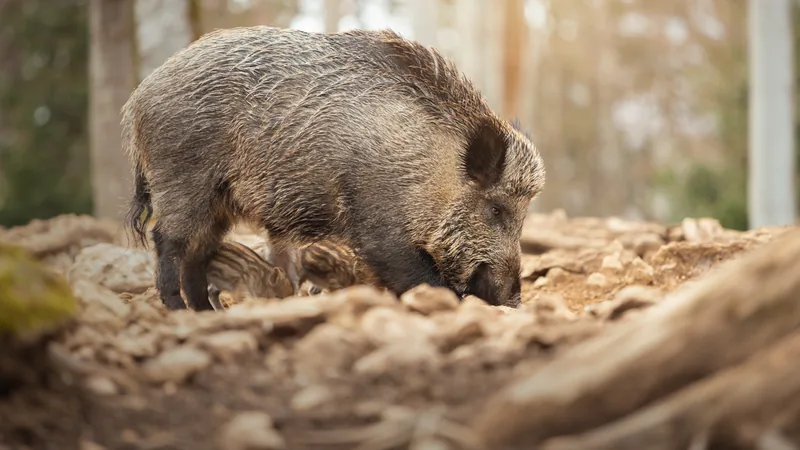
Wild Boar
A long-snouted omnivore whose upper canines are usually visible even when its mouth is closed.
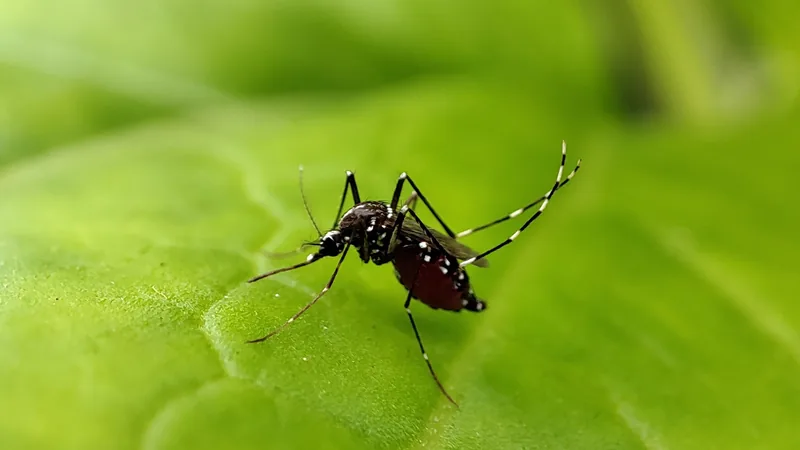
Yellow Fever Mosquito
A mosquito about a quarter of an inch long whose yellow fever cost U.S. troops more casualties than enemy fire in the Spanish-American War.