Insectivore
Hunting insects, spiders, and grubs with lightning tongues, sharp beaks, or sensitive hearing.

Aardvark
A night-shift digger with spade-like claws and a sticky tongue, built to mine ant and termite nests.

Armadillo Girdled Lizard
Heavily armored Karoo lizard that bites its own tail and curls into a spiky ball when threatened.

Axolotl
The smiling cyber-amphibian that keeps its larval gills as an adult and can regrow whole legs and parts of its own brain and heart.

Aye-Aye
Nocturnal lemur with huge ears, ever-growing incisors, and a skeletal-looking middle finger that finds grubs by tapping.

Bombardier Beetle
Miniature artillery specialist that blasts attackers with a chemical spray up to 100°C, fired in rapid pulses.
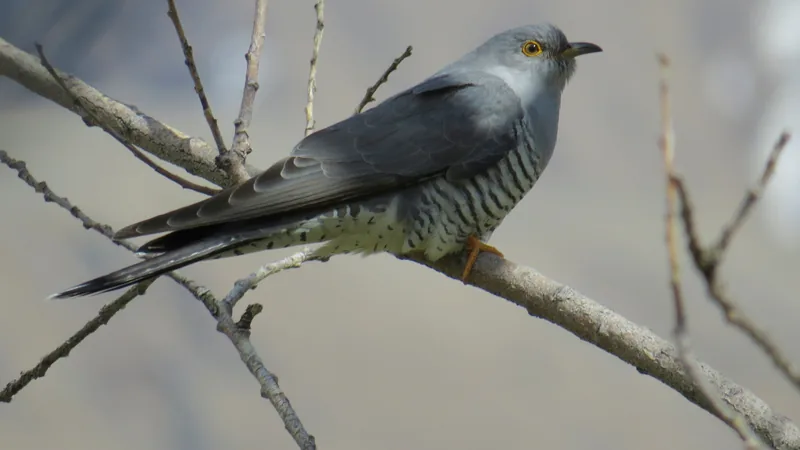
Common Cuckoo
A brood parasite whose females lay eggs that tend to match their hosts' eggs.

Duck-Billed Platypus
An egg-laying mammal with venomous spurs and an electric sense in its bill, once thought to be a taxidermist's hoax.
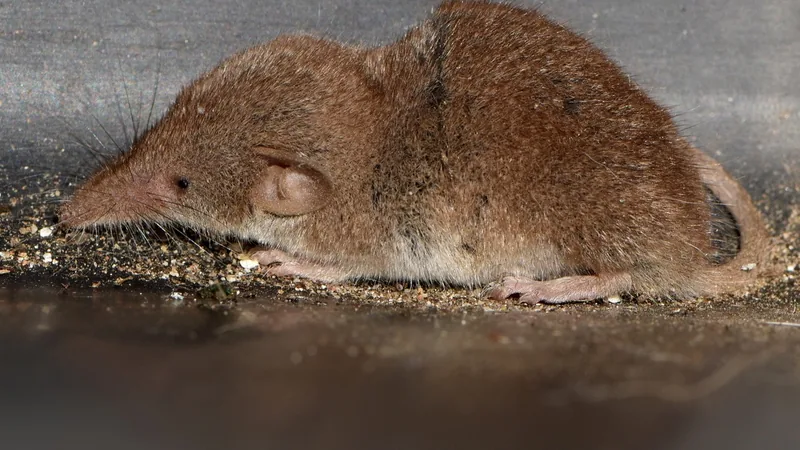
Etruscan Shrew
One of the smallest mammals alive, with a heart that has beaten 1,511 times in a minute.
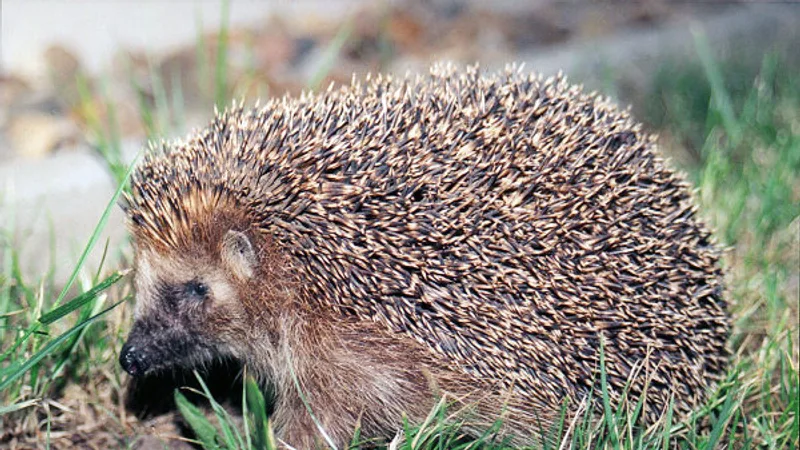
European Hedgehog
Around six thousand keratin spines, a back muscle that lets them all stand on end at once, and 1 to 2 km of travel a night.
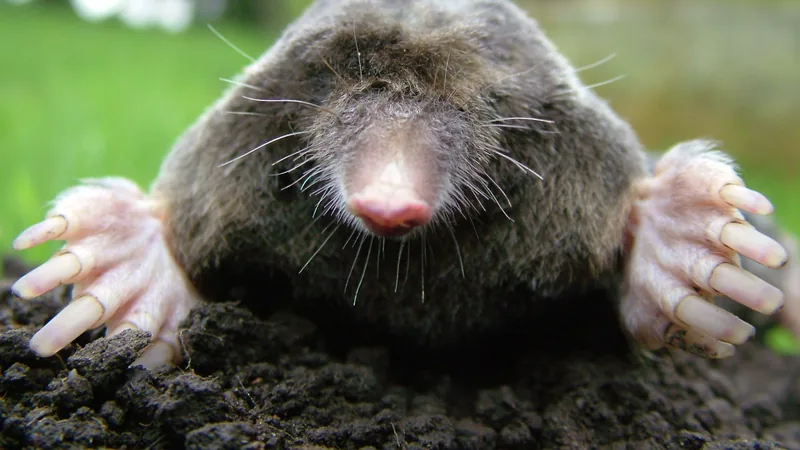
European Mole
A velvety black digger that lives underground, in tunnel networks that can run hundreds of metres.
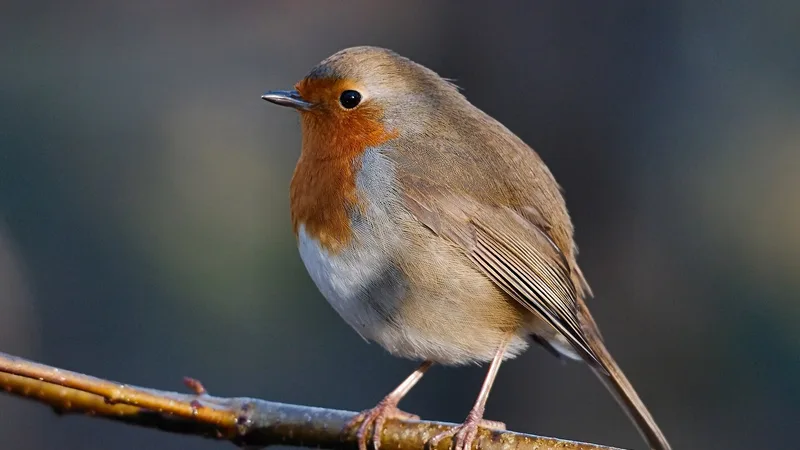
European Robin
Gardener's shadow, ferociously territorial songster, and the bird that became the Victorian icon of Christmas.
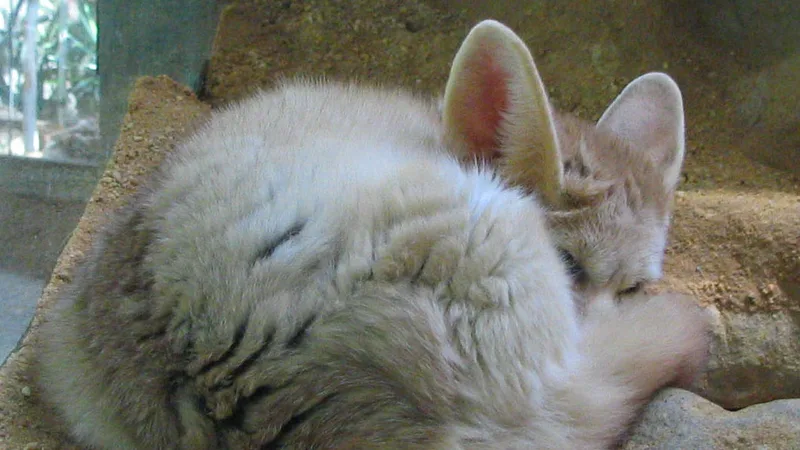
Fennec Fox
The largest ears of any canid for its size, used to shed desert heat and track down prey under the sand.
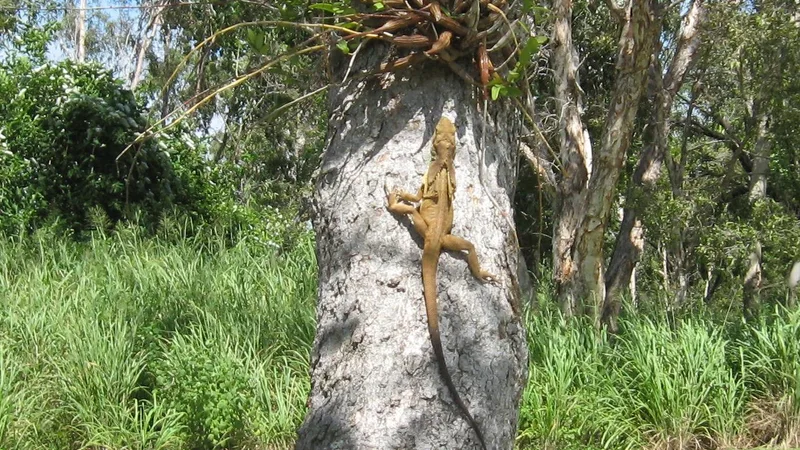
Frilled Lizard
Australian dragon lizard that flares a bone-and-cartilage neck frill to startle predators, and if the bluff fails, runs off on its hind legs.
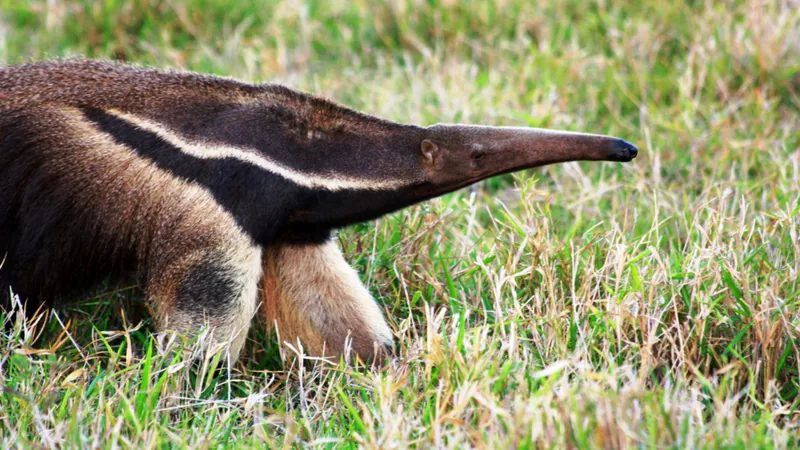
Giant Anteater
A toothless anteater whose 2-foot tongue flicks in and out up to 150 times a minute.
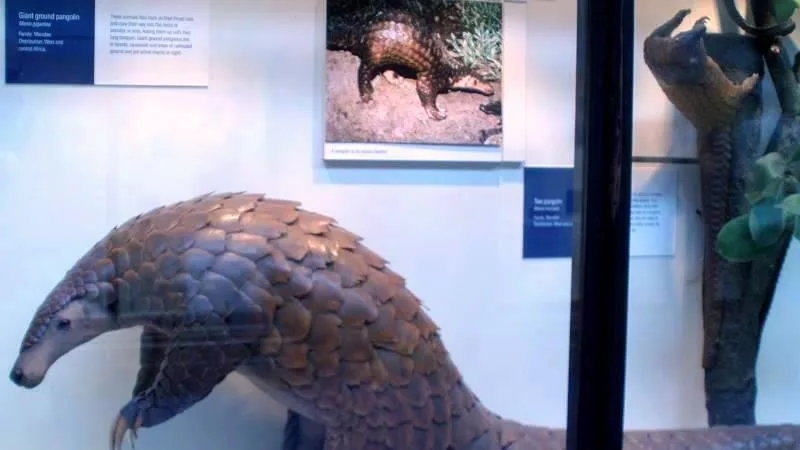
Giant Ground Pangolin
Overlapping keratin scales, a sticky tongue up to 70 centimeters long, and a defensive ball that's next to impossible to pry open.
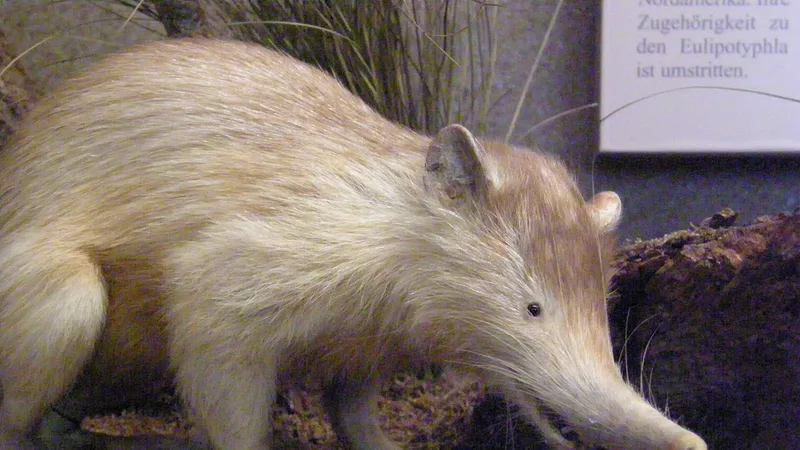
Hispaniolan Solenodon
An ancient island insectivore whose venom, lab tests suggest, lowers blood pressure but fails to paralyse invertebrates.
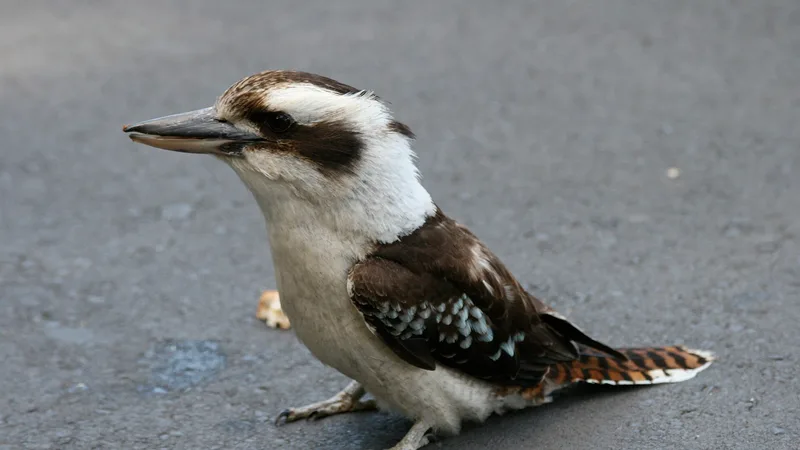
Laughing Kookaburra
World's largest kingfisher, the bush's dawn alarm clock, and a snake-smashing hunter.
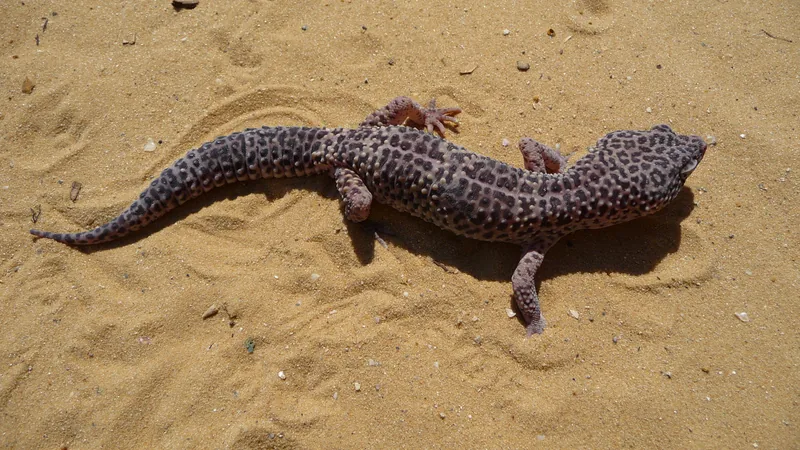
Leopard Gecko
A desert gecko with movable eyelids, no sticky toe pads, and a dropped tail that keeps moving for up to 30 minutes.
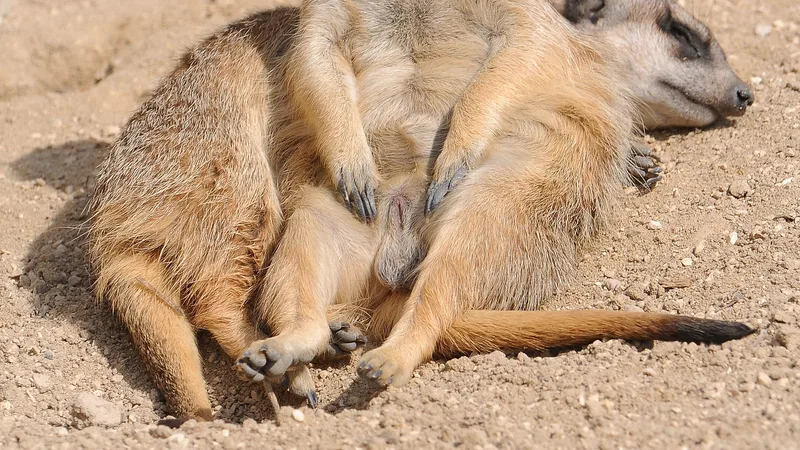
Meerkat
Sentinel shifts on its hind legs, glare-cutting eye patches, and some immunity to a scorpion's sting, just enough to make it lunch.
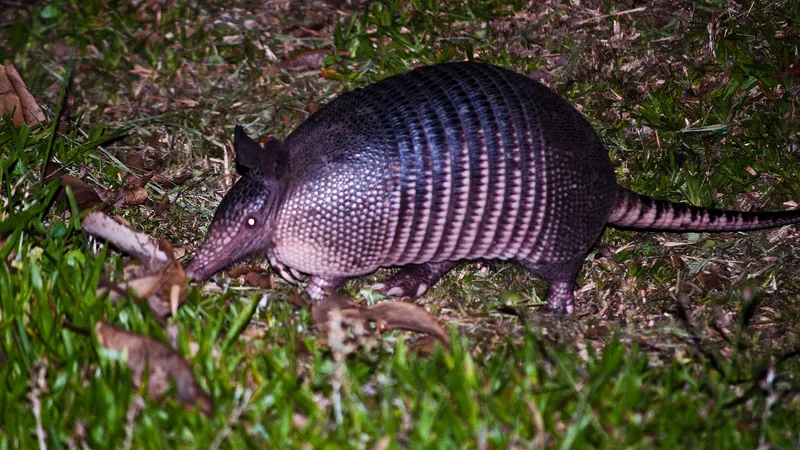
Nine-Banded Armadillo
A bony-plated digger that smells invertebrates up to 20 cm underground and almost always gives birth to identical quadruplets.
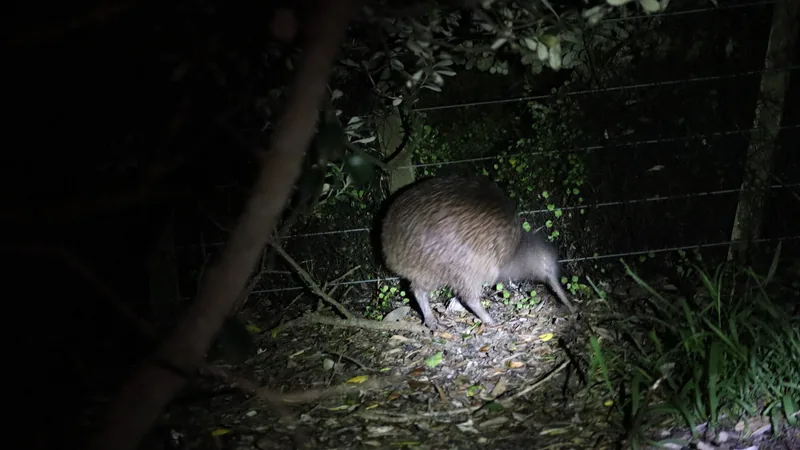
North Island Brown Kiwi
A flightless night forager with its nostrils near the tip of its bill and an egg that averages 15 percent of its mother's weight.
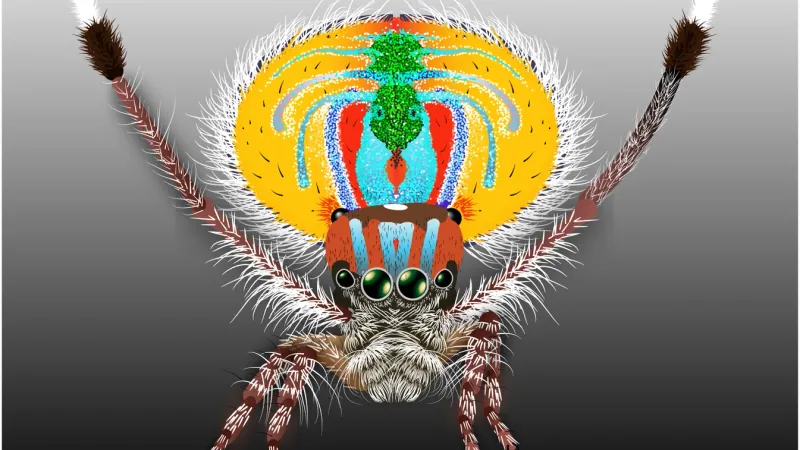
Peacock Spider
The Australian jumping spider whose males unfurl a peacock-style fan and send vibrations through the ground to win over a female.
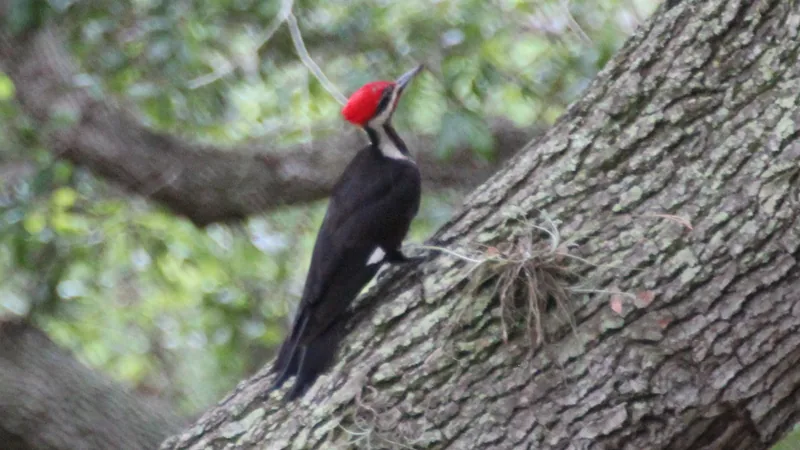
Pileated Woodpecker
A crow-sized woodpecker that chisels rectangular holes into trees to reach the ants inside.
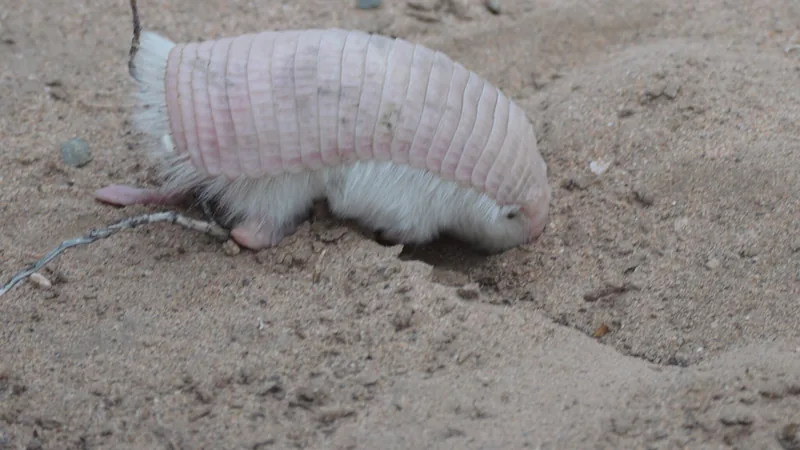
Pink Fairy Armadillo
The world's smallest armadillo, an Argentine sand-burrower wearing a shell of bony plates and hardened scales.