Nocturnal
Conducting foraging and hunting under darkness to avoid daytime heat and visual predators.

Aardvark
A night-shift digger with spade-like claws and a sticky tongue, built to mine ant and termite nests.

African Crested Porcupine
The world's longest porcupine turns its back on a threat, rattles a tail of hollow quills, and charges backward to stab anything that ignores the warning.

Amazonian Giant Centipede
Venomous, up to 30 cm long, and its big ones are known to climb cave ceilings and catch bats.

American Cockroach
A cockroach that switches to running on four legs, and on two, at up to 50 body lengths per second.

American Lobster
A seafloor crustacean with a crusher claw and a ripper claw. Scientists believe some may live to be 100 years old.

American Mink
A fearless, semi-aquatic hunter that fur-farm escapes set loose in Europe and South America.

Aye-Aye
Nocturnal lemur with huge ears, ever-growing incisors, and a skeletal-looking middle finger that finds grubs by tapping.
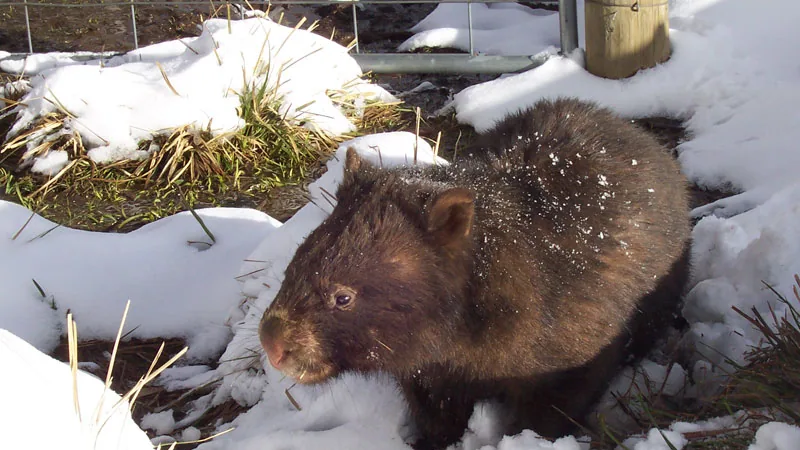
Bare-Nosed Wombat
A tough-skinned rump, cube-shaped scats, and the strength to crush an attacker against the burrow roof.
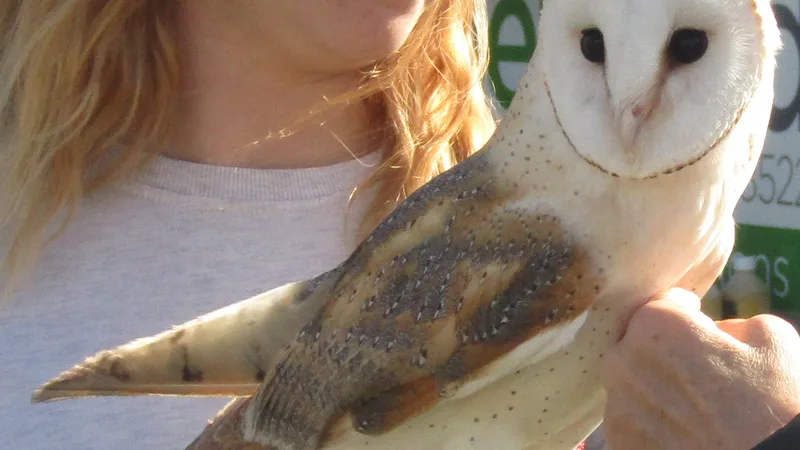
Barn Owl
A heart-faced hunter that is completely silent on the wing and, in tests, found prey in total darkness by sound alone with an error of under one degree.
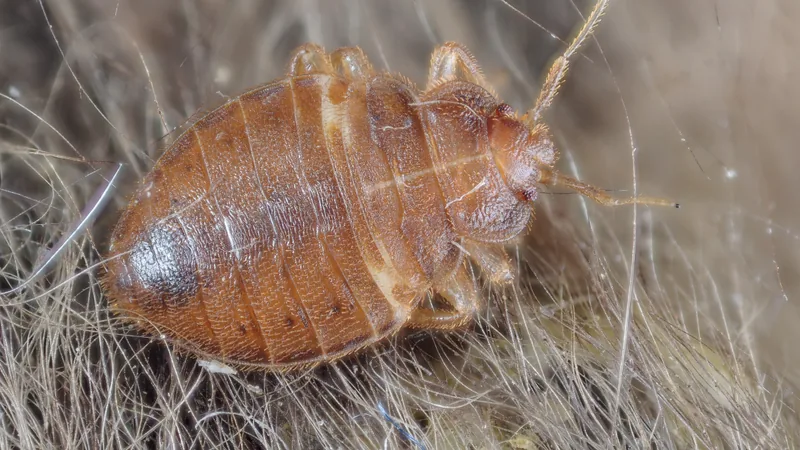
Bed Bug
The flat, blood-drinking insect that mates by piercing the female's abdomen and can go months between meals.

Binturong
Shaggy Southeast Asian bearcat that smells like hot buttered movie popcorn, climbing through tropical forest canopies with a thick prehensile tail.
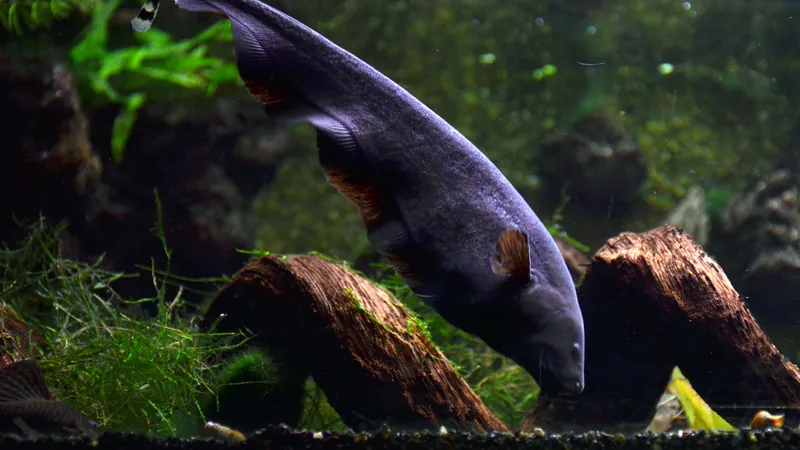
Black Ghost Knifefish
A nocturnal South American fish that senses its surroundings through a continuous electric field around its own body.

Black-Footed Cat
One of the world's smallest cats, with a hunting success rate of around 60 percent and an appetite for a fifth of its own body weight a day.

Brazilian Wandering Spider
A web-less wandering spider of south-eastern South America that hunts among the vegetation after dark, throws its front legs up when threatened, and carries venom packed with peptides that jam ion channels.
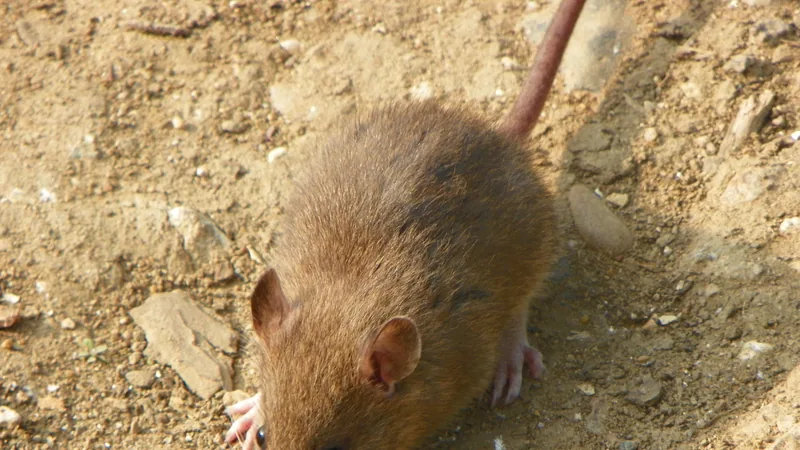
Brown Rat
A whisker-guided survivor that breeds all year and quickly learns to shun the taste of food that once made it ill.
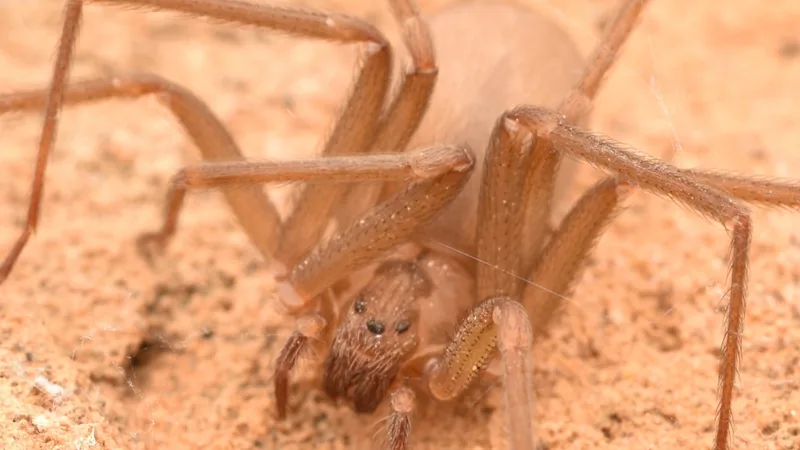
Brown Recluse
A six-eyed night hunter with a violin marking and venom that can kill the tissue around a bite.
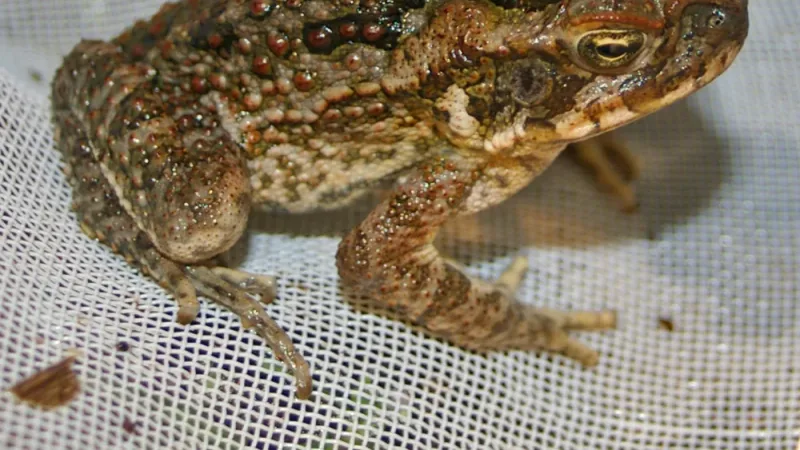
Cane Toad
Unstoppable neotropical chemical tank, turned loose in Queensland in 1935 to eat cane beetles, armed with shoulder glands whose toxins often kill the Australian native predators that try to eat it.
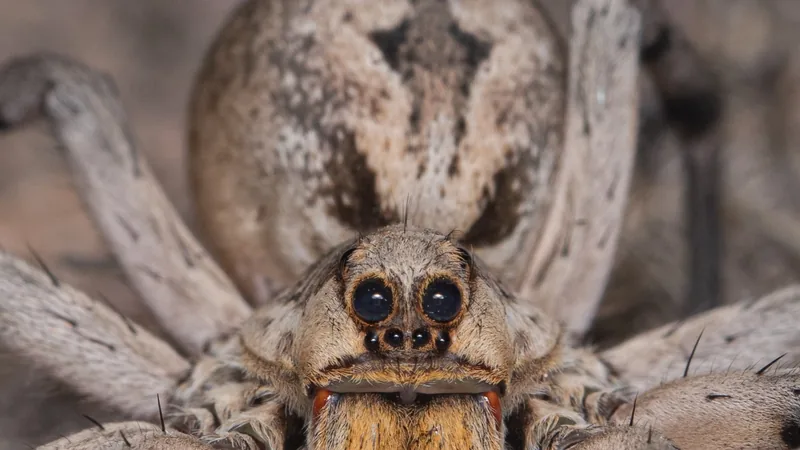
Carolina Wolf Spider
A web-free night hunter that grinds up frogs and carries its babies on its back.
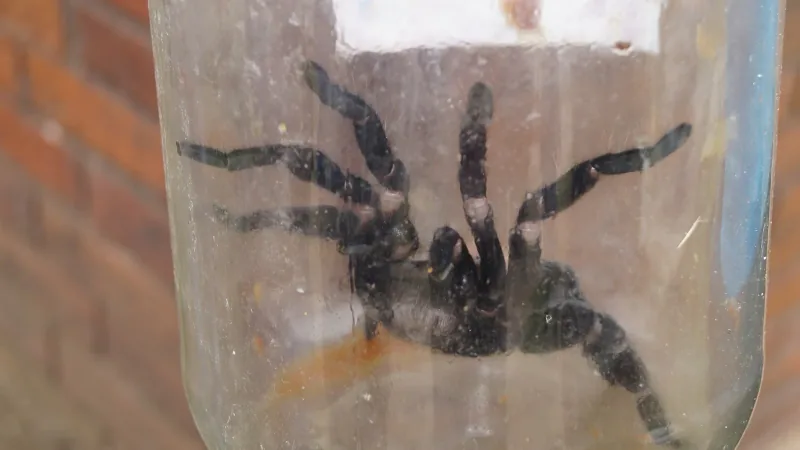
Chilean Rose Tarantula
The desert tarantula with no extensor muscles at two leg joints, and a metabolism that slows when food runs short.
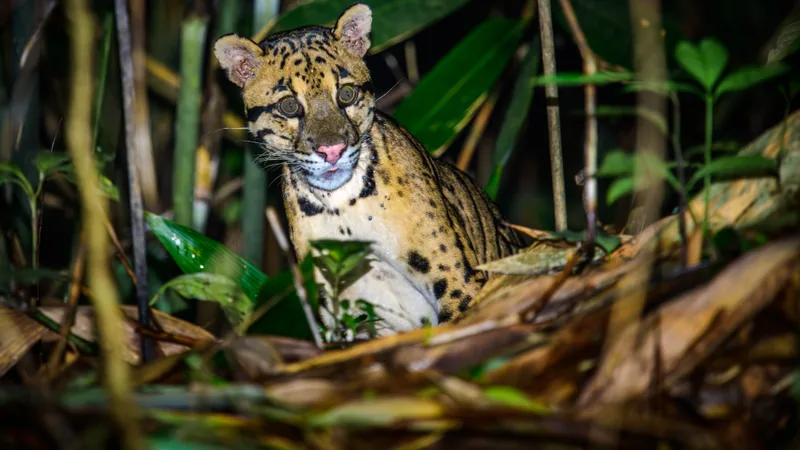
Clouded Leopard
Longer fangs for its skull size than any other wild cat, and ankles that rotate so it can hang from the branches by its back feet.
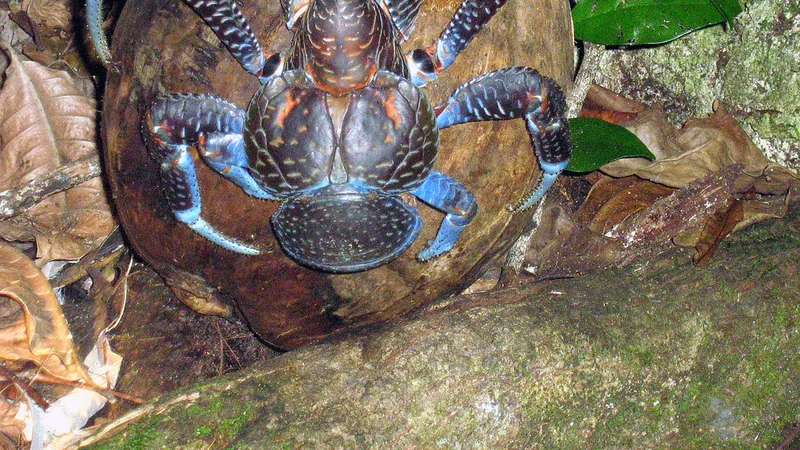
Coconut Crab
Land arthropod of up to 4 kilograms, with coconut-cracking claws and a leg span of up to a meter.
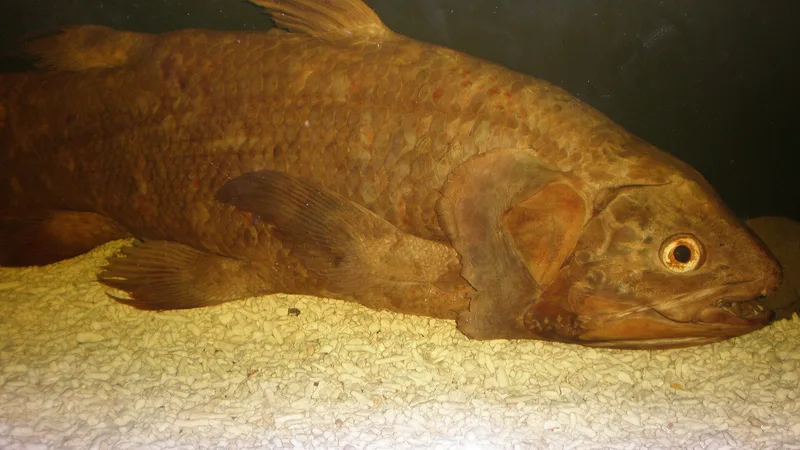
Coelacanth
Thought to have gone extinct over 65 million years ago, then found alive in 1938, with fleshy fins that move like a four-legged animal's legs and a pregnancy of around five years, possibly the longest of any vertebrate.
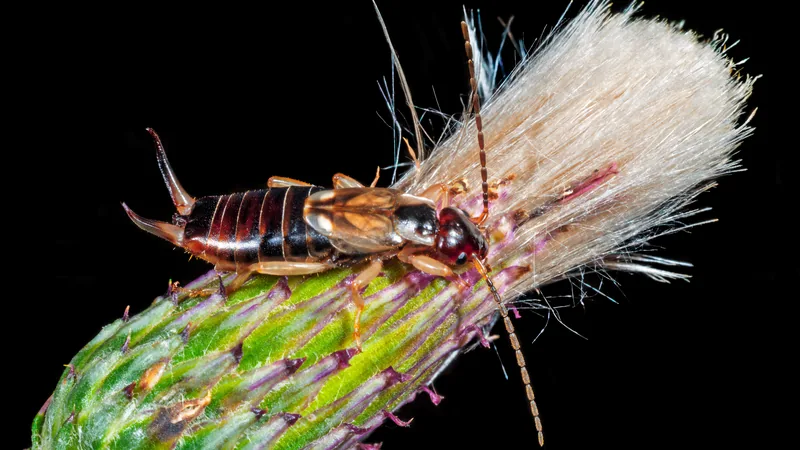
Common Earwig
The garden insect whose mother grooms her eggs like a hen and may go as long as 7 months without feeding.
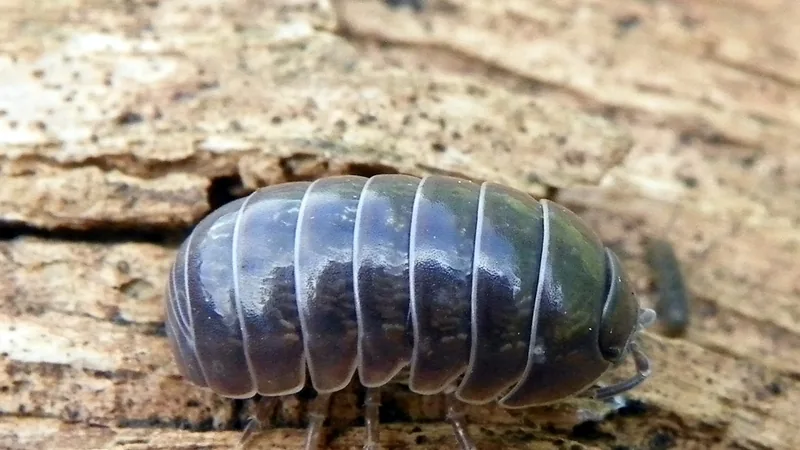
Common Pill Bug
A land-living crustacean that rolls into a ball, and in which bacterial DNA has become a new sex chromosome.