Nocturnal
Conducting foraging and hunting under darkness to avoid daytime heat and visual predators.
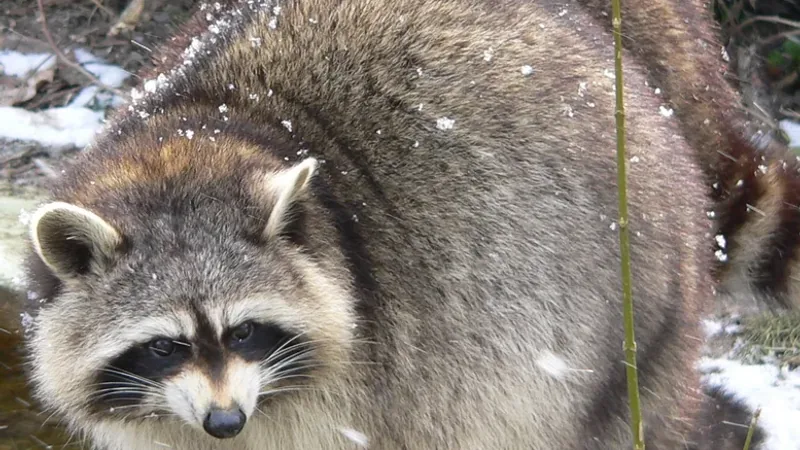
Common Raccoon
The emo masked bandit whose touch-tuned forepaws do its foraging and whose cat-sized brain packs its neurons at near-primate density.
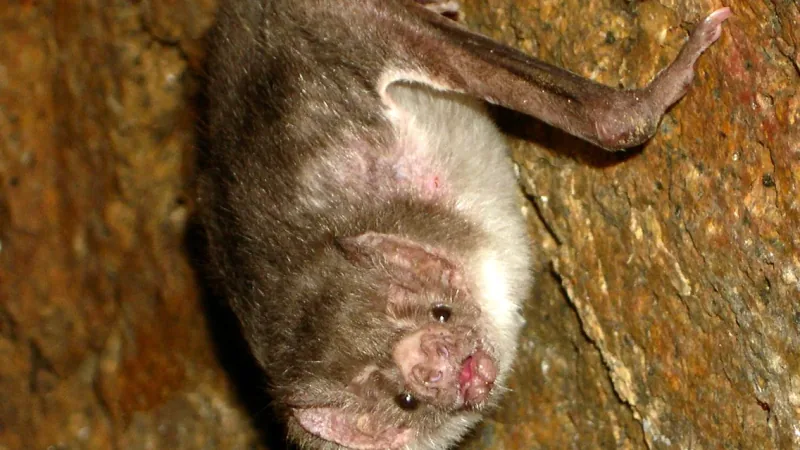
Common Vampire Bat
One of only three mammals that must feed on blood, it finds warm prey through heat-sensing pits on its face and crosses the ground on all fours to reach it.
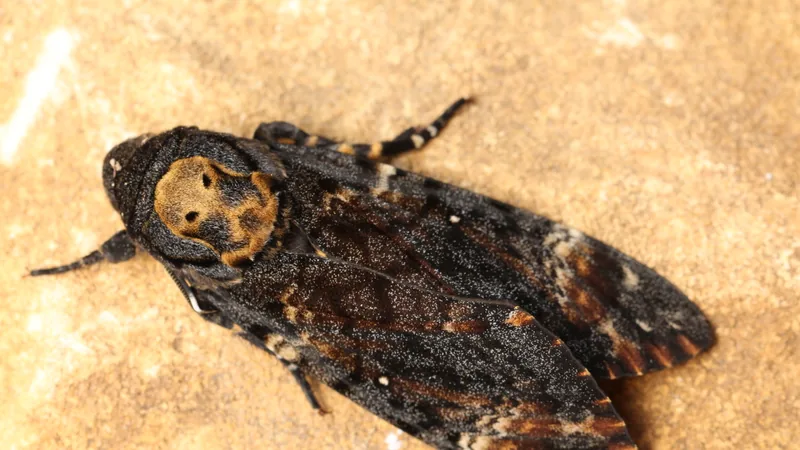
Death's-Head Hawkmoth
A big night-flying moth that squeaks when alarmed and is known to raid beehives for honey with a short, sharp tongue.
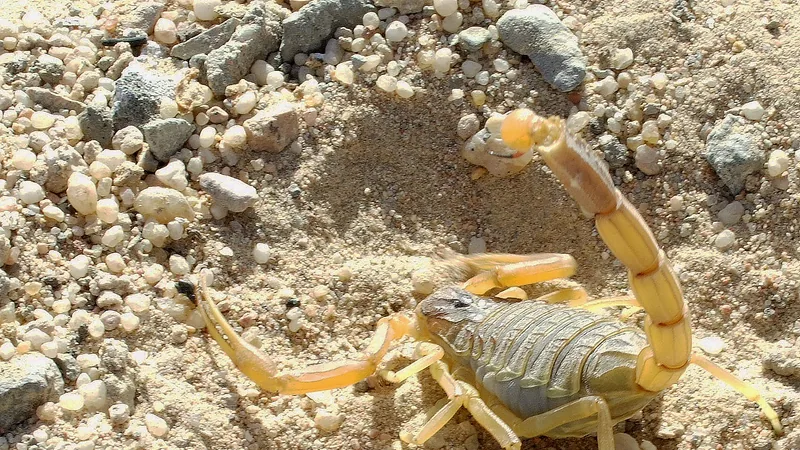
Deathstalker Scorpion
A desert scorpion about as long as a credit card, one of the most dangerous on Earth, whose venom yielded chlorotoxin, a peptide used in cancer research.
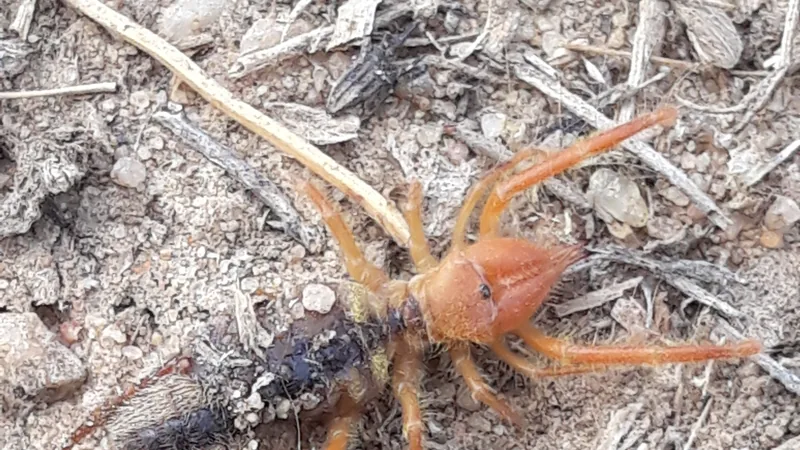
Egyptian Giant Solpugid
A camel spider, which is not a spider at all, with jaws that chop its prey to pulp.
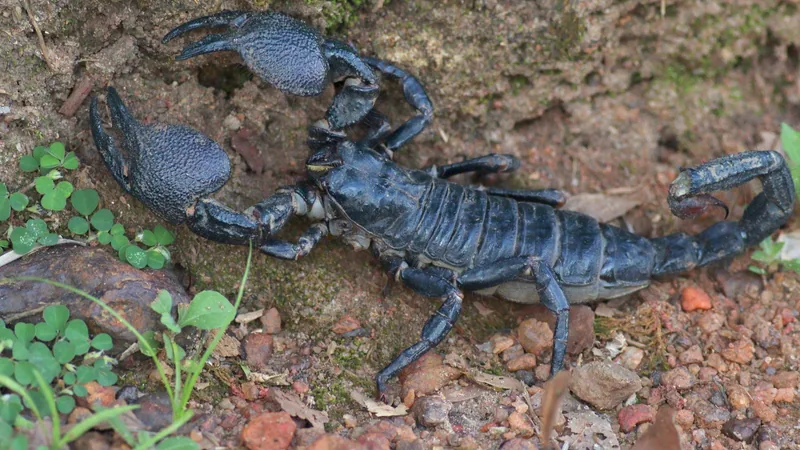
Emperor Scorpion
The West African rainforest heavyweight that tears prey apart with its pincers and glows blue-green under ultraviolet light.
European Badger
Nocturnal digger with a striped face, sharp claws and a network of underground tunnels.
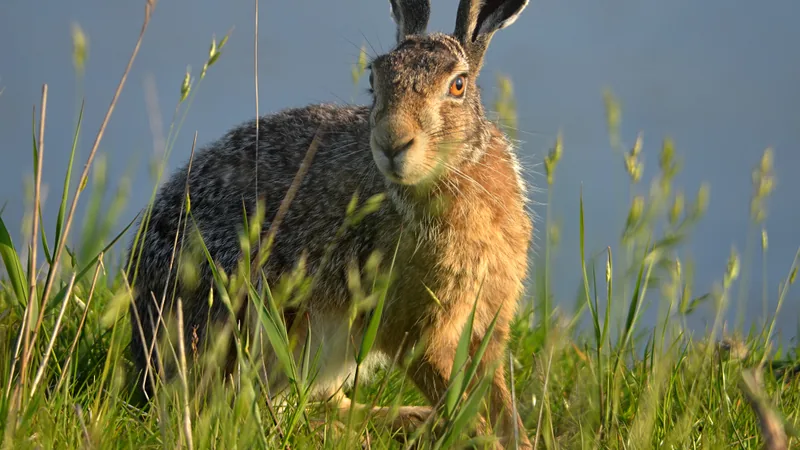
European Hare
Mom parks her furry newborns apart and makes the rounds to nurse them.
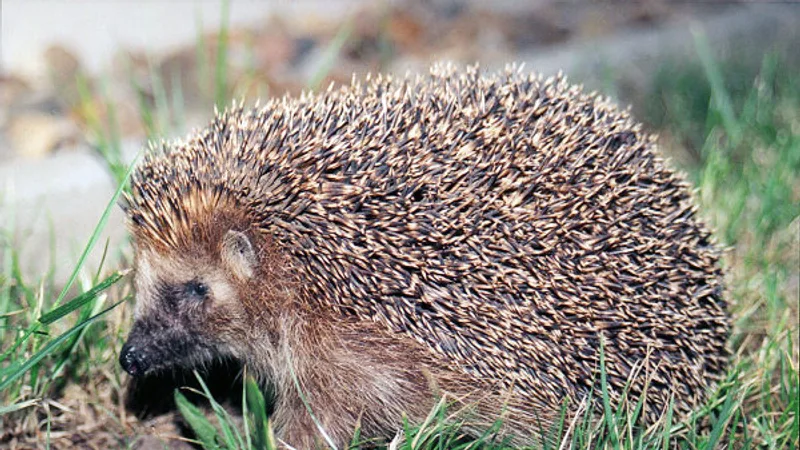
European Hedgehog
Around six thousand keratin spines, a back muscle that lets them all stand on end at once, and 1 to 2 km of travel a night.
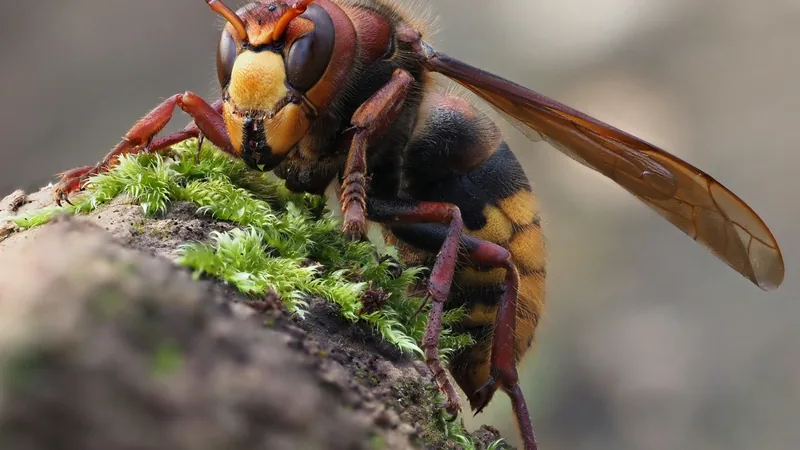
European Hornet
Central Europe's biggest vespine wasp, warmed by its own flight muscles.

European Polecat
A masked mustelid that releases a strong-smelling secretion when threatened, grips so tenaciously it can be lifted by whatever is in its teeth, and seems held back from northern Sweden by snow.
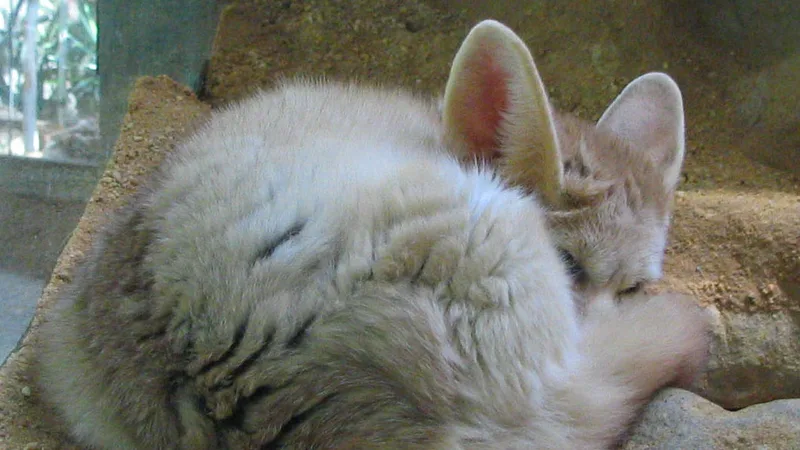
Fennec Fox
The largest ears of any canid for its size, used to shed desert heat and track down prey under the sand.

Fire Salamander
Black-and-yellow woodland amphibian whose glands behind the eyes secrete toxic alkaloids it can spray at attackers.
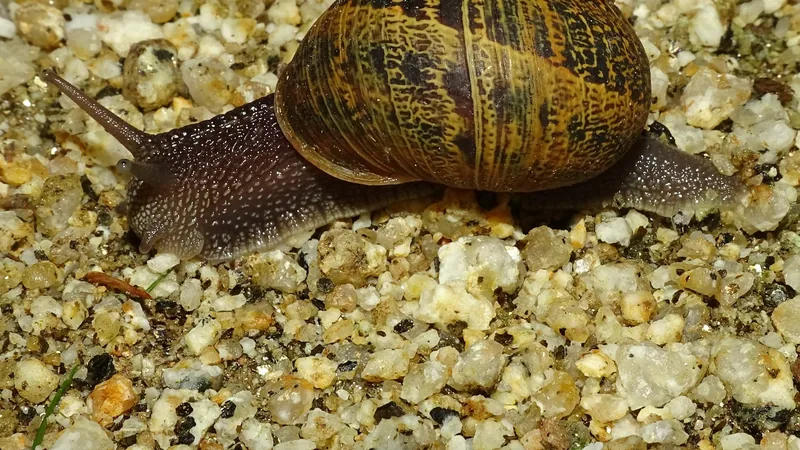
Garden Snail
A night-feeding garden snail that seals itself shut to wait out hot, dry weather.

Geography Cone Snail
Reef hunter whose venom insulin, released into the water, appears to disorient schools of small fish before the snail engulfs them and harpoons them with a hollow venom tooth.
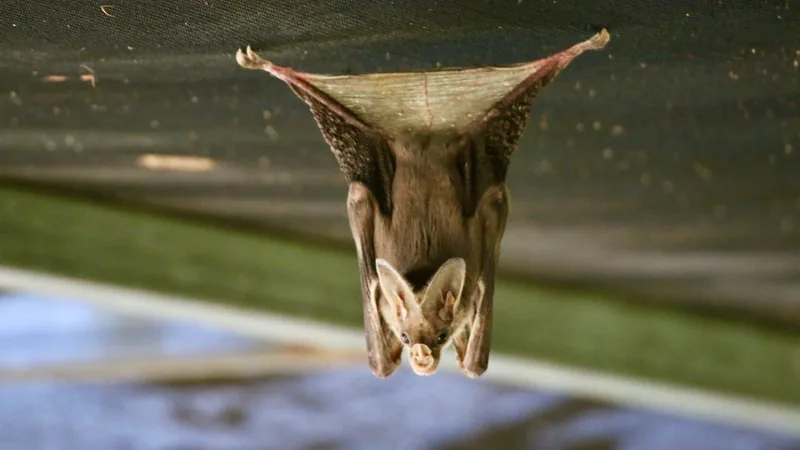
Ghost Bat
Australia's only carnivorous bat, a night hunter that eats even the bones, teeth and fur of its prey.
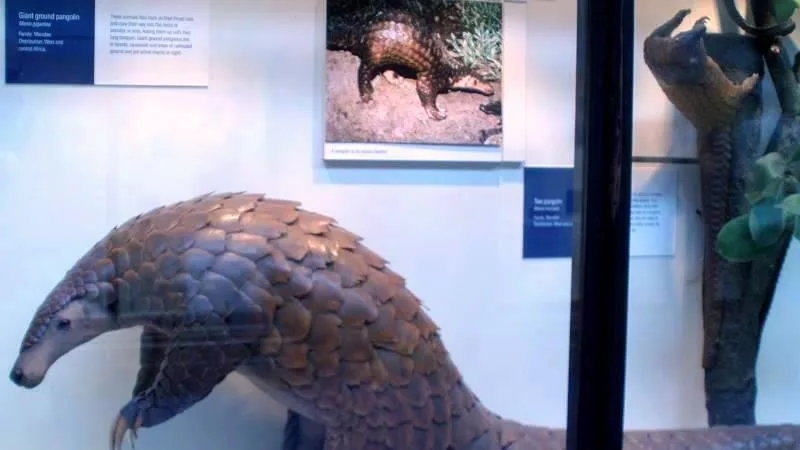
Giant Ground Pangolin
Overlapping keratin scales, a sticky tongue up to 70 centimeters long, and a defensive ball that's next to impossible to pry open.
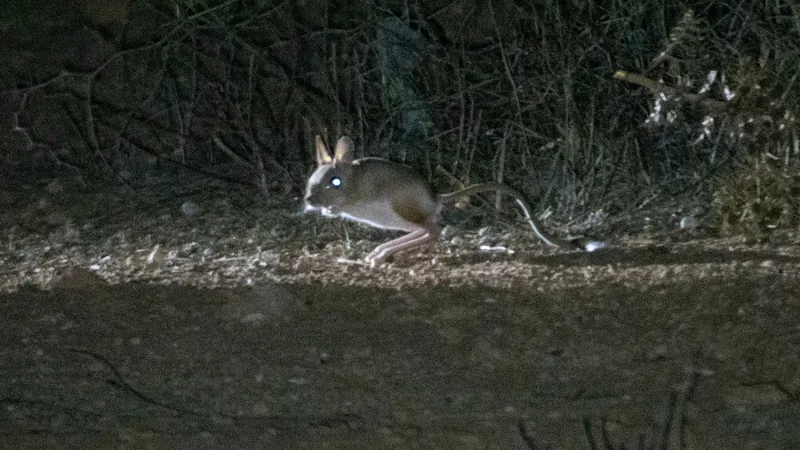
Greater Jerboa
The desert rodent that flees predators in leaps measured at up to 3 meters long, on hind legs about four times the length of its front ones.
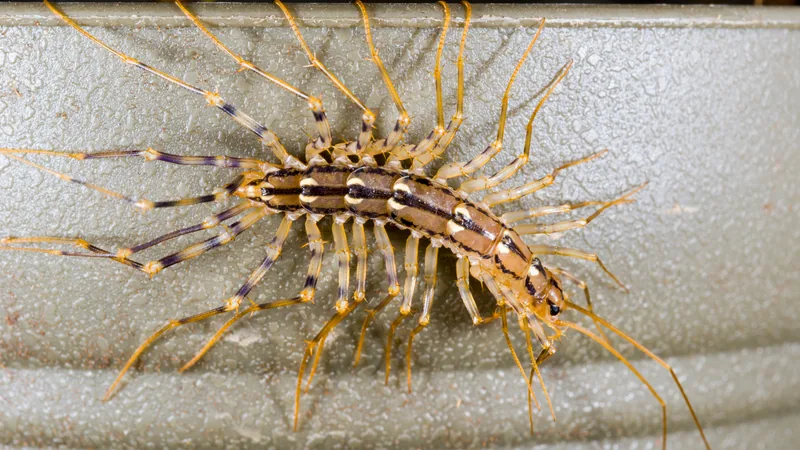
House Centipede
The night hunter on 15 pairs of legs, with back legs that on adult females are nearly twice as long as its body.
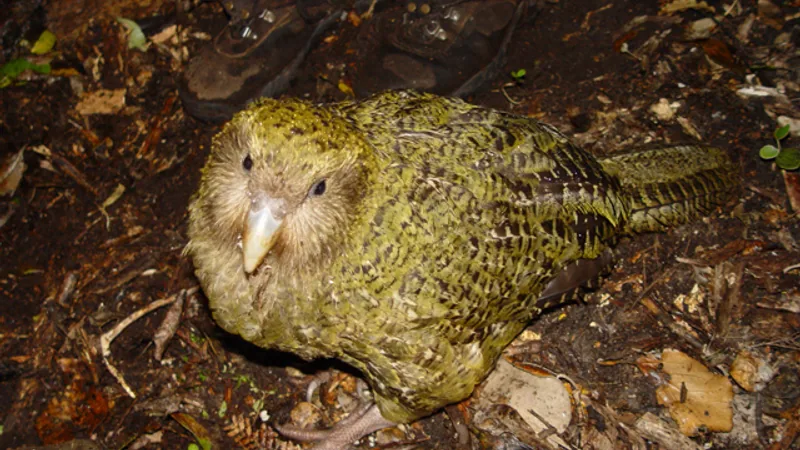
Kakapo (Owl Parrot)
The heaviest parrot in the world, camouflaged in moss-green feathers, betrayed by its own strong scent, and courting with a boom heard up to five kilometres away in ideal conditions.
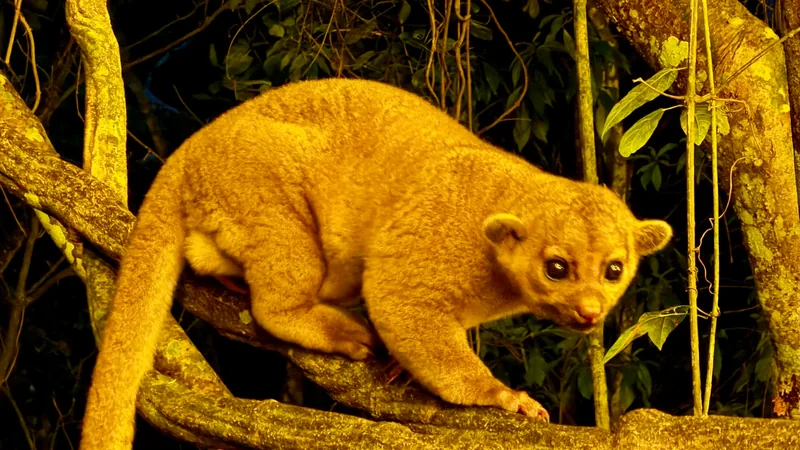
Kinkajou
A nocturnal canopy climber that twists 180 degrees between pelvis and head, can hang by its tail and reaches nectar with a 13 cm tongue.
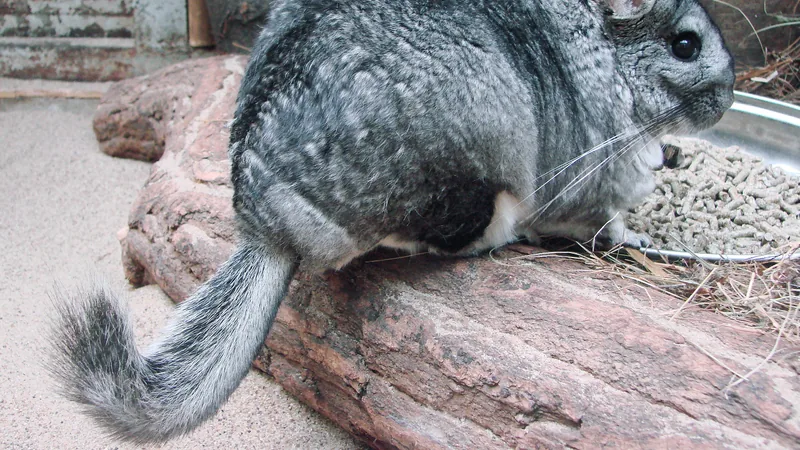
Long-Tailed Chinchilla
An Andean rodent with up to 60 hairs growing from one follicle.
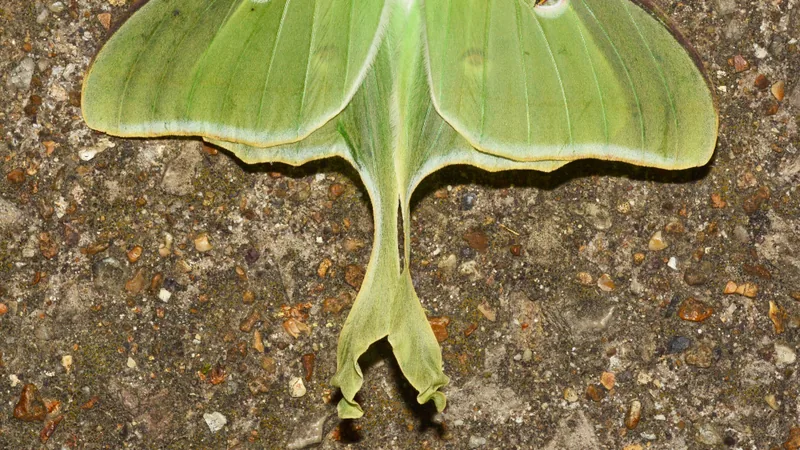
Luna Moth
A big green silk moth whose spinning hindwing tails pull bat attacks off its body, and whose adults do not eat.
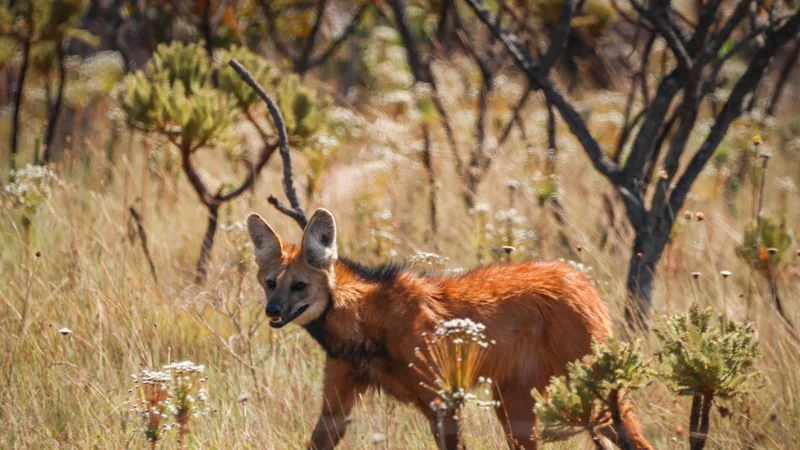
Maned Wolf
Stilt-legged golden canid of the cerrado that sees over tall grass and marks its territory with urine that reminds many people of a skunk.