Algeria
Field
notes
Not a spider at all
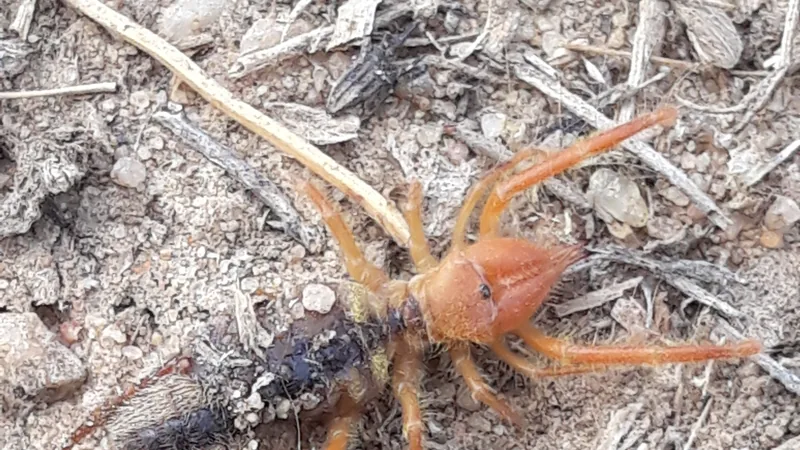
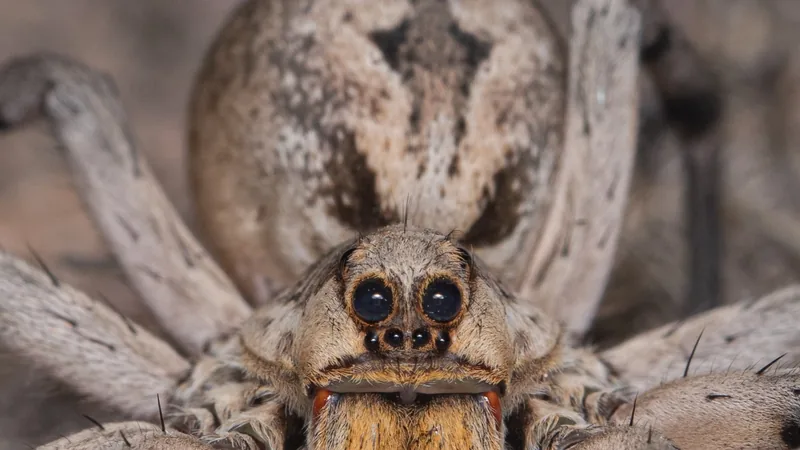
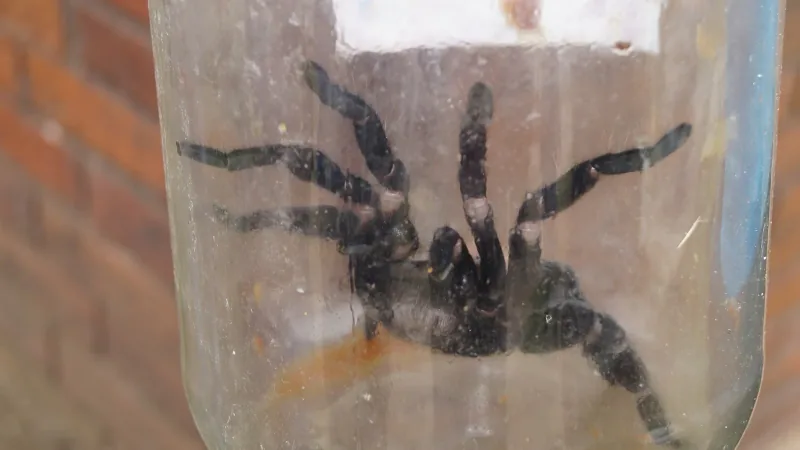
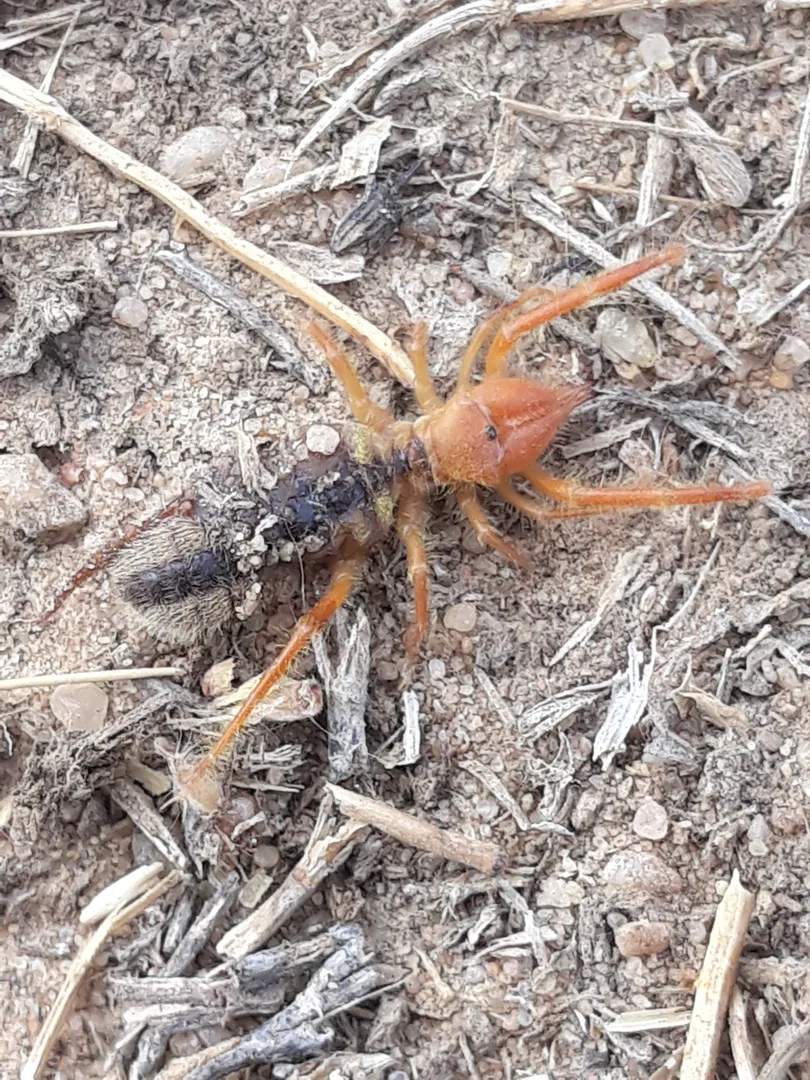
Despite the name, camel spiders are not spiders. They share the class Arachnida with spiders but belong to the solpugids, and the Egyptian giant solpugid (Galeodes arabs) is the species National Geographic files under the camel spider name. It was first described in 1842, from specimens with a vague type locality: simply “Arabia”. The World Solifugae Catalog records it from Morocco and Niger to Kenya, Saudi Arabia, Iraq, Iran and Turkey.
Smaller and slower than the legend
Camel spiders went viral during the 2003 Iraq war, when many online tales came with photos that claimed to show spiders half a person’s size. They do not eat camels’ stomachs or sleeping soldiers either. Pictures that seem to show camel spiders six times their real size are a trick of perspective: the animal sits in the foreground, where the lens makes it look far bigger. Real camel spiders are only about 6 inches long, and National Geographic’s fact file gives a weight of 2 ounces and a wild lifespan of up to a year.
Flat out, a camel spider is estimated to manage 10 miles per hour. That is quick only when compared with other arachnids, which is how National Geographic puts it. The rumor that one can keep pace with a running person does not hold up.
Jaws like a paper shredder
Camel spider jaws are large and powerful, and can reach up to one-third of the body length. The animal grabs its victim with them and chops or saws it into pulp. Prey includes insects, rodents, lizards and small birds. Digestive fluids turn the flesh to liquid, and the camel spider sucks up what is left.
Myth check Camel spiders are not venomous, and they are not deadly to humans, though their bite is painful.
A night shift in the sand
A 1961 study that tracked its activity found Galeodes arabs nocturnal, especially in the hot season. It also loses water slowly through its body surface in dry air. The study sorted its responses to enemies and prey into alertness, threat, and high-intensity threat with stridulation (a sound made by rubbing body parts together), which leads to an attack or a getaway. A getaway is often followed by digging in the sand.
Published
Traits
Intel
& FAQ
Guess
first
How big is a Egyptian Giant Solpugid, really? Slide, lock in, and see what the sources say. Every answer is a figure from this page, quoted from where it came from.
Sources
- 01Camel Spider. National Geographic.
- 02Cloudsley-Thompson (1961). Some aspects of the physiology and behaviour of Galeodes arabs. Entomologia Experimentalis et Applicata.
- 03Galeodes arabs C.L. Koch, 1842. World Solifugae Catalog, Natural History Museum Bern.
What the sources say: 39 claims checked word for word against these sources →