Arachnids & Scorpions
Eight segmented legs, hydraulic joint movement, liquid external digestion, and silk spinning.
Arachnida
Arachnids are ancient chelicerate hunters lacking wings or antennae. They move limbs using hydraulic blood pressure rather than opposing extensor muscles, paralyze prey with peptide venom delivered via fangs or stingers, and dissolve food externally before consuming liquid nutrients. Horseshoe crabs are filed here too. They are not arachnids but fellow chelicerates, more closely related to spiders and scorpions than to true crabs.
Key Evolutionary Adaptations
Spiders extend their legs by pumping hemolymph fluid under hydraulic pressure through cephalothorax chambers.
Spider dragline silk exhibits tensile strength matching high-grade alloy steel while stretching up to 40 percent.
Scorpions fluoresce vivid blue-green under ultraviolet light due to beta-carboline compounds in their cuticles.
All Arachnids & Scorpions

Arizona Bark Scorpion
North America's most venomous scorpion, and the best climber among Arizona's thirty scorpion species.

Atlantic Horseshoe Crab
A blue-blooded cousin of spiders and scorpions, with ten eyes and blood that clots when it meets certain bacteria.

Bold Jumping Spider
A daytime stalker from a spider family whose forward-looking resolution beats every insect's, trailing a safety line of silk when it jumps.

Brazilian Wandering Spider
A web-less wandering spider of south-eastern South America that hunts among the vegetation after dark, throws its front legs up when threatened, and carries venom packed with peptides that jam ion channels.
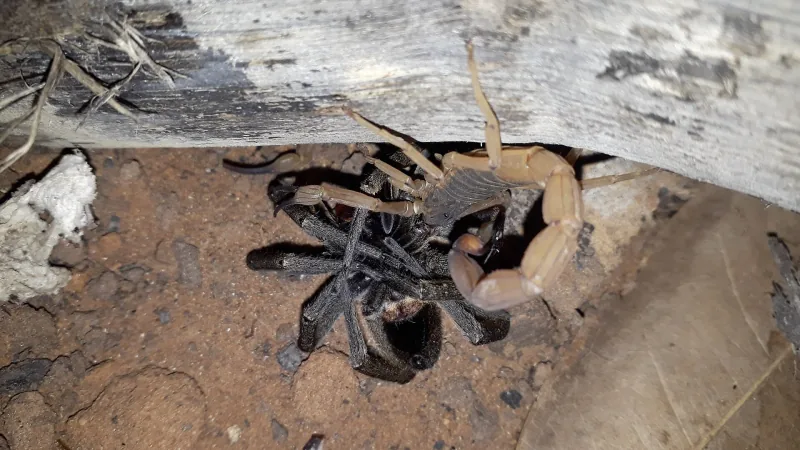
Brazilian Yellow Scorpion
The asexual arachnid that invaded Brazilian cities without needing a single male to reproduce.
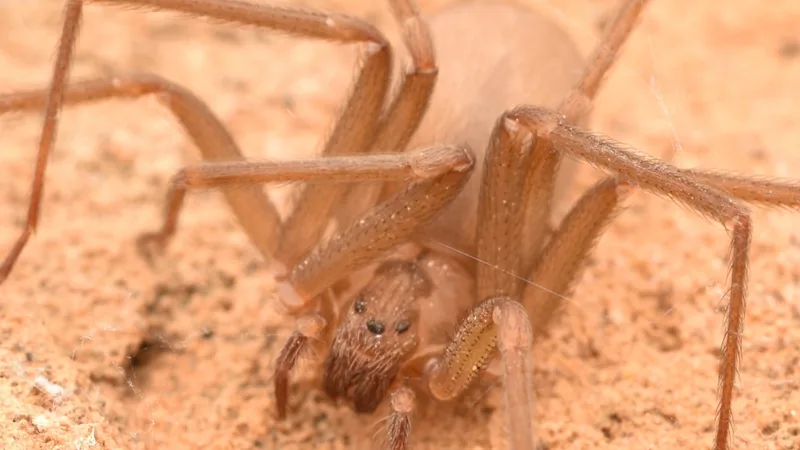
Brown Recluse
A six-eyed night hunter with a violin marking and venom that can kill the tissue around a bite.
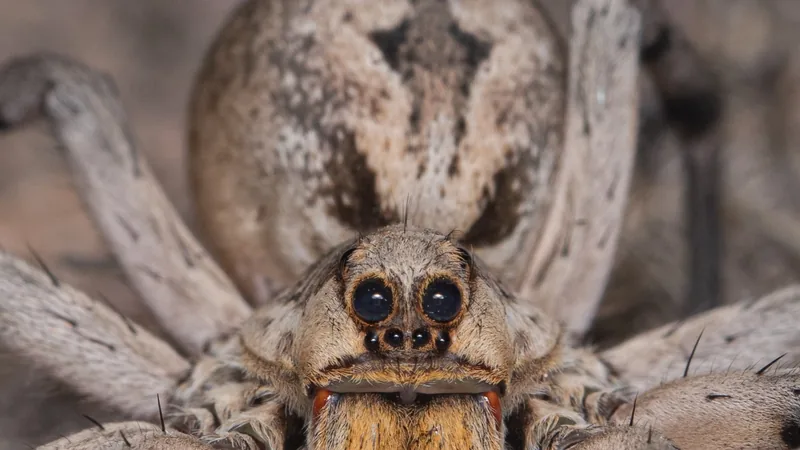
Carolina Wolf Spider
A web-free night hunter that grinds up frogs and carries its babies on its back.
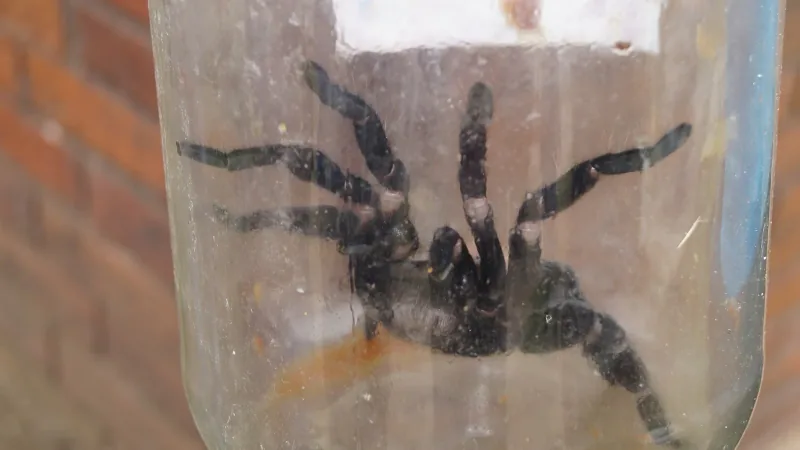
Chilean Rose Tarantula
The desert tarantula with no extensor muscles at two leg joints, and a metabolism that slows when food runs short.
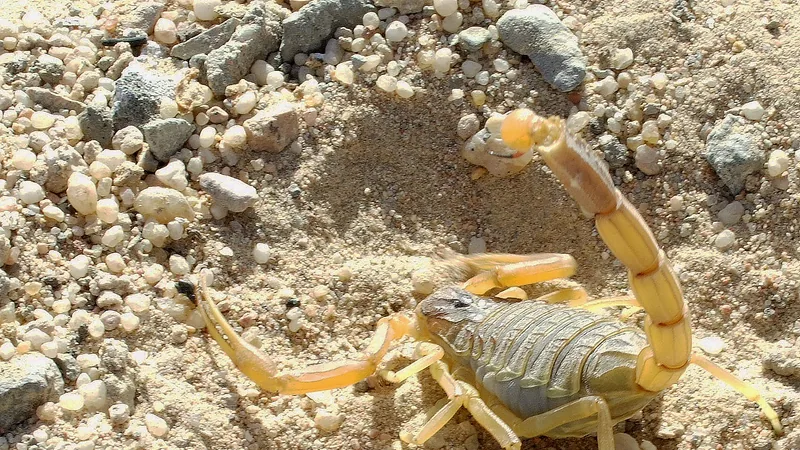
Deathstalker Scorpion
A desert scorpion about as long as a credit card, one of the most dangerous on Earth, whose venom yielded chlorotoxin, a peptide used in cancer research.
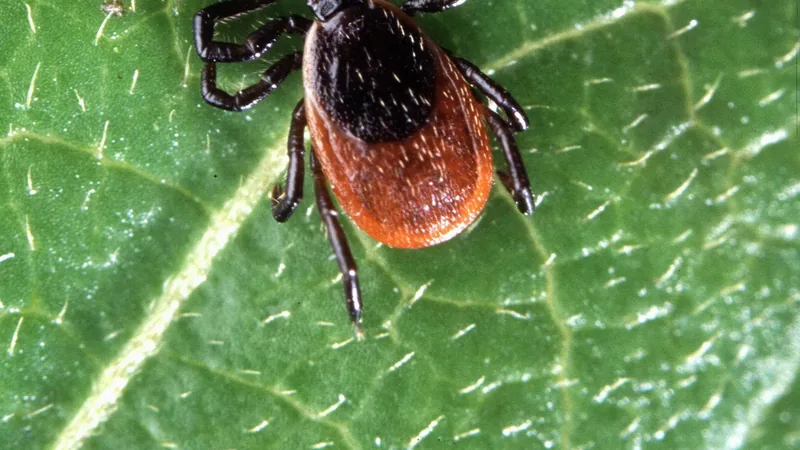
Deer Tick
Waits on a plant for a passing host to brush by, then feeds for days.
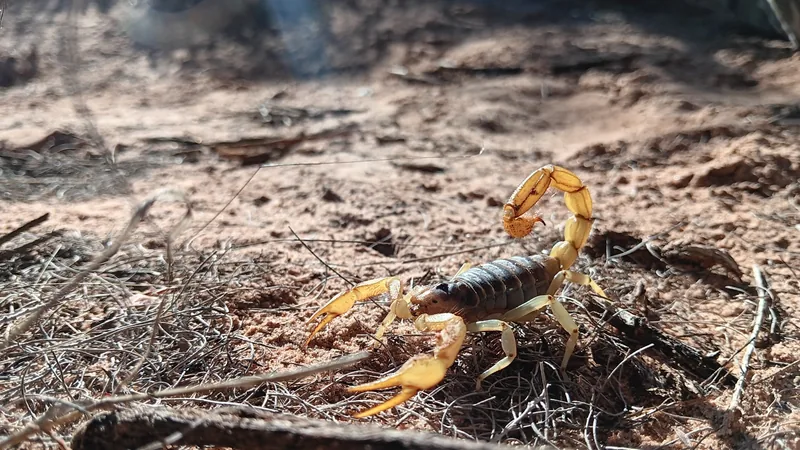
Desert Hairy Scorpion
North America's largest scorpion, digging burrows up to 2.5 meters underground and feeling vibrations through its hairs.
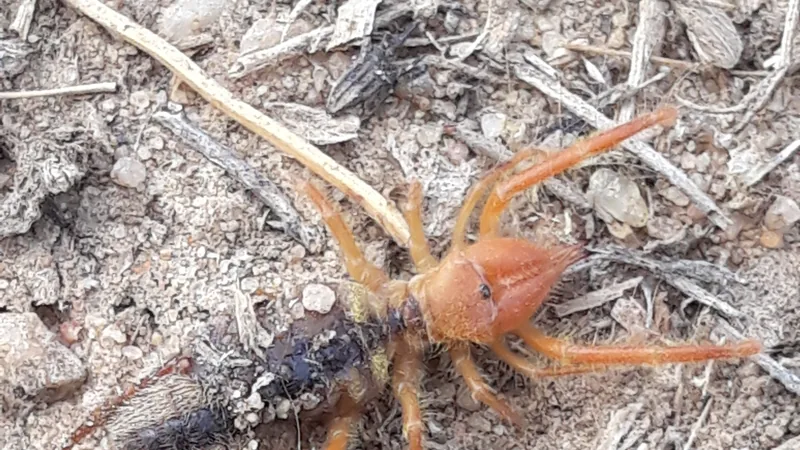
Egyptian Giant Solpugid
A camel spider, which is not a spider at all, with jaws that chop its prey to pulp.
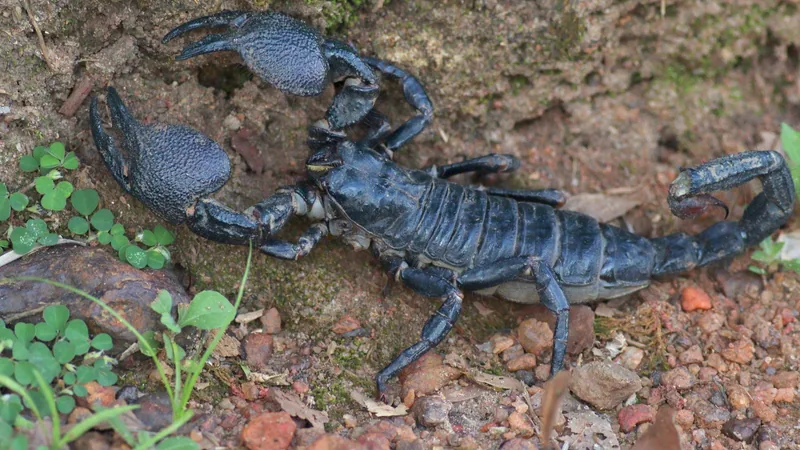
Emperor Scorpion
The West African rainforest heavyweight that tears prey apart with its pincers and glows blue-green under ultraviolet light.
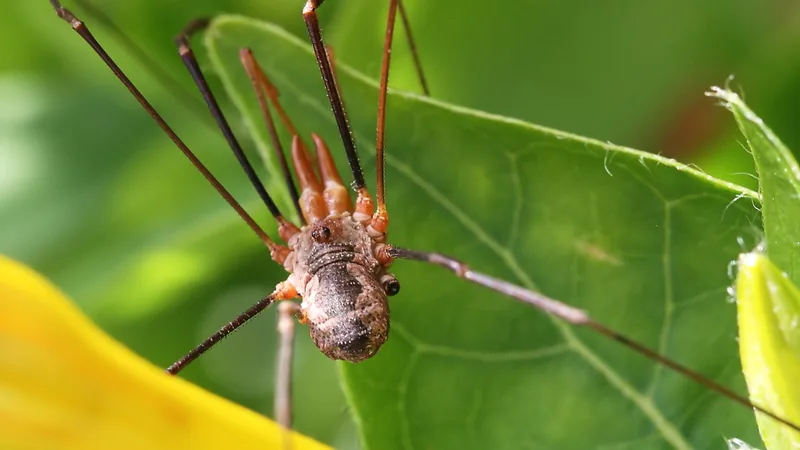
European Harvestman
Not a spider: a stilt-legged arachnid with a body roughly 3.5 to 9 millimeters long.
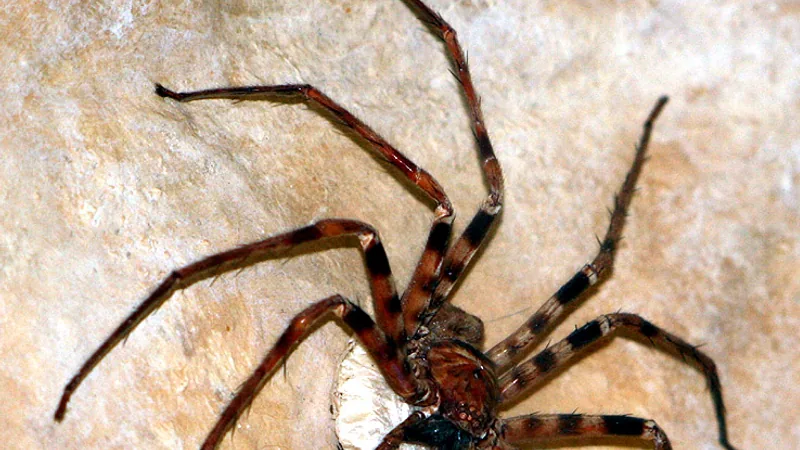
Giant Huntsman Spider
A spider found in caves in Laos, with a leg span of up to 30 cm.
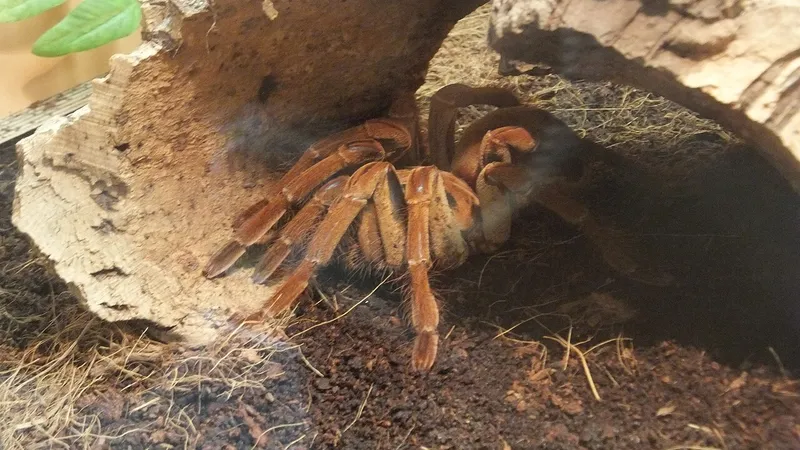
Goliath Birdeater
The heaviest spider in the world, a 6-ounce rainforest tarantula with fangs that can pierce human skin and stinging hairs it can release.
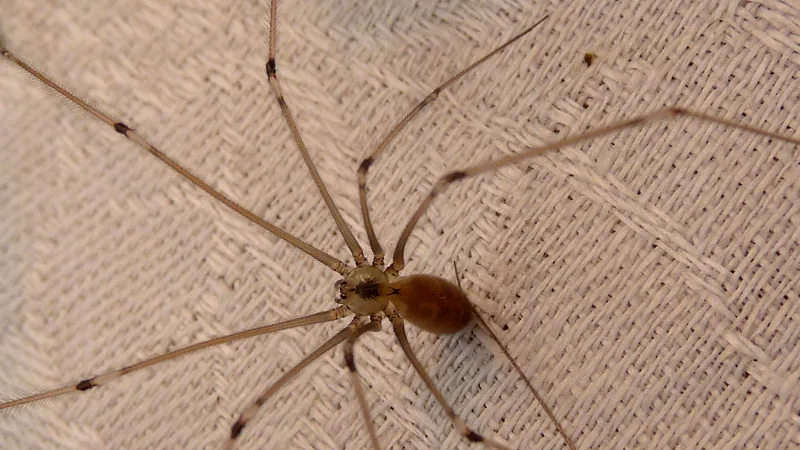
Long-Bodied Cellar Spider
The ceiling spider that raids other spiders' webs and spins itself into a blur when threatened.
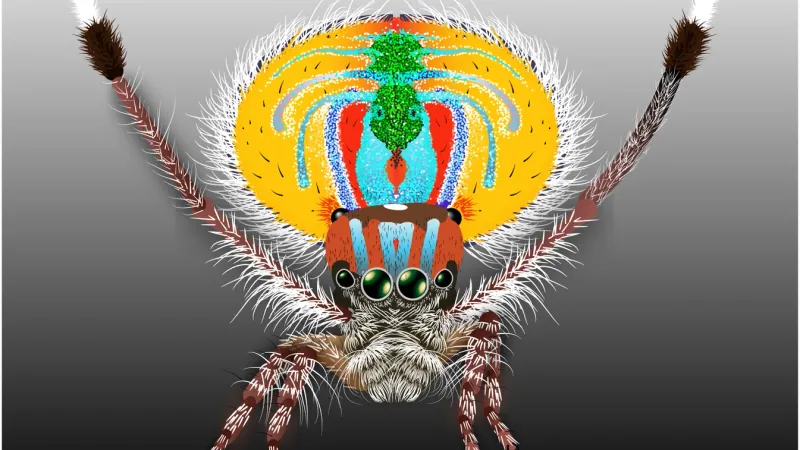
Peacock Spider
The Australian jumping spider whose males unfurl a peacock-style fan and send vibrations through the ground to win over a female.
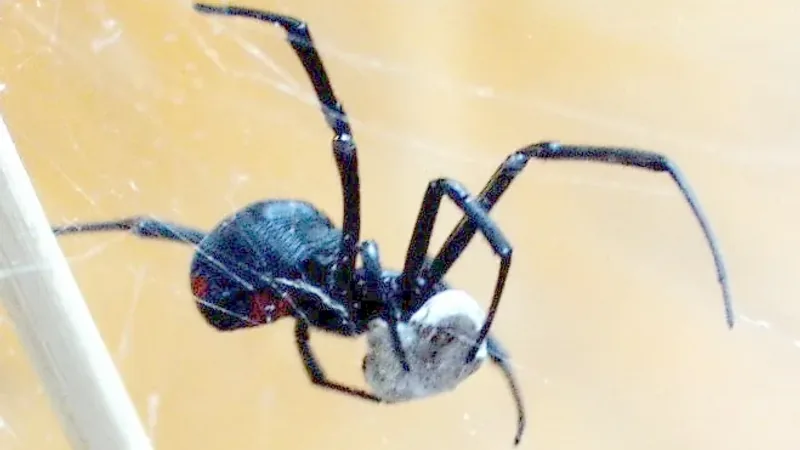
Southern Black Widow
Shiny black spider whose venom floods the nerve-muscle junction with acetylcholine and noradrenaline.
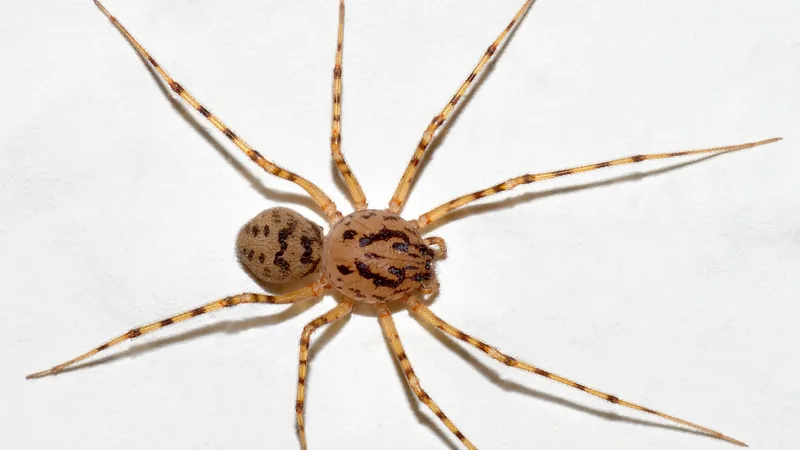
Spitting Spider
A tiny house spider that entangles prey from a distance with a zigzag spray of silk, glue and venom, fired at up to 28.8 meters a second.
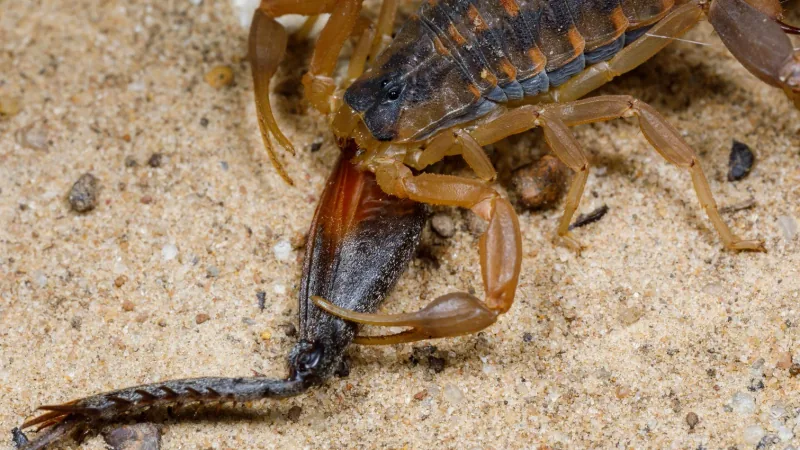
Striped Bark Scorpion
One of the most common scorpions in the United States. In lab tests, its females stung at a faster rate than its males.
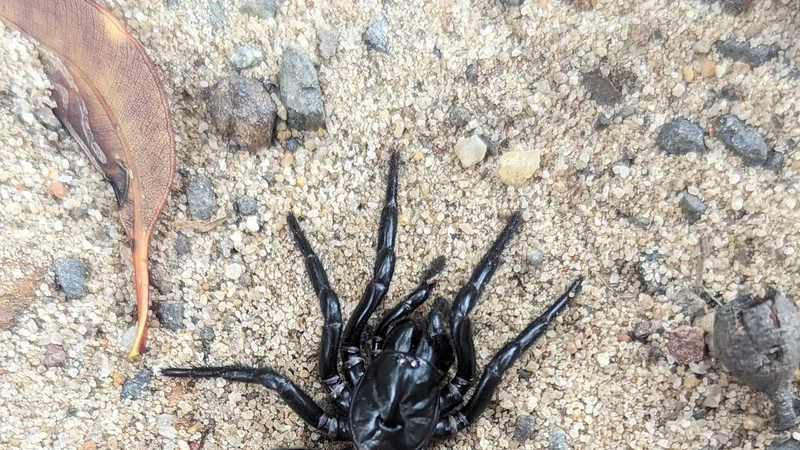
Sydney Funnel-Web Spider
Male venom carries a nerve toxin that likely evolved to deter bandicoots and birds, and is lethal to humans by unfortunate coincidence.