Antarctic
Surviving the coldest continent on Earth and the Southern Ocean around it, whether insulated by blubber, dense plumage or fur, or kept from freezing by antifreeze proteins in the blood.

Adélie Penguin
The pebble-stealing penguin that fasts for weeks on end and steers across featureless ice by the sun.
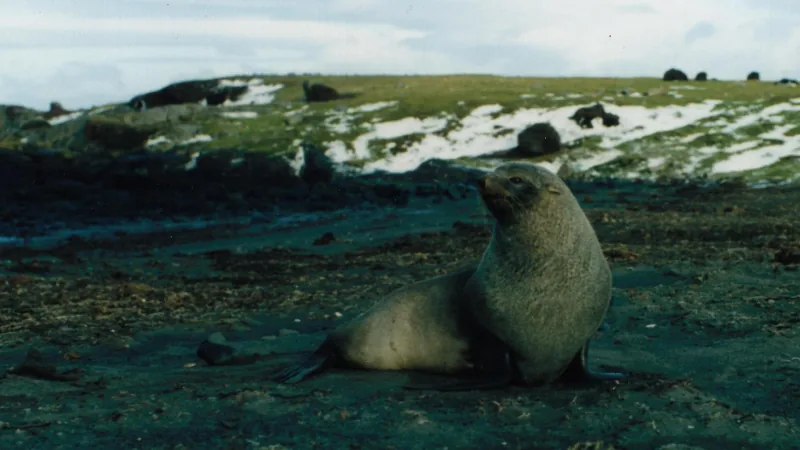
Antarctic Fur Seal
The hyper-dense furred beach warrior that came back from commercial extinction and is now declining again.

Antarctic Icefish
A Southern Ocean fish with no working red blood cells, whose nearly clear blood carries oxygen dissolved in plasma, along with its own antifreeze.
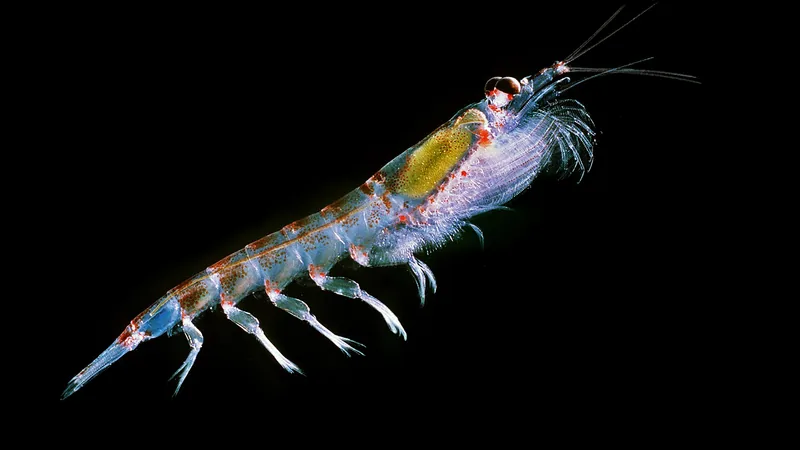
Antarctic Krill
A crustacean about 6 centimeters long, so abundant it can turn the sea reddish-brown, that most larger Antarctic animals depend on, directly or indirectly.
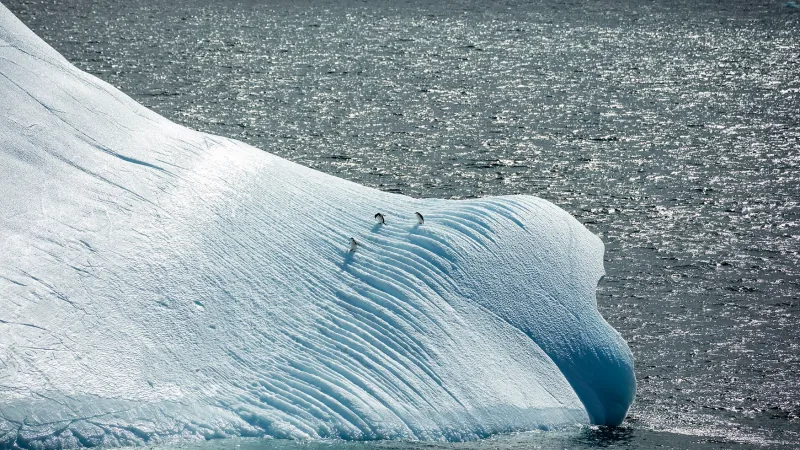
Chinstrap Penguin
The seabird that nods off more than 10,000 times a day in naps that average four seconds, banking over 11 hours of sleep in each half of its brain while it guards the nest.

Colossal Squid
The heaviest invertebrate documented, with tentacle hooks that swivel up to 720 degrees and eyes about the size of a soccer ball.
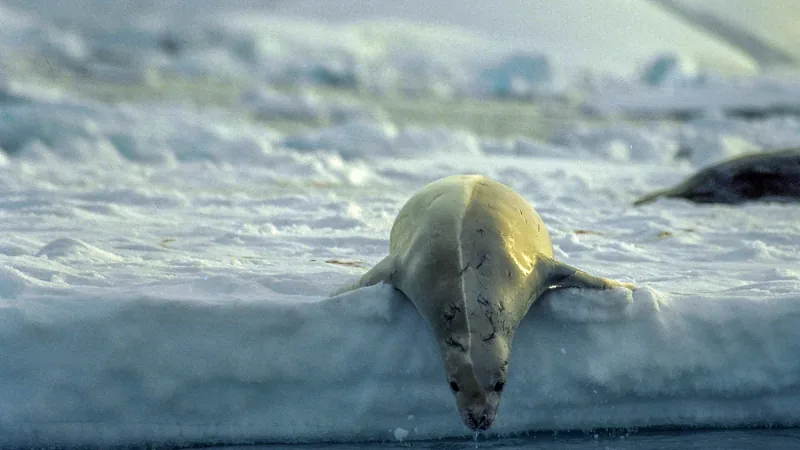
Crabeater Seal
The Southern Ocean's most abundant seal, straining Antarctic krill through teeth called the most complex of any carnivore.
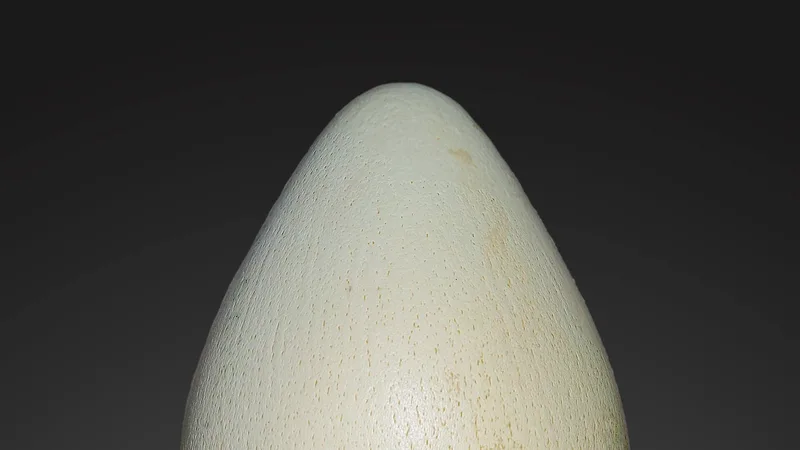
Emperor Penguin
Antarctic wind chills down to minus 60, dives past 500 meters, and months of fasting while the male alone incubates the egg.
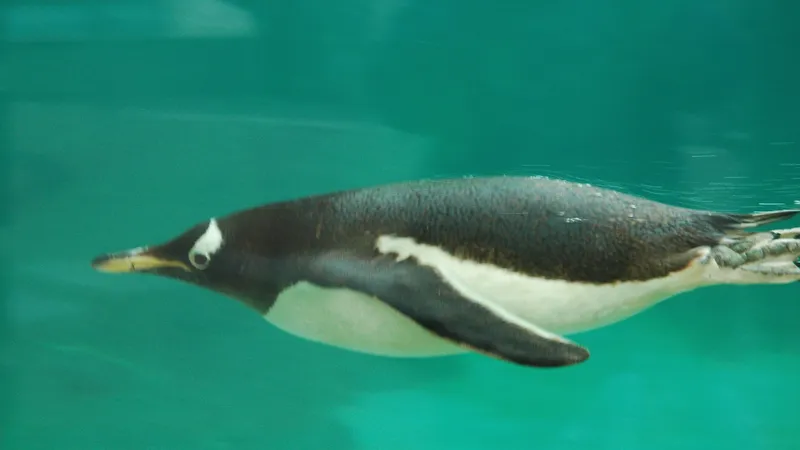
Gentoo Penguin
A penguin whose tracked deep dives averaged 80 metres, whose nest can hold over 1,700 pebbles, and which one 2020 study proposes splitting into four species.
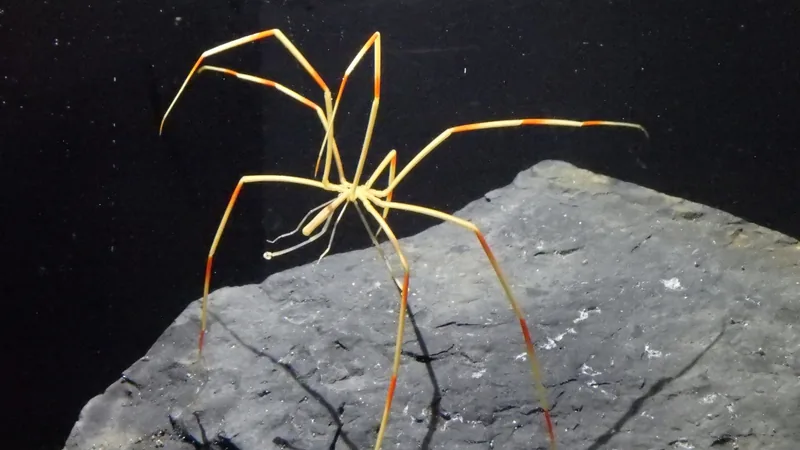
Giant Antarctic Sea Spider
A giant sea spider of the Southern Ocean that, like all sea spiders, has no gills, and feeds on open-water animals.
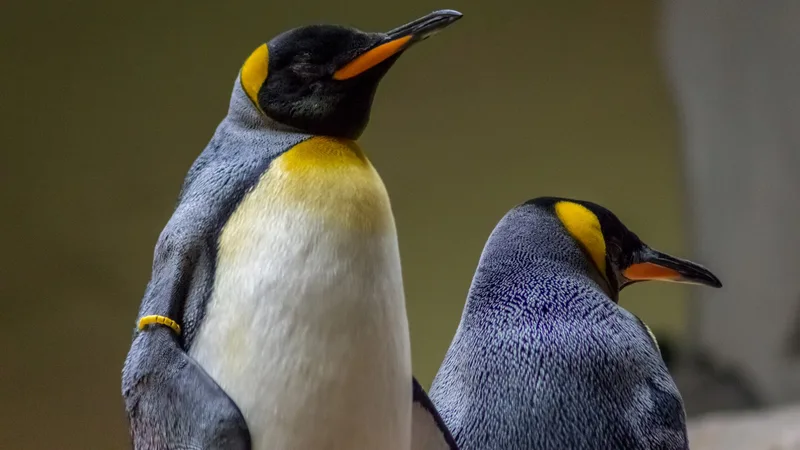
King Penguin
Sub-Antarctic penguin with an orange neck patch reaching its upper breast, second largest of all penguins, and a deep diver: tracked birds have gone past 240 meters.
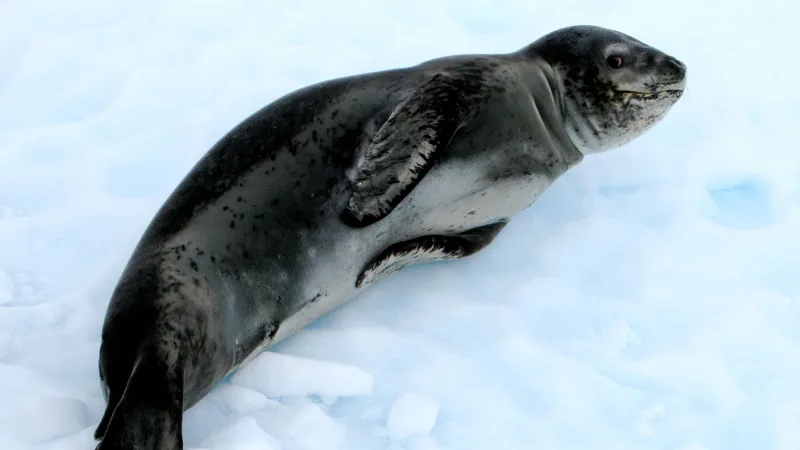
Leopard Seal
The serpentine apex hunter of Antarctic pack ice with a reptilian gape and teeth that double as krill sieves.
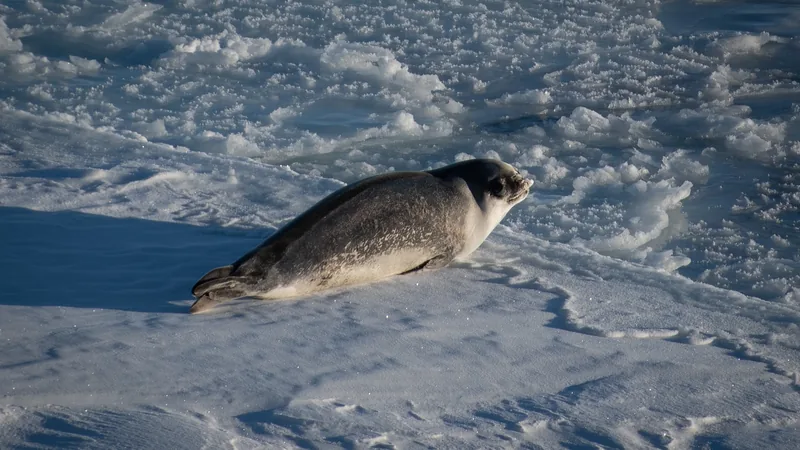
Ross Seal
The least-studied of Antarctica's ice-breeding seals, a loner with enormous eyes that often dives past 300 metres.
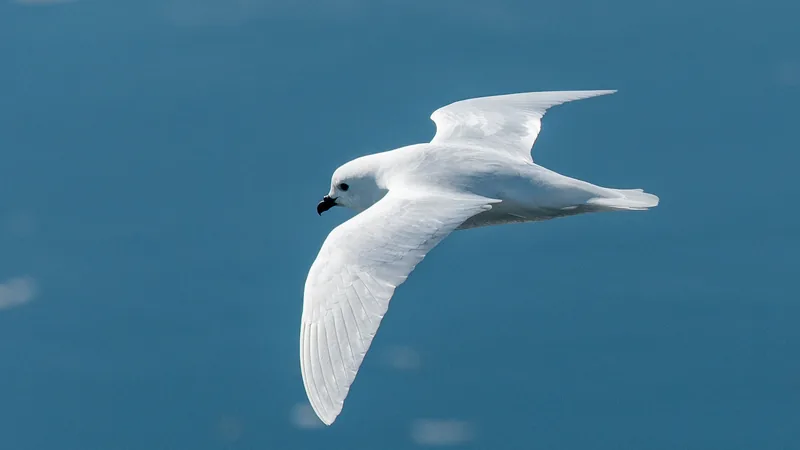
Snow Petrel
An all-white Antarctic seabird that sometimes nests hundreds of kilometers inland and spits stomach oil that can build up around its nest for thousands of years.
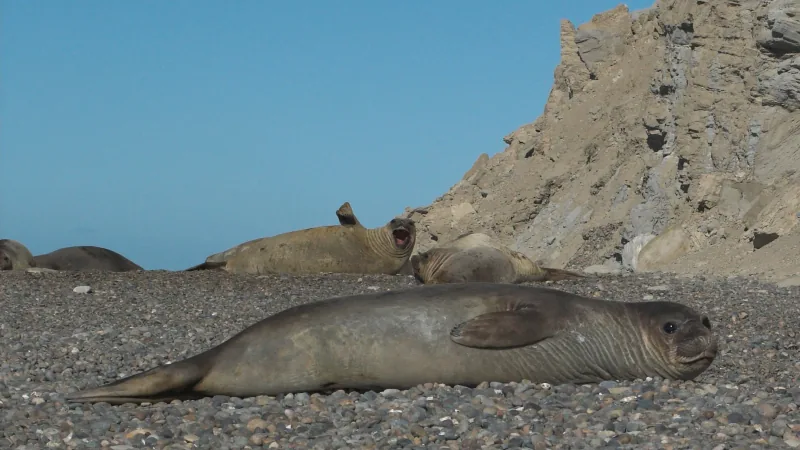
Southern Elephant Seal
The largest living carnivoran, with a roaring nose and blood built for breath-holds of up to two hours.
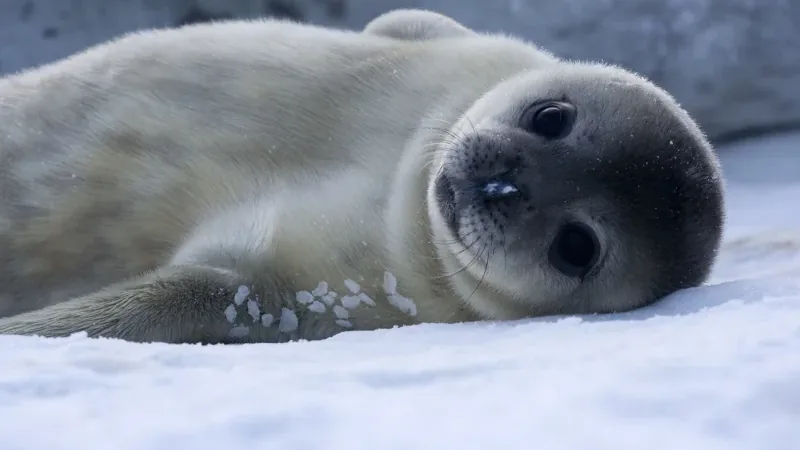
Weddell Seal
The most southerly-ranging mammal living permanently in Antarctica, rasping breathing holes through new sea ice with its teeth and diving as deep as 720 metres.