Invertebrate
Animals lacking a backbone or spinal column, representing over 95 percent of all animal species on Earth.

Amazonian Giant Centipede
Venomous, up to 30 cm long, and its big ones are known to climb cave ceilings and catch bats.
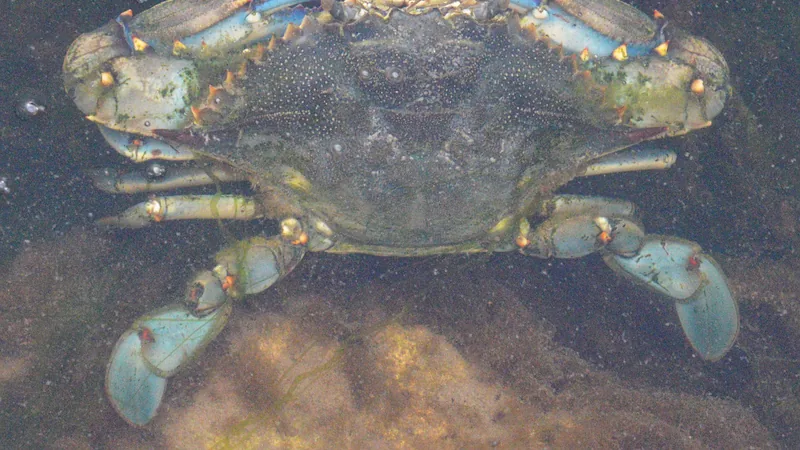
Atlantic Blue Crab
A paddle-legged swimmer with bright blue claws that sheds its hard shell as it grows.

Atlantic Horseshoe Crab
A blue-blooded cousin of spiders and scorpions, with ten eyes and blood that clots when it meets certain bacteria.
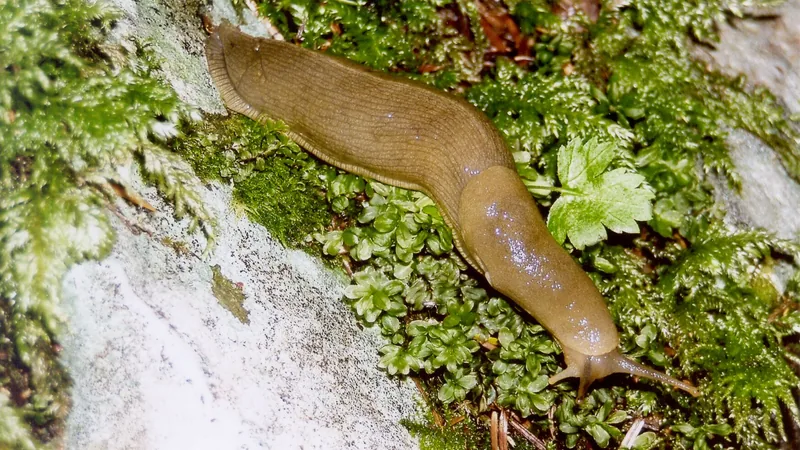
Banana Slug
A forest slug that may grow 20 cm long or more, coated in slime that numbs the mouth and tongue if swallowed.
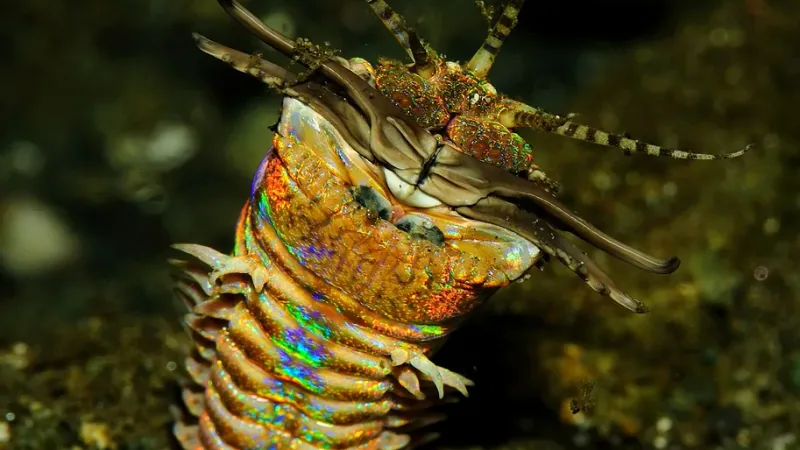
Bobbit Worm
An ambush predator up to ten feet long that buries itself in the sand with its jaws cocked like a spring trap, ready to snap a passing fish in half.

Bold Jumping Spider
A daytime stalker from a spider family whose forward-looking resolution beats every insect's, trailing a safety line of silk when it jumps.
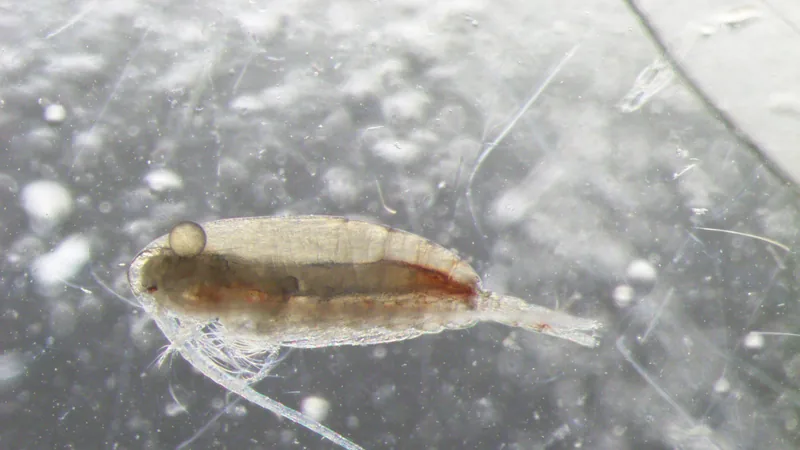
Calanus Copepod
A small North Atlantic copepod whose oil sac fuels a winter sleep in deep water.
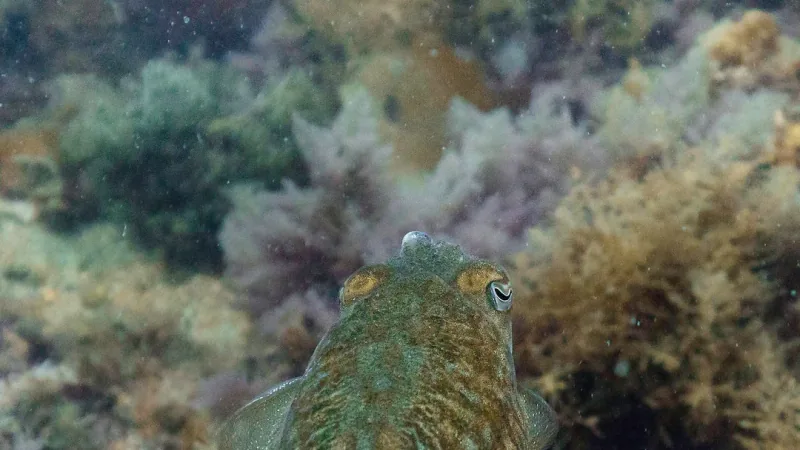
Common Cuttlefish
A color-blind ocean shapeshifter that reads polarized light and turns its skin from smooth to spiked in moments.
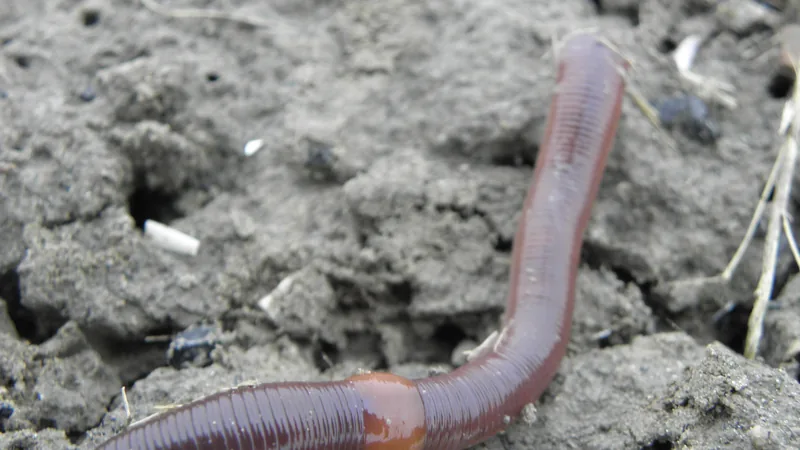
Common Earthworm
A hermaphrodite that lives in deep vertical burrows and generally leaves them only to feed and mate.
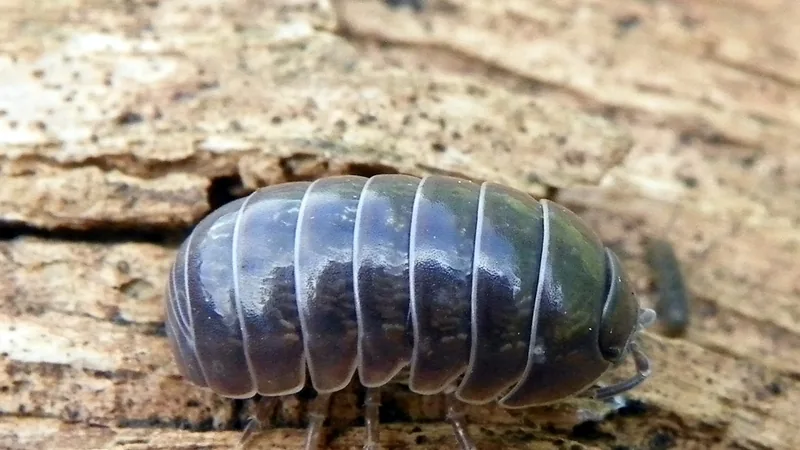
Common Pill Bug
A land-living crustacean that rolls into a ball, and in which bacterial DNA has become a new sex chromosome.
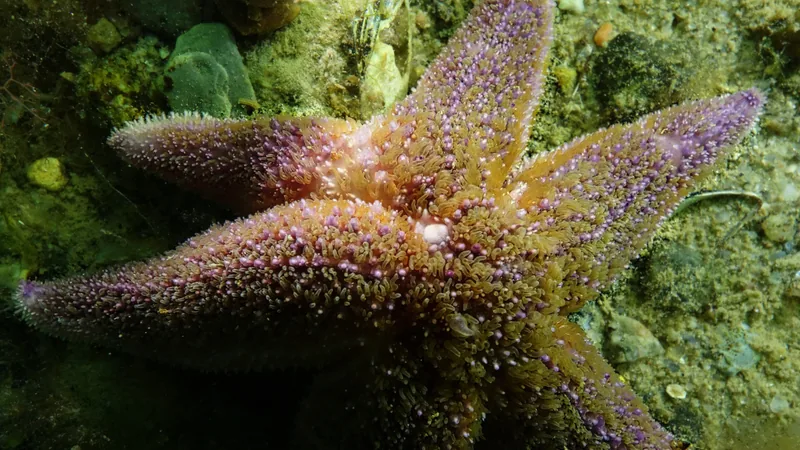
Common Starfish
A headless starfish that pries open mussels with its suction feet, then pushes its stomach inside the shell to digest them.
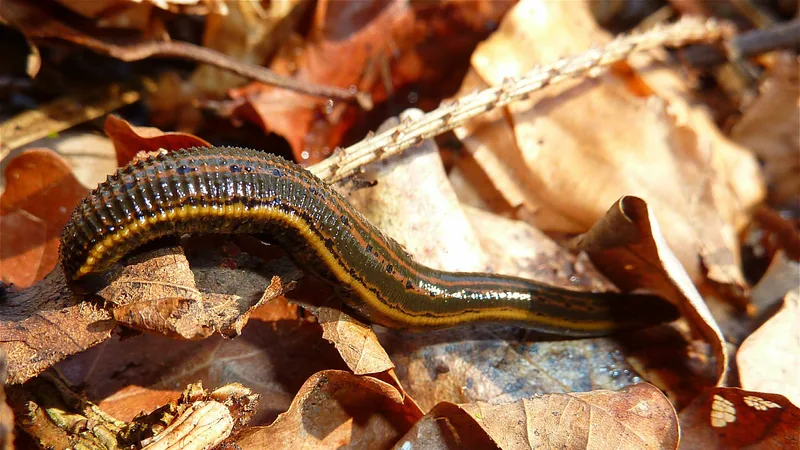
European Medicinal Leech
A three-jawed pond blood-drinker that can go 12 to 18 months between meals and was overharvested for medicine.
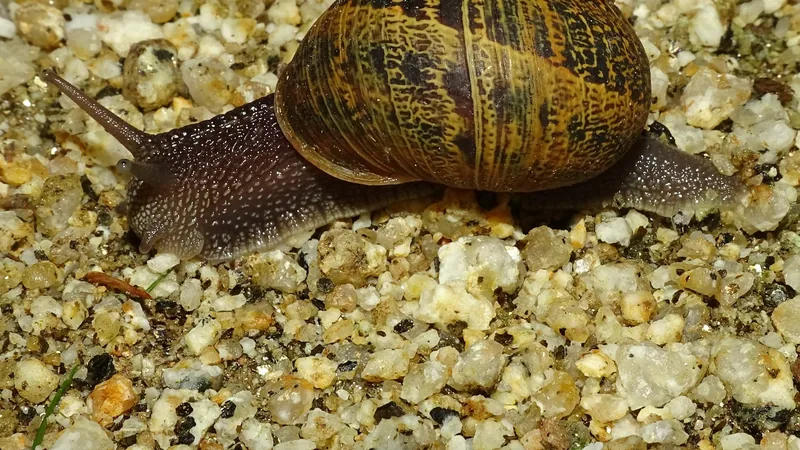
Garden Snail
A night-feeding garden snail that seals itself shut to wait out hot, dry weather.
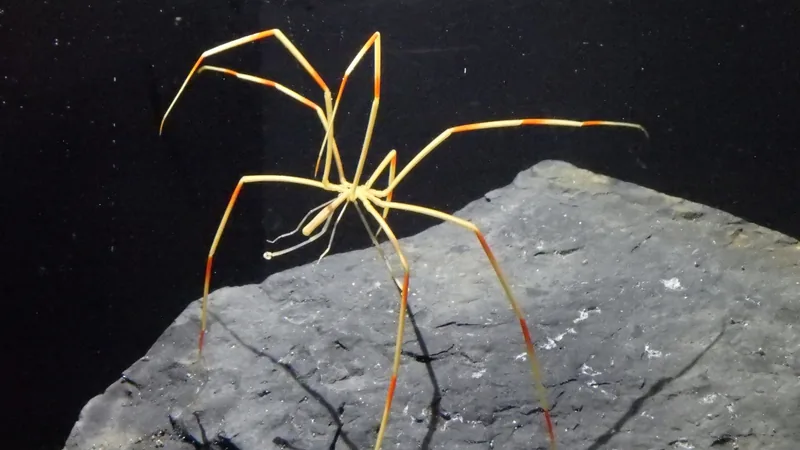
Giant Antarctic Sea Spider
A giant sea spider of the Southern Ocean that, like all sea spiders, has no gills, and feeds on open-water animals.
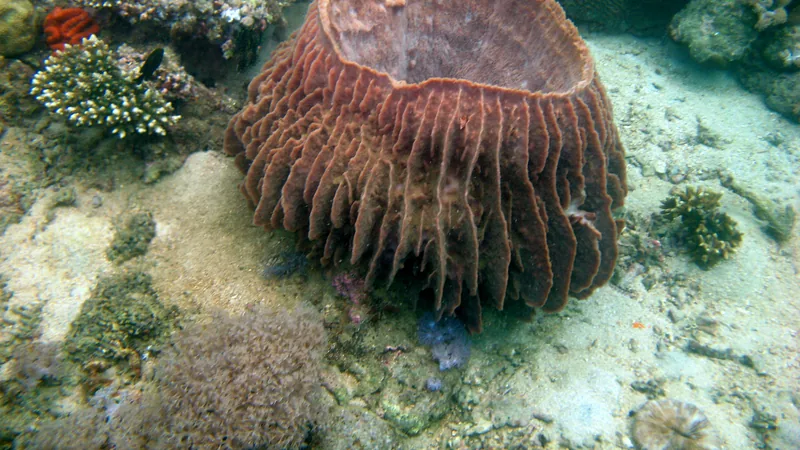
Giant Barrel Sponge
The "redwood of the reef": a pump-feeding barrel that may top a meter, and studies suggest it may live for thousands of years.

Giant Clam
The largest living bivalve gets most of its nutrients from algae living in its flesh.
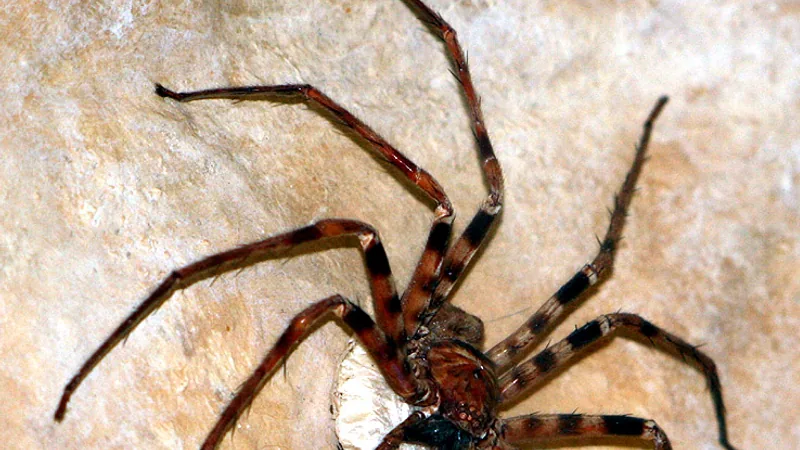
Giant Huntsman Spider
A spider found in caves in Laos, with a leg span of up to 30 cm.
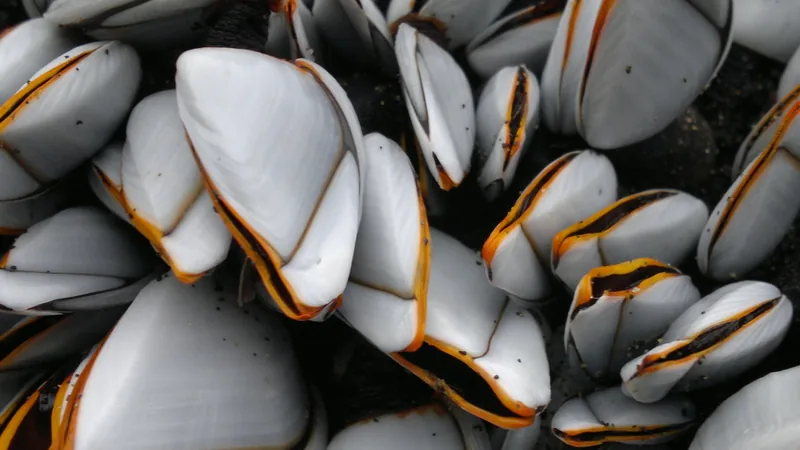
Goose Barnacle
A crustacean that glues itself to driftwood, buoys and turtles and rides them across the open ocean.
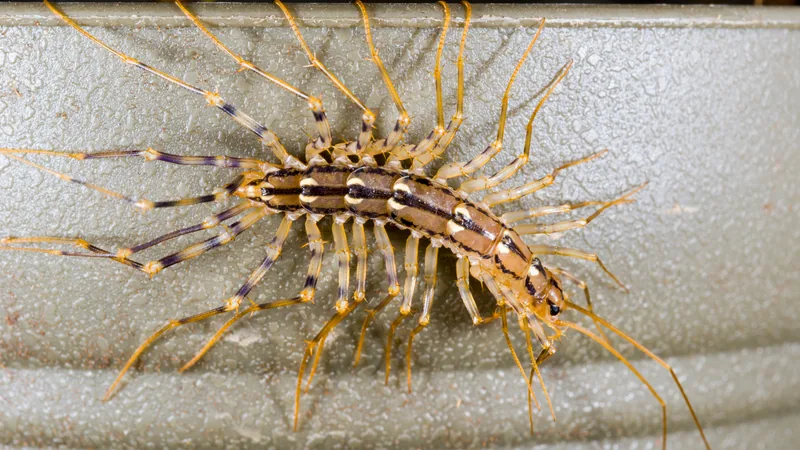
House Centipede
The night hunter on 15 pairs of legs, with back legs that on adult females are nearly twice as long as its body.
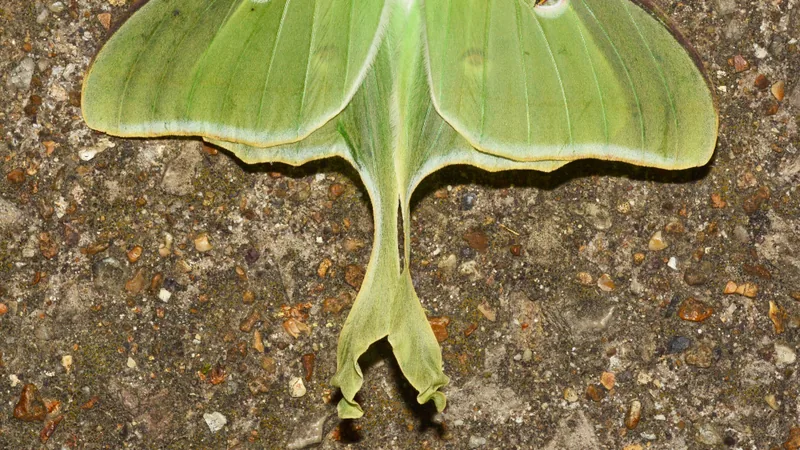
Luna Moth
A big green silk moth whose spinning hindwing tails pull bat attacks off its body, and whose adults do not eat.
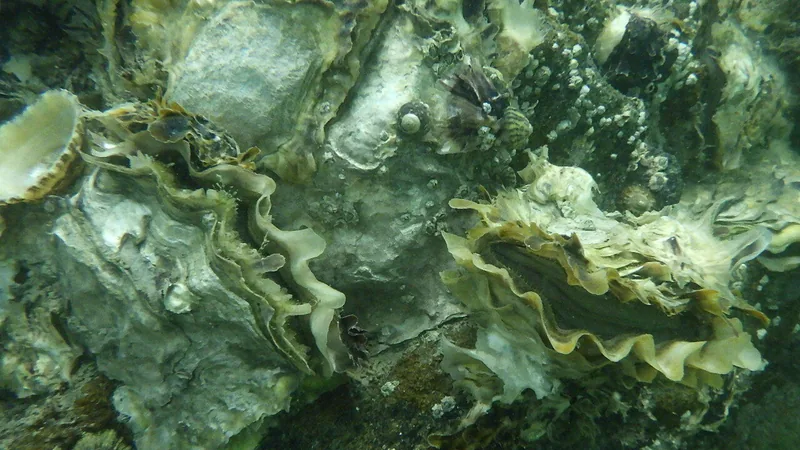
Pacific Oyster
A stay-put oyster that starts life male, hears underwater sound and filters up to 50 gallons of seawater a day.
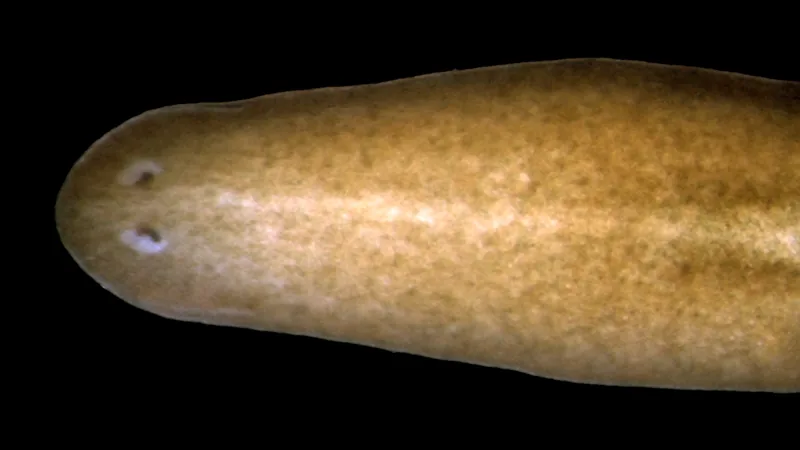
Planarian
A freshwater flatworm whose tail can turn into a head when one gene is switched off.
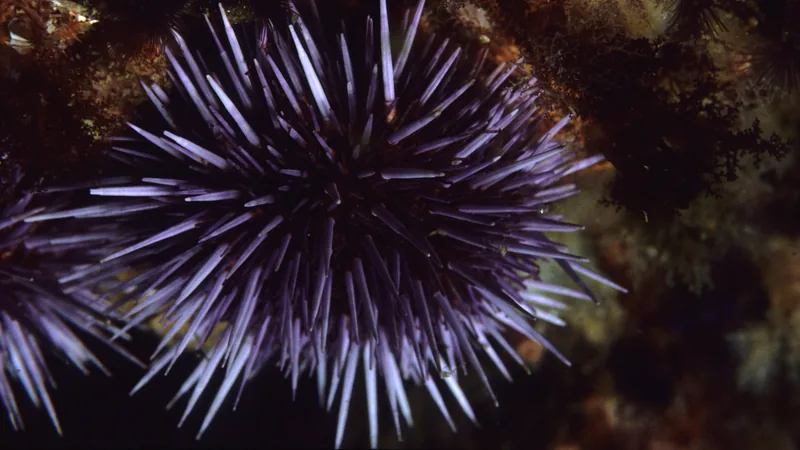
Purple Sea Urchin
A spiny kelp grazer with five teeth in a ring, whose massed feeding fronts can strip a whole kelp forest.
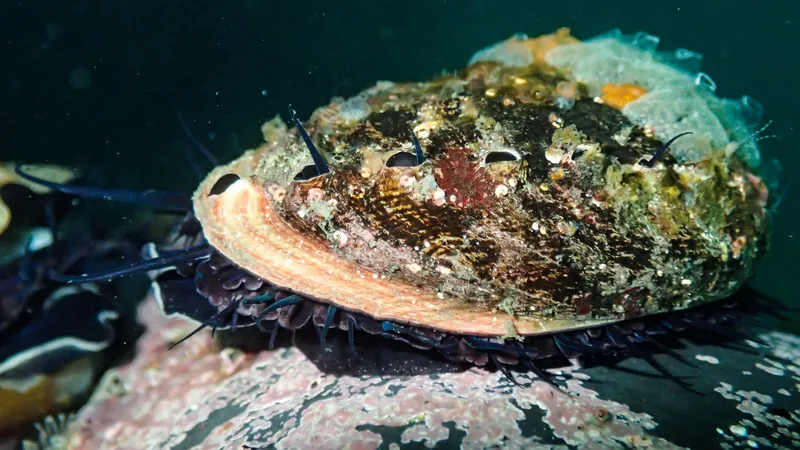
Red Abalone
A one-shell snail relative that clamps onto rock with a muscular foot and builds mother-of-pearl 3000-fold tougher than the mineral it is mostly made of.