Not Evaluated (NE)
Species the IUCN has not assessed. Most of the described species on Earth sit in this gap.
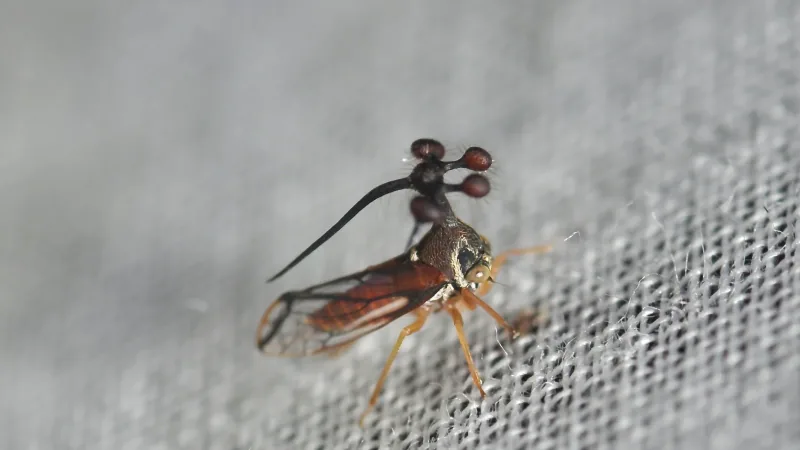
Brazilian Treehopper
A rainforest sap-drinker wearing a crown of glossy globes on slender horns, argued over by entomologists since 1903.

Brazilian Wandering Spider
A web-less wandering spider of south-eastern South America that hunts among the vegetation after dark, throws its front legs up when threatened, and carries venom packed with peptides that jam ion channels.
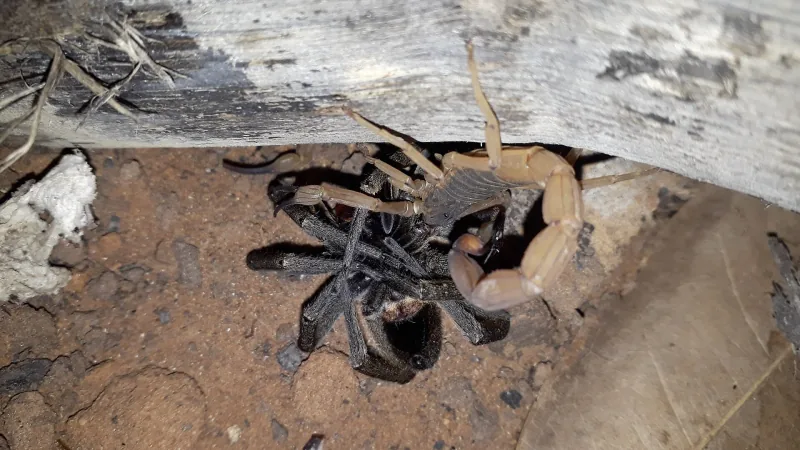
Brazilian Yellow Scorpion
The asexual arachnid that invaded Brazilian cities without needing a single male to reproduce.
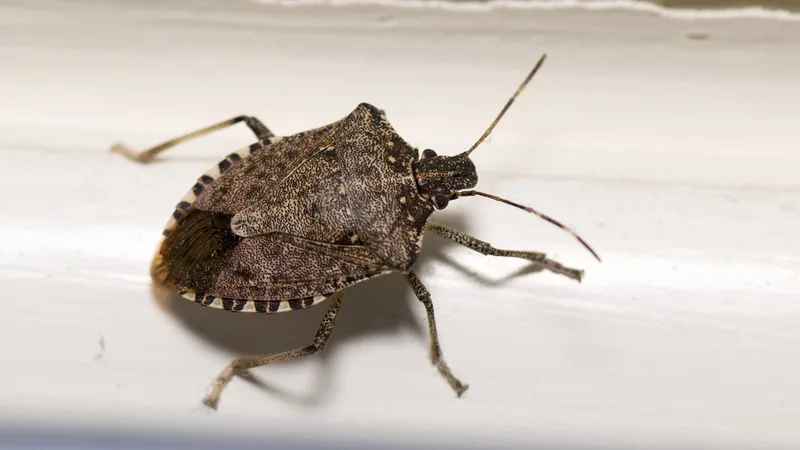
Brown Marmorated Stink Bug
The shield-shaped bug whose name points to its scent glands, a fruit-eating invader from east Asia that has reached North America and Europe.
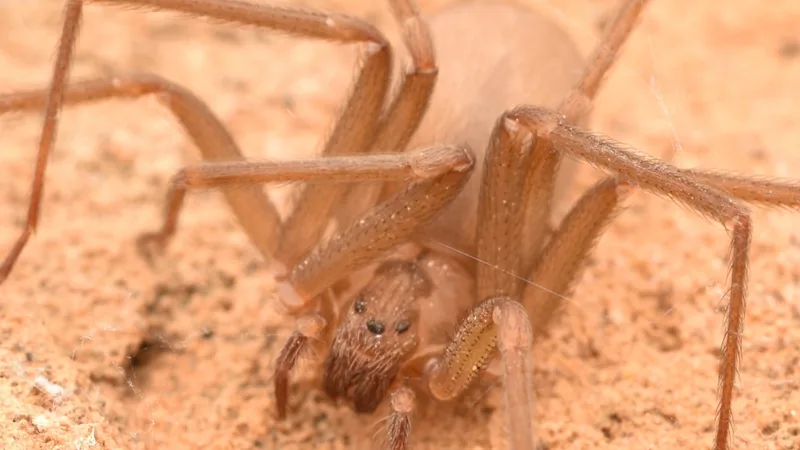
Brown Recluse
A six-eyed night hunter with a violin marking and venom that can kill the tissue around a bite.
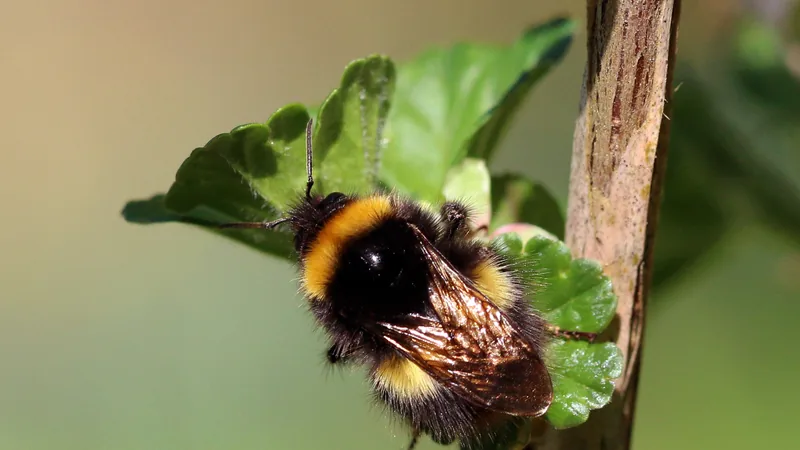
Buff-Tailed Bumblebee
A short-tongued bumblebee that bites holes in flowers to steal nectar, and nests underground in colonies of up to 600.
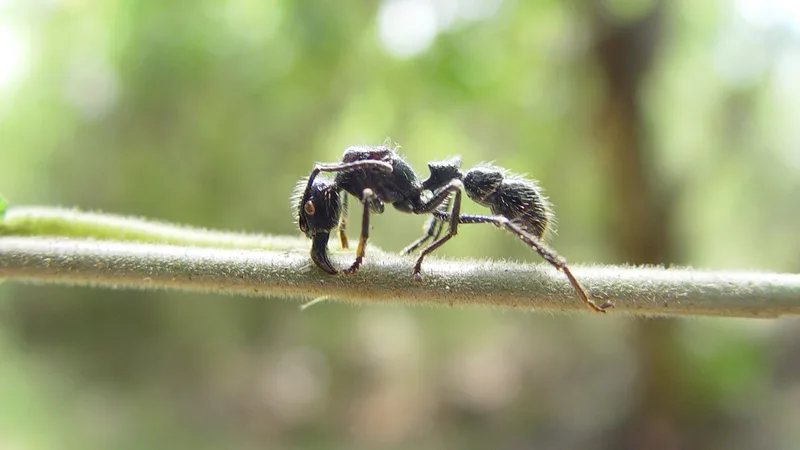
Bullet Ant
A sting rated level four, the top of Schmidt's pain scale, from one of the giant ants known in Brazil as the twenty-four-hour ants.
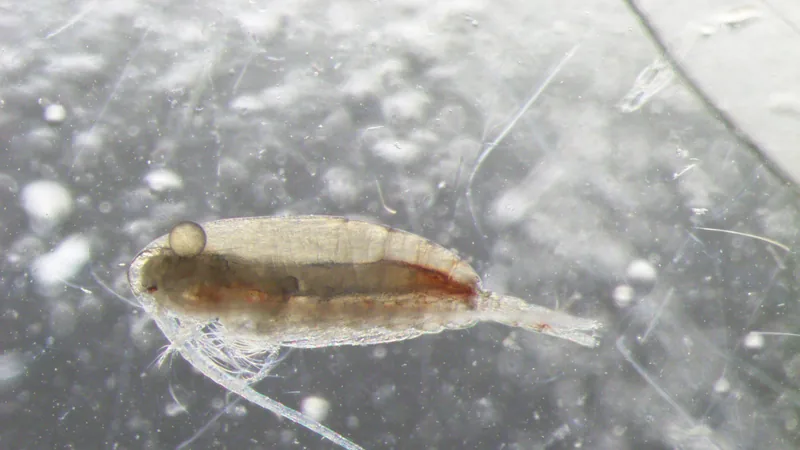
Calanus Copepod
A small North Atlantic copepod whose oil sac fuels a winter sleep in deep water.
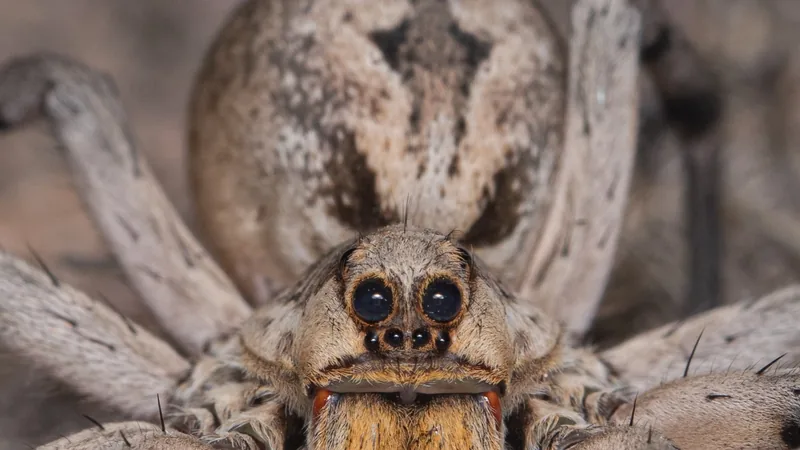
Carolina Wolf Spider
A web-free night hunter that grinds up frogs and carries its babies on its back.
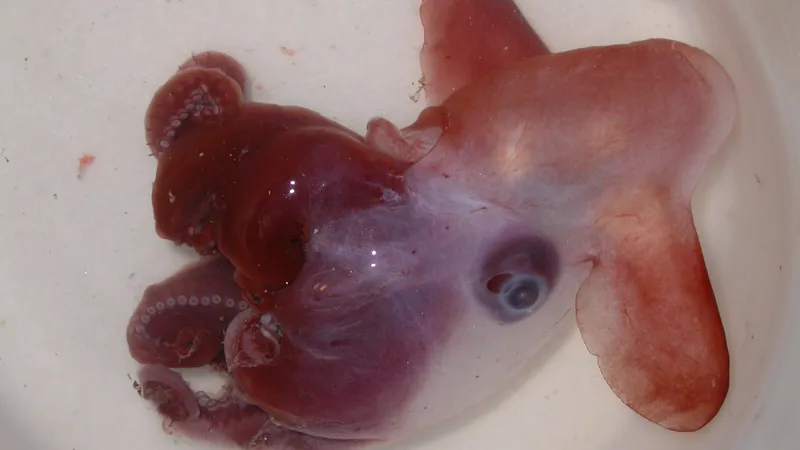
Casper Octopus
The nearly translucent deep-sea octopod that nobody has named, because nobody has ever caught one.
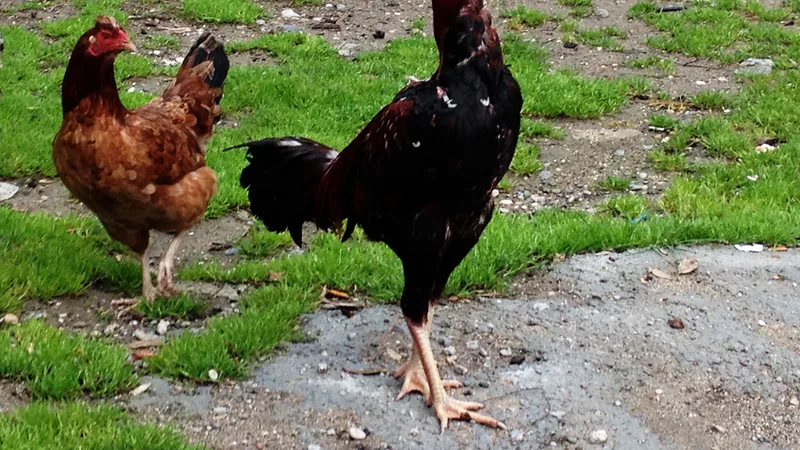
Chicken
The toothless bird whose gizzard does the chewing, whose hen usually lays an egg every 26 hours, and which outnumbers every other bird species.
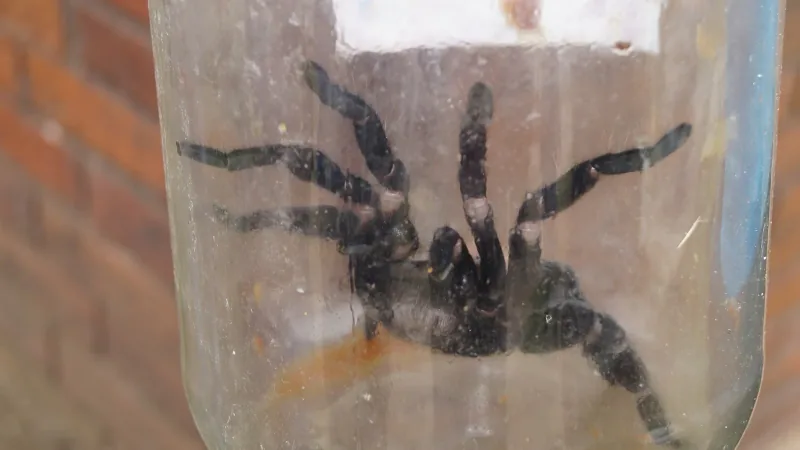
Chilean Rose Tarantula
The desert tarantula with no extensor muscles at two leg joints, and a metabolism that slows when food runs short.
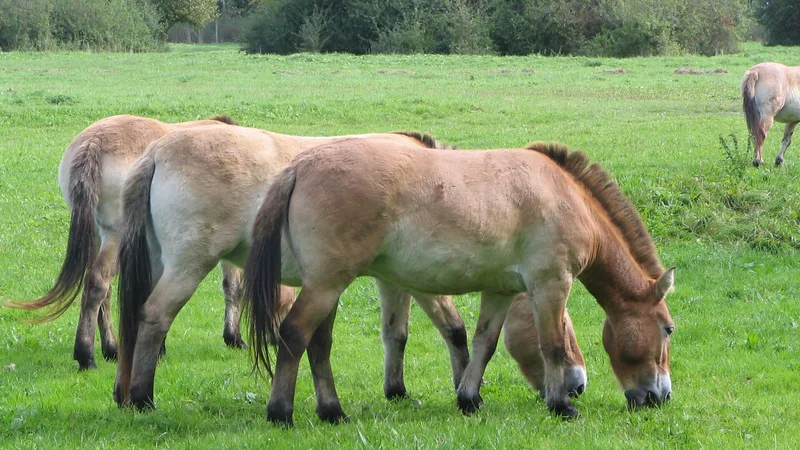
Clydesdale Horse
A Scottish farm horse first bred in the mid-1700s for heavy hauling, with males standing up to 19 hands on feathered ankles.
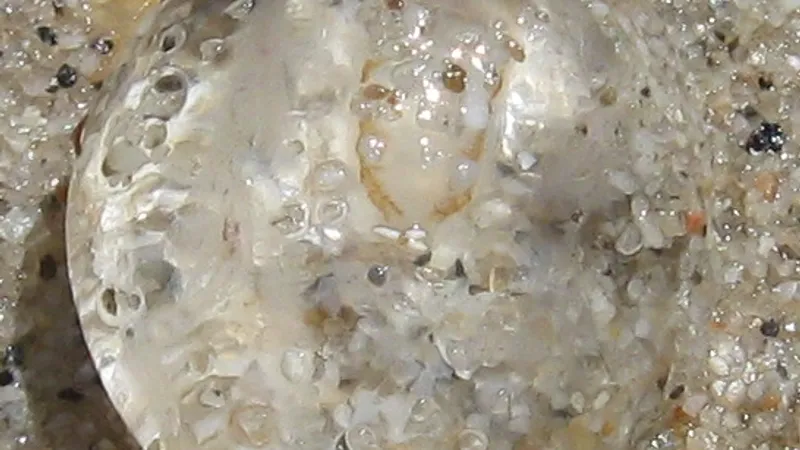
Comb Jelly
The predator that pulses with rainbow diffraction along its beating ciliary comb rows, and not one flicker of it is bioluminescence.
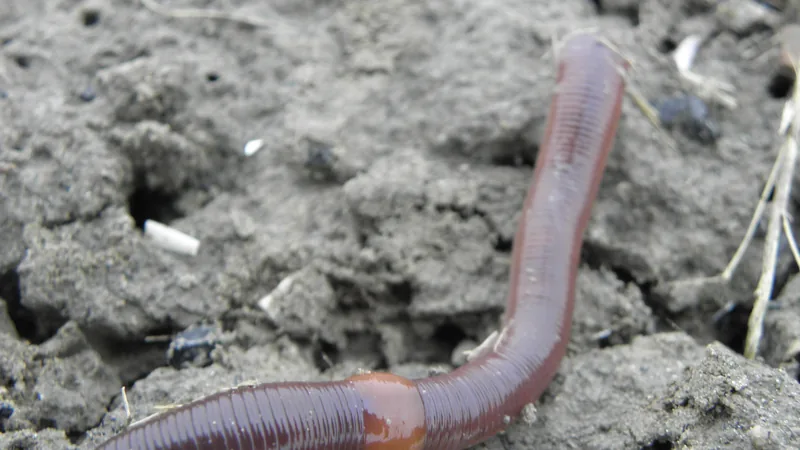
Common Earthworm
A hermaphrodite that lives in deep vertical burrows and generally leaves them only to feed and mate.
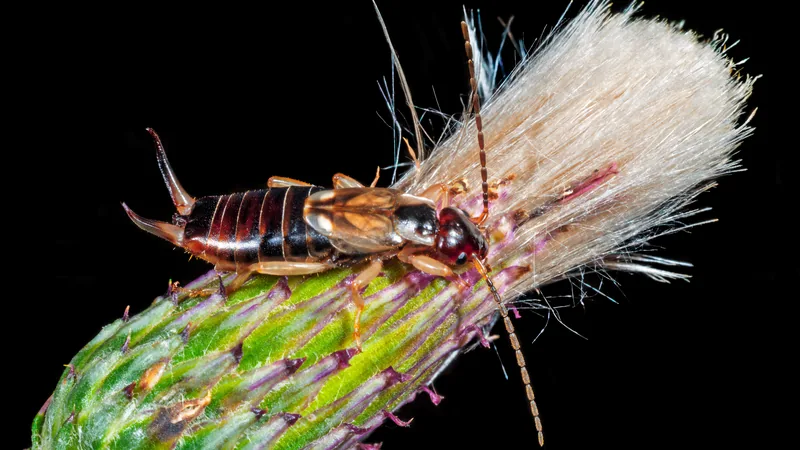
Common Earwig
The garden insect whose mother grooms her eggs like a hen and may go as long as 7 months without feeding.
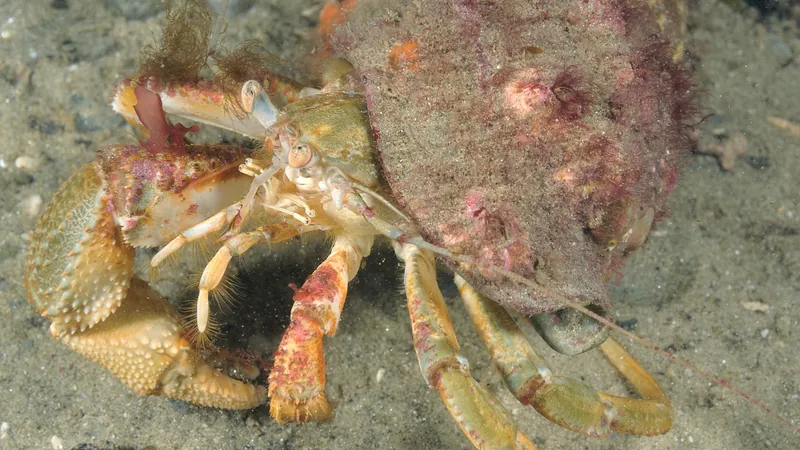
Common Hermit Crab
A scavenger that lives in an empty sea snail shell and raps on rivals' shells to try to take over better ones.
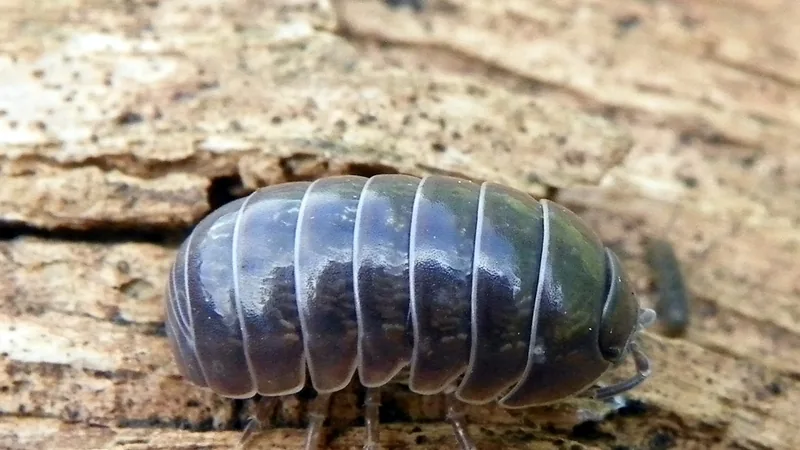
Common Pill Bug
A land-living crustacean that rolls into a ball, and in which bacterial DNA has become a new sex chromosome.
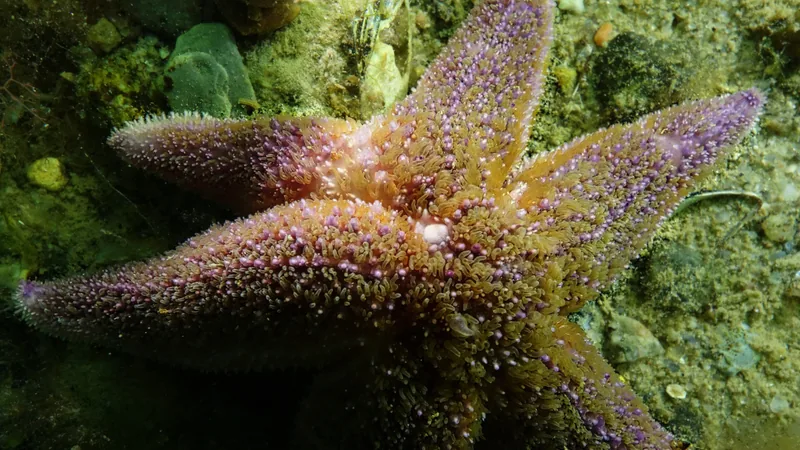
Common Starfish
A headless starfish that pries open mussels with its suction feet, then pushes its stomach inside the shell to digest them.
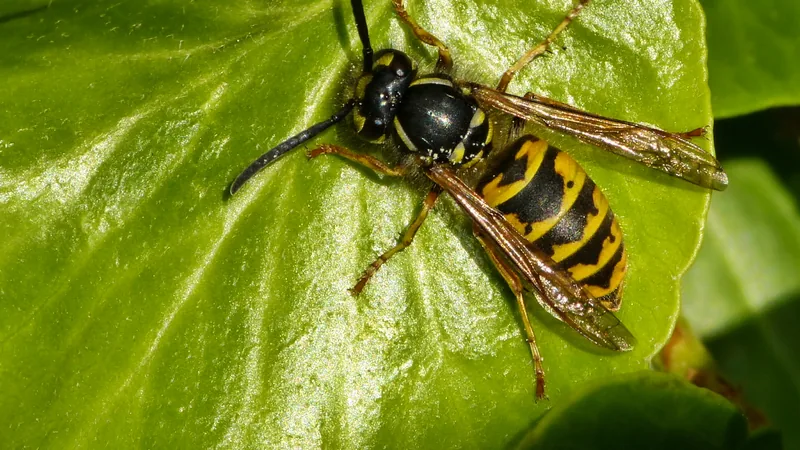
Common Wasp
A paper-nest builder whose workers police the colony by eating worker-laid eggs.
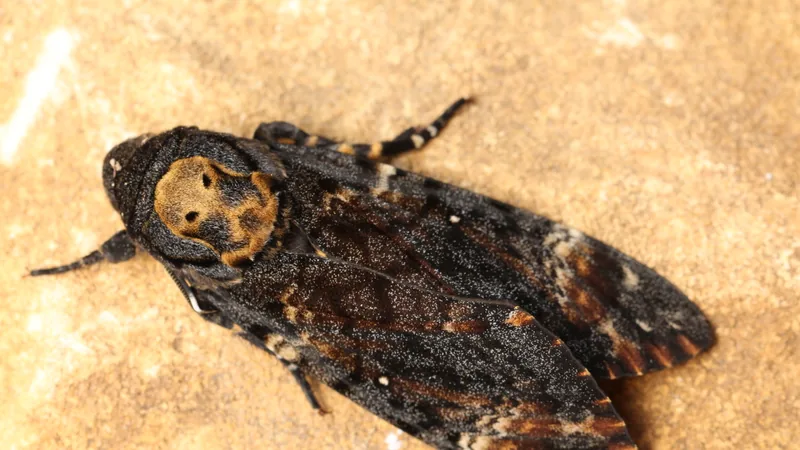
Death's-Head Hawkmoth
A big night-flying moth that squeaks when alarmed and is known to raid beehives for honey with a short, sharp tongue.
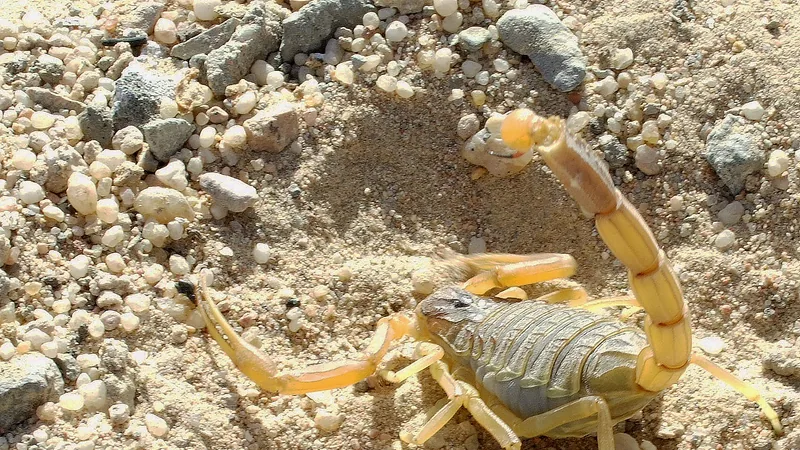
Deathstalker Scorpion
A desert scorpion about as long as a credit card, one of the most dangerous on Earth, whose venom yielded chlorotoxin, a peptide used in cancer research.
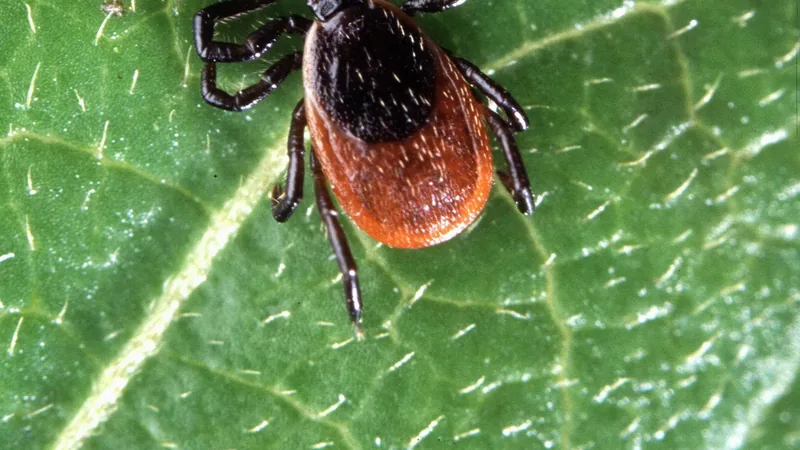
Deer Tick
Waits on a plant for a passing host to brush by, then feeds for days.
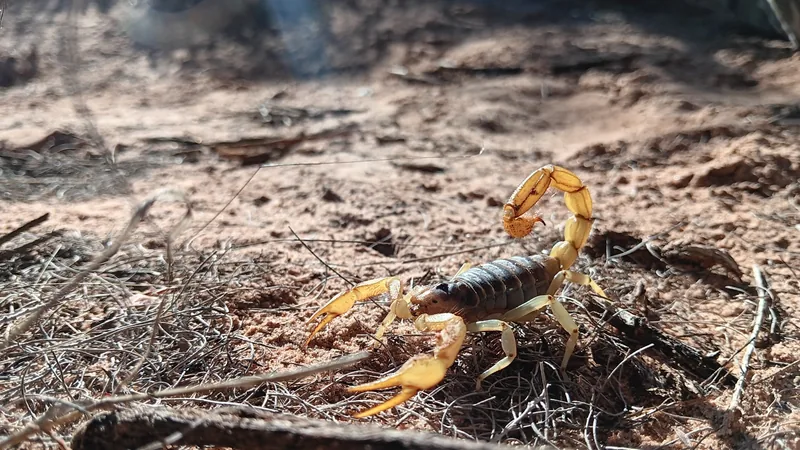
Desert Hairy Scorpion
North America's largest scorpion, digging burrows up to 2.5 meters underground and feeling vibrations through its hairs.
Conservation categories are from the IUCN Red List of Threatened Species. AnimalTracks is independent of IUCN.