Not Evaluated (NE)
Species the IUCN has not assessed. Most of the described species on Earth sit in this gap.
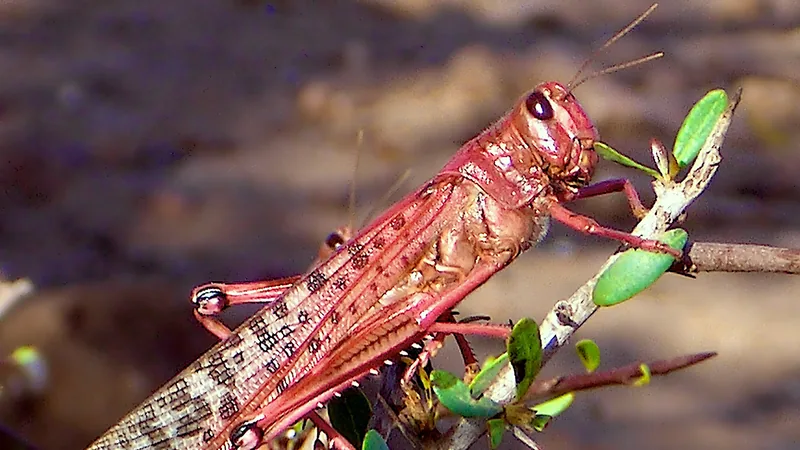
Desert Locust
A shy loner that turns into a swarming crop-eater when it gets crowded.
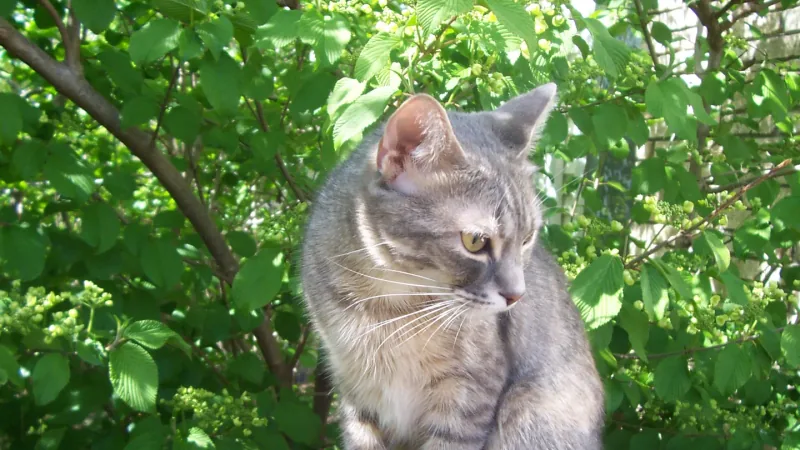
Domestic Cat
The flexible carnivore that jumps five times its own height and hears one of the broadest ranges of sound of any mammal.
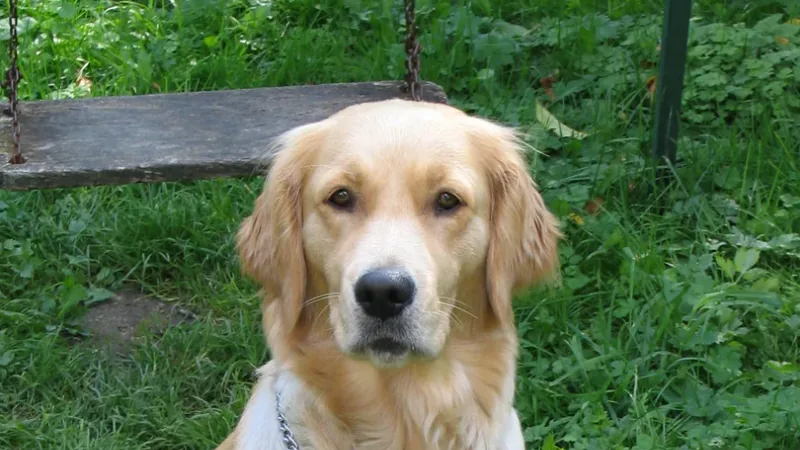
Domestic Dog
The first animal humans domesticated, with hundreds of millions of scent-sensing cells and nasal airflow tuned to carry smells to them.
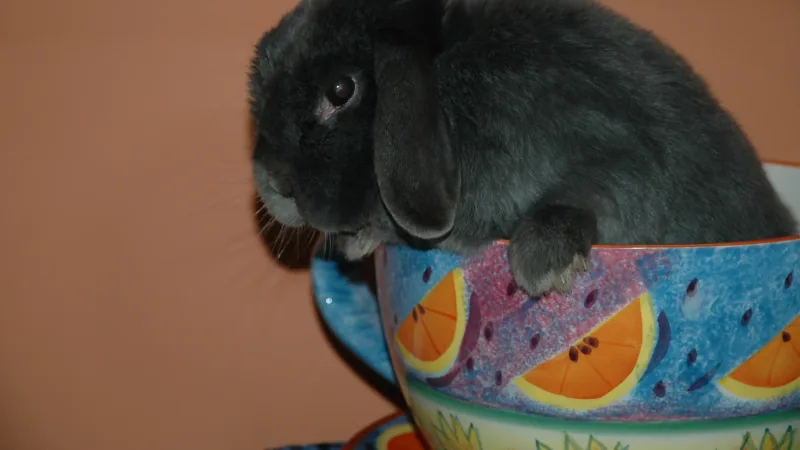
Domestic Rabbit
Sees almost all the way around, twists in midair when happy, and eats its own droppings for a second pass at its food.
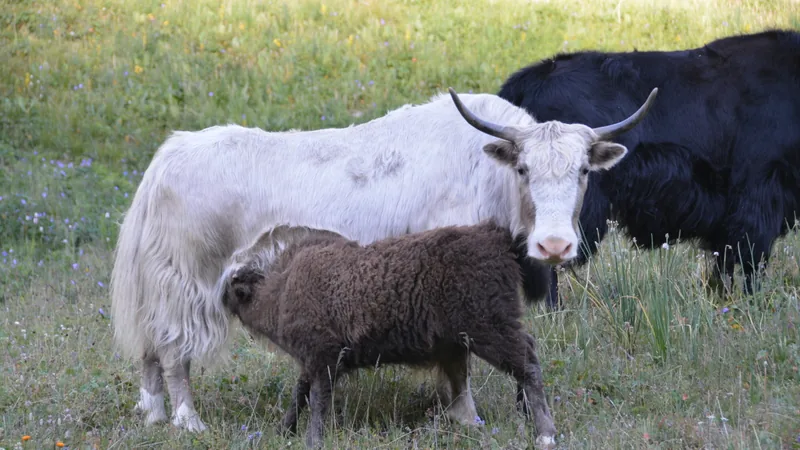
Domestic Yak
Oversized heart and lungs, a shaggy coat and a home up to 5,000 m high.
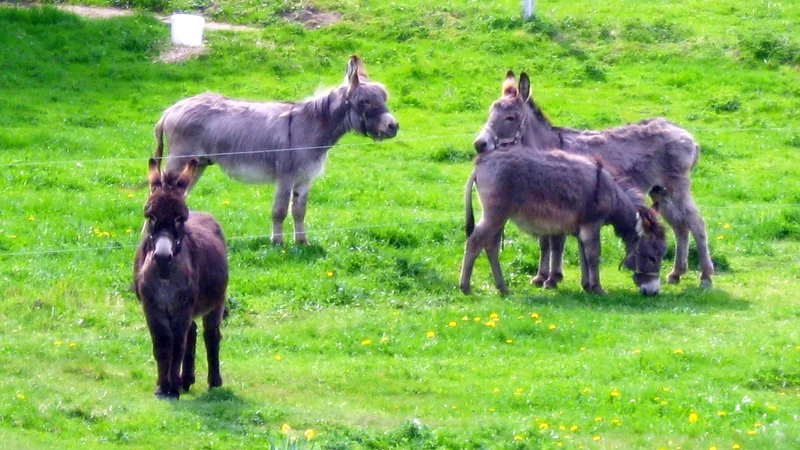
Donkey
A working equid whose hee-haw can travel up to 3 km, domesticated in Africa around 5000 BCE.
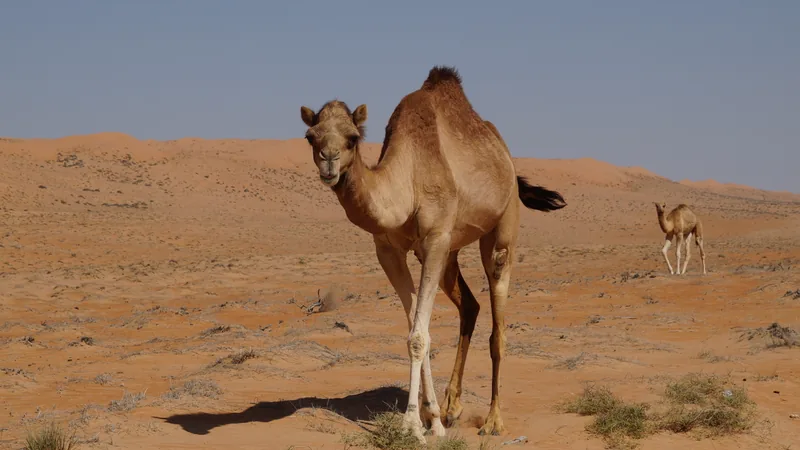
Dromedary
The desert animal that lets its body warm to 41.7 degrees Celsius instead of sweating as the day heats up.
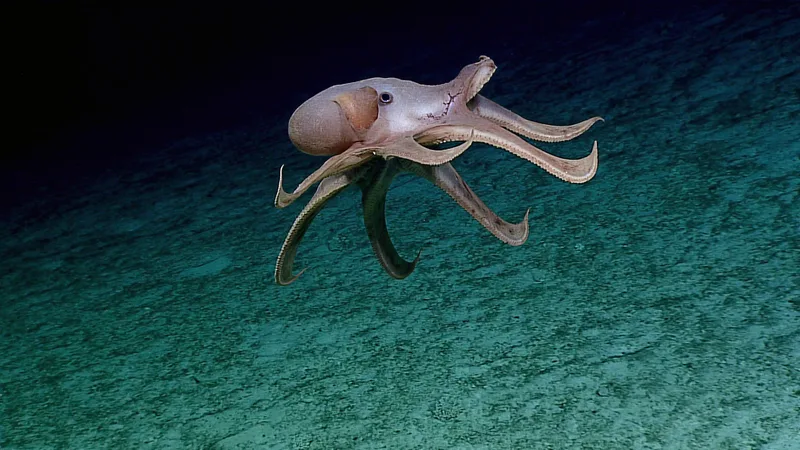
Dumbo Octopus
Ear-like flapping fins, webbed umbrella arms, and among the deepest-living of all known octopuses, some living as deep as 7,000 meters (23,000 feet).
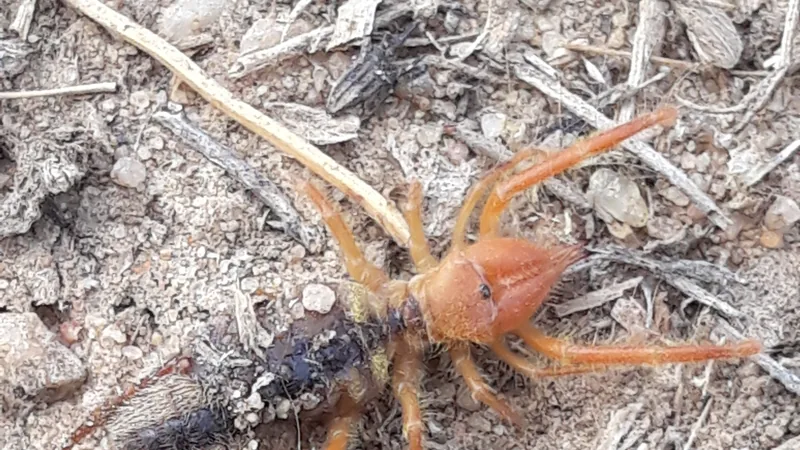
Egyptian Giant Solpugid
A camel spider, which is not a spider at all, with jaws that chop its prey to pulp.
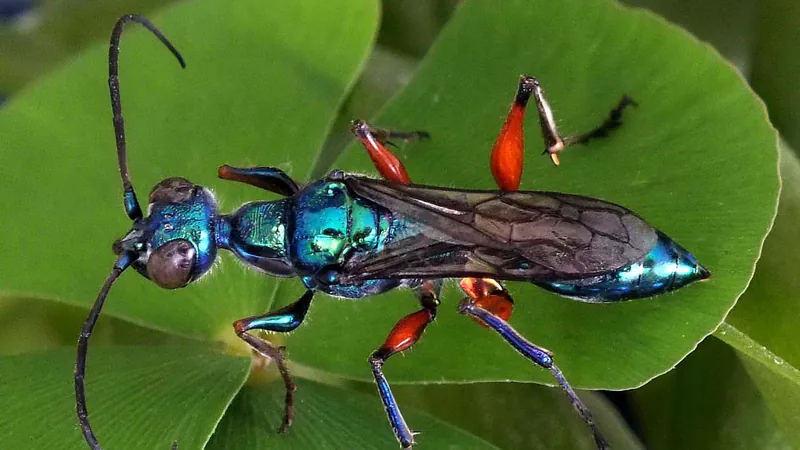
Emerald Cockroach Wasp
The wasp that stings a cockroach in the brain, then walks it by the antenna into a burrow where its larva eats it alive.
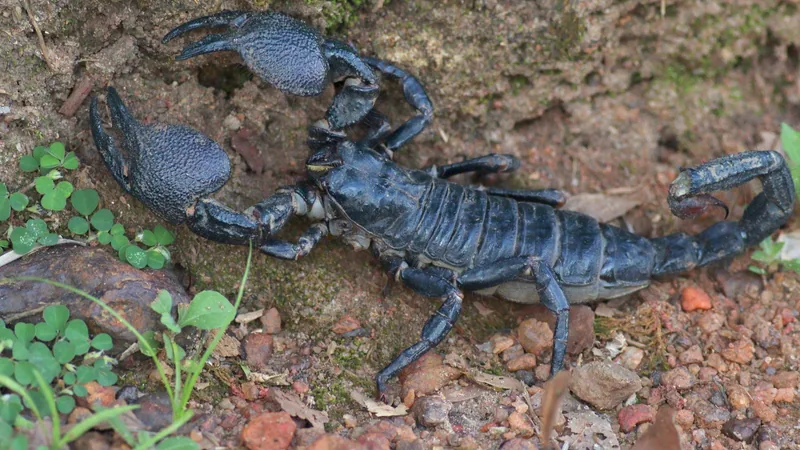
Emperor Scorpion
The West African rainforest heavyweight that tears prey apart with its pincers and glows blue-green under ultraviolet light.
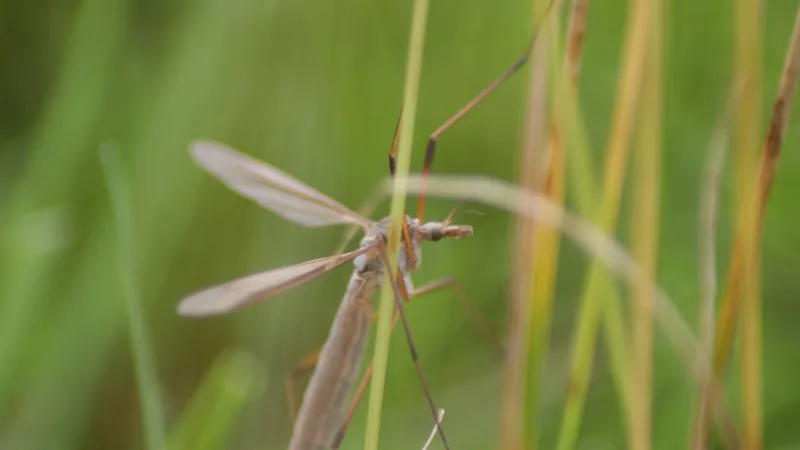
European Crane Fly
A gangly fly whose leather-skinned grubs mostly hide underground by day and feed at night.
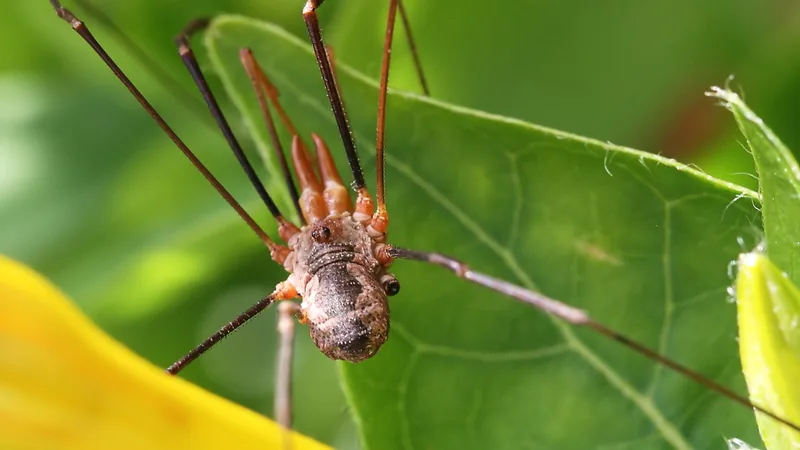
European Harvestman
Not a spider: a stilt-legged arachnid with a body roughly 3.5 to 9 millimeters long.
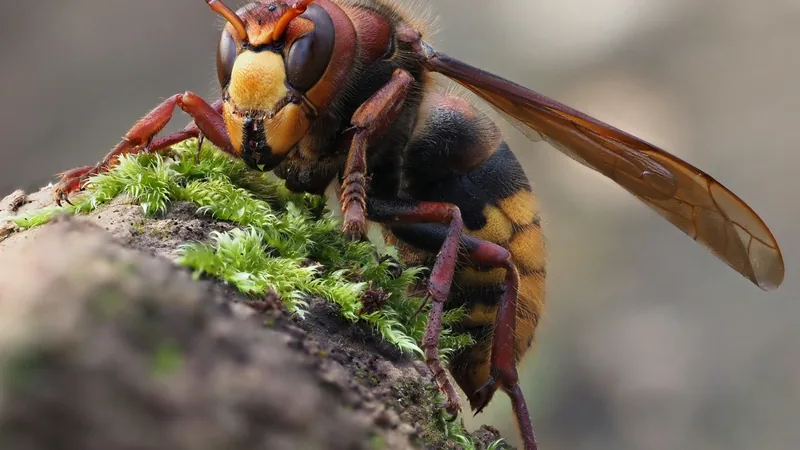
European Hornet
Central Europe's biggest vespine wasp, warmed by its own flight muscles.
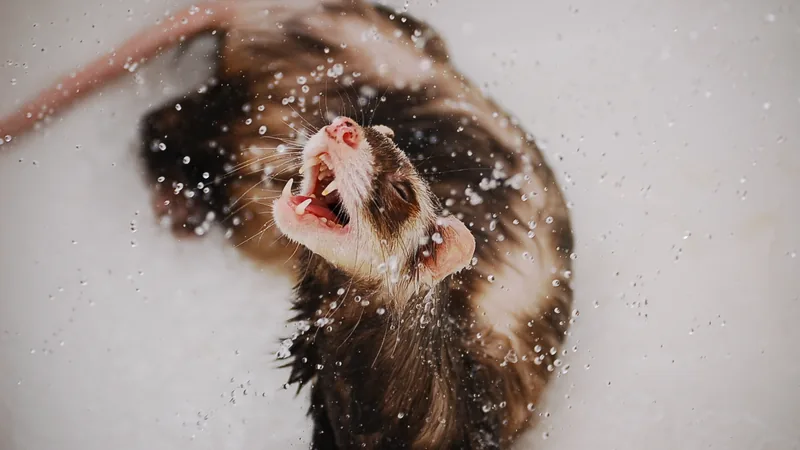
Ferret
A domesticated weasel relative that spends over 60% of its time asleep in the lab.
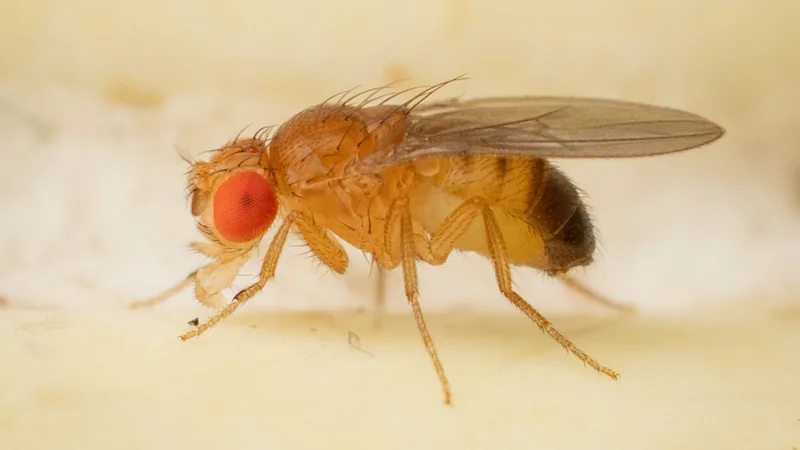
Fruit Fly
A 3-millimetre fly that lives on rotting fruit and has been central to major breakthroughs in genetics.
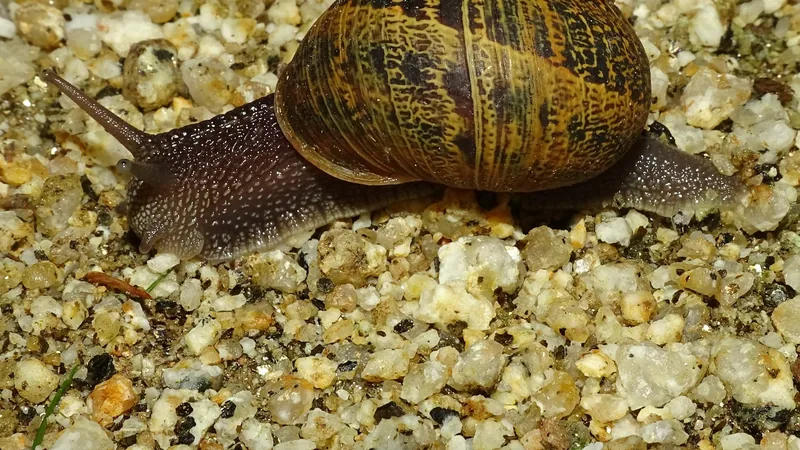
Garden Snail
A night-feeding garden snail that seals itself shut to wait out hot, dry weather.
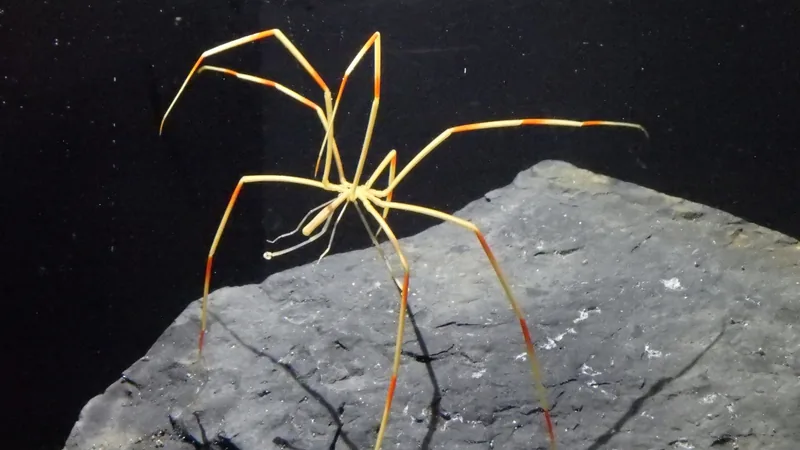
Giant Antarctic Sea Spider
A giant sea spider of the Southern Ocean that, like all sea spiders, has no gills, and feeds on open-water animals.
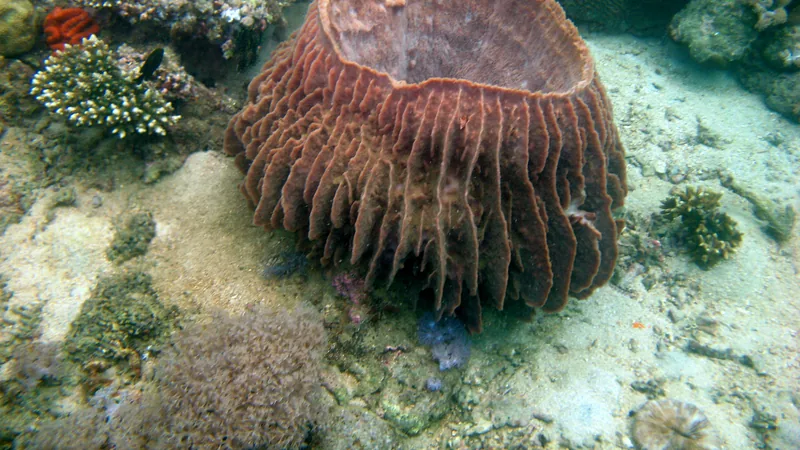
Giant Barrel Sponge
The "redwood of the reef": a pump-feeding barrel that may top a meter, and studies suggest it may live for thousands of years.
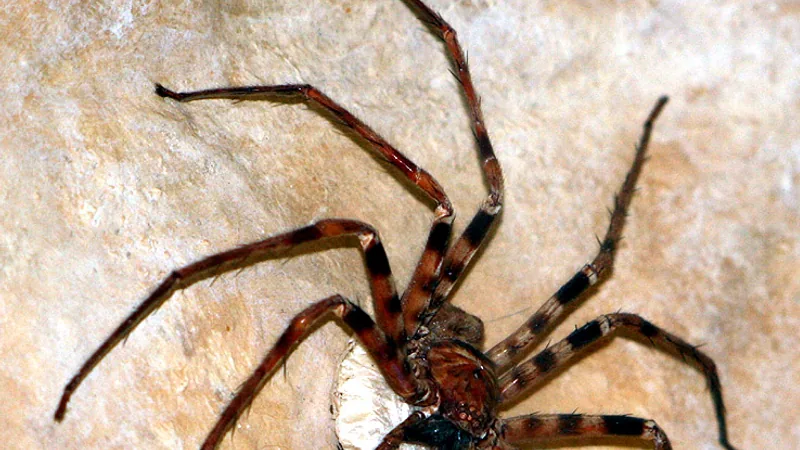
Giant Huntsman Spider
A spider found in caves in Laos, with a leg span of up to 30 cm.
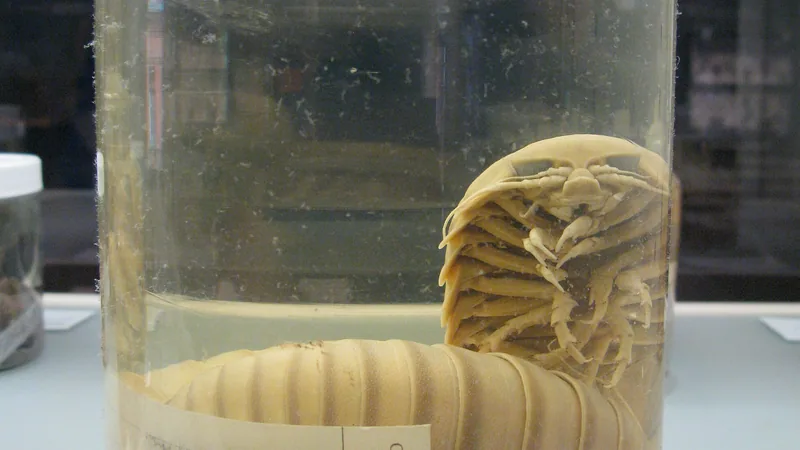
Giant Isopod
Deep-sea cousin of the pill bug, with about 3,500 lenses in each eye, that has been reported to survive eight weeks between meals in an aquarium.
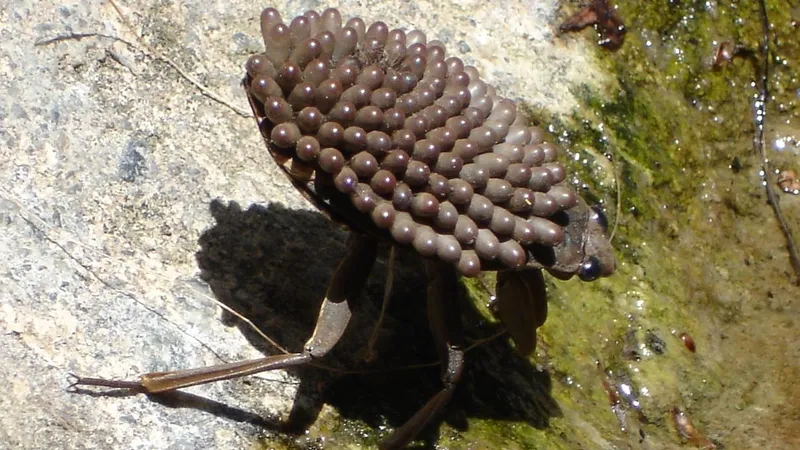
Giant Water Bug
A big water bug that stabs fish and tadpoles with its beak, and is drawn to lights.
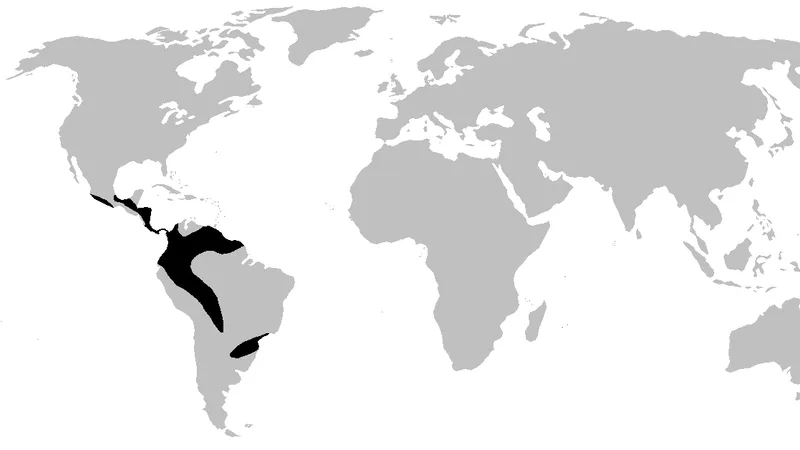
Glass Frog
See-through belly skin that shows off a beating heart, green bones, and a liver that can hide most of the frog's red blood cells.
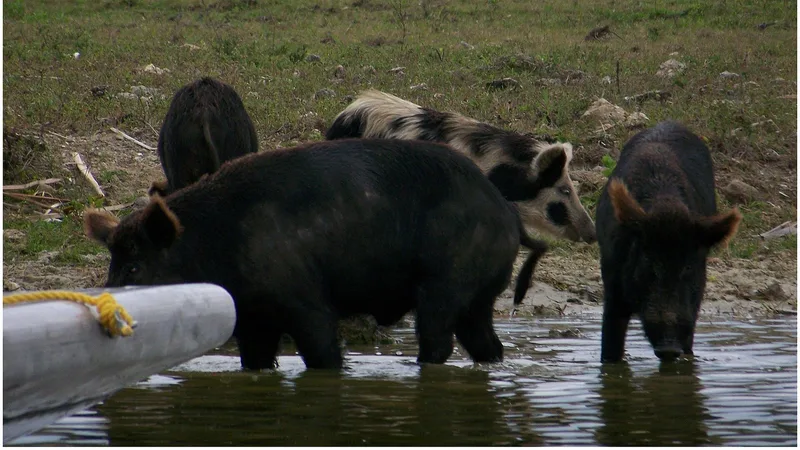
Gloucestershire Old Spot Pig
Large lop ears, black spots on white, and a history of feeding on windfall fruit in English orchards.
Conservation categories are from the IUCN Red List of Threatened Species. AnimalTracks is independent of IUCN.