Emerald glass frog on a broad green leaf
Field
notes
A Body You Can See Straight Through
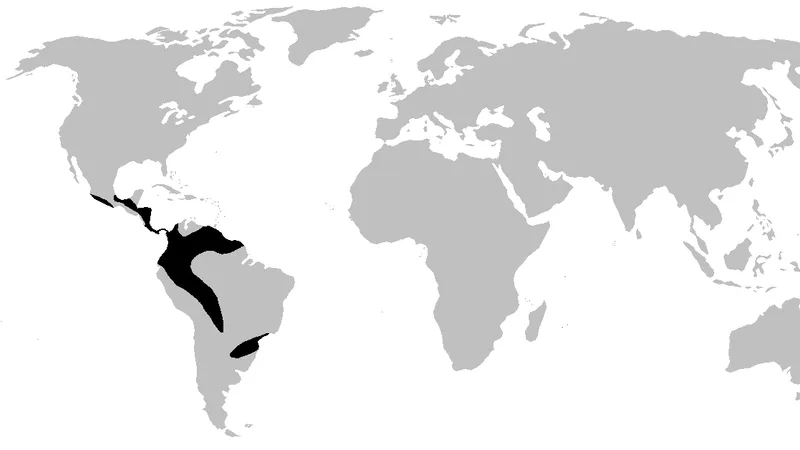
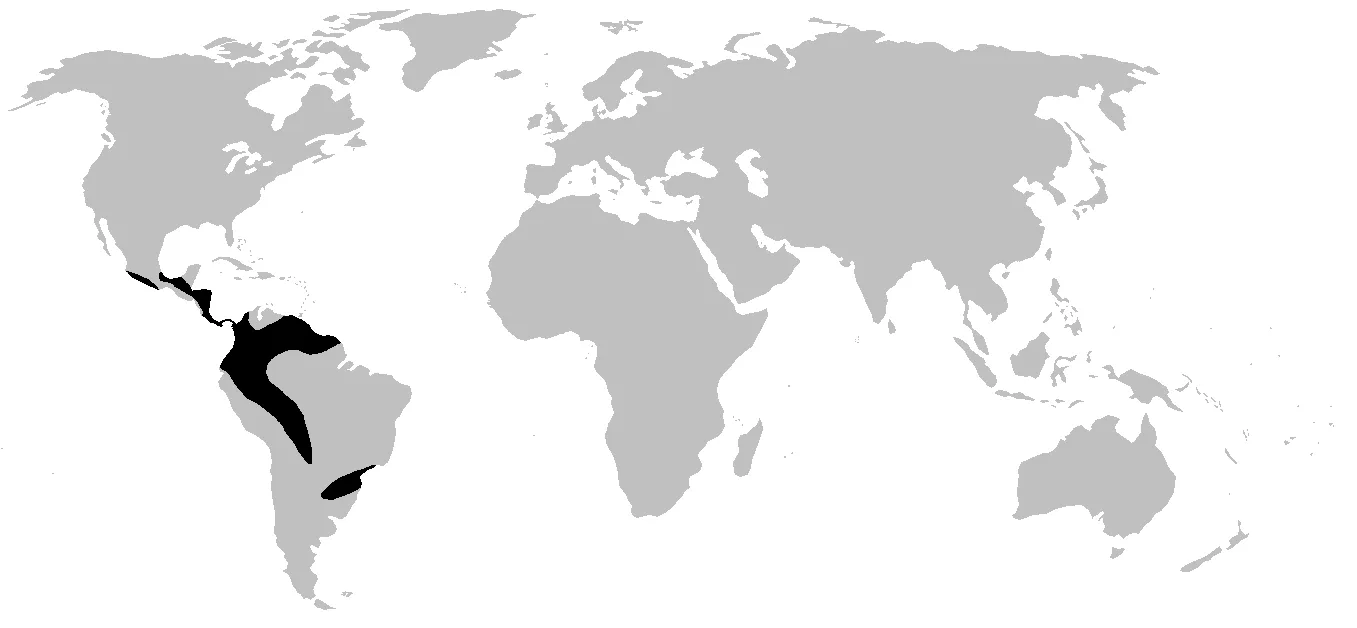
Look at a glass frog from below and its belly stops keeping secrets. Glass frogs are well known for their see-through ventral (belly) skin, through which “bones, intestines, and beating hearts can be seen,” and in many species the internal organs show. Most species are smaller than 30 mm long, about an inch, but Centrolene geckoideum reaches 77 mm, about three inches. AmphibiaWeb lists 171 species in 12 genera (groups of related species), living in humid forests with streams from Central America south through Venezuela, Bolivia, Argentina and southern Brazil, in mountains and lowlands alike. The greatest diversity is on the slopes of the Andes and in Costa Rica and Panama.
In 2009, a study of one Ecuadorian species, Cochranella mache, recommended listing it as Critically Endangered because of the continuing destruction of its increasingly fragmented habitat.
Tricks for Staying Hidden
Red blood cells strongly dim the light passing through them, which makes transparency hard for animals with backbones. A 2022 study found that while resting, glass frogs pulled about 89 percent of their red blood cells out of circulation and packed them into their livers, becoming two to three times more transparent, without the blood clotting.
Green to the Bone Glass frogs have green bones as a result of green bile salts, and green bones are one of the traits that unite the family.
Their backs carry sparse pigment, so glass frogs are better described as translucent, letting some light through. A 2020 study found that their perceived brightness shifts with the background behind them, making them harder to detect and more likely to survive than opaque frogs. The shift was greatest in the legs, which surround the body at rest and blur the line between background and frog instead of leaving a sharp, eye-catching edge. The researchers suggest this is a camouflage strategy and named it “edge diffusion.”
Glass frog skin also holds a pigment that reflects infrared light at the same wavelengths plants do, possibly another way to stay hidden. A 1977 study that included two glass frog species suggested this could also help them control body temperature.
Parents on Night Duty
Glass frogs usually lay their eggs on rocks or plants overhanging water. Until recently, biologists thought the eggs of most species got no help from either parent. Then a field study of 40 species, run over six rainy seasons, observed parental care in every one, including eight species where care had never been documented. In many species, mothers brood, or sit on, their eggs through the night the eggs are fertilized, which improves their survival, while in almost a third of species, fathers stand guard for much longer. The study’s analysis suggests care by fathers alone evolved two or three times from care by mothers alone, a switch linked to much higher levels of care.
In experiments on two species in Panama, mothers soaked up water from damp spots on leaves and delivered it to their eggs. The jelly around the eggs swelled to about four times its thickness, so an egg-eating katydid, a cricket-like insect, that bit in got mouthfuls of jelly and generally gave up. Embryos respond to fathers too: in Hyalinobatrachium fleischmanni, embryos hatched early when their father was removed, but stayed longer in the egg when he kept caring.
Published Updated
Traits
Intel
& FAQ
Guess
first
How big is a Glass Frog, really? Slide, lock in, and see what the sources say. Every answer is a figure from this page, quoted from where it came from.
Sources
- 01Barnett et al. (2020). Imperfect transparency and camouflage in glass frogs. Proceedings of the National Academy of Sciences.
- 02Taboada et al. (2022). Glassfrogs conceal blood in their liver to maintain transparency. Science.
- 03Centrolenidae (Glass Frogs). AmphibiaWeb, University of California, Berkeley.
- 04Centrolenidae (Glass Frogs, Leaf Frogs). Animal Diversity Web, University of Michigan.
- 05Centrolene prosoblepon (Emerald Glass Frog). Animal Diversity Web, University of Michigan.
- 06Delia, Bravo-Valencia & Warkentin (2017). Patterns of parental care in Neotropical glassfrogs: fieldwork alters hypotheses of sex-role evolution. Journal of Evolutionary Biology.
- 07(Some) Frogs Are Better Parents Than We Thought. The Brink, Boston University.
- 08Delia, Ramírez-Bautista & Summers (2014). Glassfrog embryos hatch early after parental desertion. Proceedings of the Royal Society B: Biological Sciences.
- 09Schwalm, Starrett & McDiarmid (1977). Infrared Reflectance in Leaf-Sitting Neotropical Frogs. Science.
- 10Cisneros-Heredia et al. (2009). Endemic Ecuadorian glassfrog Cochranella mache is Critically Endangered because of habitat loss. Oryx.
What the sources say: 49 claims checked word for word against these sources →