Vulnerable (VU)
Species heading the wrong way. Still numerous in places, but the trend is clear enough for the IUCN to act on it.

African Lion
Pride king, 114-decibel territorial roar carrying three miles, and cooperative savanna hunt apex.
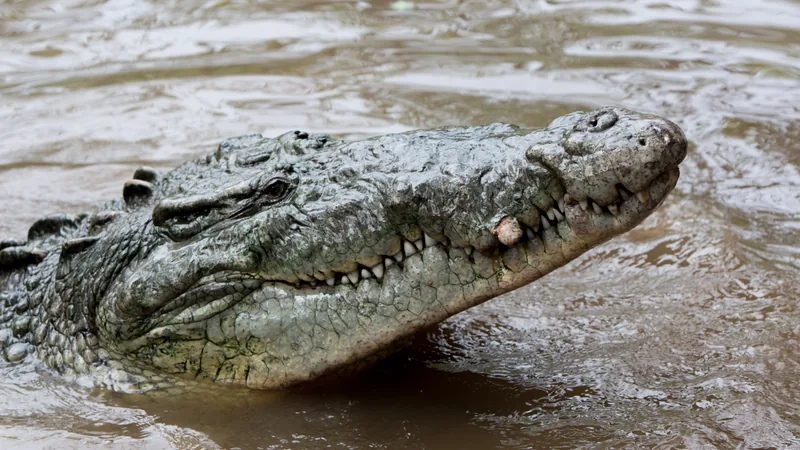
American Crocodile
A salt-tolerant crocodile with a tapered snout, and the first crocodilian with evidence of reproducing without a male.

American Paddlefish
An ancient river giant that carries 50,000 to 70,000 electroreceptor organs, the largest number of any living vertebrate species.
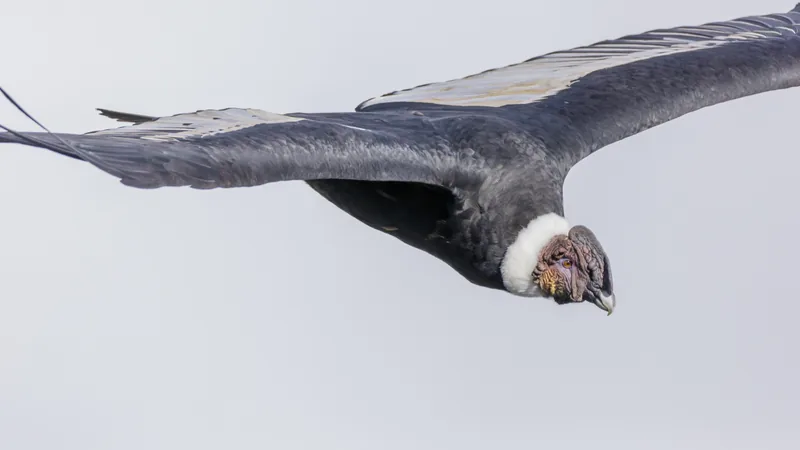
Andean Condor
The world's heaviest soaring bird: tracked condors flapped for just 1% of their flight time.
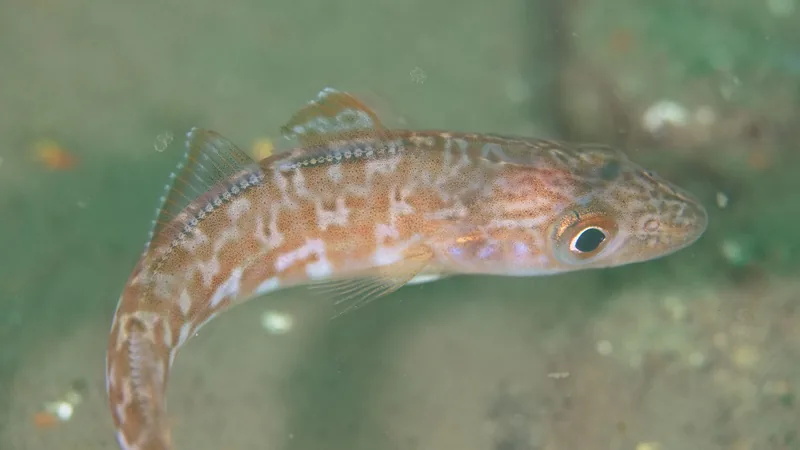
Atlantic Cod
A big bottom predator that lost an immune pathway jawed vertebrates normally keep.

Atlantic Horseshoe Crab
A blue-blooded cousin of spiders and scorpions, with ten eyes and blood that clots when it meets certain bacteria.
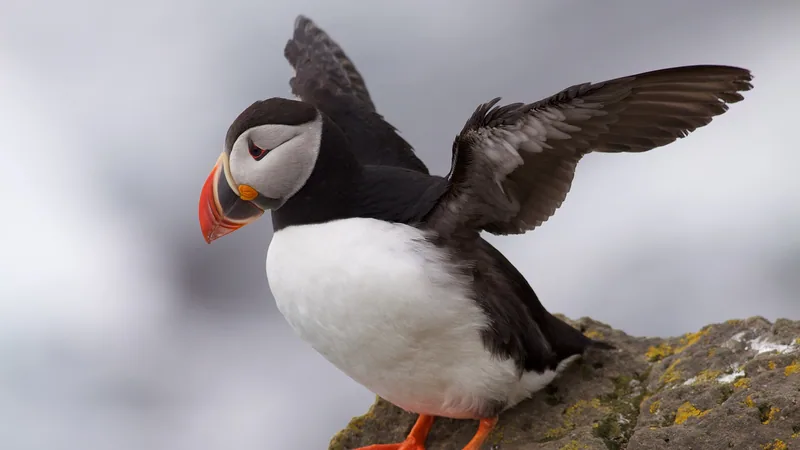
Atlantic Puffin
A bright-billed seabird that flies underwater on its wings and sometimes carries a dozen small fish home in its bill.

Binturong
Shaggy Southeast Asian bearcat that smells like hot buttered movie popcorn, climbing through tropical forest canopies with a thick prehensile tail.

Black-Footed Cat
One of the world's smallest cats, with a hunting success rate of around 60 percent and an appetite for a fifth of its own body weight a day.

Bull Shark
Freshwater river invader, named for its stout build and a reputation for aggression, with a harder bite for its weight than a great white's.
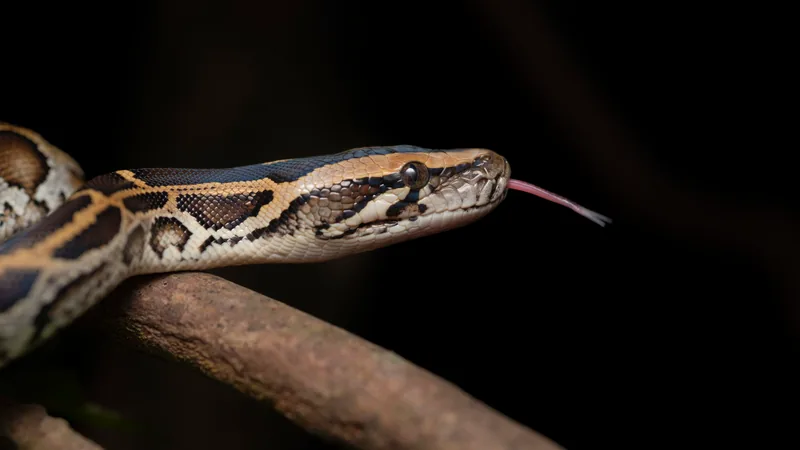
Burmese Python
A giant constrictor with stretchy jaws, and the Everglades invader linked to a 99.3 percent drop in raccoon sightings.
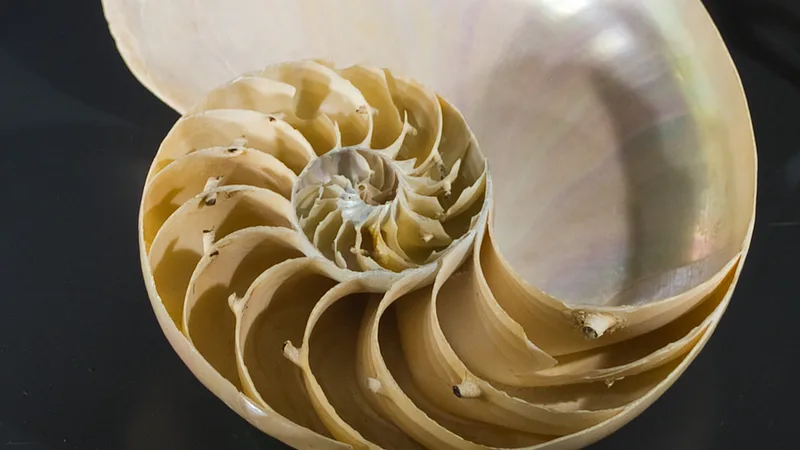
Chambered Nautilus
A shell that works like a submarine's ballast tank, an eye with no lens, and a sense of smell that can follow a scent up to 10 meters in the dark.
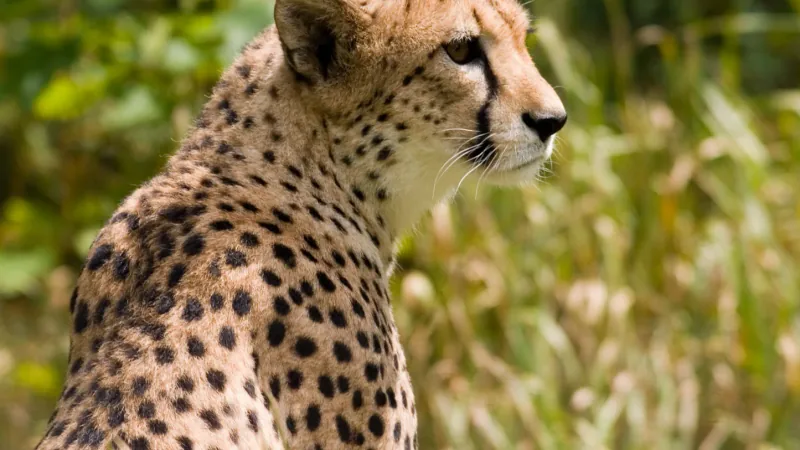
Cheetah
The fastest land mammal alive, sprinting on a spine that bends like a spring and claws that grip like a track shoe's cleats.
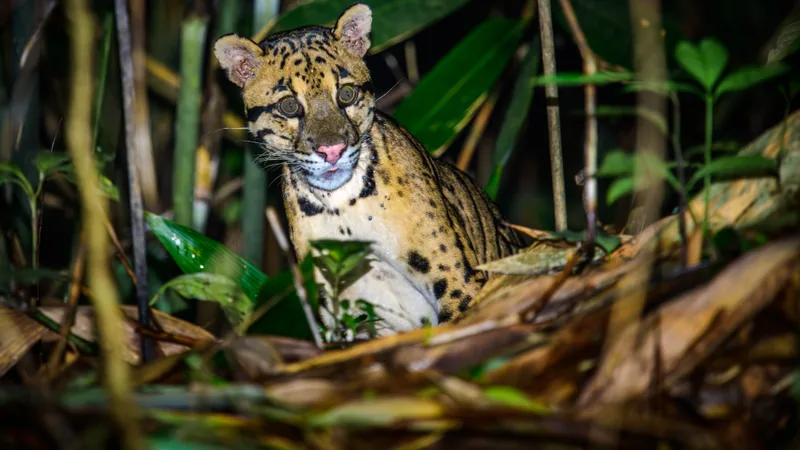
Clouded Leopard
Longer fangs for its skull size than any other wild cat, and ankles that rotate so it can hang from the branches by its back feet.
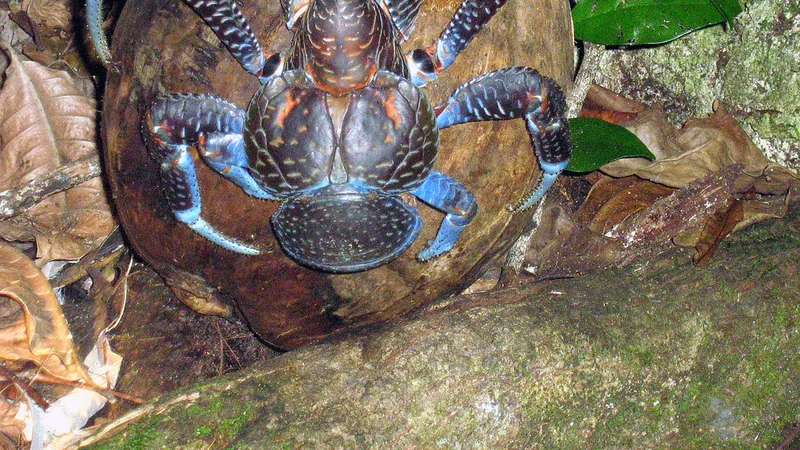
Coconut Crab
Land arthropod of up to 4 kilograms, with coconut-cracking claws and a leg span of up to a meter.
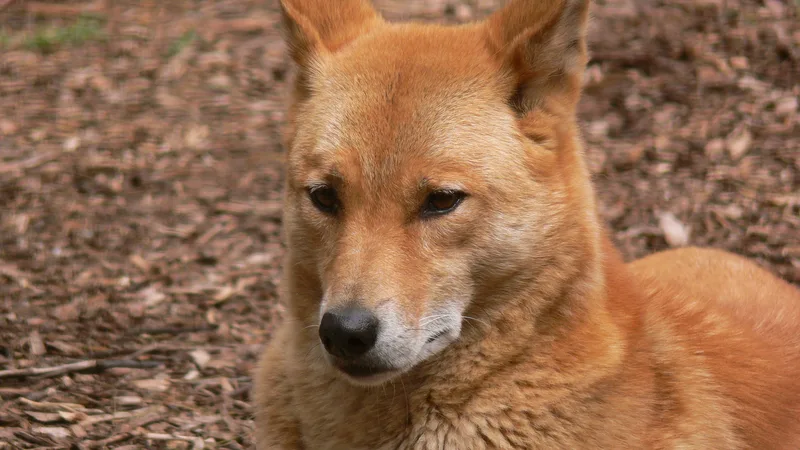
Dingo
Australia's largest land predator, which rarely barks: it howls to call its pack and marks its territory with scent.
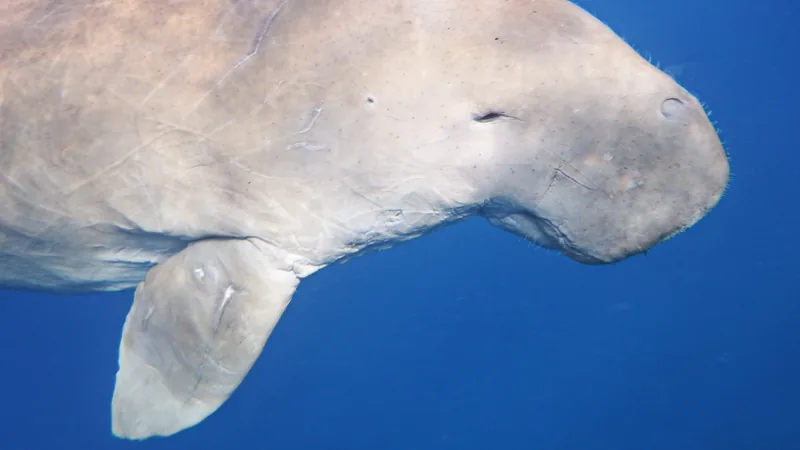
Dugong
A sea cow that rips up seagrass with a flexible upper lip and may live more than 50 years.

Fire Salamander
Black-and-yellow woodland amphibian whose glands behind the eyes secrete toxic alkaloids it can spray at attackers.
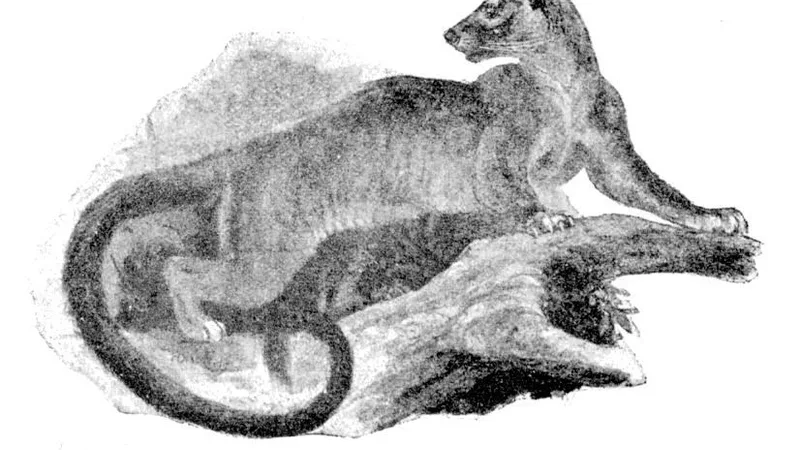
Fossa
Madagascar's largest carnivore, a cat-like relative of the mongoose that can climb down a tree headfirst.
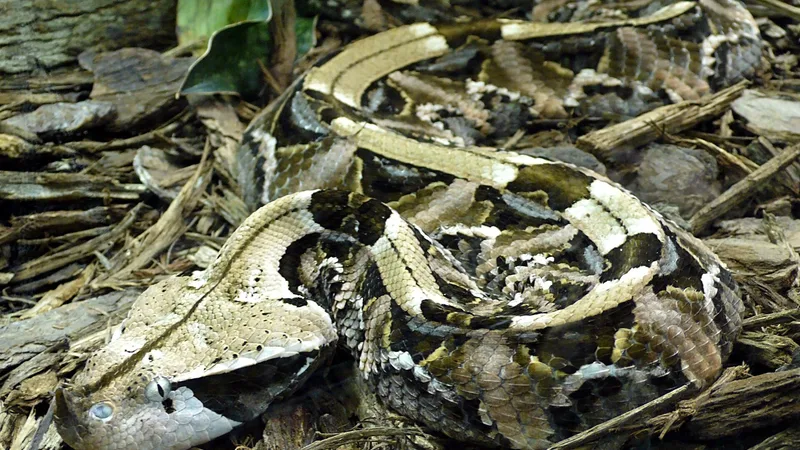
Gaboon Viper
Africa's largest viper has a head that mimics a fallen leaf, and the longest fangs of any venomous snake, up to 5 cm long.
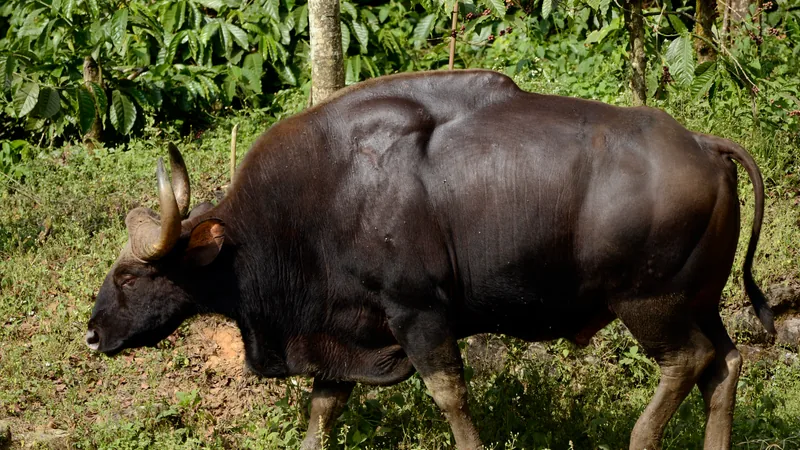
Gaur
The largest living wild cattle, whose herds, one warden wrote, are prepared to stand and fight a tiger rather than run.
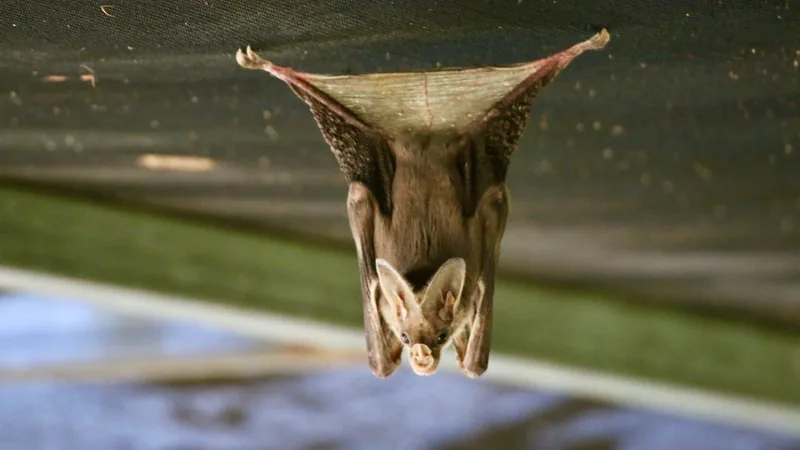
Ghost Bat
Australia's only carnivorous bat, a night hunter that eats even the bones, teeth and fur of its prey.
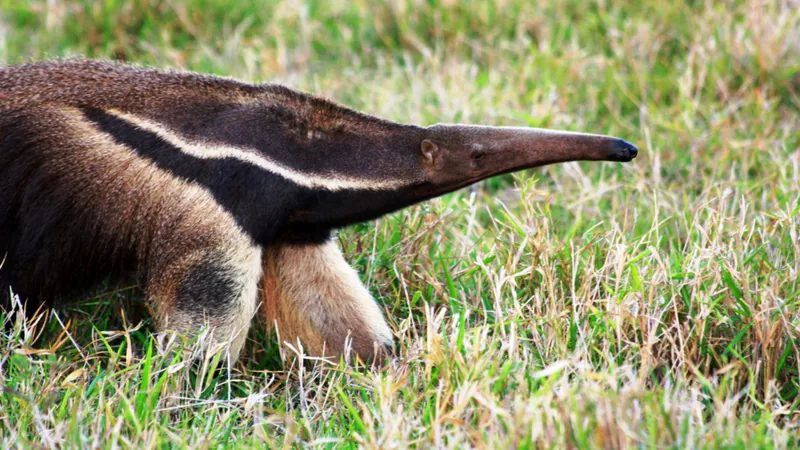
Giant Anteater
A toothless anteater whose 2-foot tongue flicks in and out up to 150 times a minute.
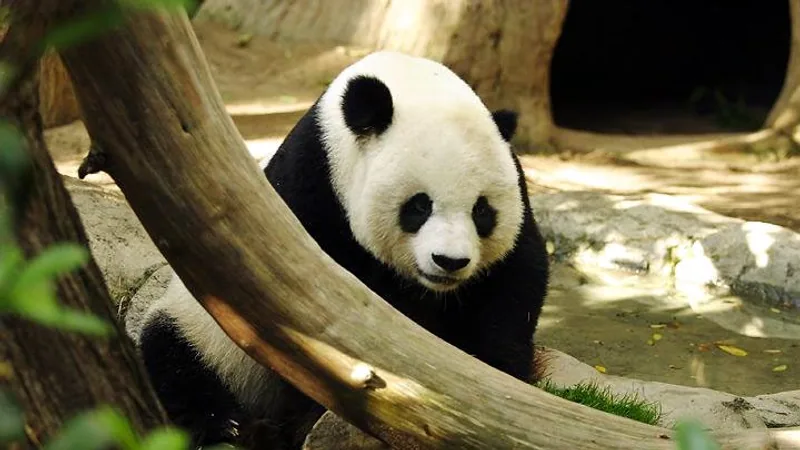
Giant Panda
A carnivore-like gut, the strongest jaws of any bear, and a bony spare thumb, all pressed into a diet that's about 99% bamboo.
Conservation categories are from the IUCN Red List of Threatened Species. AnimalTracks is independent of IUCN.