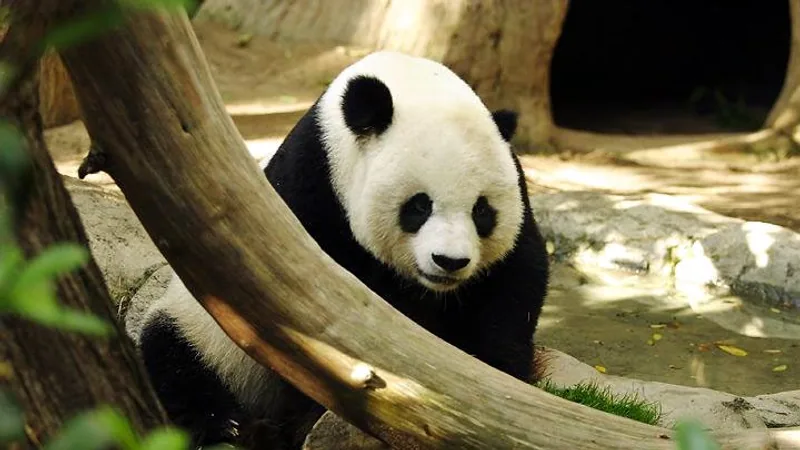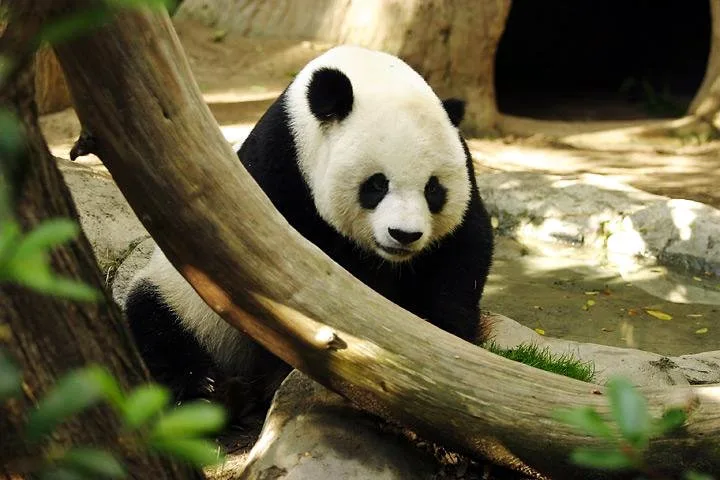
Panda Gao Gao in San Diego Zoo, USA
Field
notes
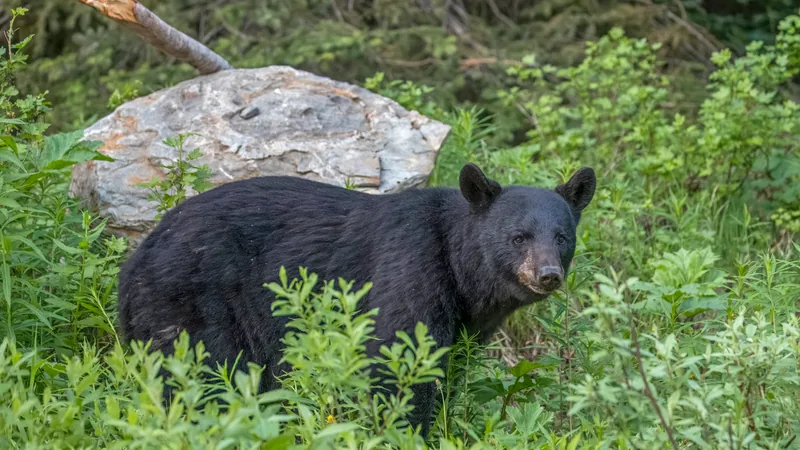
About the Size of a Black Bear
The giant panda (Ailuropoda melanoleuca) is roughly the size of an American black bear: 1.2 to 1.8 meters long and 60 to 90 centimeters at the shoulder on all fours. A wild male can weigh up to 113 kilograms; females rarely reach 100. Scientists aren’t sure how long a wild panda lives, but estimate about 15 to 20 years, against about 30 in a zoo; Chinese scientists have reported zoo pandas as old as 35.
A Carnivore’s Body, Stuck on Salad
Pandas are bears, and their digestive system works more like a carnivore’s than a plant-eater’s. That means much of what a panda swallows passes straight through as waste instead of being absorbed. To get enough nutrients out of bamboo, a panda eats a comparatively large amount of it: 70 to 100 pounds (32 to 45 kilograms) a day. Getting through that much bamboo takes 10 to 16 hours a day of foraging and eating. About 99% of everything a panda eats is bamboo.
Jaws and a Spare Thumb, Built for Bamboo
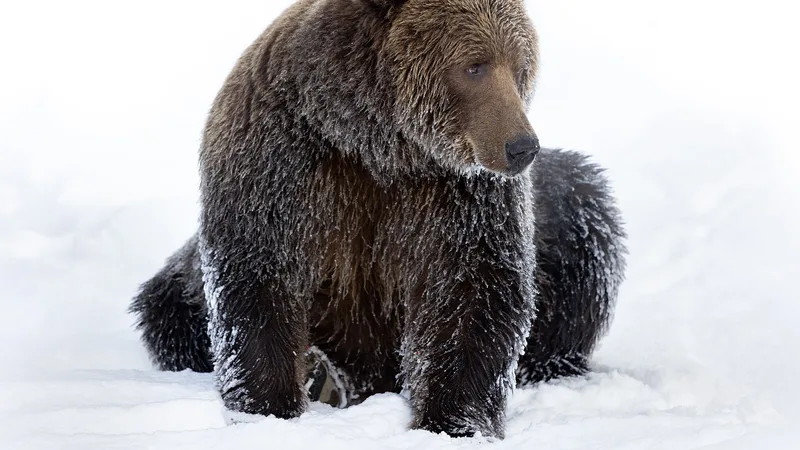
Chewing that much woody plant matter needs serious hardware. A giant panda has the most jaw strength of any bear. Its sagittal crest has grown wider and deeper, resulting in powerful jaws, and its molars and premolars are broader and flatter than other bears’, with extensive ridges and cusps developed to grind tough bamboo. Plenty of people find pandas cute, but the Smithsonian’s National Zoo warns that they can be as dangerous as any other bear.
Its front paws carry a trick of their own.
A Sixth Digit That Isn’t a Finger An enlarged, elongated wrist bone called the radial sesamoid, covered by a pad of skin, works as a spare thumb. It helps the panda tear bamboo stalks and gives it increased dexterity while handling them.
Mountains, Fewer Predators, and a Long Comeback
Wild pandas live in a few mountain ranges in Sichuan, Shaanxi and Gansu provinces, in damp, bamboo-thick broadleaf and coniferous forest mostly at elevations of 1,200 to 3,500 meters. The golden cat, yellow-throated marten, dhole and weasel prey on cubs and juveniles, and a young panda is probably safe from predators once it reaches about 50 kilograms and two and a half years old. To stay safe, a cub left alone climbs high into a tree and stays there until its mother returns. Pandas have fewer predators today than they once did: tigers are generally not found in what remains of panda habitat, and leopards are found there in reduced numbers.
The panda’s range has shrunk and become highly fragmented, and a naturally slow breeding rate keeps a population from recovering quickly from illegal hunting and habitat loss. Conservation work, from anti-poaching laws to a growing network of reserves, moved the species off the Endangered list and onto Vulnerable in 2016. As few as 1,864 giant pandas are estimated to live in the wild, alongside roughly 600 more in zoos and breeding centers.
Published Updated
Traits
Intel
& FAQ
Guess
first
How big is a Giant Panda, really? Slide, lock in, and see what the sources say. Every answer is a figure from this page, quoted from where it came from.
Sources
- 01Ailuropoda melanoleuca (giant panda). Animal Diversity Web, University of Michigan.
- 02Giant Panda. San Diego Zoo Wildlife Alliance.
- 03Giant panda. Smithsonian's National Zoo and Conservation Biology Institute.
- 04Swaisgood, Wang & Wei (2016). Ailuropoda melanoleuca. The IUCN Red List of Threatened Species 2016: e.T712A121745669.
What the sources say: 52 claims checked word for word against these sources →