Bears
Massive plantigrade tanks combining bone-crushing strength with seasonal metabolic shutdowns.
Ursidae
Bears are heavily built carnivorans that walk flat on the soles of their feet like humans, granting unmatched leverage for digging, overturning boulders, and swiping prey. Their acute sense of smell exceeds bloodhounds, guiding them toward seasonal food bonanzas before entering deep winter torpor.
Key Evolutionary Adaptations
During multi-month winter dormancy, bears shut down digestion and recycle urea into muscle-building protein.
Massive curved claws lack retractile sheaths, acting as heavy-duty excavators for roots, nests, and rocky dens.
Keen nasal turbinates allow polar bears to smell ringed seals beneath a meter of solid ice up to 30 kilometers away.
All Bears
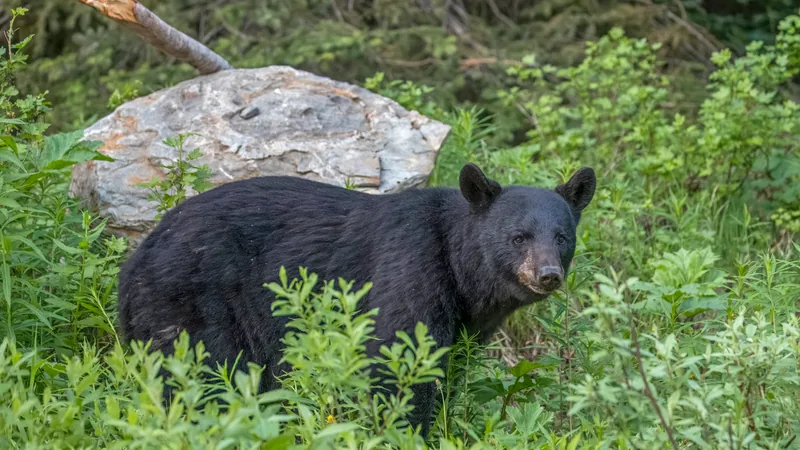
American Black Bear
A bear whose sense of smell is about seven times stronger than a bloodhound's.
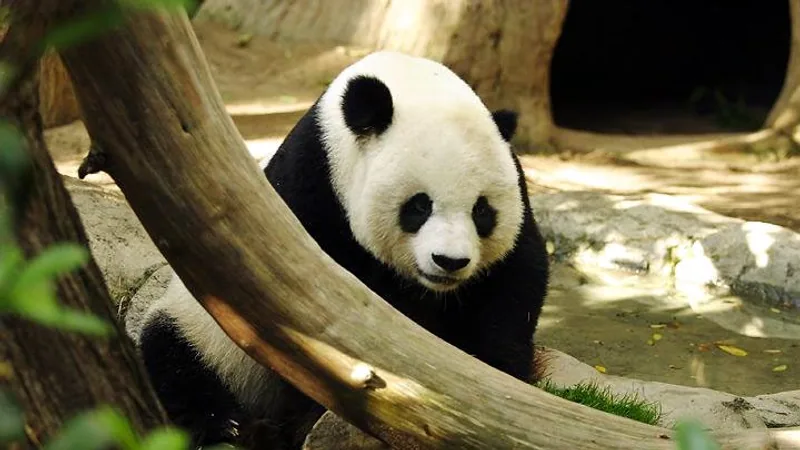
Giant Panda
A carnivore-like gut, the strongest jaws of any bear, and a bony spare thumb, all pressed into a diet that's about 99% bamboo.

Grizzly Bear
The most distinctive shoulder hump of any brown bear, claws built for digging, and a fall feeding binge of about 20,000 calories a day.
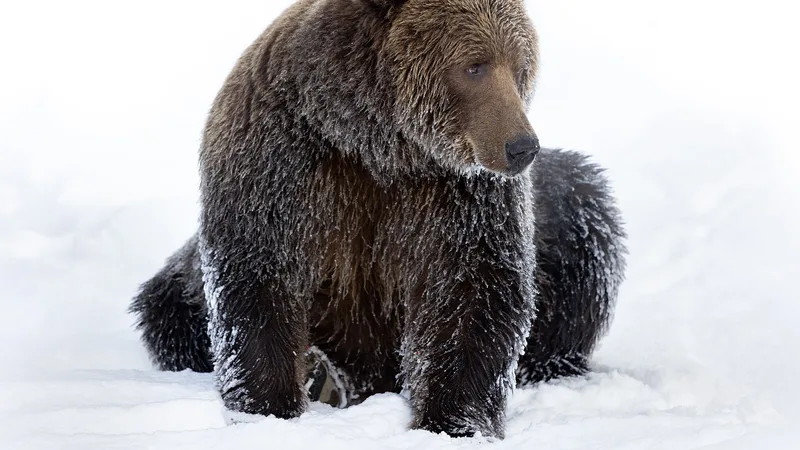
Kodiak Bear
Isolated on one Alaskan island chain for about twelve thousand years, with adult males weighing 600 to 1,400 pounds and standing up to ten feet on their hind legs.

Polar Bear
Arctic apex predator with hollow, see-through fur over jet-black skin, a nose that smells seals 20 miles off, and a shrinking sea of ice to swim.
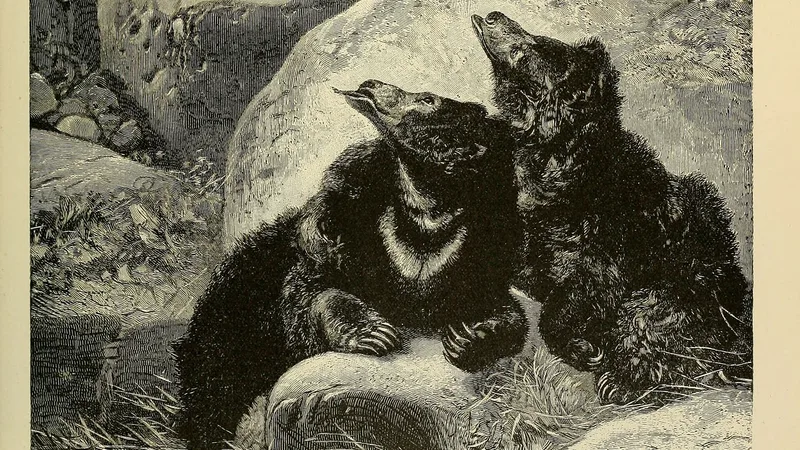
Sloth Bear
Missing top front teeth, a vacuum-cleaner mouth for termites, and a stand-and-fight defense against tigers.
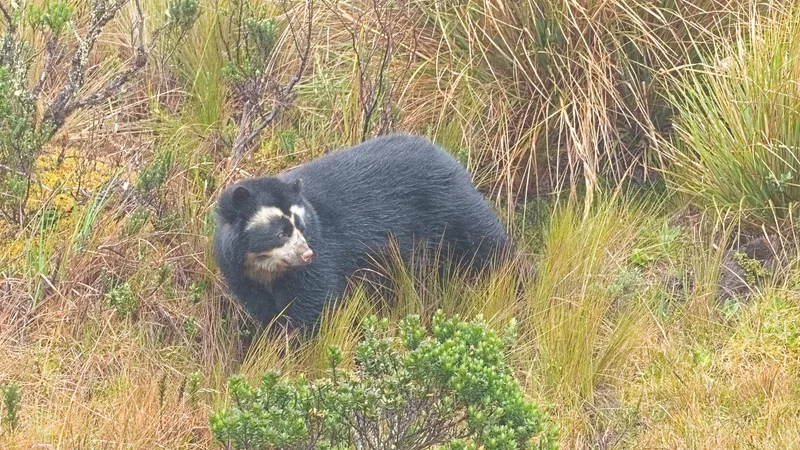
Spectacled Bear
South America's only native bear, an Andean climber with pale rings around its eyes that builds platforms in the trees.
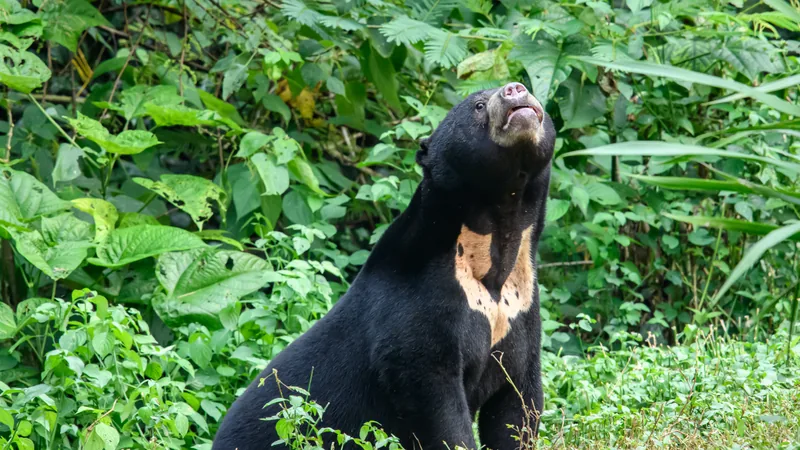
Sun Bear
The world's smallest bear, 23 to 65 kg, with the longest tongue and a chest crescent as individual as a fingerprint.