Vulnerable (VU)
Species heading the wrong way. Still numerous in places, but the trend is clear enough for the IUCN to act on it.

Giraffe
Bulls can top eighteen feet, with a roughly twenty-five-pound heart built to fight gravity and an eighteen-inch tongue that dodges acacia thorns.

Great White Shark
Up to 4,500 pounds of apex predator, an electric sense tuned to 0.005 microvolts, and the largest fish known to keep parts of its body warmer than the sea.
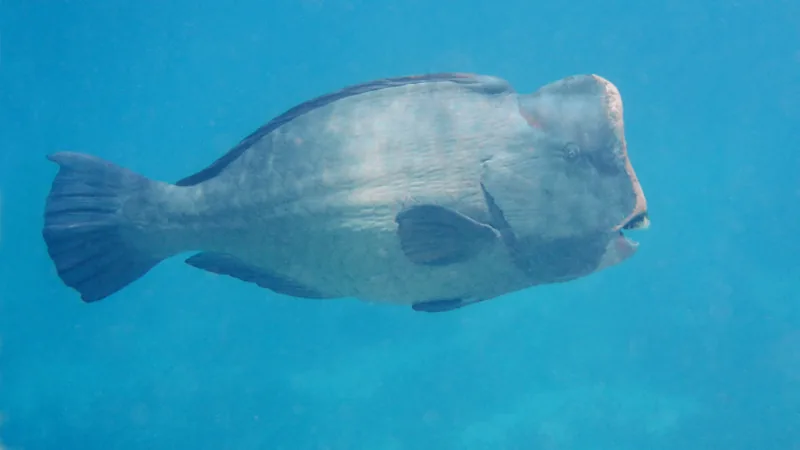
Green Humphead Parrotfish
The biggest herbivorous fish on coral reefs, whose males settle rivalries with headbutts.
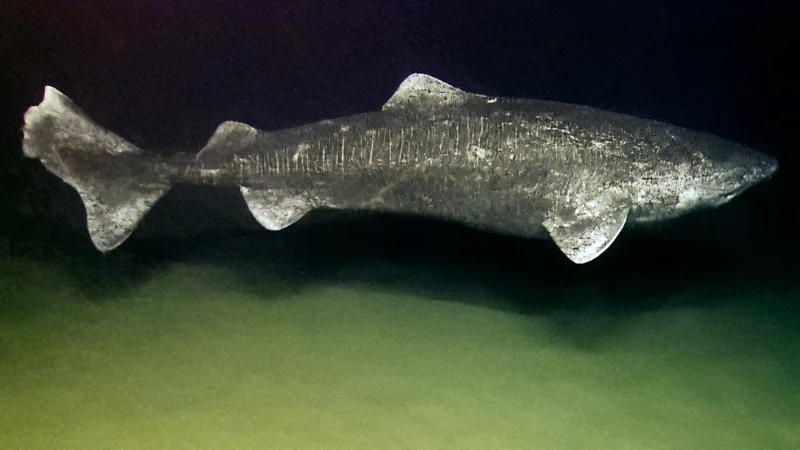
Greenland Shark
The longest-lived vertebrate known to science, growing under a centimeter a year, with females not sexually mature until at least 156 years old, give or take 22.
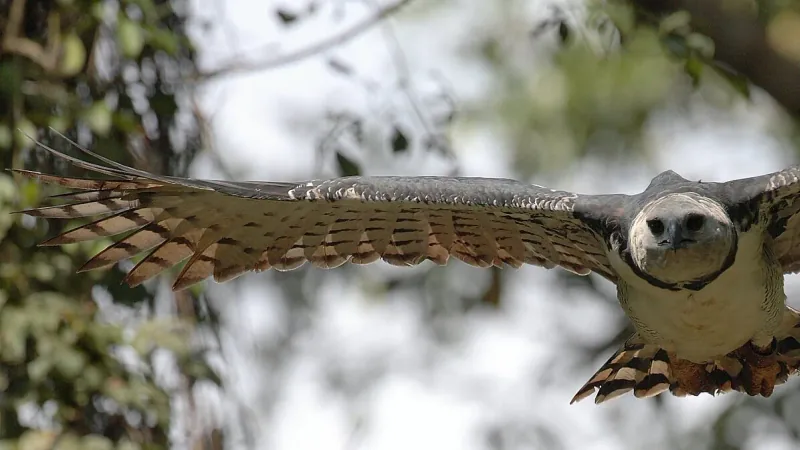
Harpy Eagle
Apex canopy raptor armed with rear talons larger than a grizzly bear's claws.
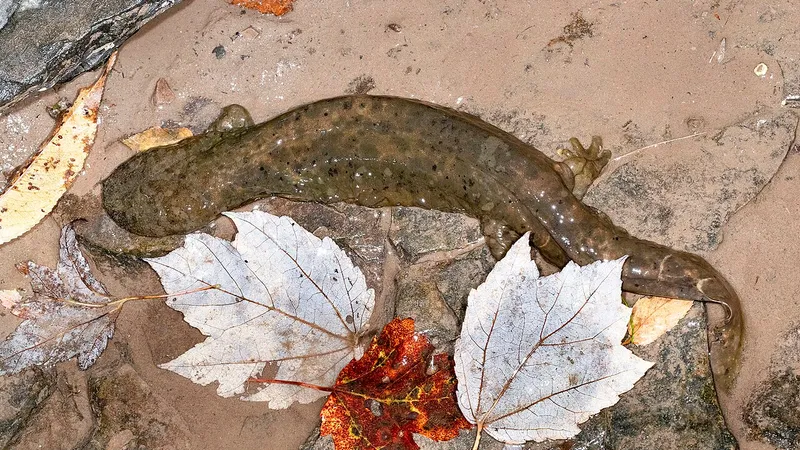
Hellbender
North America's biggest salamander, breathing mostly through its own wrinkled skin instead of its lungs.

Hippopotamus
A one-and-a-half-tonne river giant that walks the riverbed instead of swimming, and oozes its own sunscreen.
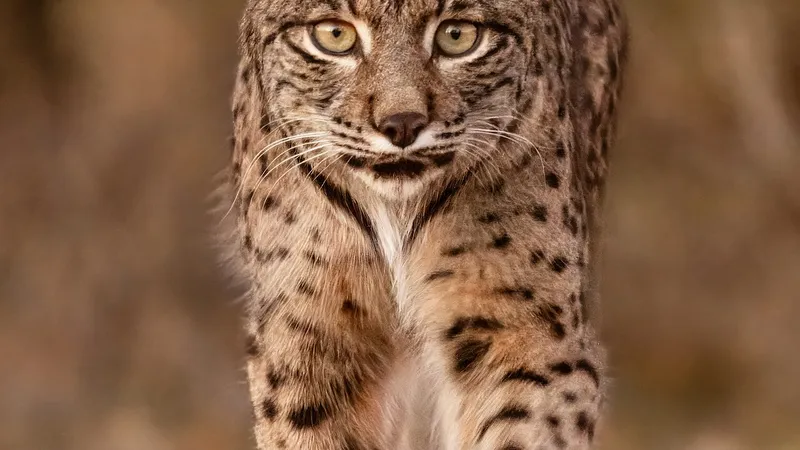
Iberian Lynx
The tufted-eared rabbit specialist of Iberia's scrubland that clawed its way back from fewer than 100 cats.
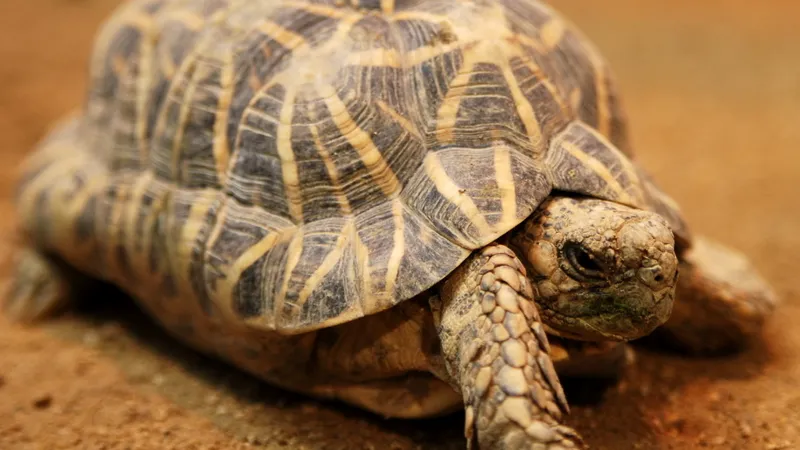
Indian Star Tortoise
Thorn-scrub grazer wearing a starburst camouflage shell, and one of the world's most heavily traded tortoises.
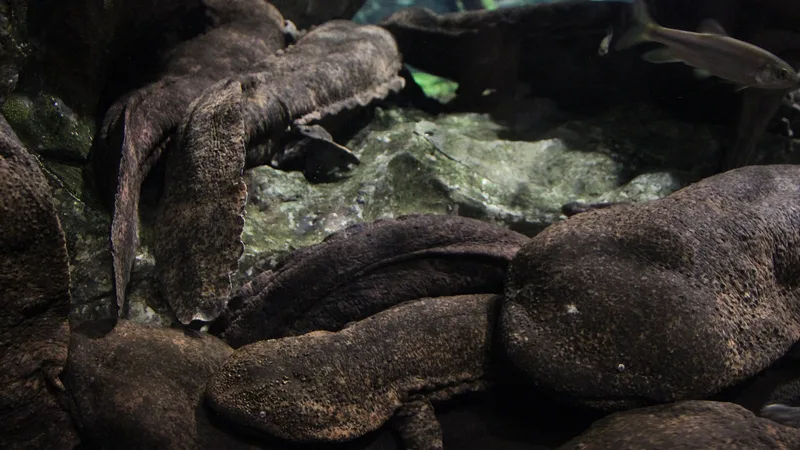
Japanese Giant Salamander
Up to five feet of living river boulder that breathes through its skin, hunts by smell and vibration, and gives off a peppery smell when stressed.
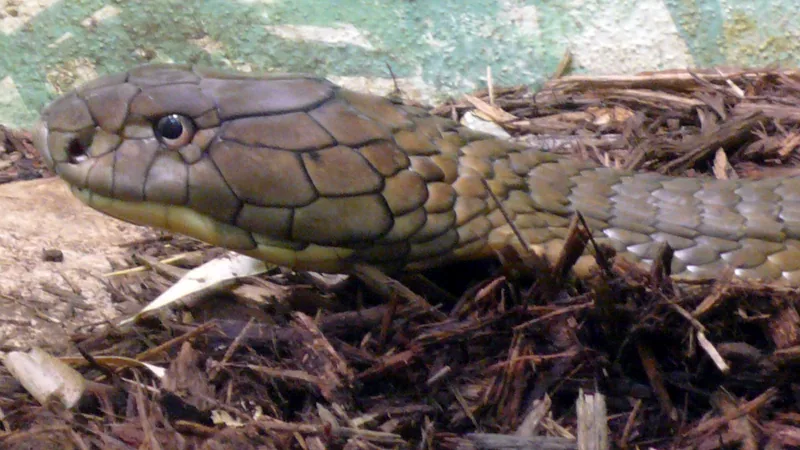
King Cobra
Up to eighteen feet of hooded crown, growling acoustic hiss, and specialized predator of other snakes.
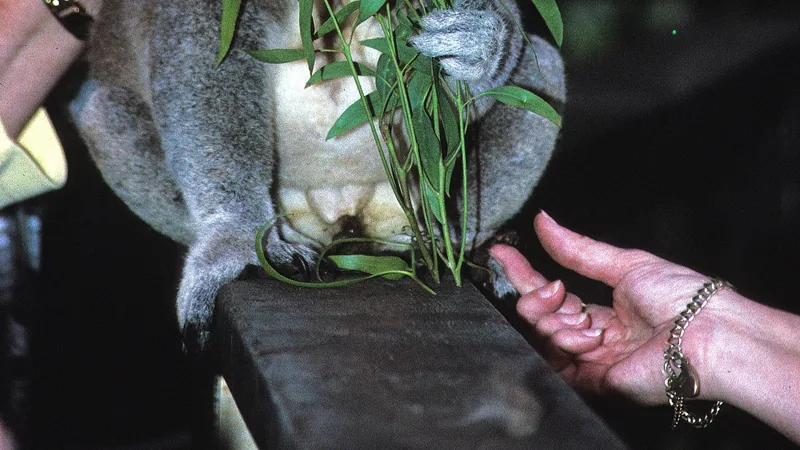
Koala
A slow-motion marsupial that sleeps up to 22 hours a day and leans on gut bacteria to live on eucalyptus leaves most herbivores can't tolerate.
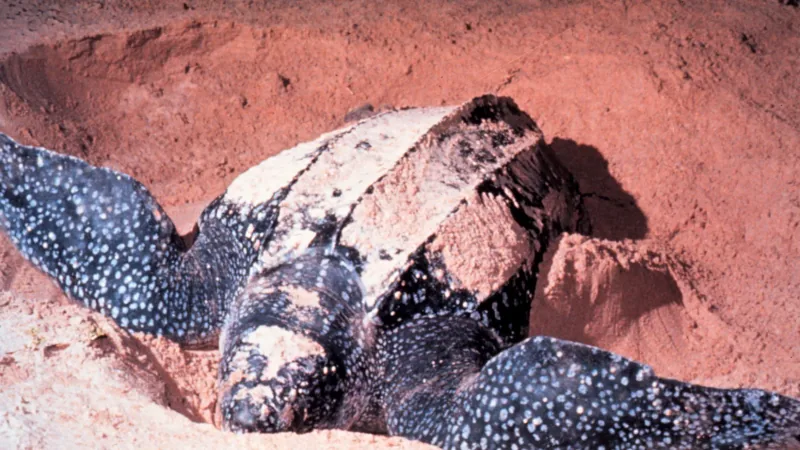
Leatherback Sea Turtle
The only sea turtle with no hard shell, and big enough to keep its core warm in near-freezing seas.
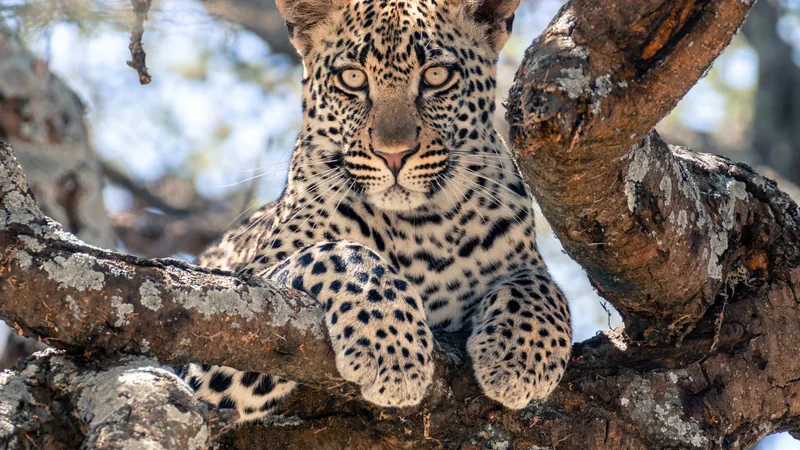
Leopard
A 21 to 75 kg big cat that climbs up to 15 m into a tree carrying its kill, out of reach of lions and hyenas.
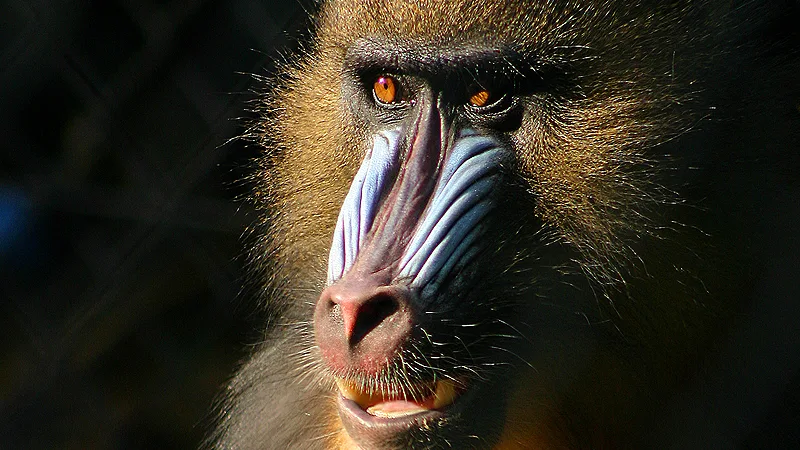
Mandrill
Males are the largest monkeys alive, with faces colored blue by light-scattering collagen and red by blood, and canine teeth whose length tracks their breeding years.
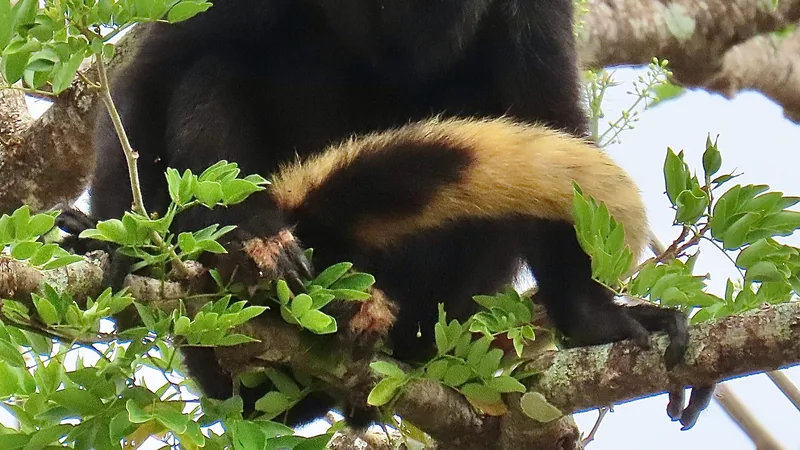
Mantled Howler Monkey
A leaf-eating monkey whose males' calls seem to help keep neighbouring troops apart.
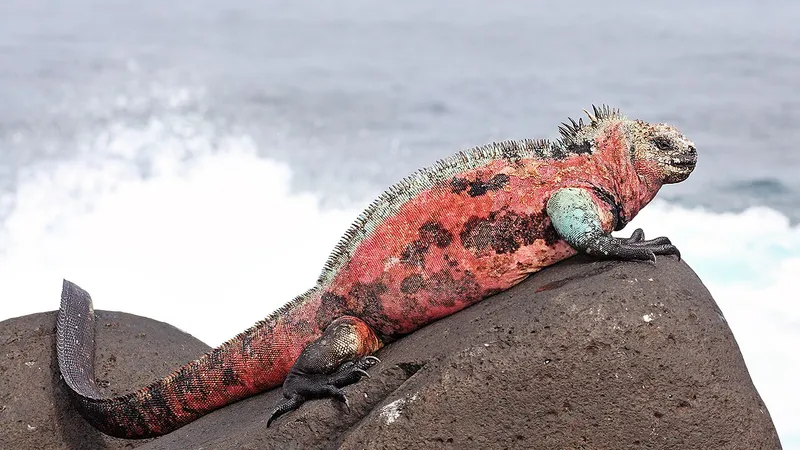
Marine Iguana
The only lizard in the world that forages in the ocean, grazing algae underwater and sneezing out the salt.
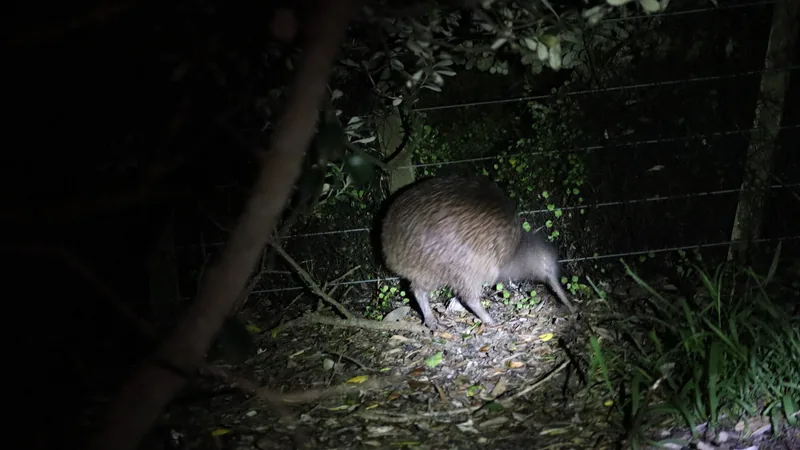
North Island Brown Kiwi
A flightless night forager with its nostrils near the tip of its bill and an egg that averages 15 percent of its mother's weight.
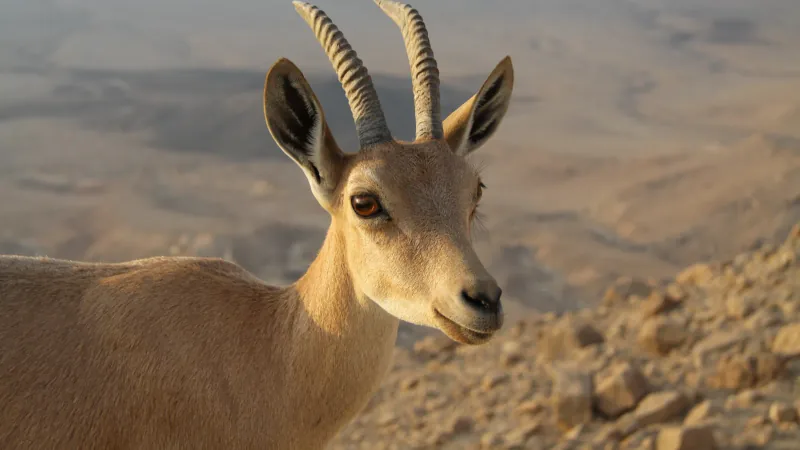
Nubian Ibex
Relatively small desert ibex of the Middle East and northeast Africa, a true cliff dweller whose males carry ridged, backward-arching horns up to 122 centimeters long.
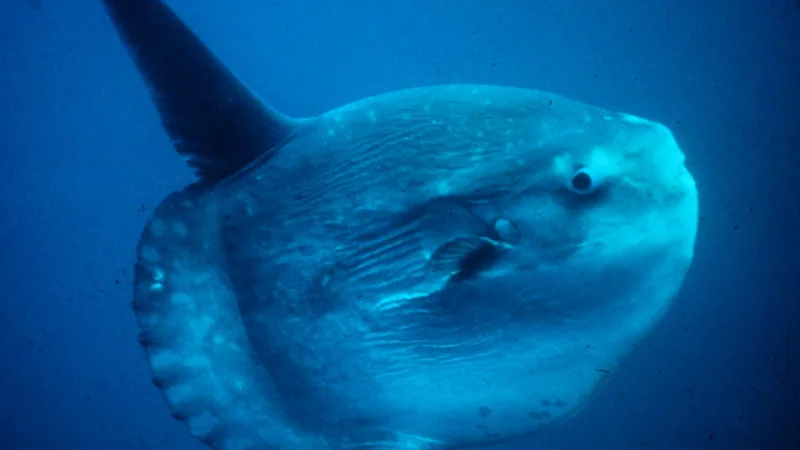
Ocean Sunfish (Mola Mola)
Up to 1.3 tonnes of cartilage-and-jelly fish with no tail fin. It dives for siphonophores, then floats flat at the surface between dives.
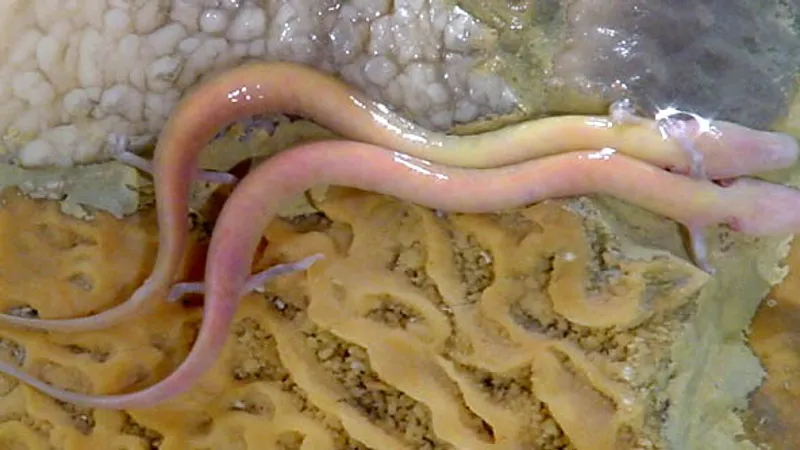
Olm
The cave salamander with eyes buried under its skin, a predicted lifespan past 100 years, and an experimental fast of a year and a half.

Polar Bear
Arctic apex predator with hollow, see-through fur over jet-black skin, a nose that smells seals 20 miles off, and a shrinking sea of ice to swim.
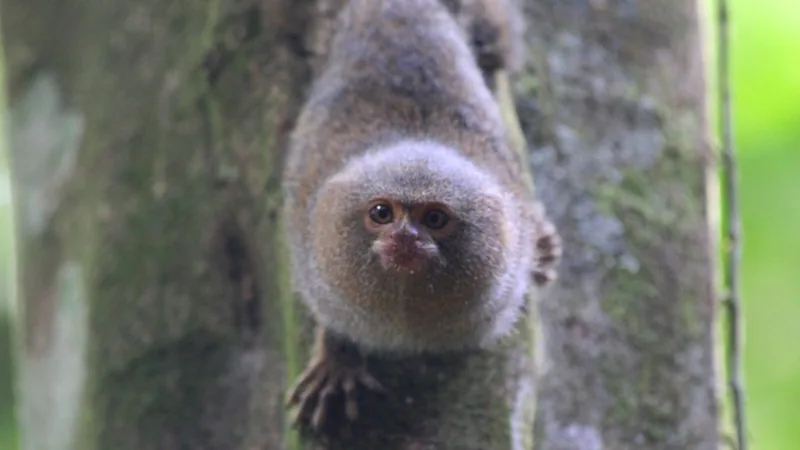
Pygmy Marmoset
The world's smallest monkey, small enough to fit in a human hand, gouges holes in tree bark and laps up the sap that puddles inside.
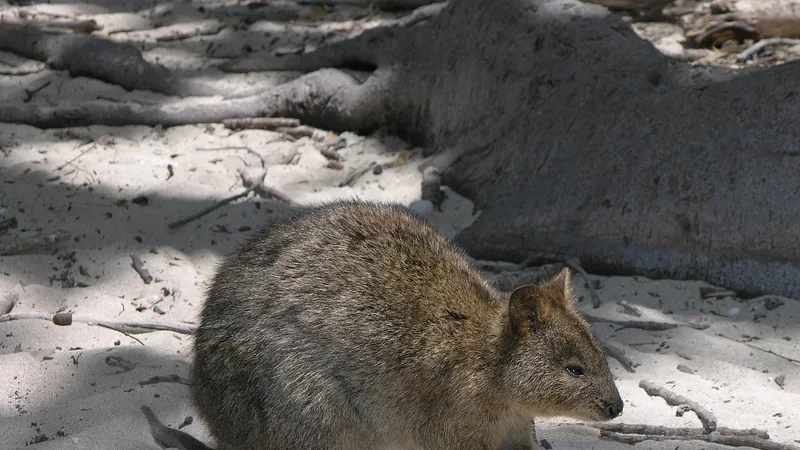
Quokka
A Western Australian wallaby with three kinds of colour cone, a permanent grin, and no fear of tourists.
Conservation categories are from the IUCN Red List of Threatened Species. AnimalTracks is independent of IUCN.