Vulnerable (VU)
Species heading the wrong way. Still numerous in places, but the trend is clear enough for the IUCN to act on it.
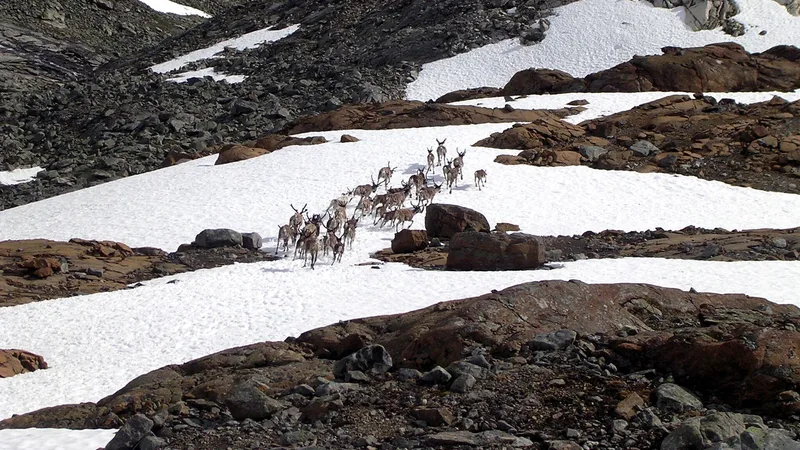
Reindeer (Caribou)
Eyes that shine deep blue in the Arctic winter, feet that click when it walks, and the only deer where cows grow antlers too.
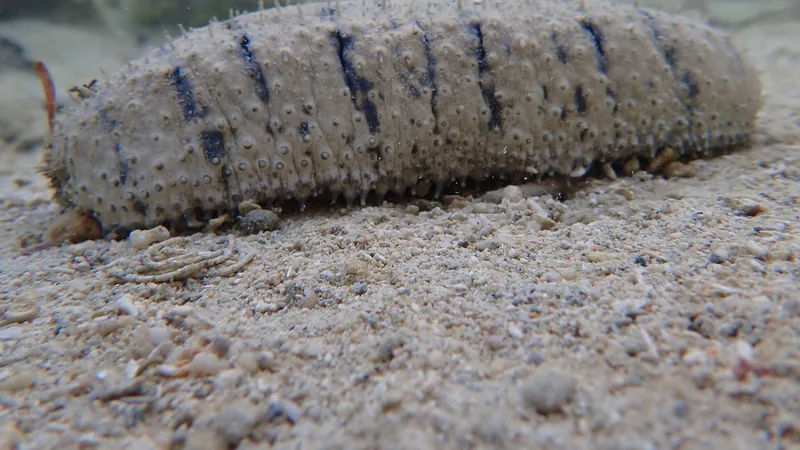
Sandfish Sea Cucumber
A sediment-swallowing sea cucumber that is one of the highest-valued species in the bêche-de-mer trade.
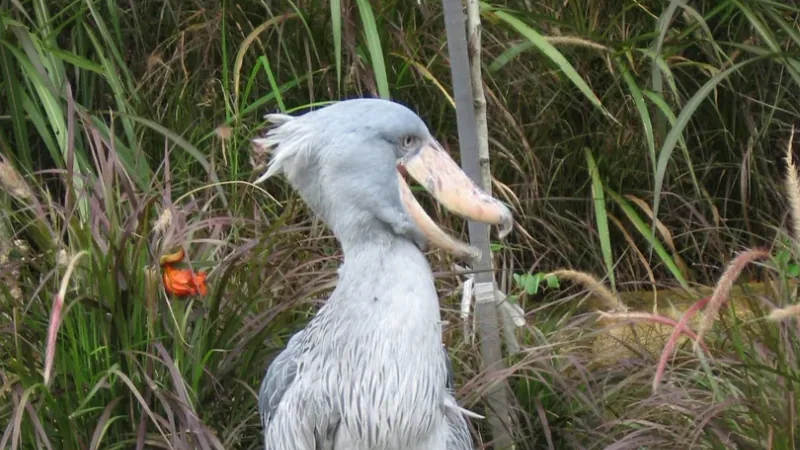
Shoebill Stork
Prehistoric-looking swamp stalker with a foot-long bill shaped like a clog.
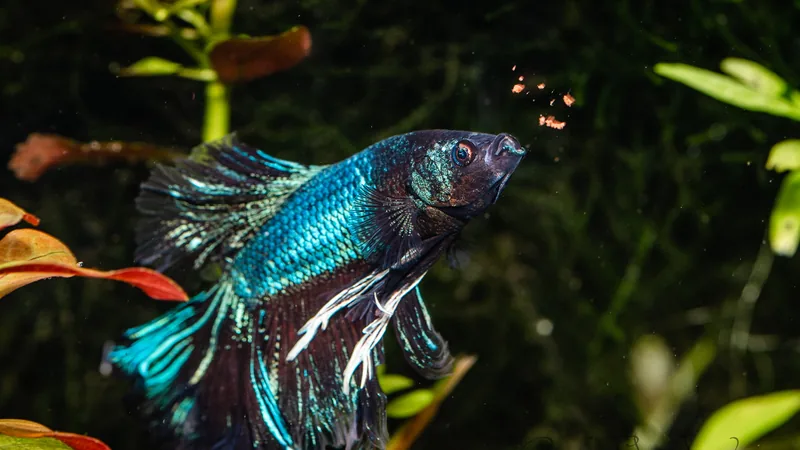
Siamese Fighting Fish
A fish up to 6.5 cm long that breathes air through a labyrinth organ, and whose males flare their gill covers at each other.
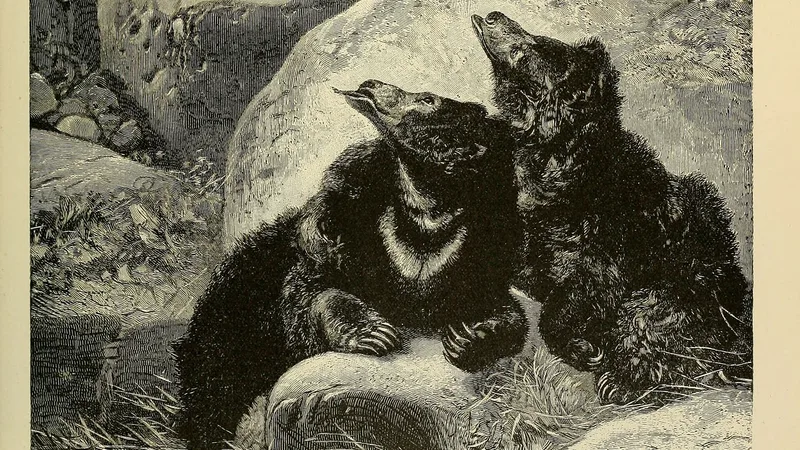
Sloth Bear
Missing top front teeth, a vacuum-cleaner mouth for termites, and a stand-and-fight defense against tigers.
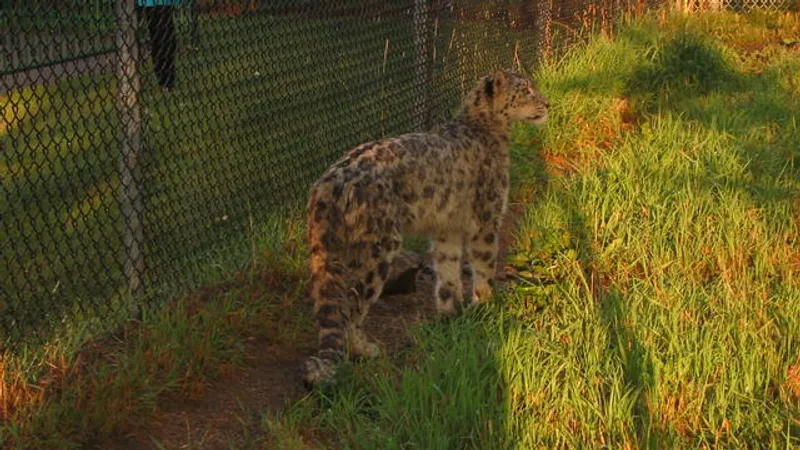
Snow Leopard
The "ghost cat of the Himalayas", with a tail up to a metre long and leaps of up to thirty feet.
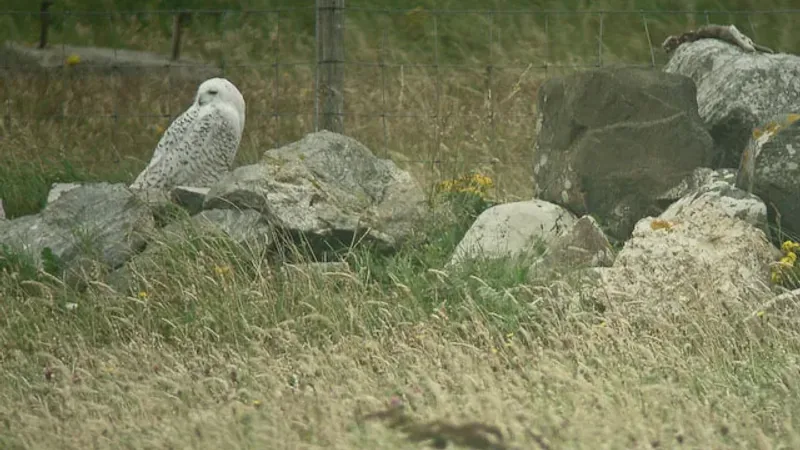
Snowy Owl
A powerful owl of the Arctic tundra that often hunts by day, colored for winter camouflage and able to take birds as big as geese.
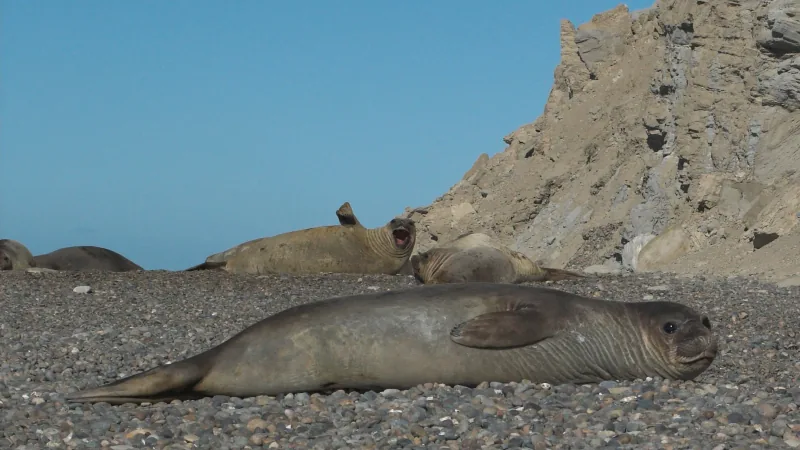
Southern Elephant Seal
The largest living carnivoran, with a roaring nose and blood built for breath-holds of up to two hours.
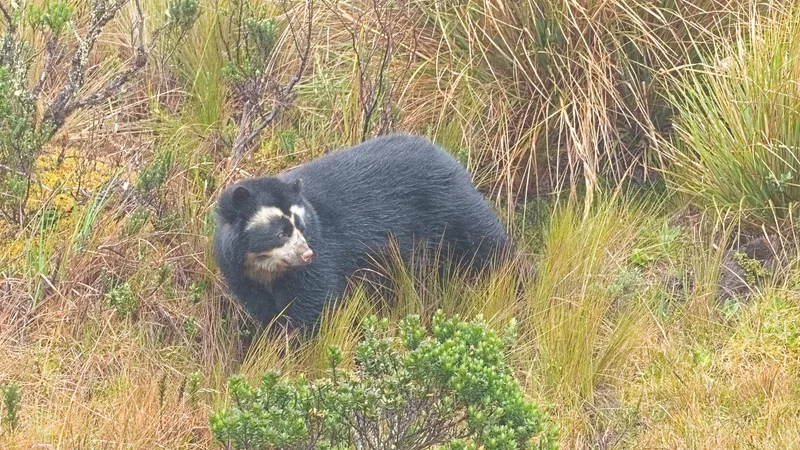
Spectacled Bear
South America's only native bear, an Andean climber with pale rings around its eyes that builds platforms in the trees.

Sperm Whale
Hunts on dives that routinely reach 610 meters, fires biosonar clicks up to 236 decibels underwater, and occasionally swallows giant and colossal squid.
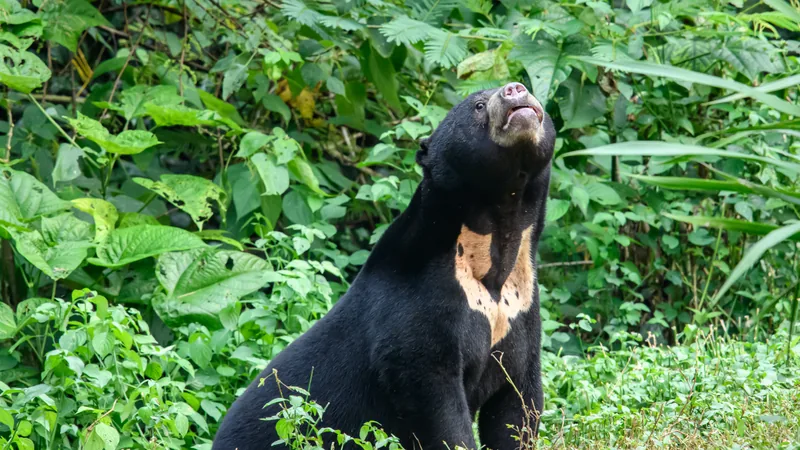
Sun Bear
The world's smallest bear, 23 to 65 kg, with the longest tongue and a chest crescent as individual as a fingerprint.
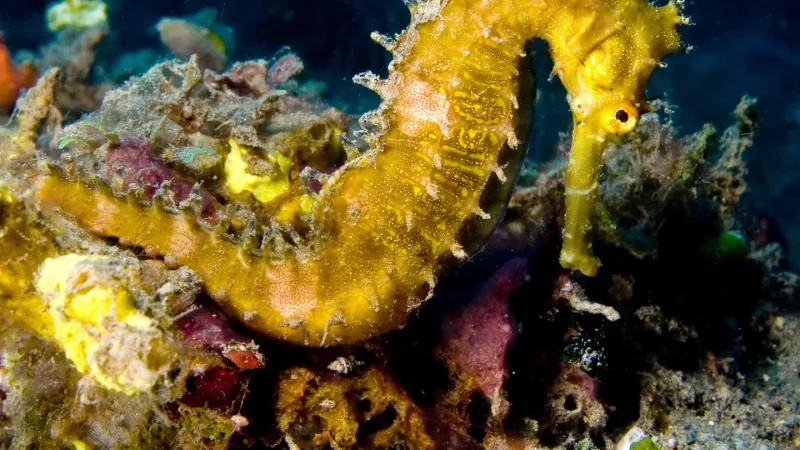
Thorny Seahorse
A seahorse with extremely sharp spines, a crown on its head and fathers that carry the babies.
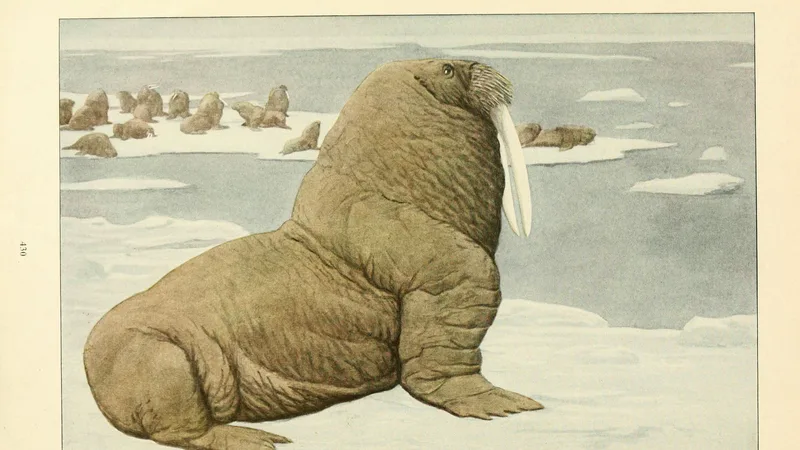
Walrus
Tusks up to three feet long, hundreds of sensitive whiskers, and the bulk of the third-largest pinniped.
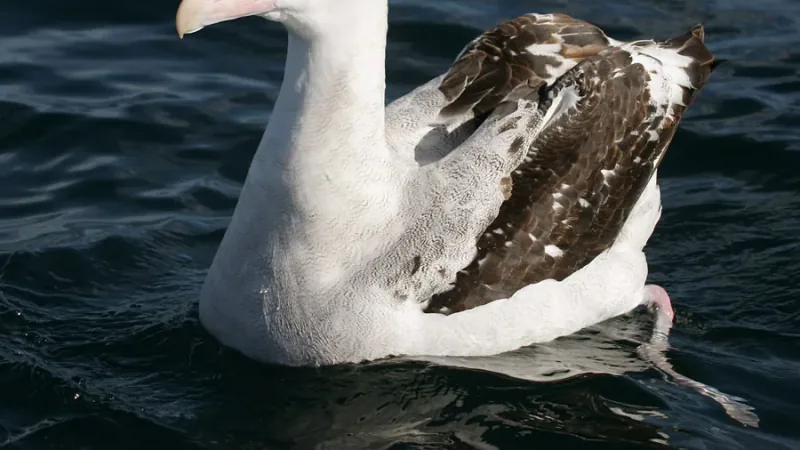
Wandering Albatross
Perhaps the longest wingspan of any bird, and in a year off from breeding some circle Antarctica twice or even three times.
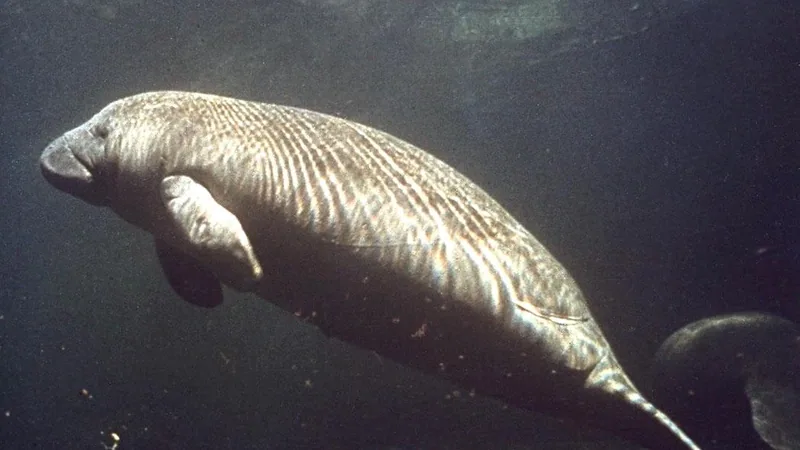
West Indian Manatee
A gentle sea cow whose dense bones may help keep it neutrally buoyant, and whose weak low-frequency hearing may be part of why boats keep hitting it.
Conservation categories are from the IUCN Red List of Threatened Species. AnimalTracks is independent of IUCN.