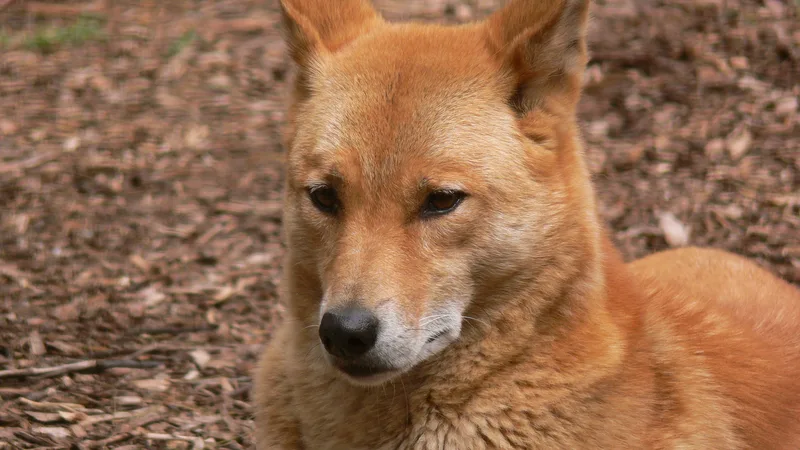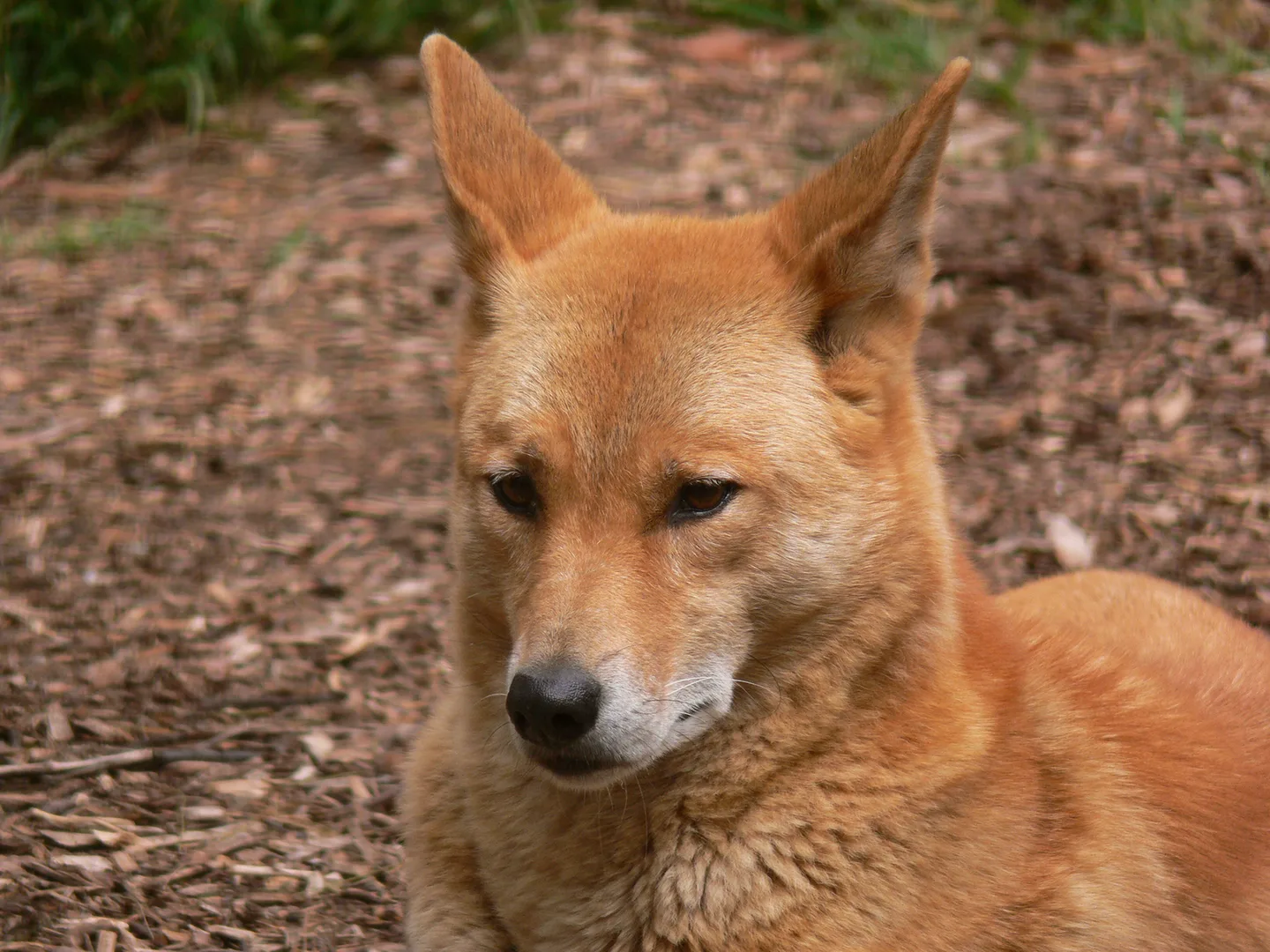
A wild dingo on the beach at K'gari (Fraser Island), Queensland
Field
notes
An Apex Predator With an Unsettled Name
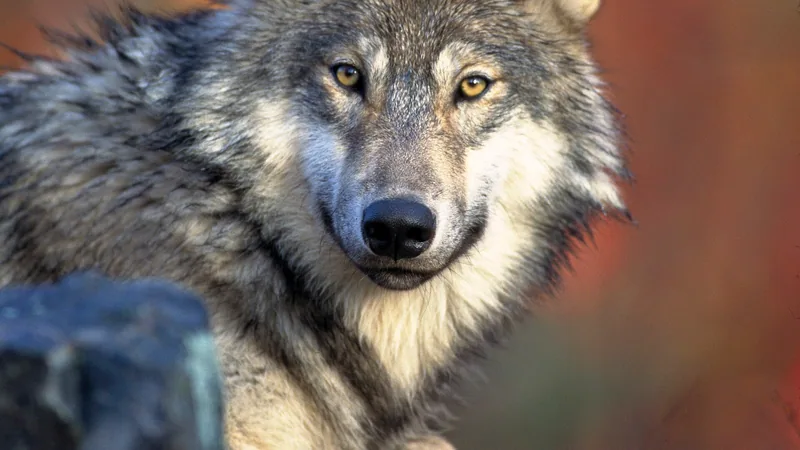
Scientists have argued over the dingo’s scientific name since the late 18th century, when it was named three times in quick succession: Canis familiaris dingo in 1780, Canis antarticus in 1792 and Canis dingo in 1793. It has also been called Canis lupus dingo, which makes it a subspecies, or distinct population, of Canis lupus, the grey wolf.
In 2017, Jackson and colleagues proposed calling every free-ranging dog in the world, dingo included, Canis familiaris, the domestic dog, arguing that the case for Canis dingo held up neither under the rules for naming animals nor on the genetic and body-shape evidence. In 2019, Smith and colleagues replied that the dingo is its own species, Canis dingo: genetically, physically and behaviourally distinct from every other member of its genus (the group of closely related species it belongs to), and appearing to still live largely as a wild animal. The Australian Faunal Directory, a checklist of Australia’s animals, lists the dingo under the domestic dog’s name, Canis familiaris, and so does the Queensland government. The Australian Museum’s factsheet, updated in 2026, goes further and lists the dingo as a breed. This page uses Canis familiaris too.
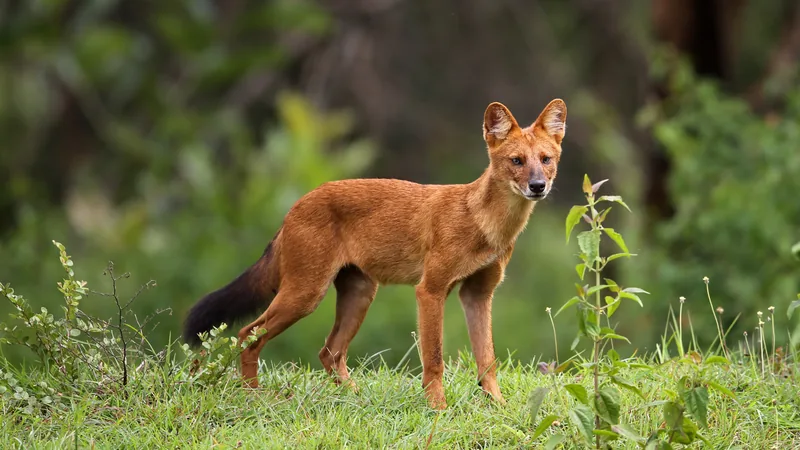
An adult dingo stands 44 to 62 cm at the shoulder, weighs 12 to 24 kg, and can live for up to 10 years. It is Australia’s largest land predator, and an apex predator: a hunter at the top of its food chain.
What’s on the Menu
A dingo’s diet is built around mammals, especially rabbits, kangaroos, wallabies and wombats. When native species are scarce, it will hunt domestic animals and farm livestock, and failing that, it eats reptiles, insects, birds and any other food it can find. It scavenges at night and hunts alone, but forms larger packs to hunt bigger game.
One study looked at 5,875 scats (droppings) collected across Victoria, in south-eastern Australia, between 1983 and 2014, from dingoes, other wild dogs and their hybrids, whose scats can’t be told apart. The key mammal foods in them were black wallabies, brushtail possums, common wombats, sambar deer, cattle and European rabbits.
Dingoes are also thought to have contributed to the extinction of the thylacine, or Tasmanian tiger, on the Australian mainland, by competing with it for food.
A Territory Marked in Scent
A dingo occupies a clearly defined territory it leaves rarely and will defend against other dingoes, though territory is known to be shared when dingoes form packs to hunt.
A howl, seldom a bark. Dingoes rarely bark. They howl, especially at night, to call pack members together or warn off intruders. They also communicate with scent, rubbing, urinating and defecating on objects to mark the edges of their territory.
A Gene Pool Under Pressure
The main threat to dingoes today is contact with domestic dogs. As towns spread into the outback, the two interbreed more often, which will dilute the dingo’s gene pool (the mix of genes a population carries). An Australia-wide genetic study, published in 2011 and 2015 and summarised in a 2019 review, found that 46% of the dingoes sampled had no dog ancestry. The south-east, with its dense human settlement and best farmland, had the most mixing: only 1 to 4% of the animals tested there showed no sign of dog ancestry in their genes.
On the IUCN Red List of Threatened Species, the dingo is still listed as Vulnerable under the name Canis lupus ssp. dingo, in an assessment from 2008. The Red List now marks that concept as no longer recognised, and the assessment as needing an update.
Published Updated
Traits
Intel
& FAQ
Guess
first
How big is a Dingo, really? Slide, lock in, and see what the sources say. Every answer is a figure from this page, quoted from where it came from.
Sources
- 01Dingo. Australian Museum.
- 02Species Canis familiaris Linnaeus, 1758. Australian Faunal Directory, Australian Biological Resources Study, 2025.
- 03Dingo overview. Queensland Government, 2025.
- 04Heagney & Loram (2023). K'gari has suffered a spike in dingo attacks: what is behind it and what can we humans do to avoid them? ABC News.
- 05Smith et al. (2019). Taxonomic status of the Australian dingo: the case for Canis dingo Meyer, 1793. Zootaxa.
- 06Jackson et al. (2017). The Wayward Dog: Is the Australian native dog or Dingo a distinct species? Zootaxa.
- 07Gordon et al. (2016). Shrub encroachment is linked to extirpation of an apex predator. Journal of Animal Ecology.
- 08Davis et al. (2015). Interspecific and Geographic Variation in the Diets of Sympatric Carnivores: Dingoes/Wild Dogs and Red Foxes in South-Eastern Australia. PLOS ONE.
- 09Corbett (2008). Canis lupus ssp. dingo. The IUCN Red List of Threatened Species 2008: e.T41585A10484199.
What the sources say: 59 claims checked word for word against these sources →