Low
The overwhelming majority of life on Earth. Harmless to humans, and frequently far more interesting for it.
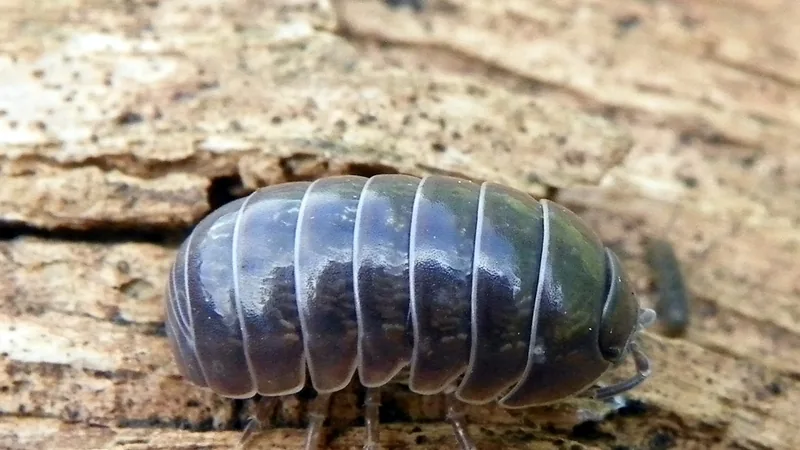
Common Pill Bug
A land-living crustacean that rolls into a ball, and in which bacterial DNA has become a new sex chromosome.
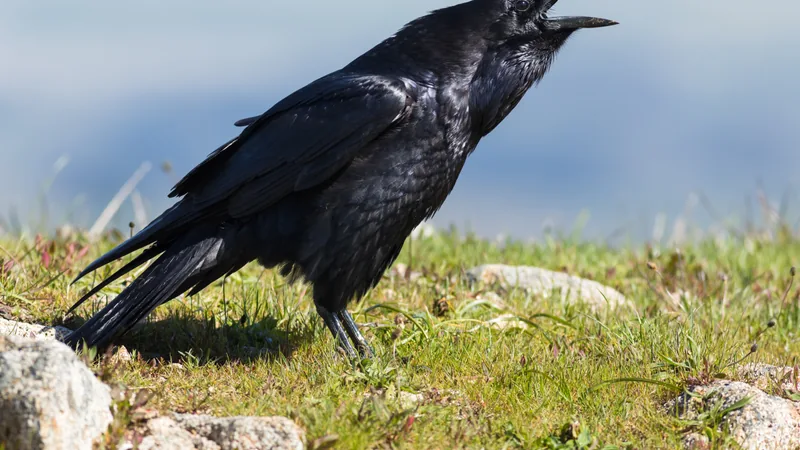
Common Raven
The oversized scavenger that caches food out of rivals' sight, guards the stash when it might be seen, and is less willing to pull its weight after a partner cheats.
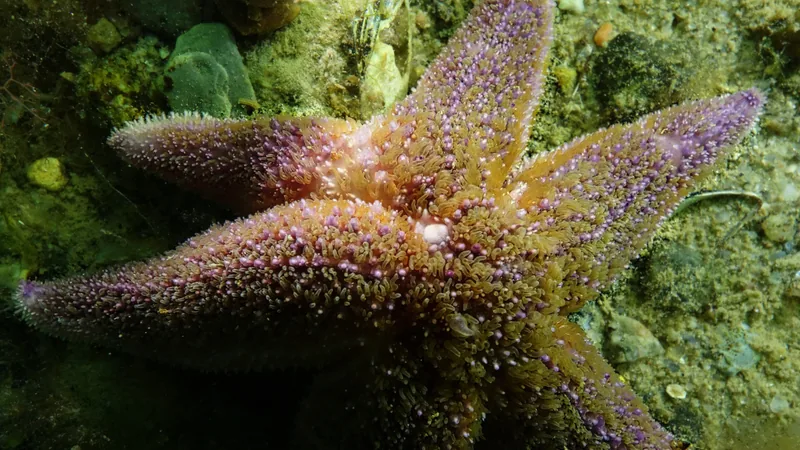
Common Starfish
A headless starfish that pries open mussels with its suction feet, then pushes its stomach inside the shell to digest them.
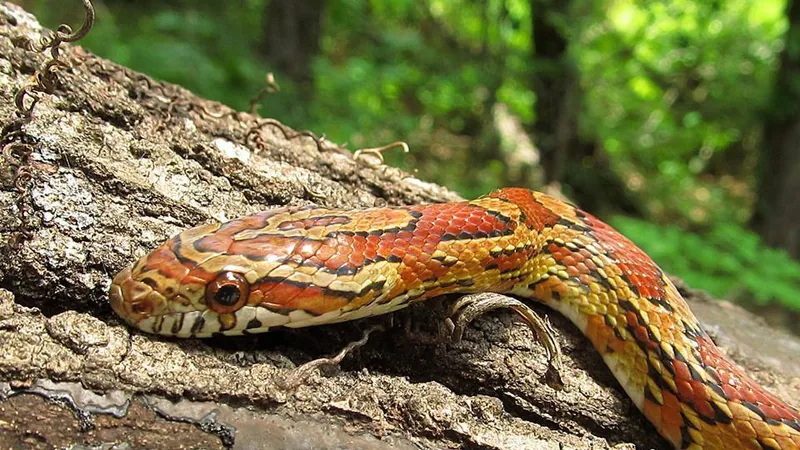
Corn Snake
The most commonly bred pet snake, and a lab model for how reptiles get their colours.
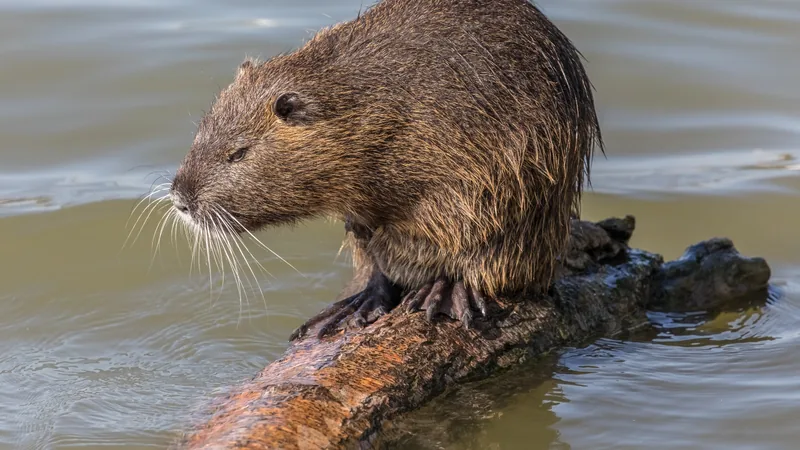
Coypu
A webbed-footed marsh rodent with its eyes, ears and nostrils on top of its head.
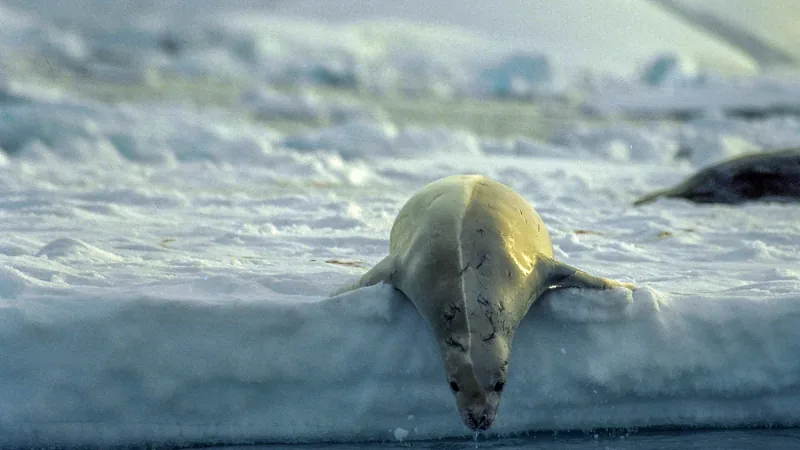
Crabeater Seal
The Southern Ocean's most abundant seal, straining Antarctic krill through teeth called the most complex of any carnivore.
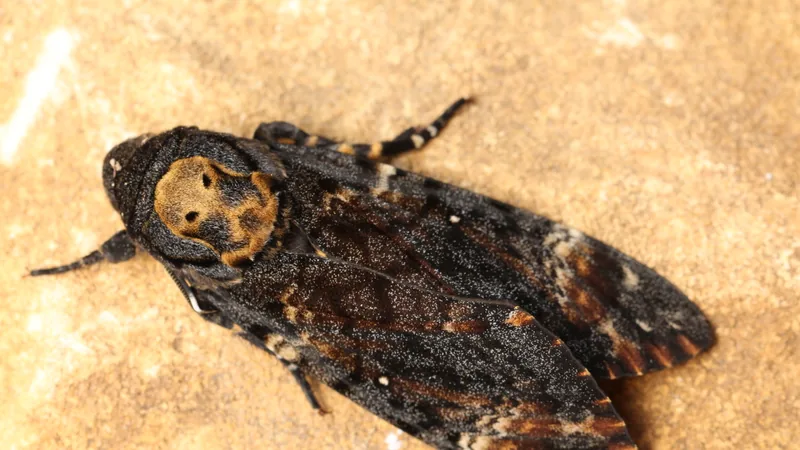
Death's-Head Hawkmoth
A big night-flying moth that squeaks when alarmed and is known to raid beehives for honey with a short, sharp tongue.
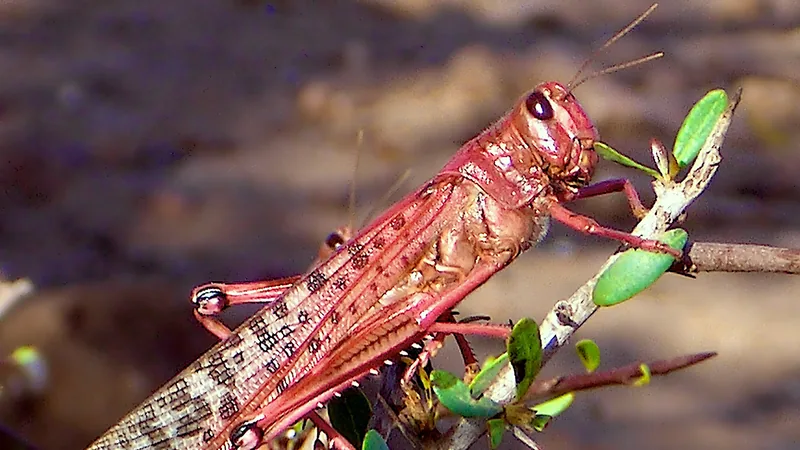
Desert Locust
A shy loner that turns into a swarming crop-eater when it gets crowded.
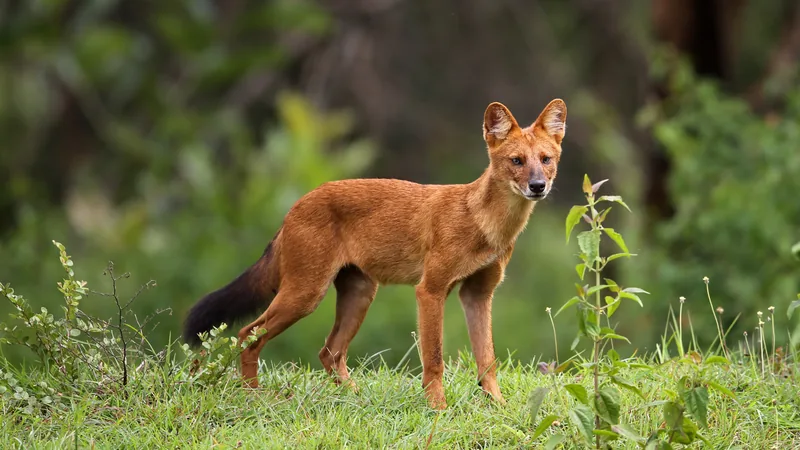
Dhole
A whistling, clucking wild dog that hunts in packs and can catch prey more than ten times its own weight.
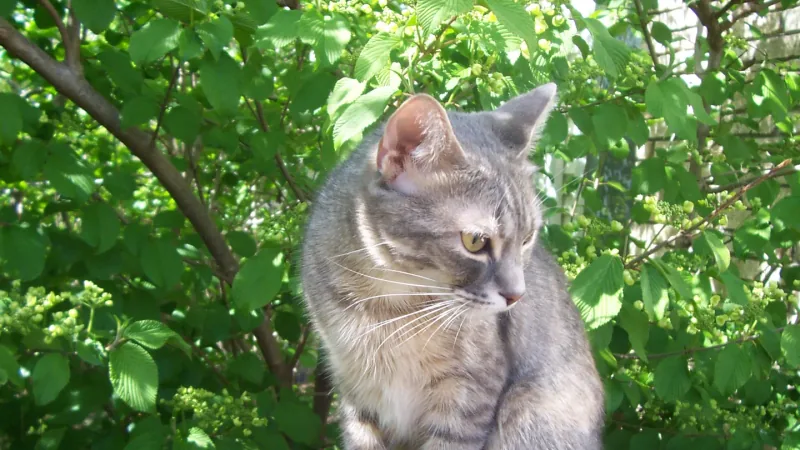
Domestic Cat
The flexible carnivore that jumps five times its own height and hears one of the broadest ranges of sound of any mammal.
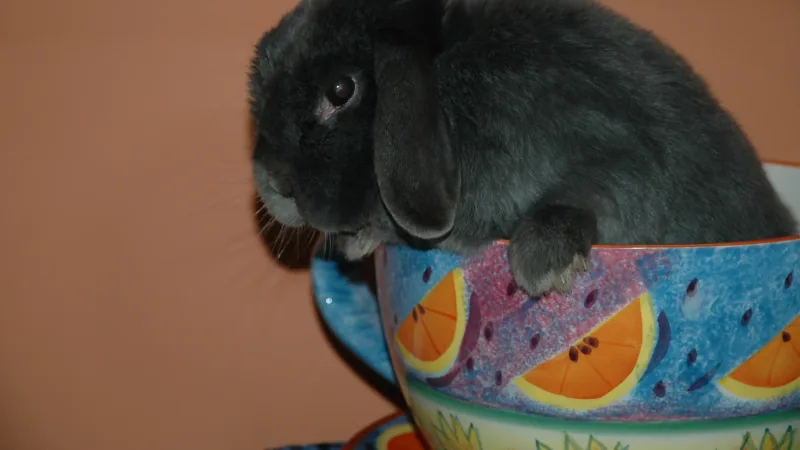
Domestic Rabbit
Sees almost all the way around, twists in midair when happy, and eats its own droppings for a second pass at its food.
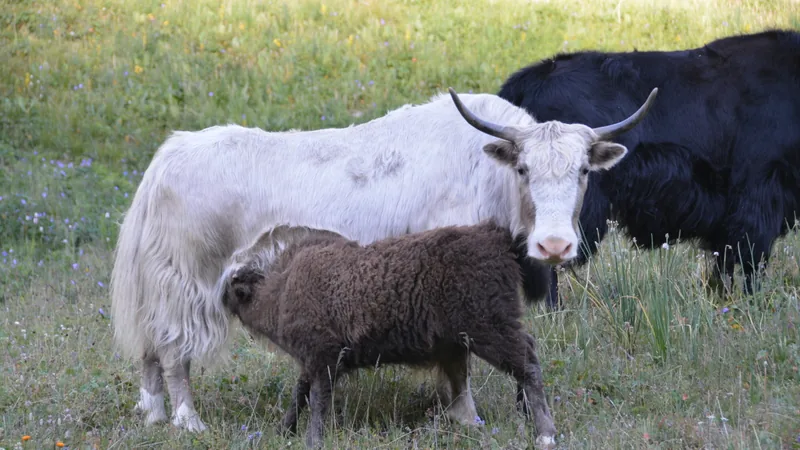
Domestic Yak
Oversized heart and lungs, a shaggy coat and a home up to 5,000 m high.
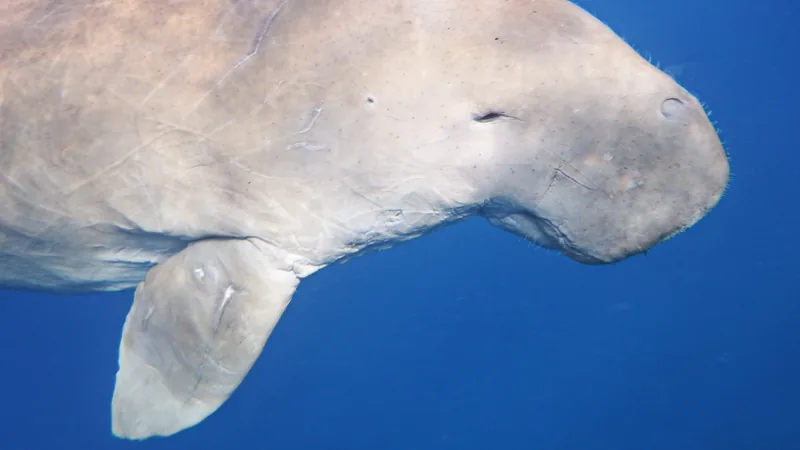
Dugong
A sea cow that rips up seagrass with a flexible upper lip and may live more than 50 years.
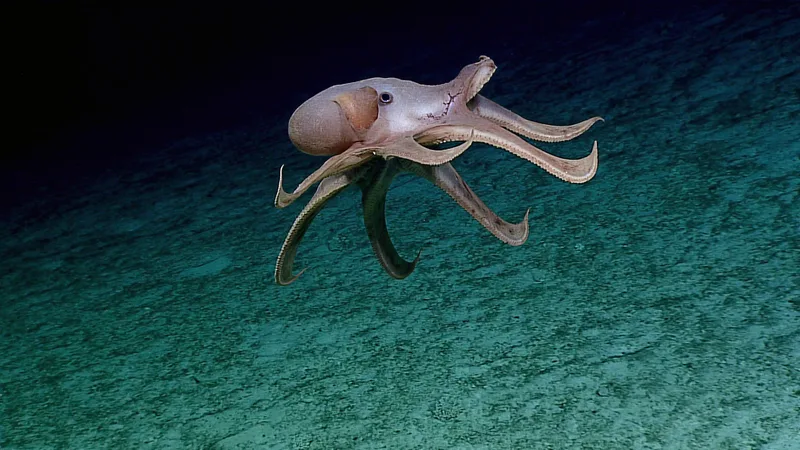
Dumbo Octopus
Ear-like flapping fins, webbed umbrella arms, and among the deepest-living of all known octopuses, some living as deep as 7,000 meters (23,000 feet).
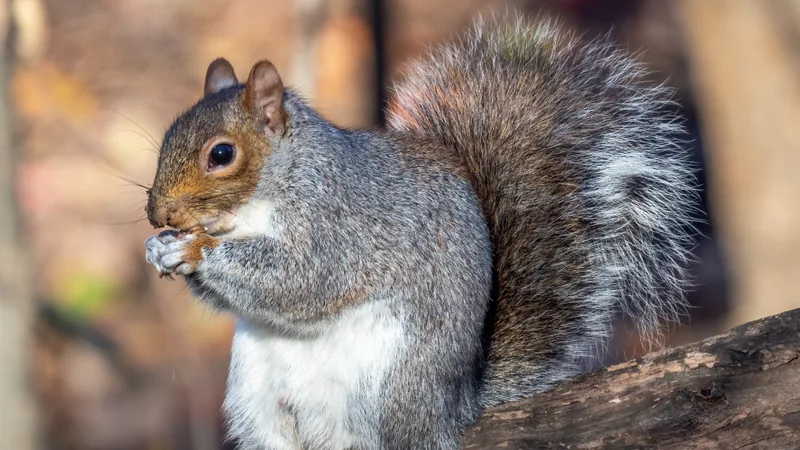
Eastern Gray Squirrel
An eastern North American tree squirrel that has been known to dig empty cache holes when other squirrels are around, and now far outnumbers the native red squirrel in the UK.
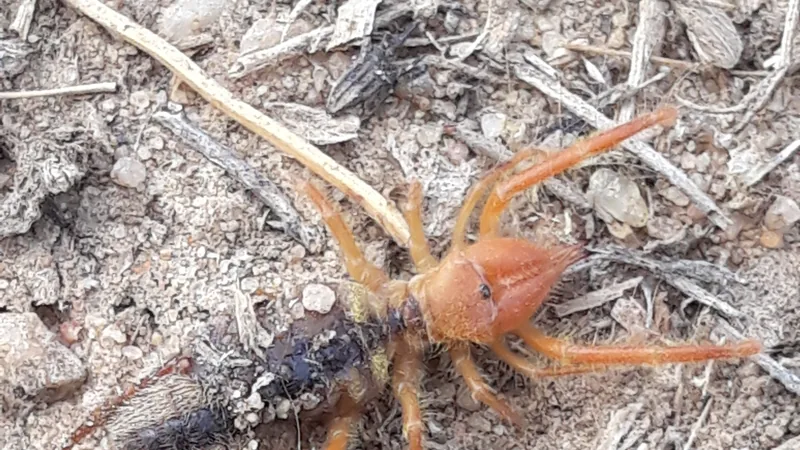
Egyptian Giant Solpugid
A camel spider, which is not a spider at all, with jaws that chop its prey to pulp.
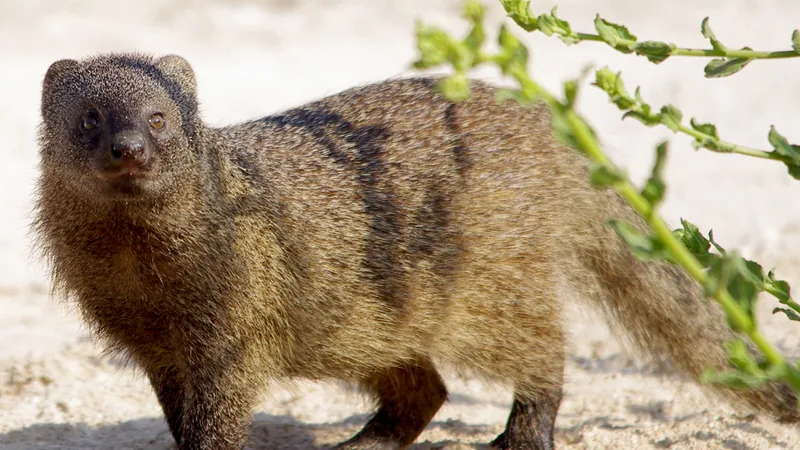
Egyptian Mongoose
A snake-killer that dodges the strike on reflex and carries a receptor that resists one of the nerve toxins in cobra venom.
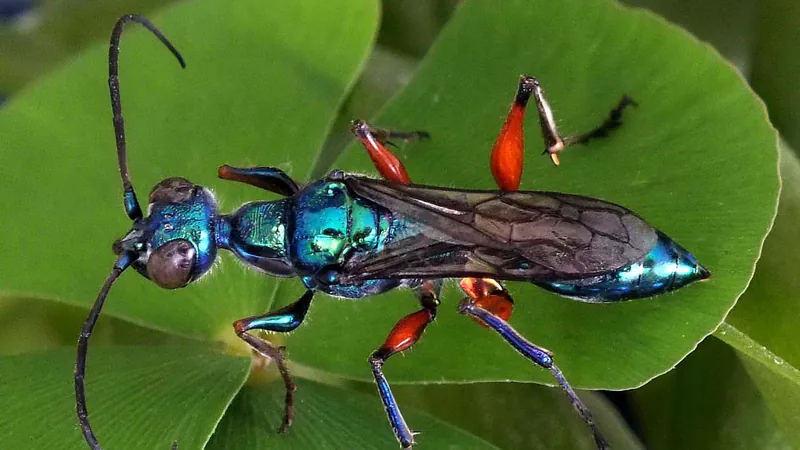
Emerald Cockroach Wasp
The wasp that stings a cockroach in the brain, then walks it by the antenna into a burrow where its larva eats it alive.
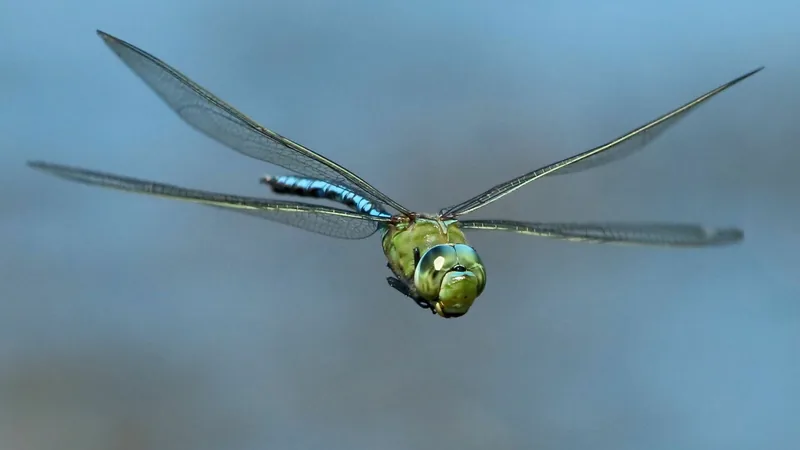
Emperor Dragonfly
A big dragonfly whose larva fires a hooked mouthpart at prey, too fast for a water flea to escape.
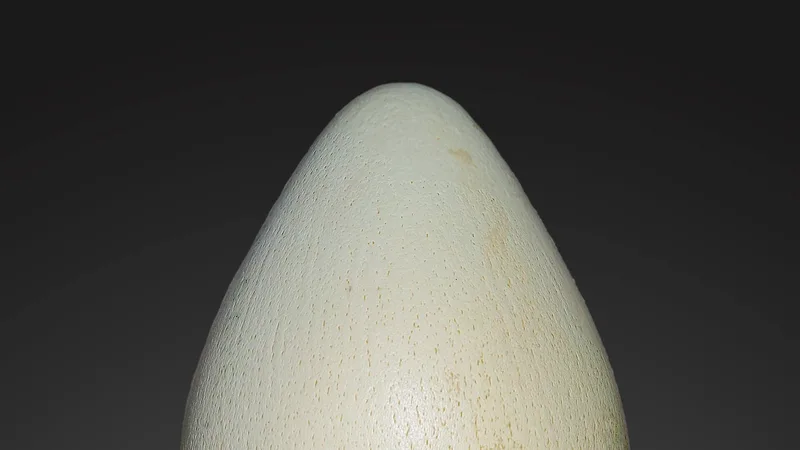
Emperor Penguin
Antarctic wind chills down to minus 60, dives past 500 meters, and months of fasting while the male alone incubates the egg.
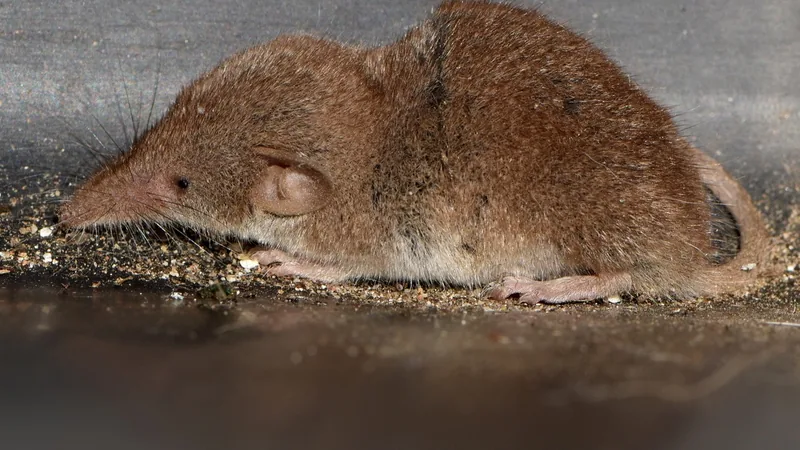
Etruscan Shrew
One of the smallest mammals alive, with a heart that has beaten 1,511 times in a minute.
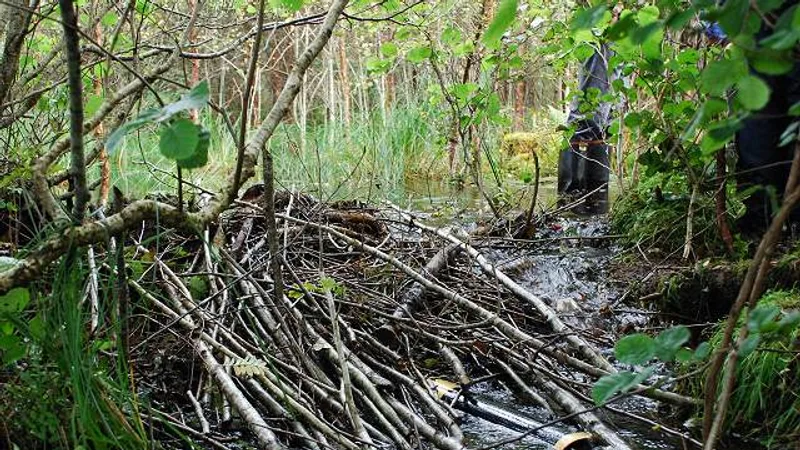
Eurasian Beaver
Europe's orange-toothed dam builder, hunted to near extinction, then counted at over 1.5 million across Europe by 2012.
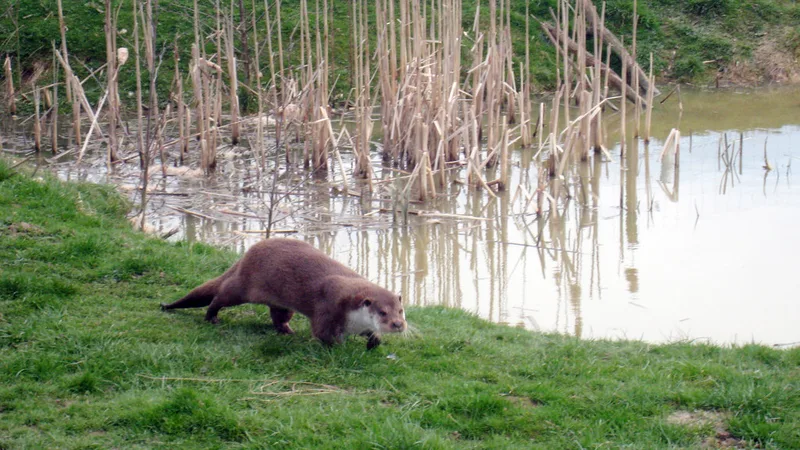
Eurasian Otter
Whiskers that sense a fish moving through the water, a scent-marked calling card called a spraint, and a river range that stretches from Britain to Japan.
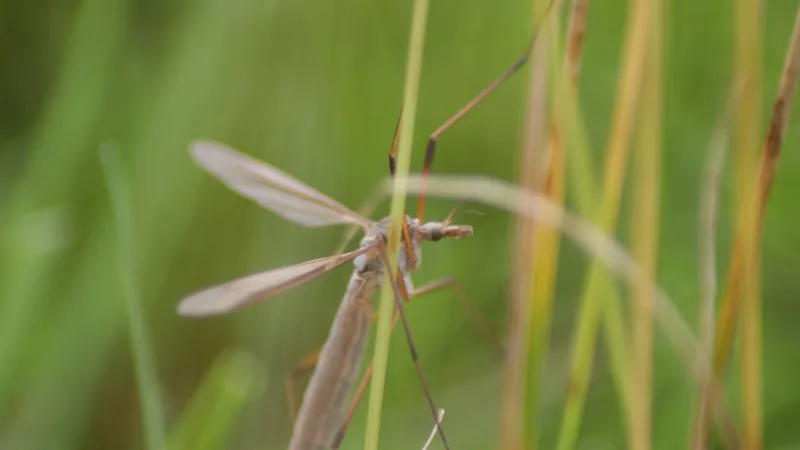
European Crane Fly
A gangly fly whose leather-skinned grubs mostly hide underground by day and feed at night.