Low
The overwhelming majority of life on Earth. Harmless to humans, and frequently far more interesting for it.

Aardvark
A night-shift digger with spade-like claws and a sticky tongue, built to mine ant and termite nests.

Adélie Penguin
The pebble-stealing penguin that fasts for weeks on end and steers across featureless ice by the sun.

African Lungfish
A fish that breathes air through two lungs and can live for over a year inside a cocoon of its own dried slime.

Alpaca
The smallest domestic camelid makes antibodies with no light chain and grows fiber much stronger than Merino wool.

Alpine Chamois
Mountain relative of goats and antelopes, with hooves that grip slippery rock and hook-tipped horns on females as well as males.

Alpine Marmot
A whistling mountain sentinel that slashes its metabolism to hibernate, then regrows its gut after it wakes.

American Cockroach
A cockroach that switches to running on four legs, and on two, at up to 50 body lengths per second.

American Crow
Learns a dangerous human face, and the scolding spreads from crow to crow.

American Lobster
A seafloor crustacean with a crusher claw and a ripper claw. Scientists believe some may live to be 100 years old.

American Mink
A fearless, semi-aquatic hunter that fur-farm escapes set loose in Europe and South America.

American Paddlefish
An ancient river giant that carries 50,000 to 70,000 electroreceptor organs, the largest number of any living vertebrate species.

American Pika
A rabbit relative that stacks hay in summer and can be killed by two hours above 28°C.

American Robin
A lawn hunter that weighs about as much as three AA batteries

Andean Cock-of-the-Rock
Peru's national bird: males court with synchronized moves and pig-like calls, and the female raises the chicks alone.
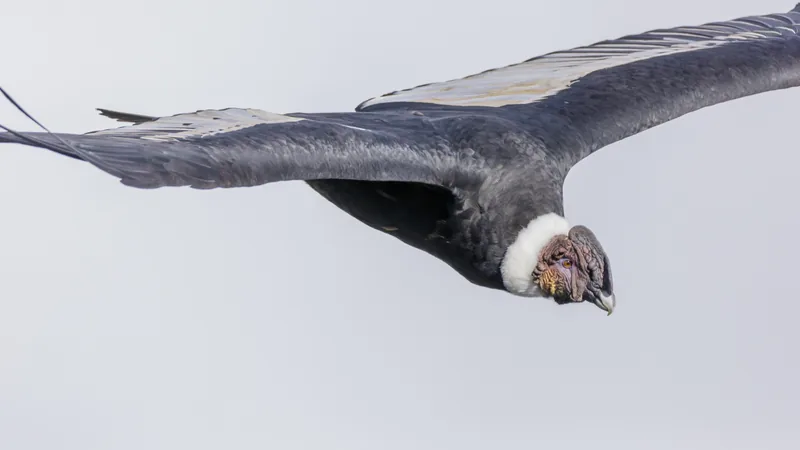
Andean Condor
The world's heaviest soaring bird: tracked condors flapped for just 1% of their flight time.

Antarctic Icefish
A Southern Ocean fish with no working red blood cells, whose nearly clear blood carries oxygen dissolved in plasma, along with its own antifreeze.
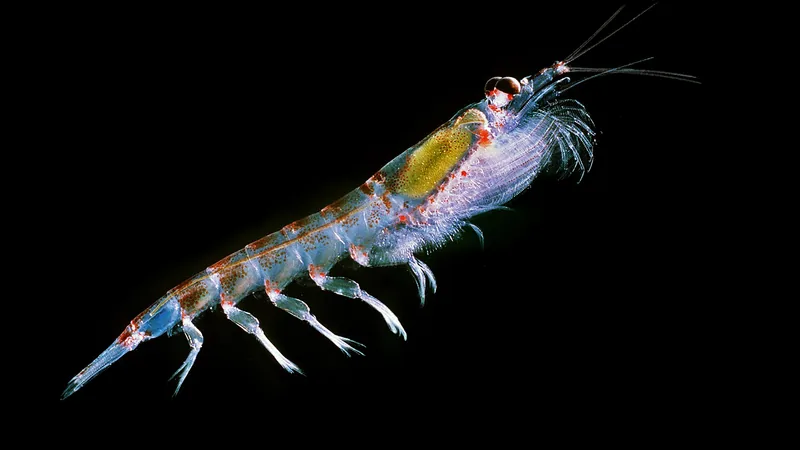
Antarctic Krill
A crustacean about 6 centimeters long, so abundant it can turn the sea reddish-brown, that most larger Antarctic animals depend on, directly or indirectly.

Antlion
Its larva jerks sand out of a pit with its head and, when hungry, sucks its prey very dry.
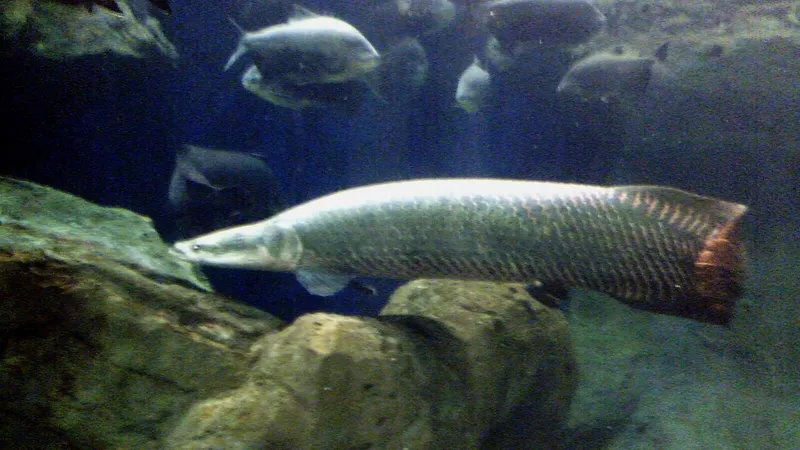
Arapaima
An Amazon giant that can reach three meters, breathes air through a lung-like swim bladder, and wears scale armor that resists piranhas.
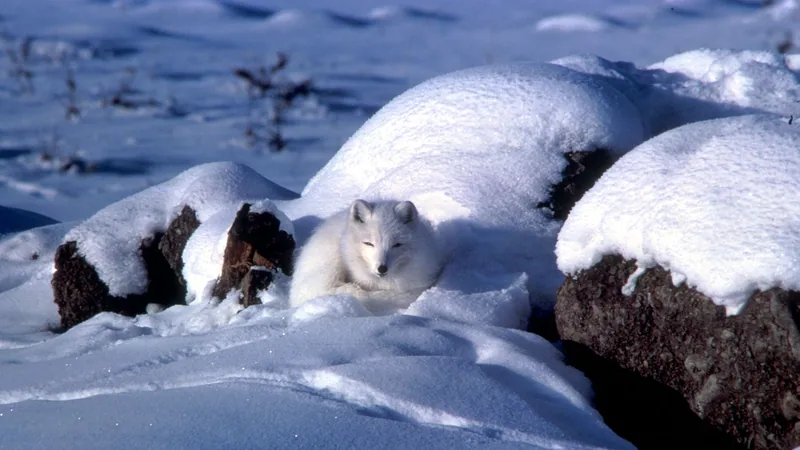
Arctic Fox
Feet kept just above the point where living tissue freezes, a coat color set by one gene, and satellite-tracked treks of up to 40 kilometers to hotspots on the sea ice.

Armadillo Girdled Lizard
Heavily armored Karoo lizard that bites its own tail and curls into a spiky ball when threatened.
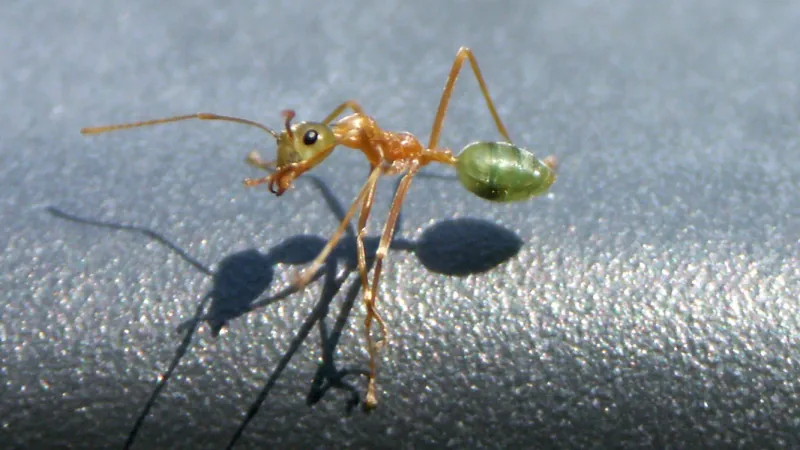
Asian Weaver Ant
Arboreal architects that pull leaves together, even forming living chains, then glue them with silk squeezed from their own larvae.
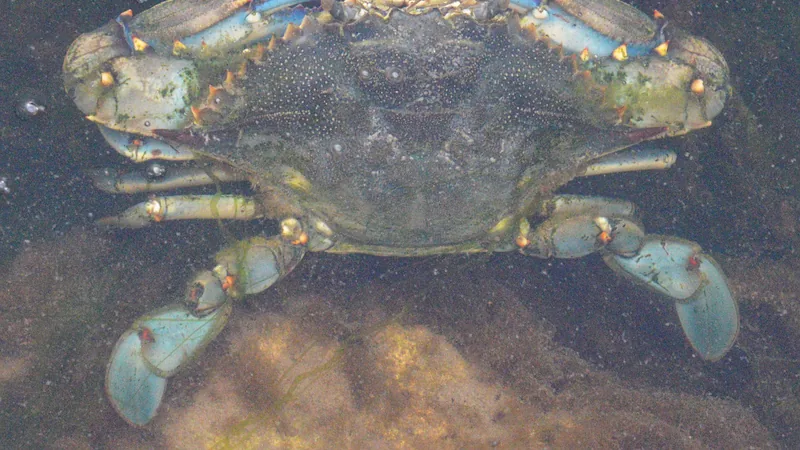
Atlantic Blue Crab
A paddle-legged swimmer with bright blue claws that sheds its hard shell as it grows.

Atlantic Bluefin Tuna
A tuna up to 13 feet long that dives past 1,000 meters and keeps a warm body.