Low
The overwhelming majority of life on Earth. Harmless to humans, and frequently far more interesting for it.
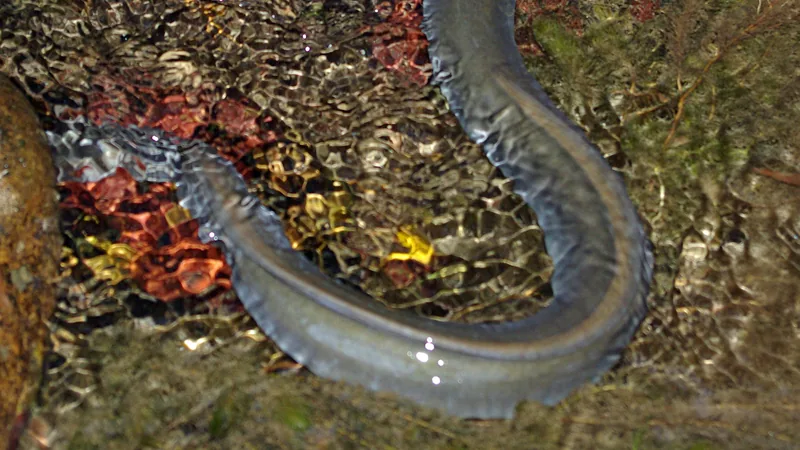
European Eel
A river fish thought to spawn only in the Sargasso Sea, after a 5,000 to 10,000 km migration, though its spawning has never been observed.
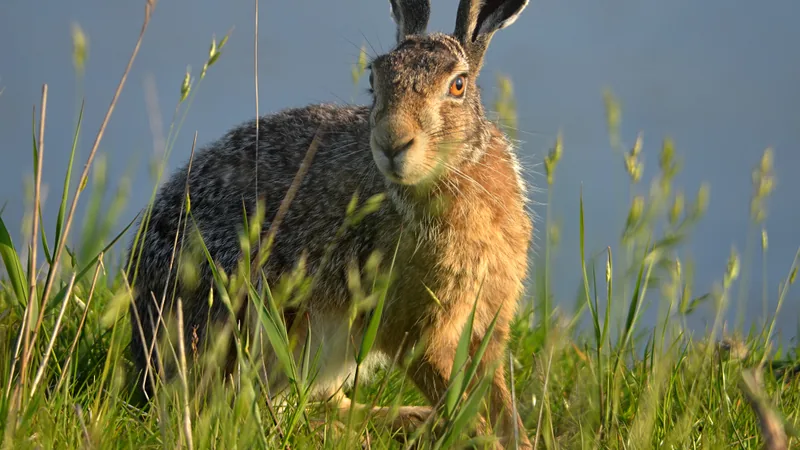
European Hare
Mom parks her furry newborns apart and makes the rounds to nurse them.
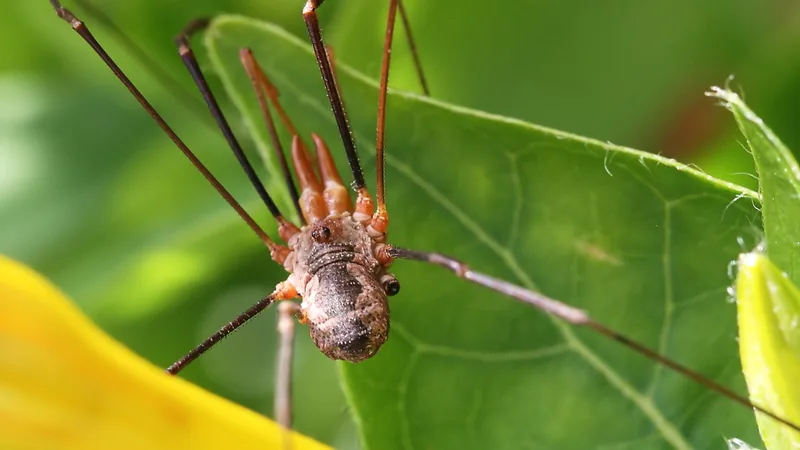
European Harvestman
Not a spider: a stilt-legged arachnid with a body roughly 3.5 to 9 millimeters long.
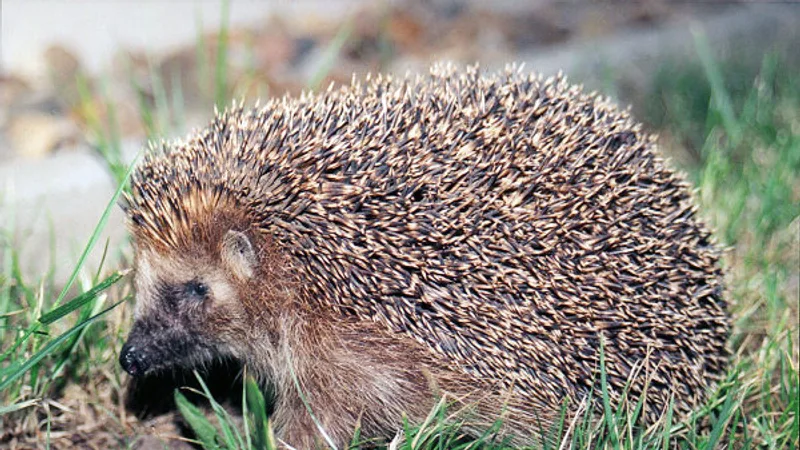
European Hedgehog
Around six thousand keratin spines, a back muscle that lets them all stand on end at once, and 1 to 2 km of travel a night.
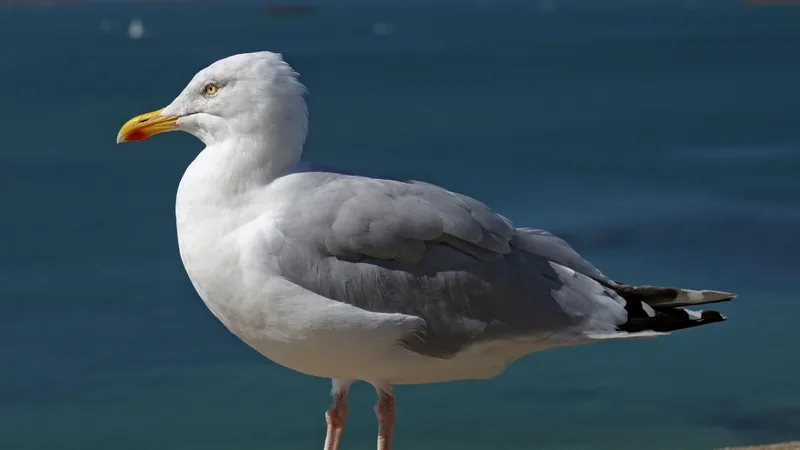
European Herring Gull
A large, pink-legged gull that paddles its feet on the ground to bring worms up, and now nests on rooftops as well as cliffs.
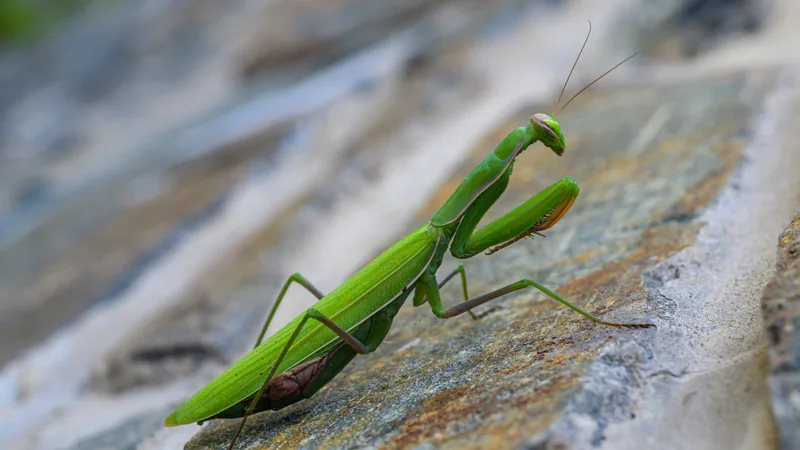
European Mantis
A mantis that hears with a single ear on its underside, tuned to ultrasound.
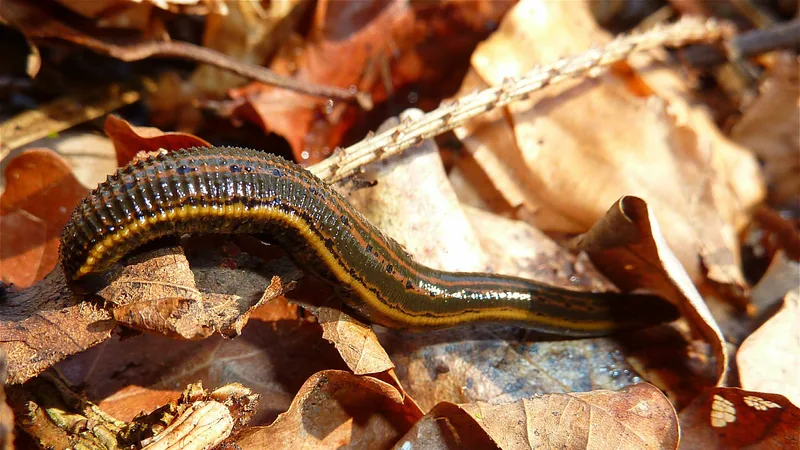
European Medicinal Leech
A three-jawed pond blood-drinker that can go 12 to 18 months between meals and was overharvested for medicine.
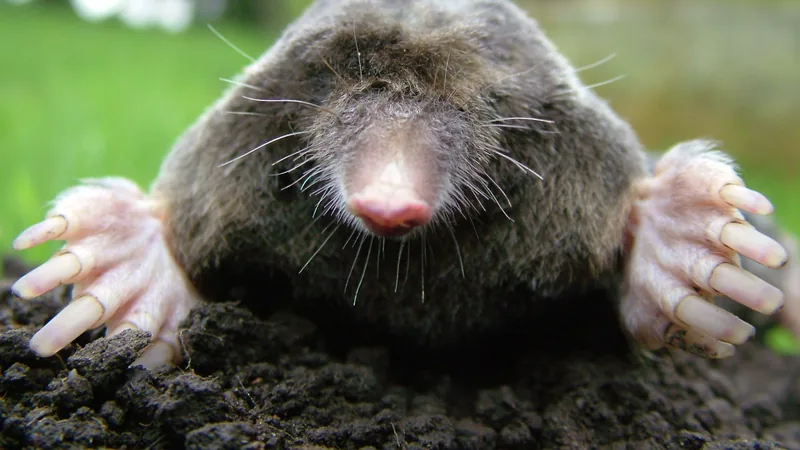
European Mole
A velvety black digger that lives underground, in tunnel networks that can run hundreds of metres.

European Polecat
A masked mustelid that releases a strong-smelling secretion when threatened, grips so tenaciously it can be lifted by whatever is in its teeth, and seems held back from northern Sweden by snow.
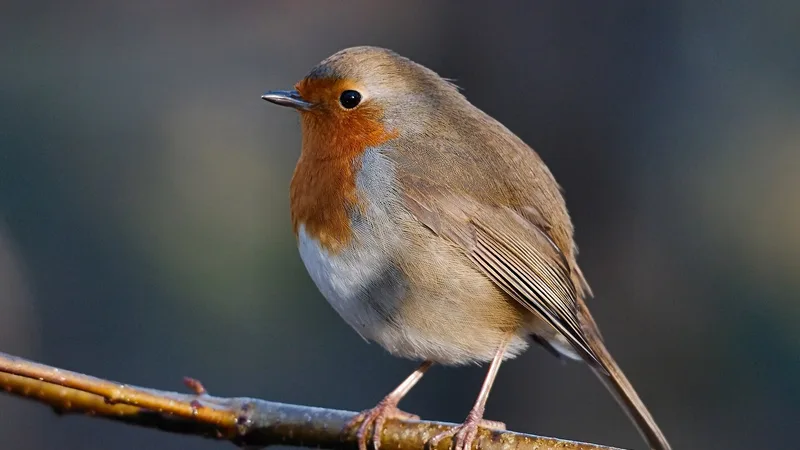
European Robin
Gardener's shadow, ferociously territorial songster, and the bird that became the Victorian icon of Christmas.
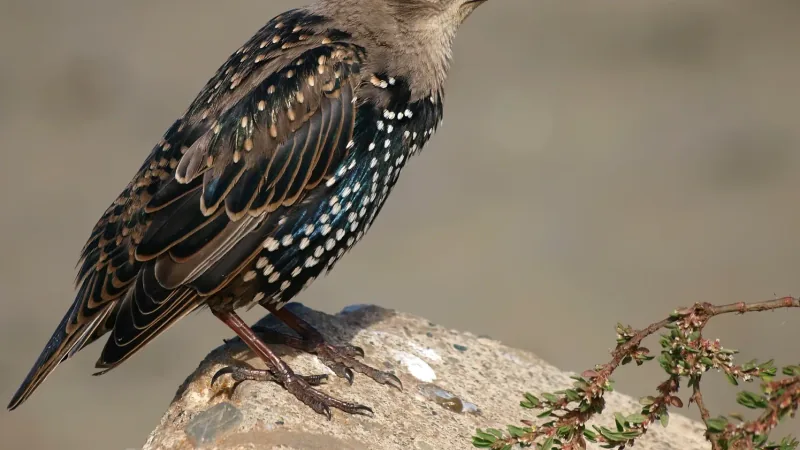
European Starling
The iridescent mimic whose larger British winter roosts can top a million birds, and whose flocks can burst into a "flash expansion" after a falcon attacks.
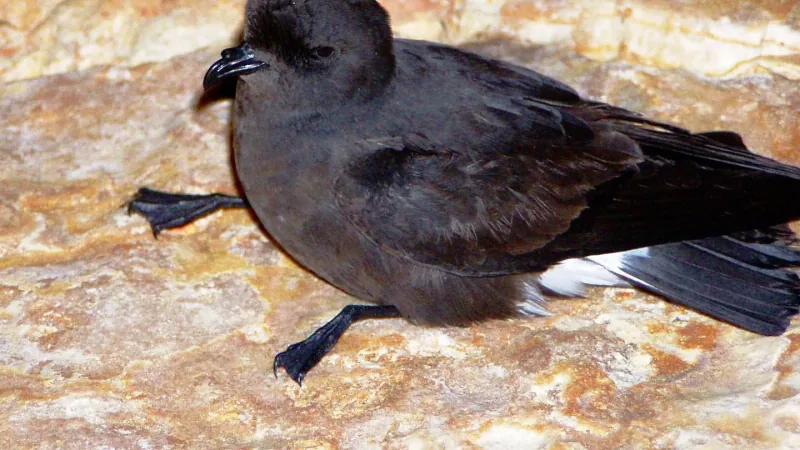
European Storm Petrel
The Atlantic's smallest seabird, weighing about 25 grams but migrating from the north-east Atlantic to winter off southern Africa.
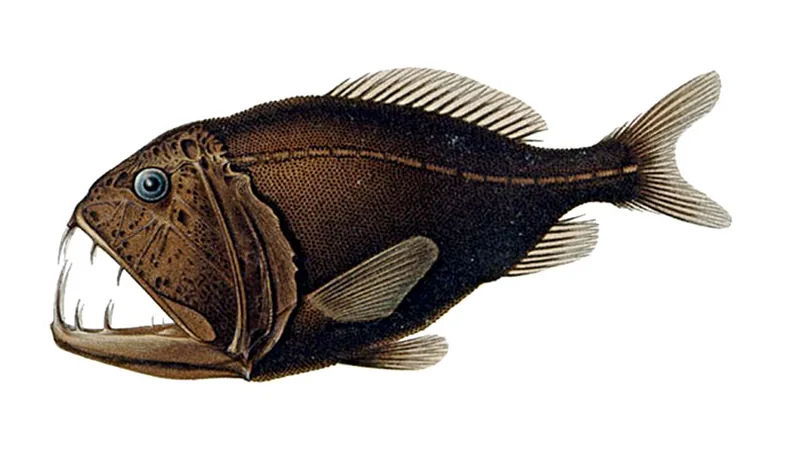
Fangtooth
The bathypelagic hunter reported to have the largest teeth of any marine fish for its head size, fangs so long an adult cannot fully close its mouth.
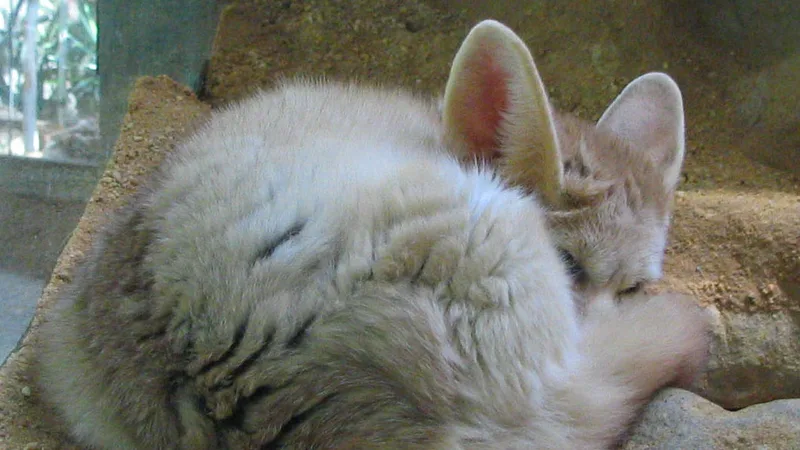
Fennec Fox
The largest ears of any canid for its size, used to shed desert heat and track down prey under the sand.
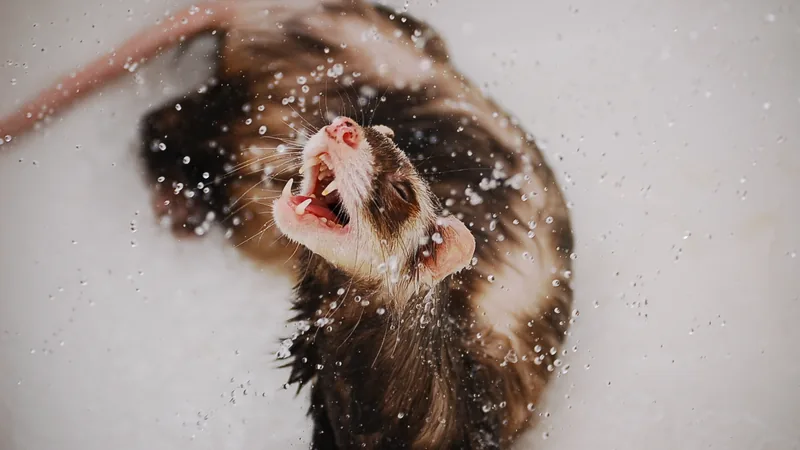
Ferret
A domesticated weasel relative that spends over 60% of its time asleep in the lab.

Fire Salamander
Black-and-yellow woodland amphibian whose glands behind the eyes secrete toxic alkaloids it can spray at attackers.
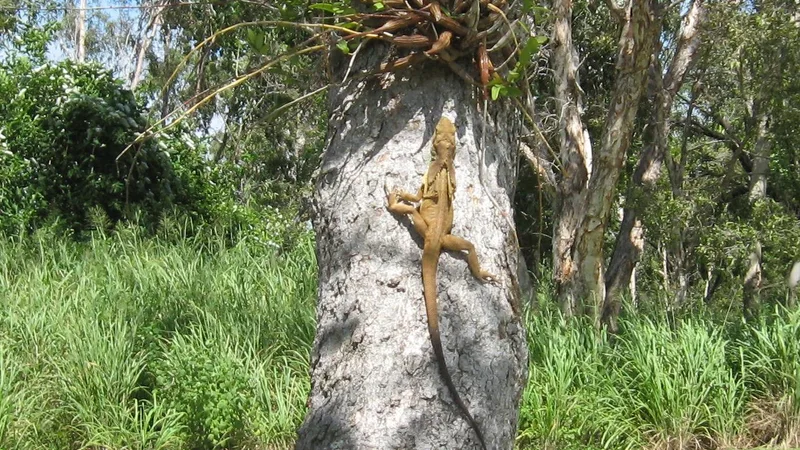
Frilled Lizard
Australian dragon lizard that flares a bone-and-cartilage neck frill to startle predators, and if the bluff fails, runs off on its hind legs.
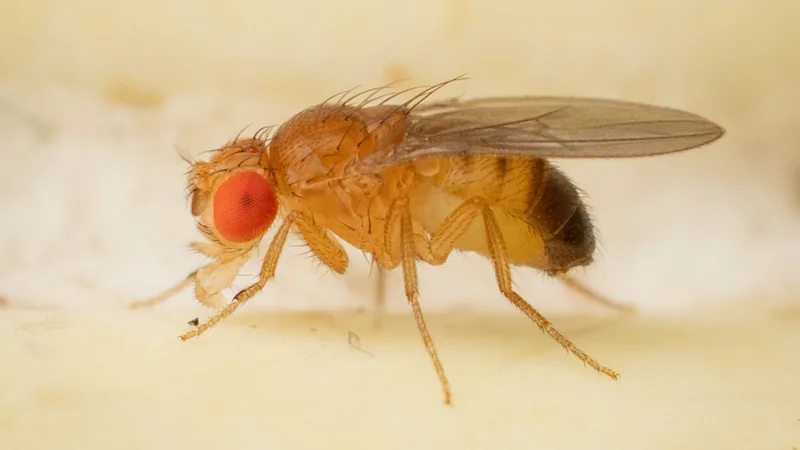
Fruit Fly
A 3-millimetre fly that lives on rotting fruit and has been central to major breakthroughs in genetics.
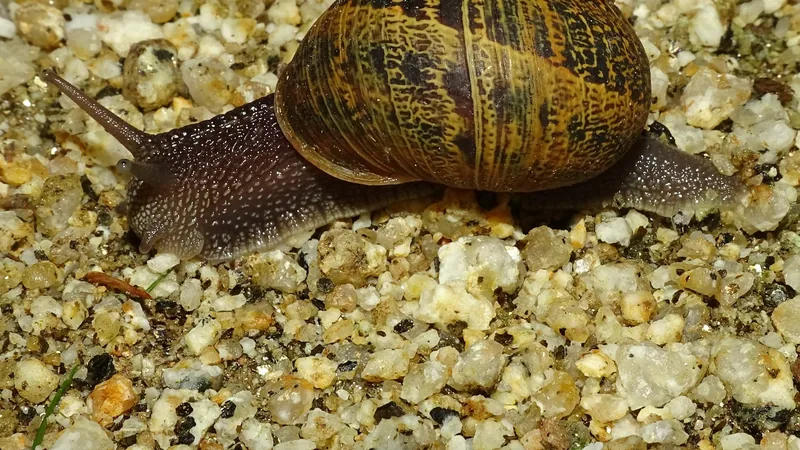
Garden Snail
A night-feeding garden snail that seals itself shut to wait out hot, dry weather.
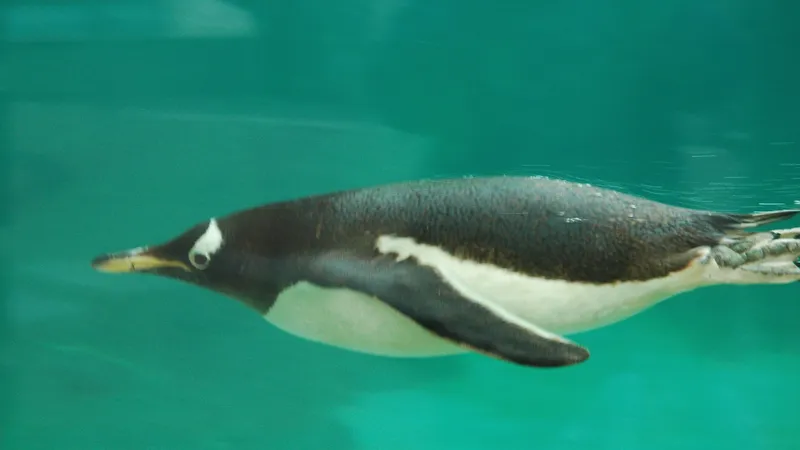
Gentoo Penguin
A penguin whose tracked deep dives averaged 80 metres, whose nest can hold over 1,700 pebbles, and which one 2020 study proposes splitting into four species.
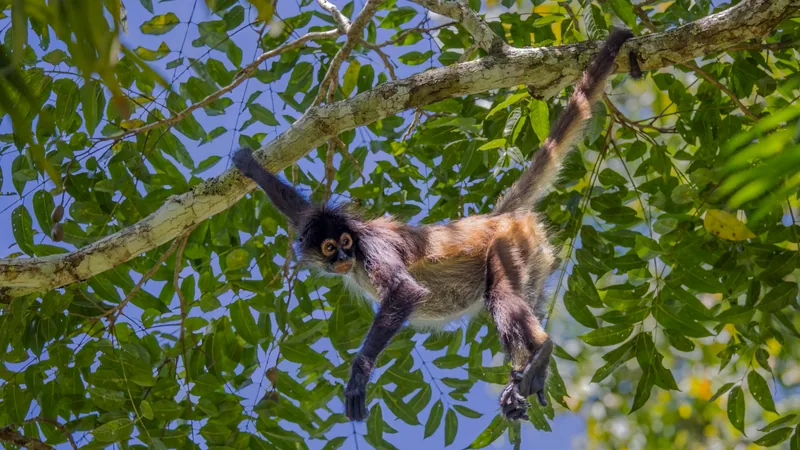
Geoffroy's Spider Monkey
The monkey whose tail works as a fifth limb.
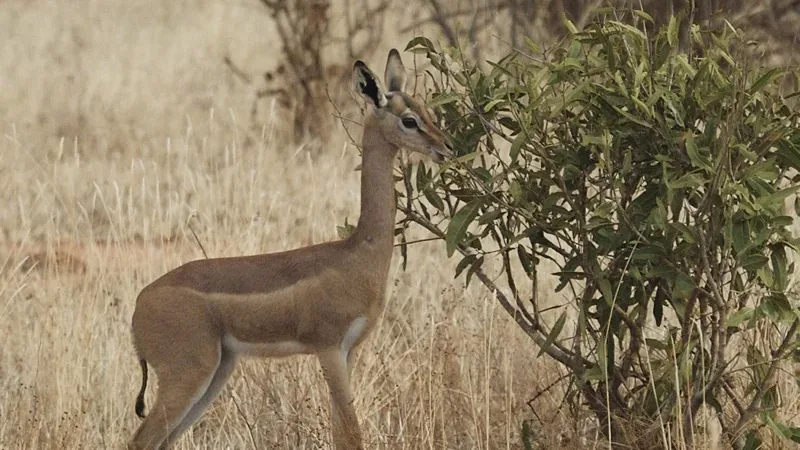
Gerenuk
A bipedal antelope of Africa's dry thornbush that rears onto its hind legs to reach leaves other antelope can't, and does not drink standing water, relying instead on the succulent plants it eats.
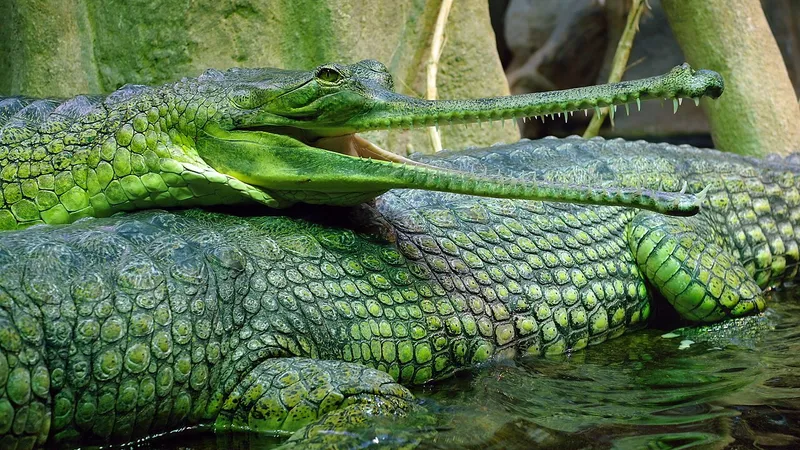
Gharial
The narrow-snouted river crocodilian with up to 110 razor-sharp teeth, whose males grow a bulbous nasal resonator that buzzes as they exhale.
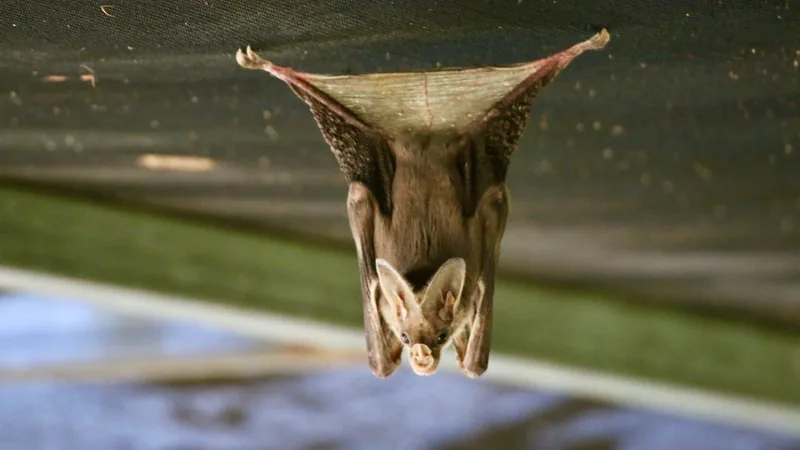
Ghost Bat
Australia's only carnivorous bat, a night hunter that eats even the bones, teeth and fur of its prey.