Least Concern (LC)
Widespread and stable, for now. Being common is not the same as being safe, and several of these were assessed decades ago.
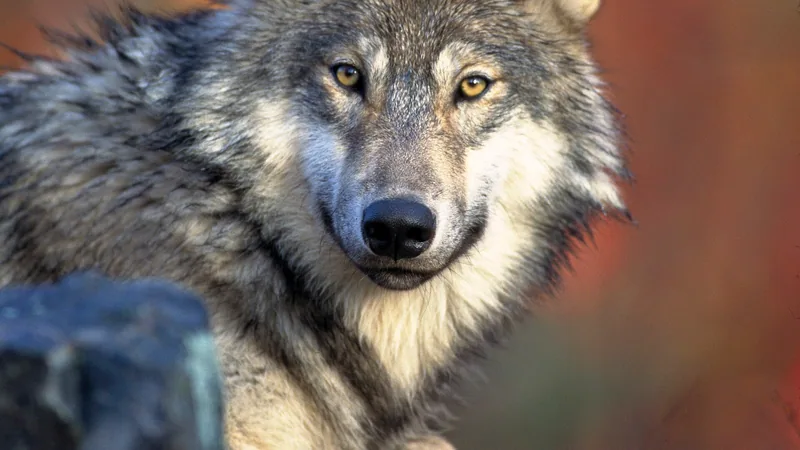
Gray Wolf
A keystone predator whose packs hunt down elk and moose, and whose howl can carry up to ten miles across Arctic tundra to pull the pack back together.
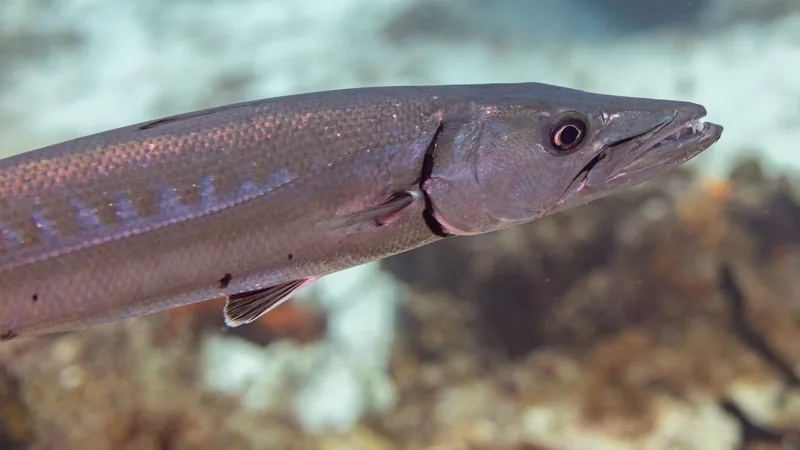
Great Barracuda
A long, tube-shaped hunter with two sets of razor-sharp teeth that chops big fish in half.
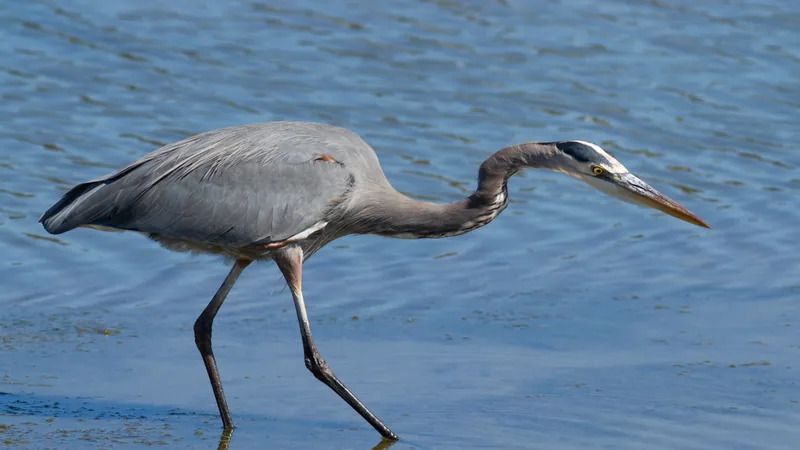
Great Blue Heron
Waits in shallow water, then strikes with a rapid thrust of the bill
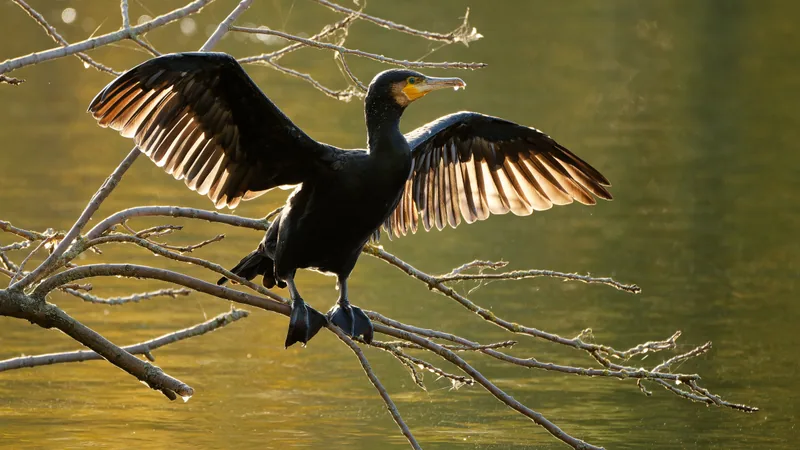
Great Cormorant
A fish-chasing diver with wettable feathers, which has to hang out its wings to dry.
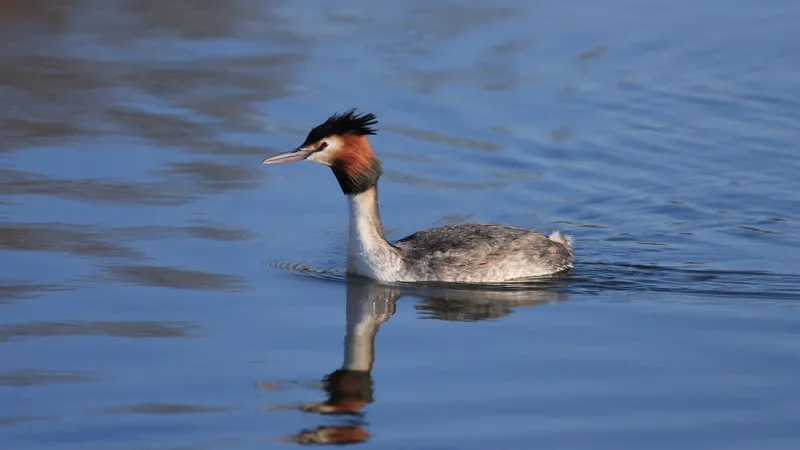
Great Crested Grebe
The diving bird whose courtship runs from paired head-shaking to a breast-to-breast 'Penguin-dance,' and whose chicks ride on their parents' backs.
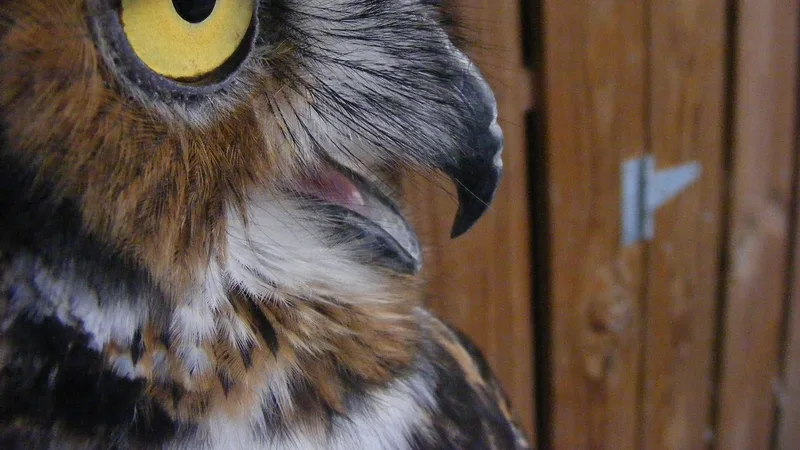
Great Horned Owl
Feathered horn tufts, tiger of the air, and nocturnal forest ambush conqueror.
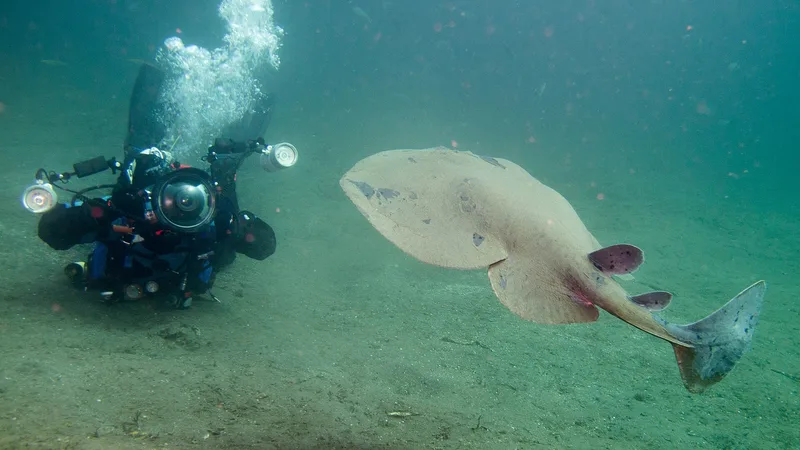
Great Torpedo Ray
170-to-220-volt shocks from a honeycomb of barely visible electric organs, and jaws that stretch to swallow surprisingly big fish.
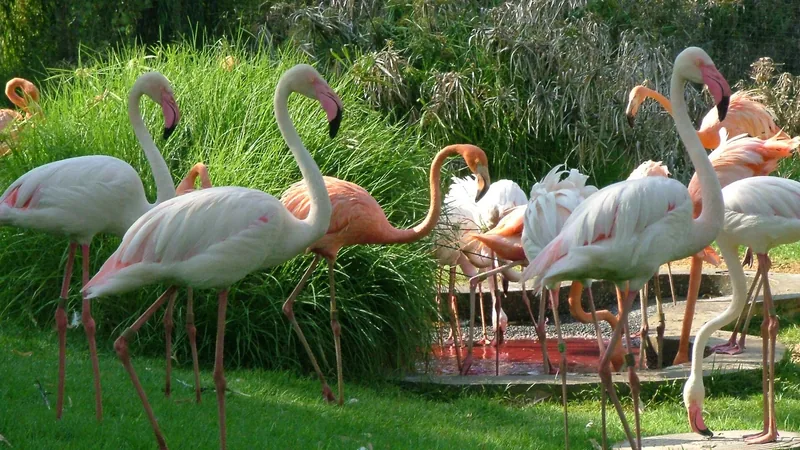
Greater Flamingo
Pink from pigments in its food, a filter-feeding bill that works upside down, and a one-legged stance scientists aren't sure about.
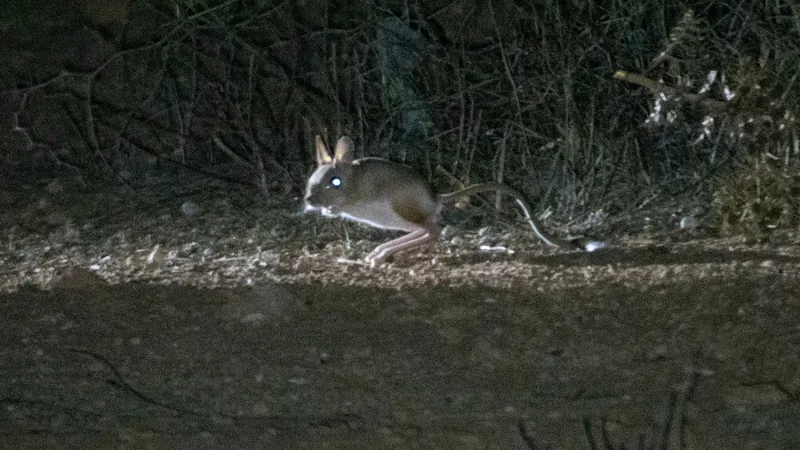
Greater Jerboa
The desert rodent that flees predators in leaps measured at up to 3 meters long, on hind legs about four times the length of its front ones.
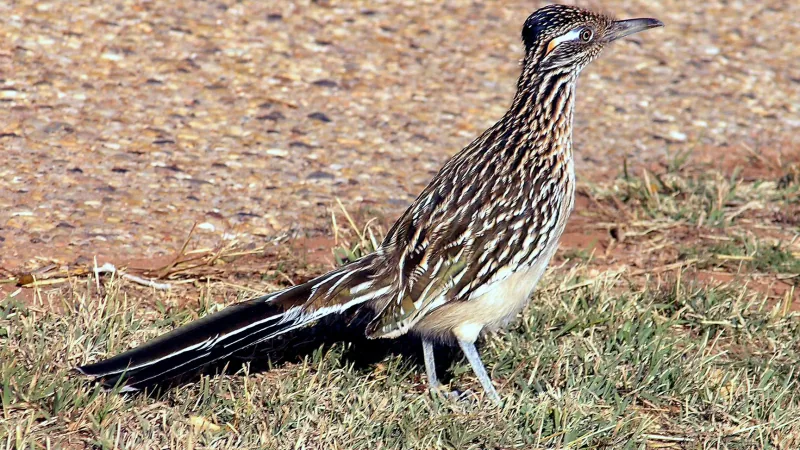
Greater Roadrunner
Ground-running desert cuckoo that hits up to 20 miles per hour, smashes prey against rocks, and warms up by sunbathing the black skin on its back.
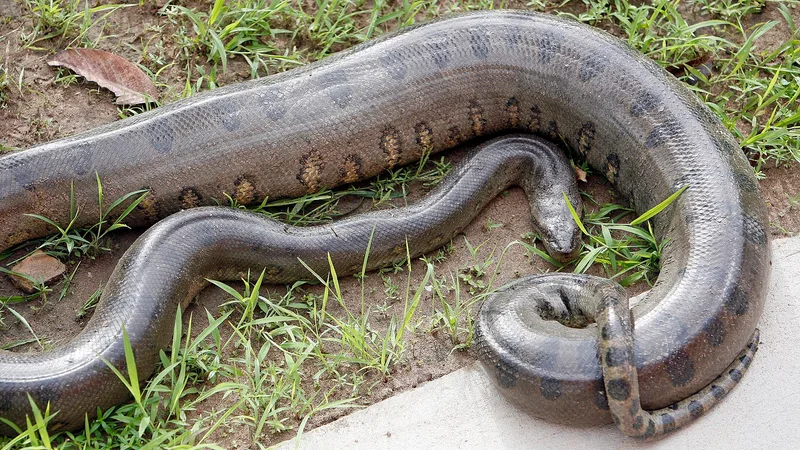
Green Anaconda
Up to 550 pounds of camouflaged ambush predator, with eyes and nostrils on top of its head, that kills with suffocating coils.
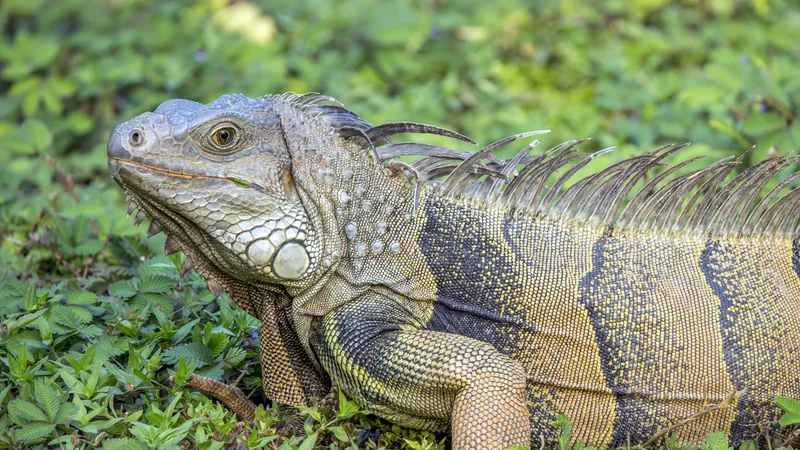
Green Iguana
A tree-top lizard with a light sensor on top of its skull that meters the sun and spots predator shadows from above.
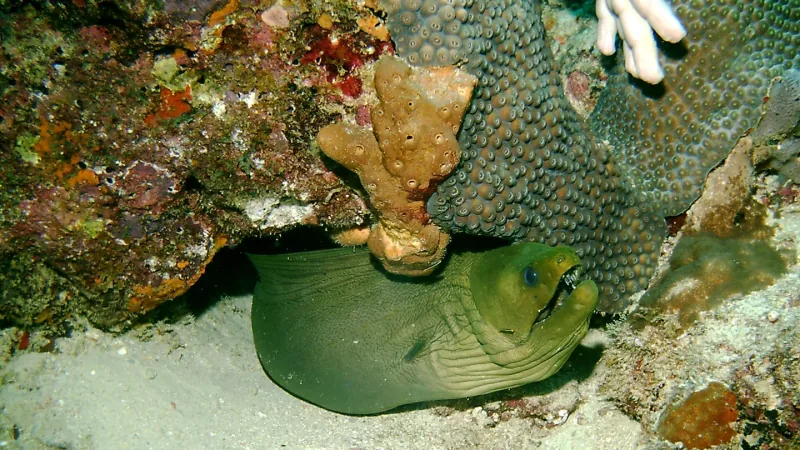
Green Moray Eel
The reef predator that lies in wait in rock crevices, wearing a thick yellow mucus that turns its dark skin green and protects it from parasites and disease.
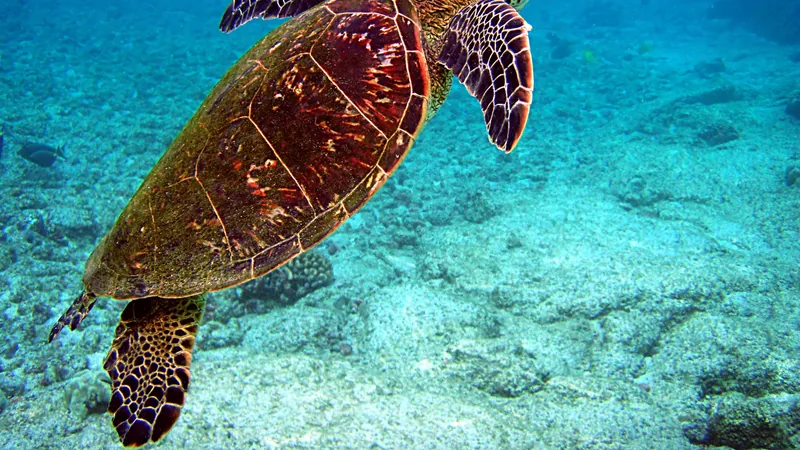
Green Sea Turtle
The only sea turtle that is mainly a plant-eater, with a map in its head that is at least partly magnetic.
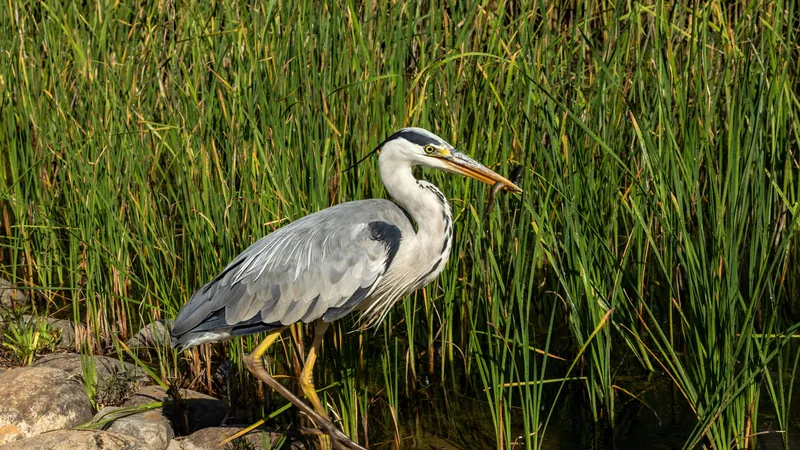
Grey Heron
A fish-eater that usually hunts by standing still, then generally swallows its catch whole.

Grizzly Bear
The most distinctive shoulder hump of any brown bear, claws built for digging, and a fall feeding binge of about 20,000 calories a day.
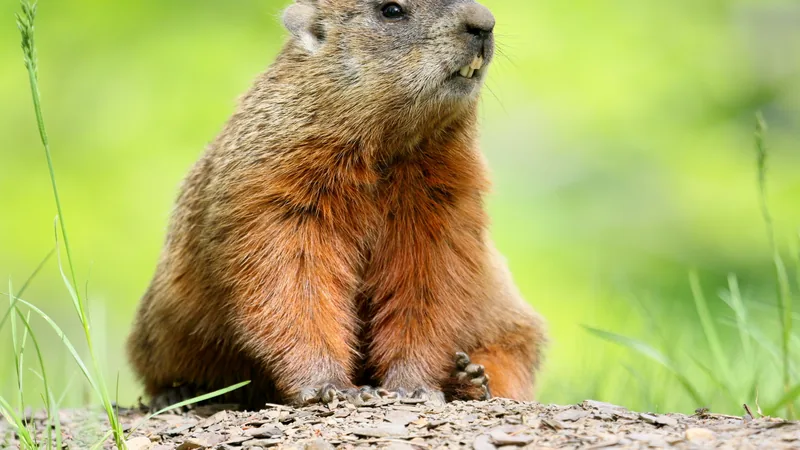
Groundhog
The largest marmot in its range, a tunnelling rodent that sleeps through the winter and warns its neighbours with a shrill whistle.
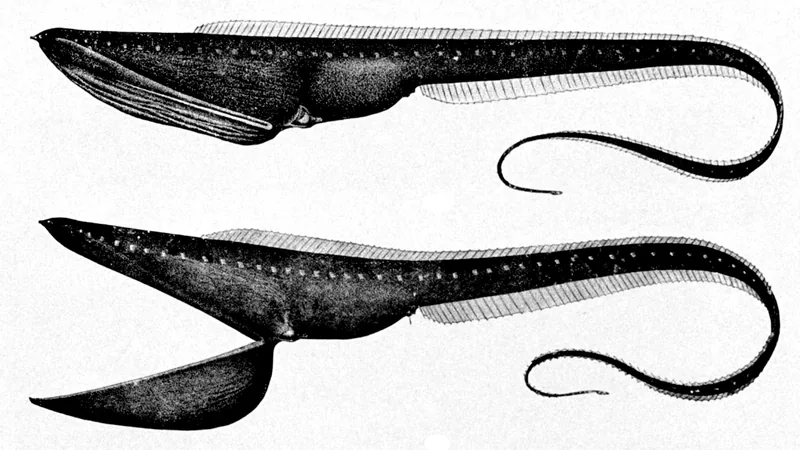
Gulper Eel (Pelican Eel)
A huge gape, a mouth that first unfolds and then inflates, and a glowing tail tip.
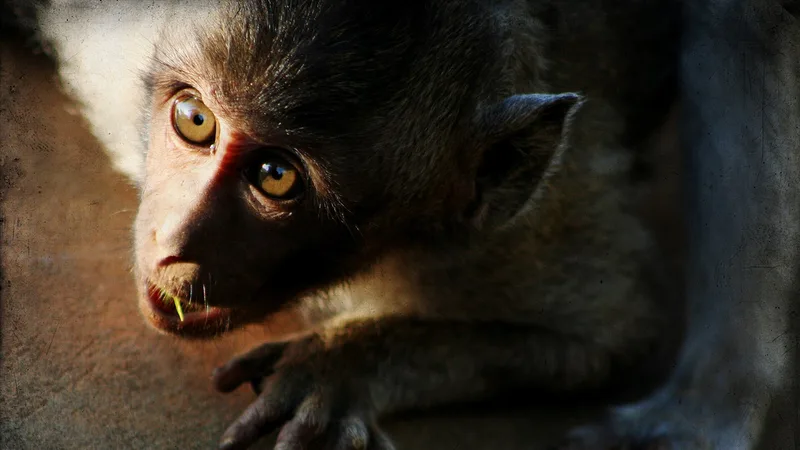
Hamadryas Baboon
Silver-maned sacred baboon of ancient Egypt, living in harems that stack into clans, bands and troops hundreds strong.
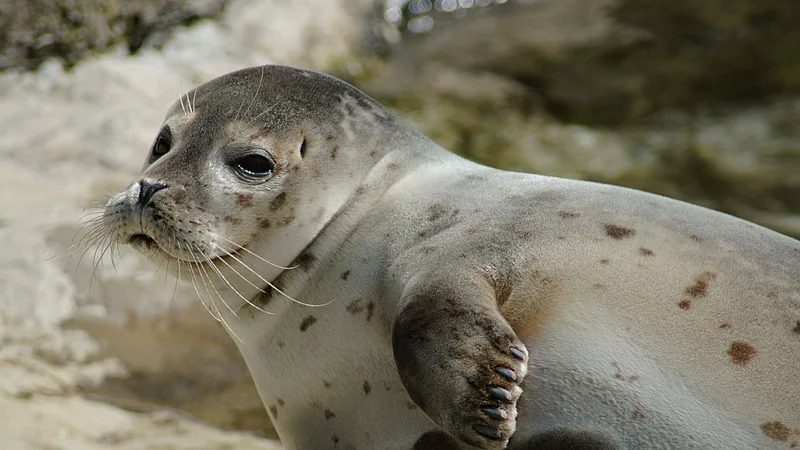
Harbor Seal
Whiskers that detect a swimming fish's wake, a heart rate that can drop to three or four beats a minute on a dive, and the widest range of any seal on Earth.
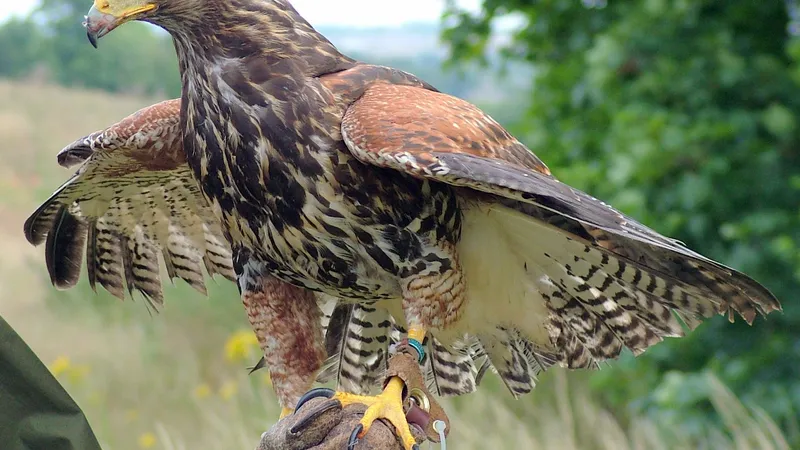
Harris's Hawk
The desert wolf of the sky that hunts in cooperative, matriarchal tactical family packs.
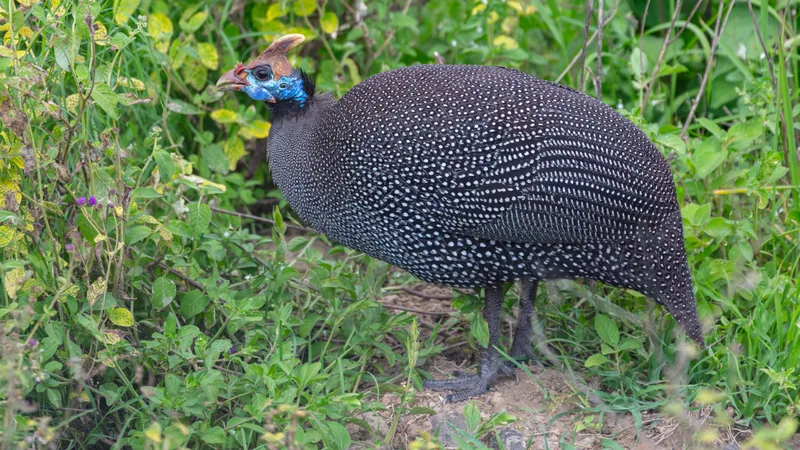
Helmeted Guineafowl
A speckled ground bird with a bony helmet and a very loud alarm call, and a knack for staying upright when the ground drops away.
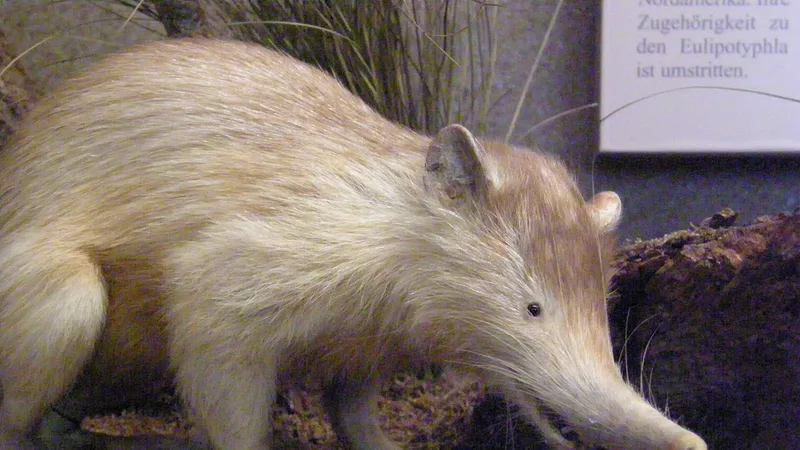
Hispaniolan Solenodon
An ancient island insectivore whose venom, lab tests suggest, lowers blood pressure but fails to paralyse invertebrates.
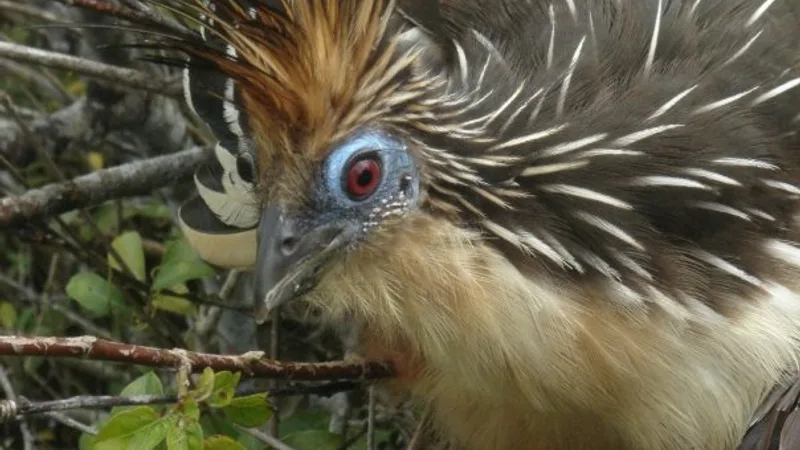
Hoatzin (Stinkbird)
A cow-style fermenting crop, wing-clawed chicks that swim from danger, and a place on the bird family tree debated since it was described in 1776.
Conservation categories are from the IUCN Red List of Threatened Species. AnimalTracks is independent of IUCN.