Least Concern (LC)
Widespread and stable, for now. Being common is not the same as being safe, and several of these were assessed decades ago.
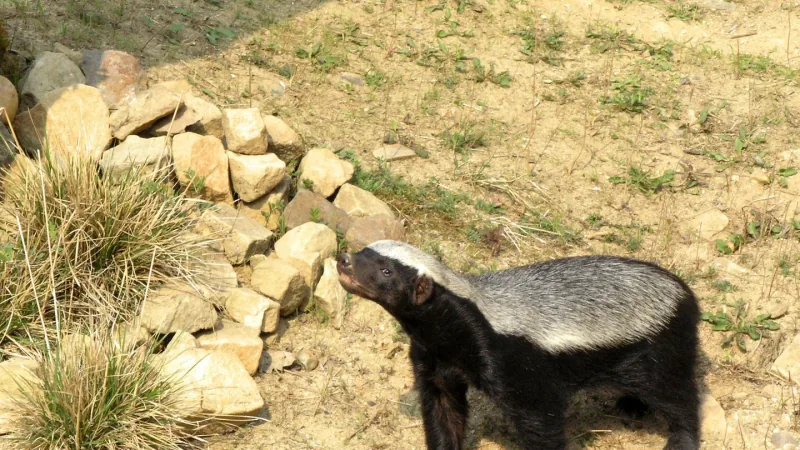
Honey Badger
A roughly 9 kg mustelid with loose skin, a muscle receptor that impedes snake toxin binding, and cobras among its prey.
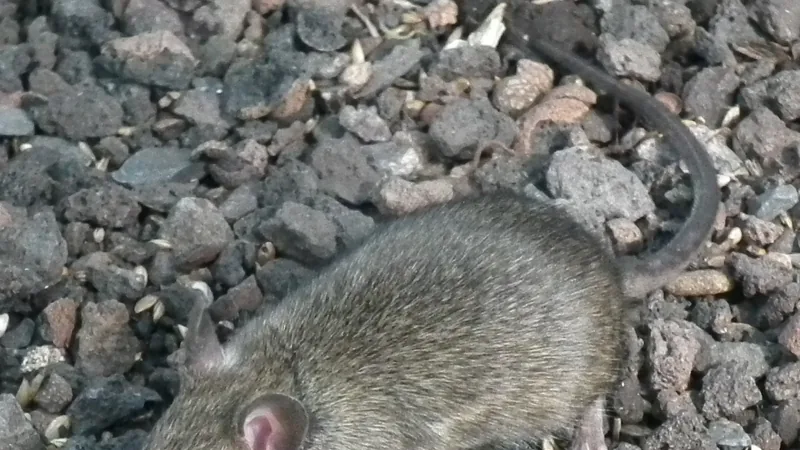
House Mouse
A 12 to 30 gram squatter whose love songs are too high for human ears.
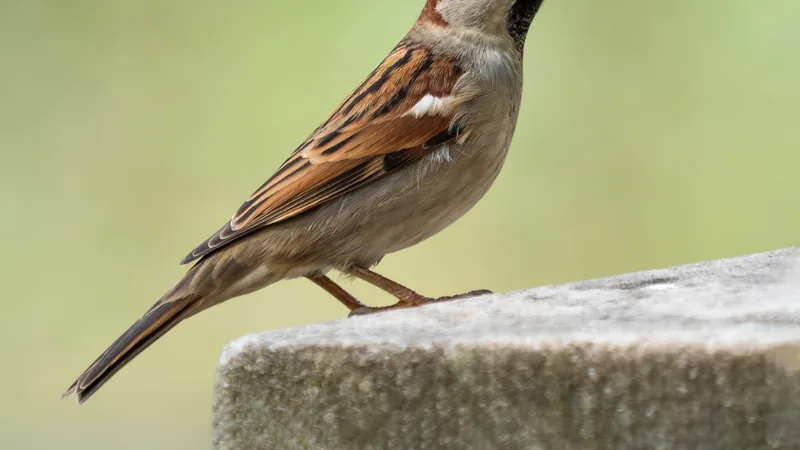
House Sparrow
A plain brown bird that developed regional differences in color and size in North America.
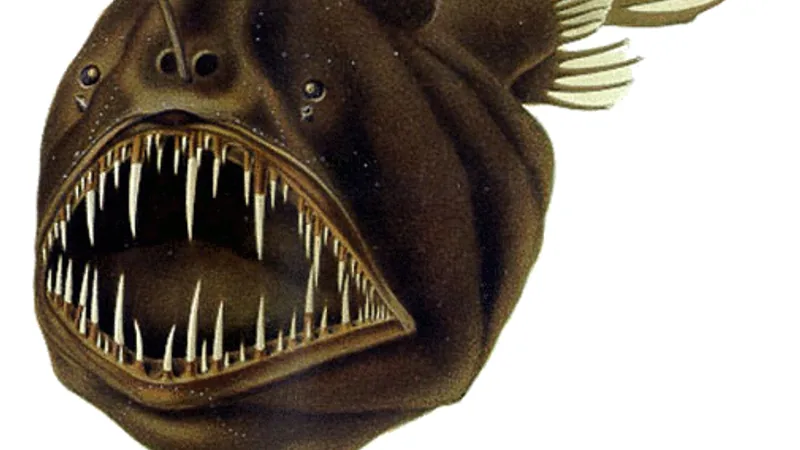
Humpback Anglerfish
The female wears a lure on her snout and can swallow a fish longer than herself.
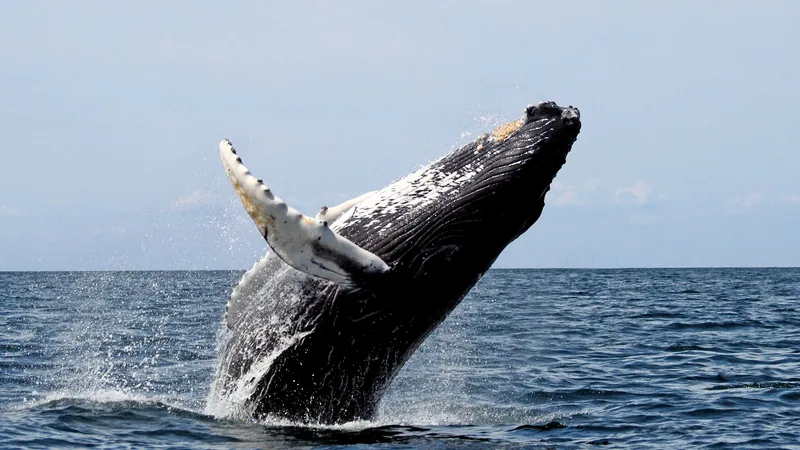
Humpback Whale
The bubble-ring hunter whose songs ripple from one population to the next.
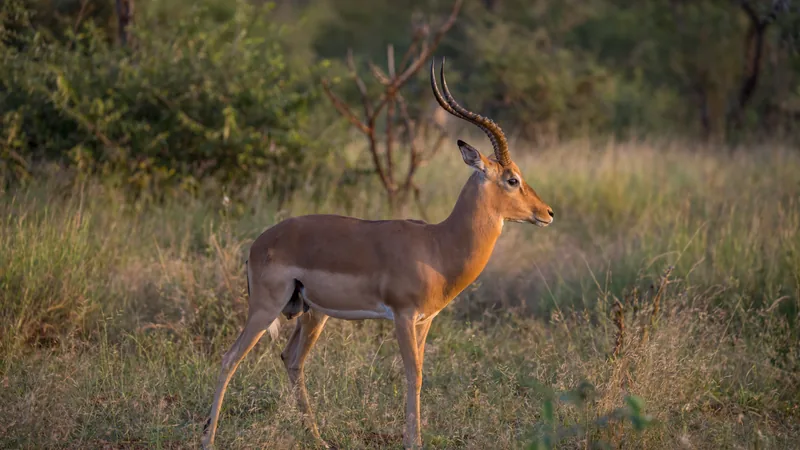
Impala
An antelope whose leaps often carry it over bushes and even other impala, with scent glands under black hair on its hind feet.
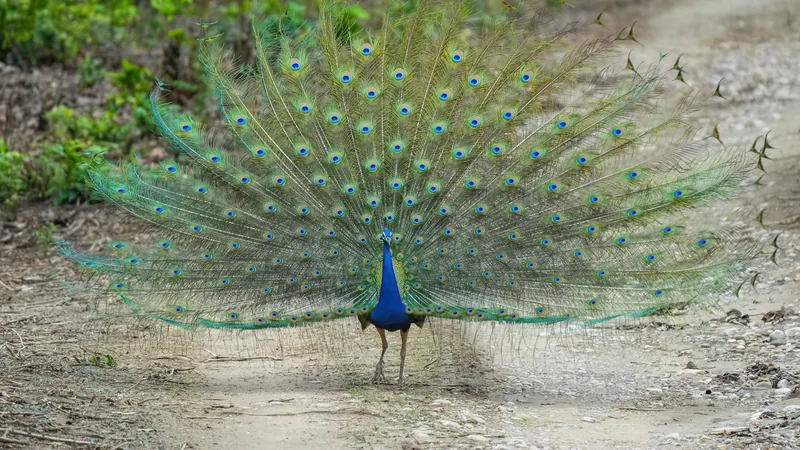
Indian Peafowl
Iridescent member of the pheasant family whose feathers get their color from a two-dimensional photonic crystal, and whose train rattles out a broadband, pulsating sound.
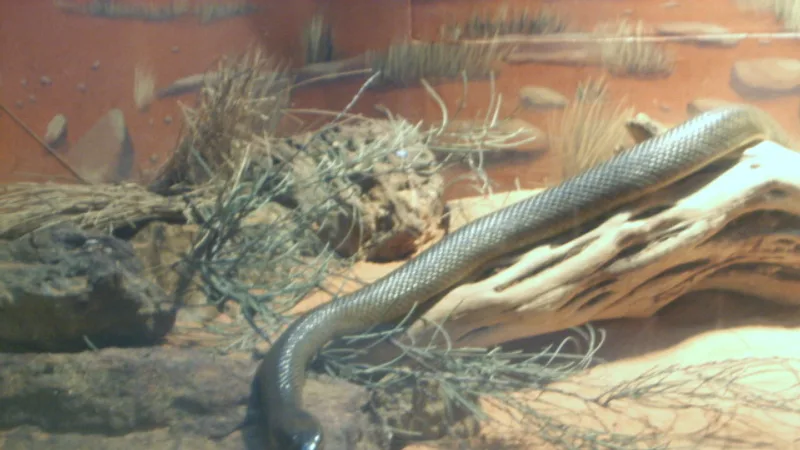
Inland Taipan
Rated the most toxic venom of any snake in lab tests on mice, carried by a shy snake whose handful of known bite victims all survived.
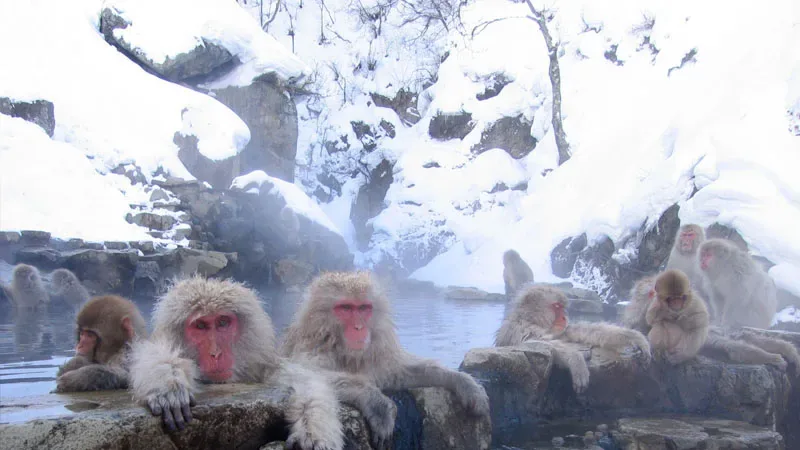
Japanese Macaque
The world's northernmost wild monkey, meeting -20°C mountain winters with long fur, huddles and, in one valley, a hot-spring soak that may help keep it warm.
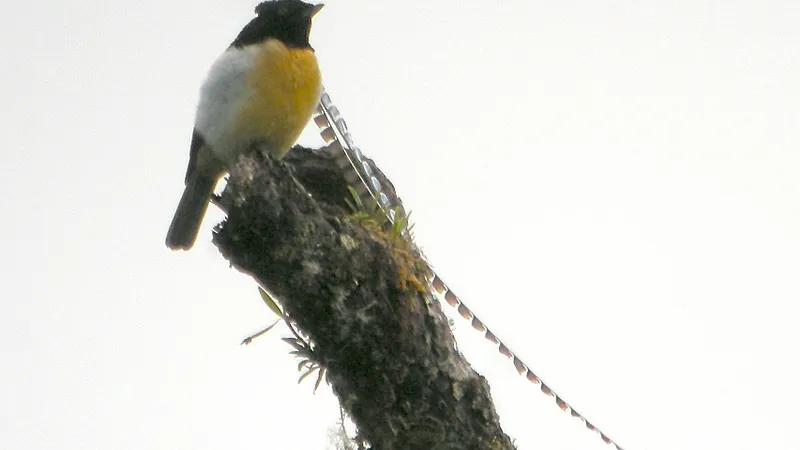
King of Saxony Bird-of-Paradise
A male's twin head plumes run twice his body length, worked by muscles housed in hollows of his skull, and his courtship song has been likened to radio static.
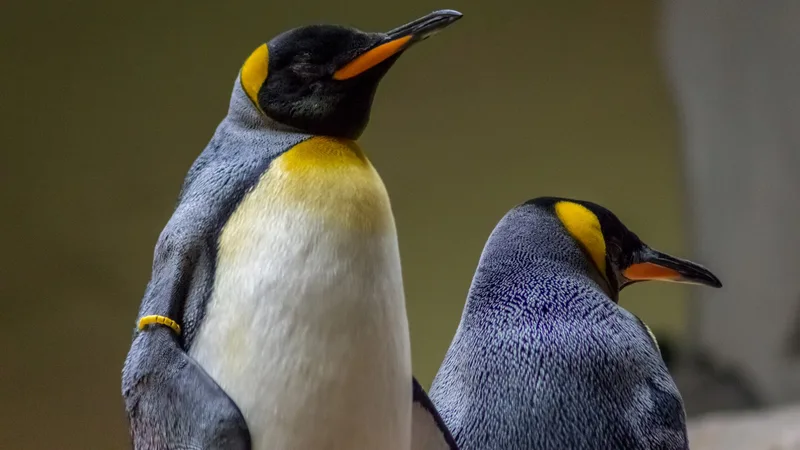
King Penguin
Sub-Antarctic penguin with an orange neck patch reaching its upper breast, second largest of all penguins, and a deep diver: tracked birds have gone past 240 meters.
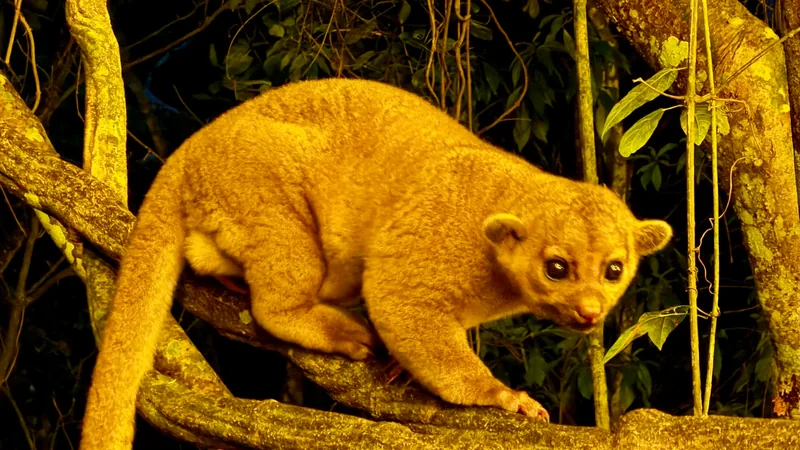
Kinkajou
A nocturnal canopy climber that twists 180 degrees between pelvis and head, can hang by its tail and reaches nectar with a 13 cm tongue.
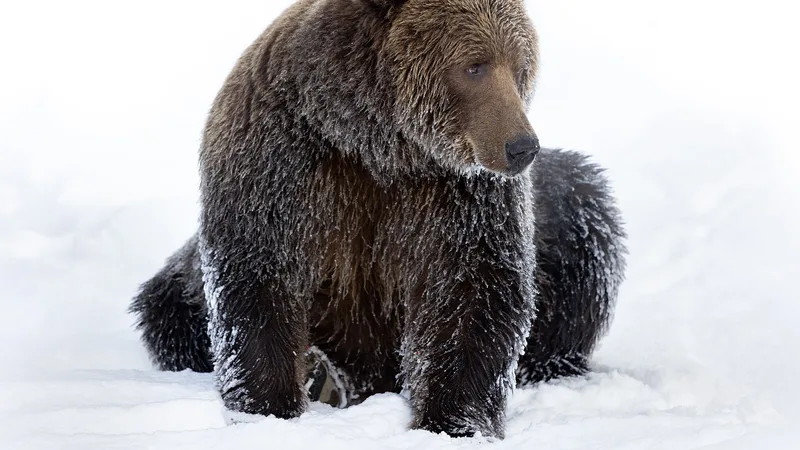
Kodiak Bear
Isolated on one Alaskan island chain for about twelve thousand years, with adult males weighing 600 to 1,400 pounds and standing up to ten feet on their hind legs.
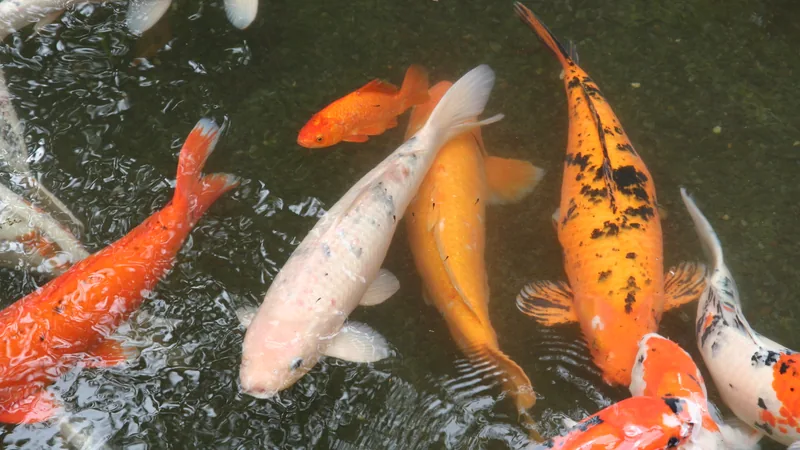
Koi
A pet carp bred into over 100 colour varieties that, in one study, sought out a human hand.
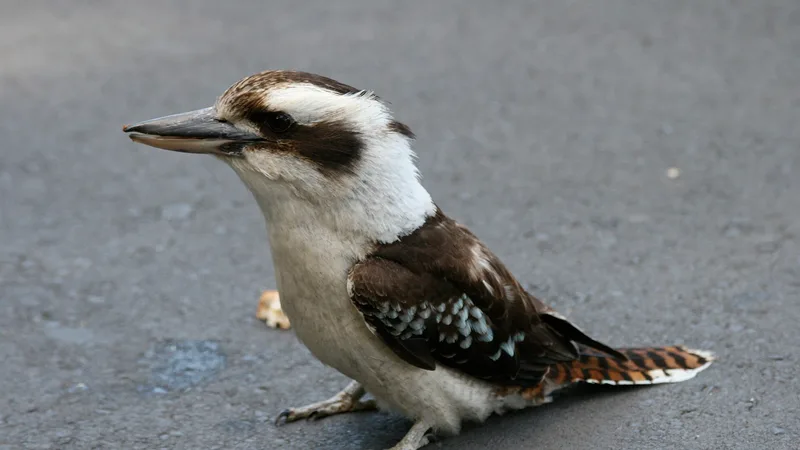
Laughing Kookaburra
World's largest kingfisher, the bush's dawn alarm clock, and a snake-smashing hunter.
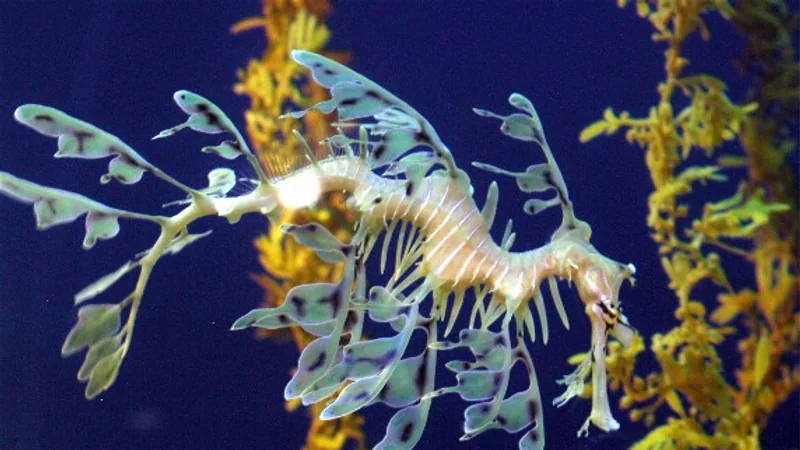
Leafy Seadragon
Seaweed-like flaps, transparent oscillating fins, and a sway like plants in the current.
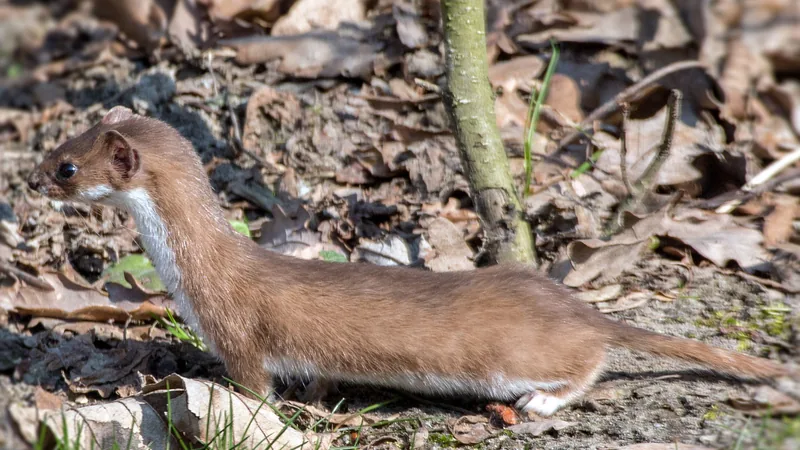
Least Weasel
Weighing as little as 30 grams, it kills prey larger than itself and can eat over half its own body weight in a day.
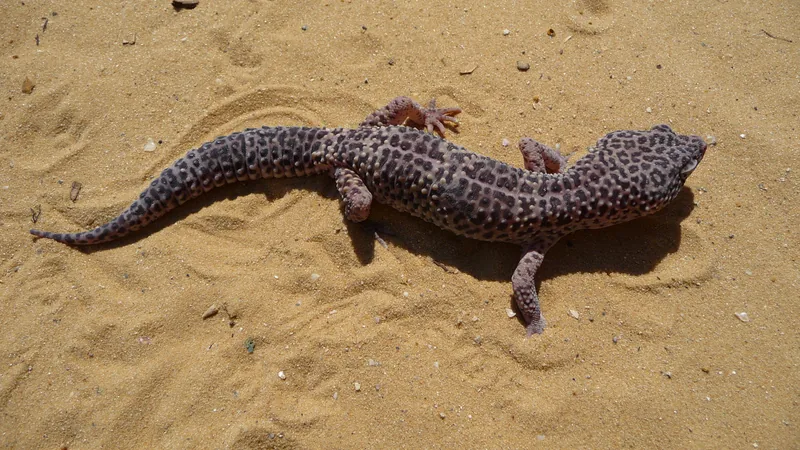
Leopard Gecko
A desert gecko with movable eyelids, no sticky toe pads, and a dropped tail that keeps moving for up to 30 minutes.
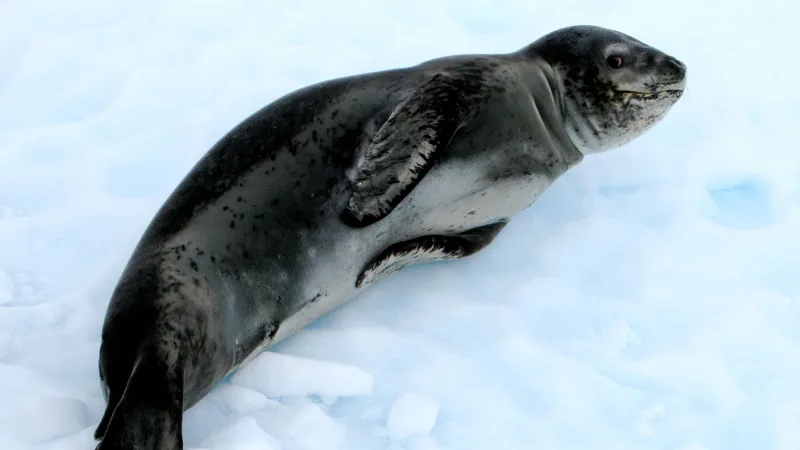
Leopard Seal
The serpentine apex hunter of Antarctic pack ice with a reptilian gape and teeth that double as krill sieves.
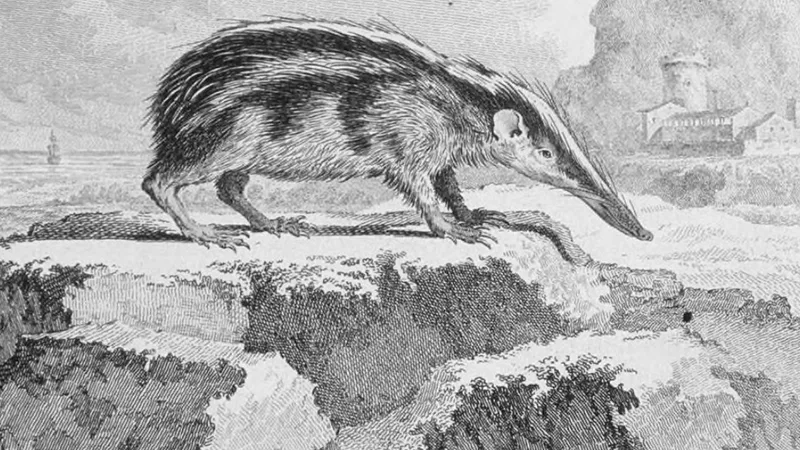
Lowland Streaked Tenrec
A black-and-yellow striped Madagascan tenrec, roughly 125 to 280 g, with back quills that rub together to make high-frequency sound.
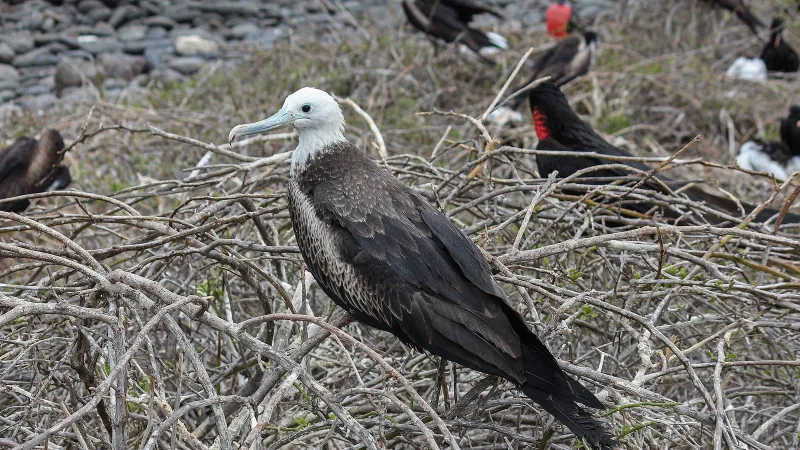
Magnificent Frigatebird
A seabird whose feathers aren't waterproof, riding wings up to eight feet across and mugging other birds for their catch.
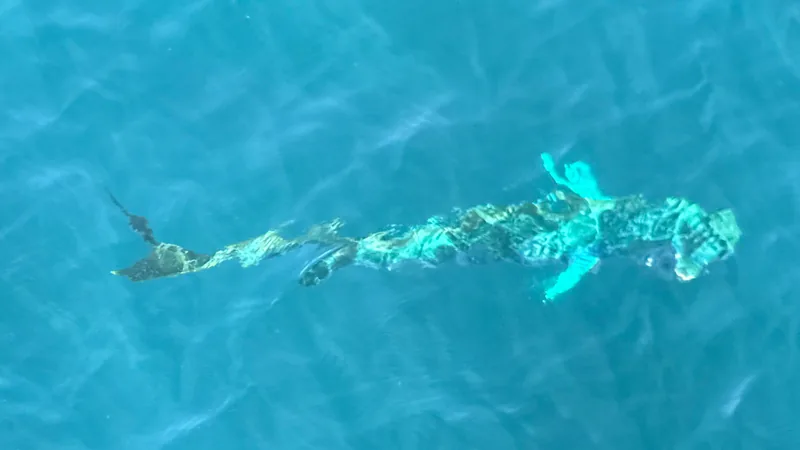
Mahi-Mahi
A gold-and-blue ocean sprinter that can pass 4 feet long in its first year.
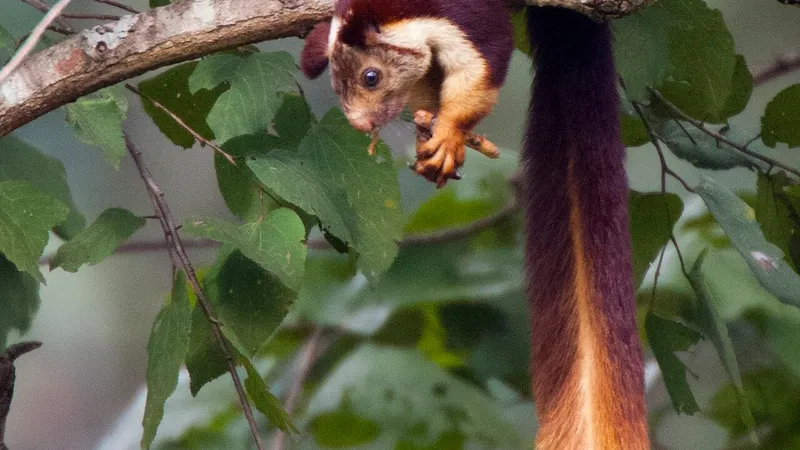
Malabar Giant Squirrel
A giant squirrel of peninsular India that can leap six meters or more between trees and rarely leaves them.
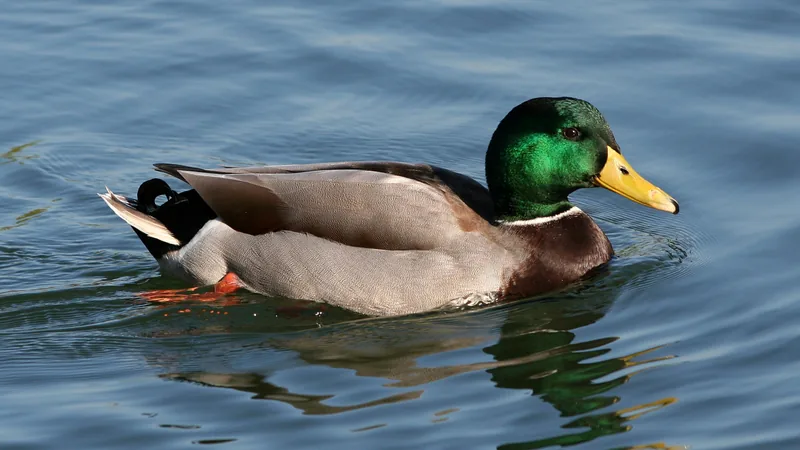
Mallard
The wild ancestor of nearly all domestic ducks, and a hen that lays larger eggs after mating with a male she prefers.
Conservation categories are from the IUCN Red List of Threatened Species. AnimalTracks is independent of IUCN.