Least Concern (LC)
Widespread and stable, for now. Being common is not the same as being safe, and several of these were assessed decades ago.
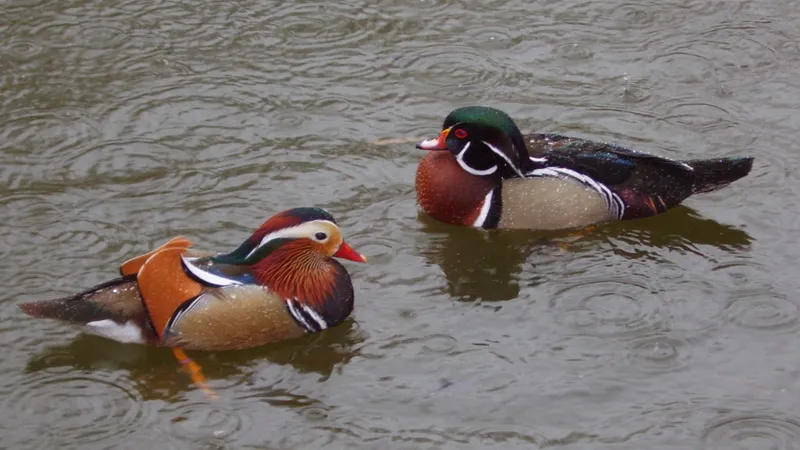
Mandarin Duck
The tree-hole nesting duck whose drake grows an enlarged, brightly colored sail feather every breeding season.
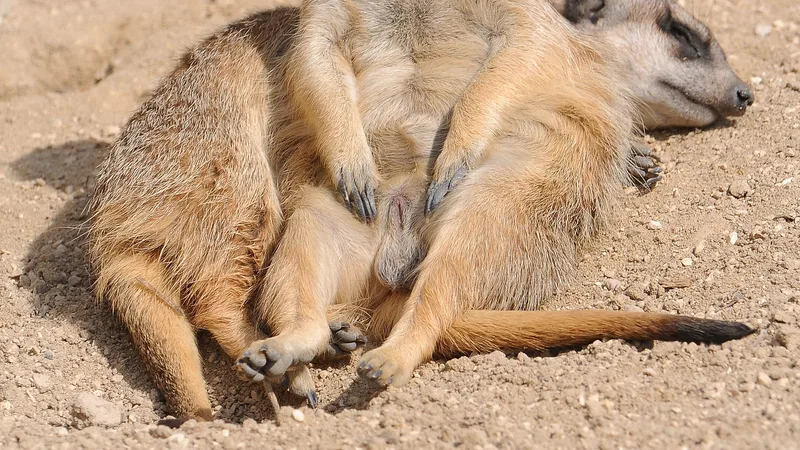
Meerkat
Sentinel shifts on its hind legs, glare-cutting eye patches, and some immunity to a scorpion's sting, just enough to make it lunch.
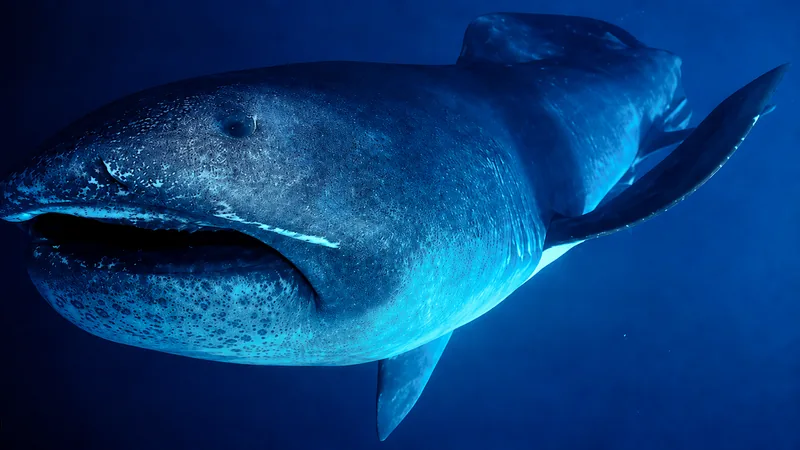
Megamouth Shark
A filter-feeding shark first known from 1976, when one got tangled in a research ship's parachute anchor.
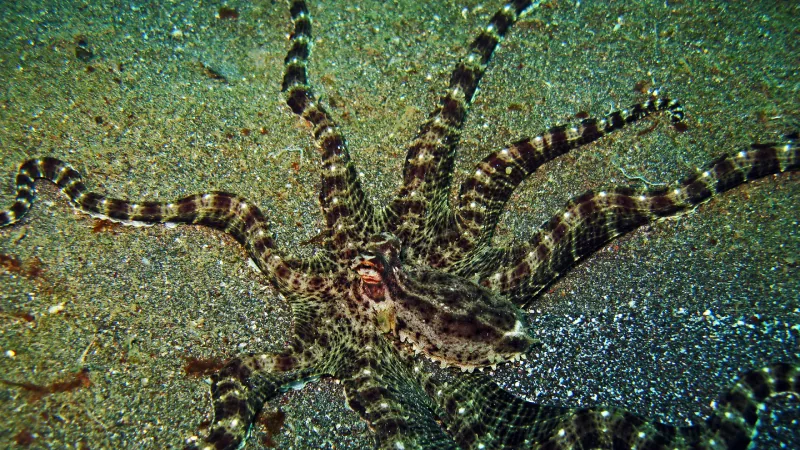
Mimic Octopus
The octopus that acts out toxic animals, and seems to pick the impression to suit the threat.
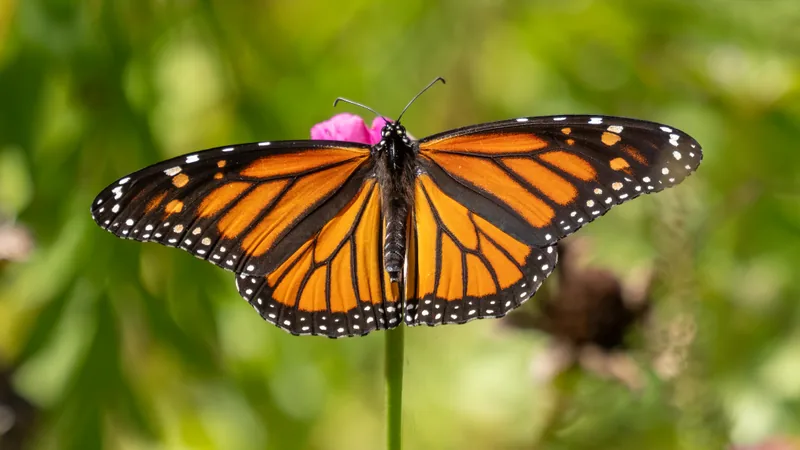
Monarch Butterfly
A butterfly of about half a gram that wears milkweed poison as armor, and whose eastern migrants steer by the sun.

Moose
Half-tonne boreal giant, antlers that are the fastest-growing tissue of any mammal, and stilt legs that sometimes give it an edge over wolves in deep snow.
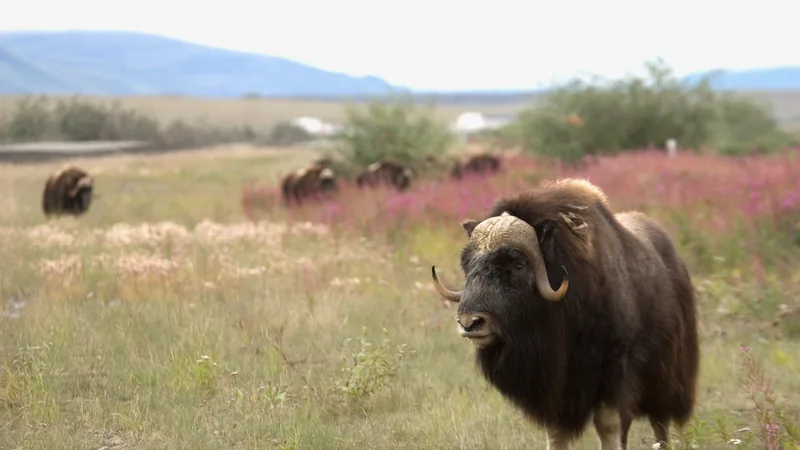
Muskox
Bulls settle rivalries by charging 50 yards or more and colliding head-first on their horn bosses.
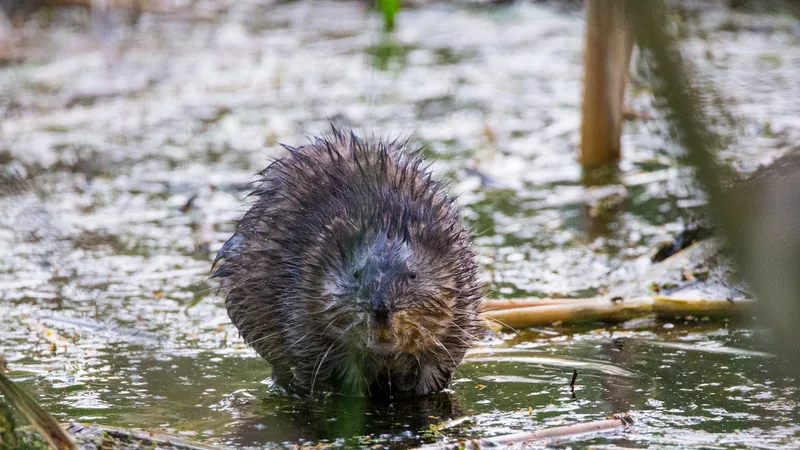
Muskrat
A marsh rodent that builds its home from piled-up plants and eats about a third of its own weight every day.
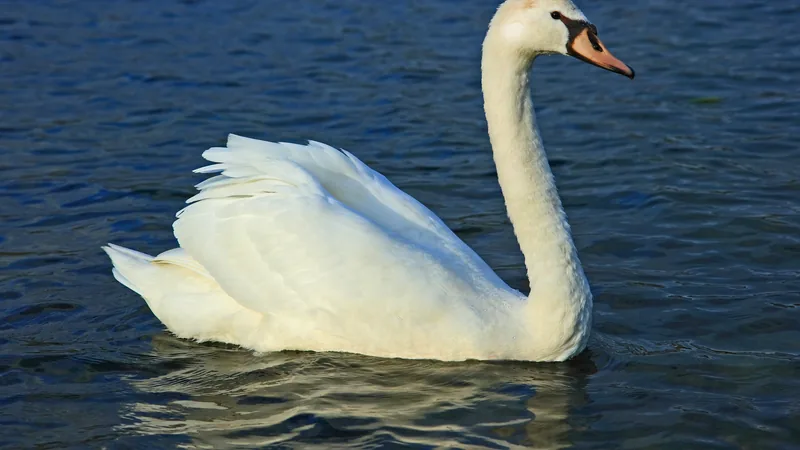
Mute Swan
Not actually mute: it hisses, snorts and twirls with its wings raised.
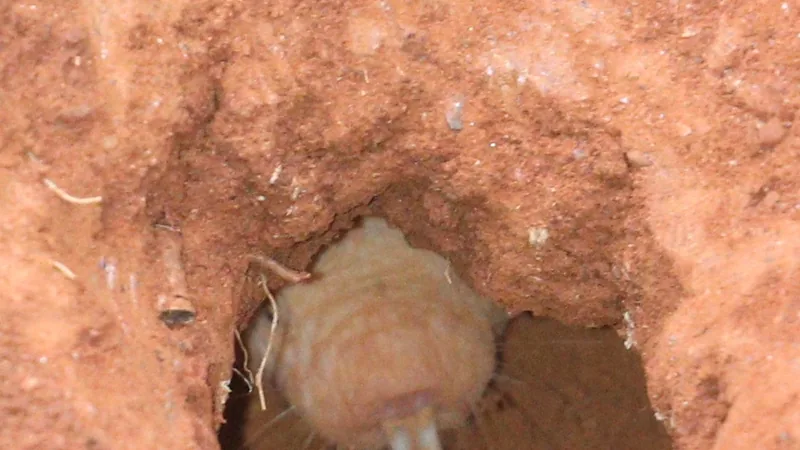
Naked Mole-Rat
The nearly hairless, essentially cold-blooded tunnel digger that shrugs off acid and chili burns, survives 18 minutes with no oxygen at all, and outlives every other rodent on record.
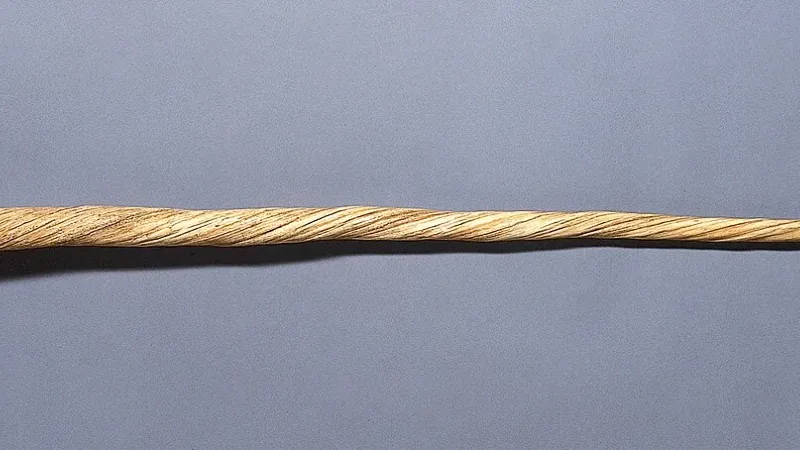
Narwhal
Deep-diving Arctic whale whose spiral tusk can grow up to 9.8 feet and may double as a sensory tool.
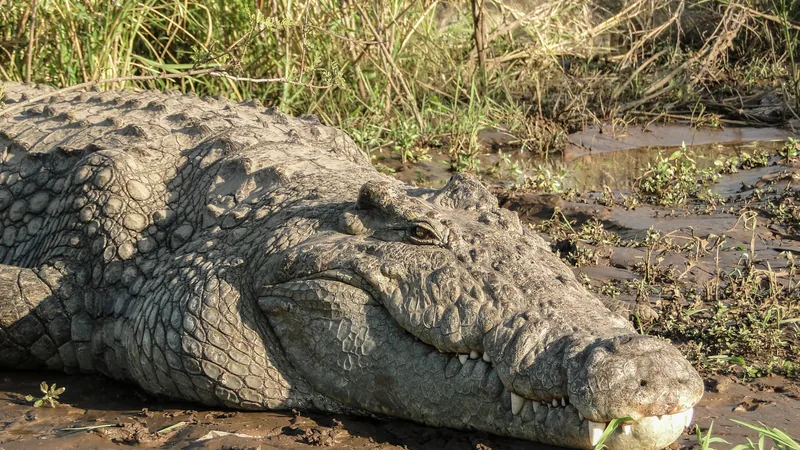
Nile Crocodile
An armored crocodile whose skin is more touch-sensitive than a primate's fingertips.
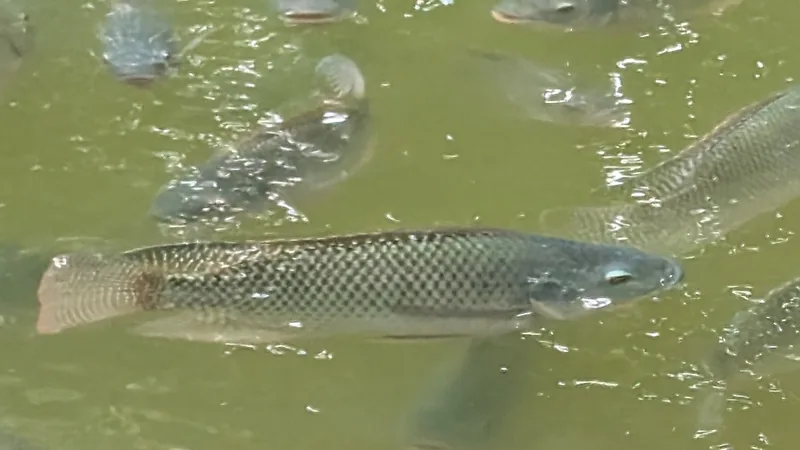
Nile Tilapia
A mouth-brooding cichlid; in one lab strain, a Y-chromosome gene proved essential for maleness.
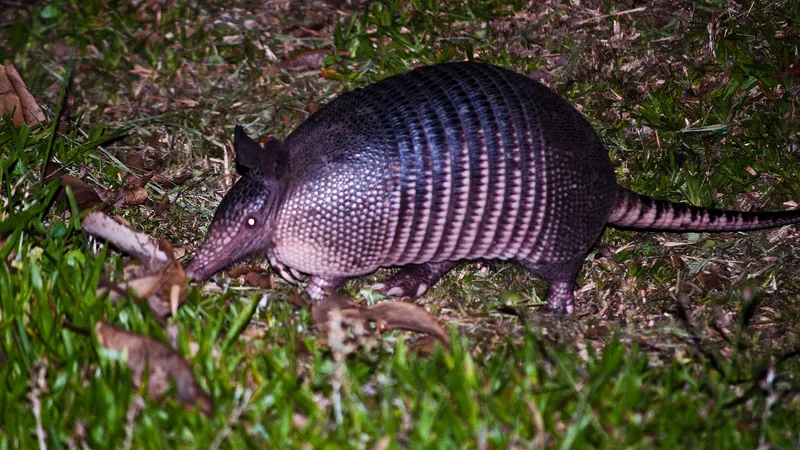
Nine-Banded Armadillo
A bony-plated digger that smells invertebrates up to 20 cm underground and almost always gives birth to identical quadruplets.
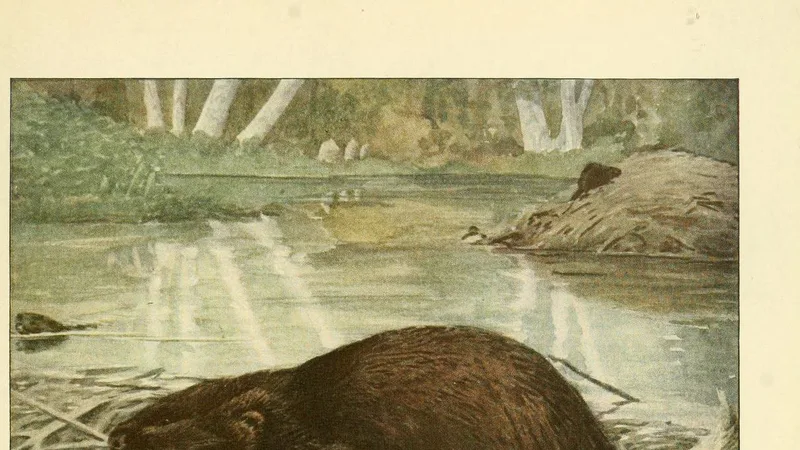
North American Beaver
Self-sharpening orange teeth strengthened with iron, and an ecosystem engineer that dams streams into ponds.
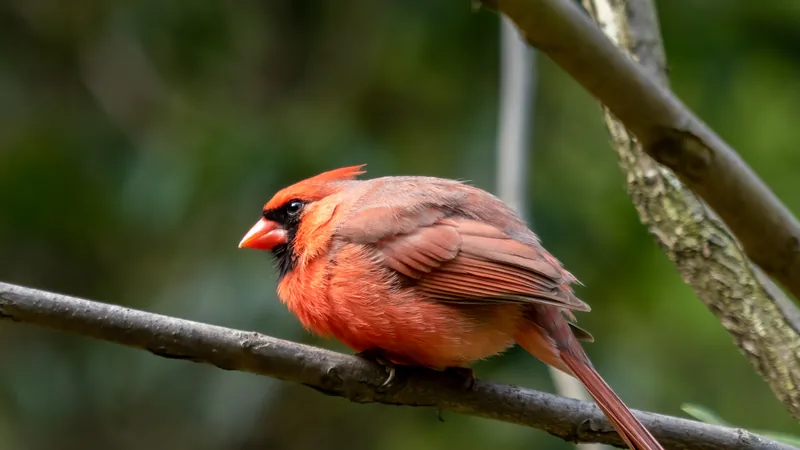
Northern Cardinal
A red songbird that turns yellow food pigments into scarlet feathers.
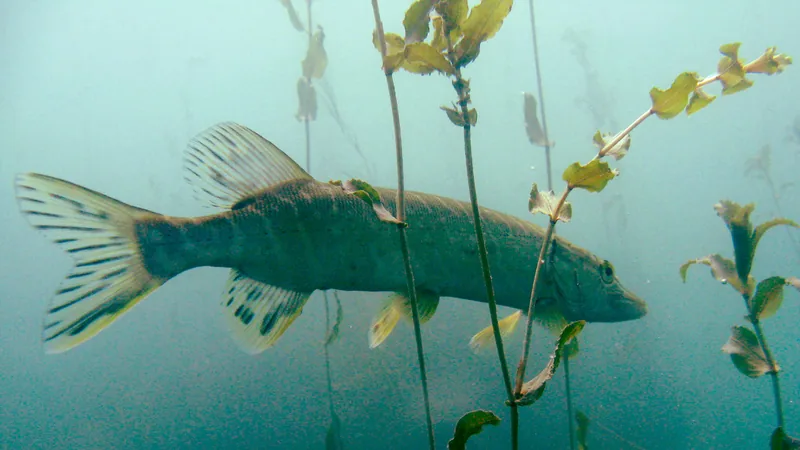
Northern Pike
A freshwater ambush predator that lies cocked in an S, then strikes with a sprint.
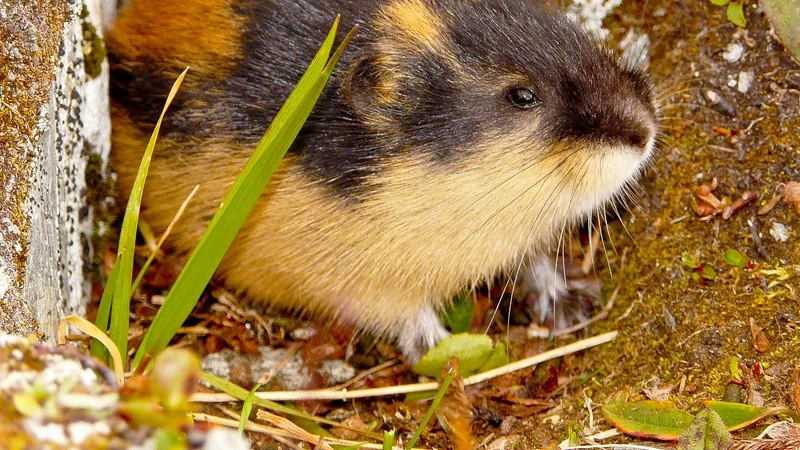
Norway Lemming
A warning-colored mountain rodent, kin of the lemmings wrongly said to leap to their deaths.
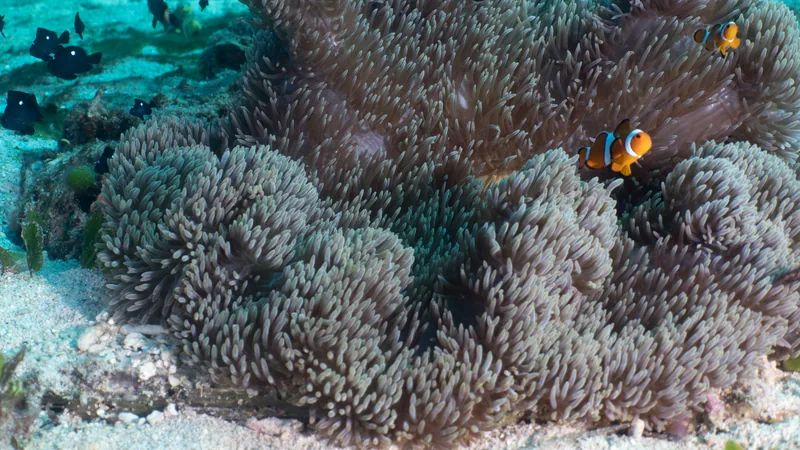
Ocellaris Clownfish
A reef fish about 8 cm long that shelters among stinging anemone tentacles, where the breeding male turns female if the female is lost.
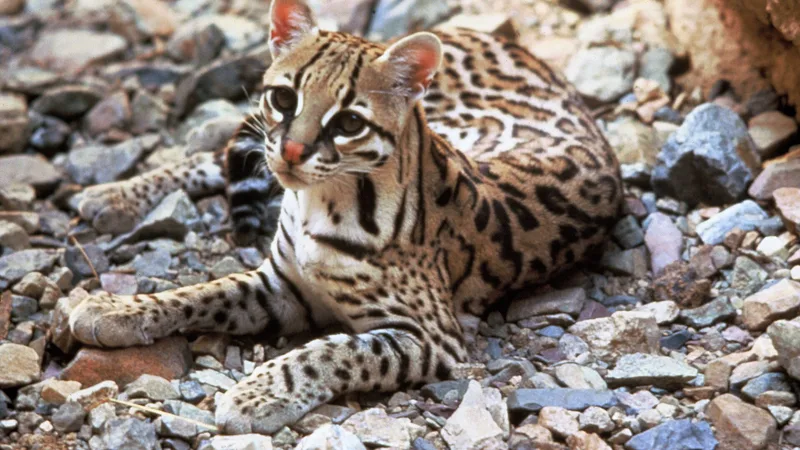
Ocelot
Dark spots that sometimes link into chains across golden fur, on a solitary night hunter whose eyes see much better in the dark than ours.
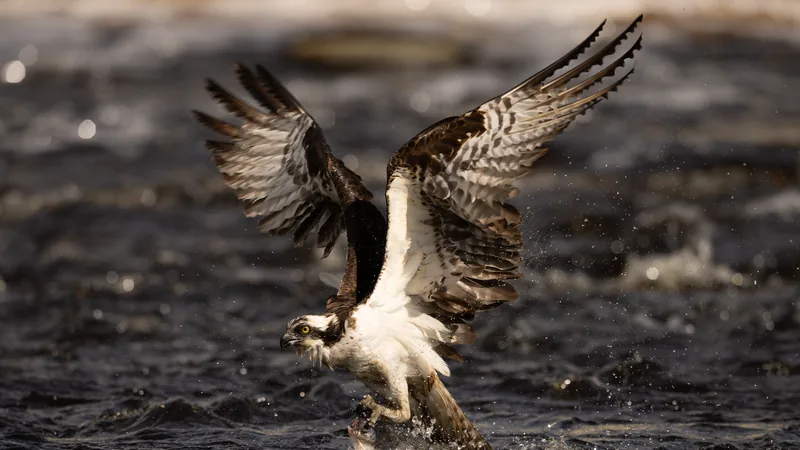
Osprey
The fish-hawk that hovers over water, then plunges feet first to grab a fish in its talons.
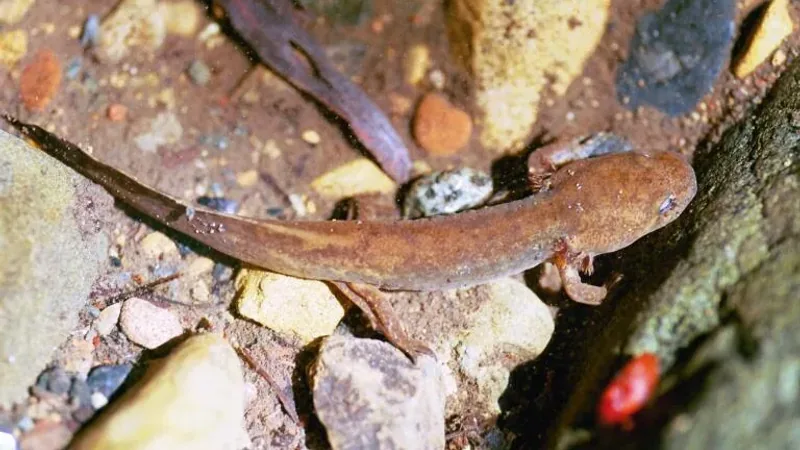
Pacific Giant Salamander
North America's largest terrestrial salamander, guarding Pacific Northwest streams with a startled bark, a noxious tail secretion, and gills it can keep for life.
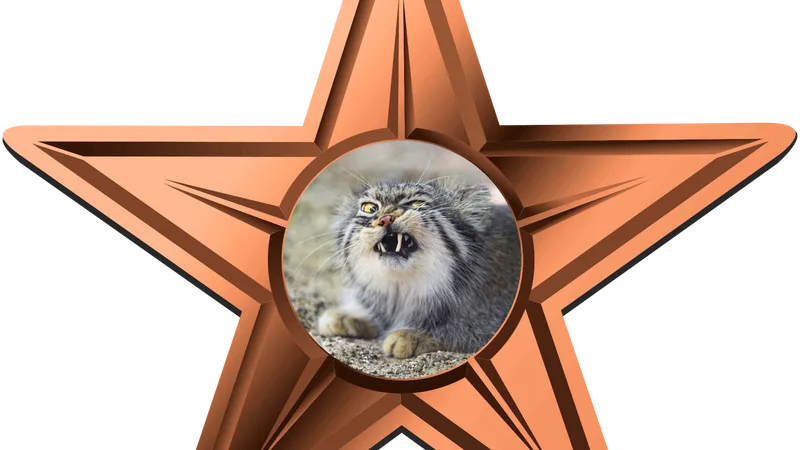
Pallas's Cat (Manul)
Round pupils, ears set low for peeking over boulders, and a BBC documentary's verdict as the grumpiest cat in the world, stalking prey across Central Asia's rocky steppes.
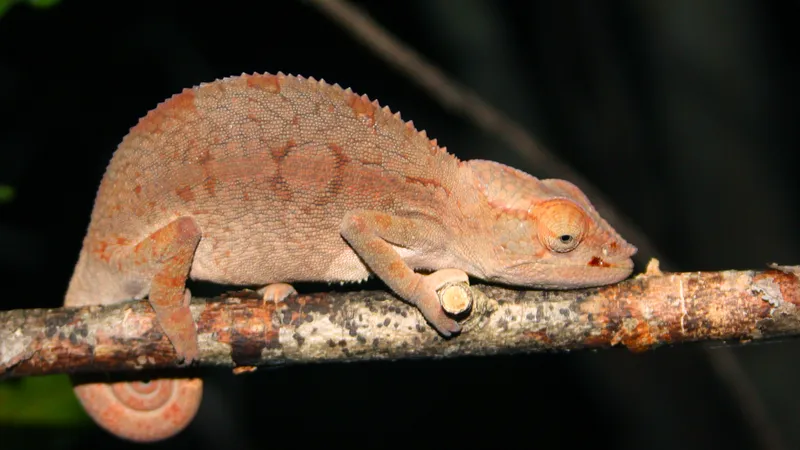
Panther Chameleon
The Madagascar color-shifter that retunes a lattice of skin nanocrystals within a couple of minutes, swivels its eyes through a 360-degree arc, and fires a hyoid-launched tongue up to twice its body length.
Conservation categories are from the IUCN Red List of Threatened Species. AnimalTracks is independent of IUCN.