Least Concern (LC)
Widespread and stable, for now. Being common is not the same as being safe, and several of these were assessed decades ago.

Aardvark
A night-shift digger with spade-like claws and a sticky tongue, built to mine ant and termite nests.

Adélie Penguin
The pebble-stealing penguin that fasts for weeks on end and steers across featureless ice by the sun.

African Crested Porcupine
The world's longest porcupine turns its back on a threat, rattles a tail of hollow quills, and charges backward to stab anything that ignores the warning.

African Lungfish
A fish that breathes air through two lungs and can live for over a year inside a cocoon of its own dried slime.

Alligator Gar
Described as a 100-million-year-old living fossil, armored in interlocking ganoid scales, with two rows of fang-like teeth in its upper jaw and a swim bladder that can work as a lung.

Alpine Chamois
Mountain relative of goats and antelopes, with hooves that grip slippery rock and hook-tipped horns on females as well as males.

Alpine Marmot
A whistling mountain sentinel that slashes its metabolism to hibernate, then regrows its gut after it wakes.

American Alligator
An armored reptile with jaws that can crack a turtle shell, and a mouth that can go through 3,000 teeth in a lifetime.
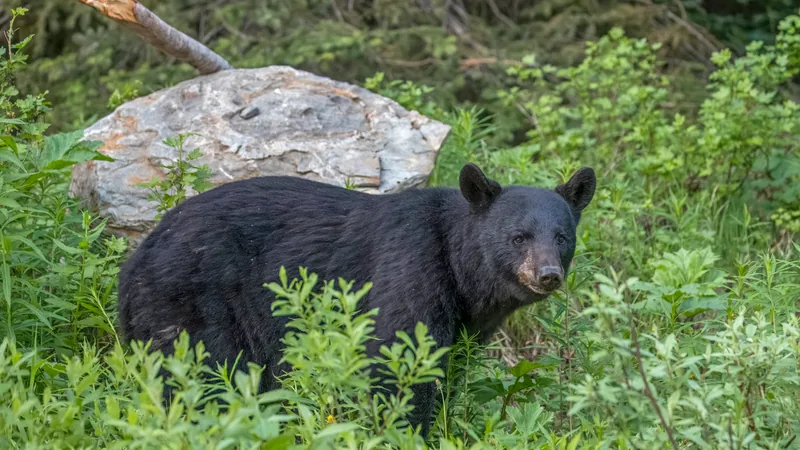
American Black Bear
A bear whose sense of smell is about seven times stronger than a bloodhound's.

American Crow
Learns a dangerous human face, and the scolding spreads from crow to crow.

American Lobster
A seafloor crustacean with a crusher claw and a ripper claw. Scientists believe some may live to be 100 years old.

American Mink
A fearless, semi-aquatic hunter that fur-farm escapes set loose in Europe and South America.

American Pika
A rabbit relative that stacks hay in summer and can be killed by two hours above 28°C.

American Robin
A lawn hunter that weighs about as much as three AA batteries

Andean Cock-of-the-Rock
Peru's national bird: males court with synchronized moves and pig-like calls, and the female raises the chicks alone.
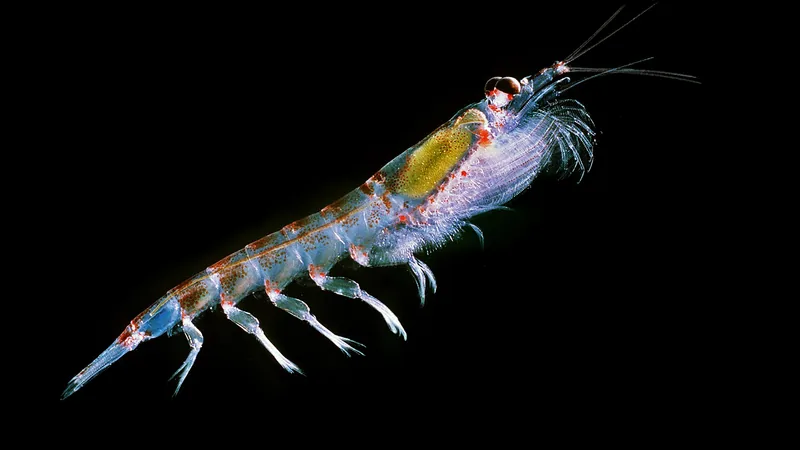
Antarctic Krill
A crustacean about 6 centimeters long, so abundant it can turn the sea reddish-brown, that most larger Antarctic animals depend on, directly or indirectly.
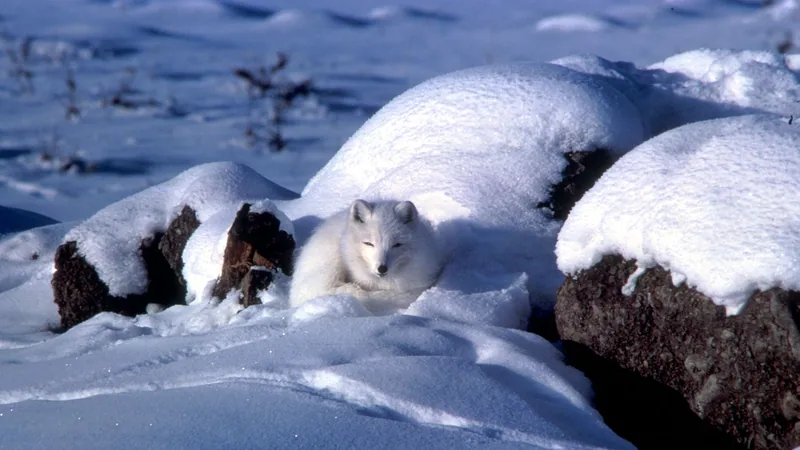
Arctic Fox
Feet kept just above the point where living tissue freezes, a coat color set by one gene, and satellite-tracked treks of up to 40 kilometers to hotspots on the sea ice.
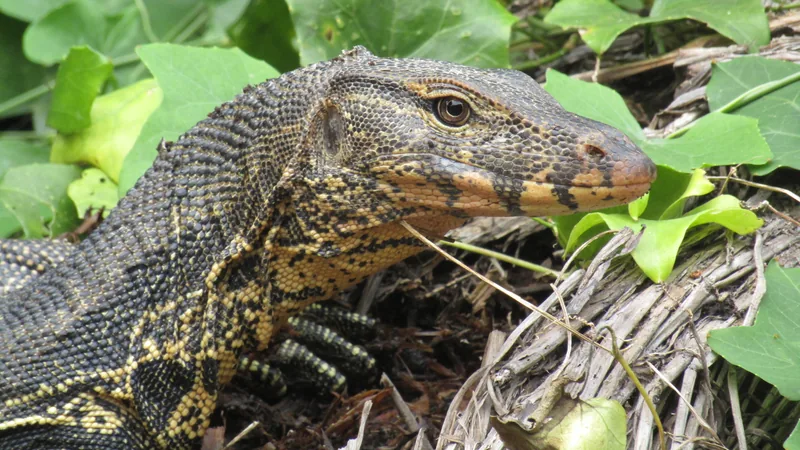
Asian Water Monitor
A semi-aquatic lizard that can reach 2.5 m, scent a rotten carcass up to 100 m away and prey on any vertebrate it can overpower.

Atlantic Bluefin Tuna
A tuna up to 13 feet long that dives past 1,000 meters and keeps a warm body.
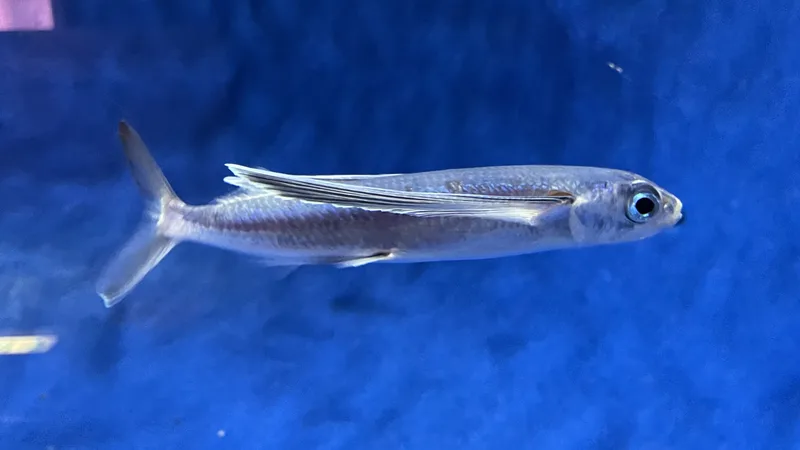
Atlantic Flying Fish
The Atlantic glider that swims at up to about 30 km/h, then leaps out and glides as far as 12 meters.
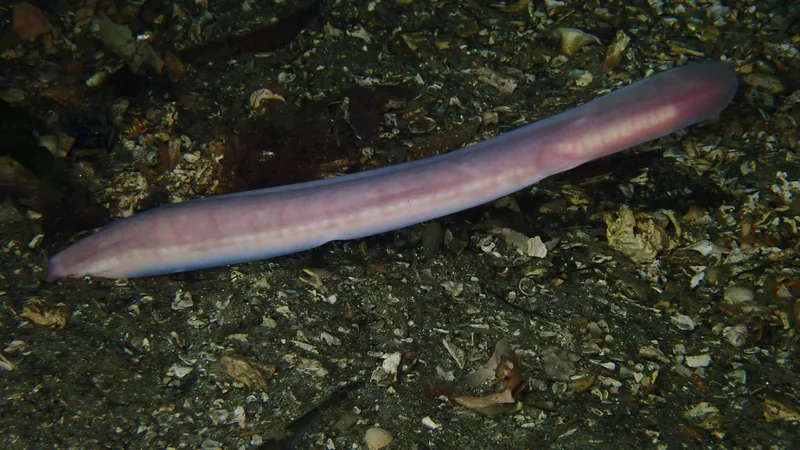
Atlantic Hagfish
The jawless North Atlantic scavenger whose slime glands unravel a coiled fiber bundle into a thread a hundred times longer in a fraction of a second.
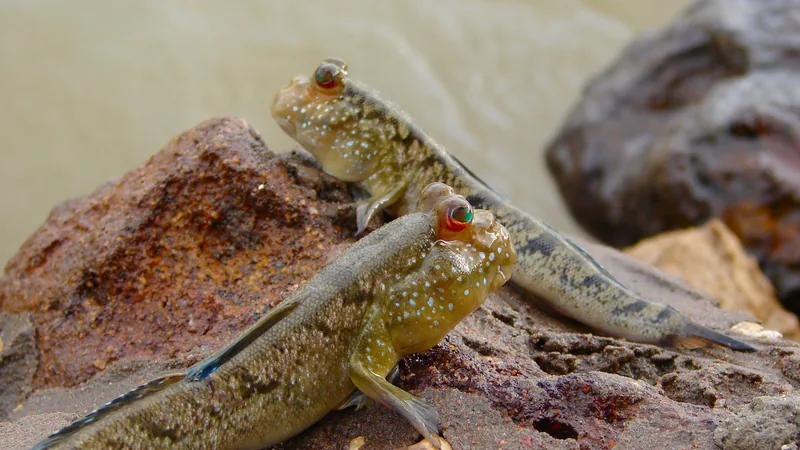
Atlantic Mudskipper
A West African fish that blinks on land and hunts crabs and insects on the mud.

Australasian Ghost Shark
The deep-sea chimaera described from New Zealand seamounts with glowing tapetum eyes and tooth-crushing plates.
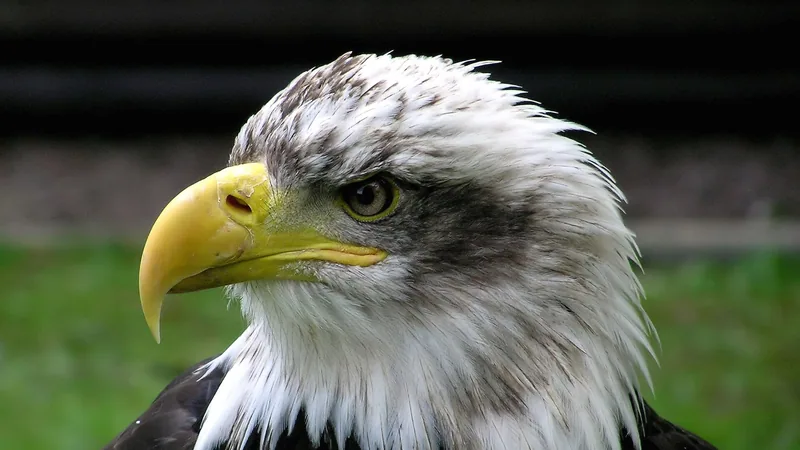
Bald Eagle
An apex fish hunter with a talon grip ten times as strong as an average human's, carried on a wingspan of up to eight feet.
Conservation categories are from the IUCN Red List of Threatened Species. AnimalTracks is independent of IUCN.