Least Concern (LC)
Widespread and stable, for now. Being common is not the same as being safe, and several of these were assessed decades ago.
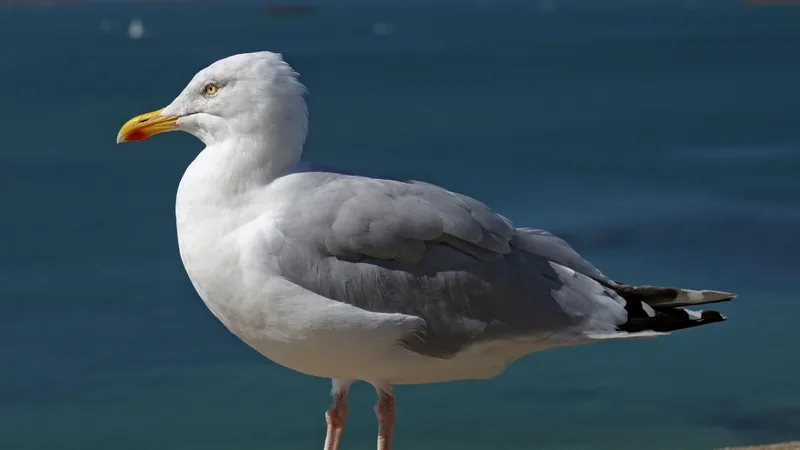
European Herring Gull
A large, pink-legged gull that paddles its feet on the ground to bring worms up, and now nests on rooftops as well as cliffs.
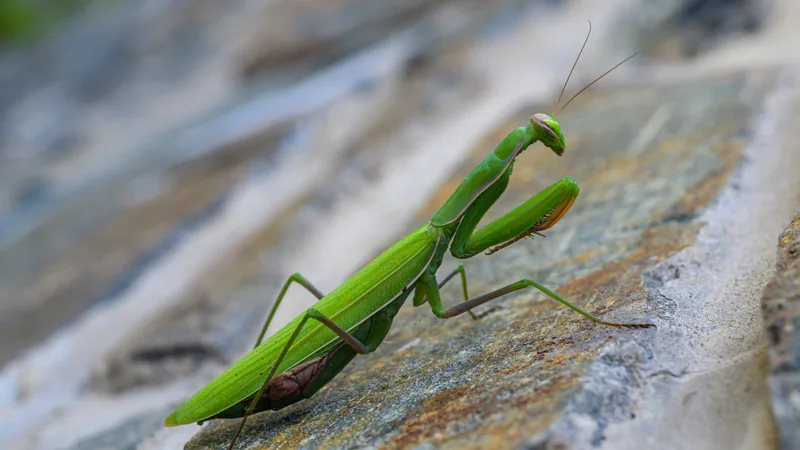
European Mantis
A mantis that hears with a single ear on its underside, tuned to ultrasound.
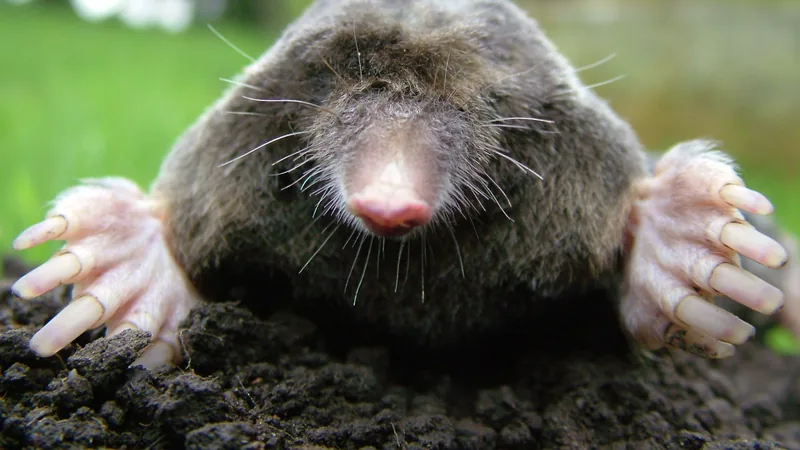
European Mole
A velvety black digger that lives underground, in tunnel networks that can run hundreds of metres.

European Polecat
A masked mustelid that releases a strong-smelling secretion when threatened, grips so tenaciously it can be lifted by whatever is in its teeth, and seems held back from northern Sweden by snow.
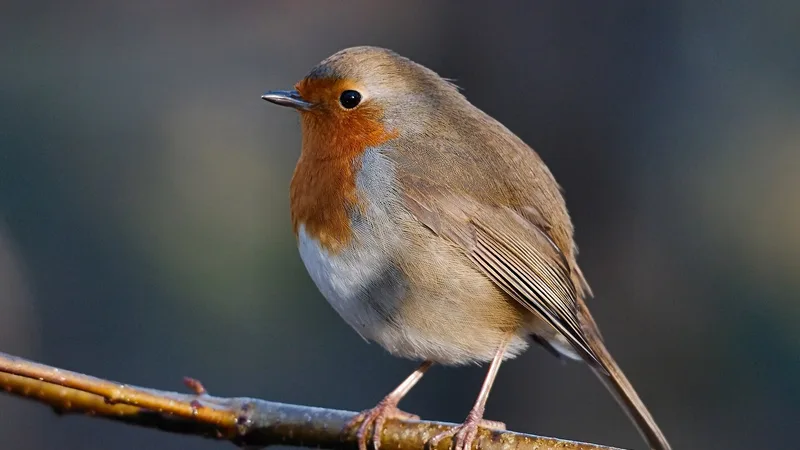
European Robin
Gardener's shadow, ferociously territorial songster, and the bird that became the Victorian icon of Christmas.
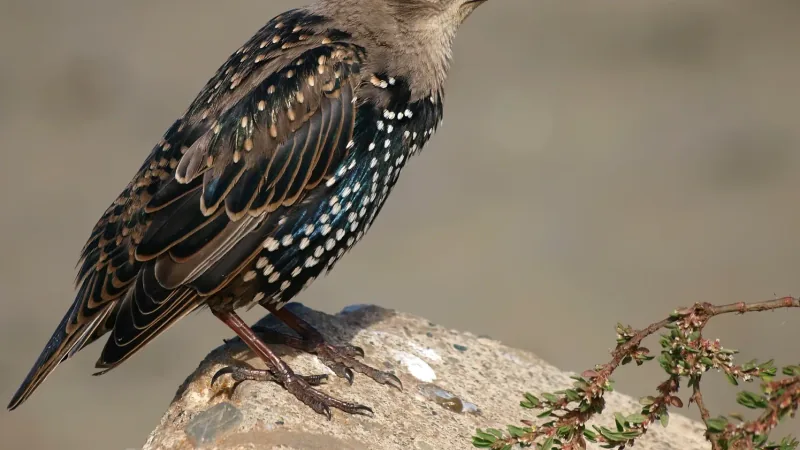
European Starling
The iridescent mimic whose larger British winter roosts can top a million birds, and whose flocks can burst into a "flash expansion" after a falcon attacks.
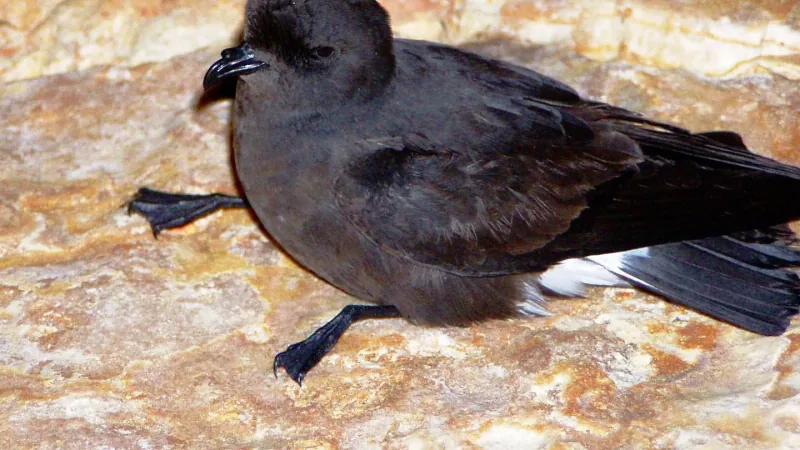
European Storm Petrel
The Atlantic's smallest seabird, weighing about 25 grams but migrating from the north-east Atlantic to winter off southern Africa.
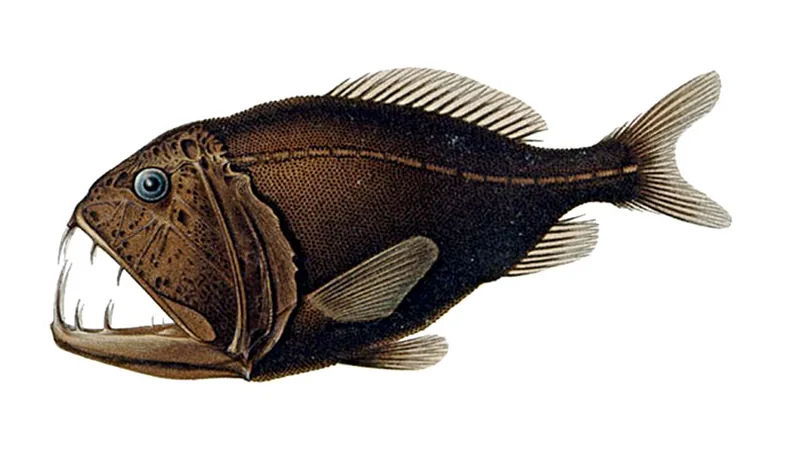
Fangtooth
The bathypelagic hunter reported to have the largest teeth of any marine fish for its head size, fangs so long an adult cannot fully close its mouth.
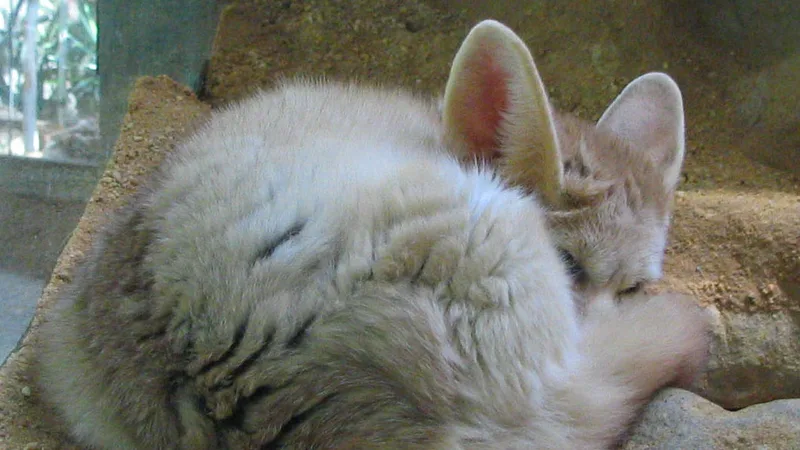
Fennec Fox
The largest ears of any canid for its size, used to shed desert heat and track down prey under the sand.
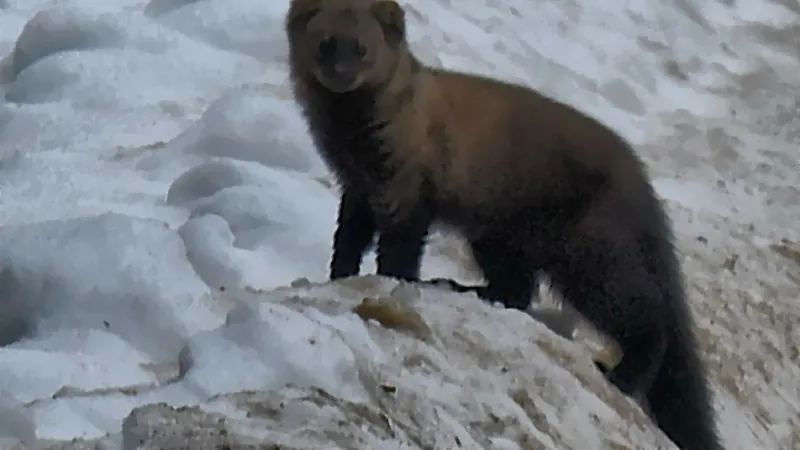
Fisher
A fox-sized relative of weasels that climbs trees, hunts porcupines and whose females spend almost all of their adult lives pregnant or nursing.
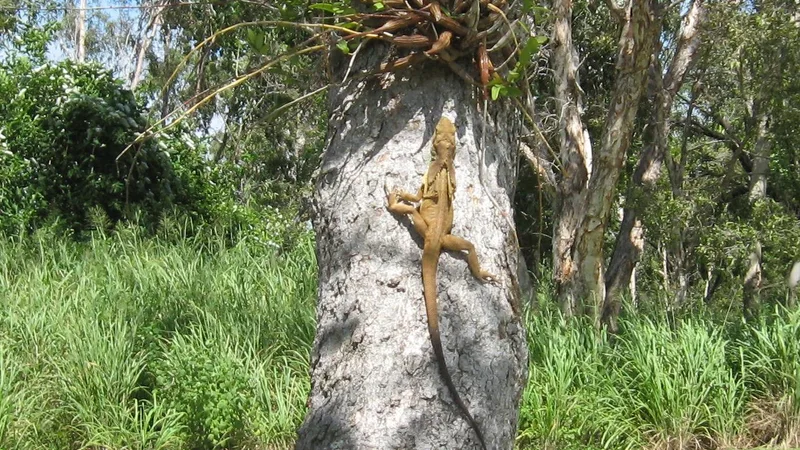
Frilled Lizard
Australian dragon lizard that flares a bone-and-cartilage neck frill to startle predators, and if the bluff fails, runs off on its hind legs.
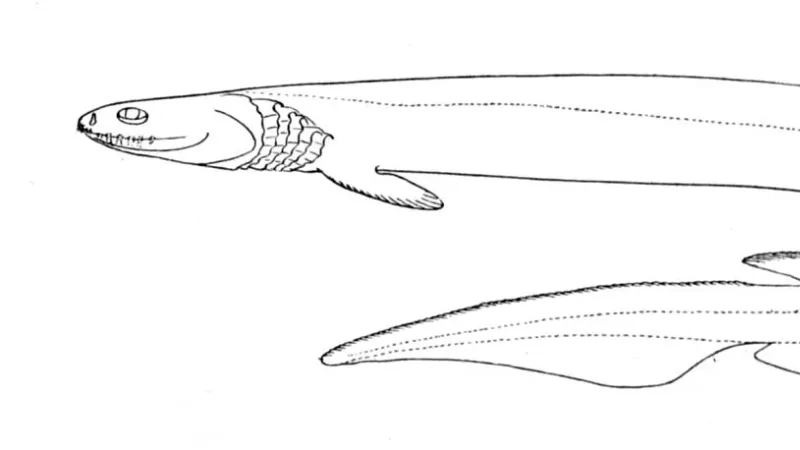
Frilled Shark
A slow-swimming, six-gilled deep-sea shark whose lineage is estimated at 82 million years old and whose pregnancy may run three and a half years.
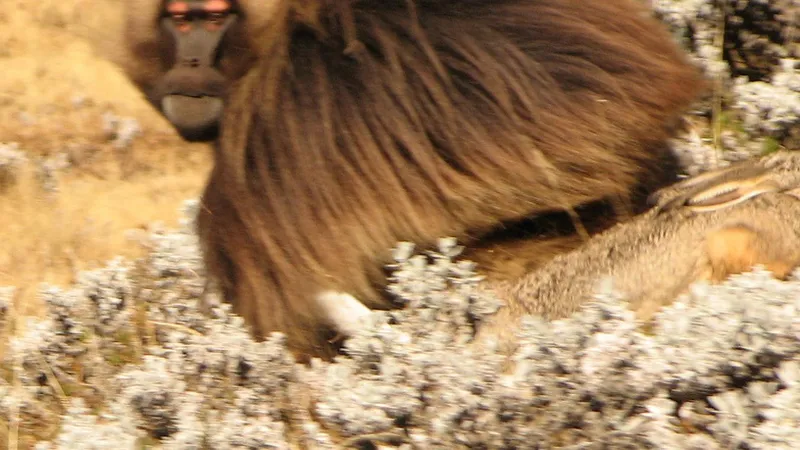
Gelada
The Ethiopian highland monkey that grazes mainly on grass, flashes a bleeding-heart chest patch, and rolls its lip back to bare its gums in a facial display no other primate can make.
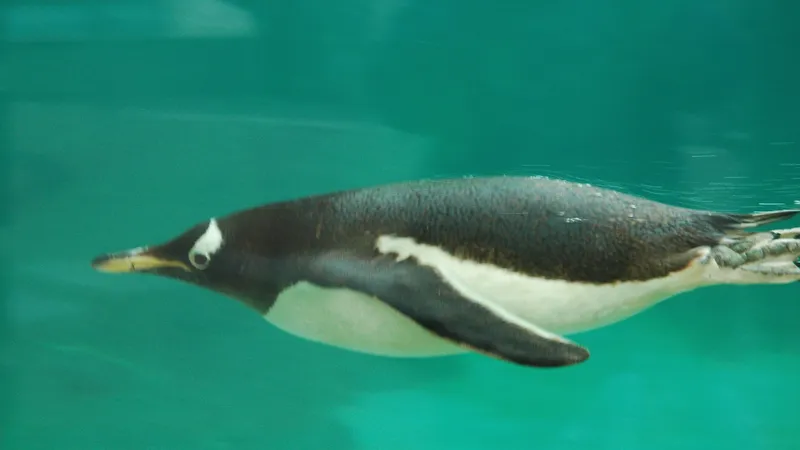
Gentoo Penguin
A penguin whose tracked deep dives averaged 80 metres, whose nest can hold over 1,700 pebbles, and which one 2020 study proposes splitting into four species.

Geography Cone Snail
Reef hunter whose venom insulin, released into the water, appears to disorient schools of small fish before the snail engulfs them and harpoons them with a hollow venom tooth.
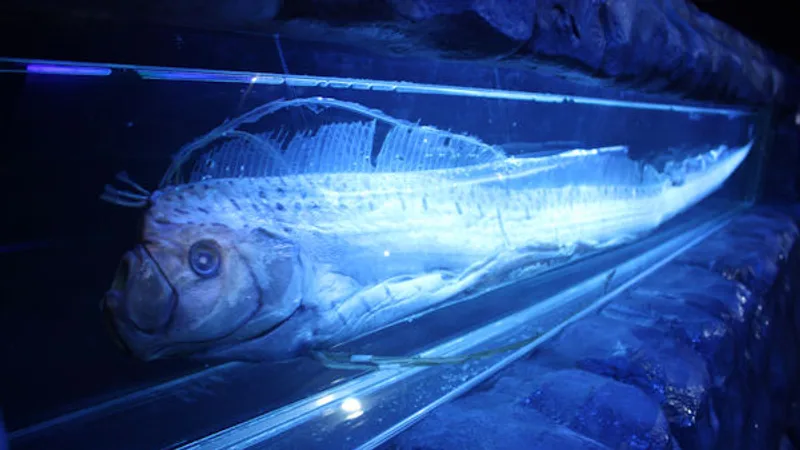
Giant Oarfish
A silver ribbon reliably documented to 8 meters, with a red dorsal fin along its whole length, seen swimming upright in the open ocean.
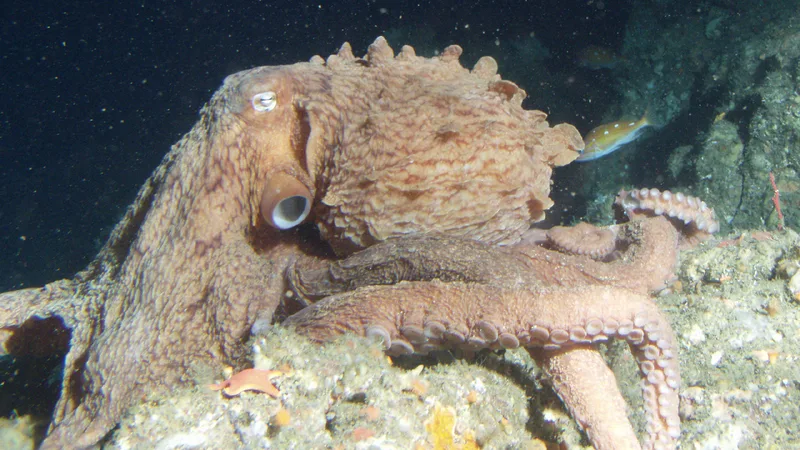
Giant Pacific Octopus
Three brains, three hearts, blue copper blood, and skin that changes color and texture.
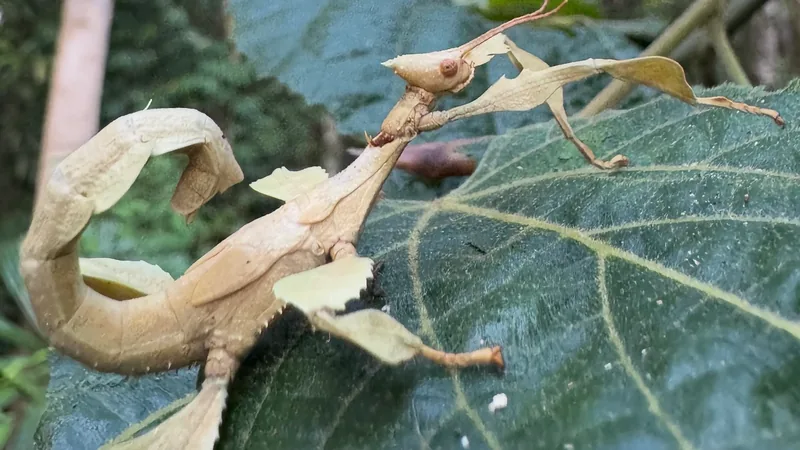
Giant Prickly Stick Insect
A leaf-mimic that sways like a branch in the breeze, and hatches looking like an ant.
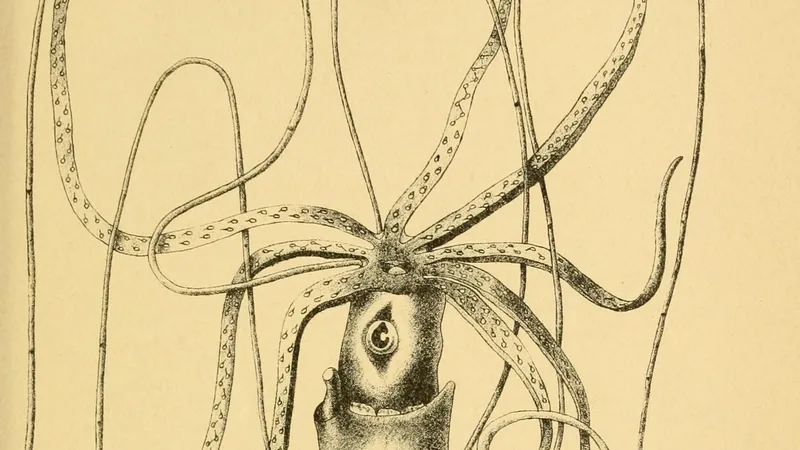
Giant Squid
The longest cephalopod. The longest one scientifically verified measured 12 m.
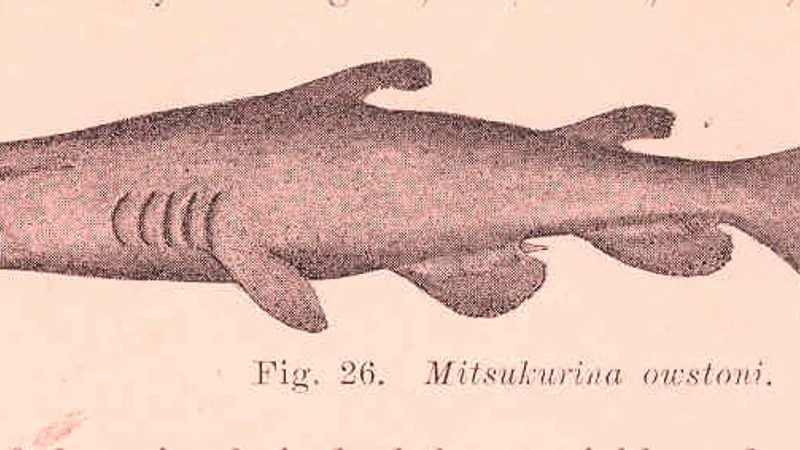
Goblin Shark
A deep-sea shark with slingshot jaws and skin that looks pink because blood vessels show through it.
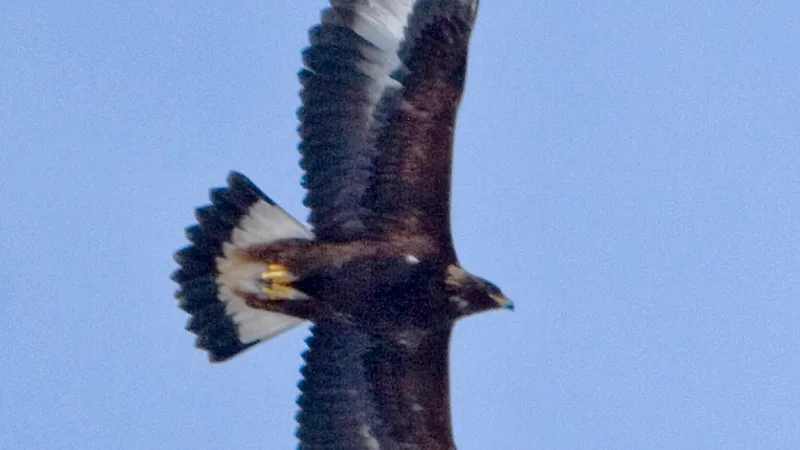
Golden Eagle
A hunter with a wingspan of up to 2.3 meters that dives at up to 120 mph (193 km/h) and, on autumn migration across eastern North America, rides mostly on wind pushed up by ridges.
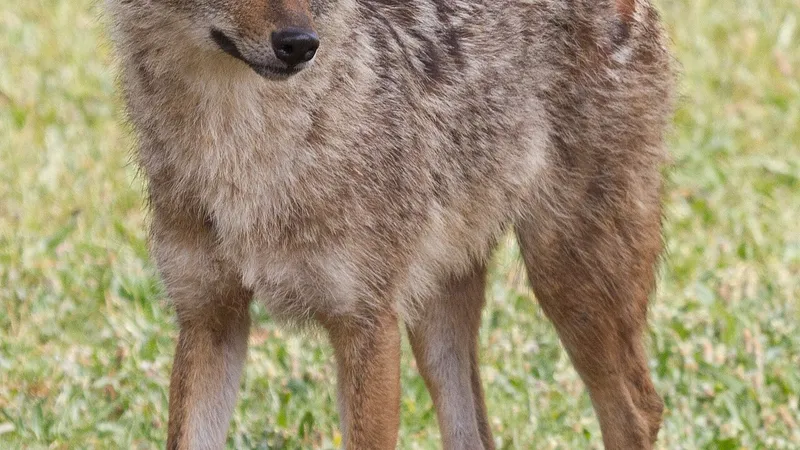
Golden Jackal
The Eurasian canid that split from Africa's look-alike golden wolf more than a million years ago, then spread fast across Europe in the last century.
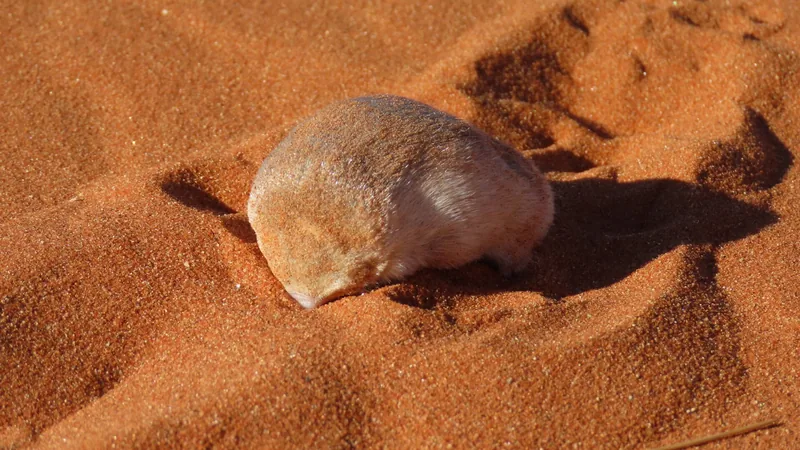
Golden Mole
The sand-swimmer with no visible eyes, and a middle-ear bone denser than any other land mammal's on record.
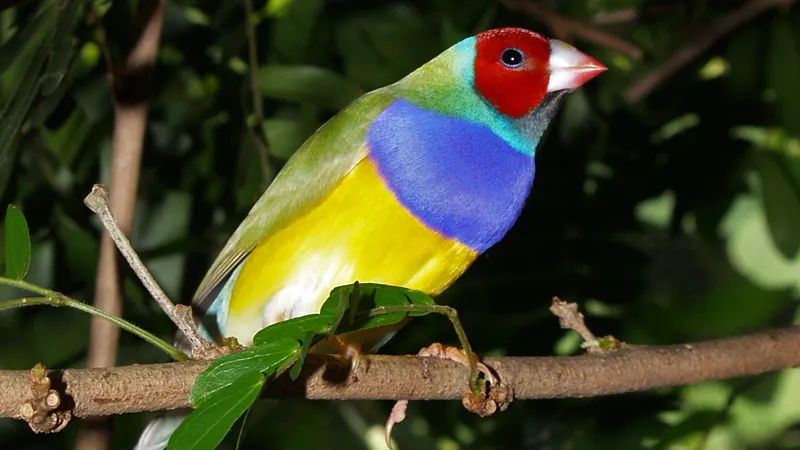
Gouldian Finch
A small Australian finch whose red or black head color traces to one stretch of DNA near the Follistatin gene, and whose chicks hatch with light-reflecting beak nodules that help their parents feed them in a dark hollow.
Conservation categories are from the IUCN Red List of Threatened Species. AnimalTracks is independent of IUCN.