Least Concern (LC)
Widespread and stable, for now. Being common is not the same as being safe, and several of these were assessed decades ago.
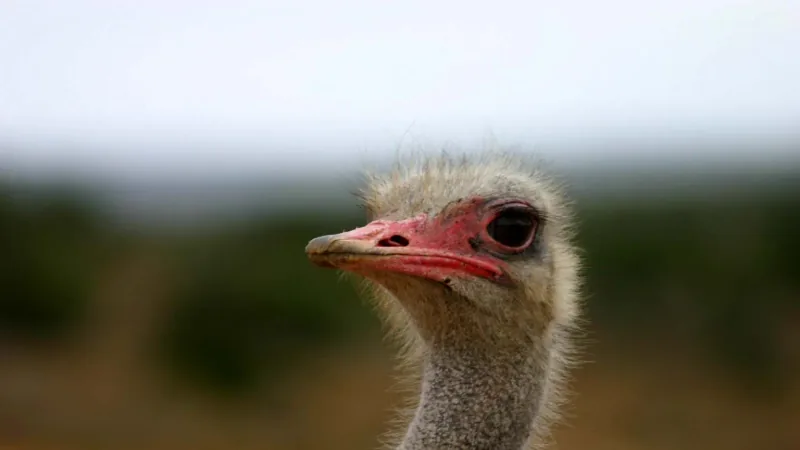
Common Ostrich
The tallest and heaviest bird alive, sprinting in bursts of up to 43 miles an hour on two toes, with a kick powerful enough to kill a lion.
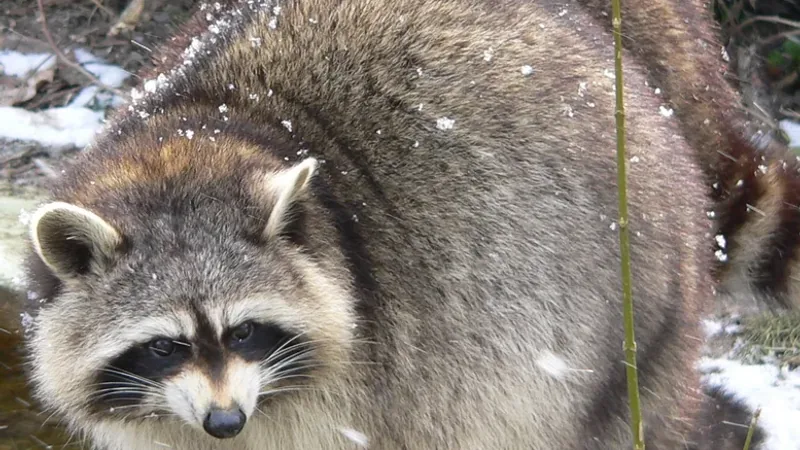
Common Raccoon
The emo masked bandit whose touch-tuned forepaws do its foraging and whose cat-sized brain packs its neurons at near-primate density.
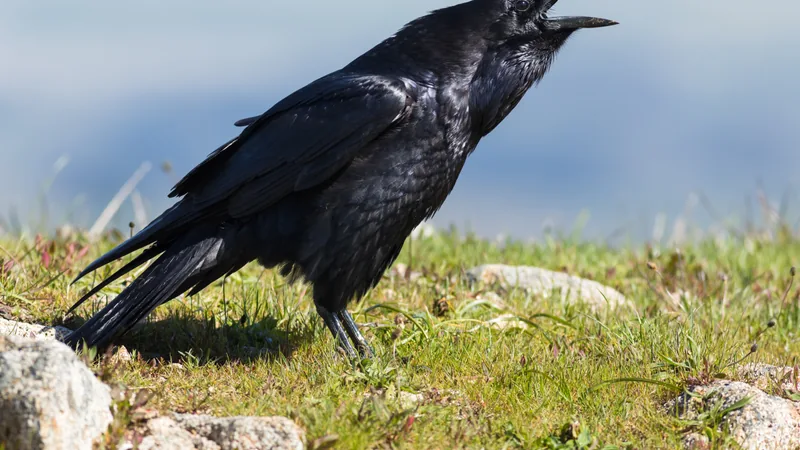
Common Raven
The oversized scavenger that caches food out of rivals' sight, guards the stash when it might be seen, and is less willing to pull its weight after a partner cheats.
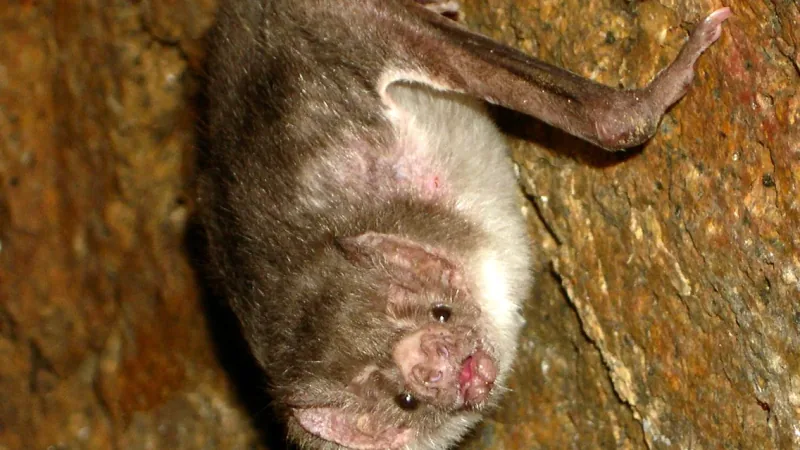
Common Vampire Bat
One of only three mammals that must feed on blood, it finds warm prey through heat-sensing pits on its face and crosses the ground on all fours to reach it.
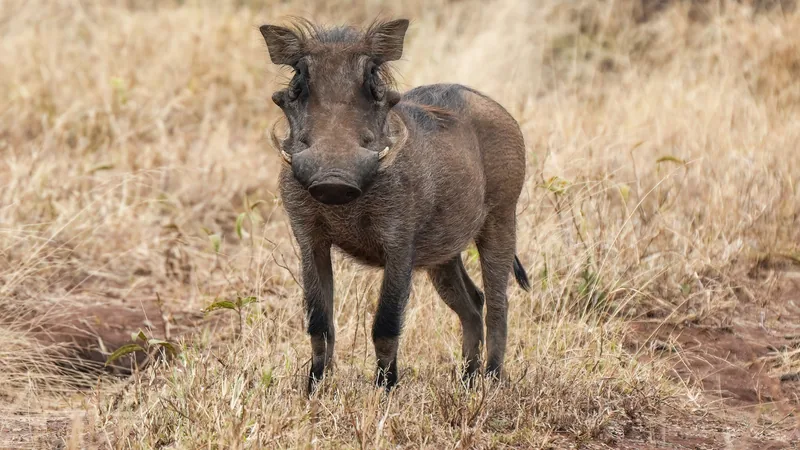
Common Warthog
Tusked survivor that usually backs into a borrowed aardvark burrow, so its tusks face whatever comes calling.
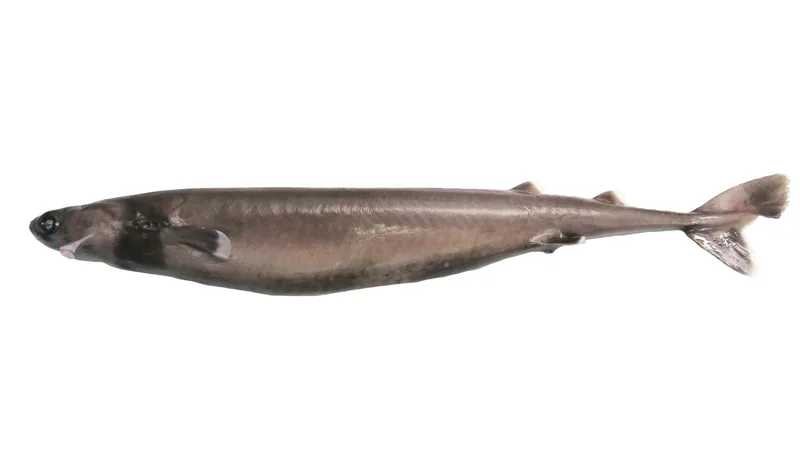
Cookiecutter Shark
A shark up to 56 cm long that glows underneath to lure big animals close, then spins to cut a round plug out of them.
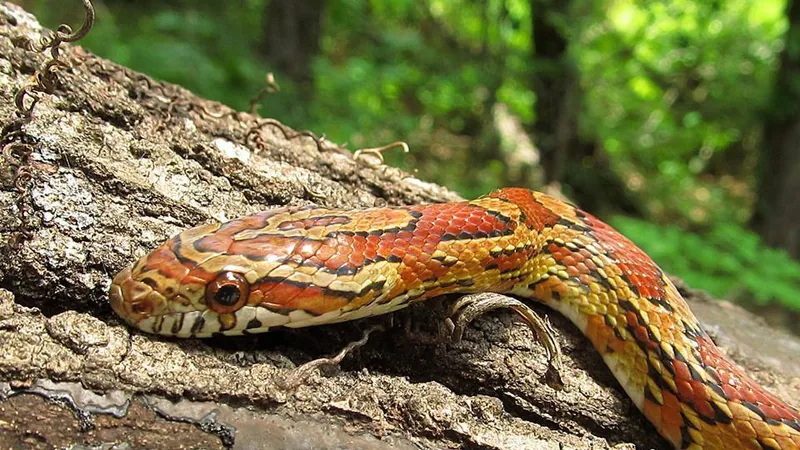
Corn Snake
The most commonly bred pet snake, and a lab model for how reptiles get their colours.
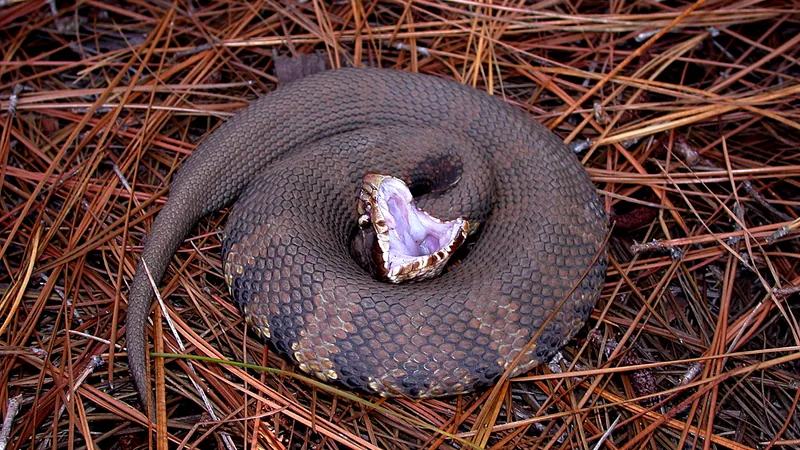
Cottonmouth
A swamp pit viper that warns with a wide-open white mouth and hunts on land and in water.
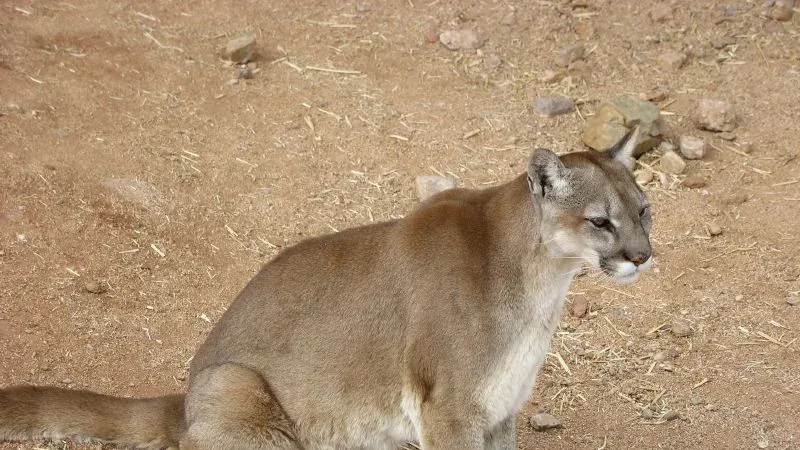
Cougar
The solitary ghost cat of the Americas that can leap 40 feet in a single bound and purrs like a smaller cat.
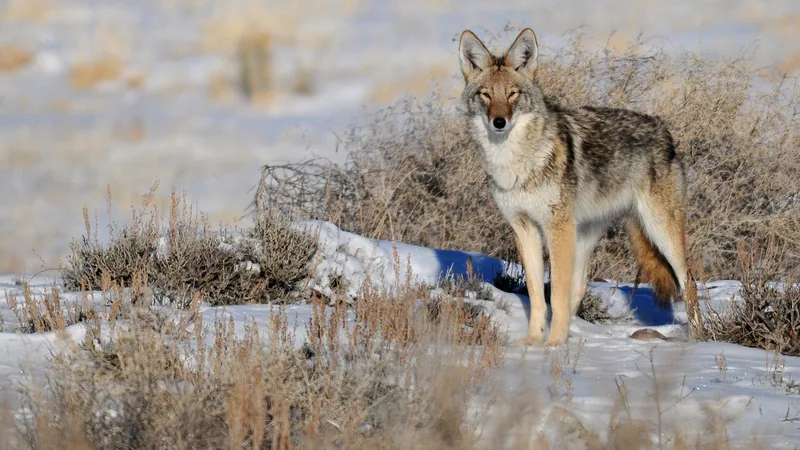
Coyote
The Song Dog that has faced more than 150 years of large-scale culling and still spread from Alaska to Panama.
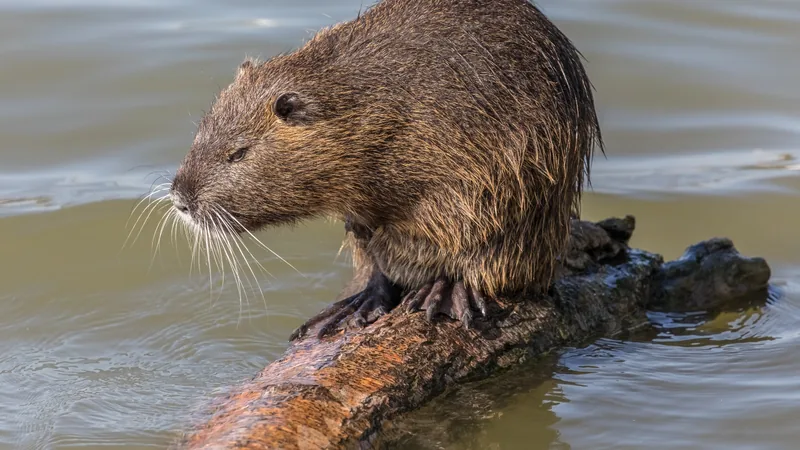
Coypu
A webbed-footed marsh rodent with its eyes, ears and nostrils on top of its head.
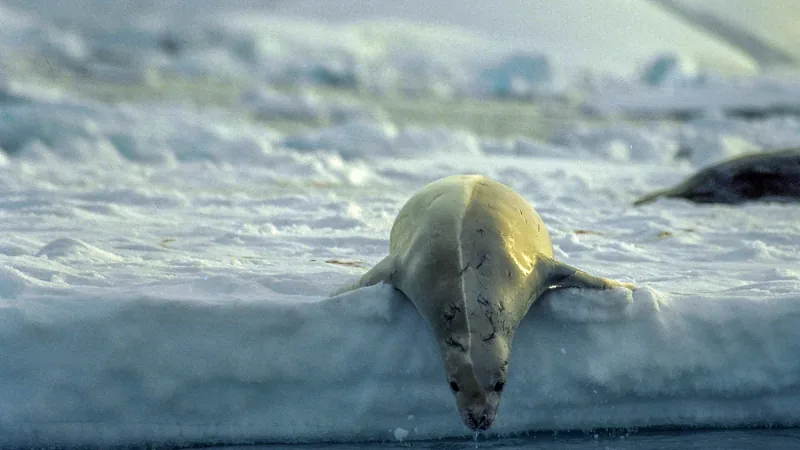
Crabeater Seal
The Southern Ocean's most abundant seal, straining Antarctic krill through teeth called the most complex of any carnivore.
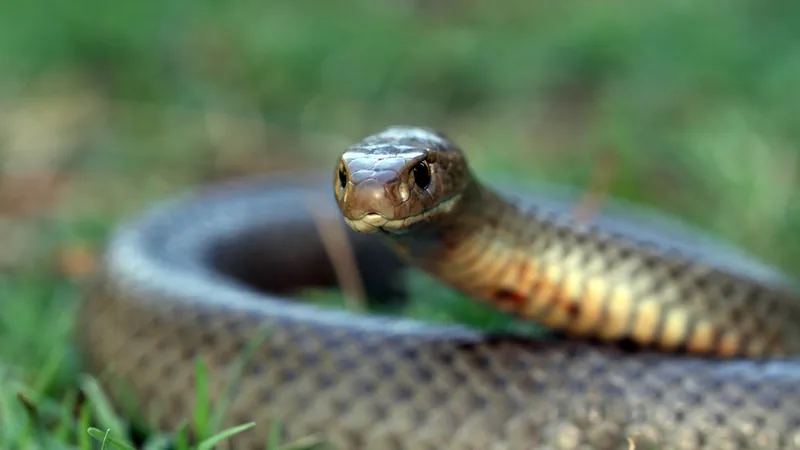
Eastern Brown Snake
Small fangs for an elapid its size, a modest average dose, and the second most toxic snake venom known.
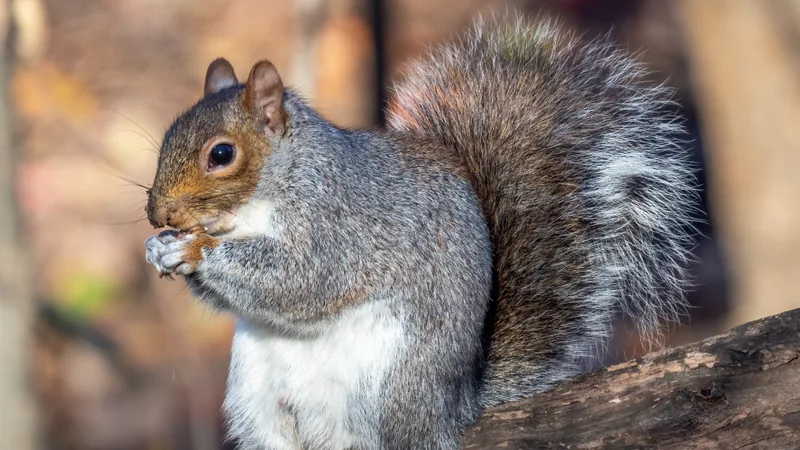
Eastern Gray Squirrel
An eastern North American tree squirrel that has been known to dig empty cache holes when other squirrels are around, and now far outnumbers the native red squirrel in the UK.
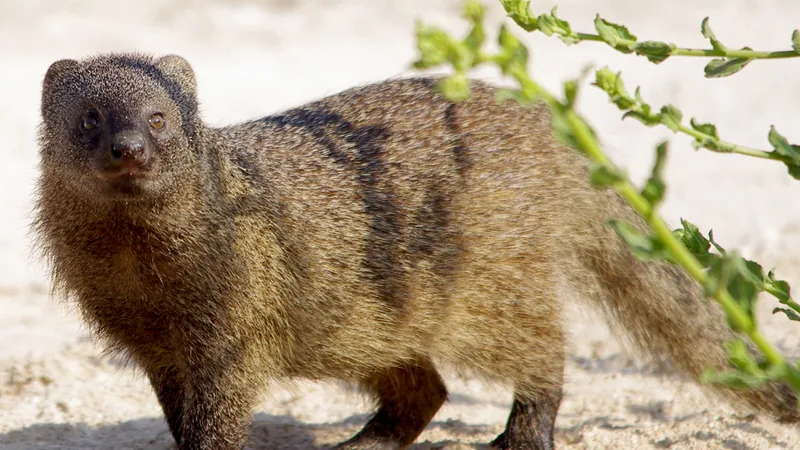
Egyptian Mongoose
A snake-killer that dodges the strike on reflex and carries a receptor that resists one of the nerve toxins in cobra venom.
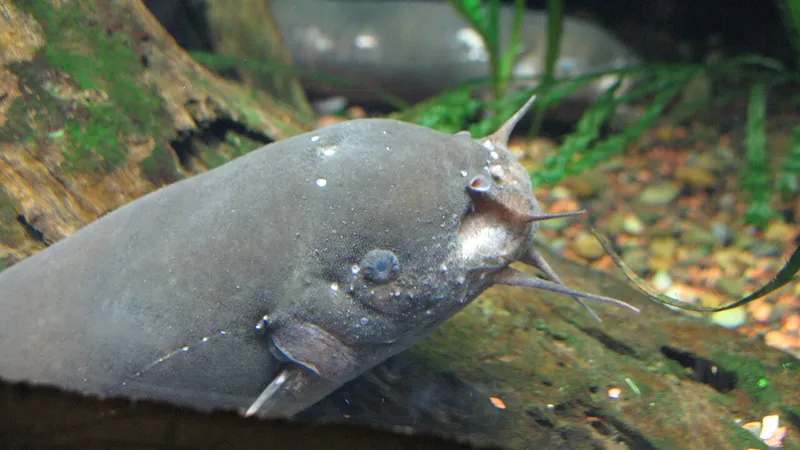
Electric Catfish
A night hunter of the Nile and Lake Chad wrapped in a living battery, from a genus that can discharge up to 350 volts.
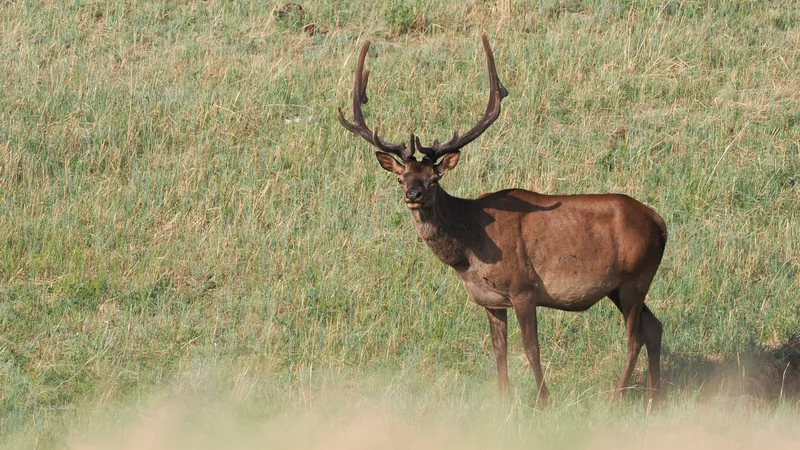
Elk
A bull's bugle is two sounds at once, and his antlers regrow every year at up to two-thirds of an inch a day.
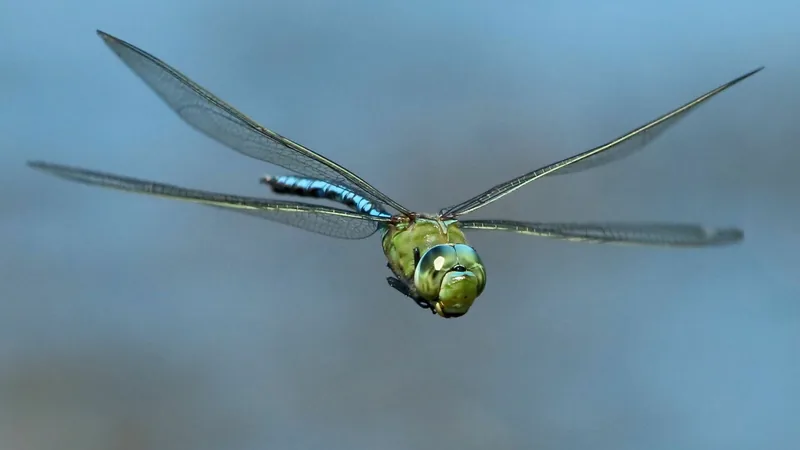
Emperor Dragonfly
A big dragonfly whose larva fires a hooked mouthpart at prey, too fast for a water flea to escape.
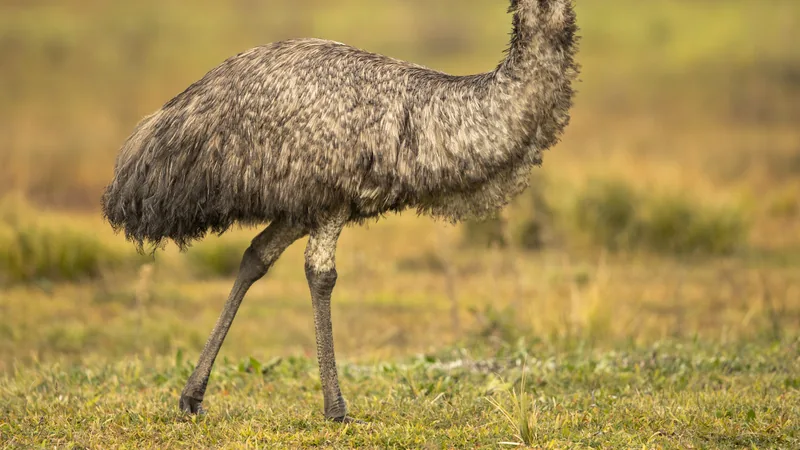
Emu
A flightless bird whose father sits on the eggs for eight weeks without eating or drinking.
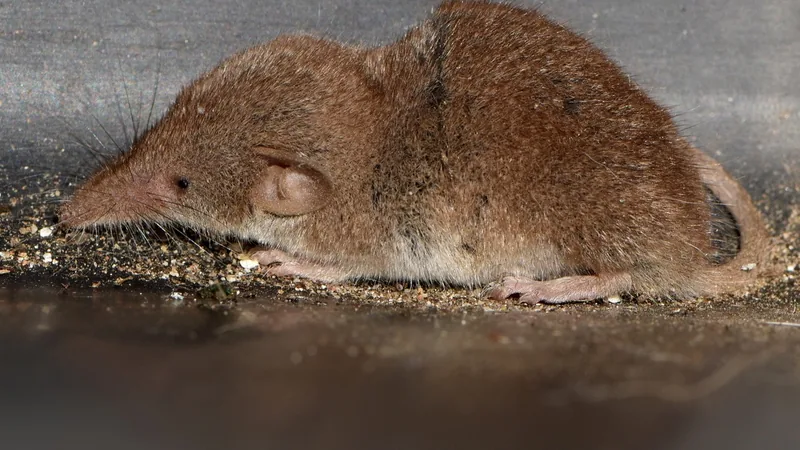
Etruscan Shrew
One of the smallest mammals alive, with a heart that has beaten 1,511 times in a minute.
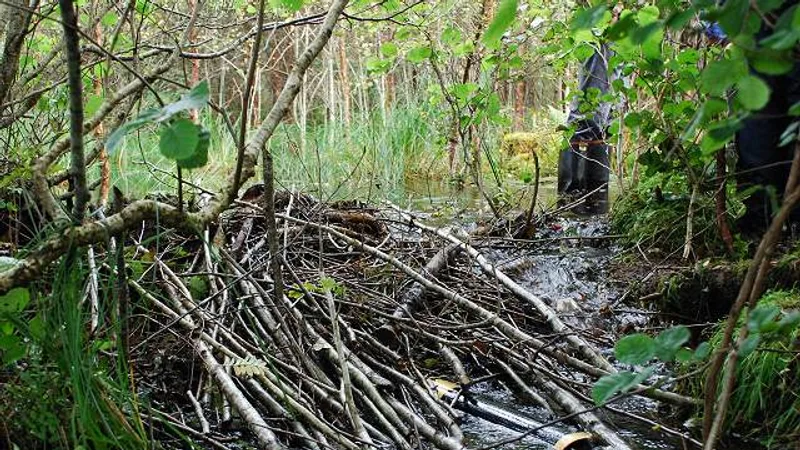
Eurasian Beaver
Europe's orange-toothed dam builder, hunted to near extinction, then counted at over 1.5 million across Europe by 2012.
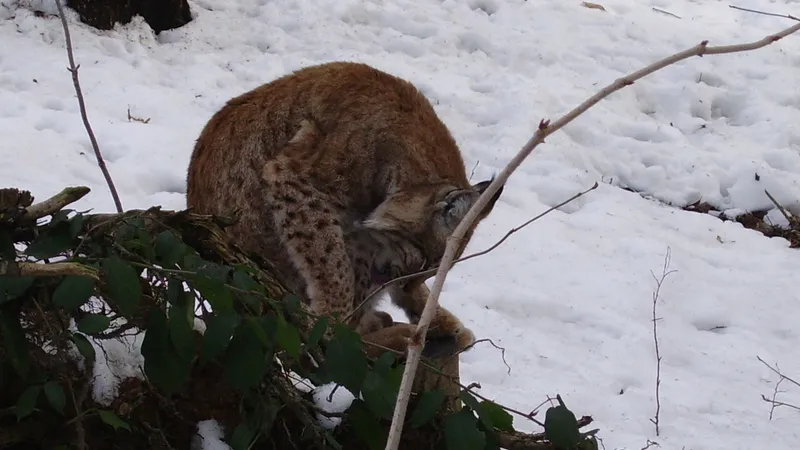
Eurasian Lynx
Europe's biggest wildcat, snowshoe-pawed and able to kill prey up to three to four times its own size by biting down on the snout until it suffocates.
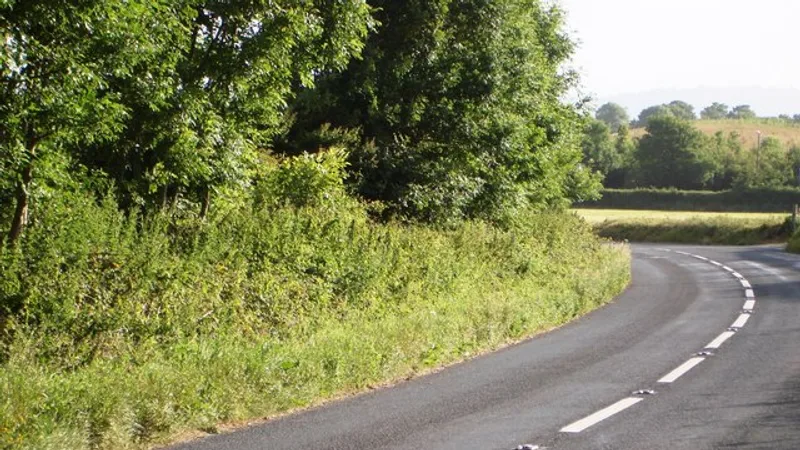
European Badger
Nocturnal digger with a striped face, sharp claws and a network of underground tunnels.
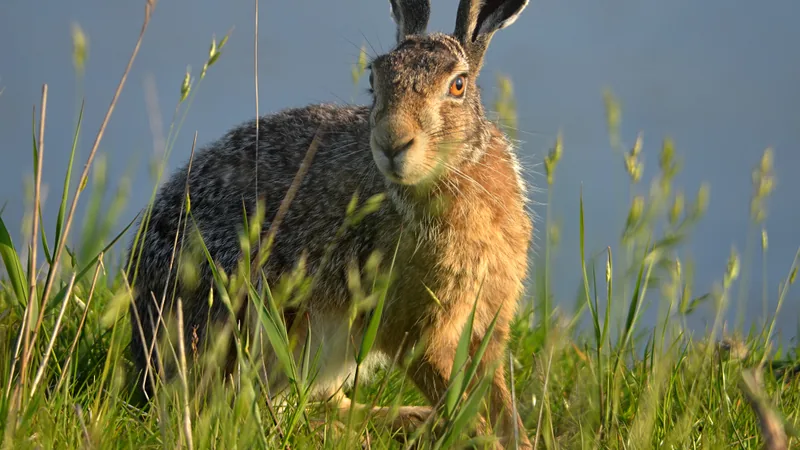
European Hare
Mom parks her furry newborns apart and makes the rounds to nurse them.
Conservation categories are from the IUCN Red List of Threatened Species. AnimalTracks is independent of IUCN.