Least Concern (LC)
Widespread and stable, for now. Being common is not the same as being safe, and several of these were assessed decades ago.
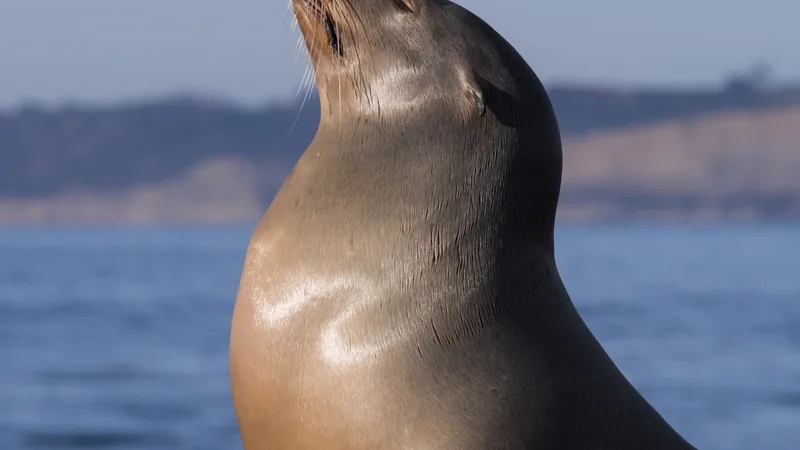
California Sea Lion
Males bark like dogs, and a mother can find her pup among hundreds by its call.
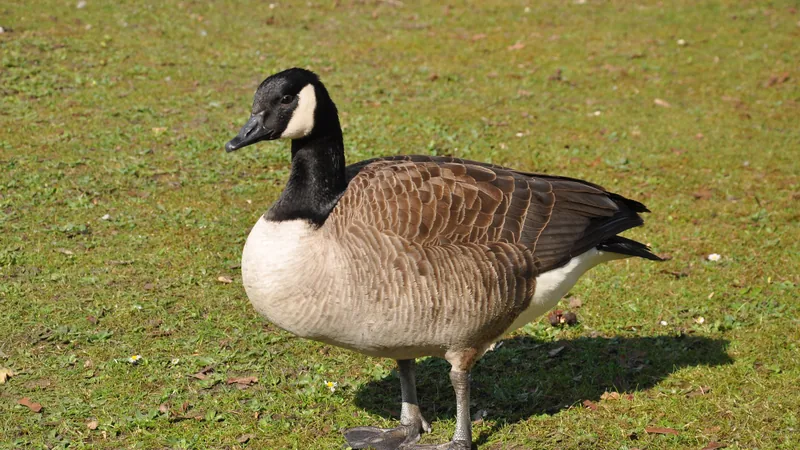
Canada Goose
North America's most widely distributed goose, with Hawaiian relatives that included a flightless giant over four times larger than the nene.
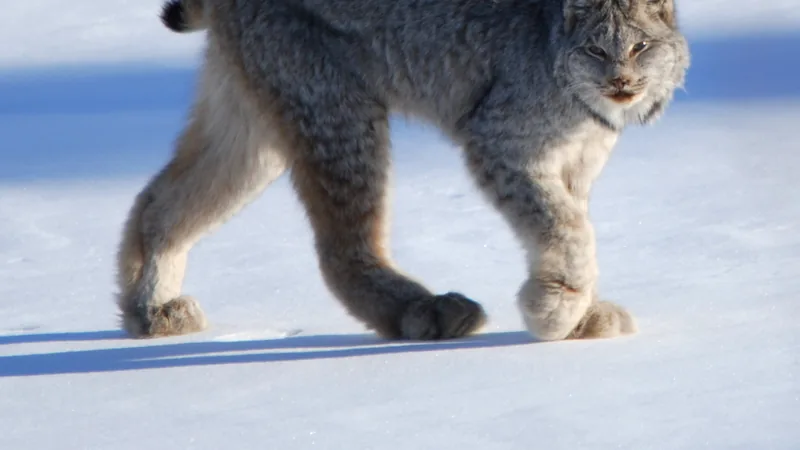
Canada Lynx
A snowshoe-pawed wild cat of the northern forests whose numbers rise and fall with the snowshoe hares it eats.
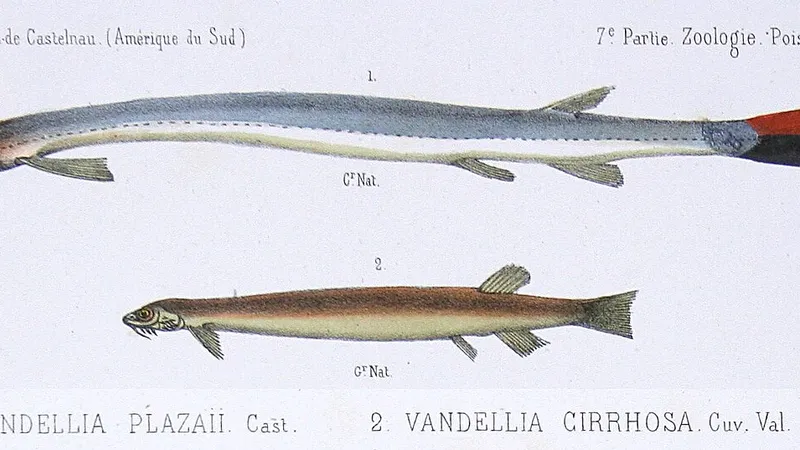
Candiru
The translucent, thin catfish that slips under a fish's gill cover and lets the host's own blood pressure fill its mouth.
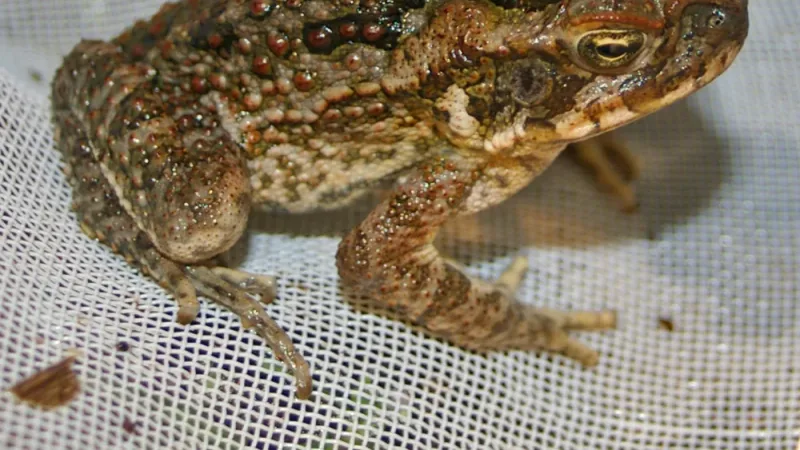
Cane Toad
Unstoppable neotropical chemical tank, turned loose in Queensland in 1935 to eat cane beetles, armed with shoulder glands whose toxins often kill the Australian native predators that try to eat it.
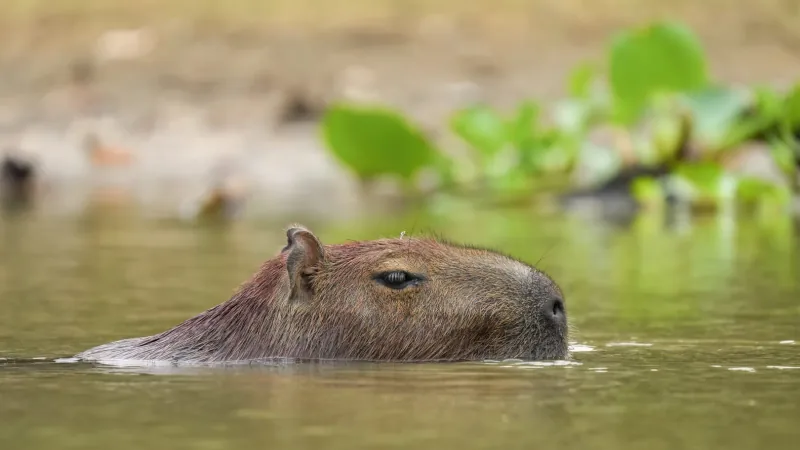
Capybara
Up to 66 kilograms (145 pounds) of South American zen diplomat, calm enough to let birds pick parasitic insects out of its fur.
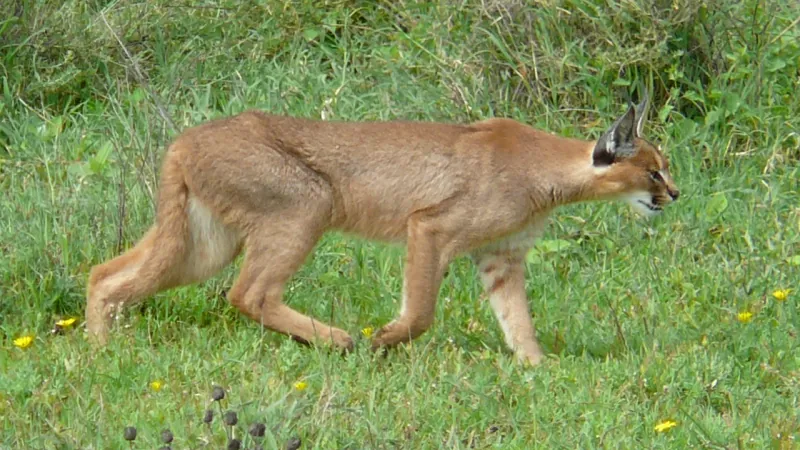
Caracal
Explosive feline acrobat capable of vertical anti-gravity leaps up to ten feet and mid-air bird snatches.
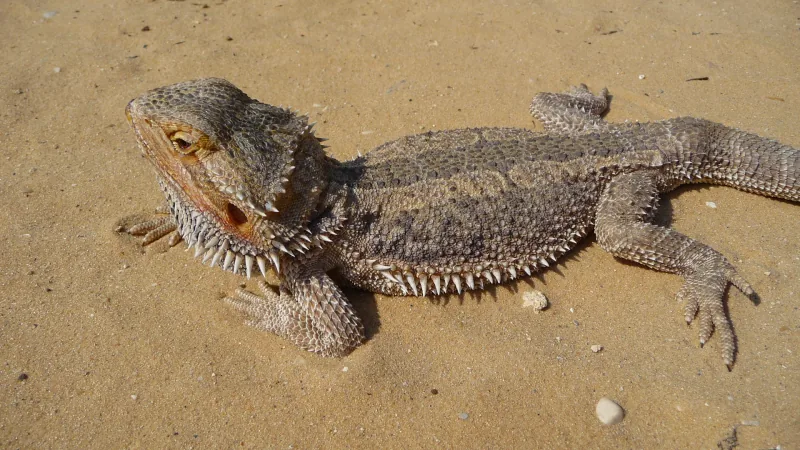
Central Bearded Dragon
The sun-loving outback lizard that bluffs with a puffed-out beard and waves an arm to back down.
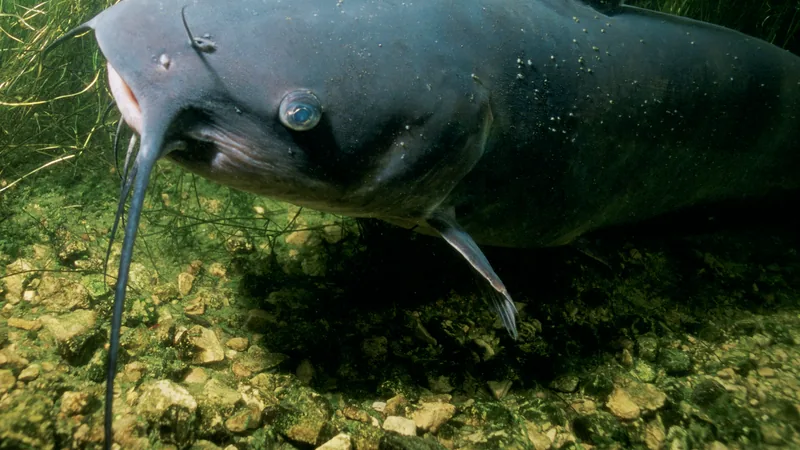
Channel Catfish
A catfish called a swimming tongue, with taste buds all over its body to find food in murky water.
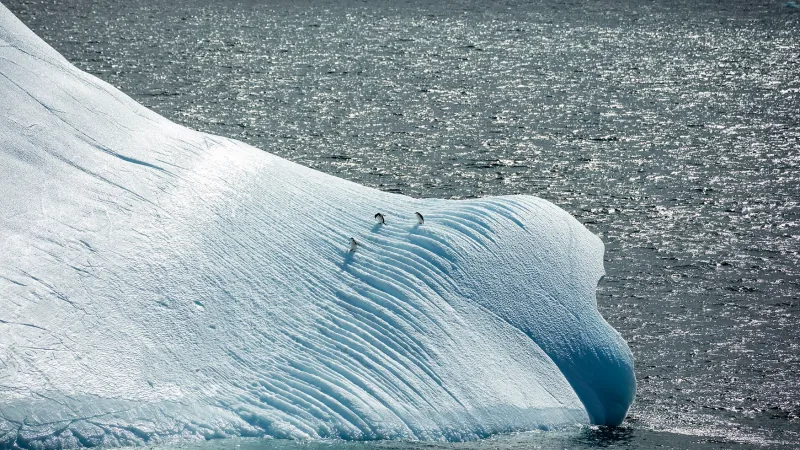
Chinstrap Penguin
The seabird that nods off more than 10,000 times a day in naps that average four seconds, banking over 11 hours of sleep in each half of its brain while it guards the nest.
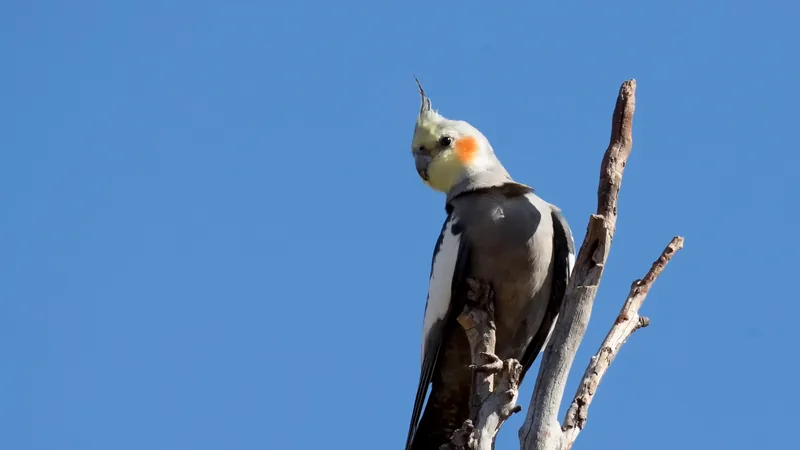
Cockatiel
A small crested parrot from Australia's open country that can sing a human melody in near-perfect sync.
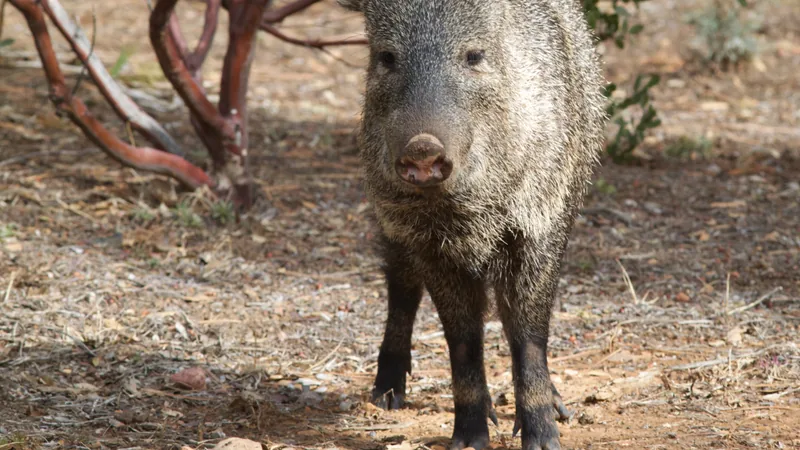
Collared Peccary
A 15 to 28 kg hoofed mammal that is not a pig, with self-sharpening canine teeth and a scent gland above its tail.

Colossal Squid
The heaviest invertebrate documented, with tentacle hooks that swivel up to 720 degrees and eyes about the size of a soccer ball.
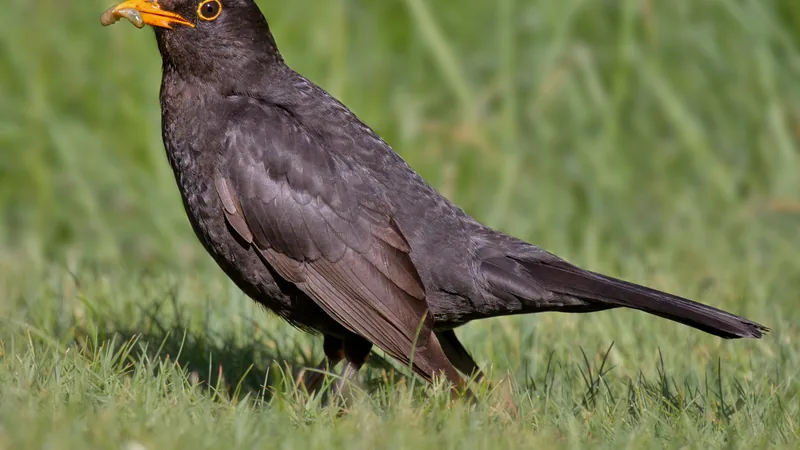
Common Blackbird
A lawn-hopping songster whose night-time hormones shift under city light.
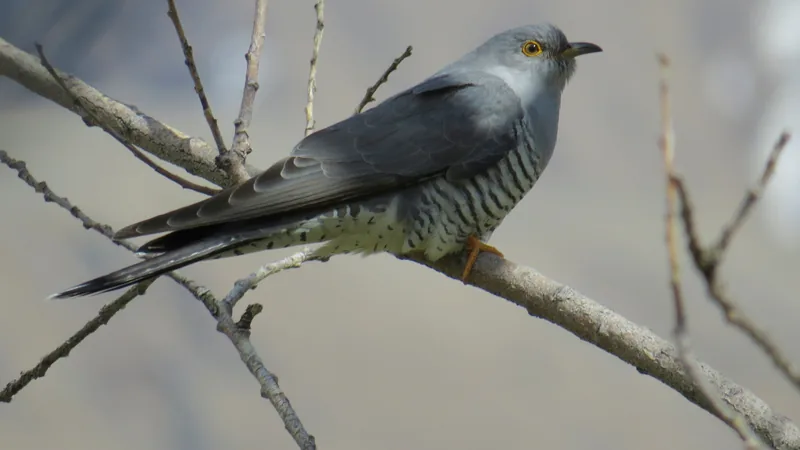
Common Cuckoo
A brood parasite whose females lay eggs that tend to match their hosts' eggs.
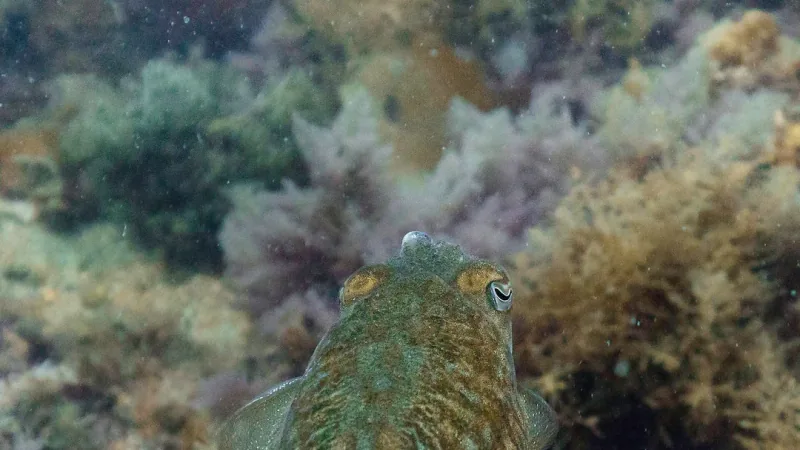
Common Cuttlefish
A color-blind ocean shapeshifter that reads polarized light and turns its skin from smooth to spiked in moments.
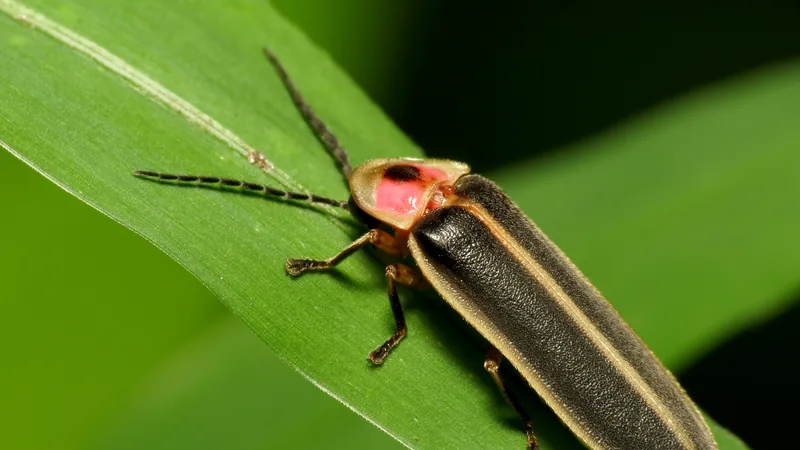
Common Eastern Firefly
A beetle whose males trace a J of light at dusk and bleed defensive steroids when attacked.
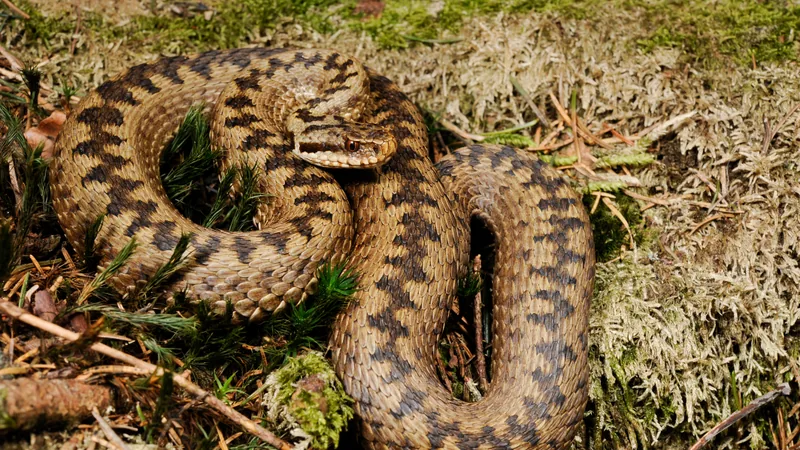
Common European Adder
A zigzag-backed viper that lives from Britain to the Pacific and is the only snake north of the Arctic Circle in Scandinavia.
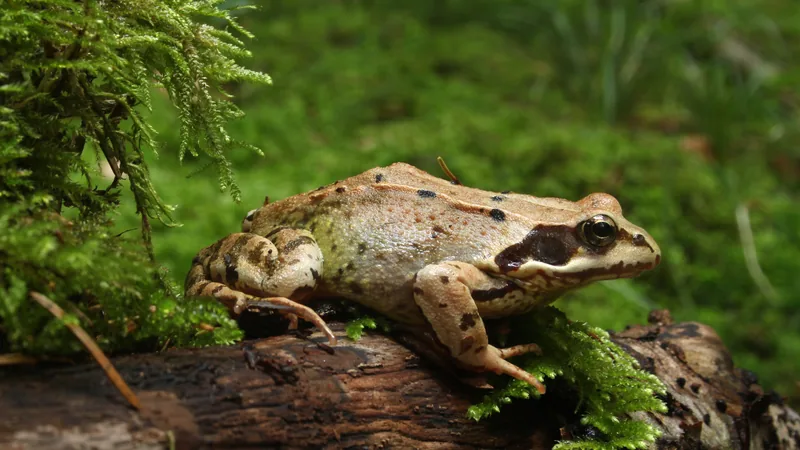
Common Frog
The frog that lives as far north as the Arctic Circle and sits out winter under rocks or buried in pond mud.
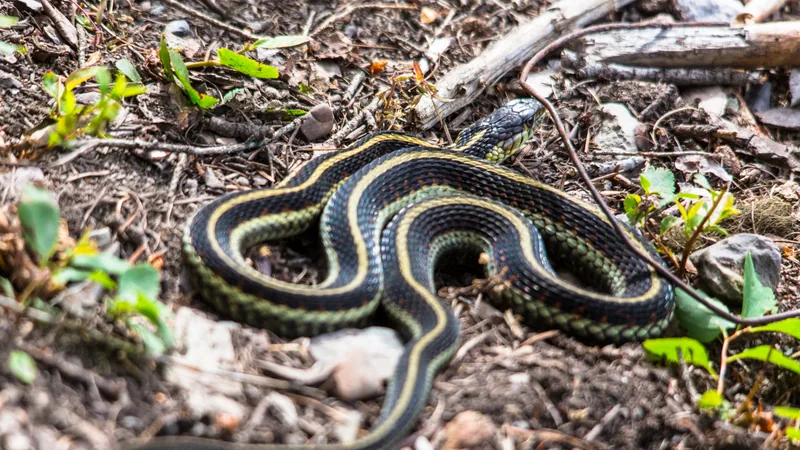
Common Garter Snake
A North American snake, some of whose populations have evolved resistance to the toxin of the newts they eat.
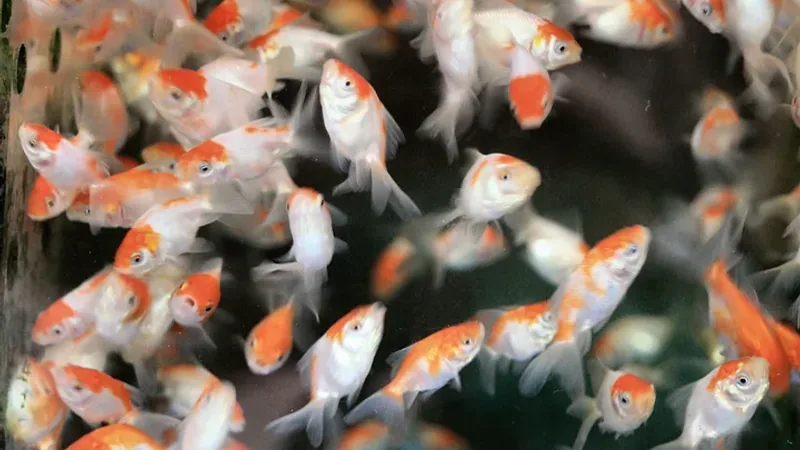
Common Goldfish
The pond fish that makes alcohol to survive without oxygen and sees four colors, ultraviolet included.
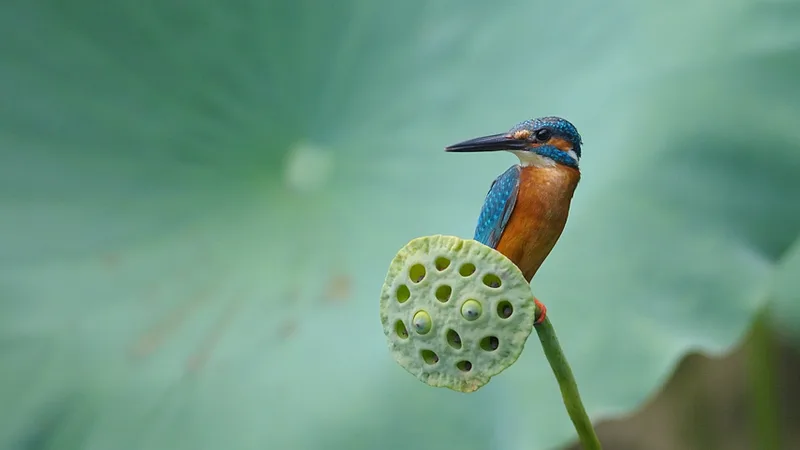
Common Kingfisher
Electric-cobalt torpedo diver, riverbank jewel, and an underwater strike made by touch alone.
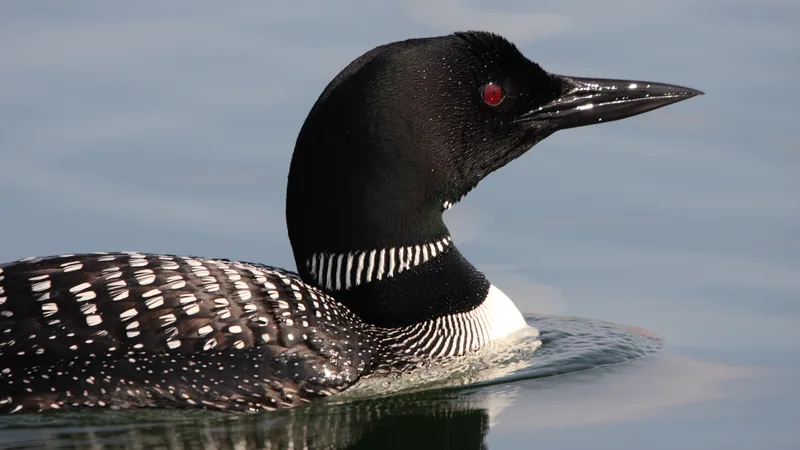
Common Loon
A dagger-billed diver with dense bones, a wolf-like wail and legs set too far back to walk well.
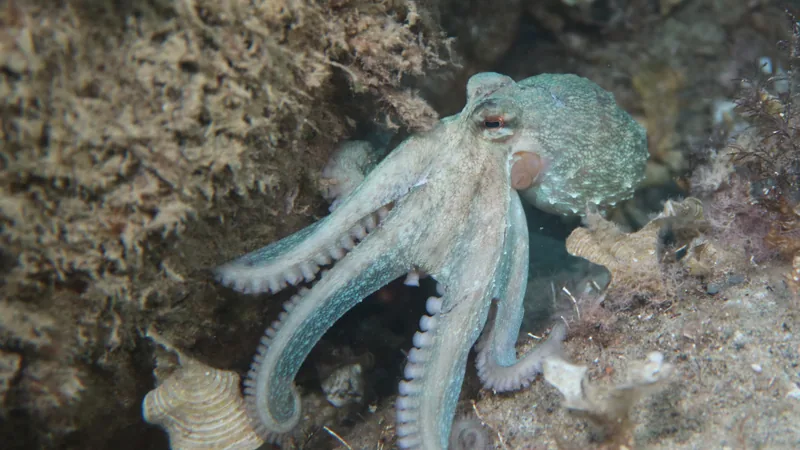
Common Octopus
A shallow-water hunter whose colour-changing skin is run by over half a million neurons, yet which is estimated to live one to two years.
Conservation categories are from the IUCN Red List of Threatened Species. AnimalTracks is independent of IUCN.