Ray-Finned Fishes
Hydrodynamic aquatic rulers with lateral line pressure sensors, swim bladders, and electrical weaponry.
Actinopterygii & Sarcopterygii
Bony fishes represent the most diverse vertebrate group on the planet. Maneuvering via ray-supported fins and neutrally buoyant swim bladders, they inhabit everything from high-altitude mountain streams to abyssal ocean trenches past 8,000 meters deep.
Key Evolutionary Adaptations
Lateral line sensory systems detect water displacement and pressure waves from surrounding swimming creatures.
Electric eels align 6,000 electrocyte cells in series to discharge predatory shocks up to 860 volts.
Coelacanths possess fleshy lobed fins containing internal bone structures ancestral to all four-legged land animals.
Ray-Finned Fishes (page 2 of 3)
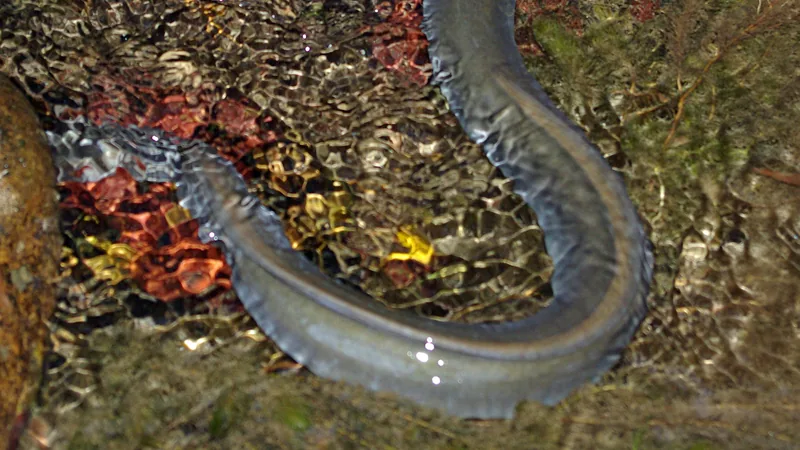
European Eel
A river fish thought to spawn only in the Sargasso Sea, after a 5,000 to 10,000 km migration, though its spawning has never been observed.
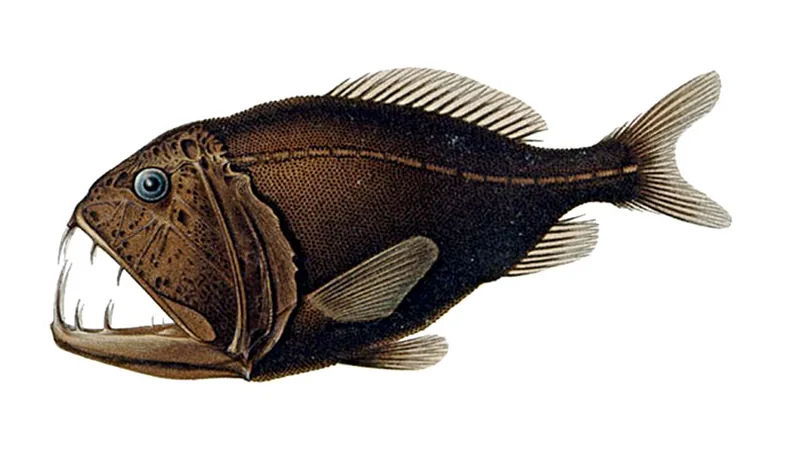
Fangtooth
The bathypelagic hunter reported to have the largest teeth of any marine fish for its head size, fangs so long an adult cannot fully close its mouth.
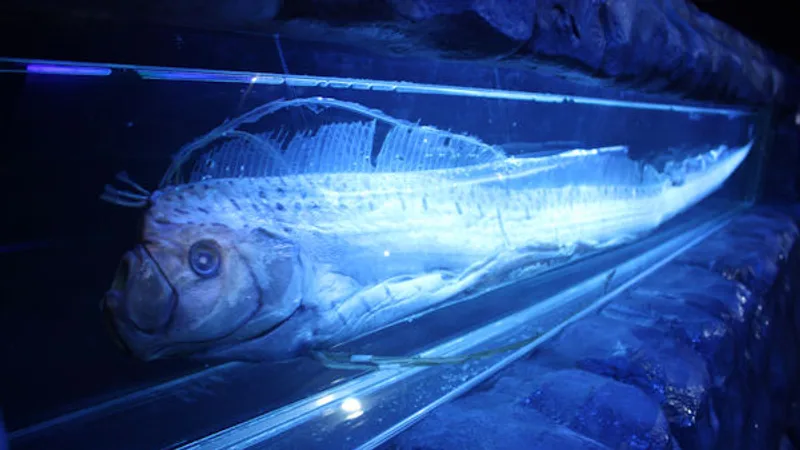
Giant Oarfish
A silver ribbon reliably documented to 8 meters, with a red dorsal fin along its whole length, seen swimming upright in the open ocean.
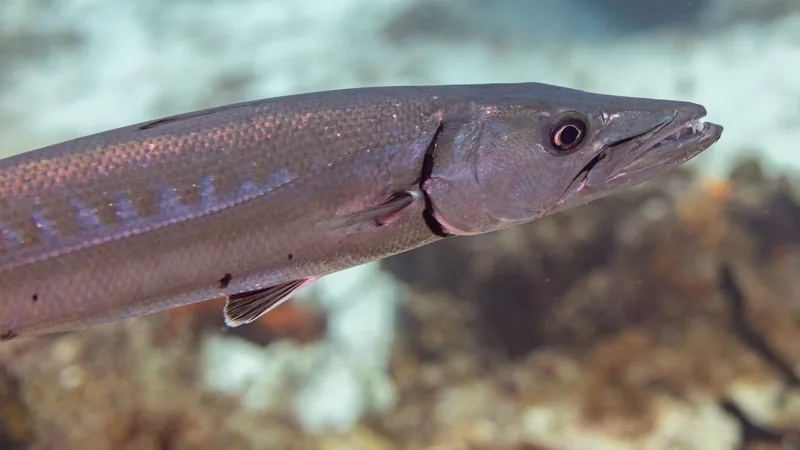
Great Barracuda
A long, tube-shaped hunter with two sets of razor-sharp teeth that chops big fish in half.
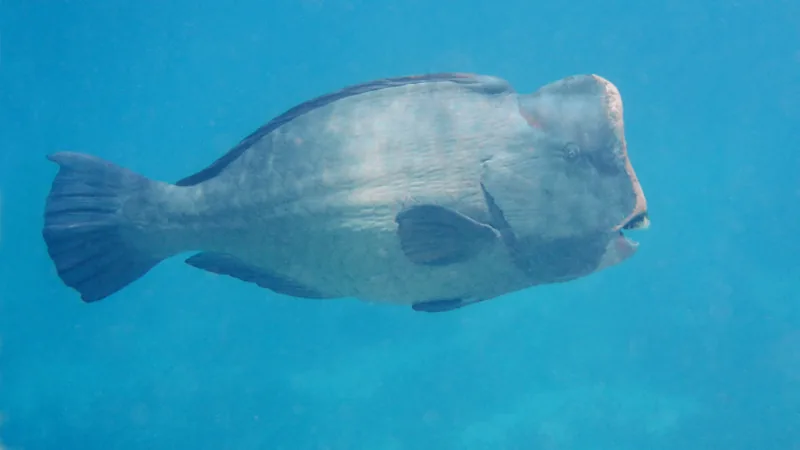
Green Humphead Parrotfish
The biggest herbivorous fish on coral reefs, whose males settle rivalries with headbutts.
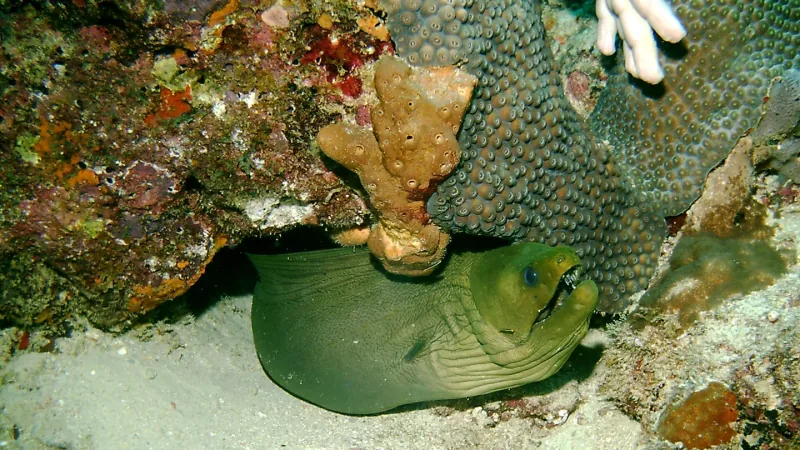
Green Moray Eel
The reef predator that lies in wait in rock crevices, wearing a thick yellow mucus that turns its dark skin green and protects it from parasites and disease.
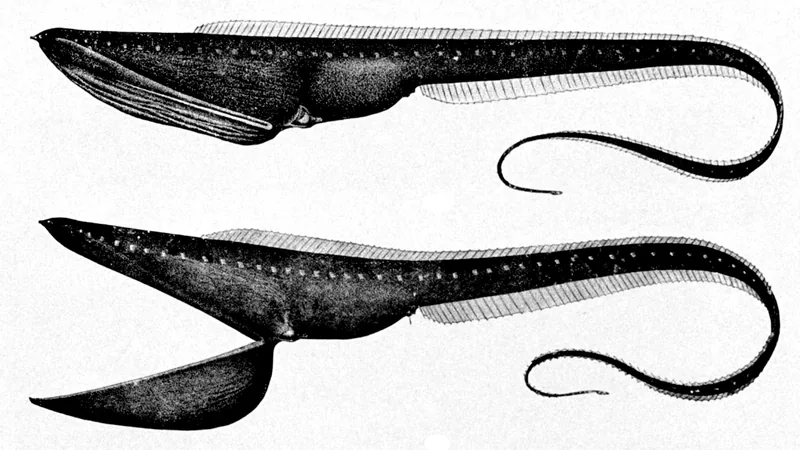
Gulper Eel (Pelican Eel)
A huge gape, a mouth that first unfolds and then inflates, and a glowing tail tip.
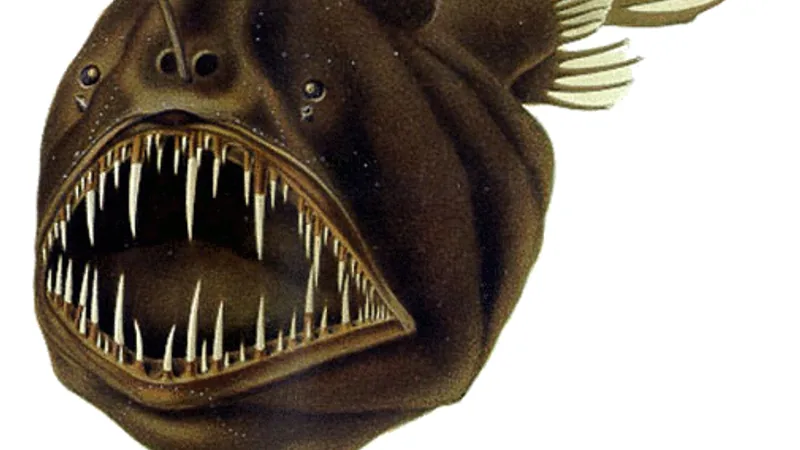
Humpback Anglerfish
The female wears a lure on her snout and can swallow a fish longer than herself.
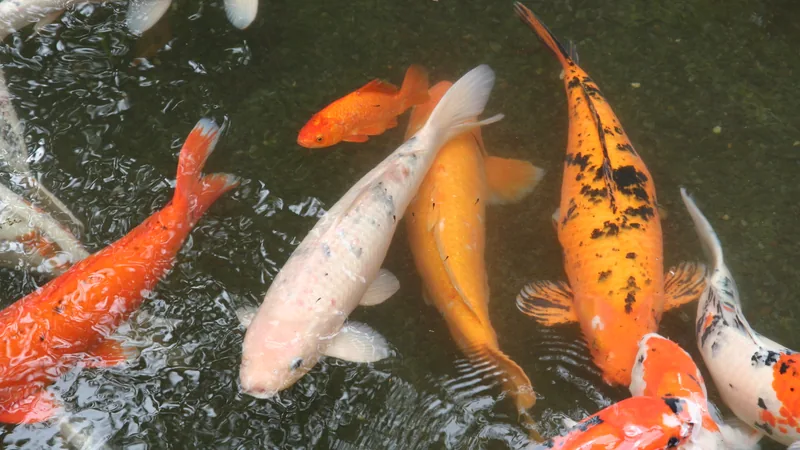
Koi
A pet carp bred into over 100 colour varieties that, in one study, sought out a human hand.
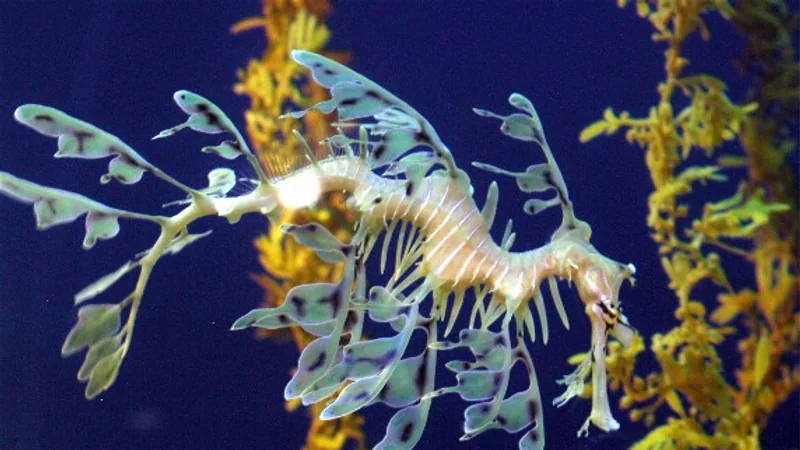
Leafy Seadragon
Seaweed-like flaps, transparent oscillating fins, and a sway like plants in the current.
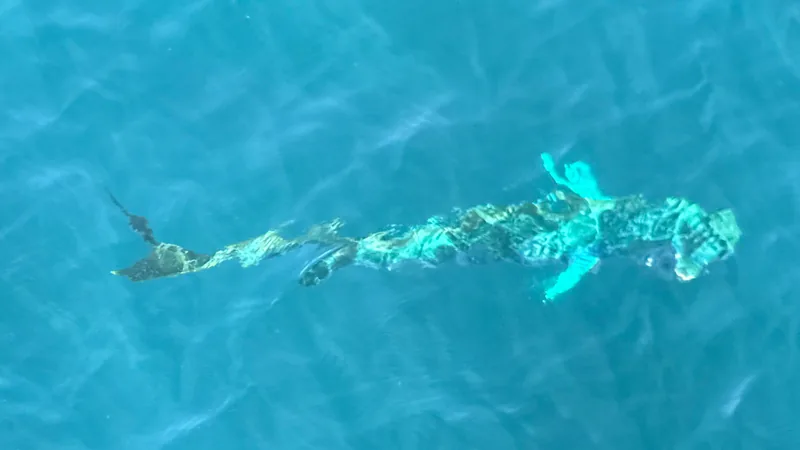
Mahi-Mahi
A gold-and-blue ocean sprinter that can pass 4 feet long in its first year.
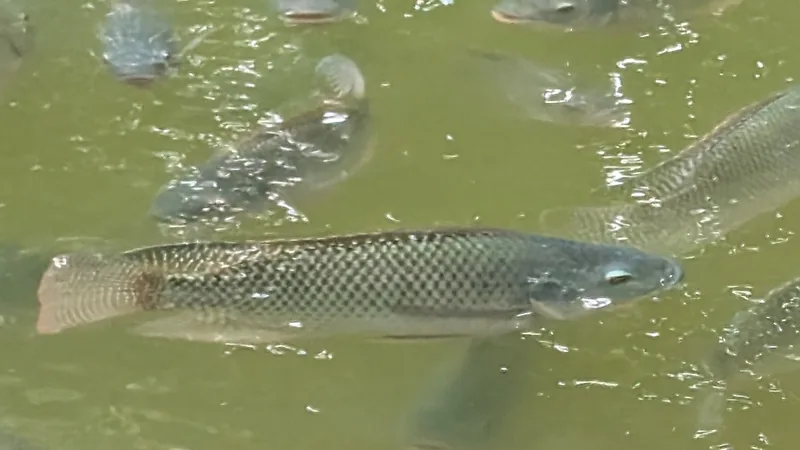
Nile Tilapia
A mouth-brooding cichlid; in one lab strain, a Y-chromosome gene proved essential for maleness.
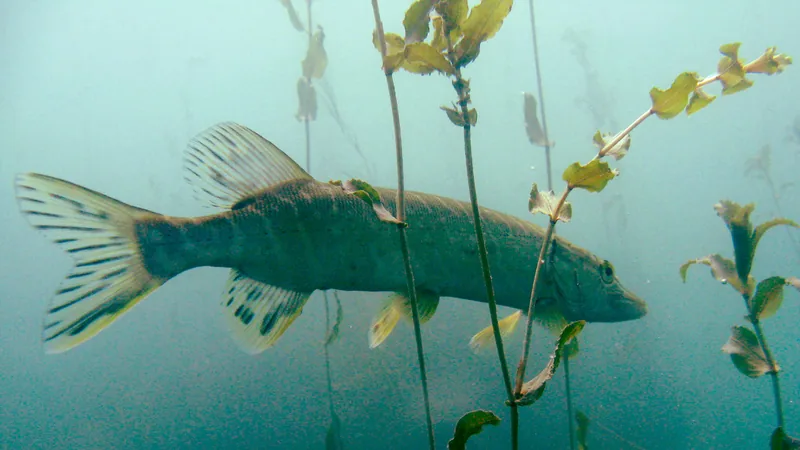
Northern Pike
A freshwater ambush predator that lies cocked in an S, then strikes with a sprint.
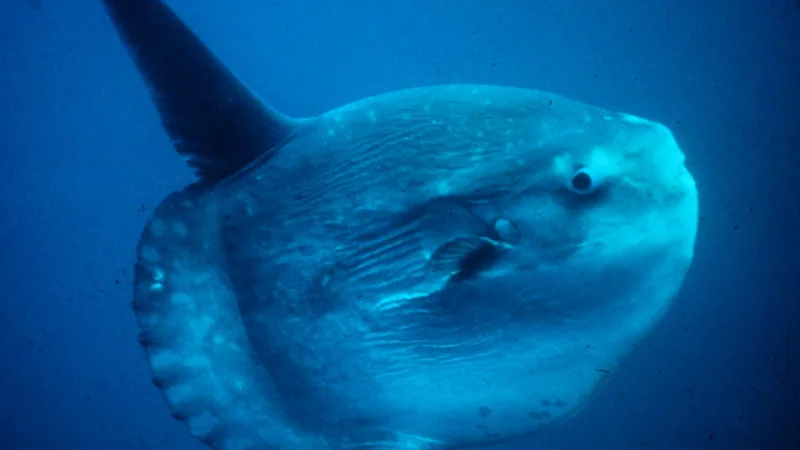
Ocean Sunfish (Mola Mola)
Up to 1.3 tonnes of cartilage-and-jelly fish with no tail fin. It dives for siphonophores, then floats flat at the surface between dives.
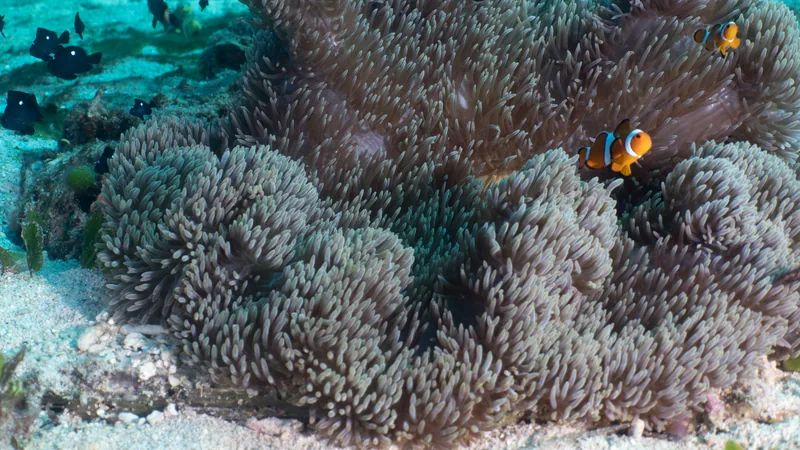
Ocellaris Clownfish
A reef fish about 8 cm long that shelters among stinging anemone tentacles, where the breeding male turns female if the female is lost.
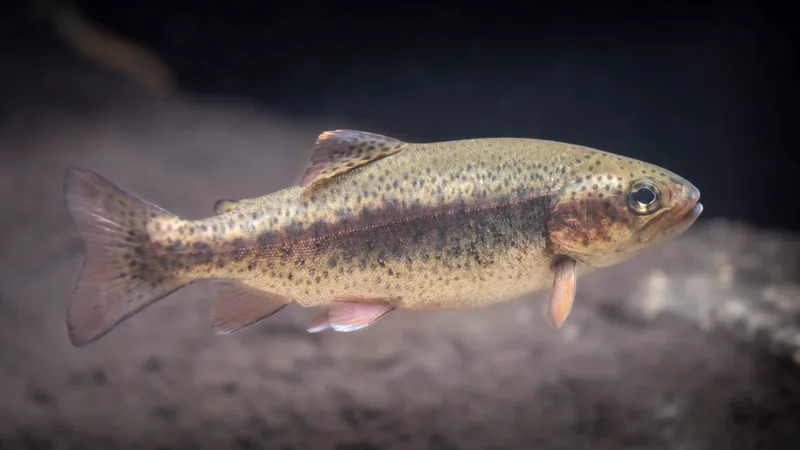
Rainbow Trout
A stream fish whose sex is set by a Y-chromosome gene unrelated to any known sex-differentiating gene.
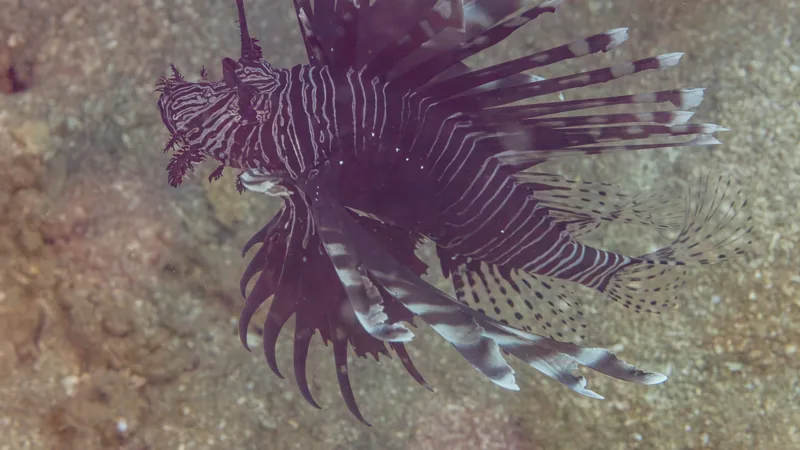
Red Lionfish
Swims at half its prey's speed and still wins six lab chases in ten.
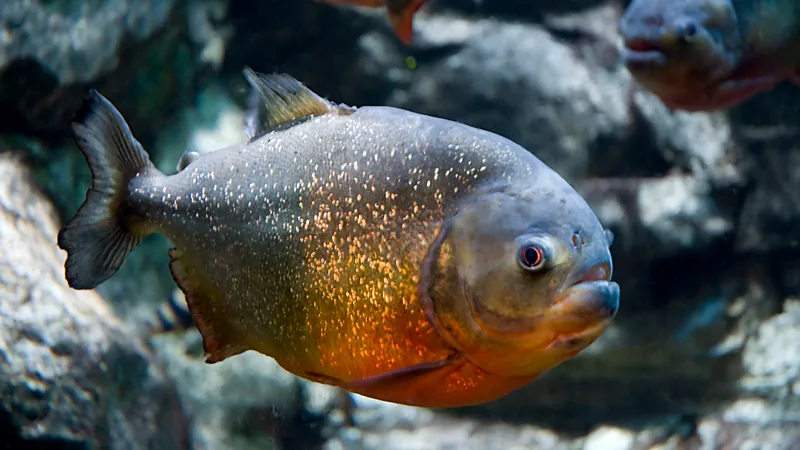
Red-Bellied Piranha
Razor-sharp interlocking teeth, a red belly, and a school that doubles as cover from predators.
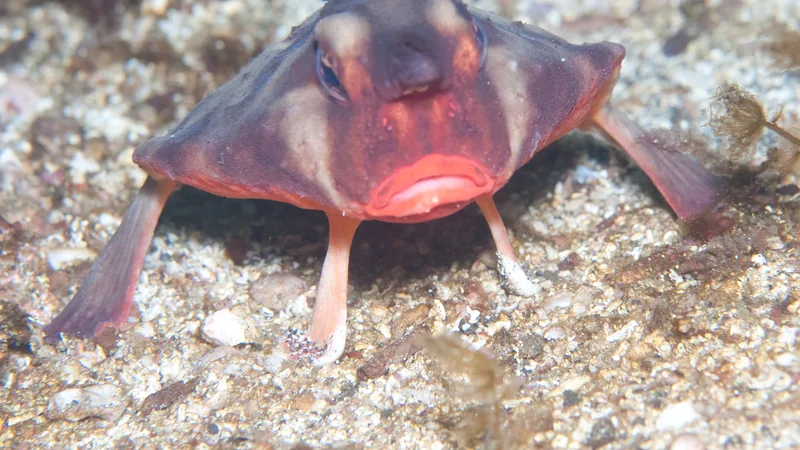
Red-Lipped Batfish
A Galápagos batfish whose genus walks the seabed on modified fins.
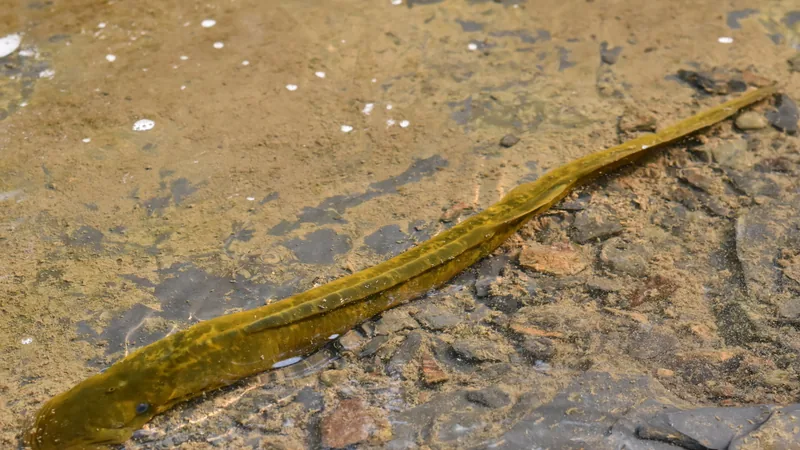
Sea Lamprey
A jawless survivor from a lineage that split from ours roughly 500 million years ago, armed with a sucker mouth ringed in rasping teeth.
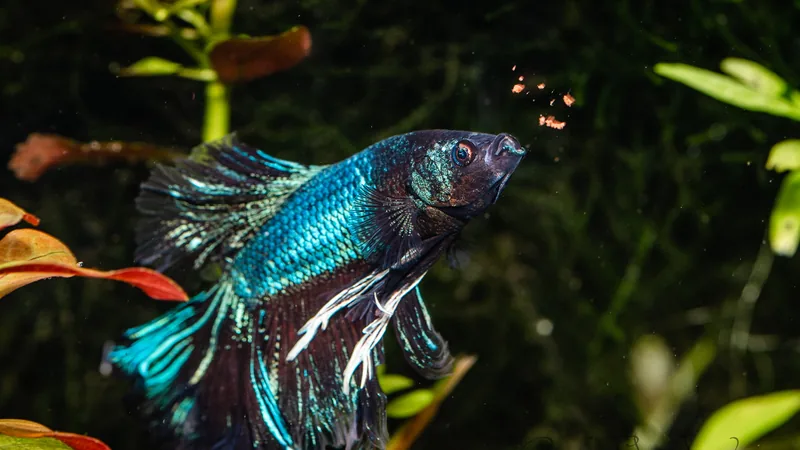
Siamese Fighting Fish
A fish up to 6.5 cm long that breathes air through a labyrinth organ, and whose males flare their gill covers at each other.
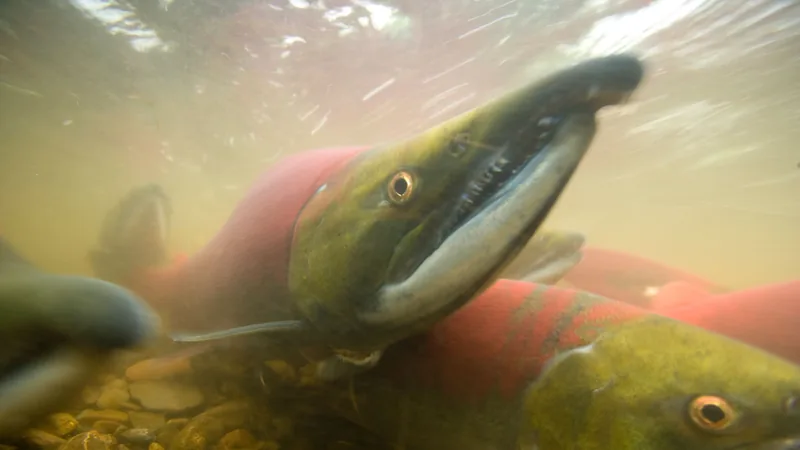
Sockeye Salmon
A silver sea-going fish that turns bright red and swims back to the freshwater system where it hatched.
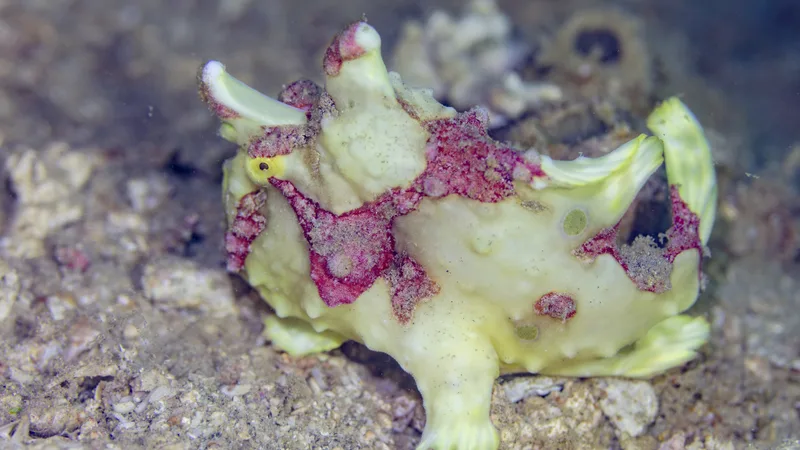
Striated Frogfish
The lure-twitching frogfish whose surprise attack pulls in prey within six milliseconds as its mouth expands up to twelve times.
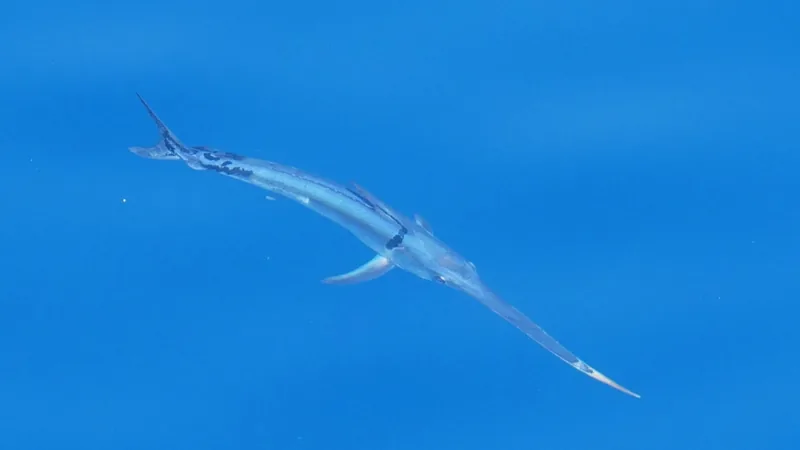
Swordfish
A fish with a heater for its brain and a flattened bill it apparently uses to slash prey.