Ray-Finned Fishes
Hydrodynamic aquatic rulers with lateral line pressure sensors, swim bladders, and electrical weaponry.
Actinopterygii & Sarcopterygii
Bony fishes represent the most diverse vertebrate group on the planet. Maneuvering via ray-supported fins and neutrally buoyant swim bladders, they inhabit everything from high-altitude mountain streams to abyssal ocean trenches past 8,000 meters deep.
Key Evolutionary Adaptations
Lateral line sensory systems detect water displacement and pressure waves from surrounding swimming creatures.
Electric eels align 6,000 electrocyte cells in series to discharge predatory shocks up to 860 volts.
Coelacanths possess fleshy lobed fins containing internal bone structures ancestral to all four-legged land animals.
Ray-Finned Fishes (page 1 of 3)

African Lungfish
A fish that breathes air through two lungs and can live for over a year inside a cocoon of its own dried slime.

Alligator Gar
Described as a 100-million-year-old living fossil, armored in interlocking ganoid scales, with two rows of fang-like teeth in its upper jaw and a swim bladder that can work as a lung.

American Paddlefish
An ancient river giant that carries 50,000 to 70,000 electroreceptor organs, the largest number of any living vertebrate species.

Antarctic Icefish
A Southern Ocean fish with no working red blood cells, whose nearly clear blood carries oxygen dissolved in plasma, along with its own antifreeze.
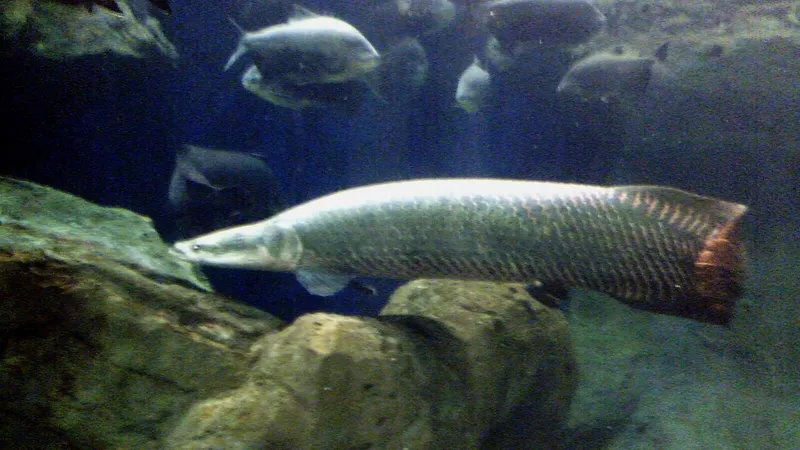
Arapaima
An Amazon giant that can reach three meters, breathes air through a lung-like swim bladder, and wears scale armor that resists piranhas.

Atlantic Bluefin Tuna
A tuna up to 13 feet long that dives past 1,000 meters and keeps a warm body.
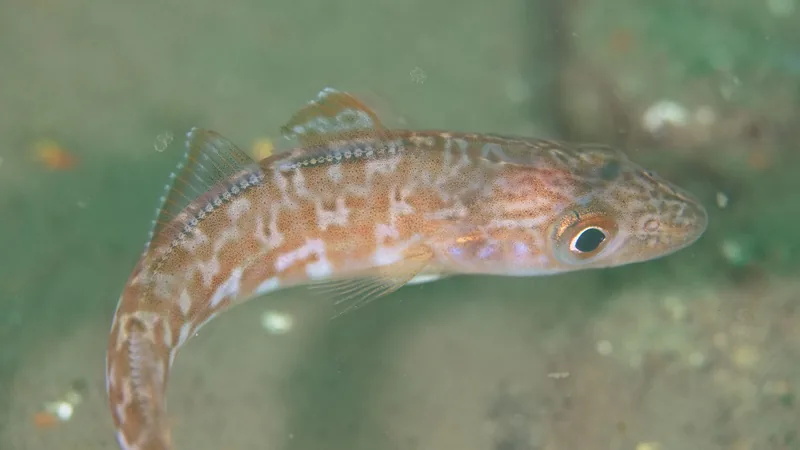
Atlantic Cod
A big bottom predator that lost an immune pathway jawed vertebrates normally keep.
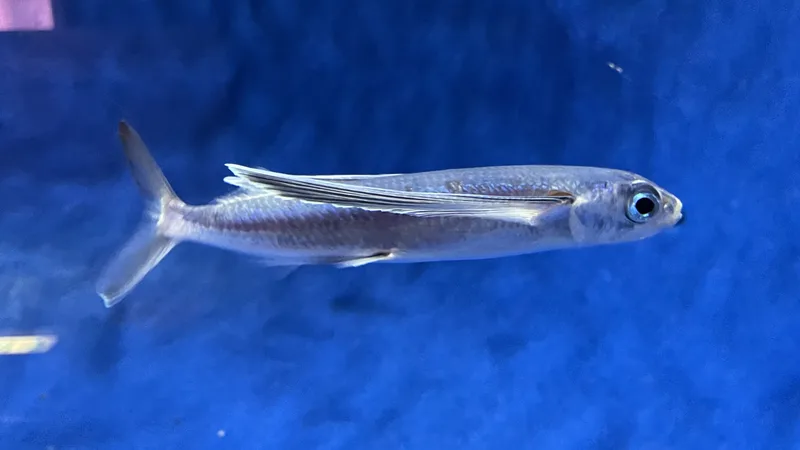
Atlantic Flying Fish
The Atlantic glider that swims at up to about 30 km/h, then leaps out and glides as far as 12 meters.
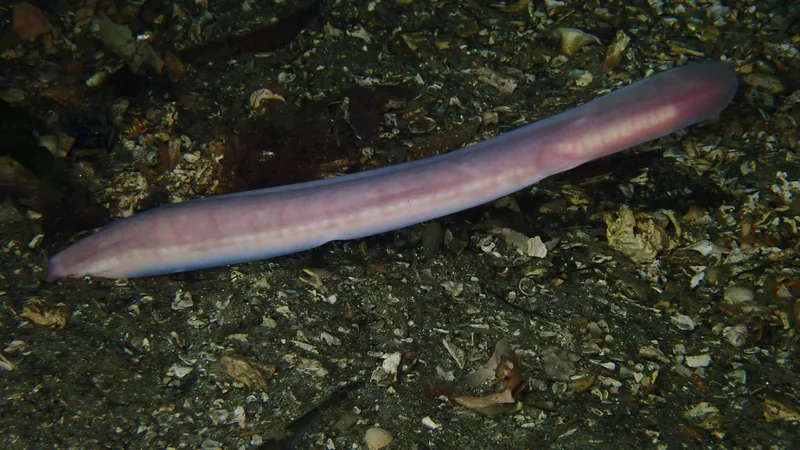
Atlantic Hagfish
The jawless North Atlantic scavenger whose slime glands unravel a coiled fiber bundle into a thread a hundred times longer in a fraction of a second.
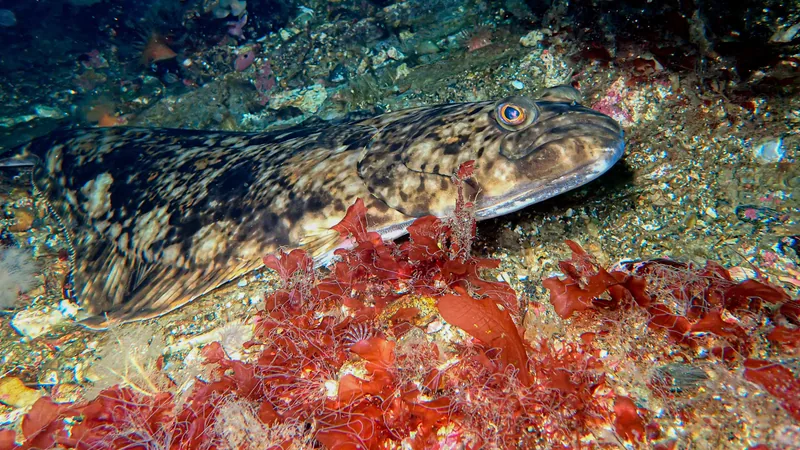
Atlantic Halibut
The world's largest flatfish, and a fish that moves one of its eyes across its head.
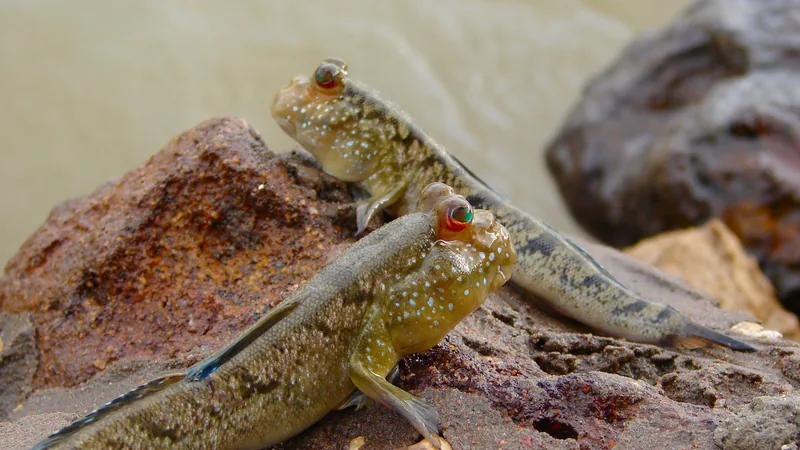
Atlantic Mudskipper
A West African fish that blinks on land and hunts crabs and insects on the mud.
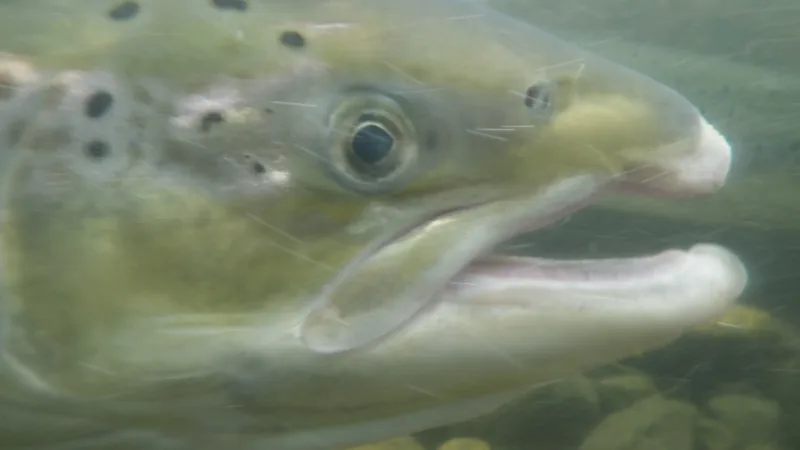
Atlantic Salmon
Hatches in a river, grows up in the ocean, and finds its way home by the chemistry of its birth stream.
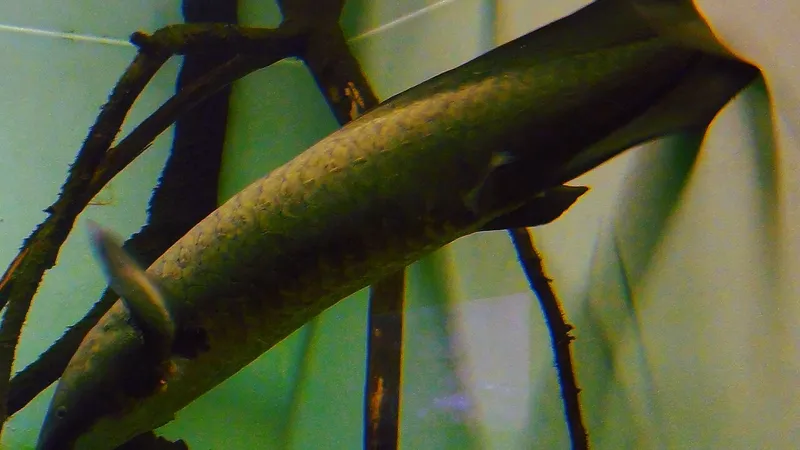
Australian Lungfish
An air-breathing fish with a single lung, a body that still resembles fossils over 100 million years old, and a genome known to be the largest of any animal.
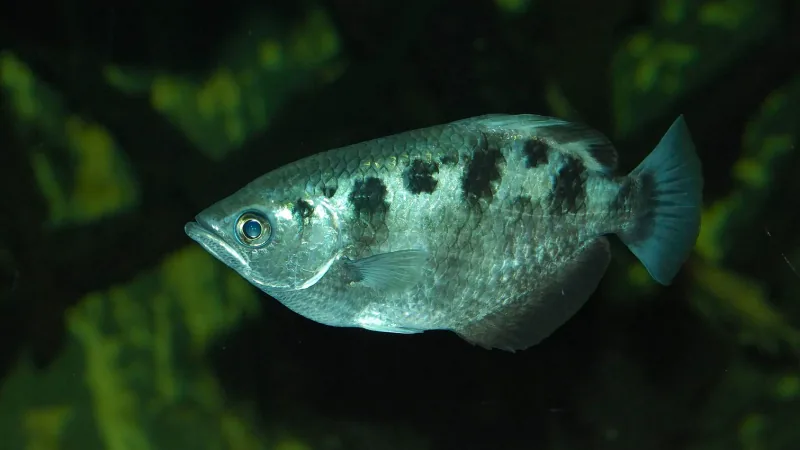
Banded Archerfish
The mangrove sniper that builds a water rifle from its own tongue and turns a single shot into a self-amplifying bullet of water.

Barramundi
A fish that mostly matures as a male and switches to female as it grows, on its way to a maximum length of 200 cm.
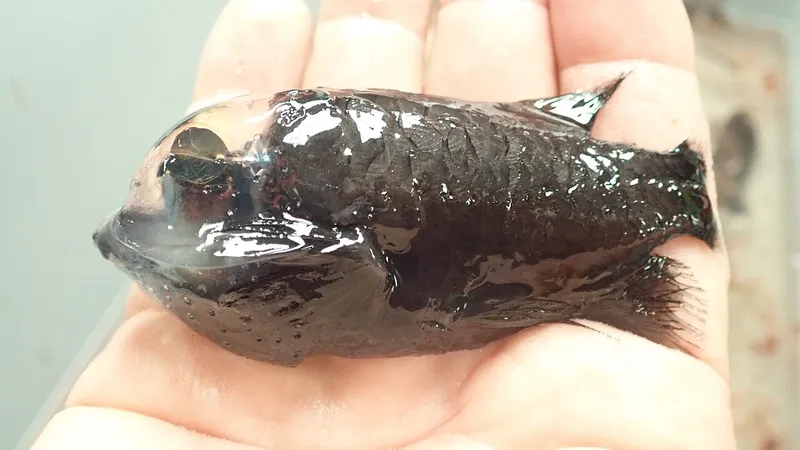
Barreleye Fish
The deep-sea fish with a transparent, fluid-filled shield on its head and light-sensitive tubular eyes that rotate inside it.
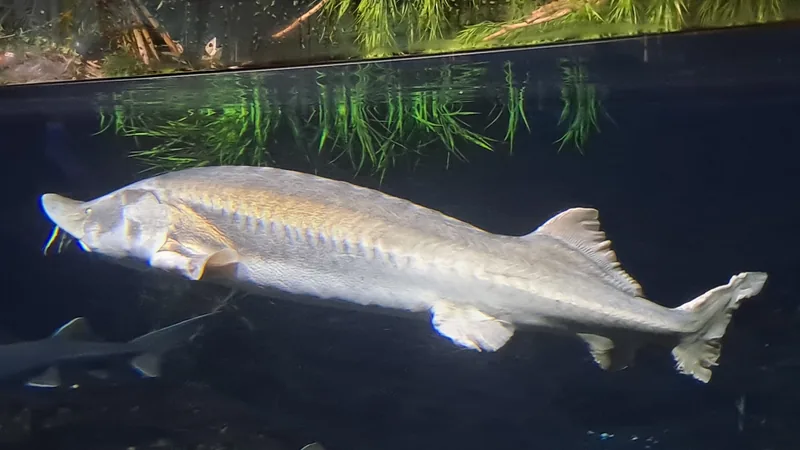
Beluga Sturgeon
A giant sturgeon that mostly hunts open-water fish and now survives largely through hatcheries.
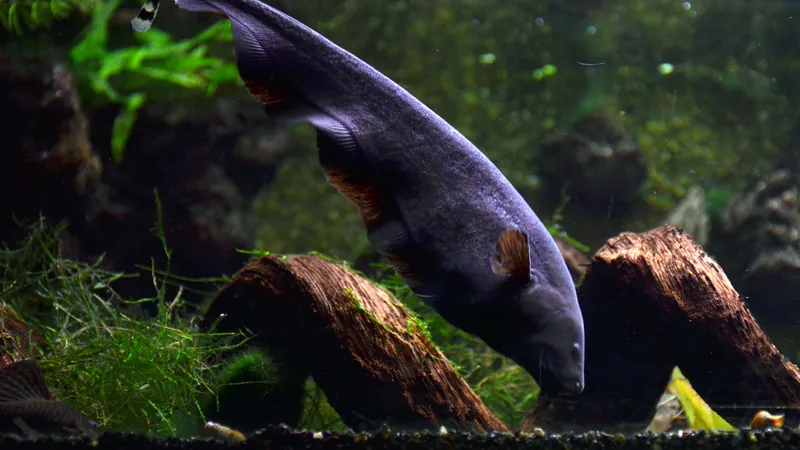
Black Ghost Knifefish
A nocturnal South American fish that senses its surroundings through a continuous electric field around its own body.
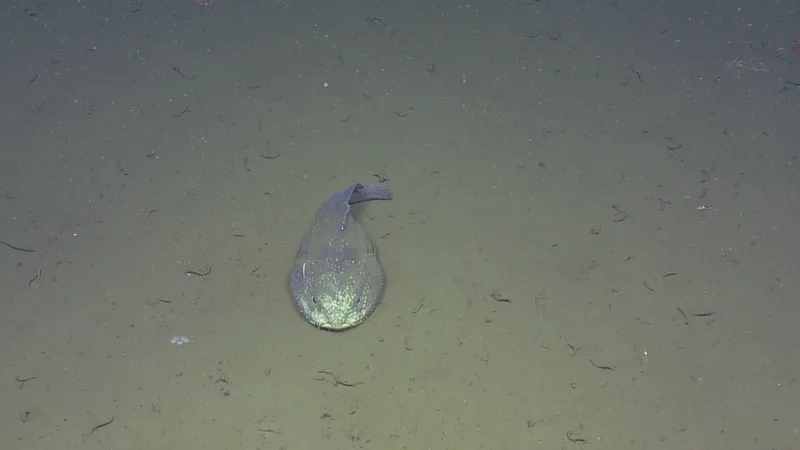
Blobfish
Nicknamed Mr Blobby by the scientists and crew of the research vessel Tangaroa after it was trawled from the Norfolk Ridge in 2003, and now held in the Australian Museum's collection.
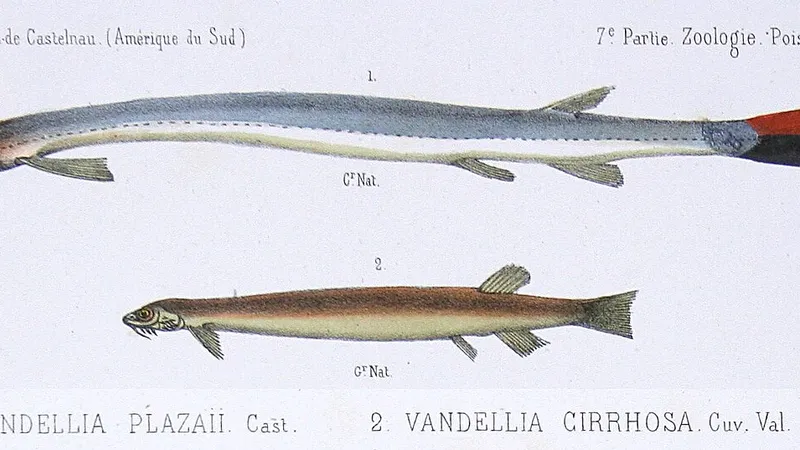
Candiru
The translucent, thin catfish that slips under a fish's gill cover and lets the host's own blood pressure fill its mouth.
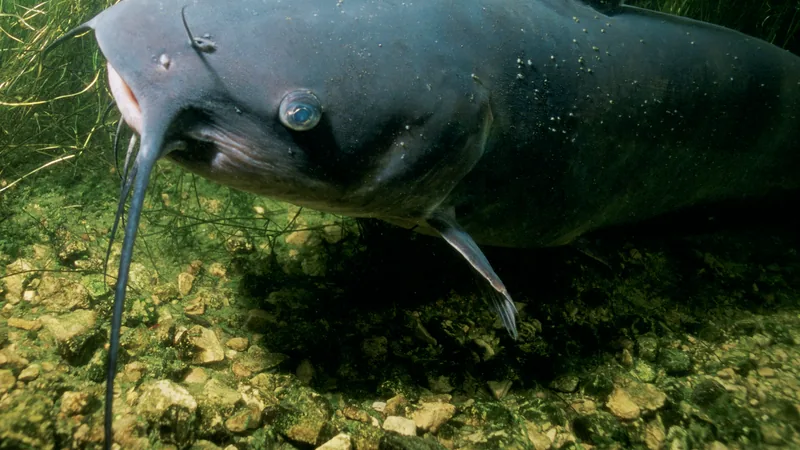
Channel Catfish
A catfish called a swimming tongue, with taste buds all over its body to find food in murky water.
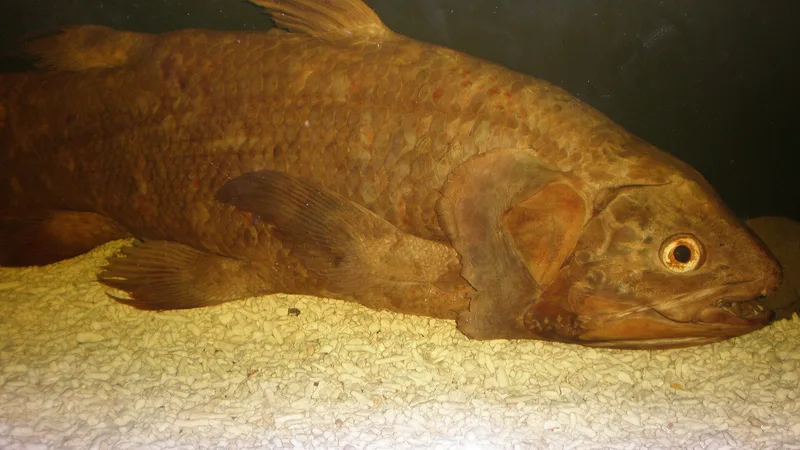
Coelacanth
Thought to have gone extinct over 65 million years ago, then found alive in 1938, with fleshy fins that move like a four-legged animal's legs and a pregnancy of around five years, possibly the longest of any vertebrate.
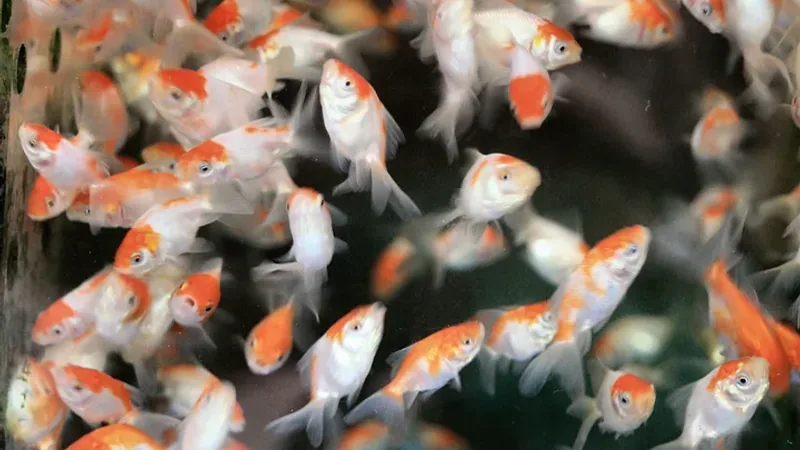
Common Goldfish
The pond fish that makes alcohol to survive without oxygen and sees four colors, ultraviolet included.
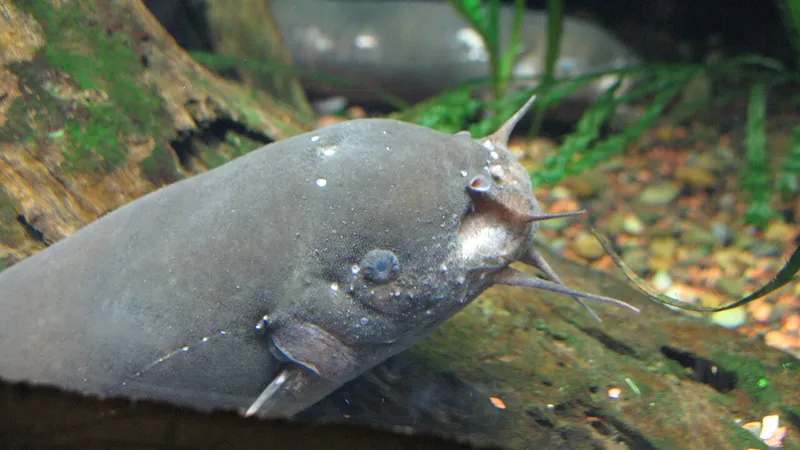
Electric Catfish
A night hunter of the Nile and Lake Chad wrapped in a living battery, from a genus that can discharge up to 350 volts.