The Wildlife Encyclopedia
Explore all 545 species indexed across the encyclopedia. Every creature is paired with anatomical superpower breakdowns and musical subcultures.
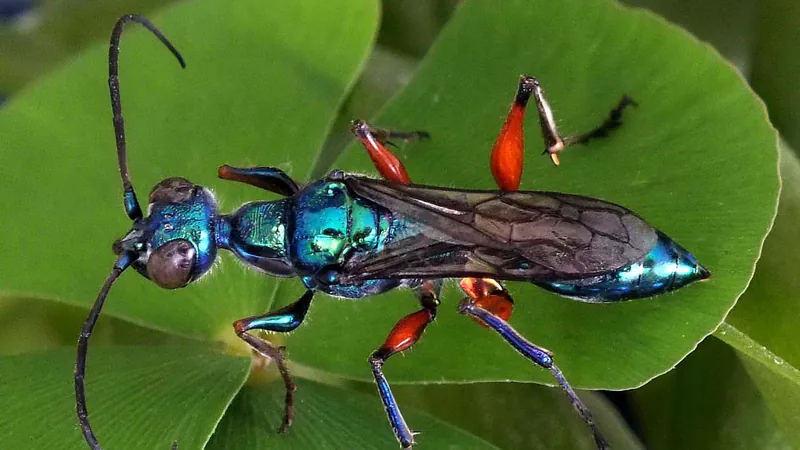
Emerald Cockroach Wasp
The wasp that stings a cockroach in the brain, then walks it by the antenna into a burrow where its larva eats it alive.
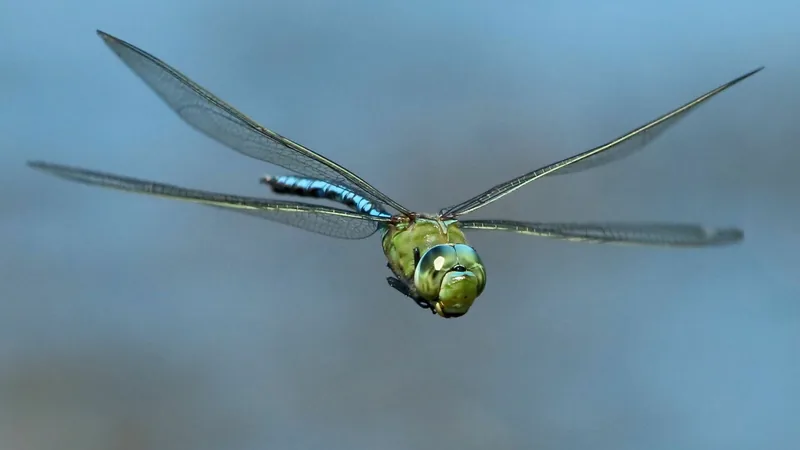
Emperor Dragonfly
A big dragonfly whose larva fires a hooked mouthpart at prey, too fast for a water flea to escape.
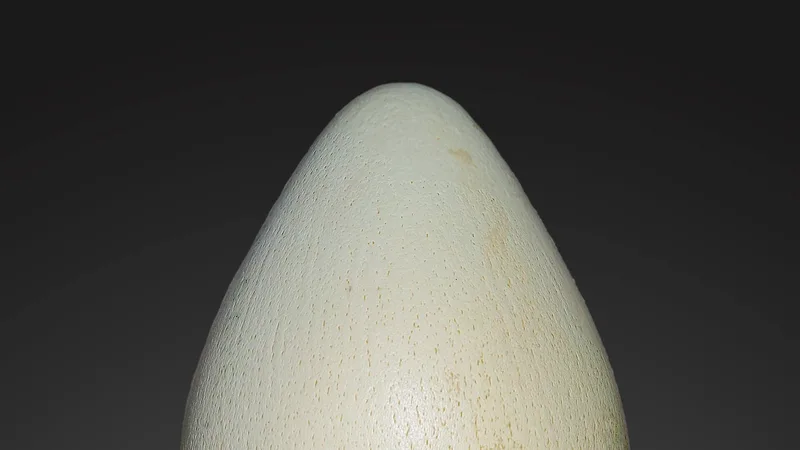
Emperor Penguin
Antarctic wind chills down to minus 60, dives past 500 meters, and months of fasting while the male alone incubates the egg.
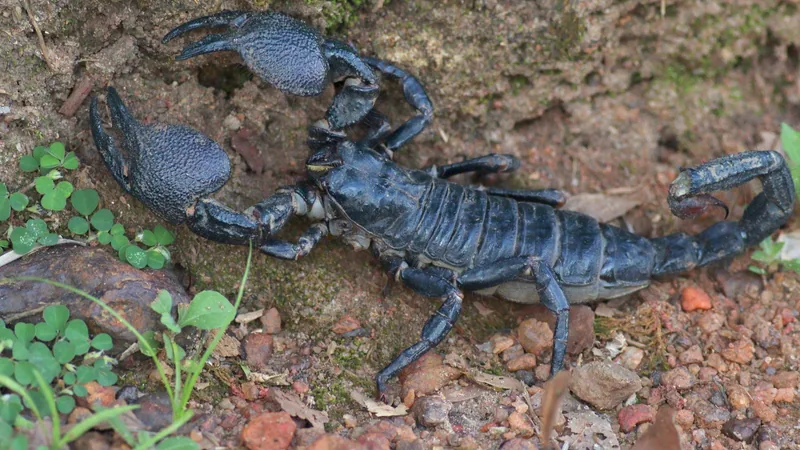
Emperor Scorpion
The West African rainforest heavyweight that tears prey apart with its pincers and glows blue-green under ultraviolet light.
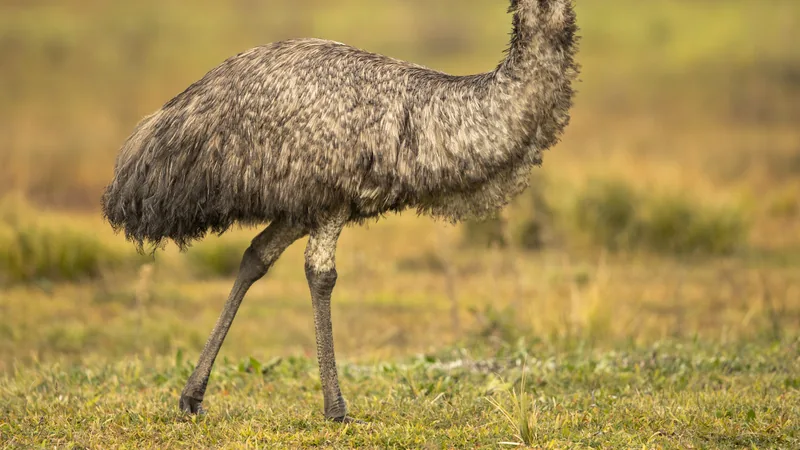
Emu
A flightless bird whose father sits on the eggs for eight weeks without eating or drinking.
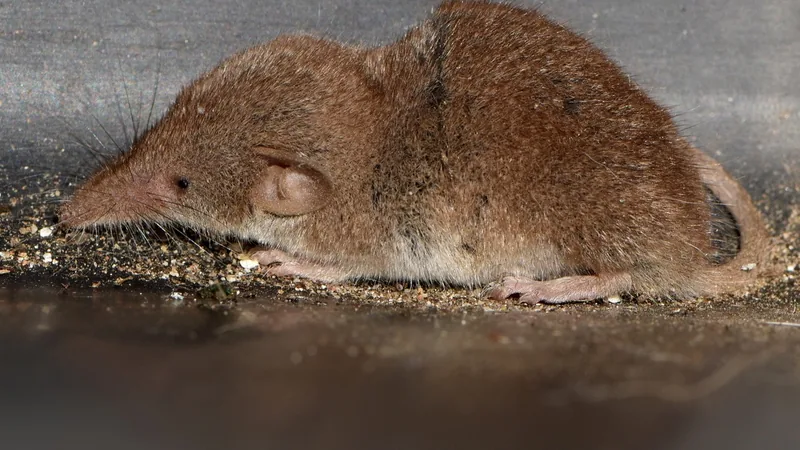
Etruscan Shrew
One of the smallest mammals alive, with a heart that has beaten 1,511 times in a minute.
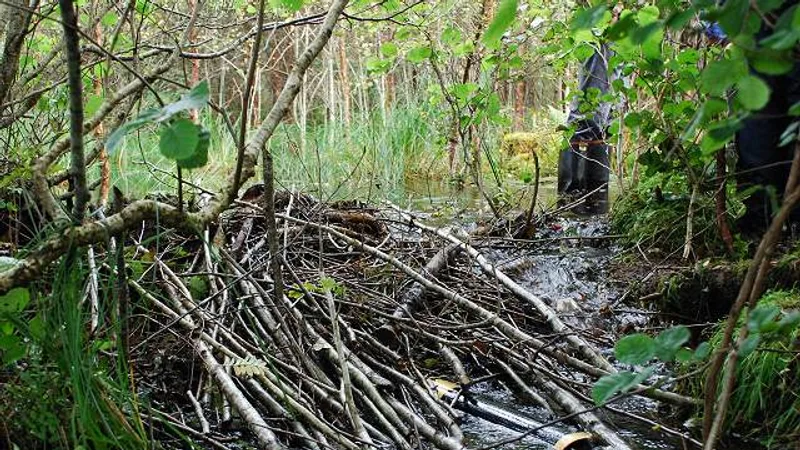
Eurasian Beaver
Europe's orange-toothed dam builder, hunted to near extinction, then counted at over 1.5 million across Europe by 2012.
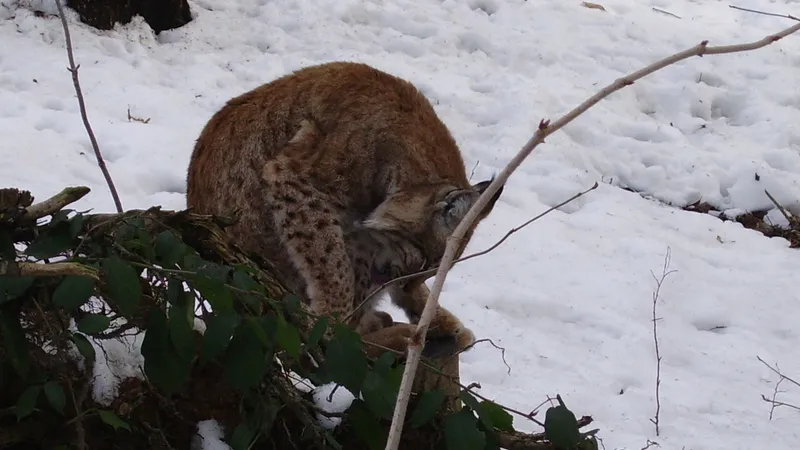
Eurasian Lynx
Europe's biggest wildcat, snowshoe-pawed and able to kill prey up to three to four times its own size by biting down on the snout until it suffocates.
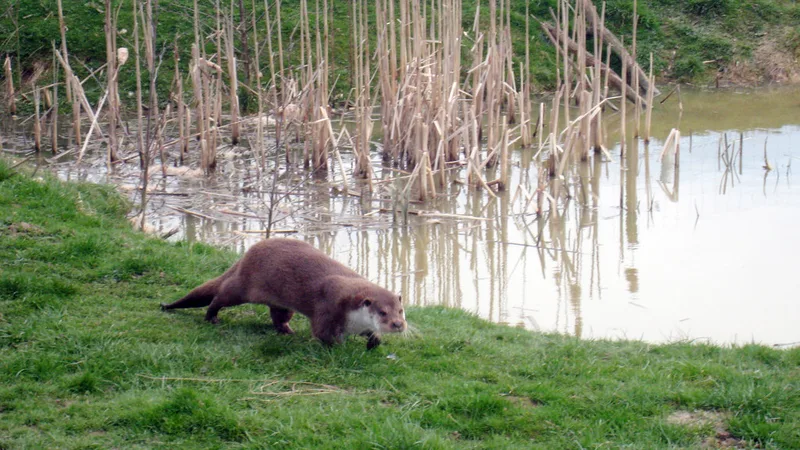
Eurasian Otter
Whiskers that sense a fish moving through the water, a scent-marked calling card called a spraint, and a river range that stretches from Britain to Japan.
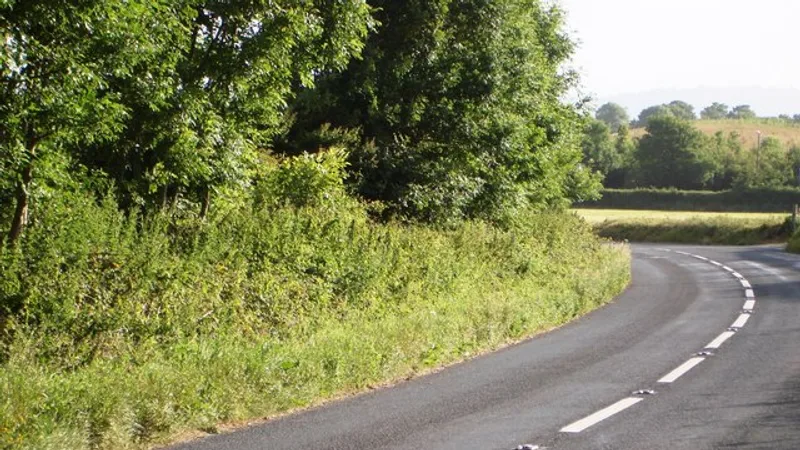
European Badger
Nocturnal digger with a striped face, sharp claws and a network of underground tunnels.
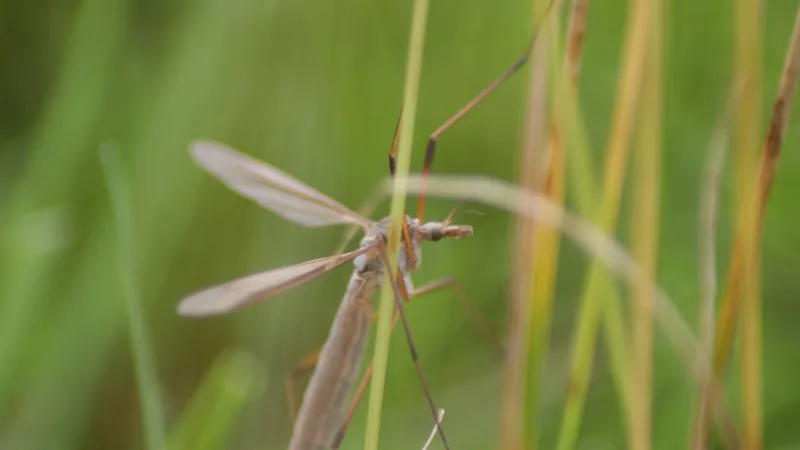
European Crane Fly
A gangly fly whose leather-skinned grubs mostly hide underground by day and feed at night.
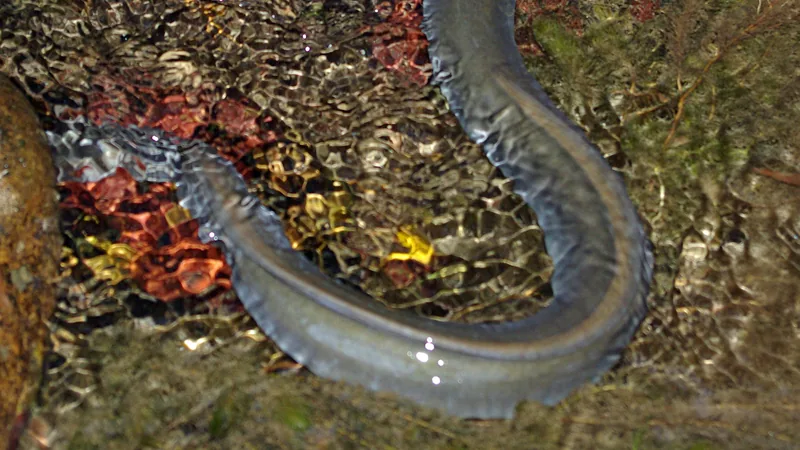
European Eel
A river fish thought to spawn only in the Sargasso Sea, after a 5,000 to 10,000 km migration, though its spawning has never been observed.
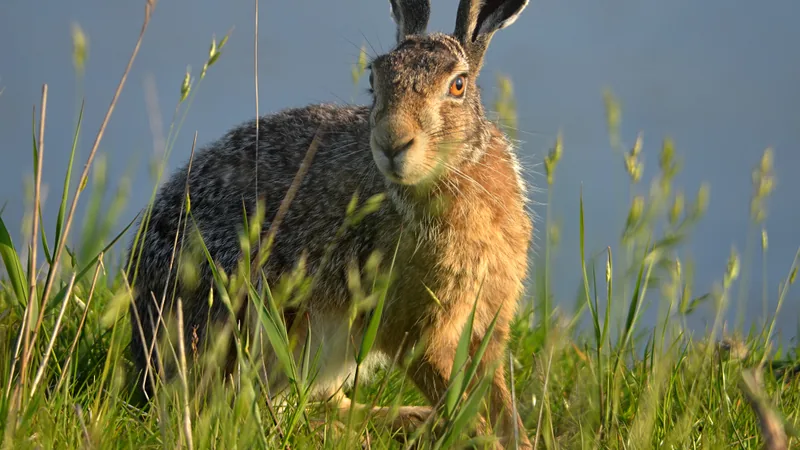
European Hare
Mom parks her furry newborns apart and makes the rounds to nurse them.
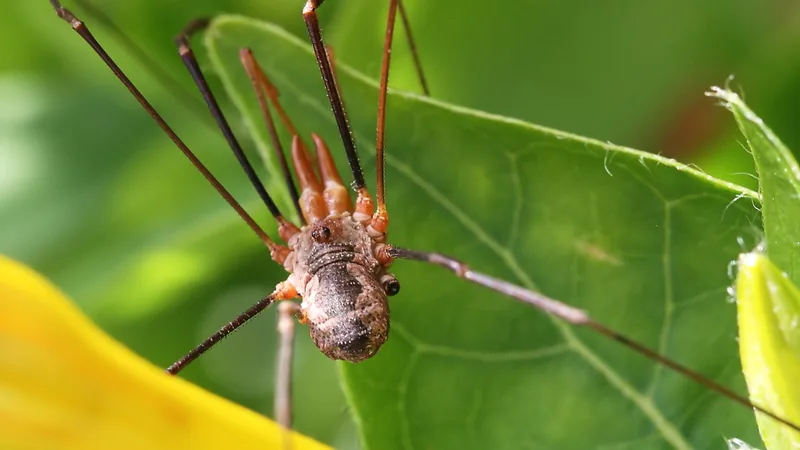
European Harvestman
Not a spider: a stilt-legged arachnid with a body roughly 3.5 to 9 millimeters long.
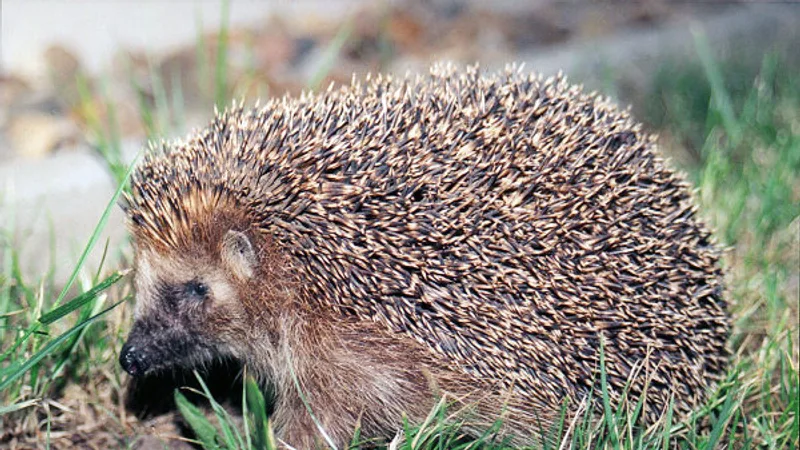
European Hedgehog
Around six thousand keratin spines, a back muscle that lets them all stand on end at once, and 1 to 2 km of travel a night.
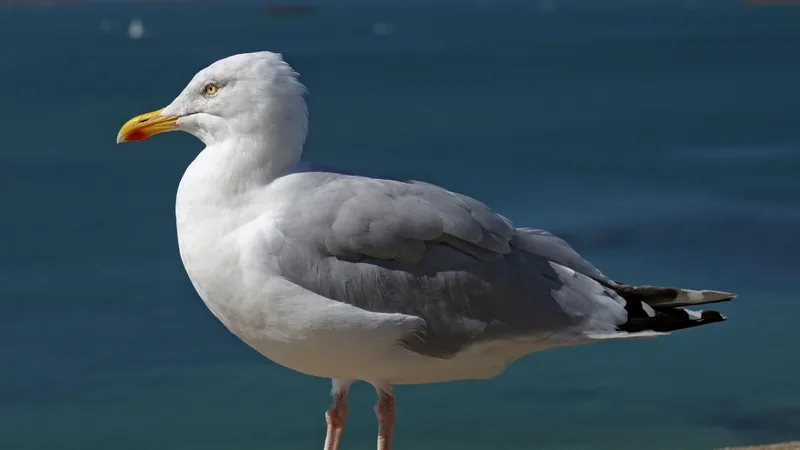
European Herring Gull
A large, pink-legged gull that paddles its feet on the ground to bring worms up, and now nests on rooftops as well as cliffs.
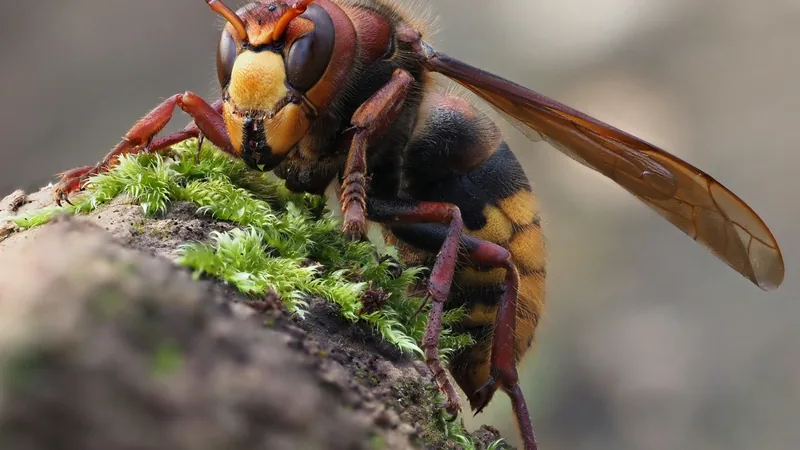
European Hornet
Central Europe's biggest vespine wasp, warmed by its own flight muscles.
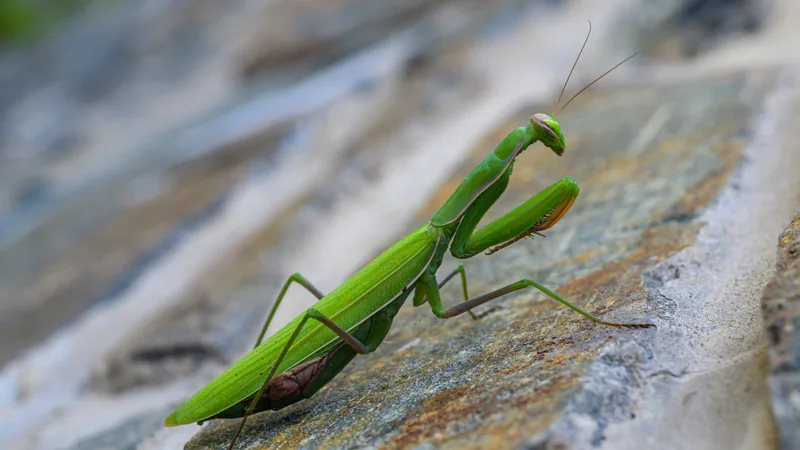
European Mantis
A mantis that hears with a single ear on its underside, tuned to ultrasound.
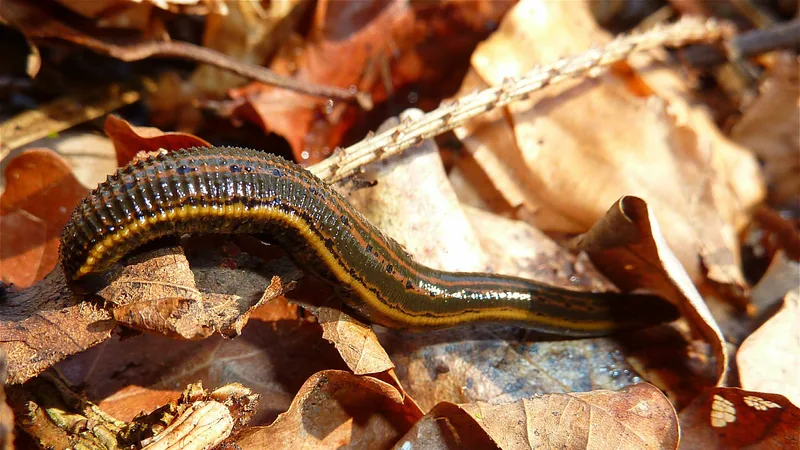
European Medicinal Leech
A three-jawed pond blood-drinker that can go 12 to 18 months between meals and was overharvested for medicine.
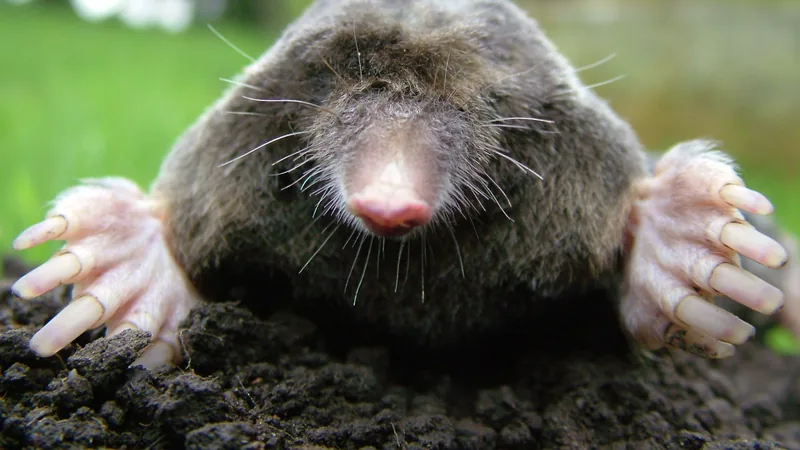
European Mole
A velvety black digger that lives underground, in tunnel networks that can run hundreds of metres.

European Polecat
A masked mustelid that releases a strong-smelling secretion when threatened, grips so tenaciously it can be lifted by whatever is in its teeth, and seems held back from northern Sweden by snow.
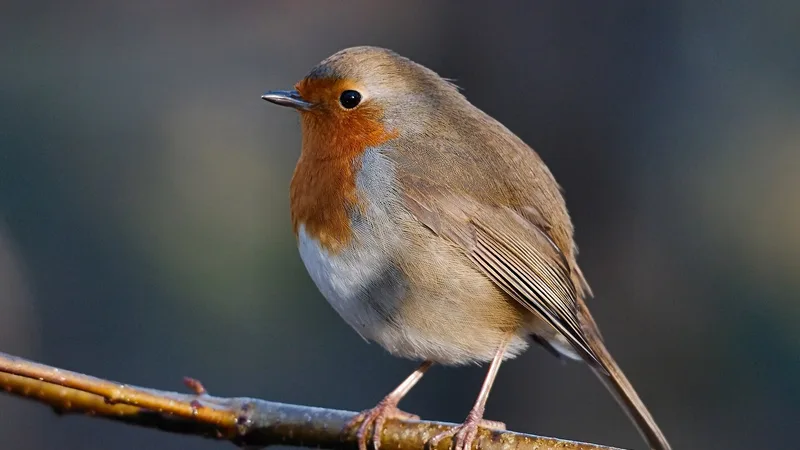
European Robin
Gardener's shadow, ferociously territorial songster, and the bird that became the Victorian icon of Christmas.
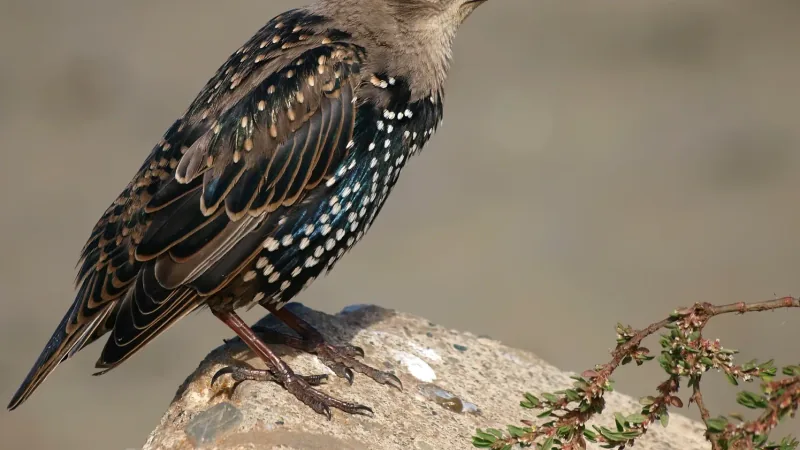
European Starling
The iridescent mimic whose larger British winter roosts can top a million birds, and whose flocks can burst into a "flash expansion" after a falcon attacks.
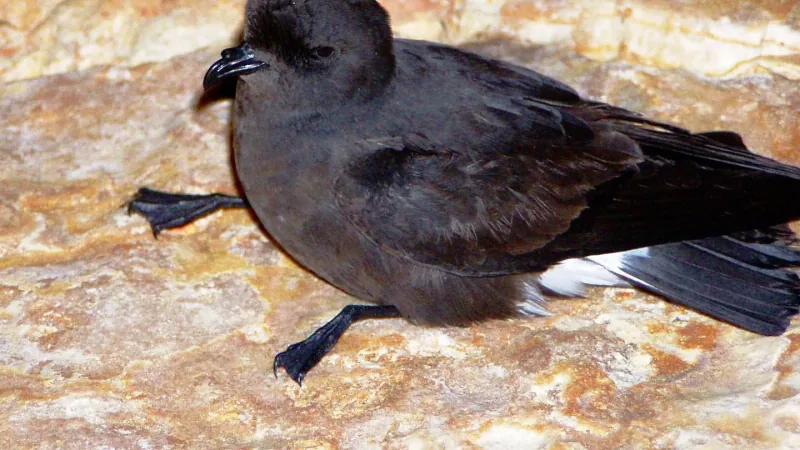
European Storm Petrel
The Atlantic's smallest seabird, weighing about 25 grams but migrating from the north-east Atlantic to winter off southern Africa.