The Wildlife Encyclopedia
Explore all 545 species indexed across the encyclopedia. Every creature is paired with anatomical superpower breakdowns and musical subcultures.
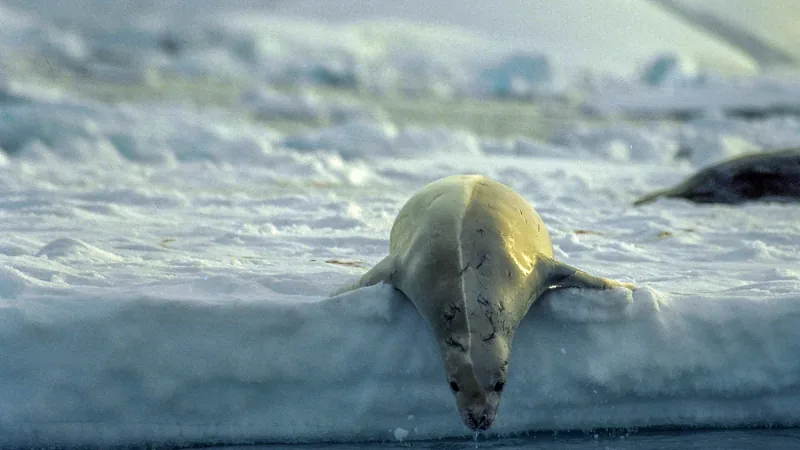
Crabeater Seal
The Southern Ocean's most abundant seal, straining Antarctic krill through teeth called the most complex of any carnivore.
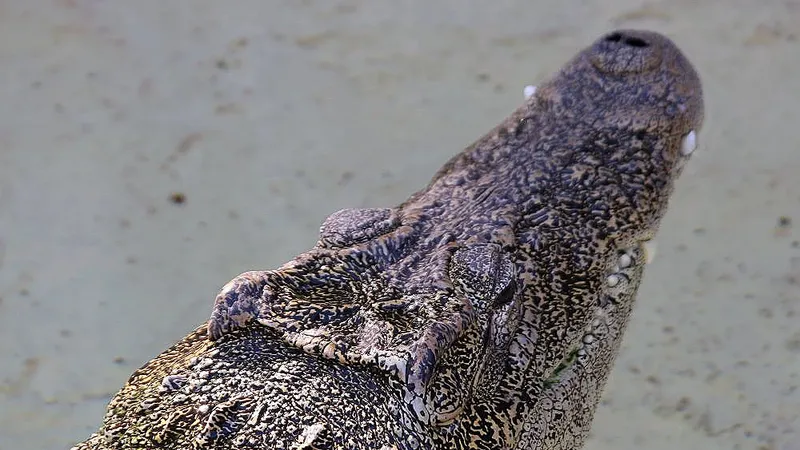
Cuban Crocodile
One of the most threatened crocodilians in the Americas, able to leap from the water for prey on overhanging branches, with teeth adapted for crushing turtle shells.
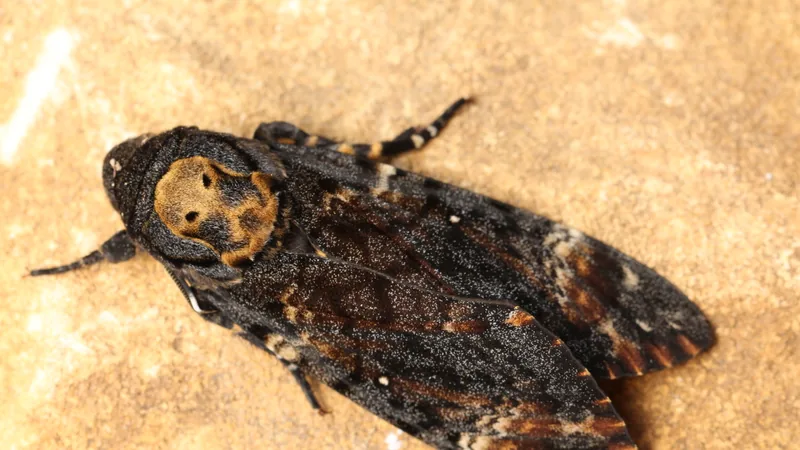
Death's-Head Hawkmoth
A big night-flying moth that squeaks when alarmed and is known to raid beehives for honey with a short, sharp tongue.
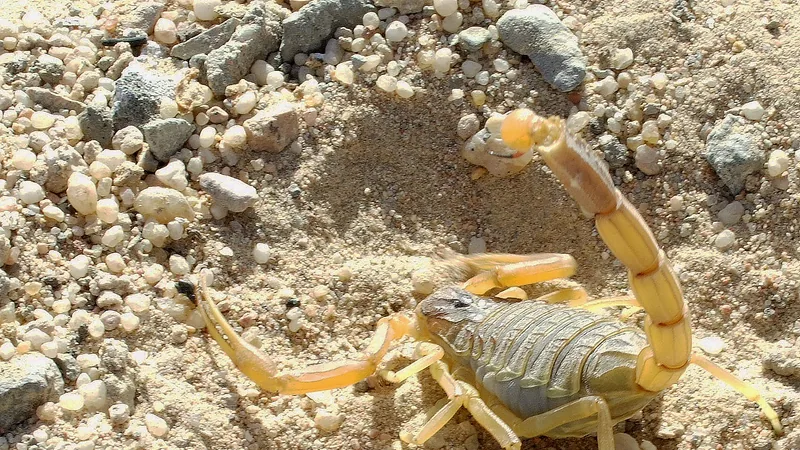
Deathstalker Scorpion
A desert scorpion about as long as a credit card, one of the most dangerous on Earth, whose venom yielded chlorotoxin, a peptide used in cancer research.
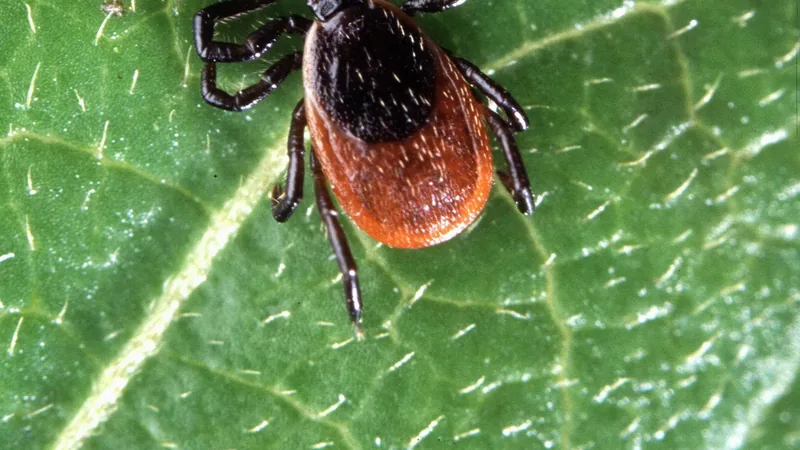
Deer Tick
Waits on a plant for a passing host to brush by, then feeds for days.
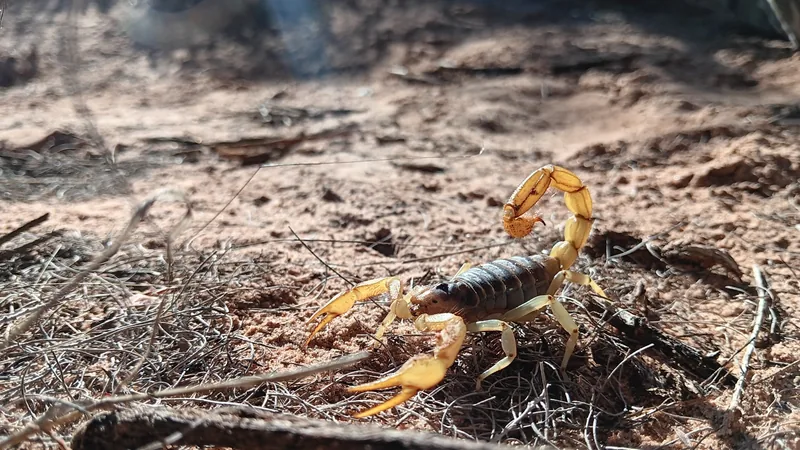
Desert Hairy Scorpion
North America's largest scorpion, digging burrows up to 2.5 meters underground and feeling vibrations through its hairs.
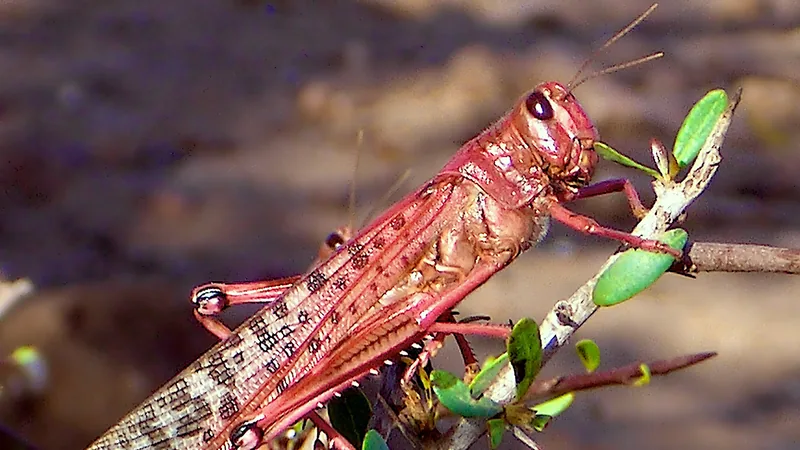
Desert Locust
A shy loner that turns into a swarming crop-eater when it gets crowded.
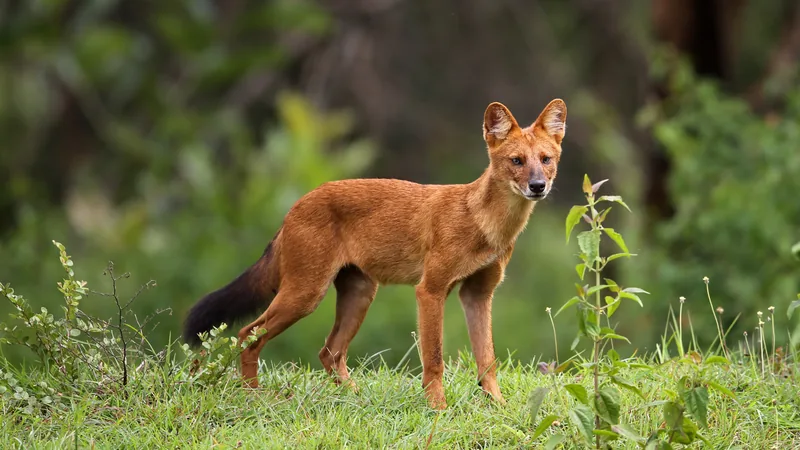
Dhole
A whistling, clucking wild dog that hunts in packs and can catch prey more than ten times its own weight.
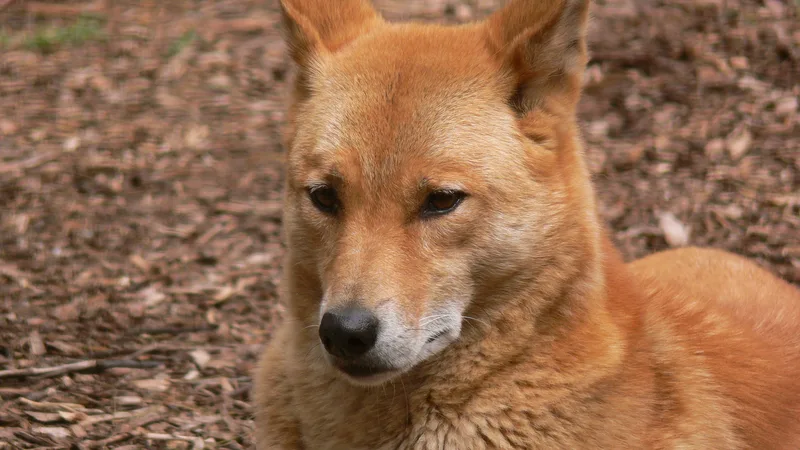
Dingo
Australia's largest land predator, which rarely barks: it howls to call its pack and marks its territory with scent.
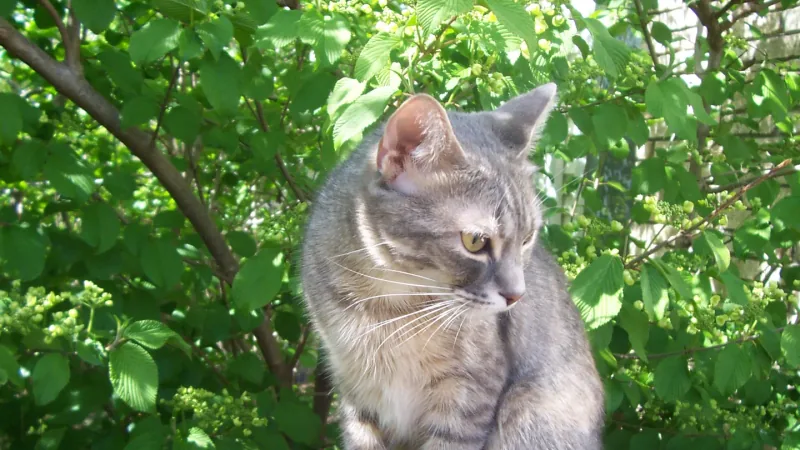
Domestic Cat
The flexible carnivore that jumps five times its own height and hears one of the broadest ranges of sound of any mammal.
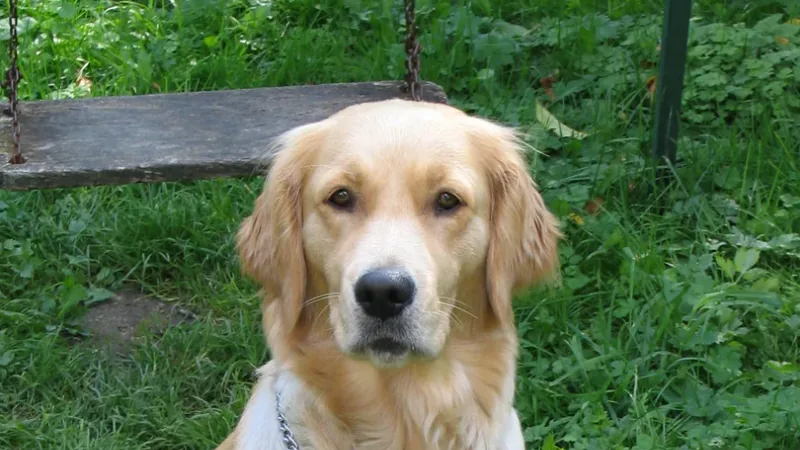
Domestic Dog
The first animal humans domesticated, with hundreds of millions of scent-sensing cells and nasal airflow tuned to carry smells to them.
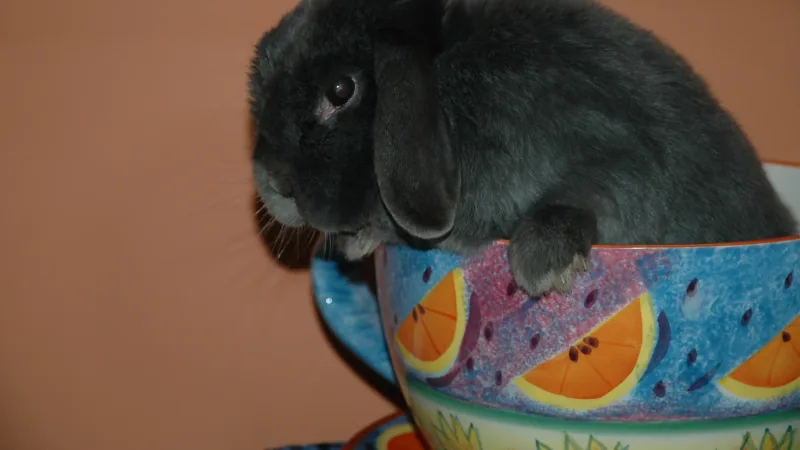
Domestic Rabbit
Sees almost all the way around, twists in midair when happy, and eats its own droppings for a second pass at its food.
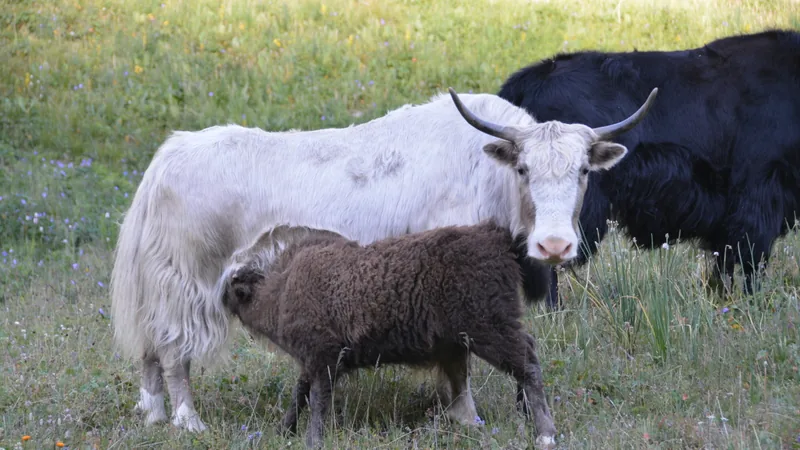
Domestic Yak
Oversized heart and lungs, a shaggy coat and a home up to 5,000 m high.
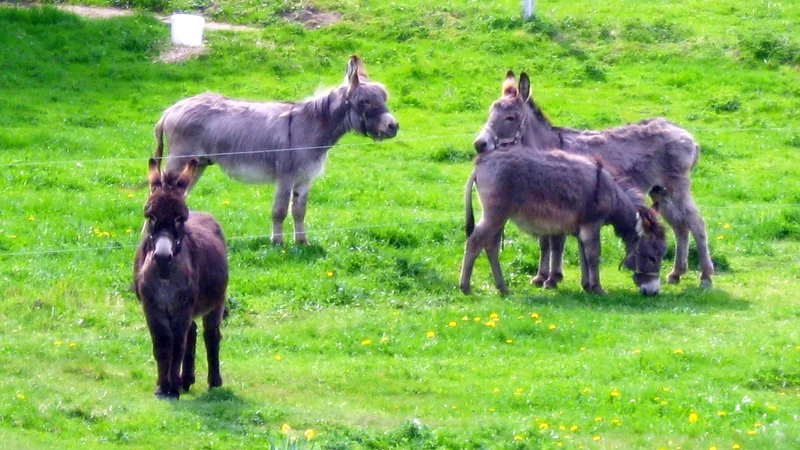
Donkey
A working equid whose hee-haw can travel up to 3 km, domesticated in Africa around 5000 BCE.
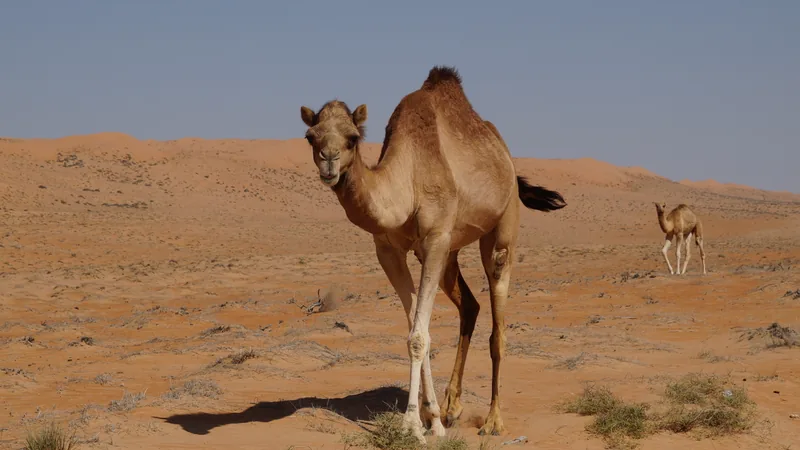
Dromedary
The desert animal that lets its body warm to 41.7 degrees Celsius instead of sweating as the day heats up.

Duck-Billed Platypus
An egg-laying mammal with venomous spurs and an electric sense in its bill, once thought to be a taxidermist's hoax.
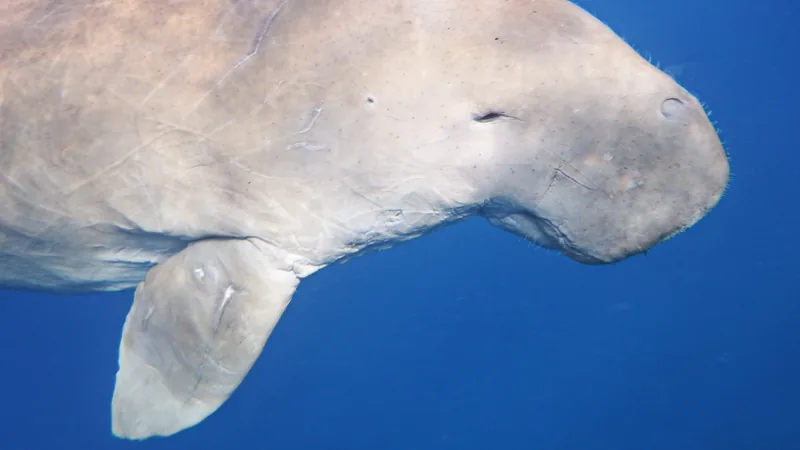
Dugong
A sea cow that rips up seagrass with a flexible upper lip and may live more than 50 years.
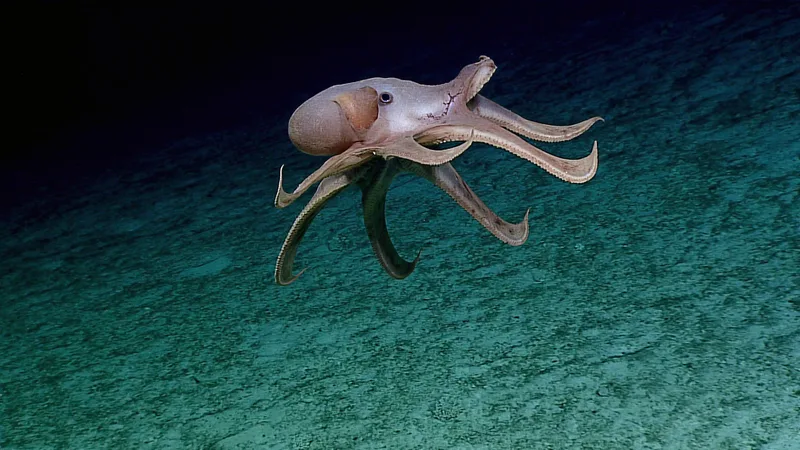
Dumbo Octopus
Ear-like flapping fins, webbed umbrella arms, and among the deepest-living of all known octopuses, some living as deep as 7,000 meters (23,000 feet).
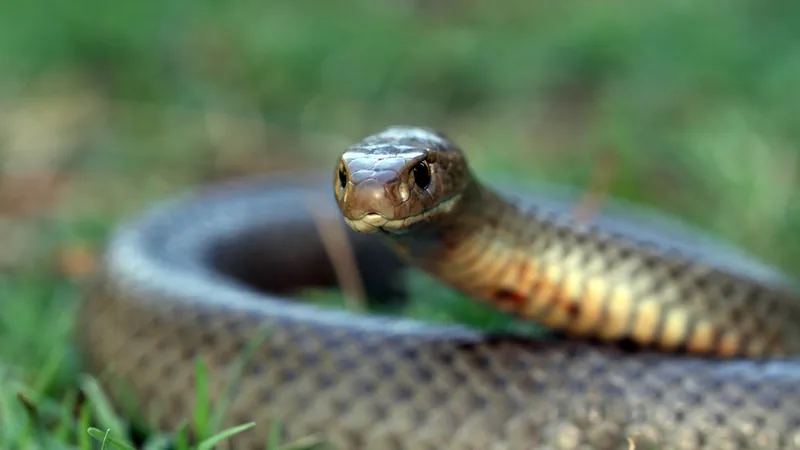
Eastern Brown Snake
Small fangs for an elapid its size, a modest average dose, and the second most toxic snake venom known.
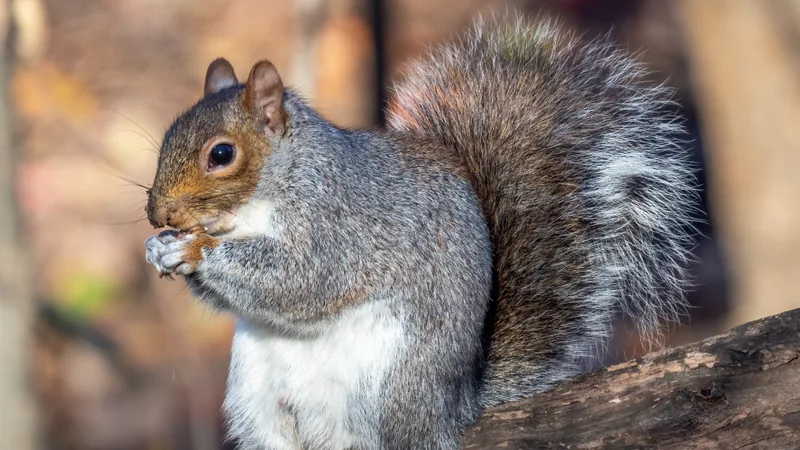
Eastern Gray Squirrel
An eastern North American tree squirrel that has been known to dig empty cache holes when other squirrels are around, and now far outnumbers the native red squirrel in the UK.
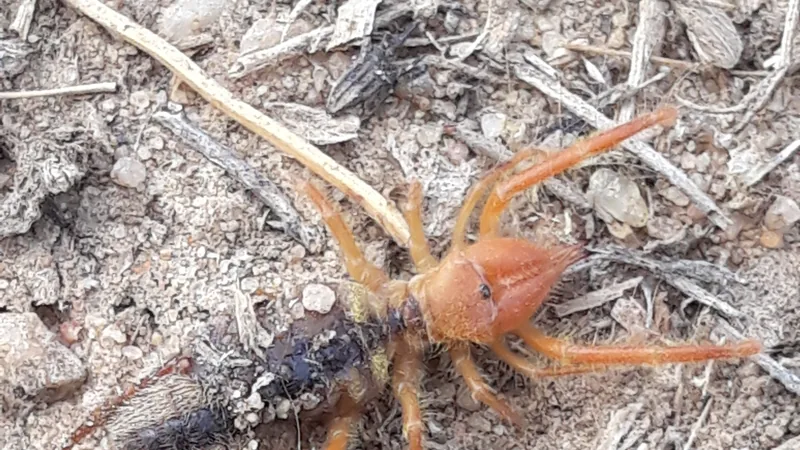
Egyptian Giant Solpugid
A camel spider, which is not a spider at all, with jaws that chop its prey to pulp.
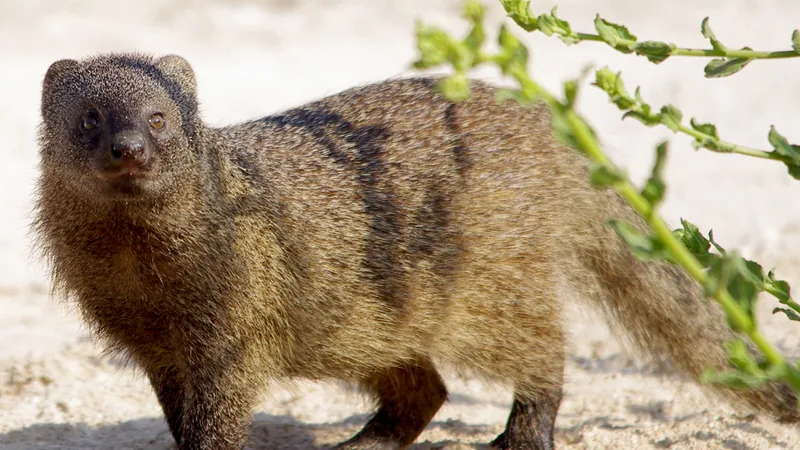
Egyptian Mongoose
A snake-killer that dodges the strike on reflex and carries a receptor that resists one of the nerve toxins in cobra venom.
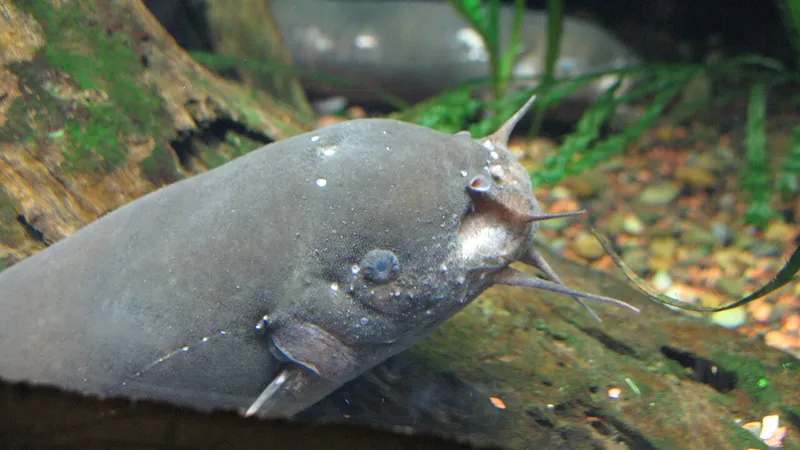
Electric Catfish
A night hunter of the Nile and Lake Chad wrapped in a living battery, from a genus that can discharge up to 350 volts.
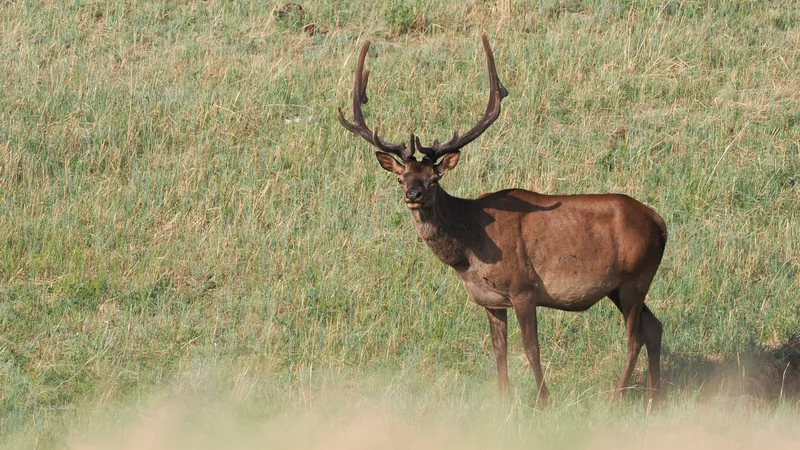
Elk
A bull's bugle is two sounds at once, and his antlers regrow every year at up to two-thirds of an inch a day.