The Wildlife Encyclopedia
Explore all 545 species indexed across the encyclopedia. Every creature is paired with anatomical superpower breakdowns and musical subcultures.
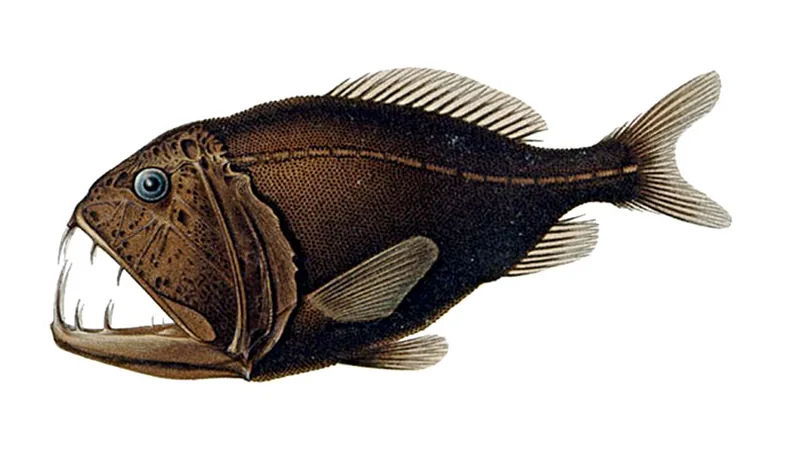
Fangtooth
The bathypelagic hunter reported to have the largest teeth of any marine fish for its head size, fangs so long an adult cannot fully close its mouth.
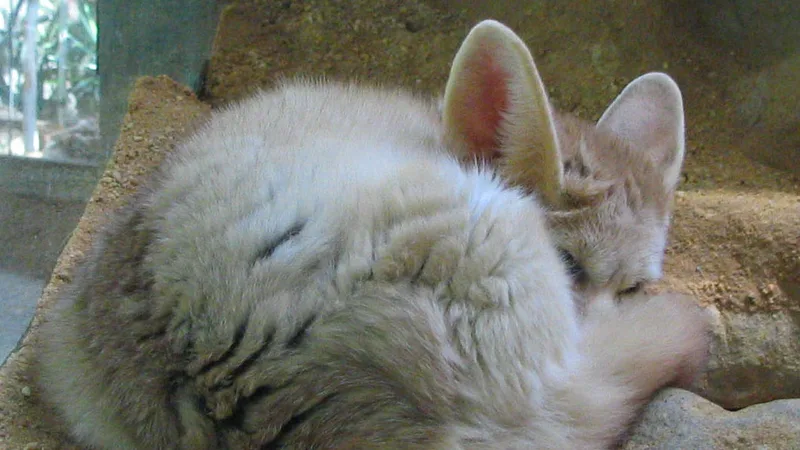
Fennec Fox
The largest ears of any canid for its size, used to shed desert heat and track down prey under the sand.
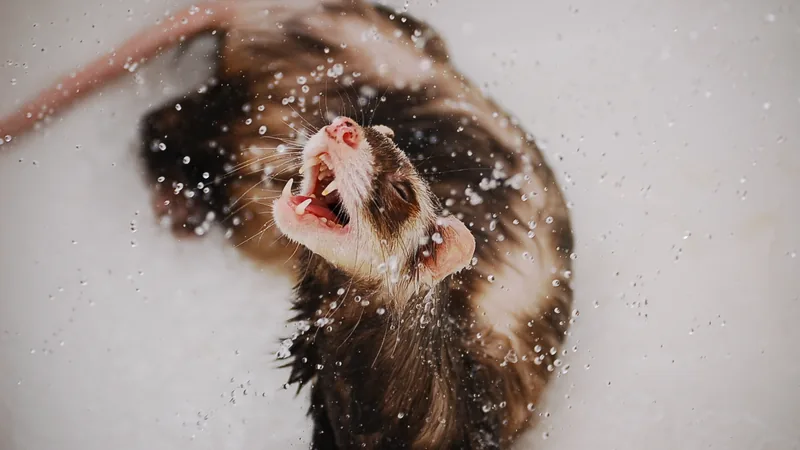
Ferret
A domesticated weasel relative that spends over 60% of its time asleep in the lab.

Fire Salamander
Black-and-yellow woodland amphibian whose glands behind the eyes secrete toxic alkaloids it can spray at attackers.
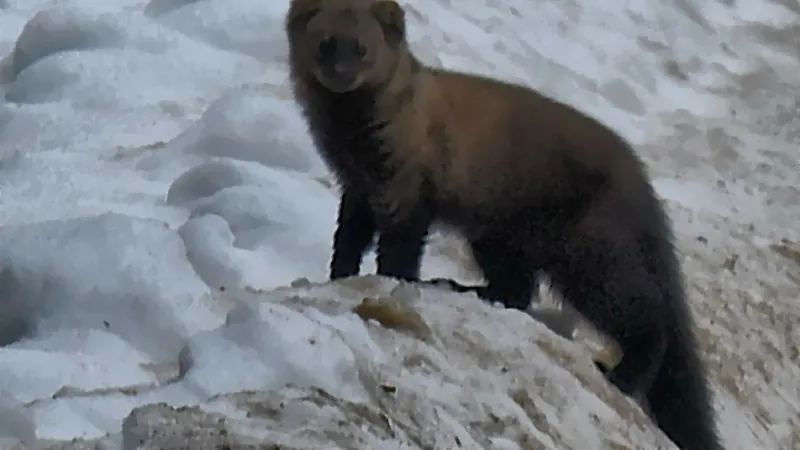
Fisher
A fox-sized relative of weasels that climbs trees, hunts porcupines and whose females spend almost all of their adult lives pregnant or nursing.
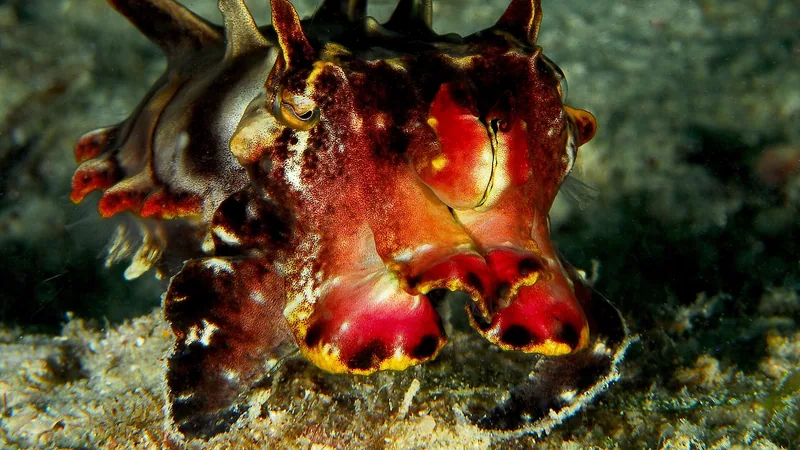
Flamboyant Cuttlefish
Bottom-walking cephalopod that sends color waves across its skin and flashes warning colors to advertise its venom.
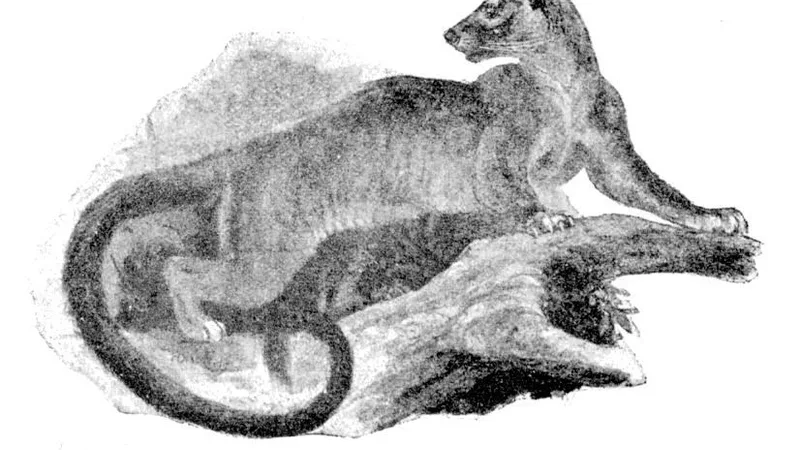
Fossa
Madagascar's largest carnivore, a cat-like relative of the mongoose that can climb down a tree headfirst.
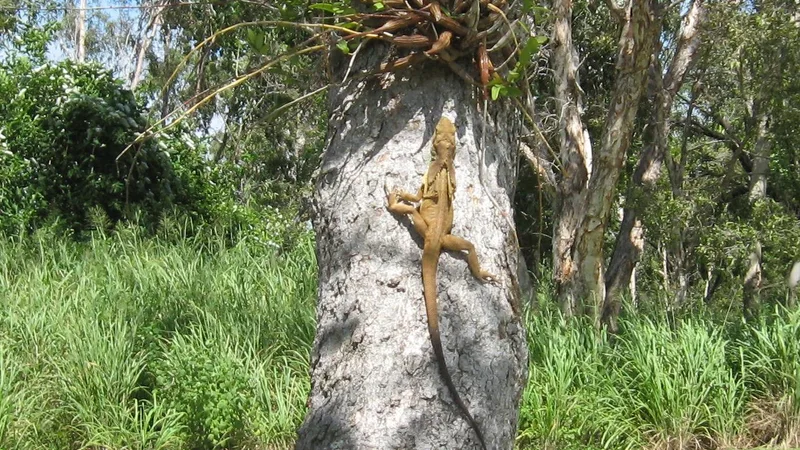
Frilled Lizard
Australian dragon lizard that flares a bone-and-cartilage neck frill to startle predators, and if the bluff fails, runs off on its hind legs.
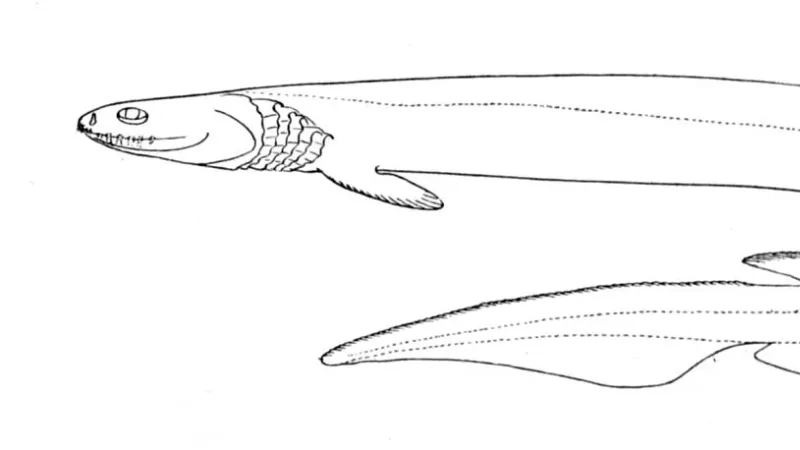
Frilled Shark
A slow-swimming, six-gilled deep-sea shark whose lineage is estimated at 82 million years old and whose pregnancy may run three and a half years.
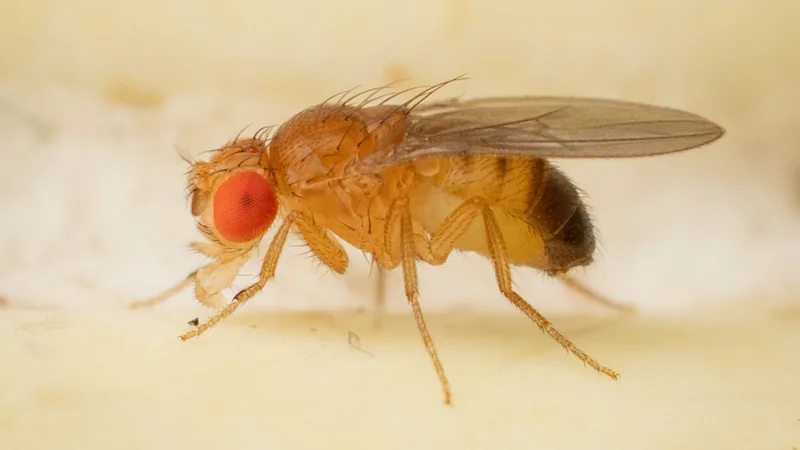
Fruit Fly
A 3-millimetre fly that lives on rotting fruit and has been central to major breakthroughs in genetics.
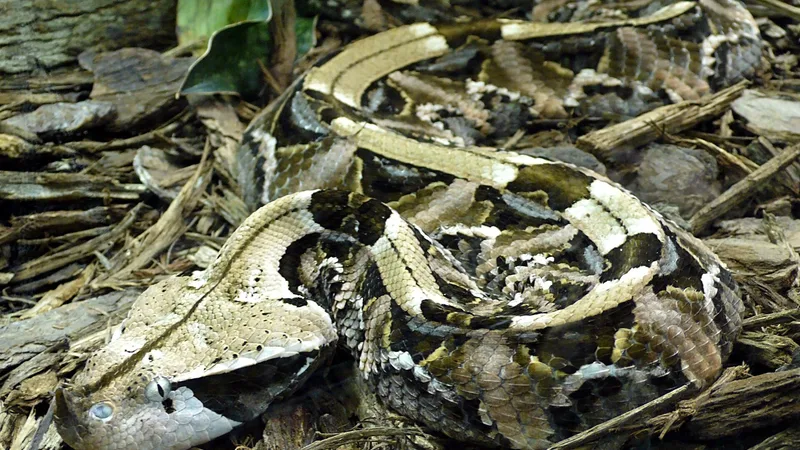
Gaboon Viper
Africa's largest viper has a head that mimics a fallen leaf, and the longest fangs of any venomous snake, up to 5 cm long.
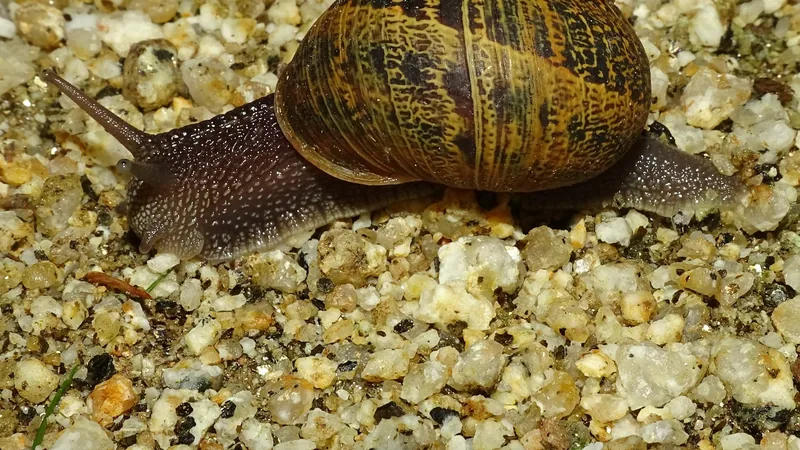
Garden Snail
A night-feeding garden snail that seals itself shut to wait out hot, dry weather.
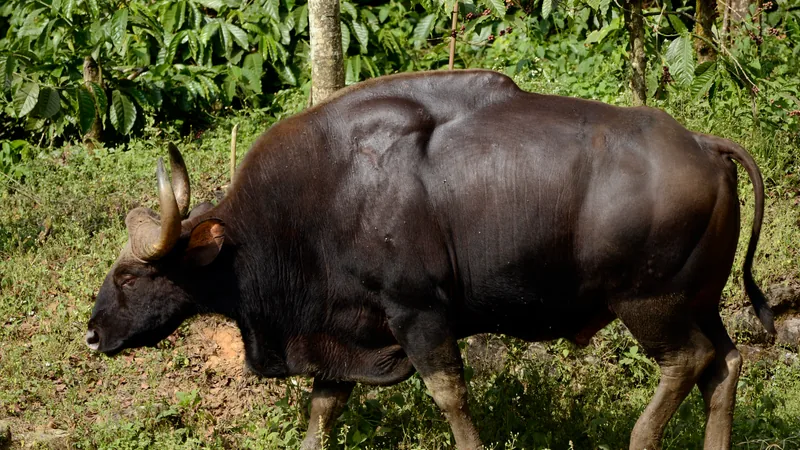
Gaur
The largest living wild cattle, whose herds, one warden wrote, are prepared to stand and fight a tiger rather than run.
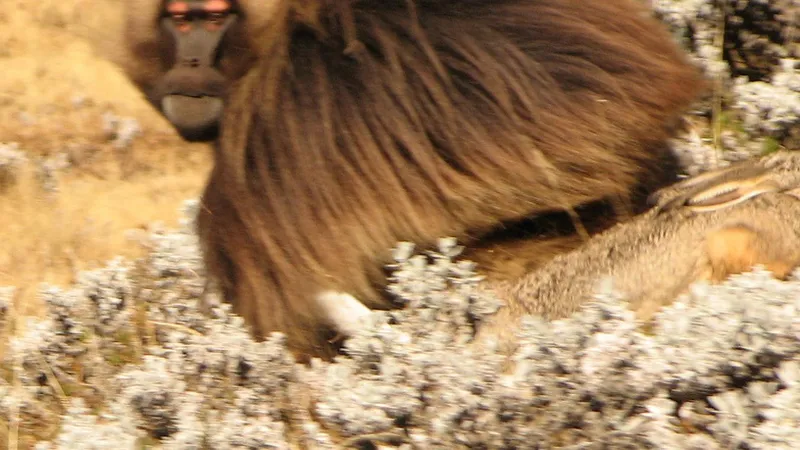
Gelada
The Ethiopian highland monkey that grazes mainly on grass, flashes a bleeding-heart chest patch, and rolls its lip back to bare its gums in a facial display no other primate can make.
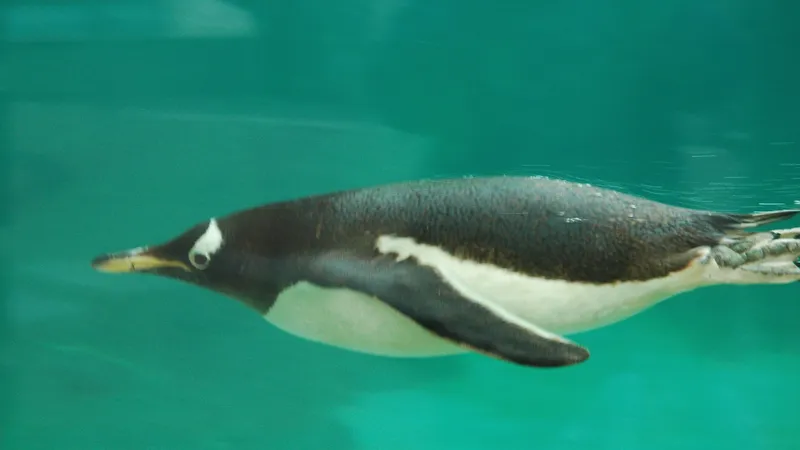
Gentoo Penguin
A penguin whose tracked deep dives averaged 80 metres, whose nest can hold over 1,700 pebbles, and which one 2020 study proposes splitting into four species.
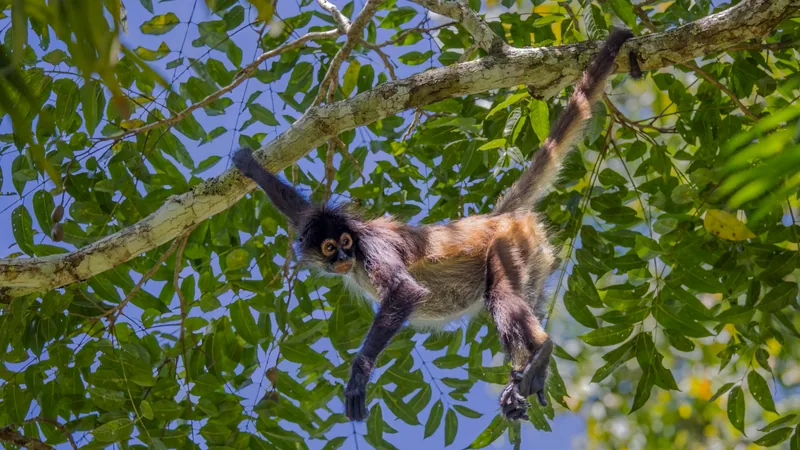
Geoffroy's Spider Monkey
The monkey whose tail works as a fifth limb.

Geography Cone Snail
Reef hunter whose venom insulin, released into the water, appears to disorient schools of small fish before the snail engulfs them and harpoons them with a hollow venom tooth.
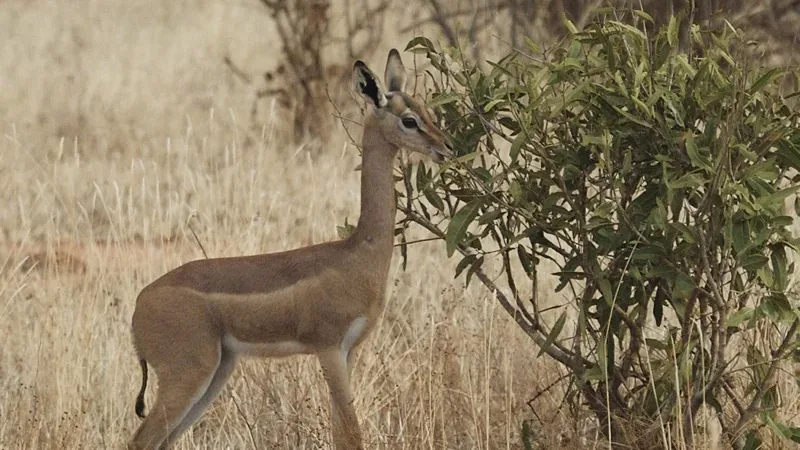
Gerenuk
A bipedal antelope of Africa's dry thornbush that rears onto its hind legs to reach leaves other antelope can't, and does not drink standing water, relying instead on the succulent plants it eats.
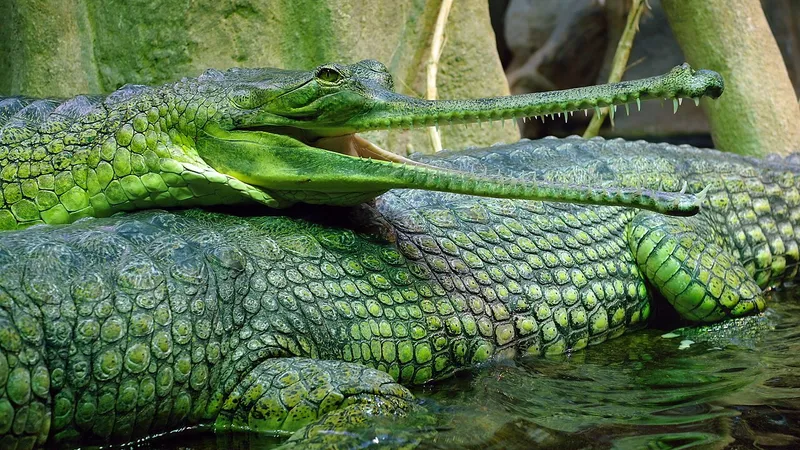
Gharial
The narrow-snouted river crocodilian with up to 110 razor-sharp teeth, whose males grow a bulbous nasal resonator that buzzes as they exhale.
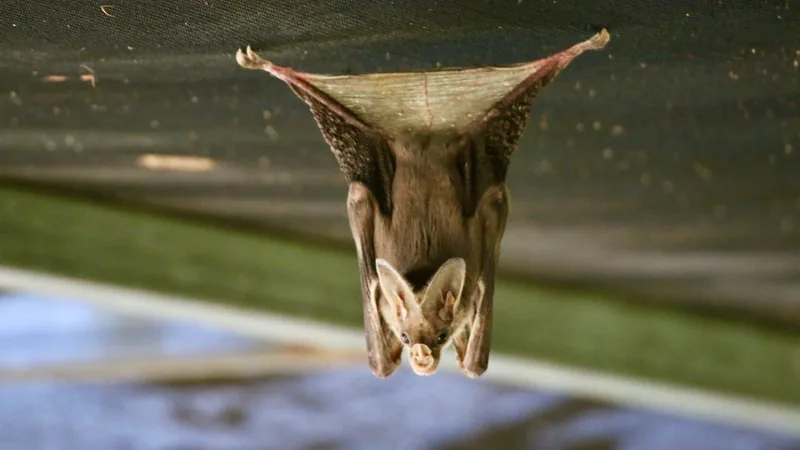
Ghost Bat
Australia's only carnivorous bat, a night hunter that eats even the bones, teeth and fur of its prey.
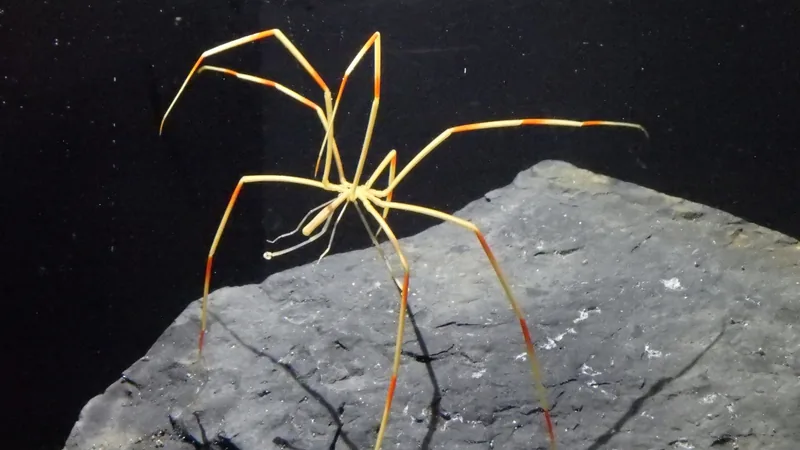
Giant Antarctic Sea Spider
A giant sea spider of the Southern Ocean that, like all sea spiders, has no gills, and feeds on open-water animals.
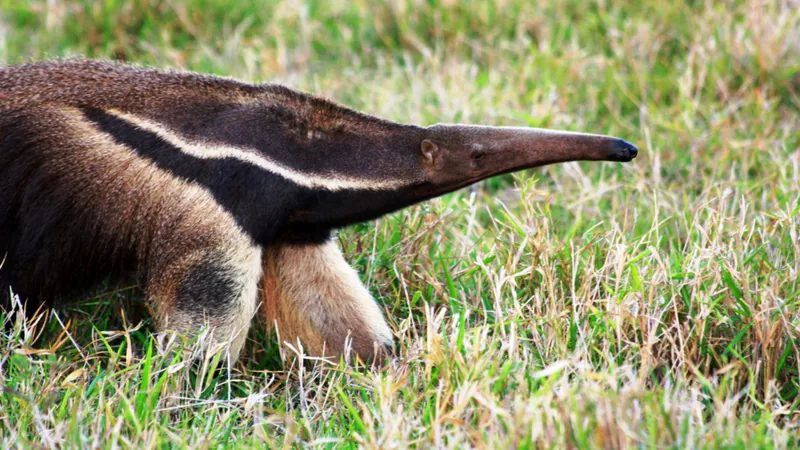
Giant Anteater
A toothless anteater whose 2-foot tongue flicks in and out up to 150 times a minute.
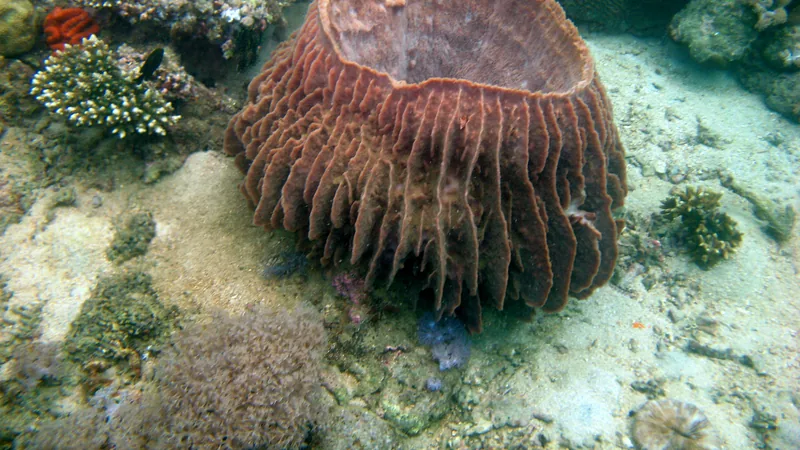
Giant Barrel Sponge
The "redwood of the reef": a pump-feeding barrel that may top a meter, and studies suggest it may live for thousands of years.

Giant Clam
The largest living bivalve gets most of its nutrients from algae living in its flesh.