The Wildlife Encyclopedia
Explore all 545 species indexed across the encyclopedia. Every creature is paired with anatomical superpower breakdowns and musical subcultures.
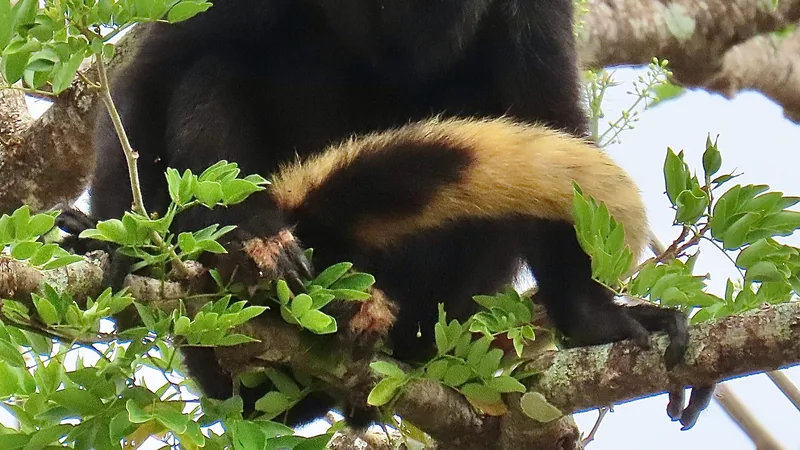
Mantled Howler Monkey
A leaf-eating monkey whose males' calls seem to help keep neighbouring troops apart.
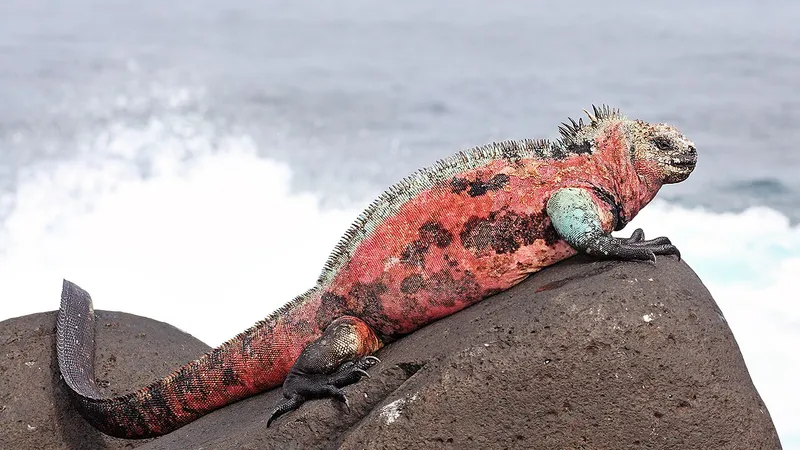
Marine Iguana
The only lizard in the world that forages in the ocean, grazing algae underwater and sneezing out the salt.
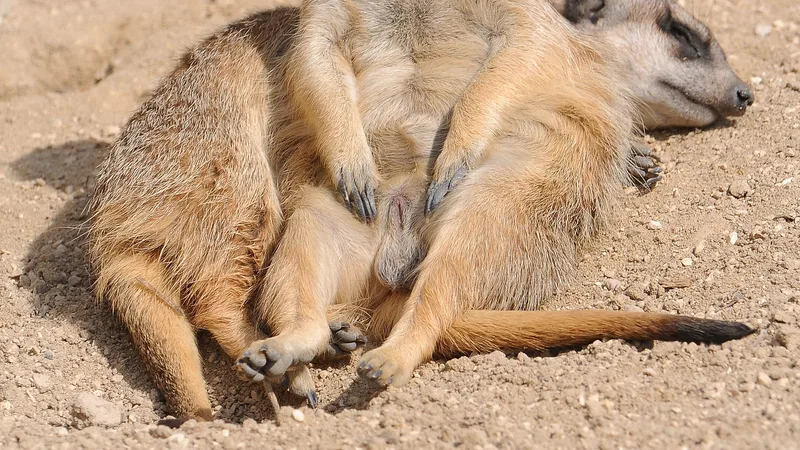
Meerkat
Sentinel shifts on its hind legs, glare-cutting eye patches, and some immunity to a scorpion's sting, just enough to make it lunch.
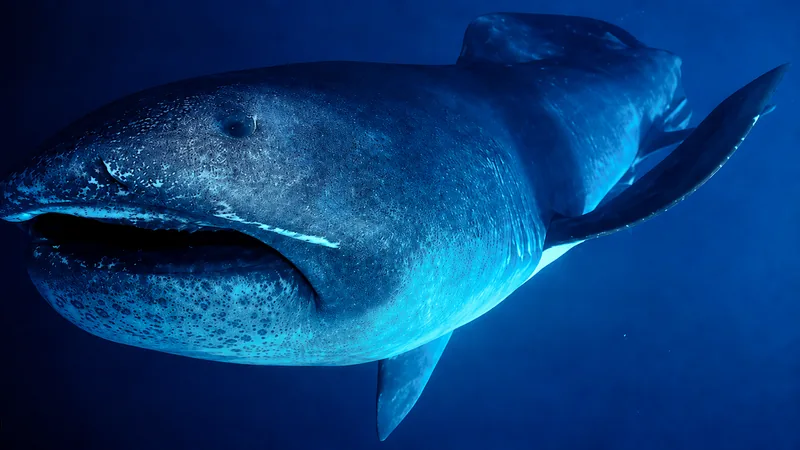
Megamouth Shark
A filter-feeding shark first known from 1976, when one got tangled in a research ship's parachute anchor.
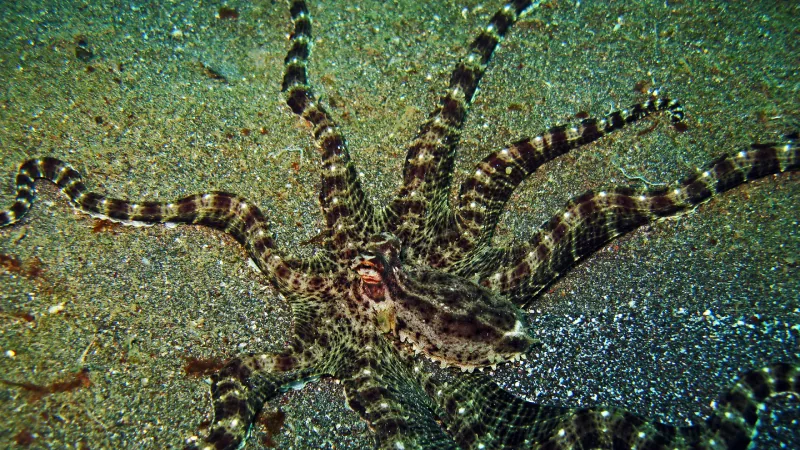
Mimic Octopus
The octopus that acts out toxic animals, and seems to pick the impression to suit the threat.
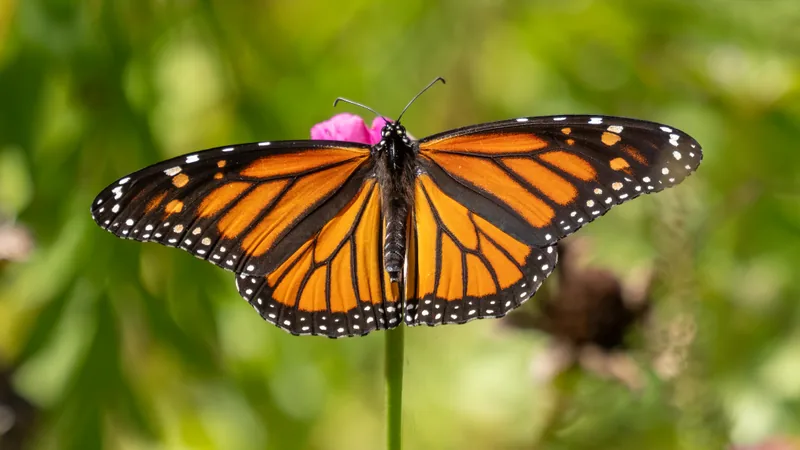
Monarch Butterfly
A butterfly of about half a gram that wears milkweed poison as armor, and whose eastern migrants steer by the sun.
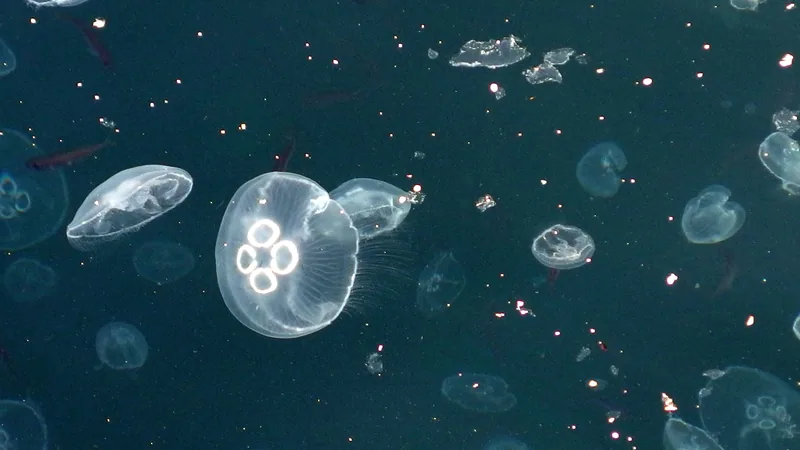
Moon Jellyfish
A see-through pulsing bell that ranks among the most energy-efficient swimmers on the planet.

Moose
Half-tonne boreal giant, antlers that are the fastest-growing tissue of any mammal, and stilt legs that sometimes give it an edge over wolves in deep snow.
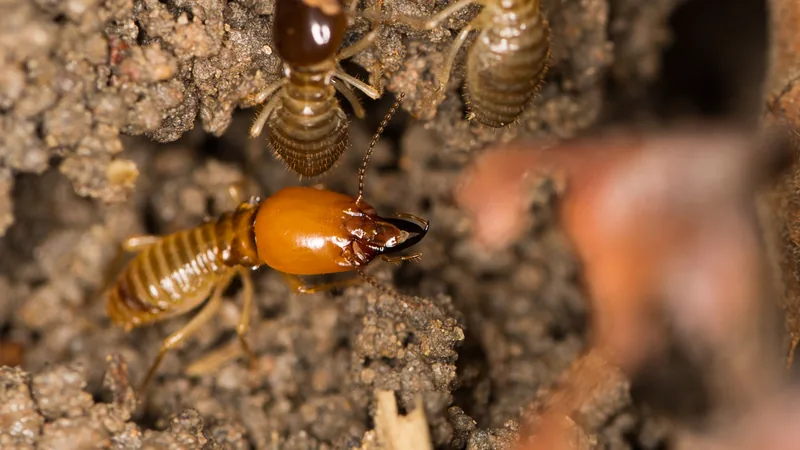
Mound-Building Termite
A fungus-farming termite whose queens and kings can live as long as 20 years in the lab, while its workers live only a few months.
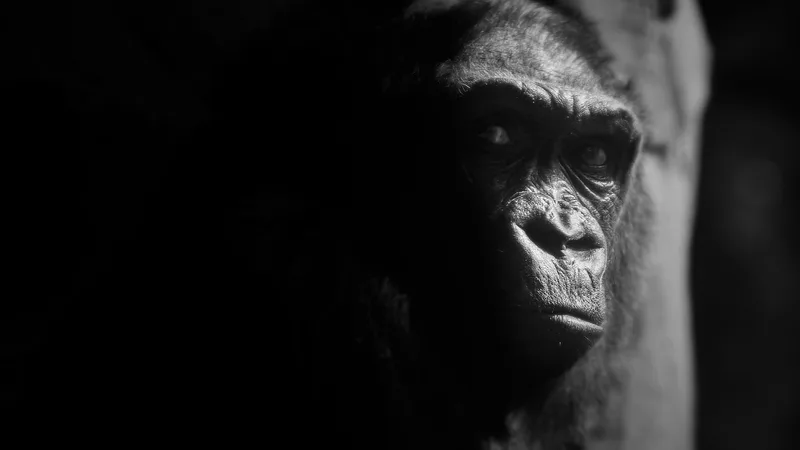
Mountain Gorilla
Up to 220 kilograms of plant-eating ape, a chest beat heard more than a kilometer away, and the only great ape whose numbers are growing.
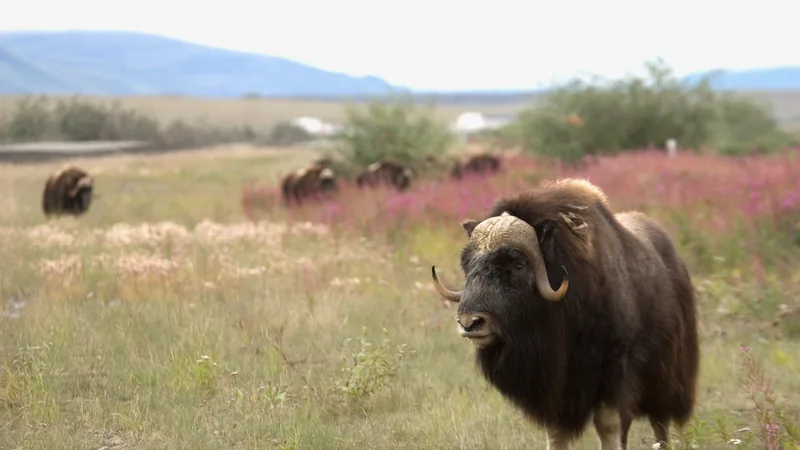
Muskox
Bulls settle rivalries by charging 50 yards or more and colliding head-first on their horn bosses.
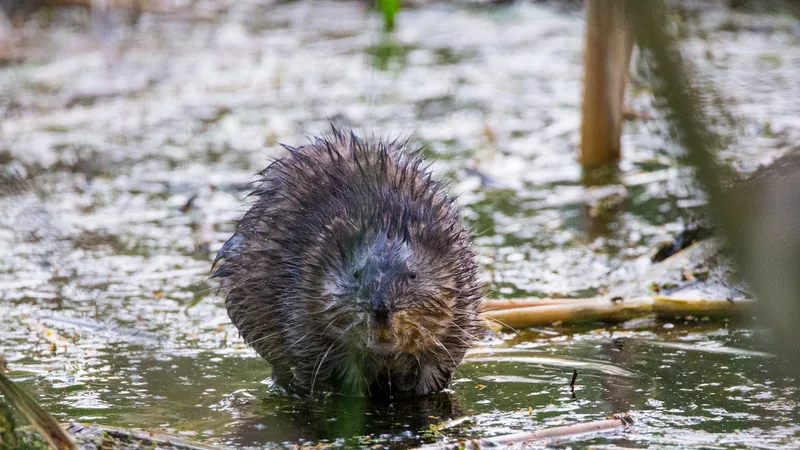
Muskrat
A marsh rodent that builds its home from piled-up plants and eats about a third of its own weight every day.
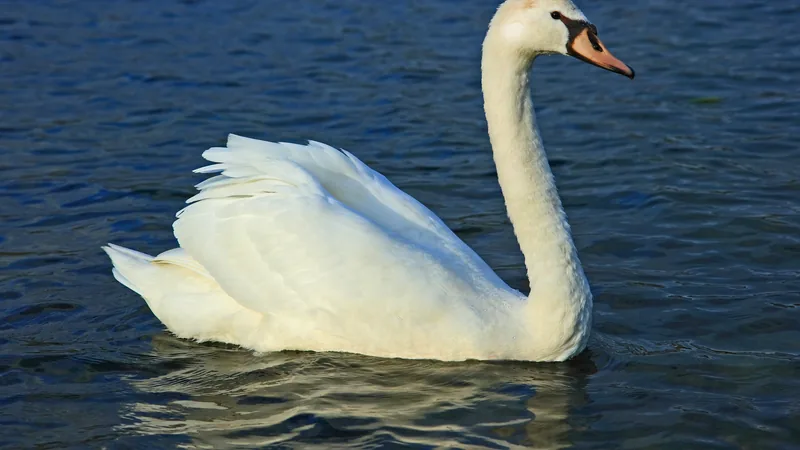
Mute Swan
Not actually mute: it hisses, snorts and twirls with its wings raised.
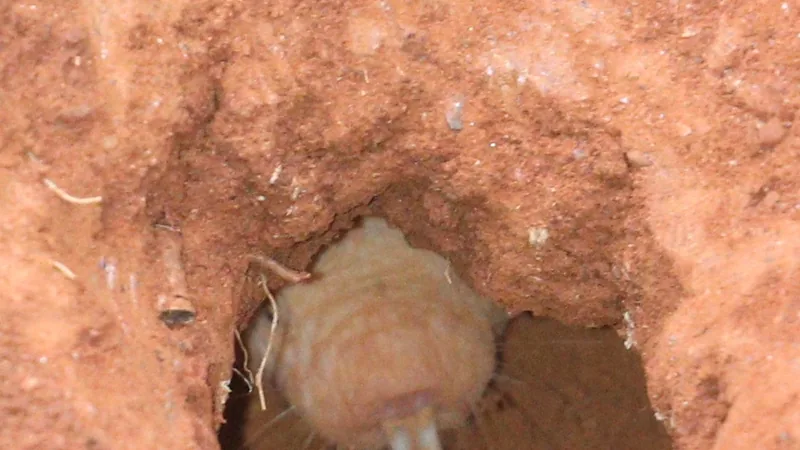
Naked Mole-Rat
The nearly hairless, essentially cold-blooded tunnel digger that shrugs off acid and chili burns, survives 18 minutes with no oxygen at all, and outlives every other rodent on record.
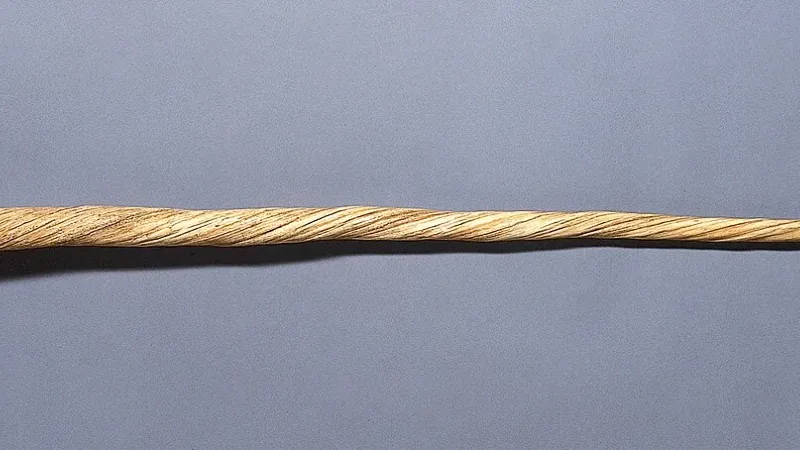
Narwhal
Deep-diving Arctic whale whose spiral tusk can grow up to 9.8 feet and may double as a sensory tool.
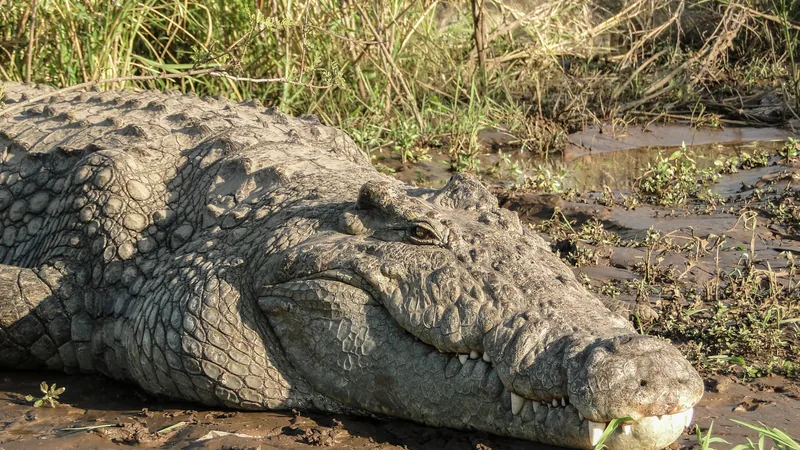
Nile Crocodile
An armored crocodile whose skin is more touch-sensitive than a primate's fingertips.
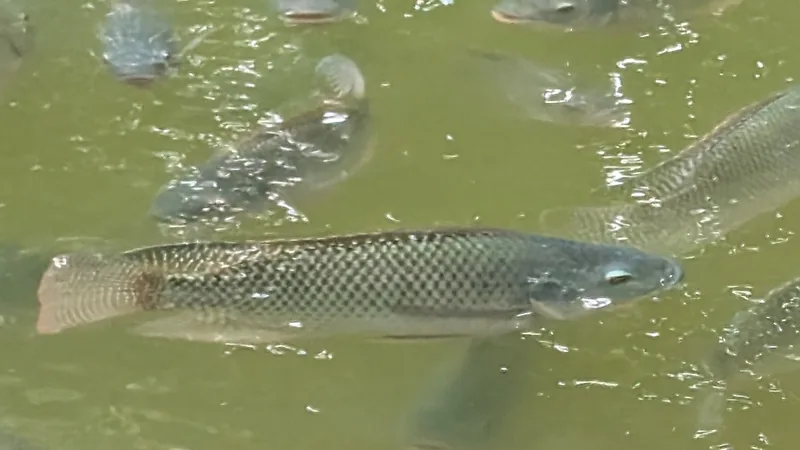
Nile Tilapia
A mouth-brooding cichlid; in one lab strain, a Y-chromosome gene proved essential for maleness.
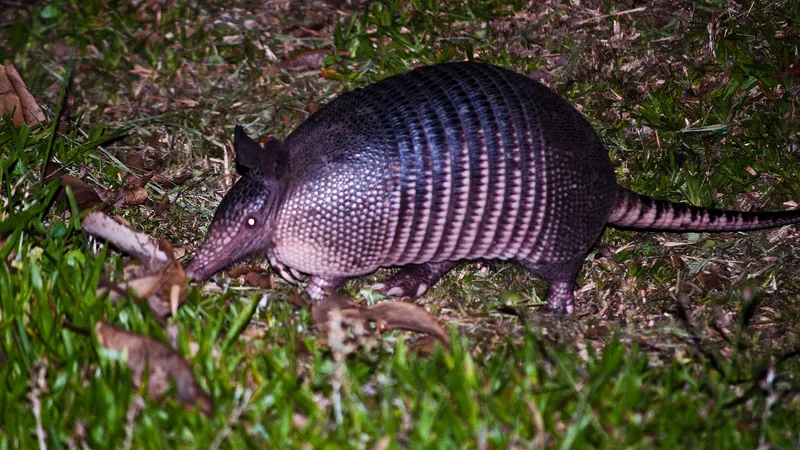
Nine-Banded Armadillo
A bony-plated digger that smells invertebrates up to 20 cm underground and almost always gives birth to identical quadruplets.
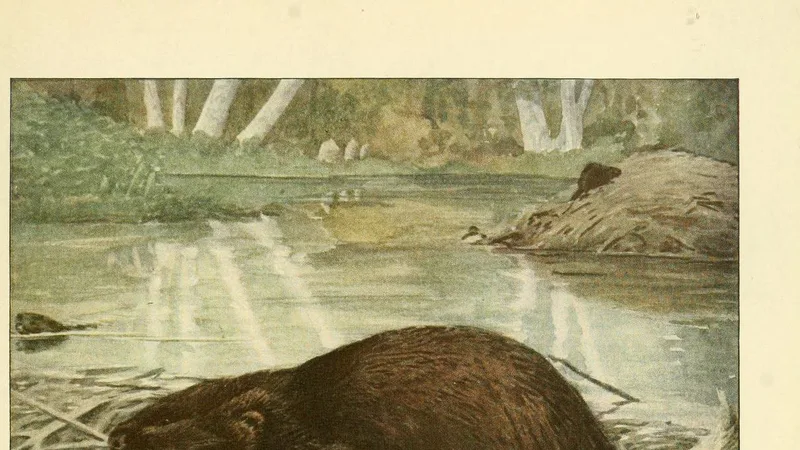
North American Beaver
Self-sharpening orange teeth strengthened with iron, and an ecosystem engineer that dams streams into ponds.
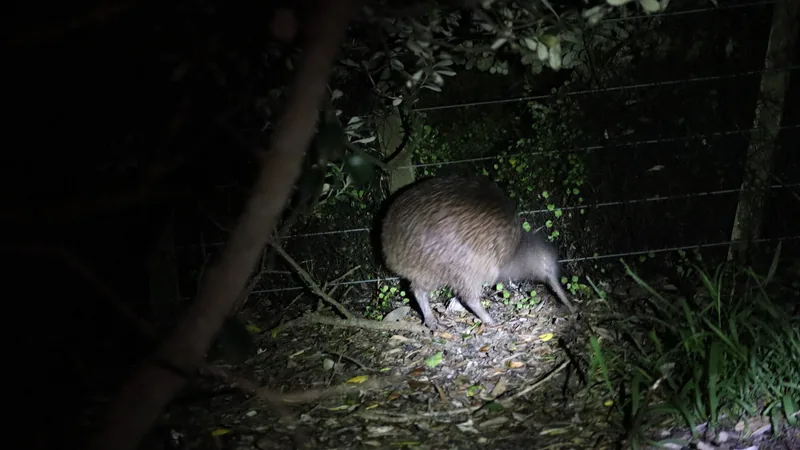
North Island Brown Kiwi
A flightless night forager with its nostrils near the tip of its bill and an egg that averages 15 percent of its mother's weight.
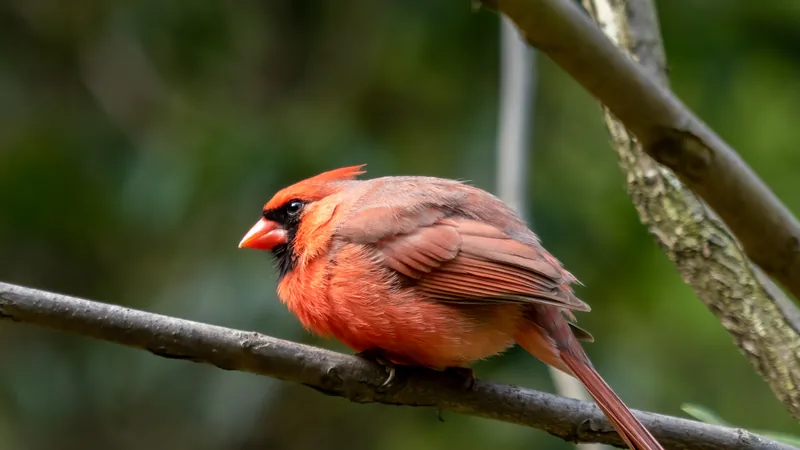
Northern Cardinal
A red songbird that turns yellow food pigments into scarlet feathers.
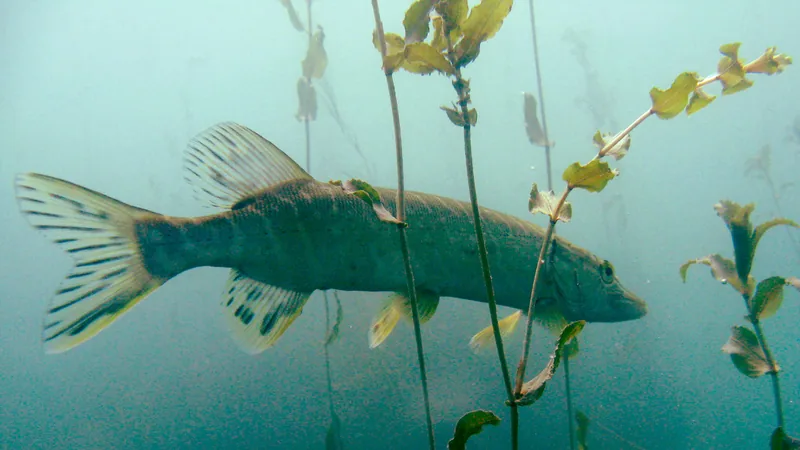
Northern Pike
A freshwater ambush predator that lies cocked in an S, then strikes with a sprint.
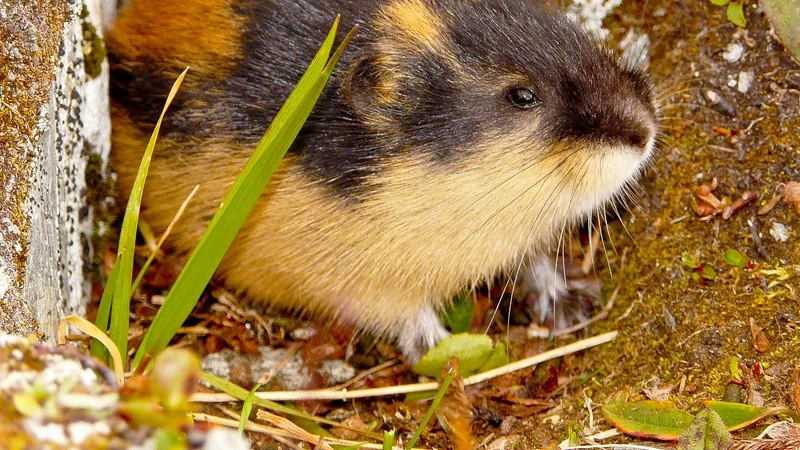
Norway Lemming
A warning-colored mountain rodent, kin of the lemmings wrongly said to leap to their deaths.
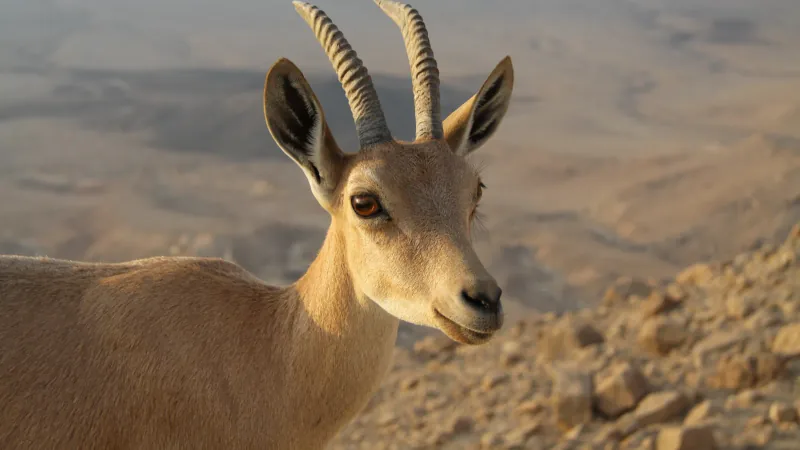
Nubian Ibex
Relatively small desert ibex of the Middle East and northeast Africa, a true cliff dweller whose males carry ridged, backward-arching horns up to 122 centimeters long.