The Wildlife Encyclopedia
Explore all 545 species indexed across the encyclopedia. Every creature is paired with anatomical superpower breakdowns and musical subcultures.
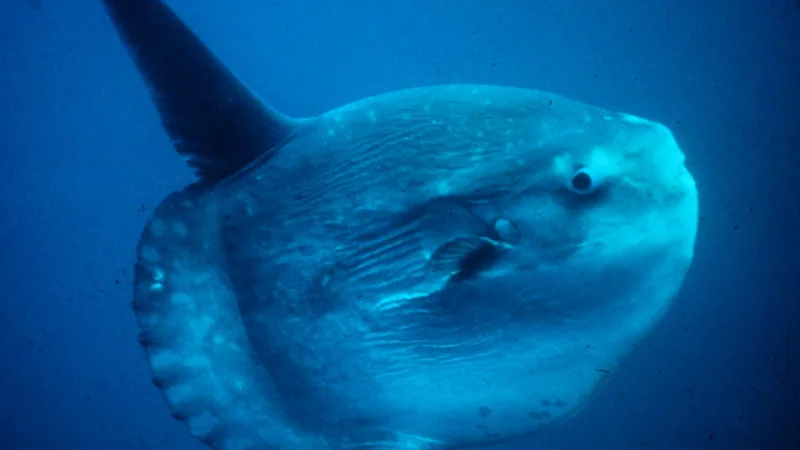
Ocean Sunfish (Mola Mola)
Up to 1.3 tonnes of cartilage-and-jelly fish with no tail fin. It dives for siphonophores, then floats flat at the surface between dives.
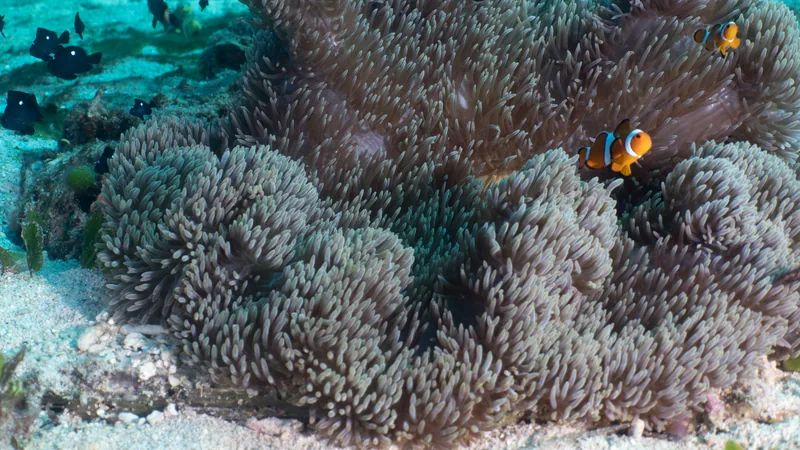
Ocellaris Clownfish
A reef fish about 8 cm long that shelters among stinging anemone tentacles, where the breeding male turns female if the female is lost.
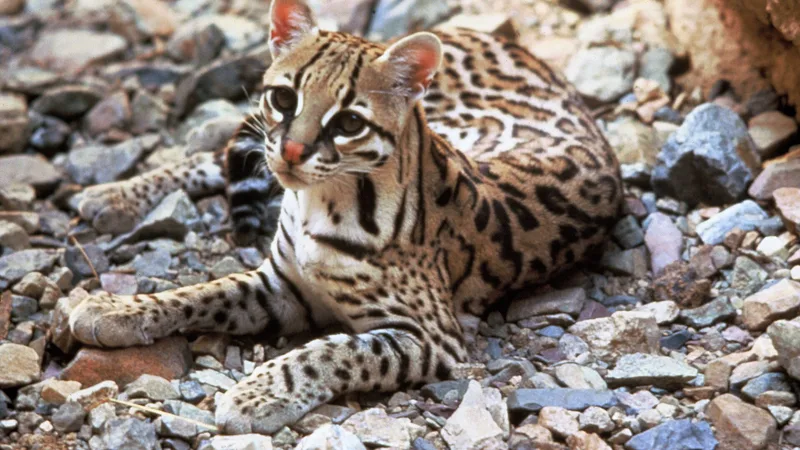
Ocelot
Dark spots that sometimes link into chains across golden fur, on a solitary night hunter whose eyes see much better in the dark than ours.
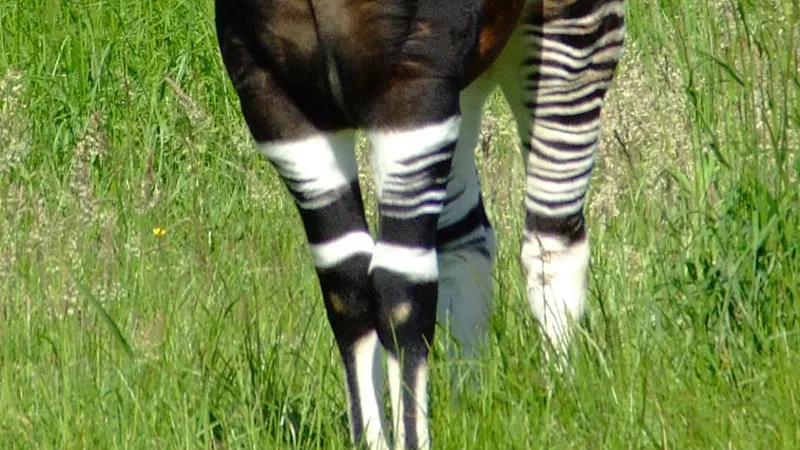
Okapi
Zebra-striped legs, a tongue that can reach past a foot, and the giraffe's only close living relative, unknown to scientists until 1901.
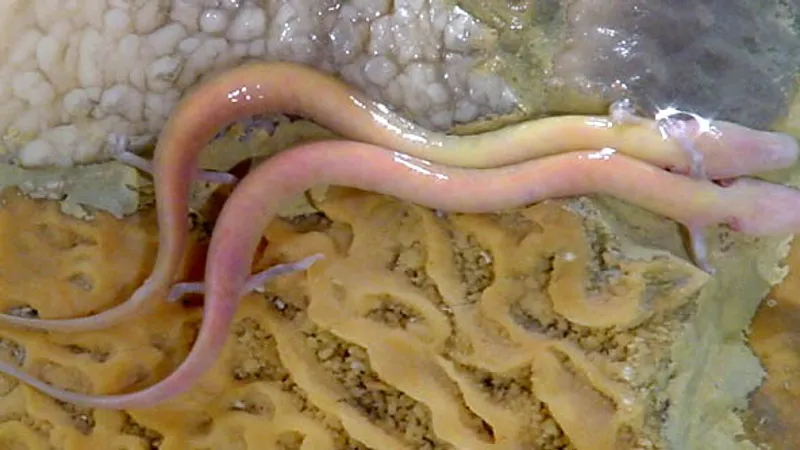
Olm
The cave salamander with eyes buried under its skin, a predicted lifespan past 100 years, and an experimental fast of a year and a half.
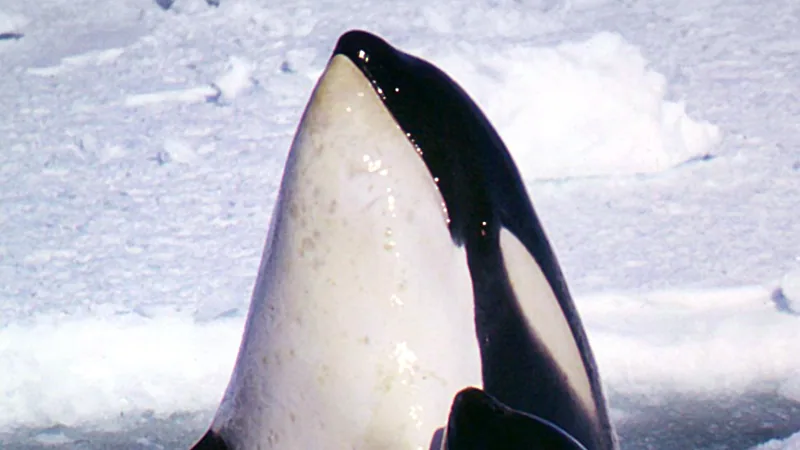
Orca (Killer Whale)
Matrilineal pod dialects, cooperative wave-washing tactics, and apex oceanic dominance.
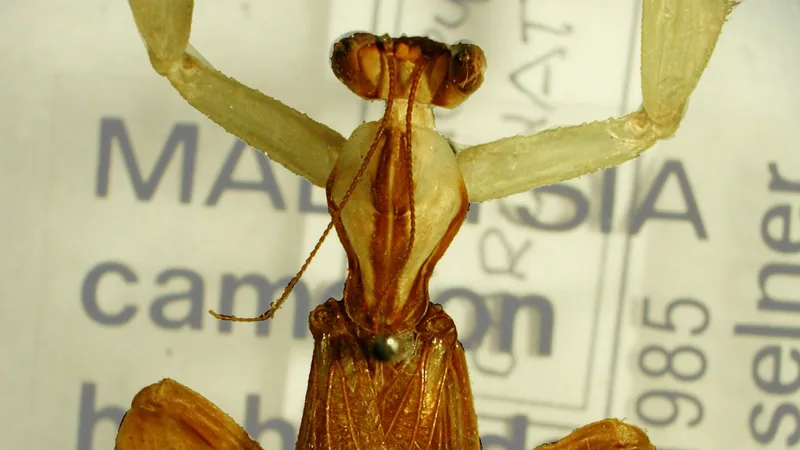
Orchid Mantis
Flower-colored to a bee's eyes, it draws in wild pollinators at a higher rate than real flowers do, then catches them.
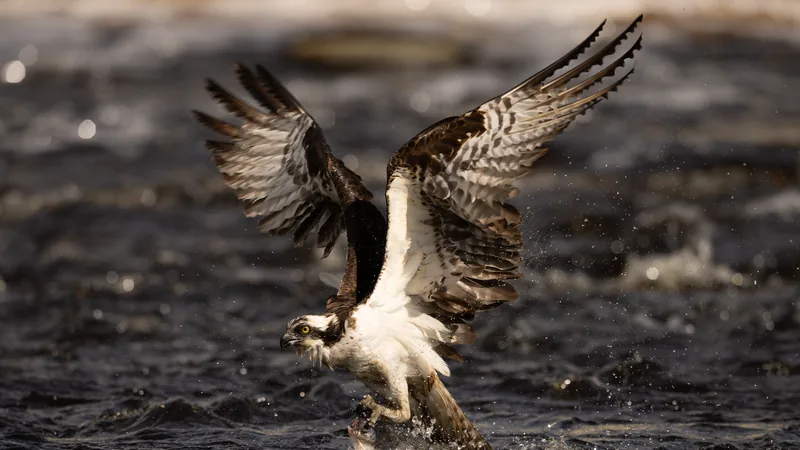
Osprey
The fish-hawk that hovers over water, then plunges feet first to grab a fish in its talons.
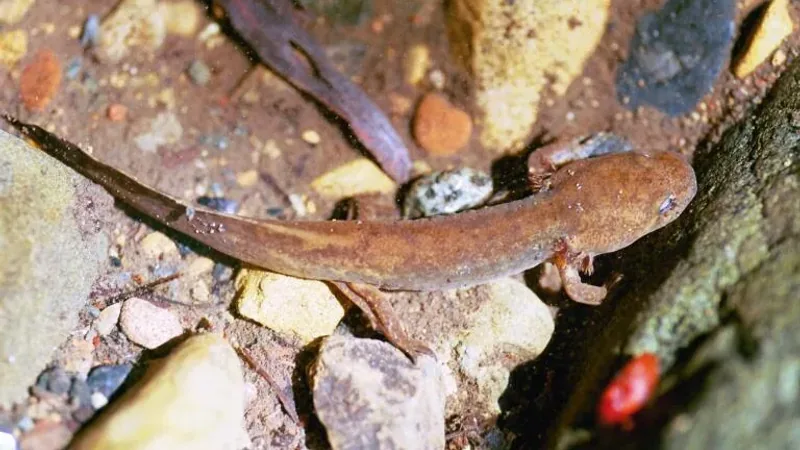
Pacific Giant Salamander
North America's largest terrestrial salamander, guarding Pacific Northwest streams with a startled bark, a noxious tail secretion, and gills it can keep for life.
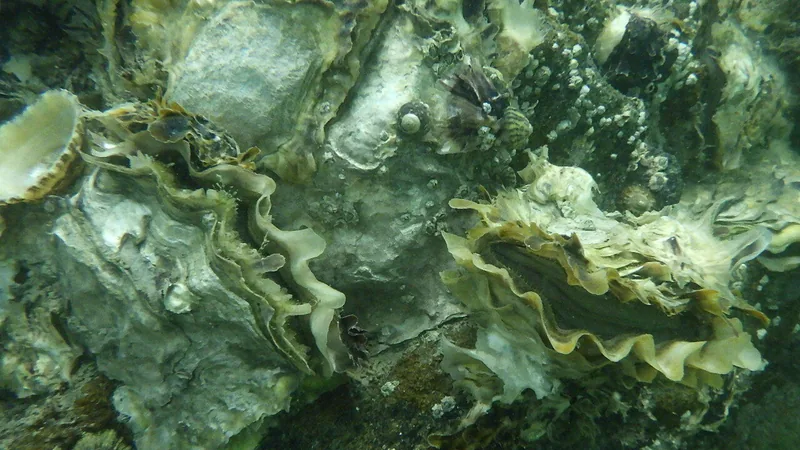
Pacific Oyster
A stay-put oyster that starts life male, hears underwater sound and filters up to 50 gallons of seawater a day.
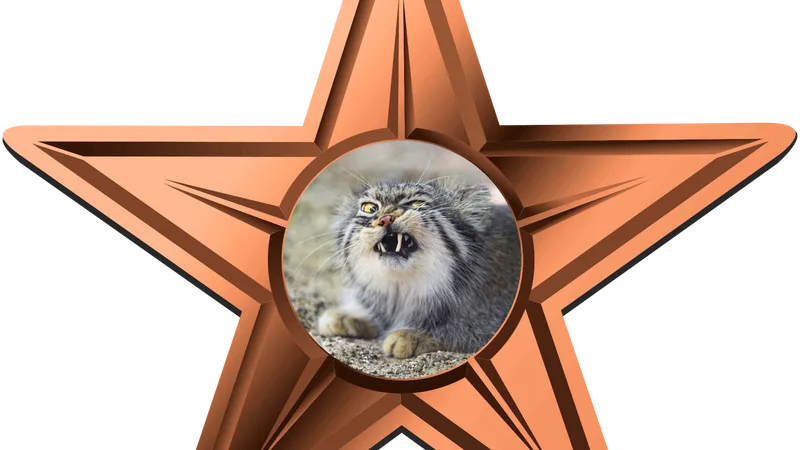
Pallas's Cat (Manul)
Round pupils, ears set low for peeking over boulders, and a BBC documentary's verdict as the grumpiest cat in the world, stalking prey across Central Asia's rocky steppes.
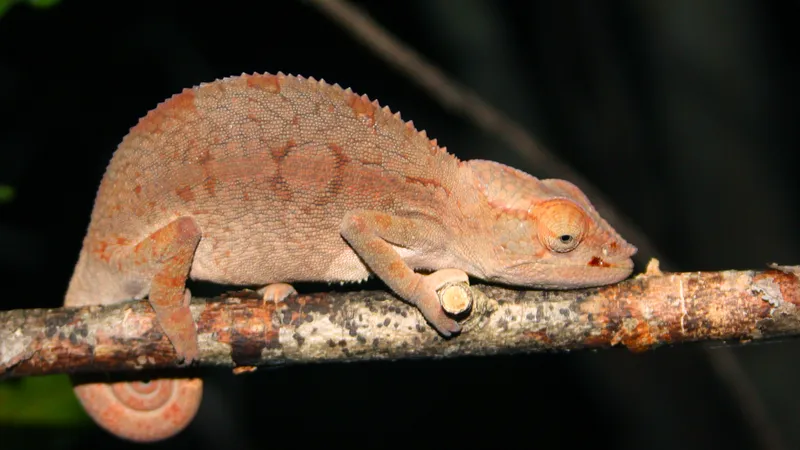
Panther Chameleon
The Madagascar color-shifter that retunes a lattice of skin nanocrystals within a couple of minutes, swivels its eyes through a 360-degree arc, and fires a hyoid-launched tongue up to twice its body length.
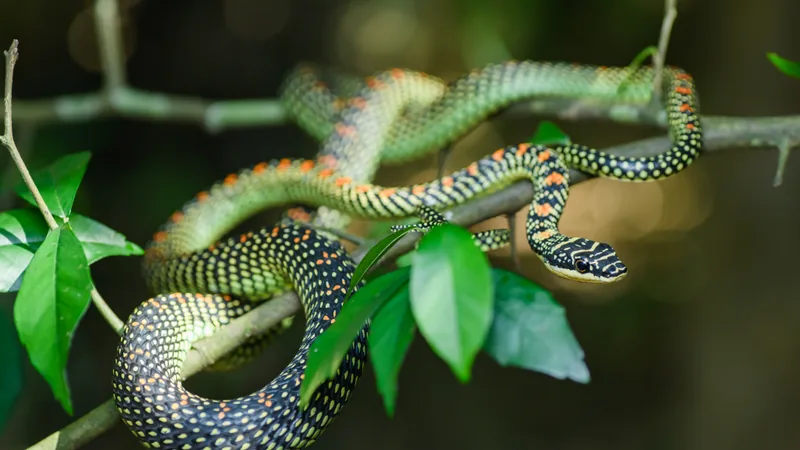
Paradise Flying Snake
The tree-dwelling serpent that splays its ribs and flattens its body into a triangular lifting surface when it glides.
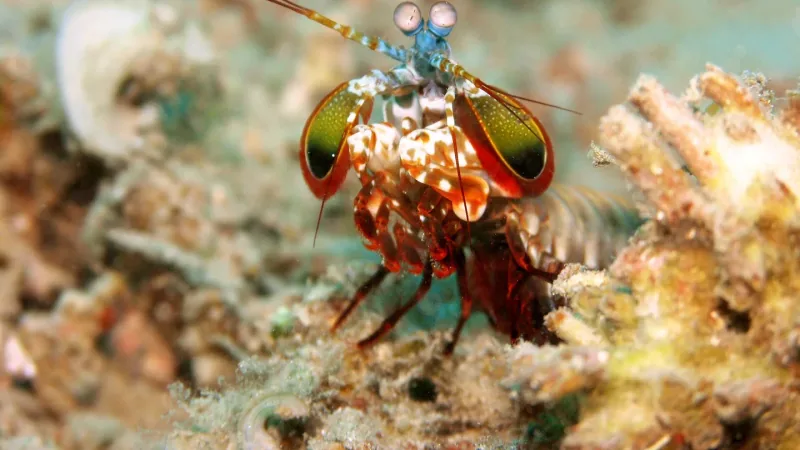
Peacock Mantis Shrimp
The brightly colored reef hunter whose club strike hits twice: once with the limb, then again with collapsing bubbles.
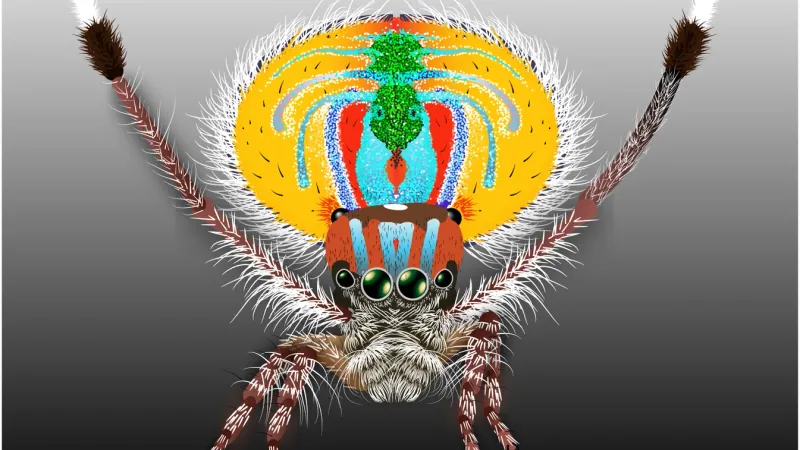
Peacock Spider
The Australian jumping spider whose males unfurl a peacock-style fan and send vibrations through the ground to win over a female.
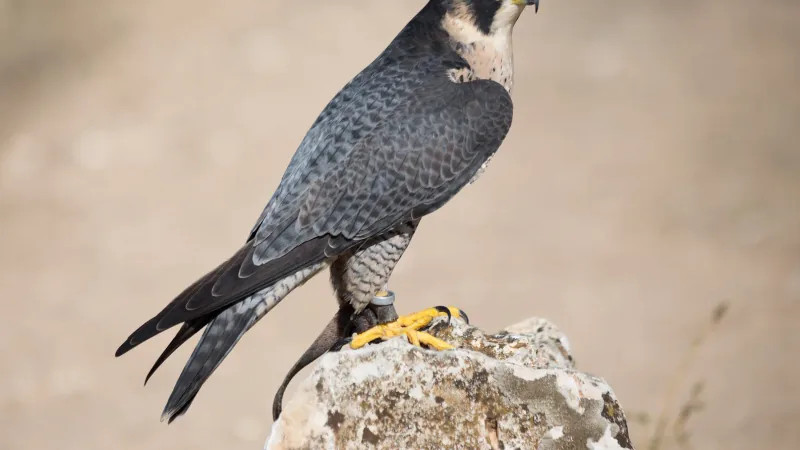
Peregrine Falcon
The sky's guided missile, folding into a 320 km/h (200 mph) stoop with the same navigation math built into real missiles.
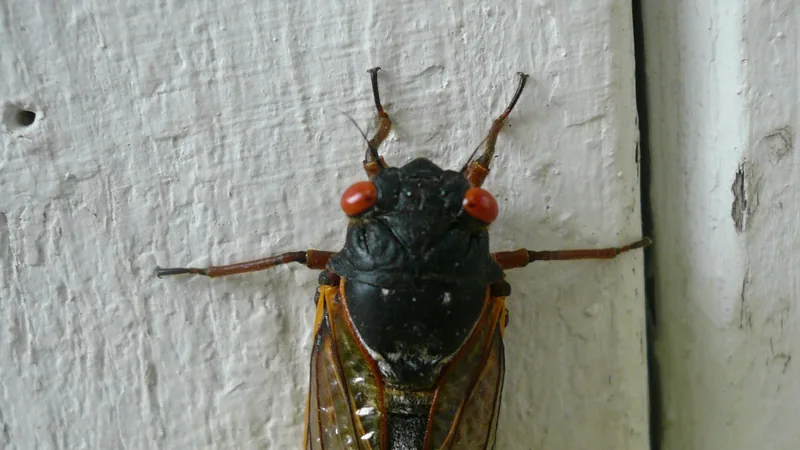
Periodical Cicada
17 years underground, then a few remarkably loud weeks
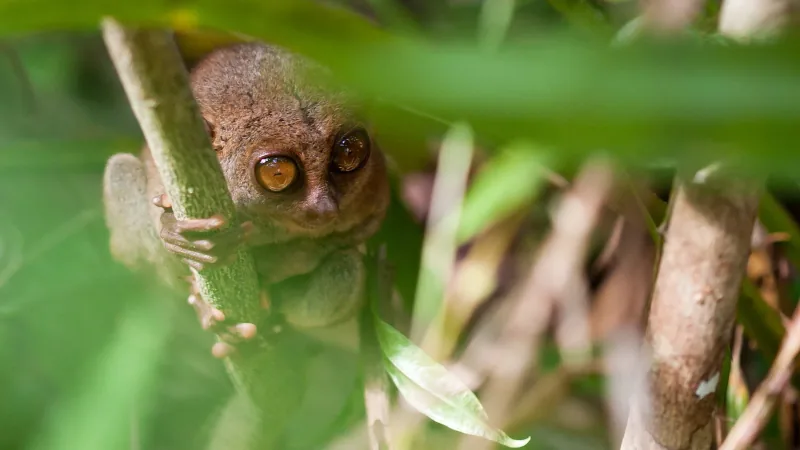
Philippine Tarsier
Hand-sized night primate with the largest eyes for its body of any mammal, a head that turns 180 degrees, and legs built for jumping.
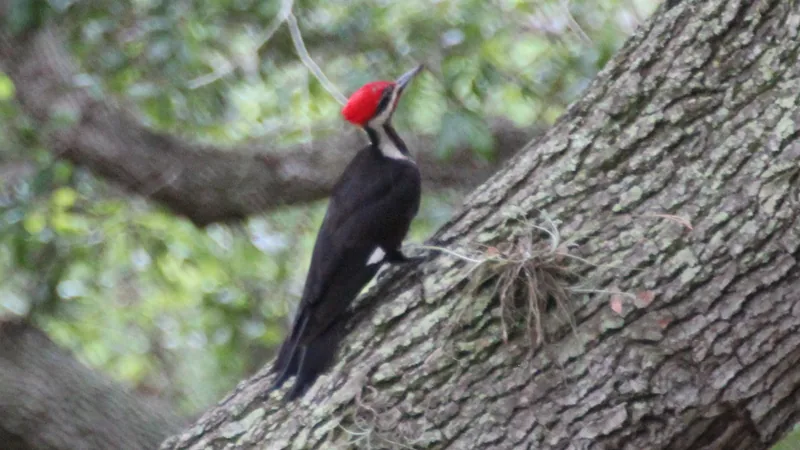
Pileated Woodpecker
A crow-sized woodpecker that chisels rectangular holes into trees to reach the ants inside.
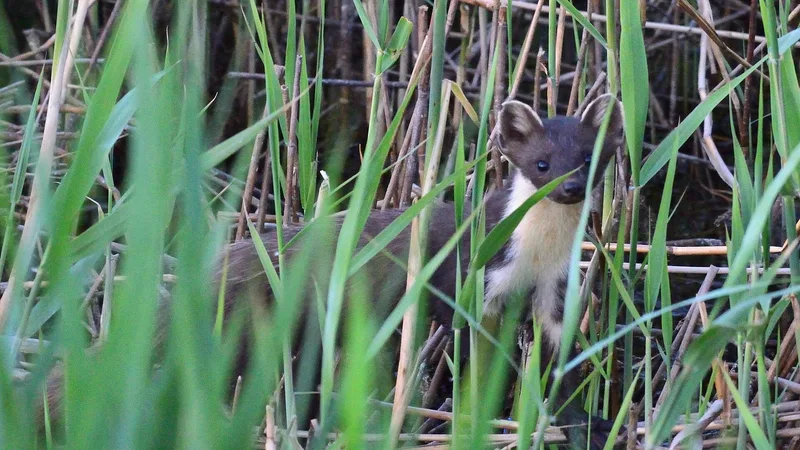
Pine Marten
Cream-bibbed tree acrobat with ankles that rotate through 180 degrees for climbing up and down trees.
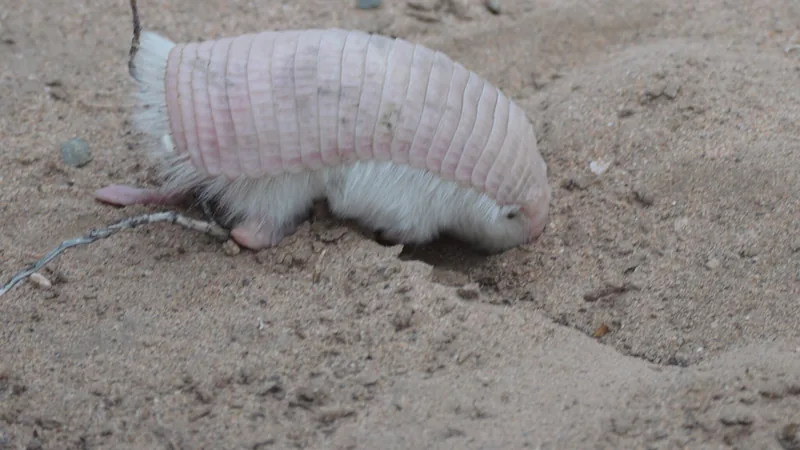
Pink Fairy Armadillo
The world's smallest armadillo, an Argentine sand-burrower wearing a shell of bony plates and hardened scales.
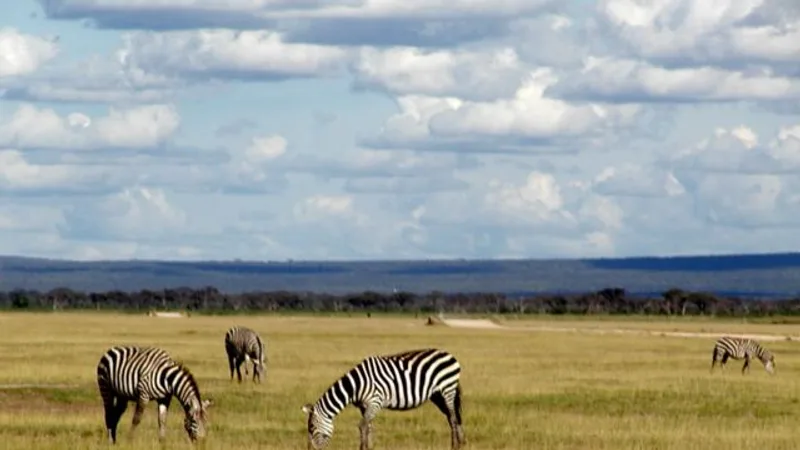
Plains Zebra
Stripes linked to biting flies, a coat as unique as a fingerprint, and a yearly Serengeti trek of around 2,900 kilometers.
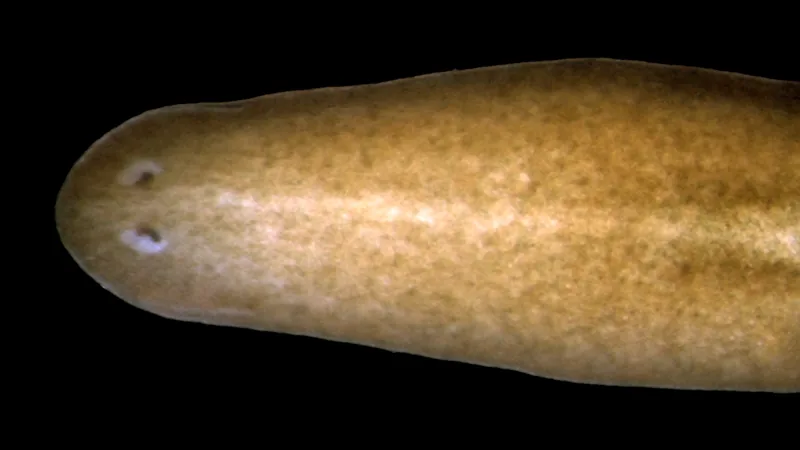
Planarian
A freshwater flatworm whose tail can turn into a head when one gene is switched off.

Polar Bear
Arctic apex predator with hollow, see-through fur over jet-black skin, a nose that smells seals 20 miles off, and a shrinking sea of ice to swim.