The Wildlife Encyclopedia
Explore all 545 species indexed across the encyclopedia. Every creature is paired with anatomical superpower breakdowns and musical subcultures.
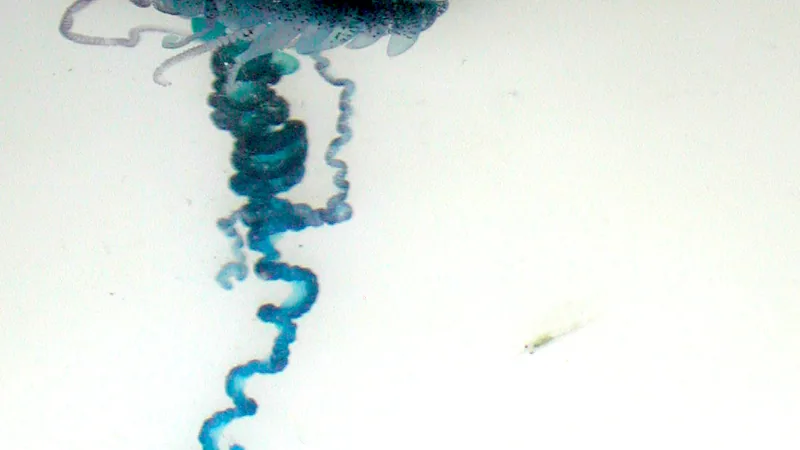
Portuguese Man o' War
Colonial siphonophore sail, up to thirty-meter neurotoxic tentacles, and ocean surface drifter.
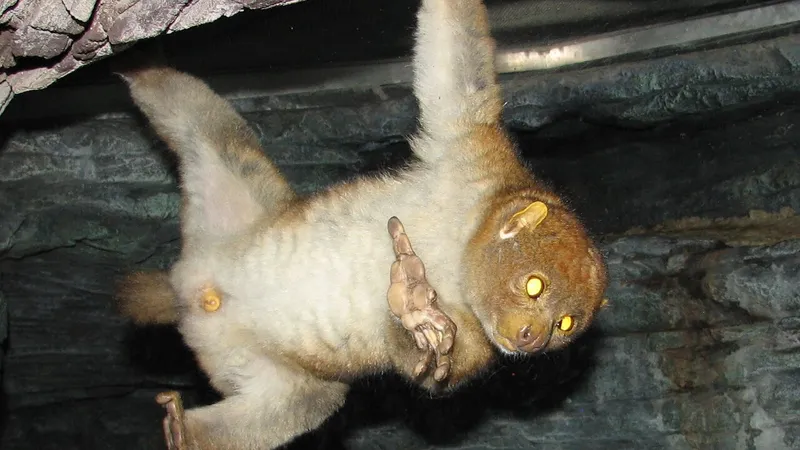
Potto
A slow, silent nocturnal primate that can hold still on a branch for long periods without fatigue, and presents predators with a shield of elongated neck-vertebra spines.
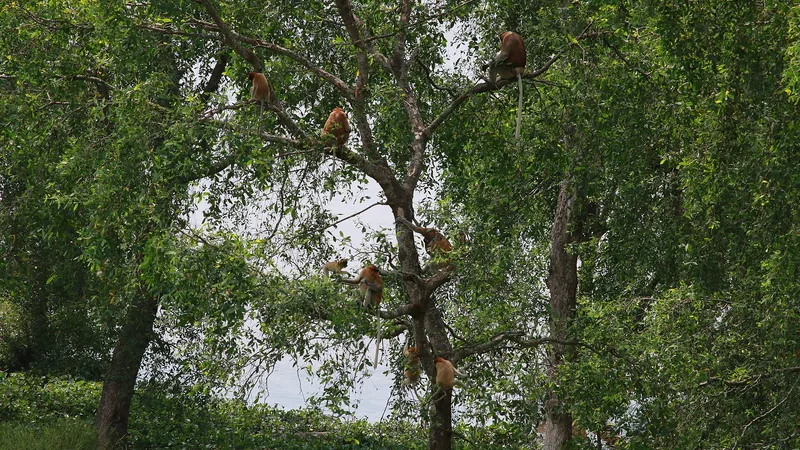
Proboscis Monkey
An oversized nose that works as both a visual badge and a vocal amplifier, webbed fingers and toes that help it swim across rivers, and a cow-like habit of bringing food back up to chew it again.
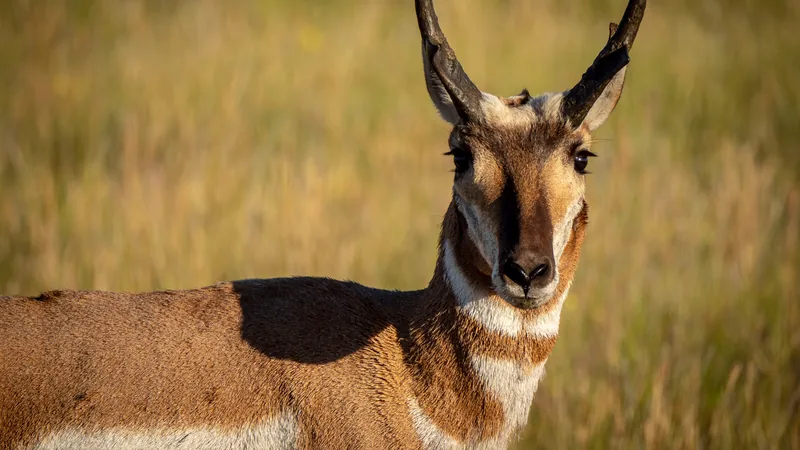
Pronghorn
A 40 to 59 kg grassland runner that can average 65 km/h over 11 km, backed by an extraordinary capacity to consume and process oxygen.
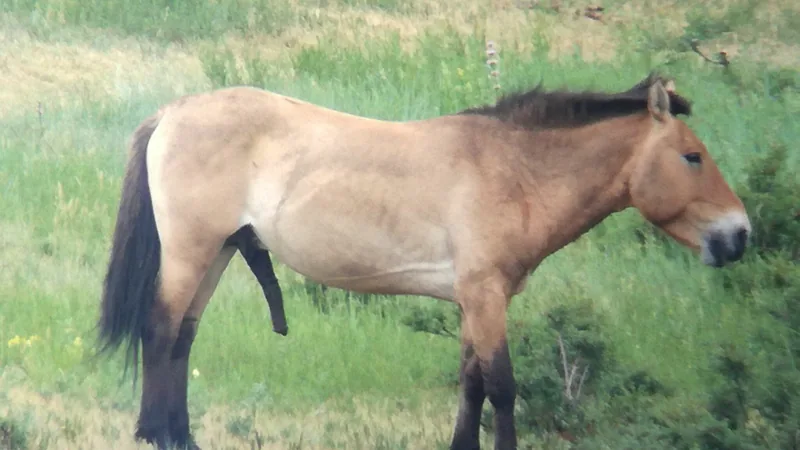
Przewalski's Horse
The wild horse with 66 chromosomes, gone from the wild and then put back.
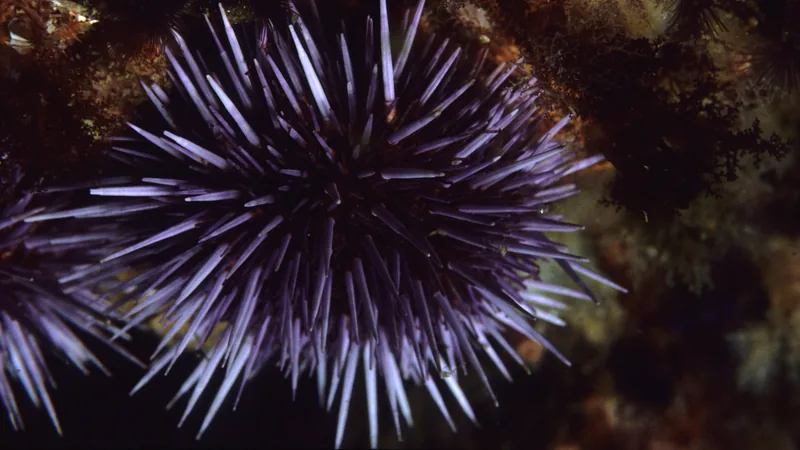
Purple Sea Urchin
A spiny kelp grazer with five teeth in a ring, whose massed feeding fronts can strip a whole kelp forest.
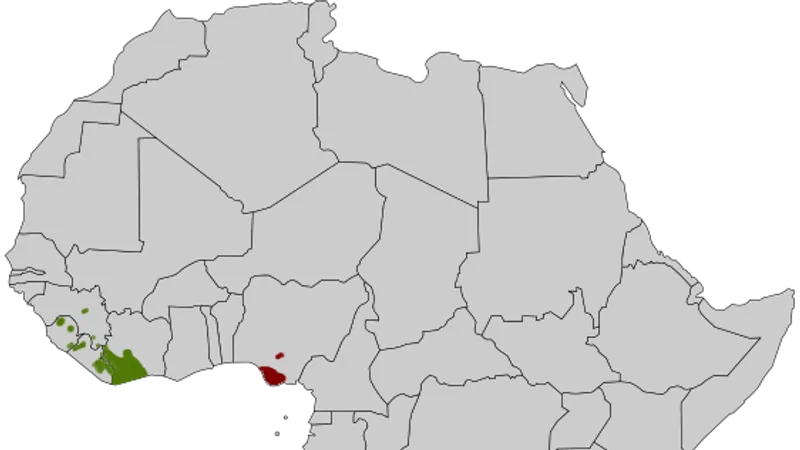
Pygmy Hippopotamus
Dwarf solitary forest hippo of the Upper Guinean swamps, with pink blood-sweat sunscreen.
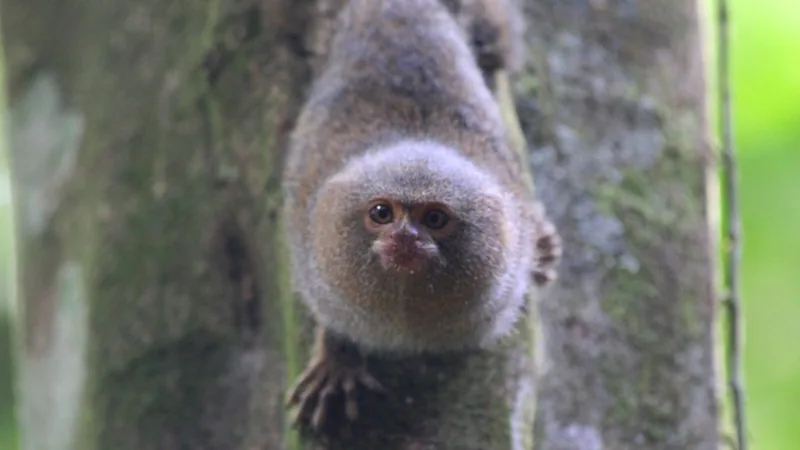
Pygmy Marmoset
The world's smallest monkey, small enough to fit in a human hand, gouges holes in tree bark and laps up the sap that puddles inside.
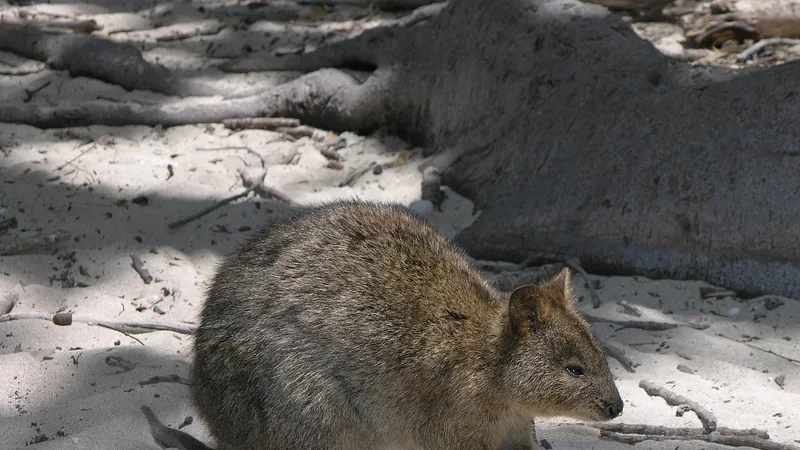
Quokka
A Western Australian wallaby with three kinds of colour cone, a permanent grin, and no fear of tourists.
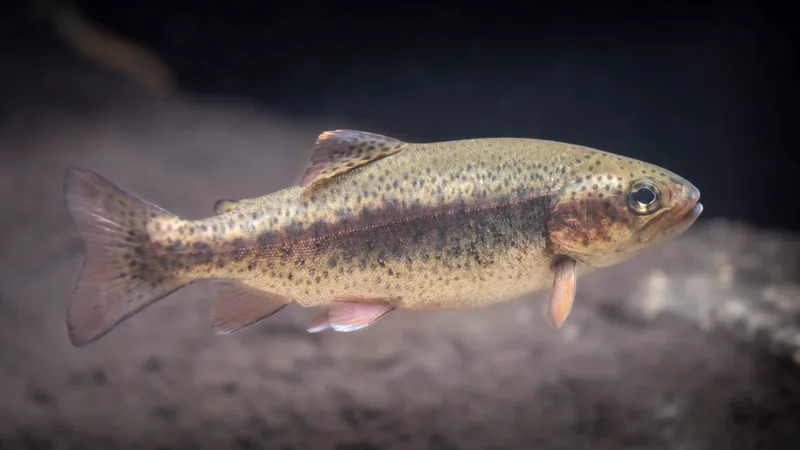
Rainbow Trout
A stream fish whose sex is set by a Y-chromosome gene unrelated to any known sex-differentiating gene.
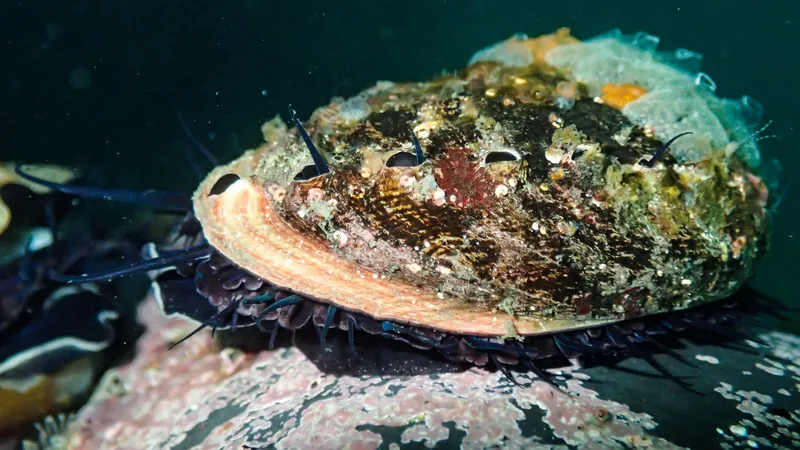
Red Abalone
A one-shell snail relative that clamps onto rock with a muscular foot and builds mother-of-pearl 3000-fold tougher than the mineral it is mostly made of.
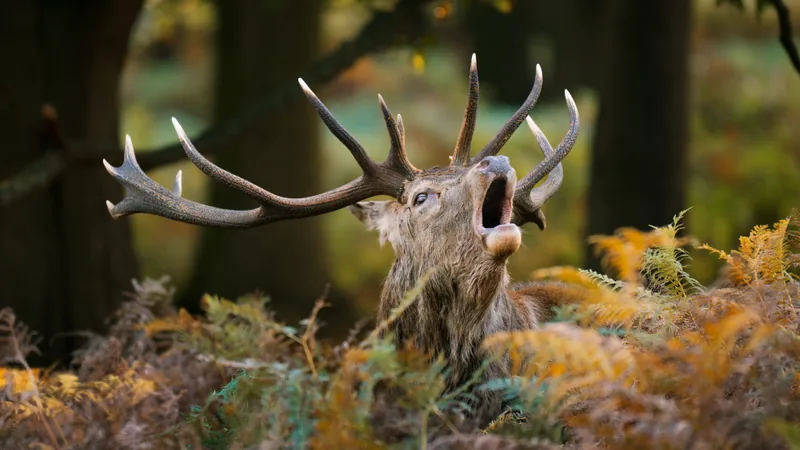
Red Deer
The UK's largest land mammal: a stag of up to 190 kg that regrows its antlers each year and roars through the autumn rut.
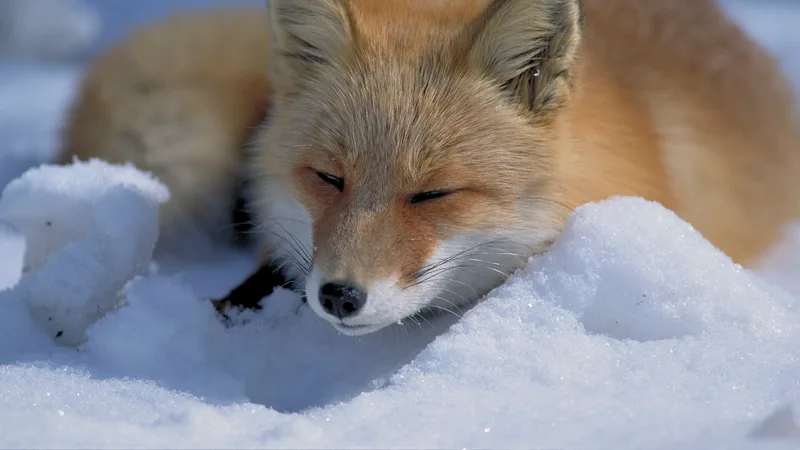
Red Fox
Fluffy white-tipped tail, a pounce that may be aimed using Earth's magnetic field, and an omnivore's habit of eating whatever is available.
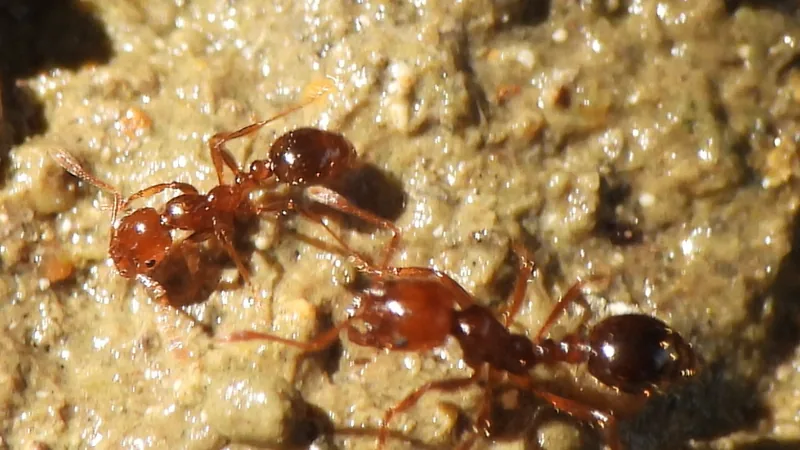
Red Imported Fire Ant
An ant a few millimetres long that links up with its nestmates into a raft that can float for days.
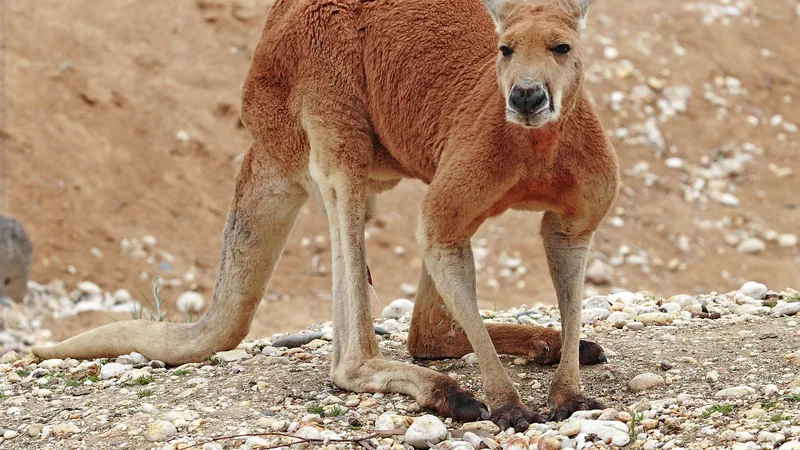
Red Kangaroo
Australia's biggest marsupial, hopping at 64 km/h on powerful hind legs, balanced by a tail it can also rest on.
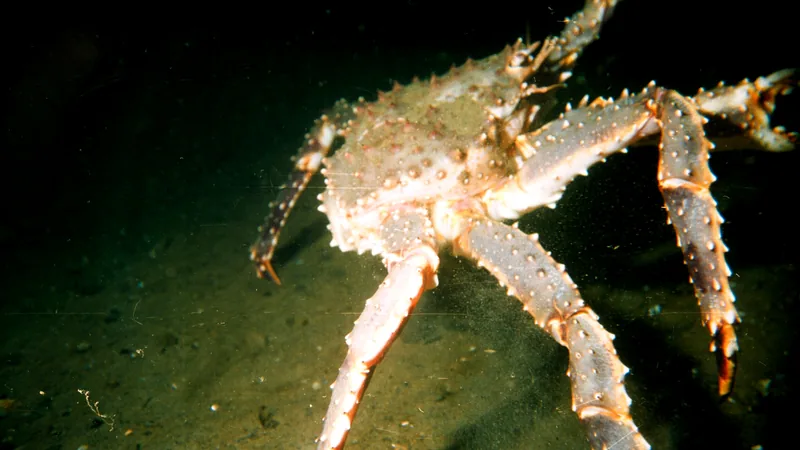
Red King Crab
A spiny crab that can reach 24 pounds and a 5-foot leg span, and can only grow by shedding its shell.
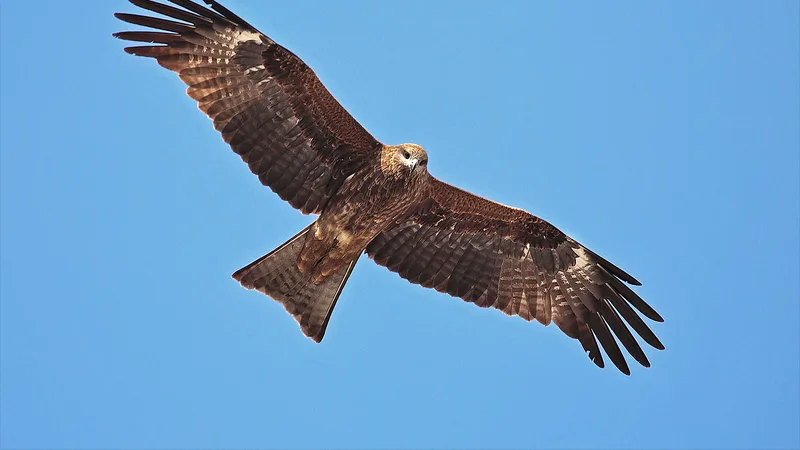
Red Kite
A deeply forked tail it steers with, relatively weak talons that keep it mostly on carrion, and an astonishing comeback in the UK.
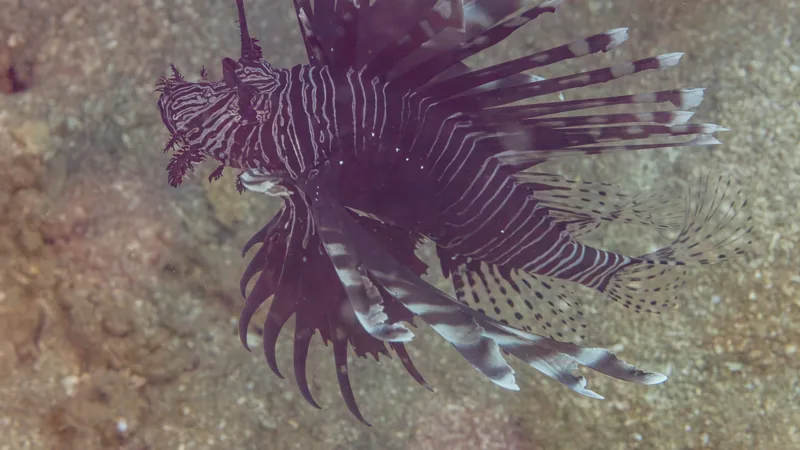
Red Lionfish
Swims at half its prey's speed and still wins six lab chases in ten.
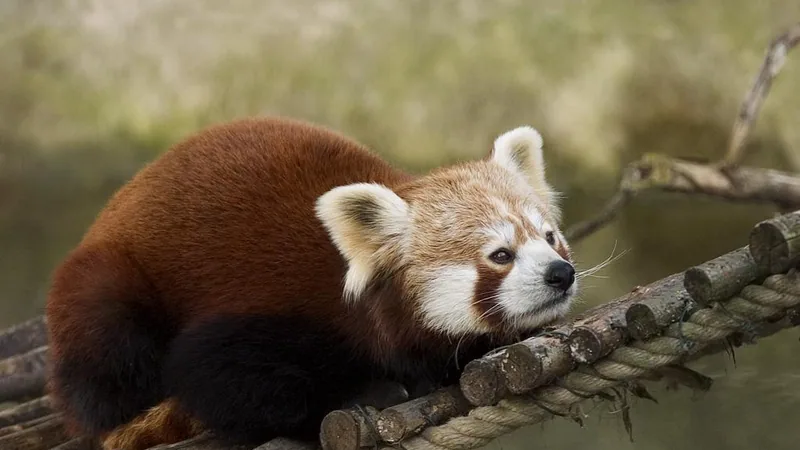
Red Panda
Ringed bushy tail, false thumb wrist bone, and bamboo-eating acrobats in high Himalayan forests.
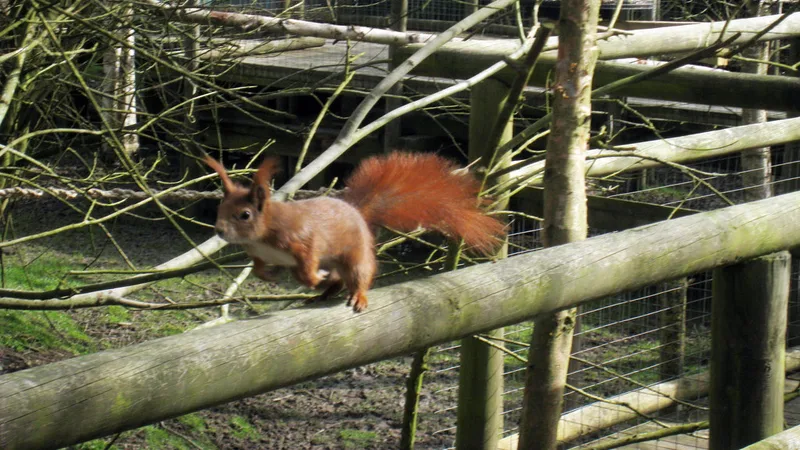
Red Squirrel
Double-jointed canopy acrobat that cracks a nut in seconds and buries seeds that may grow into trees.
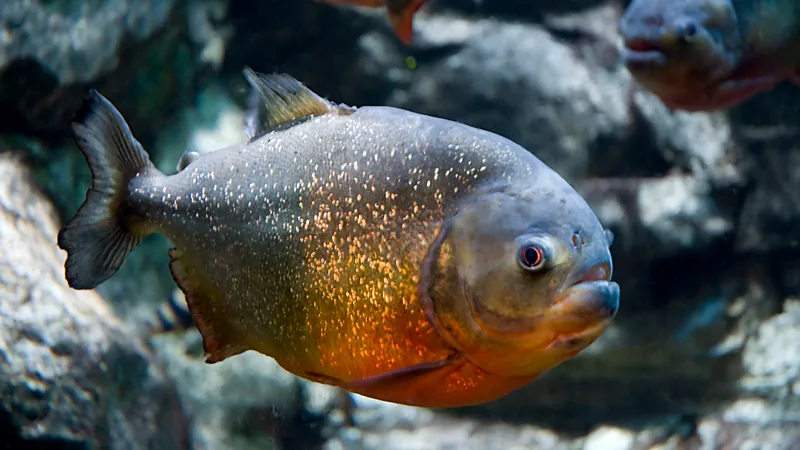
Red-Bellied Piranha
Razor-sharp interlocking teeth, a red belly, and a school that doubles as cover from predators.
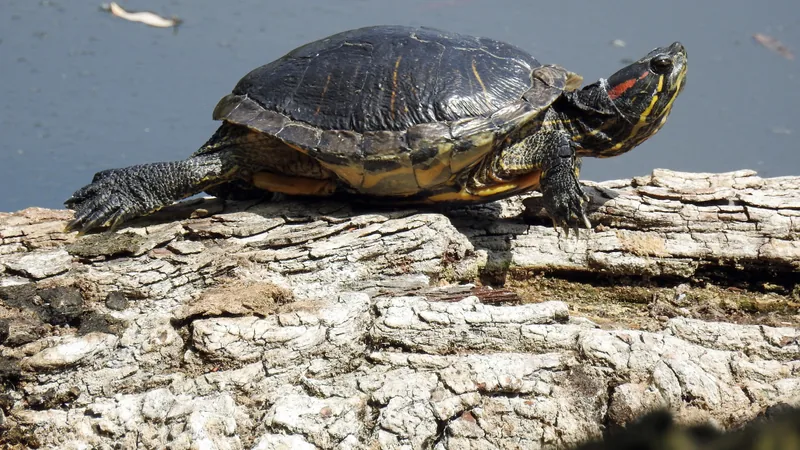
Red-Eared Slider
Whether a slider hatches male or female depends on how warm its nest was.
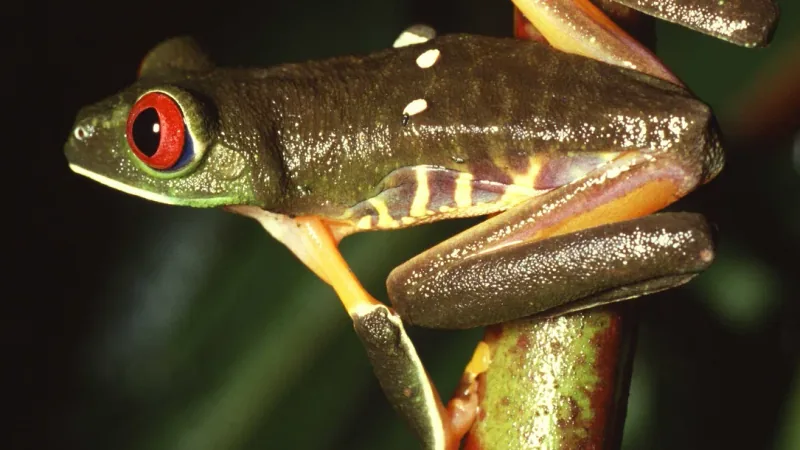
Red-Eyed Tree Frog
A neon-green rainforest sleeper whose flash of scarlet eyes and bright flanks may give a predator pause long enough to escape.
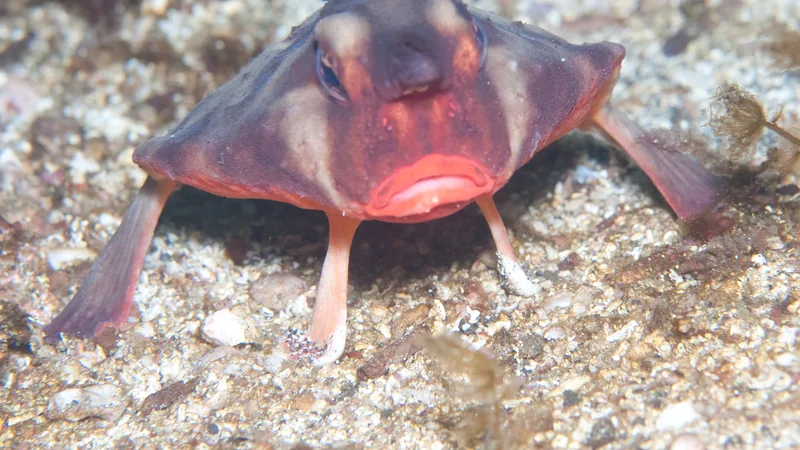
Red-Lipped Batfish
A Galápagos batfish whose genus walks the seabed on modified fins.