Least Concern (LC)
Widespread and stable, for now. Being common is not the same as being safe, and several of these were assessed decades ago.
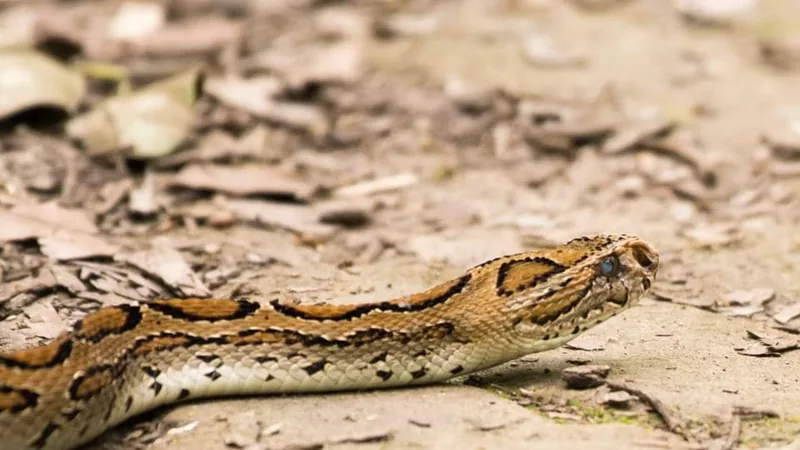
Russell's Viper
A South Asian viper whose venom varies across India, enough that one antivenom did poorly against snakes from the semi-arid north in mouse tests.

Saltwater Crocodile
Up to 23-foot apex archosaur, and the species behind the highest bite force measured in any animal: 3,689 pounds.
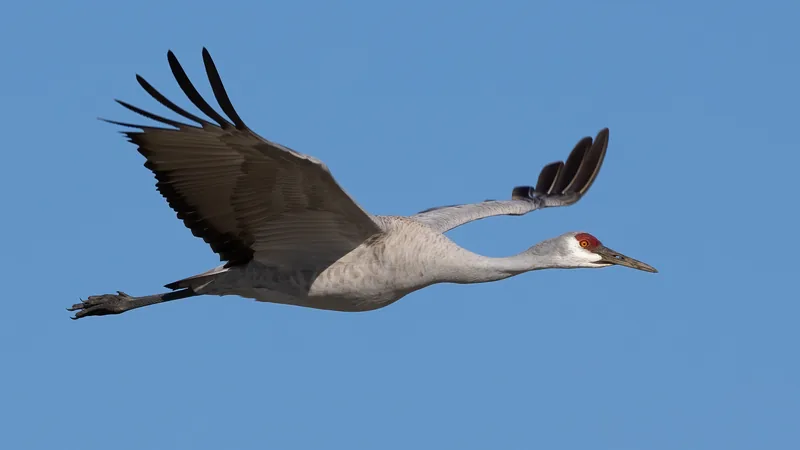
Sandhill Crane
A red-capped crane that duets with its mate and sleeps standing in the shallows.
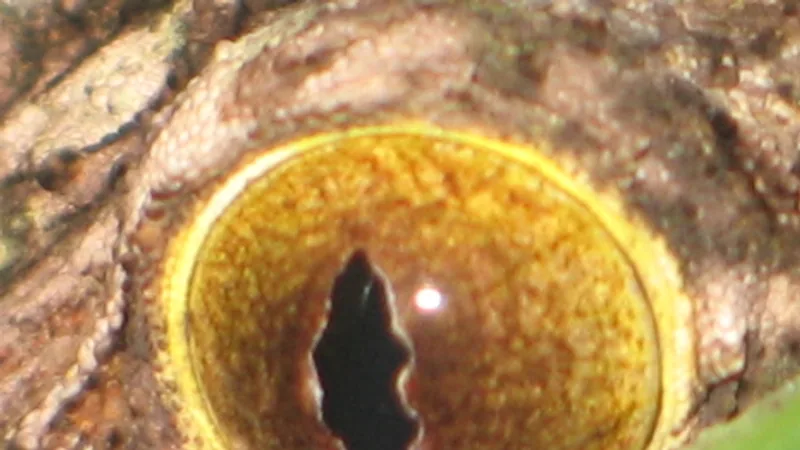
Satanic Leaf-Tailed Gecko
Dead-leaf camouflage down to the fake decay and missing pieces, horn-like brow scales, and a loud, red-mouthed bluff when confronted.
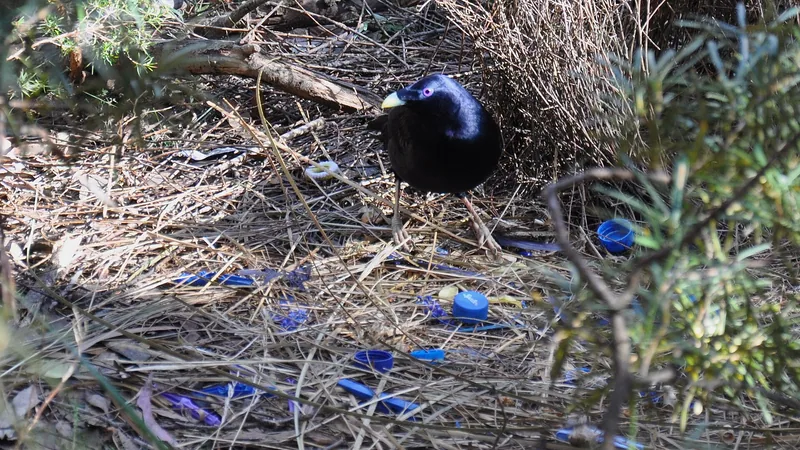
Satin Bowerbird
Stick-avenue builder, blue-object collector, and a courtship act of buzzes, rattles and mimicry.
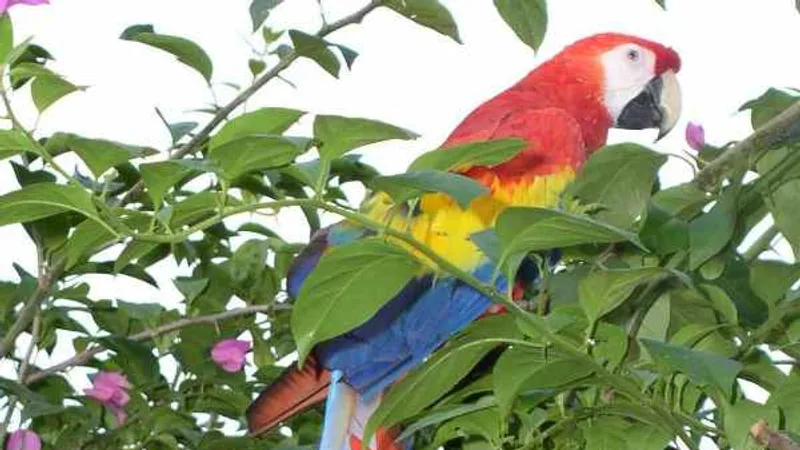
Scarlet Macaw
A big scarlet parrot that feeds mostly in the forest canopy, with a beak that can break open the toughest nuts.
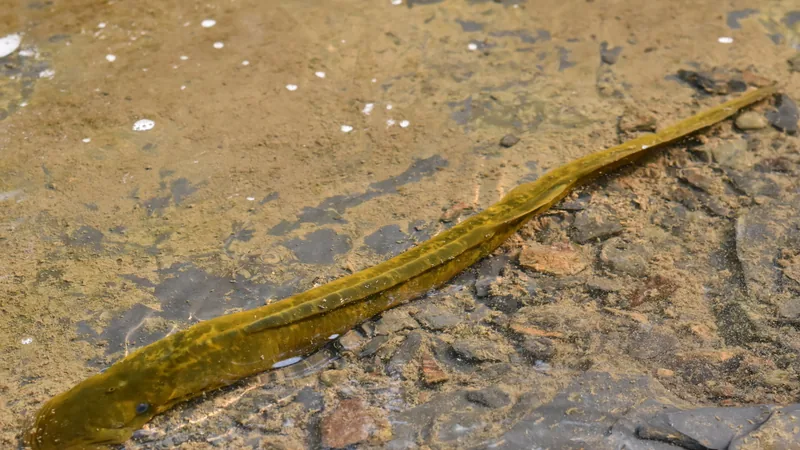
Sea Lamprey
A jawless survivor from a lineage that split from ours roughly 500 million years ago, armed with a sucker mouth ringed in rasping teeth.
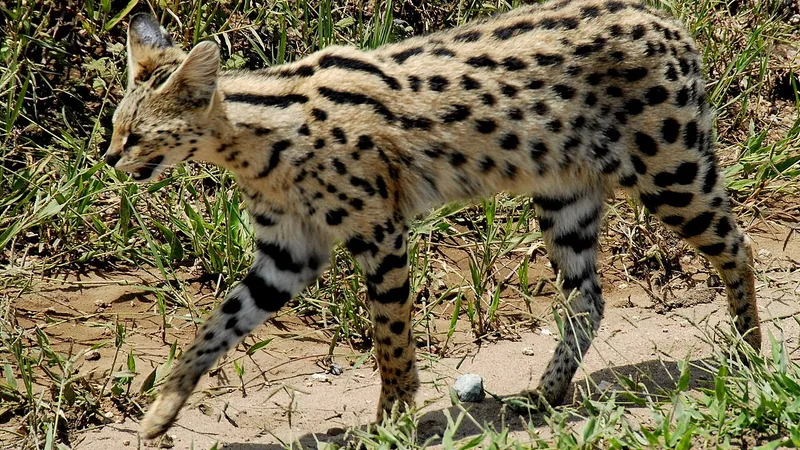
Serval
Savanna hunter with the longest legs and largest ears for its size of any cat, able to leap more than nine feet straight up to snatch a bird from the air.
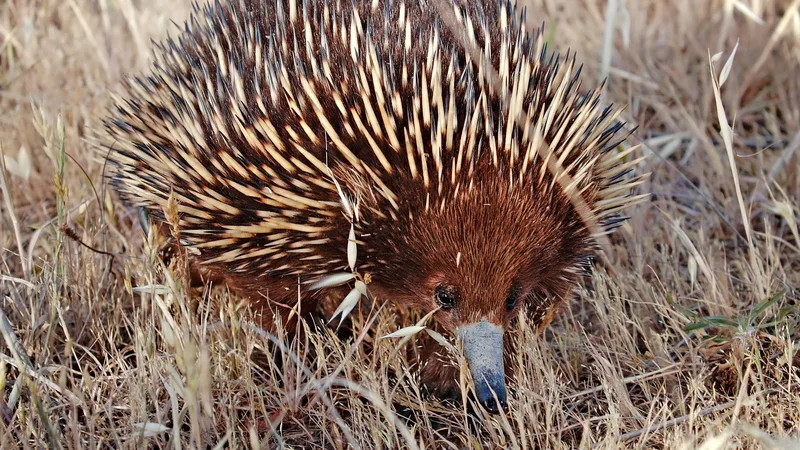
Short-Beaked Echidna
The spiny, egg-laying mammal that digs into ant and termite nests and carries an electric sense in its snout.
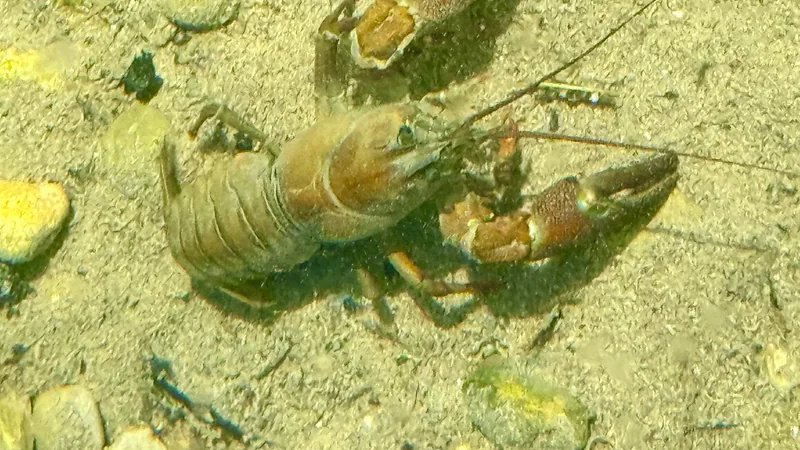
Signal Crayfish
A plague-resistant crayfish brought to Europe to supplement stocks the plague decimated, and a carrier of the disease itself.
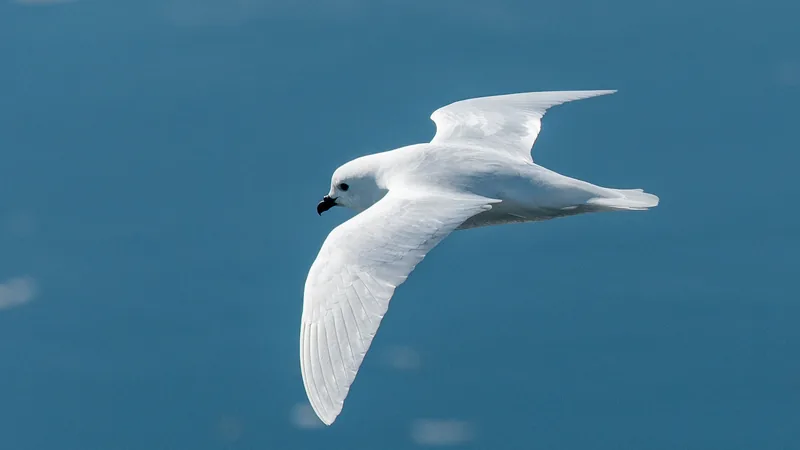
Snow Petrel
An all-white Antarctic seabird that sometimes nests hundreds of kilometers inland and spits stomach oil that can build up around its nest for thousands of years.
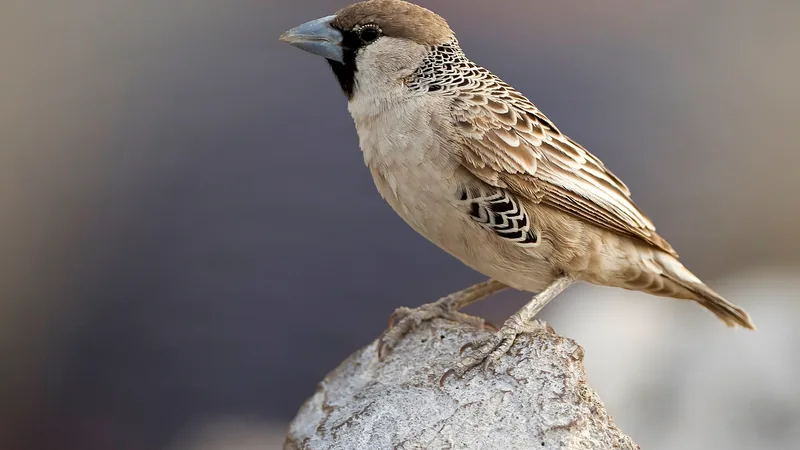
Sociable Weaver
The Kalahari architect that builds one shared straw mega-nest big enough for hundreds of birds, with some still standing more than a century later.
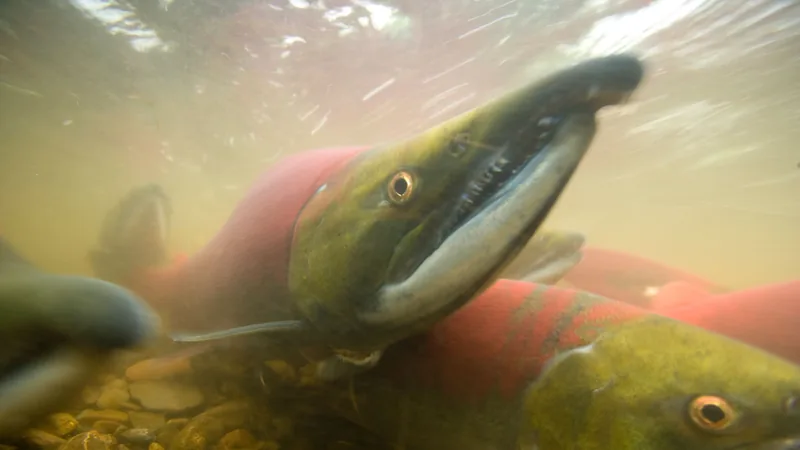
Sockeye Salmon
A silver sea-going fish that turns bright red and swims back to the freshwater system where it hatched.
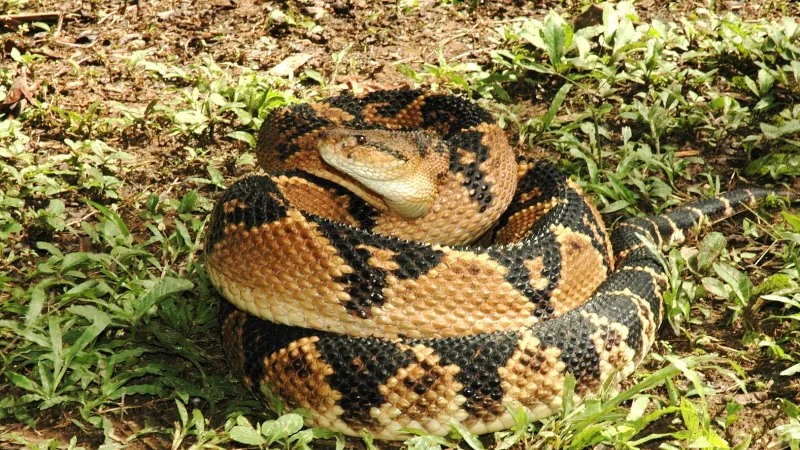
South American Bushmaster
The longest of all vipers, able to aim a strike in the dark by body heat alone, from the only pit vipers in the Americas that lay eggs.
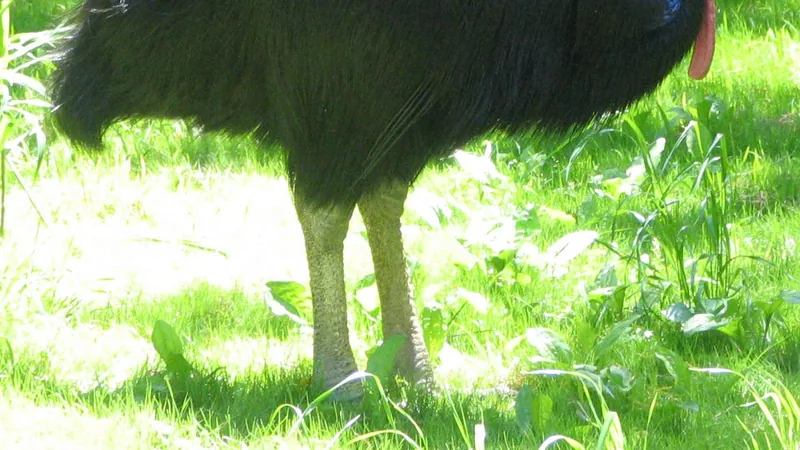
Southern Cassowary
A five-inch dagger-like claw on each foot, a leap of up to seven feet, and a casque that glows under ultraviolet light.
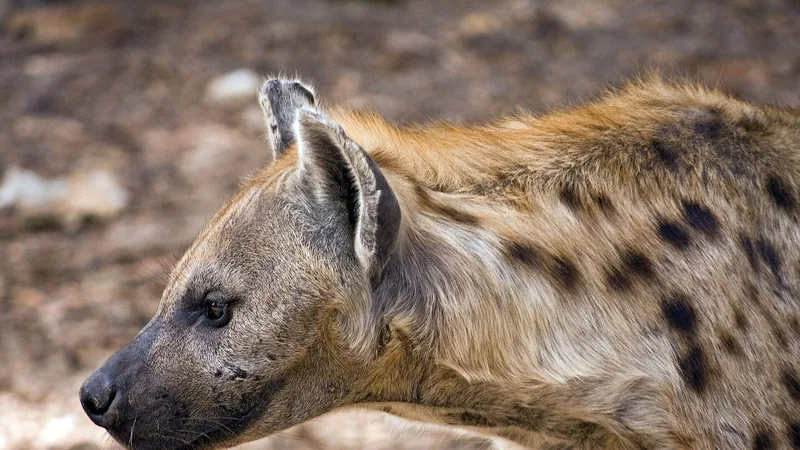
Spotted Hyena
Bone-crushing jaws, matriarchal clan rule, and a whoop that carries for miles.
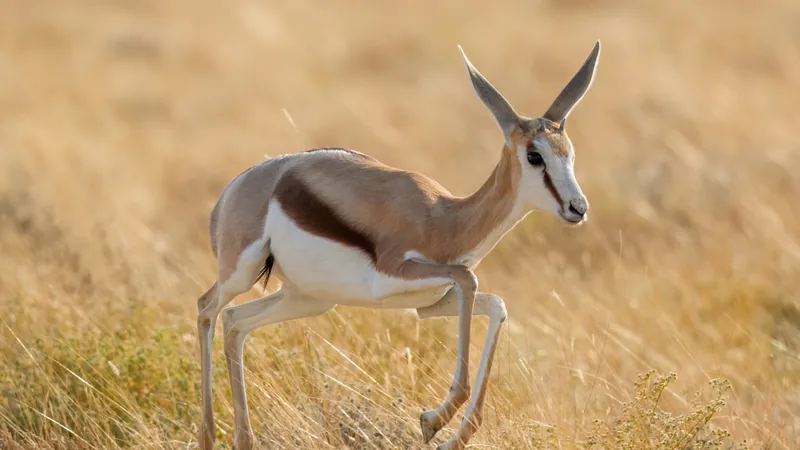
Springbok
A gazelle-like antelope that bounces on stiff legs and flares a hidden crest of white hair.
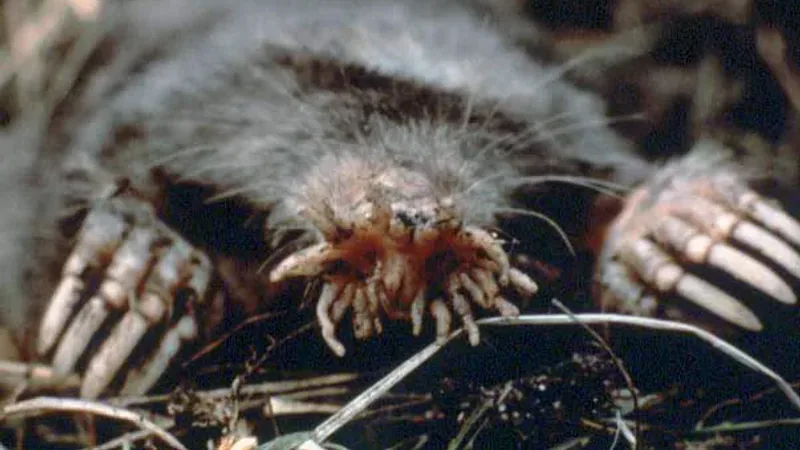
Star-Nosed Mole
A semi-aquatic mole armed with twenty-two fleshy sensory tentacles that can identify and eat a piece of prey in as little as 120 milliseconds.
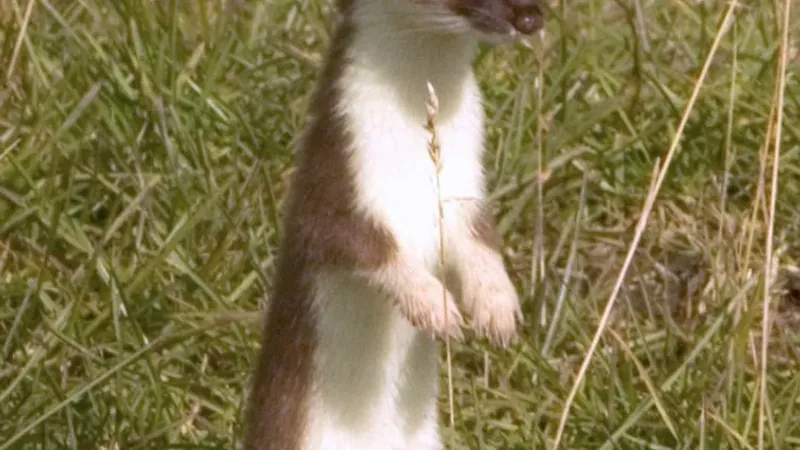
Stoat
Takes on rabbits more than five times its size, dances in a way that seems to hypnotise them, and can turn snow-white in winter.
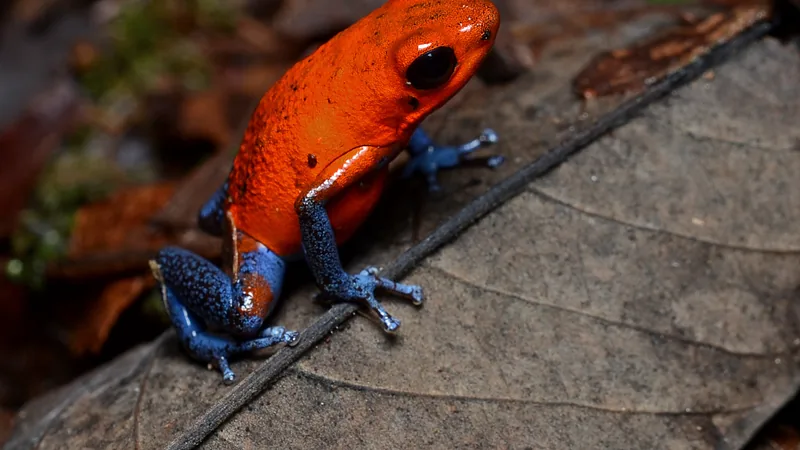
Strawberry Poison-Dart Frog
A 2-gram rainforest frog in warning colors, whose poison appears to come from the ants and mites it eats.
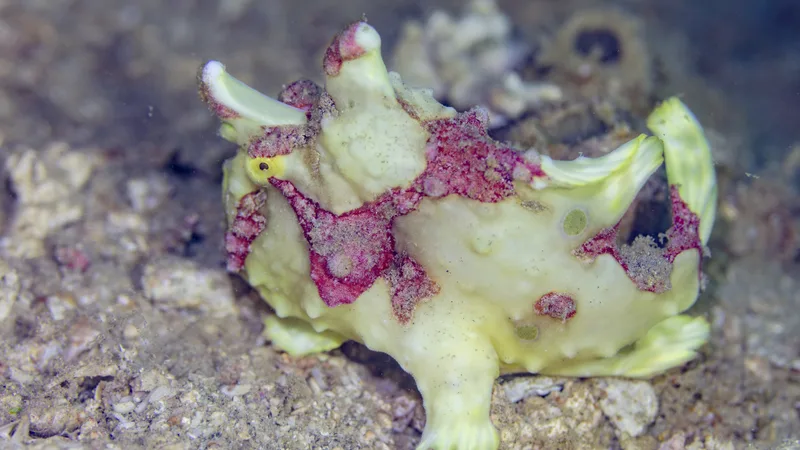
Striated Frogfish
The lure-twitching frogfish whose surprise attack pulls in prey within six milliseconds as its mouth expands up to twelve times.
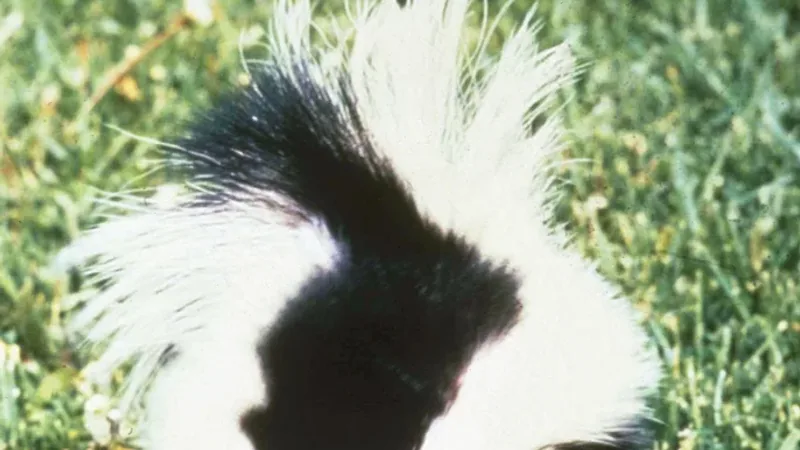
Striped Skunk
The black-and-white warning sign that hisses, stamps and, if that fails, fires musk up to about twenty feet.
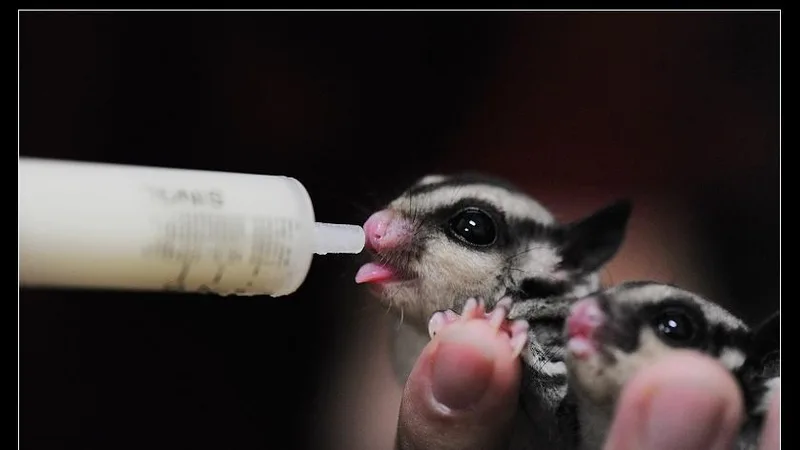
Sugar Glider
Patagium gliding membrane, glides that can reach about 150 feet between trees, and an appetite for eucalyptus sap and sweet nectar.
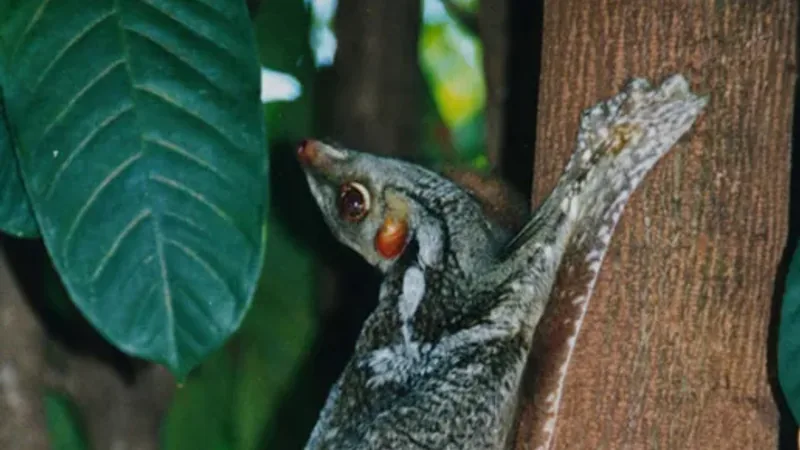
Sunda Colugo
Southeast Asian mammal with a furred gliding membrane from neck to fingers, toes and tail, carrying it up to 100 metres with little height loss.
Conservation categories are from the IUCN Red List of Threatened Species. AnimalTracks is independent of IUCN.