Least Concern (LC)
Widespread and stable, for now. Being common is not the same as being safe, and several of these were assessed decades ago.
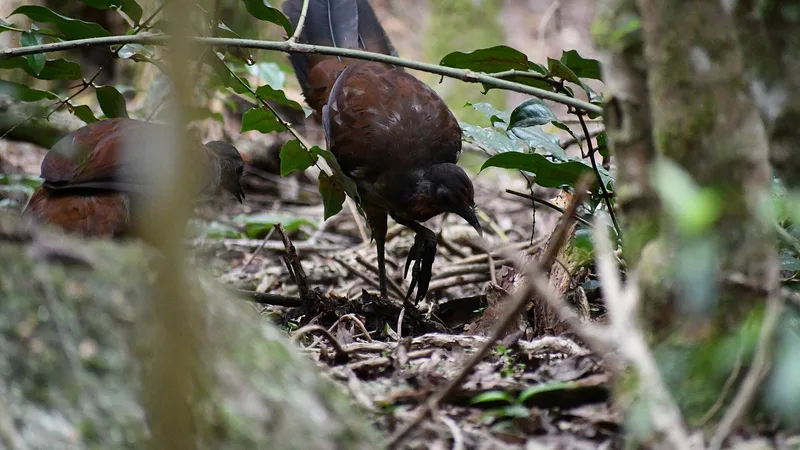
Superb Lyrebird
Ground-dwelling mimic whose courtship act includes a fake alarm-flock illusion convincing enough to fool real birds.
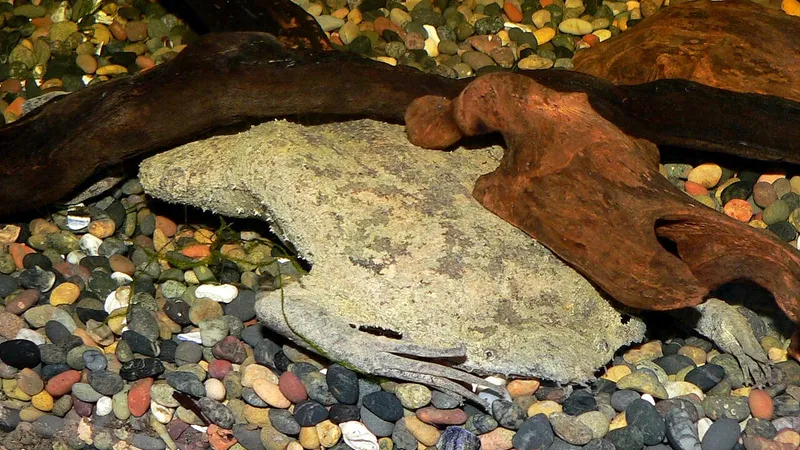
Surinam Toad
The flat, leaf-like toad that carries its developing young inside honeycomb pockets on the mother's back.
Tawny Owl
Broad rounded wings, lopsided ears, and a 'too-whit-too-woo' that takes two birds to make.
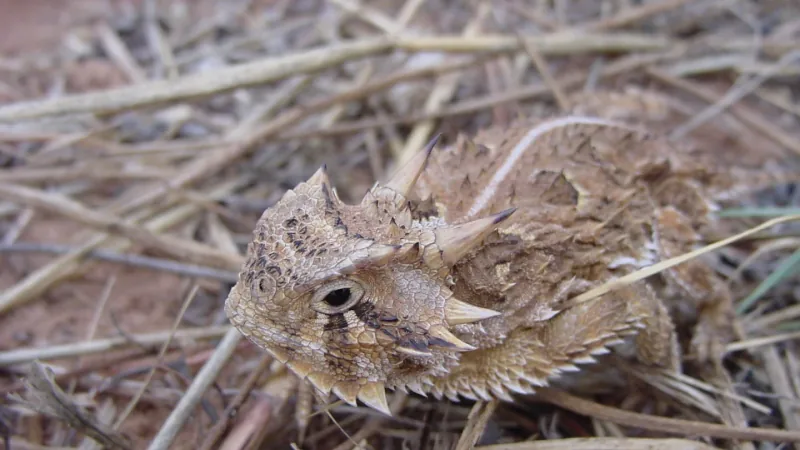
Texas Horned Lizard
The armored desert lizard that turns its own eyes into blood-squirting weapons against predators.
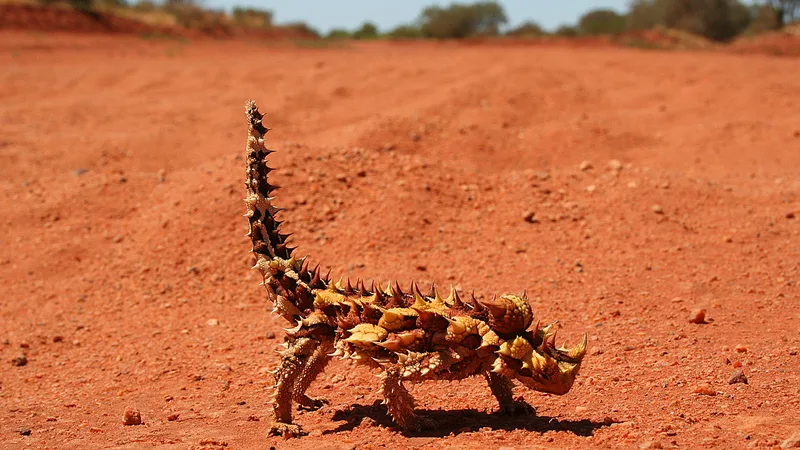
Thorny Devil
Capillary skin channels that pull water from a puddle to its mouth, a spiny false head decoy, and big spines with no bone inside them.
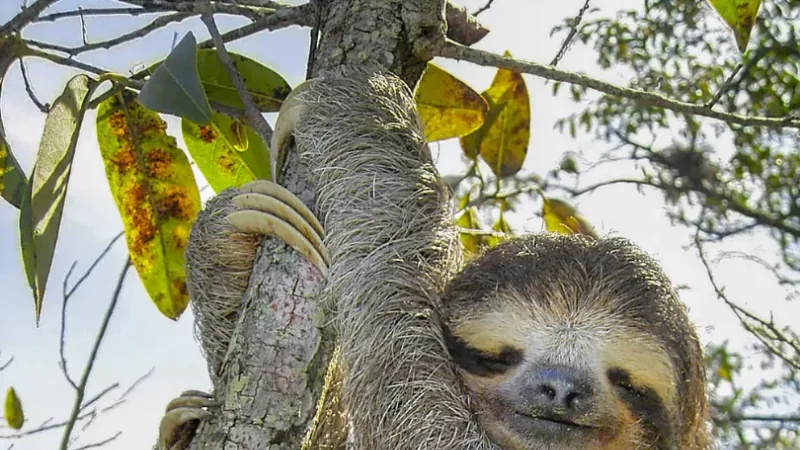
Three-Toed Sloth
A slow-metabolism canopy dweller whose fur hosts its own community of moths and algae.
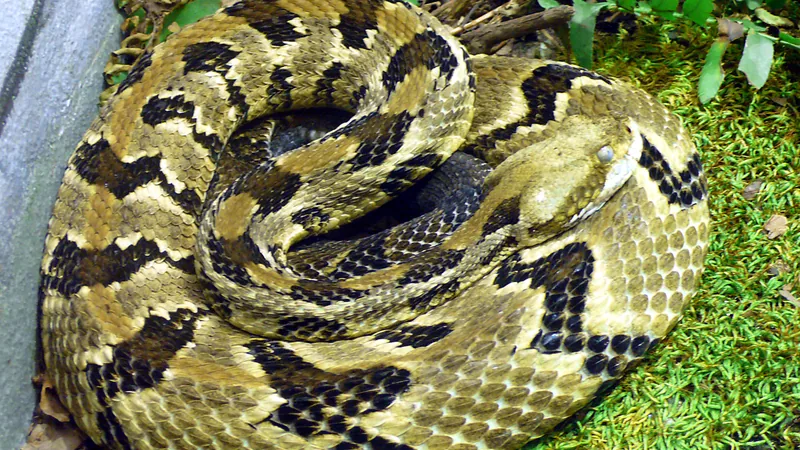
Timber Rattlesnake
The big eastern pit viper that senses heat, waits in ambush and rattles a warning first.
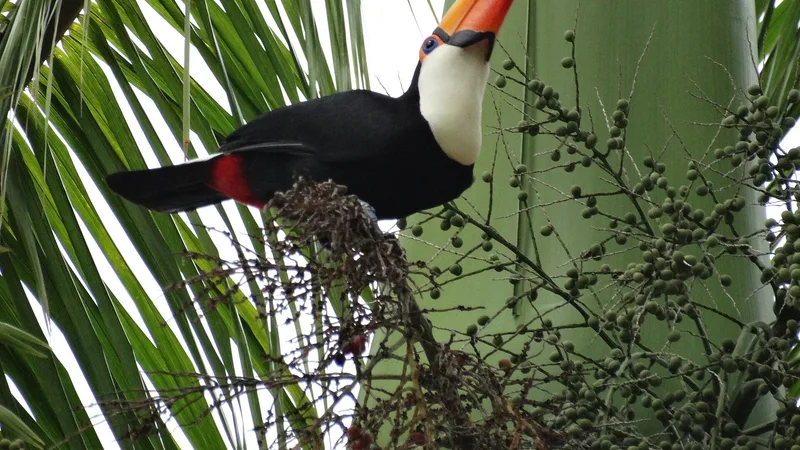
Toco Toucan
A blood-vessel-packed bill that doubles as a radiator, and a throat that takes fruit without the tongue ever touching it.
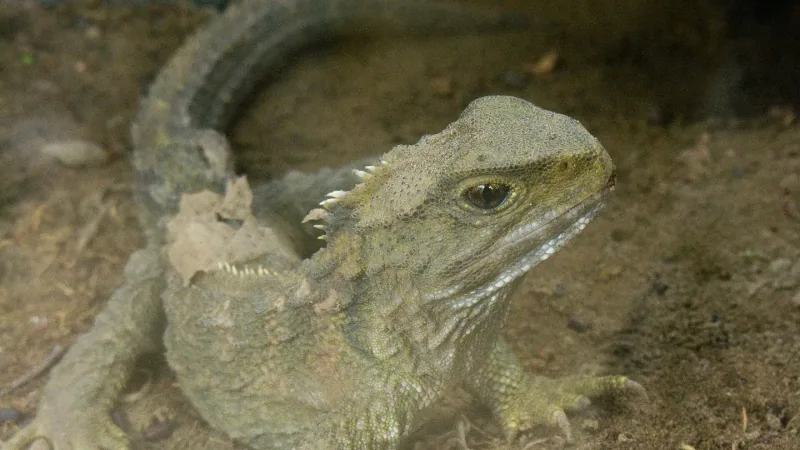
Tuatara
The sole survivor of an ancient reptile order: a nocturnal New Zealand islander with a light-sensitive third eye it does not see with, and a sliding jaw that makes a shearing bite.
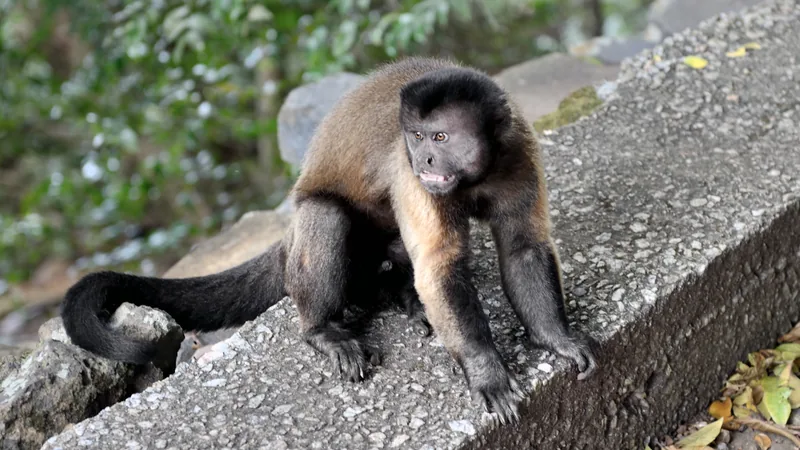
Tufted Capuchin
A stocky Amazon monkey that smashes fruit its jaws cannot crack, or opens it with a piece of branch.
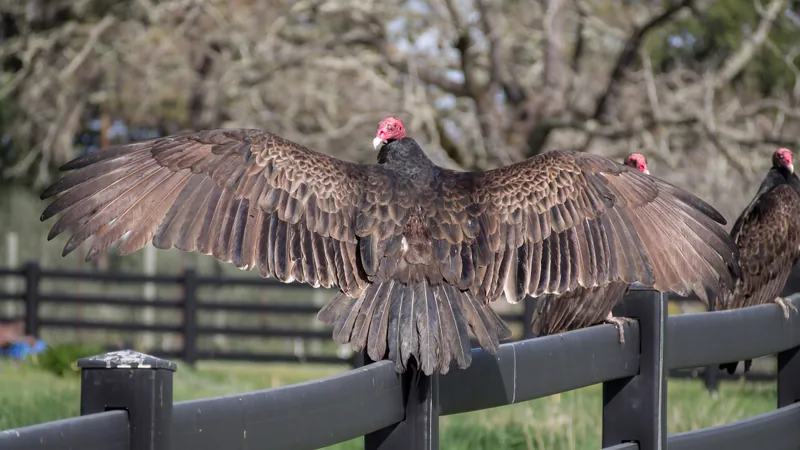
Turkey Vulture
A scavenger with a real nose, and a habit of riding warm air.
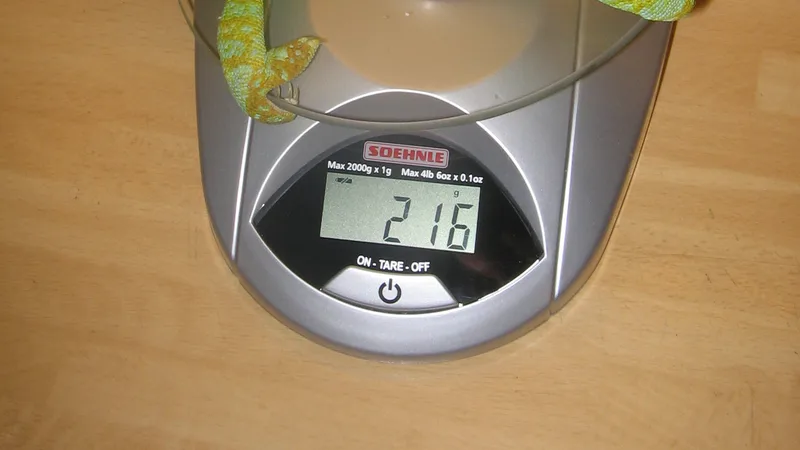
Veiled Chameleon
A tongue that can shoot to full length in 26 milliseconds, eyes that look two ways at once, and a casque that collects water.
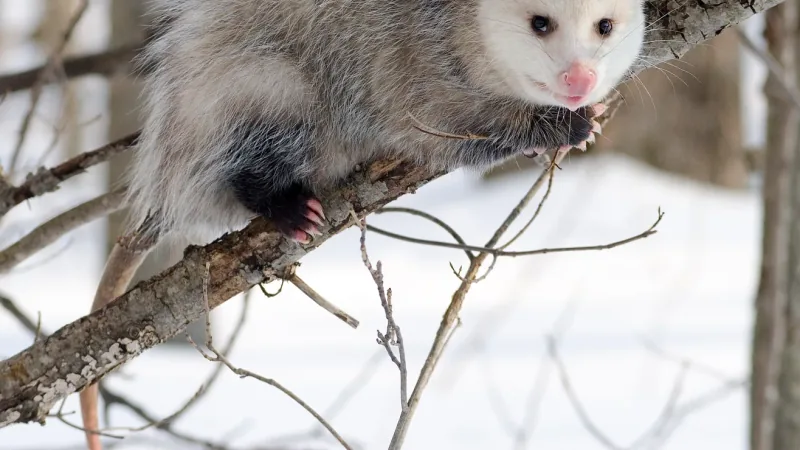
Virginia Opossum
Fifty-toothed marsupial that fakes its own death through an involuntary catatonic collapse and is virtually immune to pit viper venom.
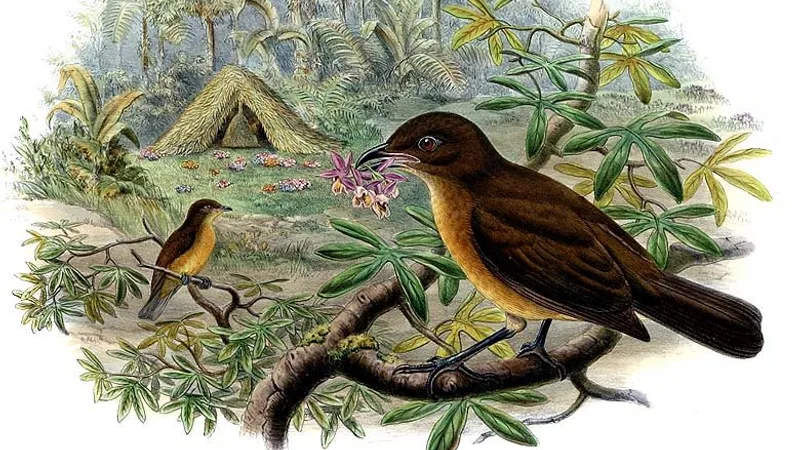
Vogelkop Bowerbird
A generally brown bird that builds what biologists call the most elaborately decorated structure erected by an animal other than humans, in a style that changes from range to range.
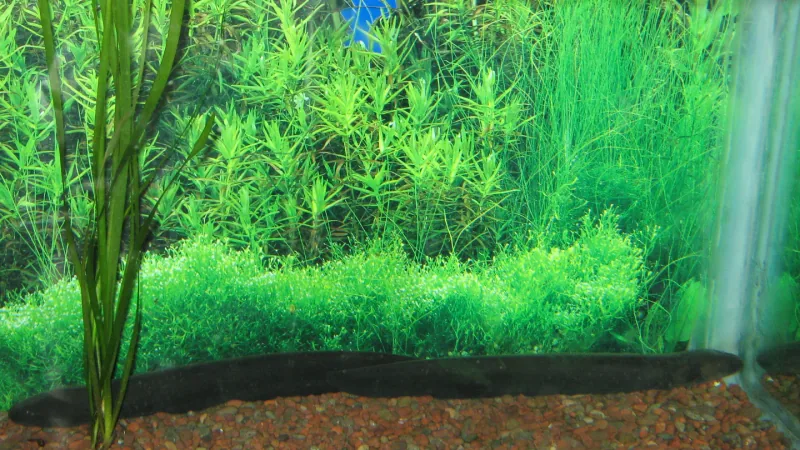
Volta Electric Eel
The biological super-battery that hit 860 volts, the strongest electric discharge known from any living animal.
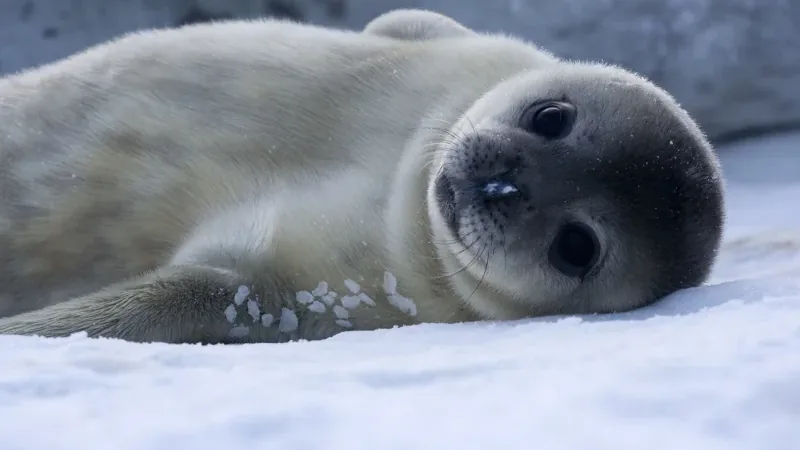
Weddell Seal
The most southerly-ranging mammal living permanently in Antarctica, rasping breathing holes through new sea ice with its teeth and diving as deep as 720 metres.
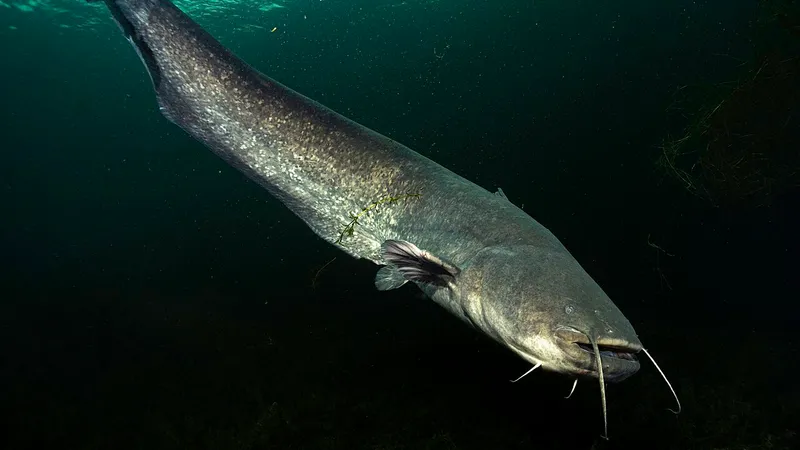
Wels Catfish
Europe's largest freshwater fish, and on one French river, a hunter that beaches itself to grab pigeons off a gravel island.
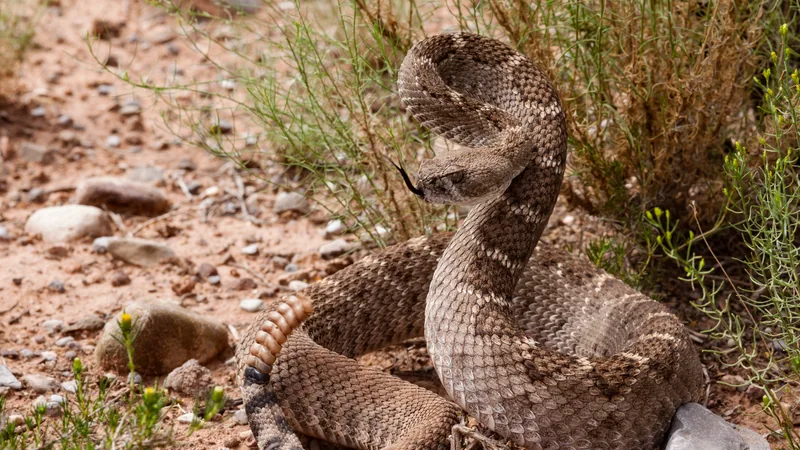
Western Diamondback Rattlesnake
A desert pit viper with a heat-sensing pit on each side of its head. In one study, fasting snakes lost 30% of their body mass over 168 days.
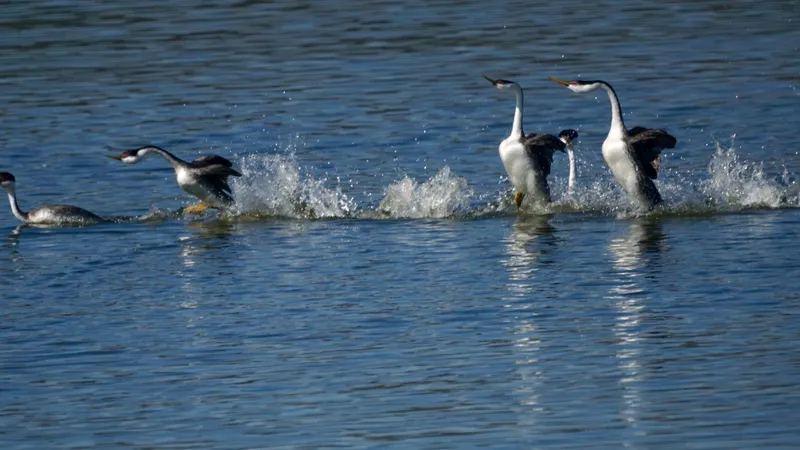
Western Grebe
Tied with Clark's grebe as the largest animal known to run on water, sprinting across a lake in a courtship display called rushing.
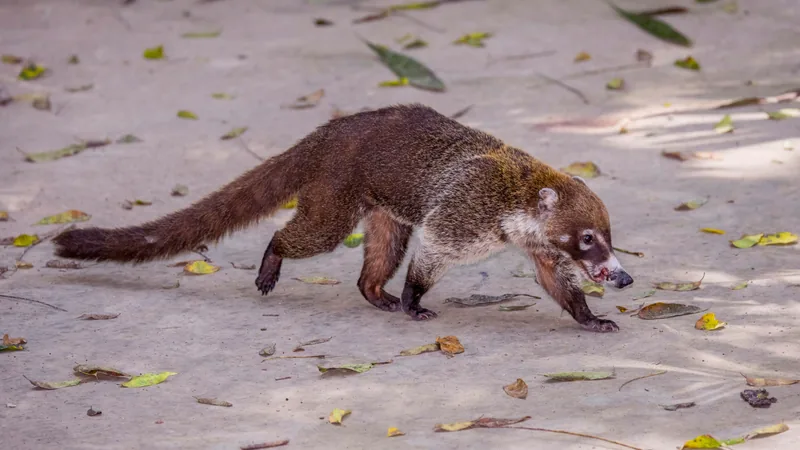
White-Nosed Coati
A long-nosed forager that sniffs scorpions and spiders out of the forest floor.
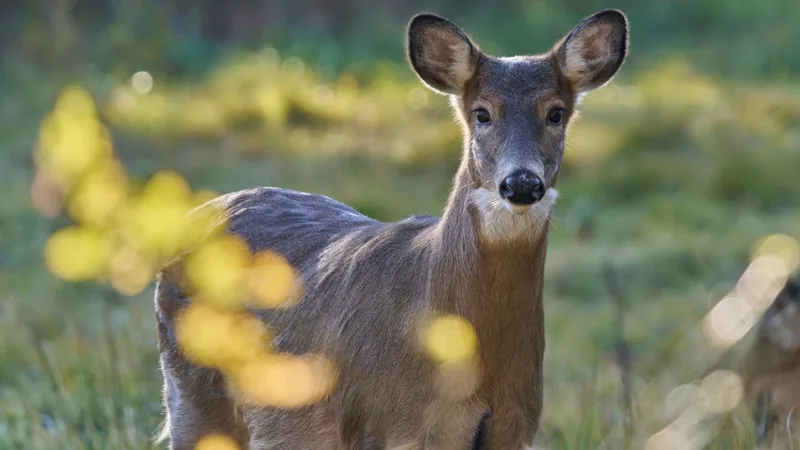
White-Tailed Deer
A fawn holds in its waste until its mother returns, and she swallows whatever it passes so predators find no sign of it.
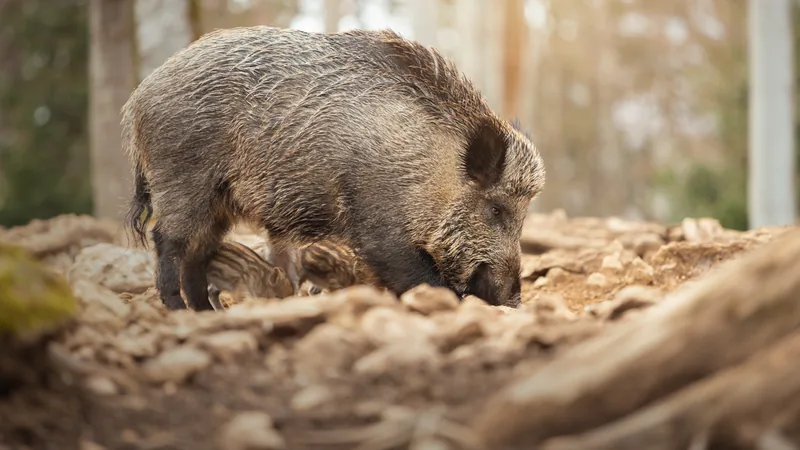
Wild Boar
A long-snouted omnivore whose upper canines are usually visible even when its mouth is closed.
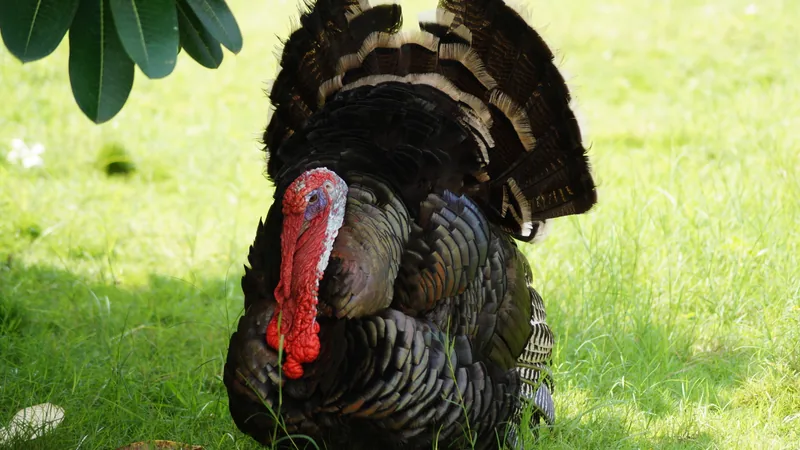
Wild Turkey
Gobbles heard up to a mile away, flight at up to 54 mph
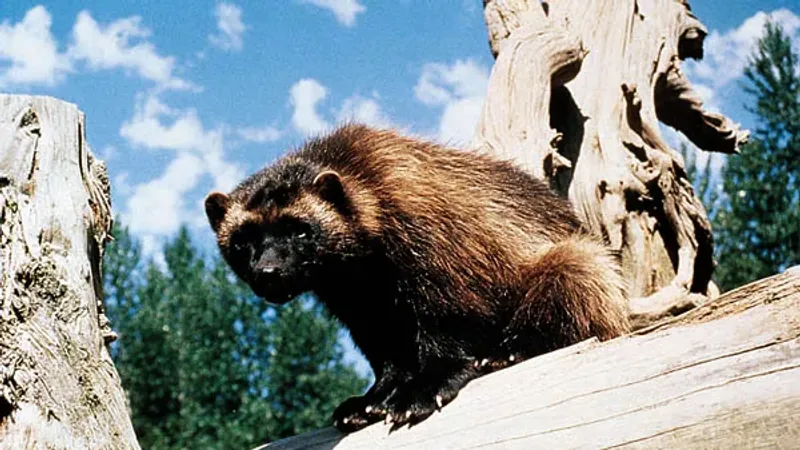
Wolverine
Scavenger of the far north whose jaw-joint bone was the stiffest and most crush-resistant of 40 carnivores tested in a 2018 study.
Conservation categories are from the IUCN Red List of Threatened Species. AnimalTracks is independent of IUCN.