Low
The overwhelming majority of life on Earth. Harmless to humans, and frequently far more interesting for it.
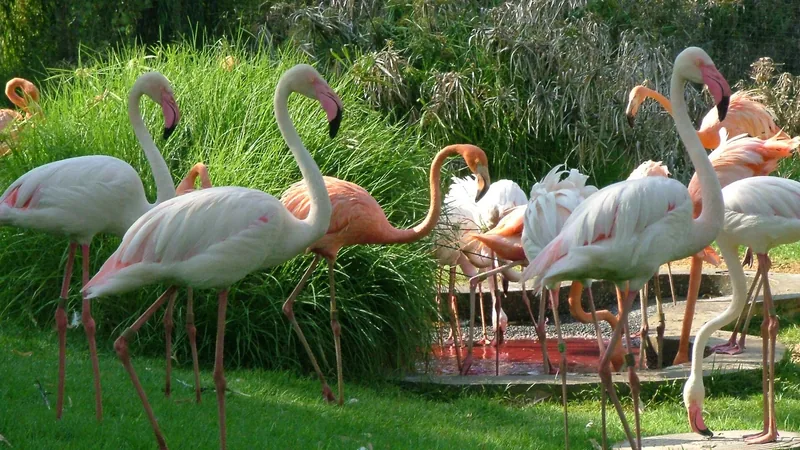
Greater Flamingo
Pink from pigments in its food, a filter-feeding bill that works upside down, and a one-legged stance scientists aren't sure about.
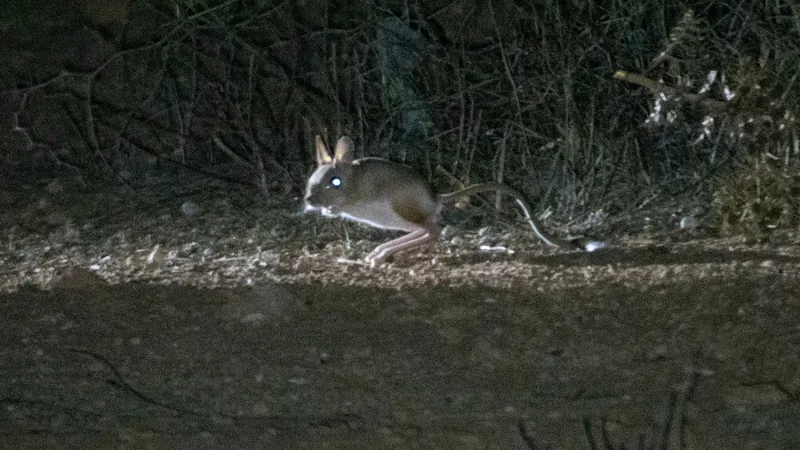
Greater Jerboa
The desert rodent that flees predators in leaps measured at up to 3 meters long, on hind legs about four times the length of its front ones.
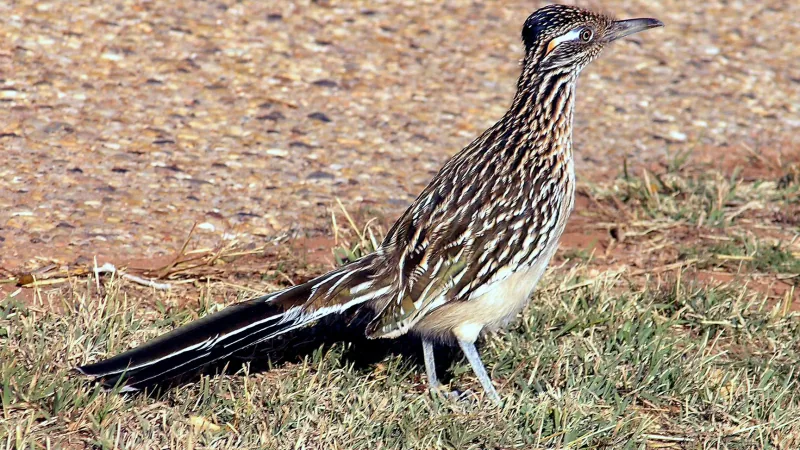
Greater Roadrunner
Ground-running desert cuckoo that hits up to 20 miles per hour, smashes prey against rocks, and warms up by sunbathing the black skin on its back.
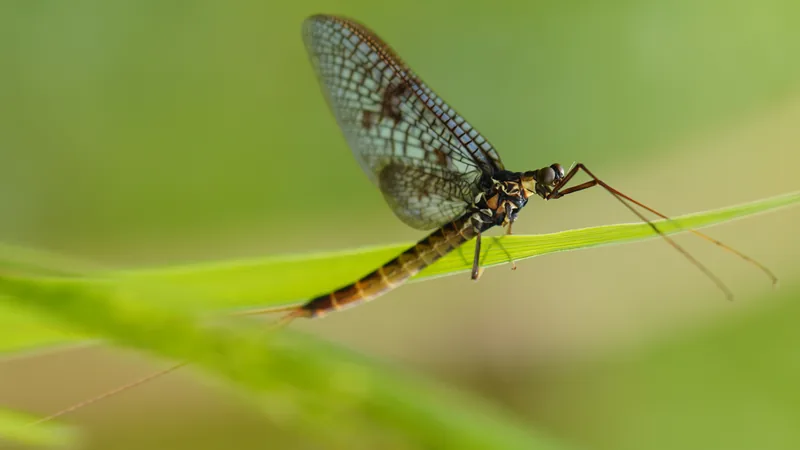
Green Drake Mayfly
A burrowing mayfly that finds rivers by their polarized glint, and lands on smooth black plastic too.
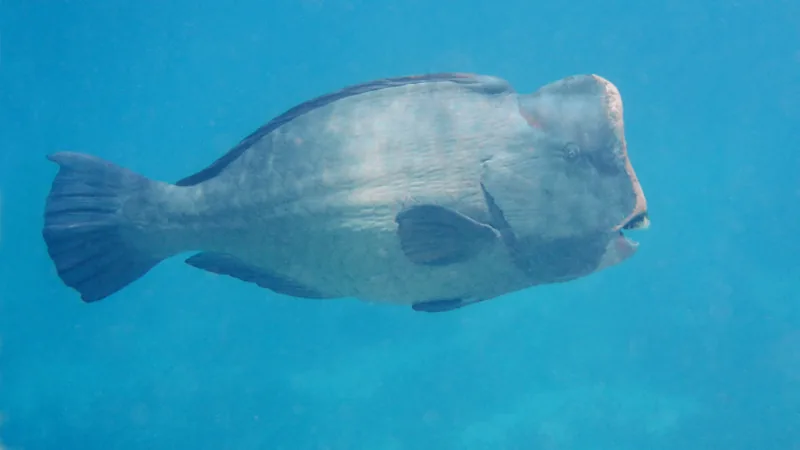
Green Humphead Parrotfish
The biggest herbivorous fish on coral reefs, whose males settle rivalries with headbutts.
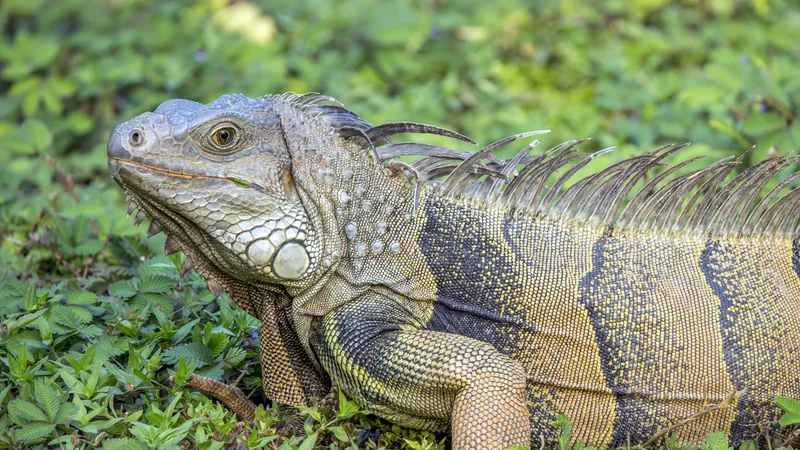
Green Iguana
A tree-top lizard with a light sensor on top of its skull that meters the sun and spots predator shadows from above.
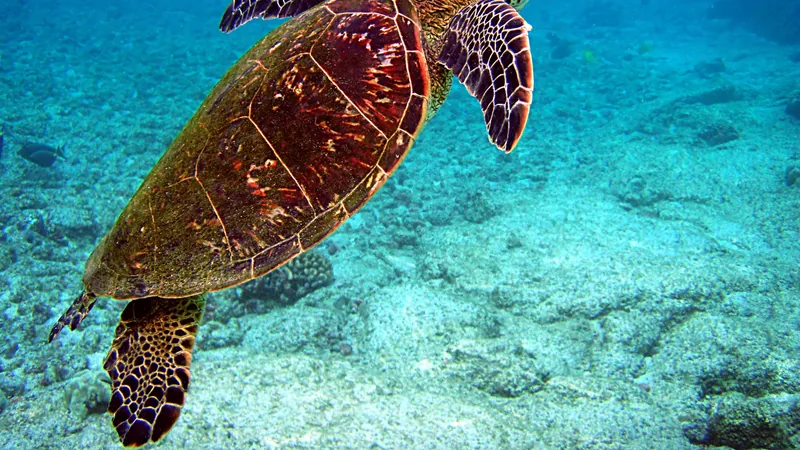
Green Sea Turtle
The only sea turtle that is mainly a plant-eater, with a map in its head that is at least partly magnetic.
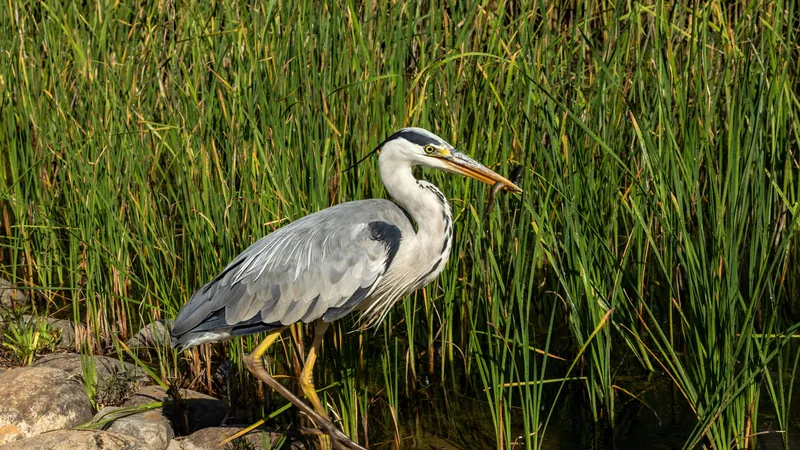
Grey Heron
A fish-eater that usually hunts by standing still, then generally swallows its catch whole.
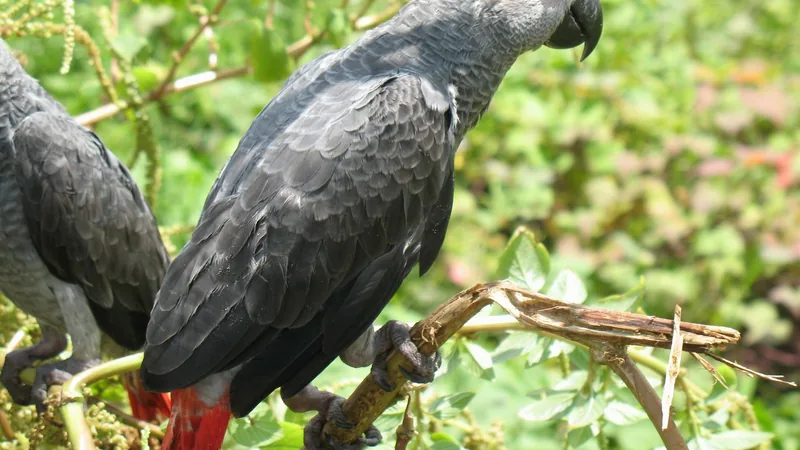
Grey Parrot
A grey parrot named Griffin outperformed 5-year-old children on a cup logic test.
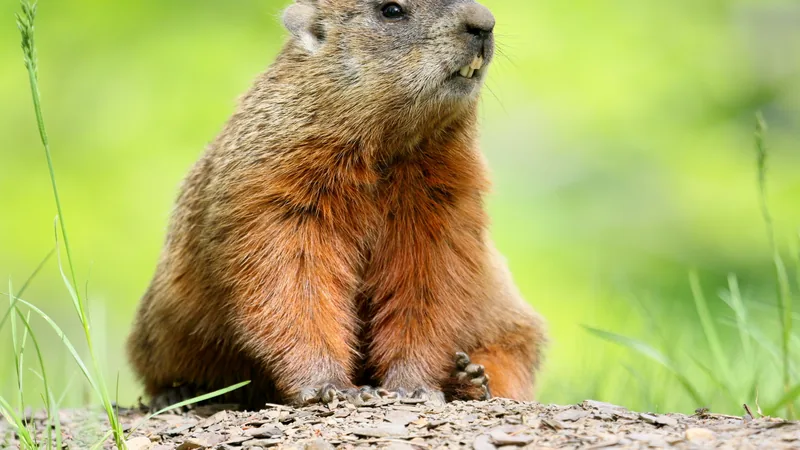
Groundhog
The largest marmot in its range, a tunnelling rodent that sleeps through the winter and warns its neighbours with a shrill whistle.
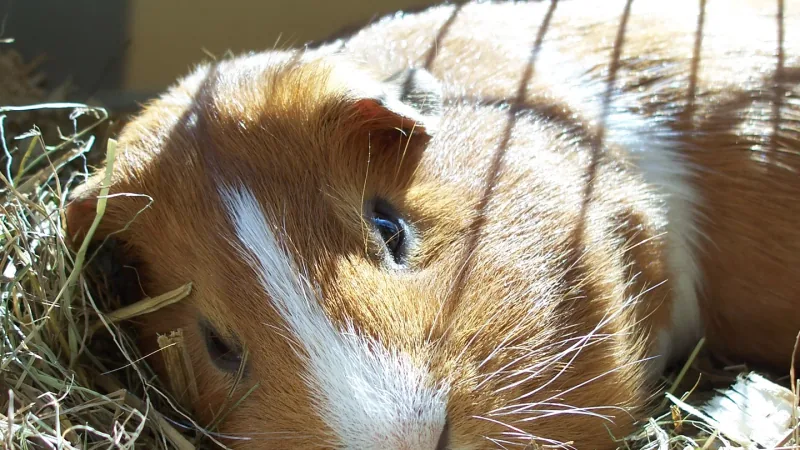
Guinea Pig
A tailless rodent with six main calls and a habit of popcorning.
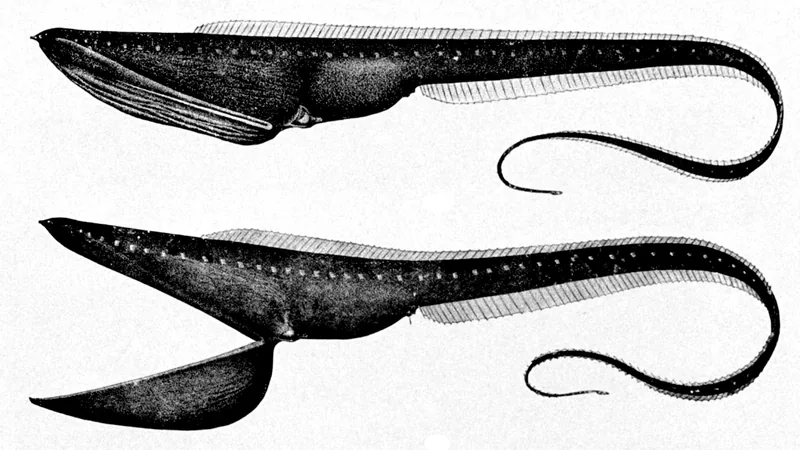
Gulper Eel (Pelican Eel)
A huge gape, a mouth that first unfolds and then inflates, and a glowing tail tip.
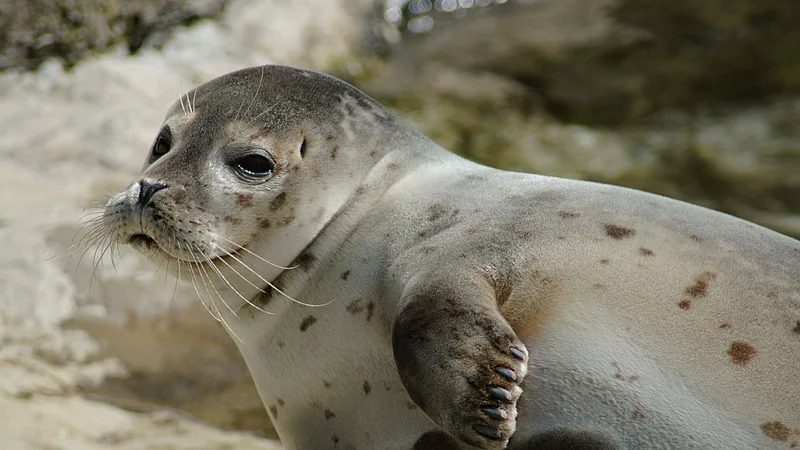
Harbor Seal
Whiskers that detect a swimming fish's wake, a heart rate that can drop to three or four beats a minute on a dive, and the widest range of any seal on Earth.
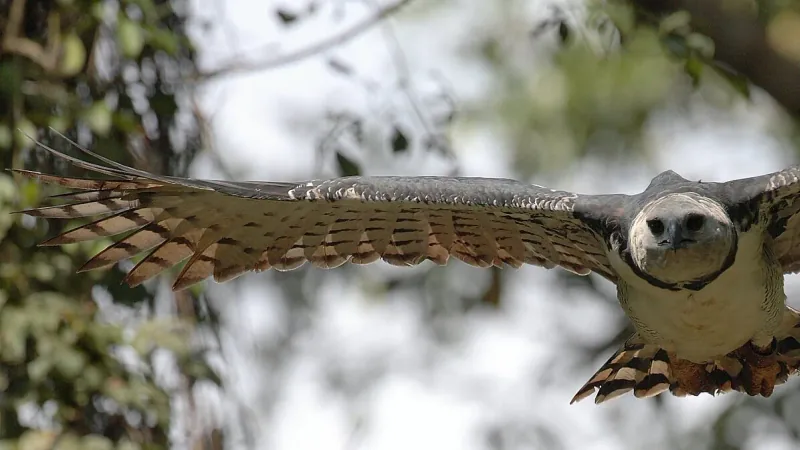
Harpy Eagle
Apex canopy raptor armed with rear talons larger than a grizzly bear's claws.
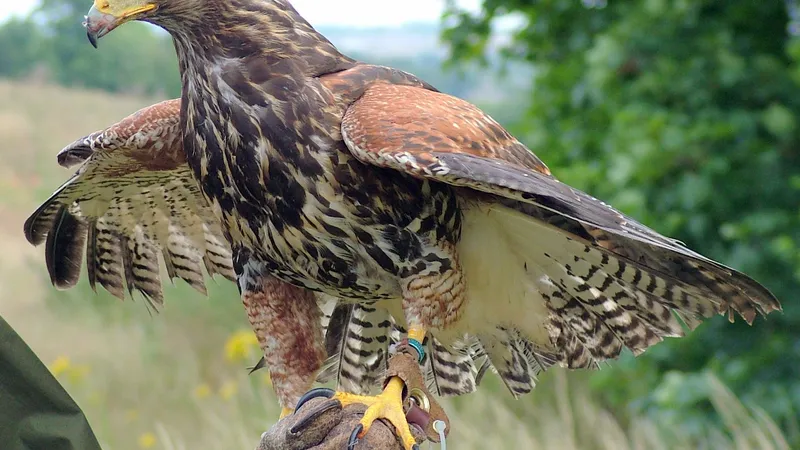
Harris's Hawk
The desert wolf of the sky that hunts in cooperative, matriarchal tactical family packs.
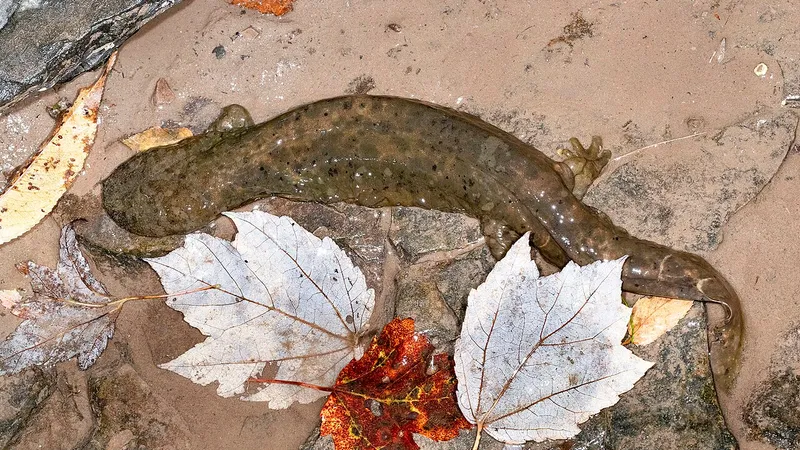
Hellbender
North America's biggest salamander, breathing mostly through its own wrinkled skin instead of its lungs.
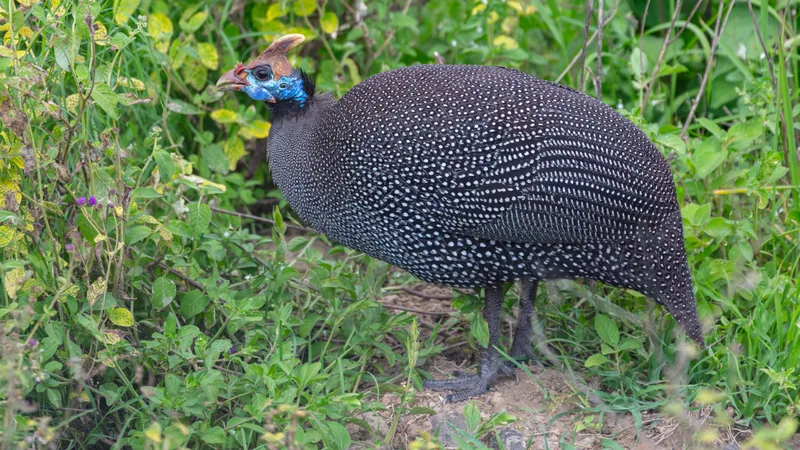
Helmeted Guineafowl
A speckled ground bird with a bony helmet and a very loud alarm call, and a knack for staying upright when the ground drops away.
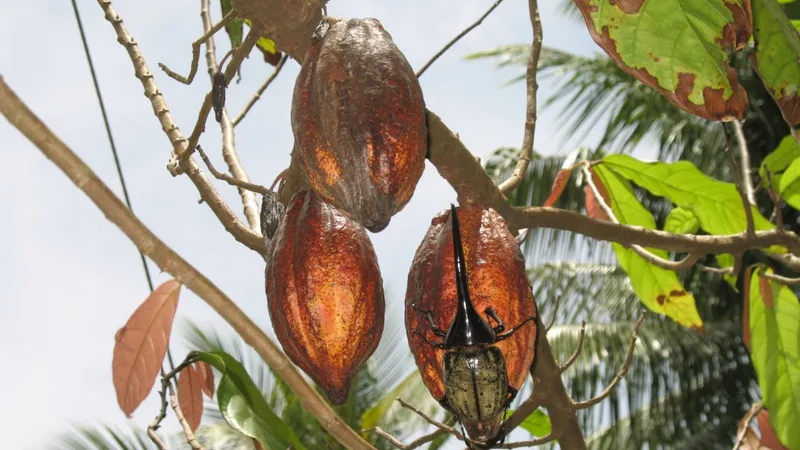
Hercules Beetle
A rainforest giant up to seven inches long that fights with pliers for horns, carves bark with gear-locked jaws, and turns from khaki-green to black as the air gets humid.
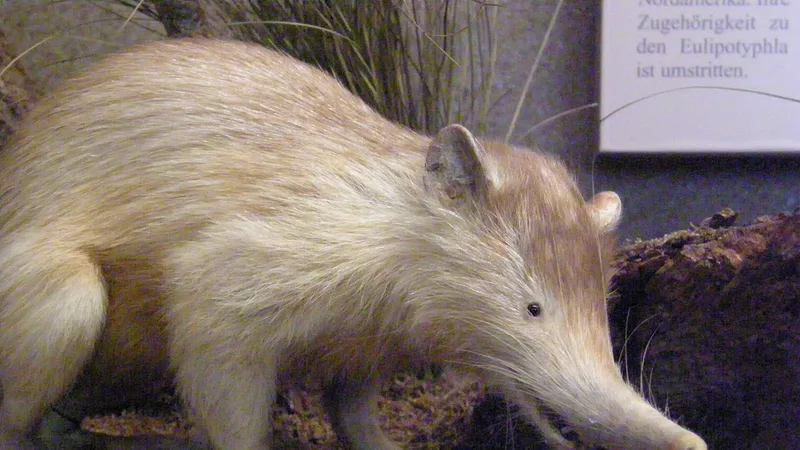
Hispaniolan Solenodon
An ancient island insectivore whose venom, lab tests suggest, lowers blood pressure but fails to paralyse invertebrates.
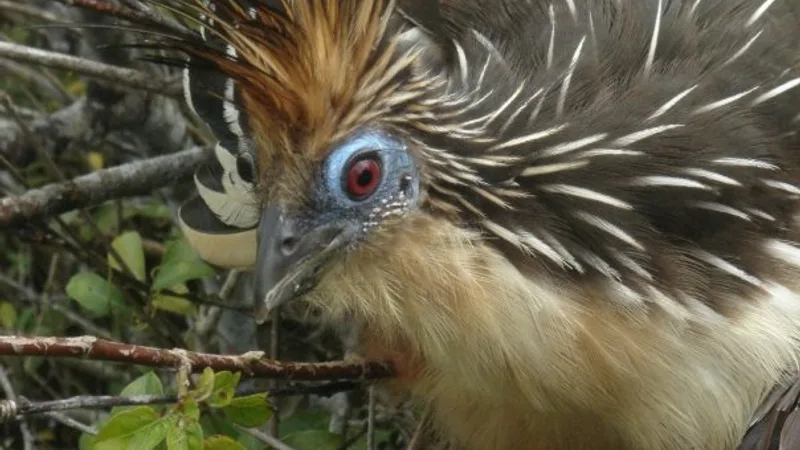
Hoatzin (Stinkbird)
A cow-style fermenting crop, wing-clawed chicks that swim from danger, and a place on the bird family tree debated since it was described in 1776.
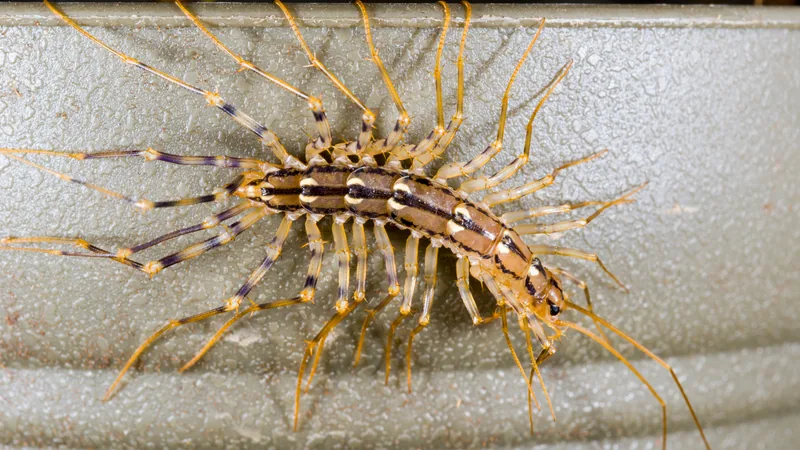
House Centipede
The night hunter on 15 pairs of legs, with back legs that on adult females are nearly twice as long as its body.
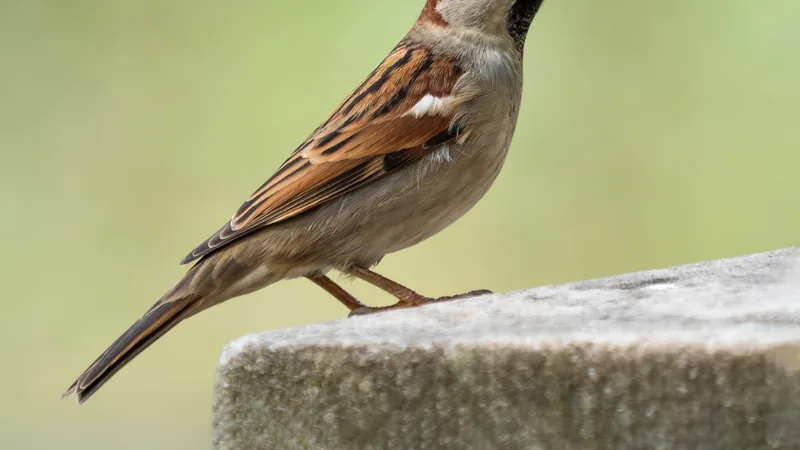
House Sparrow
A plain brown bird that developed regional differences in color and size in North America.
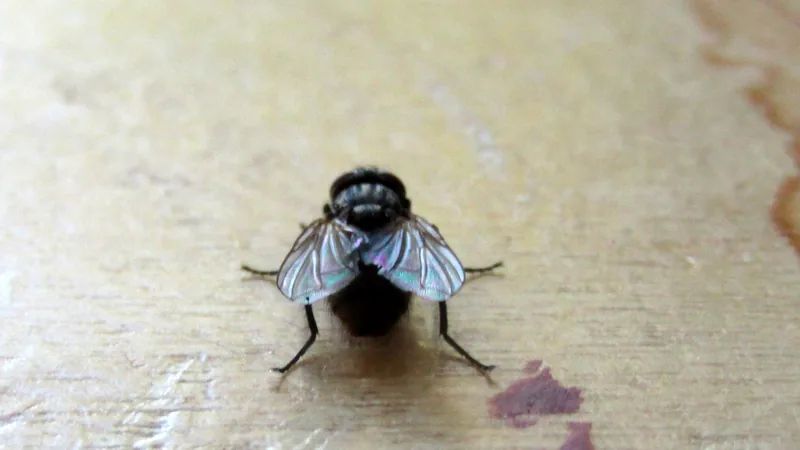
Housefly
A fly that tastes with its feet, sips only liquids and is a mechanical vector of more than 100 diseases.
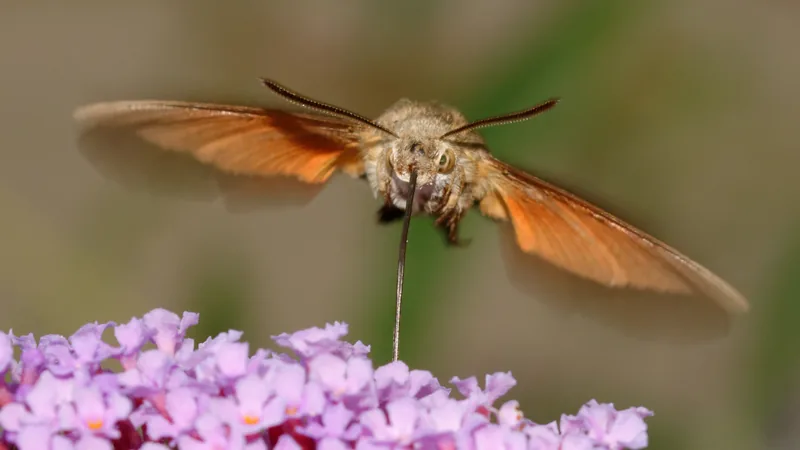
Hummingbird Hawk-Moth
A day-flying moth that hangs in front of flowers while a special patch of its eye fixes on the flower's entrance.