Insects
Six-legged masters of flight, metamorphosis, compound eyes, and social supercolonies.
Insecta
Insects outnumber all other terrestrial organisms combined. Equipped with three-part segmented bodies, compound eyes made of thousands of ommatidia, and lightweight chitin exoskeletons, they were the first organisms to conquer powered flight over 300 million years ago.
Key Evolutionary Adaptations
Bombardier beetles mix hydroquinone and hydrogen peroxide in an internal chamber to shoot boiling 100-degree chemical sprays.
Bullet ant stings rank highest on the Schmidt sting pain index, firing paralyzing poneratoxin peptides into target nerves.
Diabolical ironclad beetles withstand compression forces 39,000 times their body weight thanks to interlocking jigsaw sutures.
Insects (page 1 of 2)

American Cockroach
A cockroach that switches to running on four legs, and on two, at up to 50 body lengths per second.

Antlion
Its larva jerks sand out of a pit with its head and, when hungry, sucks its prey very dry.

Army Ant
A colony of up to a million sisters that clings together as a living nest, then raids the forest floor as a fan-shaped army.

Asian Giant Hornet
The world's largest hornet, whose raiding parties can kill thousands of honeybees in a few hours.

Asian Tiger Mosquito
A striped mosquito that rode used tyres out of South-East Asia's forests and around the world, with eggs that can wait out a winter.
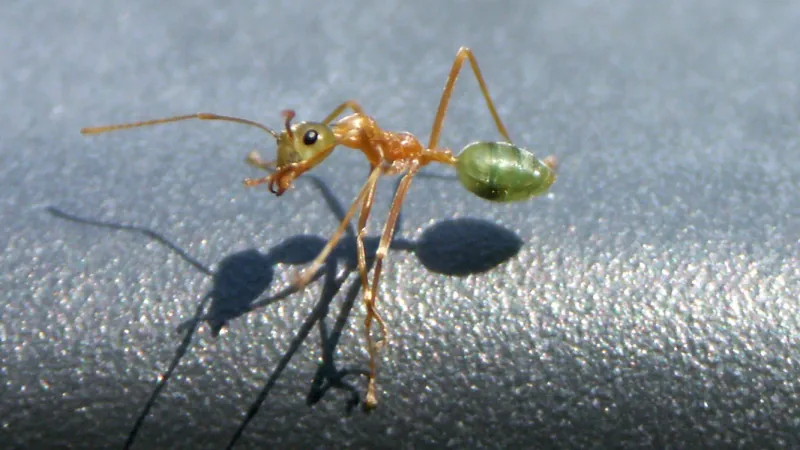
Asian Weaver Ant
Arboreal architects that pull leaves together, even forming living chains, then glue them with silk squeezed from their own larvae.
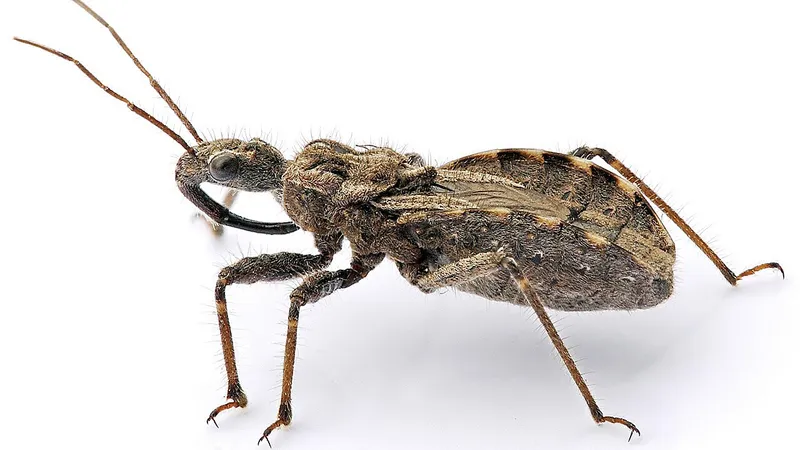
Assassin Bug
The predatory bug that covers itself with the carcasses of ants, a disguise that seems to fool jumping spiders.
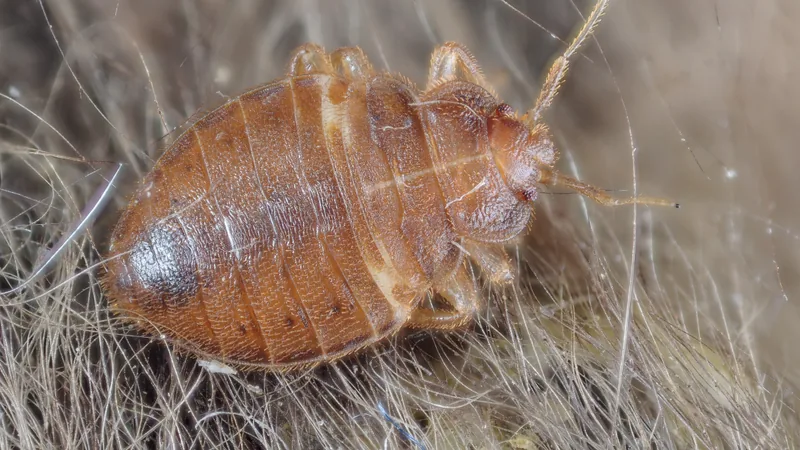
Bed Bug
The flat, blood-drinking insect that mates by piercing the female's abdomen and can go months between meals.

Bombardier Beetle
Miniature artillery specialist that blasts attackers with a chemical spray up to 100°C, fired in rapid pulses.
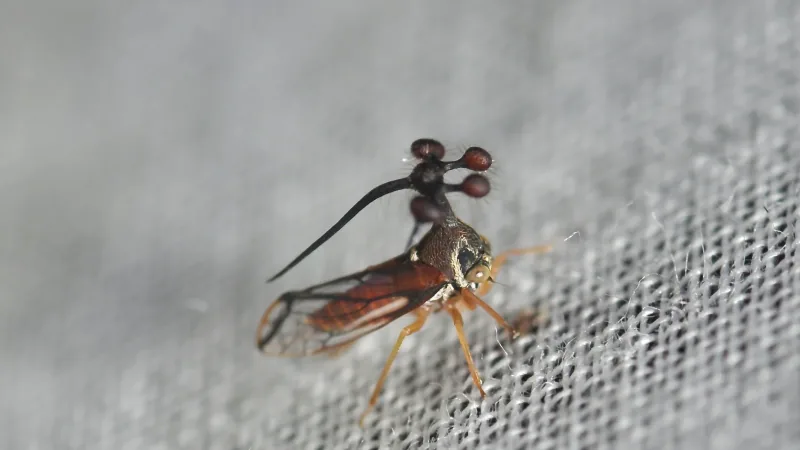
Brazilian Treehopper
A rainforest sap-drinker wearing a crown of glossy globes on slender horns, argued over by entomologists since 1903.
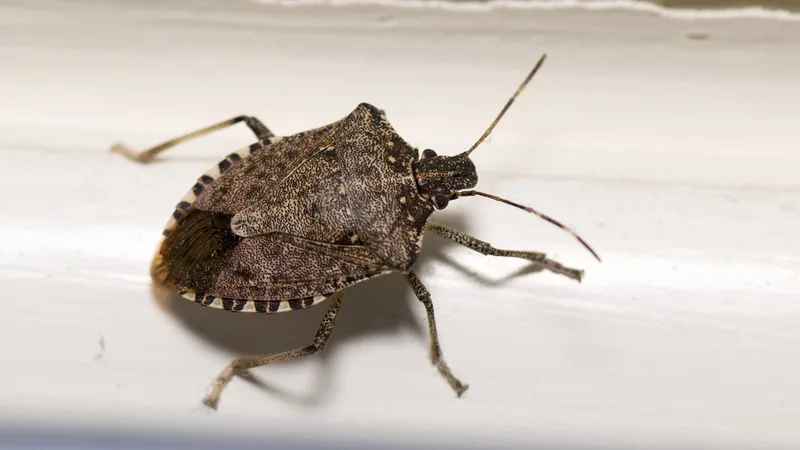
Brown Marmorated Stink Bug
The shield-shaped bug whose name points to its scent glands, a fruit-eating invader from east Asia that has reached North America and Europe.
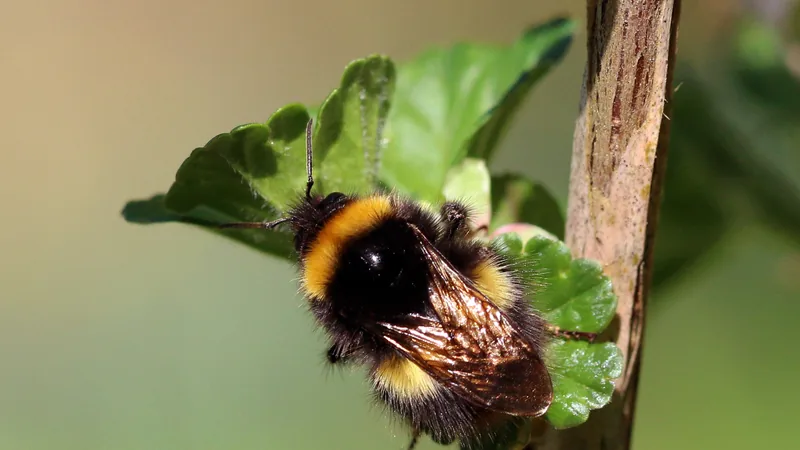
Buff-Tailed Bumblebee
A short-tongued bumblebee that bites holes in flowers to steal nectar, and nests underground in colonies of up to 600.
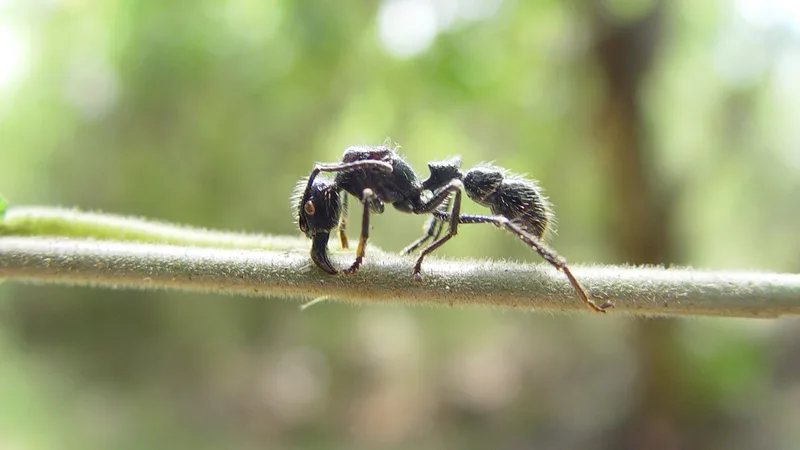
Bullet Ant
A sting rated level four, the top of Schmidt's pain scale, from one of the giant ants known in Brazil as the twenty-four-hour ants.
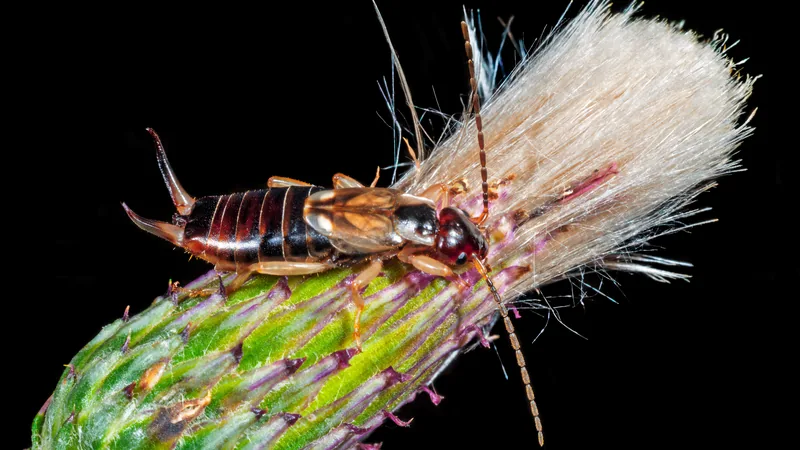
Common Earwig
The garden insect whose mother grooms her eggs like a hen and may go as long as 7 months without feeding.
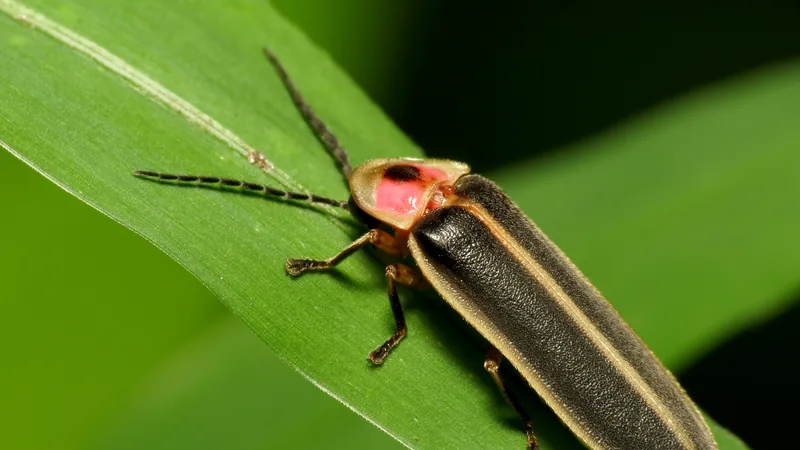
Common Eastern Firefly
A beetle whose males trace a J of light at dusk and bleed defensive steroids when attacked.
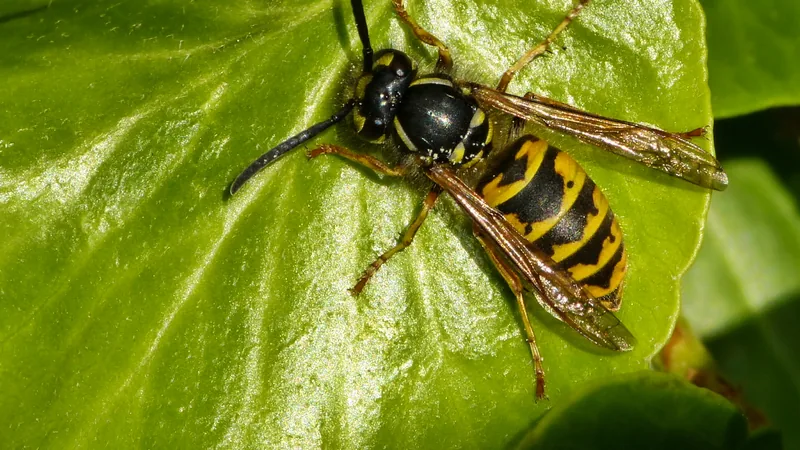
Common Wasp
A paper-nest builder whose workers police the colony by eating worker-laid eggs.
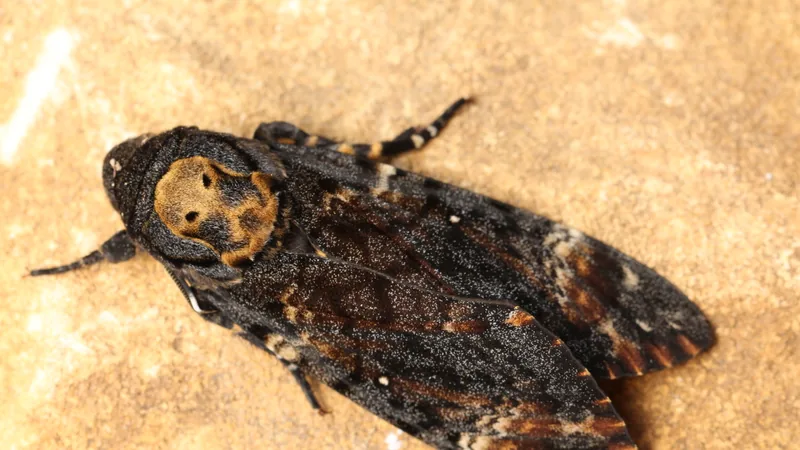
Death's-Head Hawkmoth
A big night-flying moth that squeaks when alarmed and is known to raid beehives for honey with a short, sharp tongue.
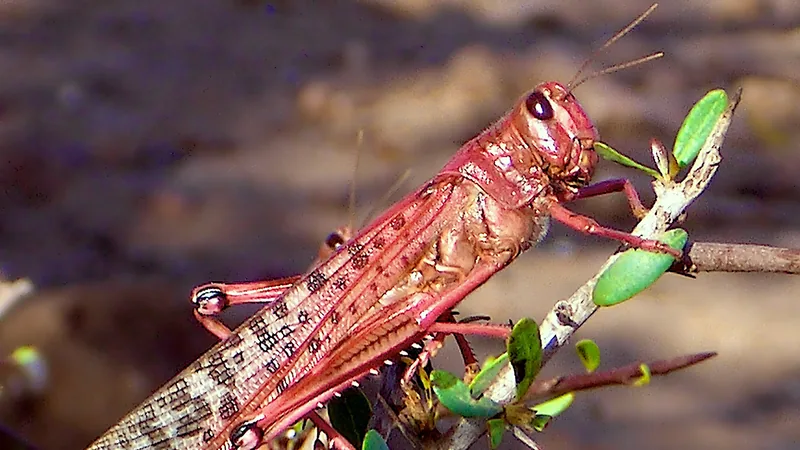
Desert Locust
A shy loner that turns into a swarming crop-eater when it gets crowded.
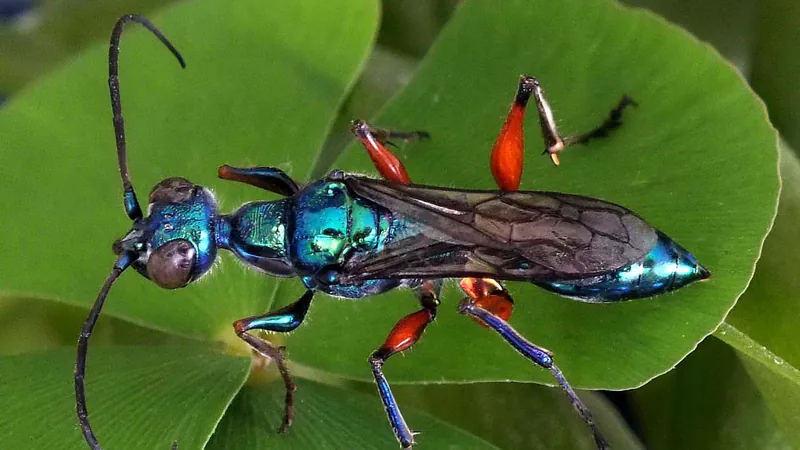
Emerald Cockroach Wasp
The wasp that stings a cockroach in the brain, then walks it by the antenna into a burrow where its larva eats it alive.
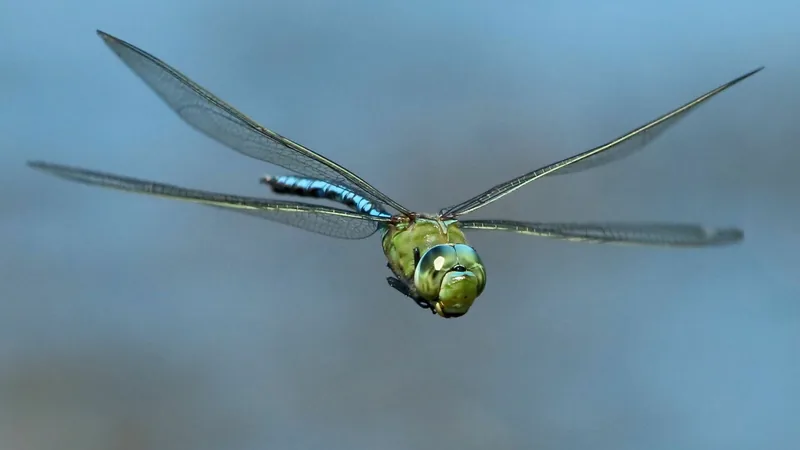
Emperor Dragonfly
A big dragonfly whose larva fires a hooked mouthpart at prey, too fast for a water flea to escape.
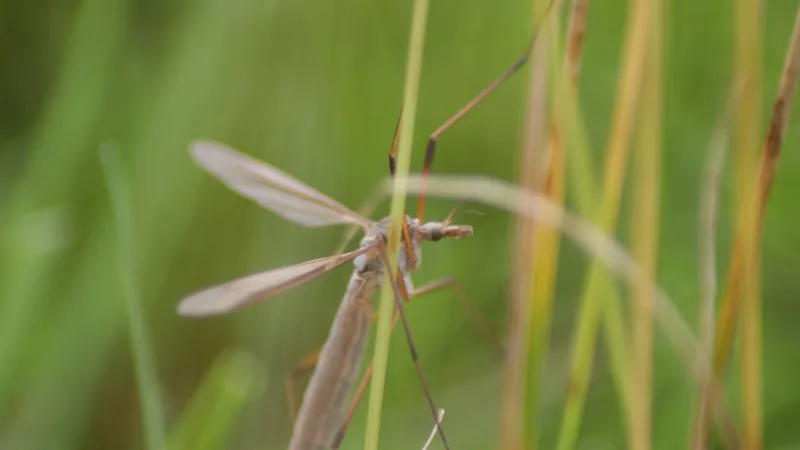
European Crane Fly
A gangly fly whose leather-skinned grubs mostly hide underground by day and feed at night.
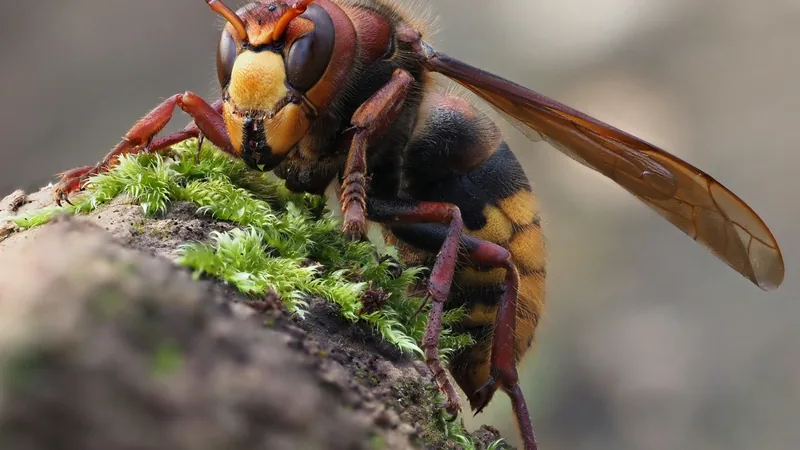
European Hornet
Central Europe's biggest vespine wasp, warmed by its own flight muscles.
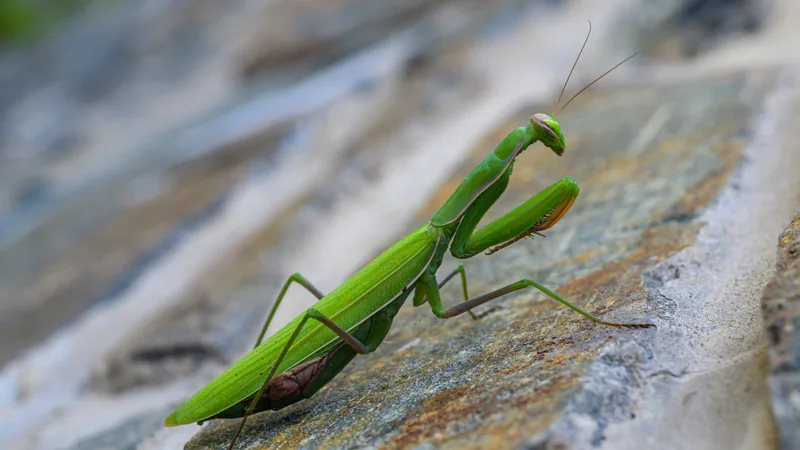
European Mantis
A mantis that hears with a single ear on its underside, tuned to ultrasound.
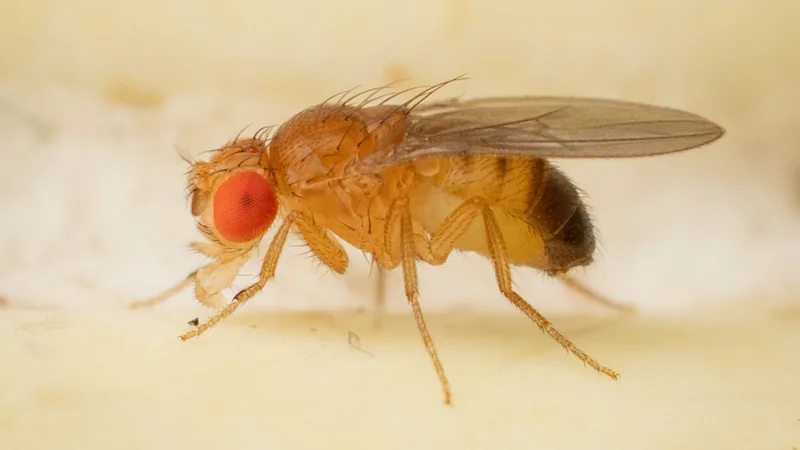
Fruit Fly
A 3-millimetre fly that lives on rotting fruit and has been central to major breakthroughs in genetics.