Insects
Six-legged masters of flight, metamorphosis, compound eyes, and social supercolonies.
Insecta
Insects outnumber all other terrestrial organisms combined. Equipped with three-part segmented bodies, compound eyes made of thousands of ommatidia, and lightweight chitin exoskeletons, they were the first organisms to conquer powered flight over 300 million years ago.
Key Evolutionary Adaptations
Bombardier beetles mix hydroquinone and hydrogen peroxide in an internal chamber to shoot boiling 100-degree chemical sprays.
Bullet ant stings rank highest on the Schmidt sting pain index, firing paralyzing poneratoxin peptides into target nerves.
Diabolical ironclad beetles withstand compression forces 39,000 times their body weight thanks to interlocking jigsaw sutures.
Insects (page 2 of 2)
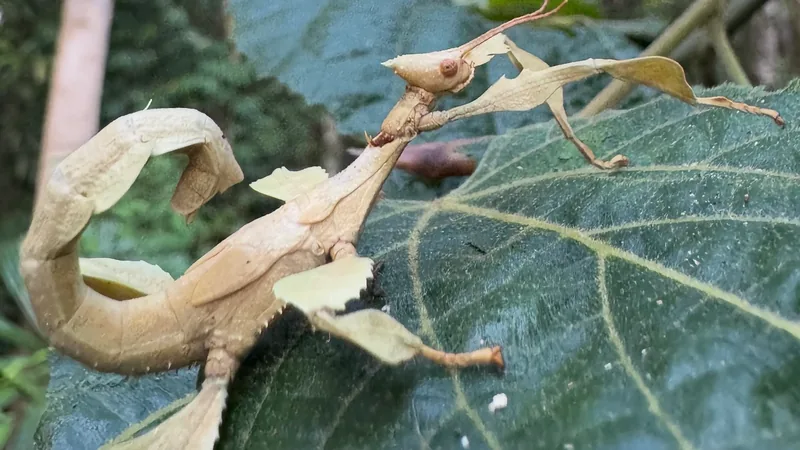
Giant Prickly Stick Insect
A leaf-mimic that sways like a branch in the breeze, and hatches looking like an ant.
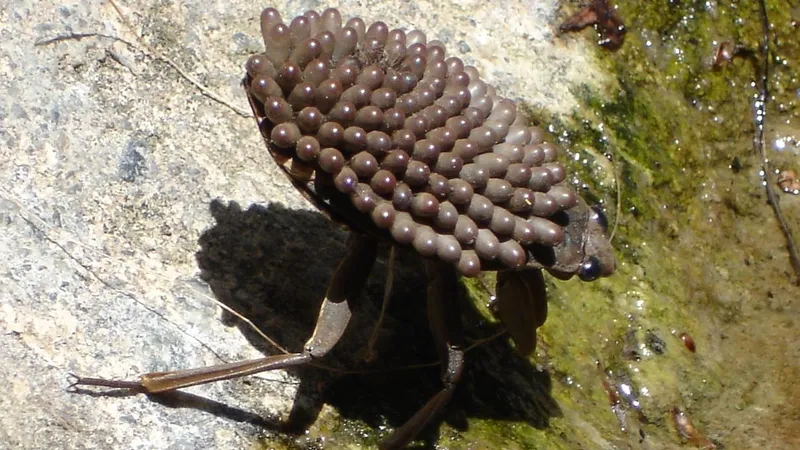
Giant Water Bug
A big water bug that stabs fish and tadpoles with its beak, and is drawn to lights.
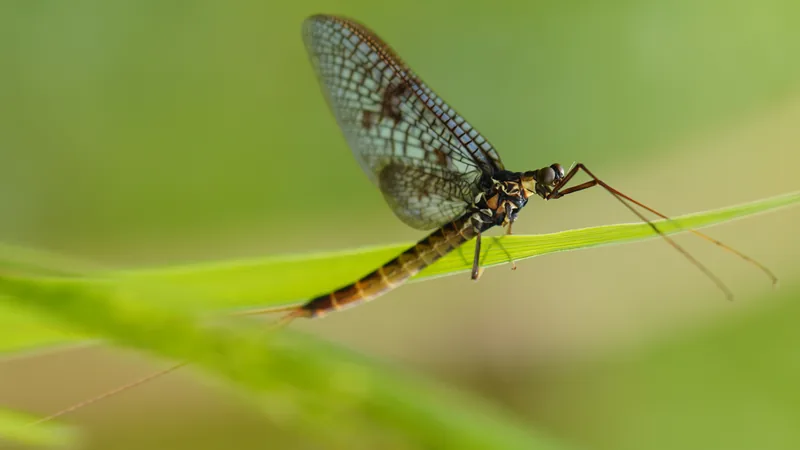
Green Drake Mayfly
A burrowing mayfly that finds rivers by their polarized glint, and lands on smooth black plastic too.
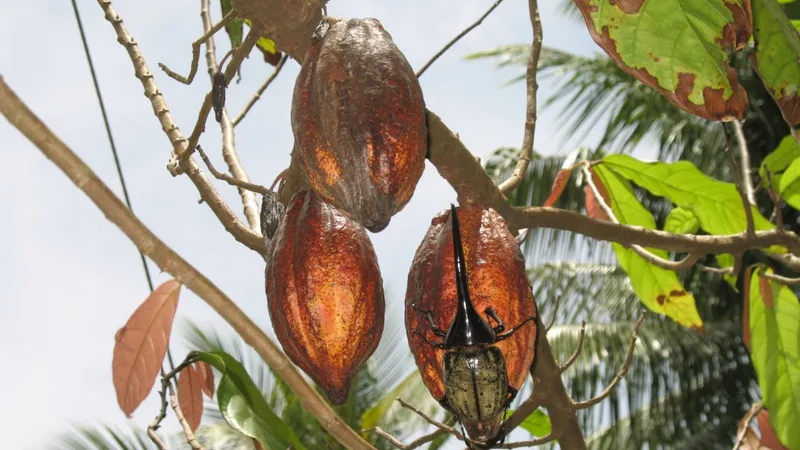
Hercules Beetle
A rainforest giant up to seven inches long that fights with pliers for horns, carves bark with gear-locked jaws, and turns from khaki-green to black as the air gets humid.
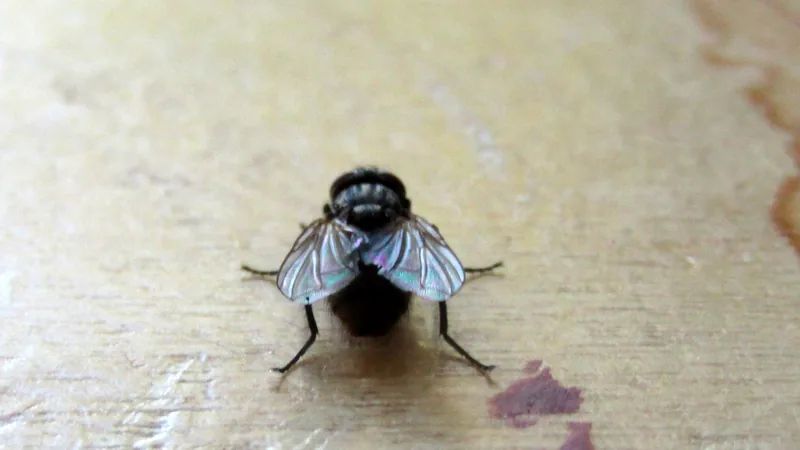
Housefly
A fly that tastes with its feet, sips only liquids and is a mechanical vector of more than 100 diseases.
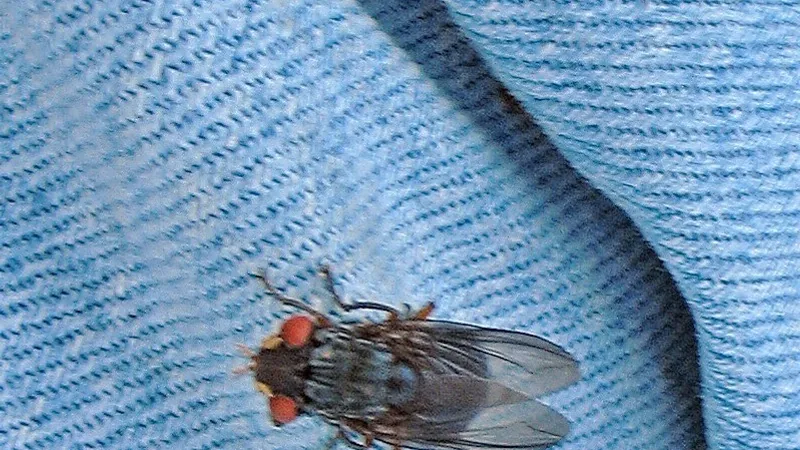
Human Botfly
A bumblebee lookalike that glues its eggs to a blood-feeding carrier, usually a mosquito or a tick, which delivers them when it feeds.
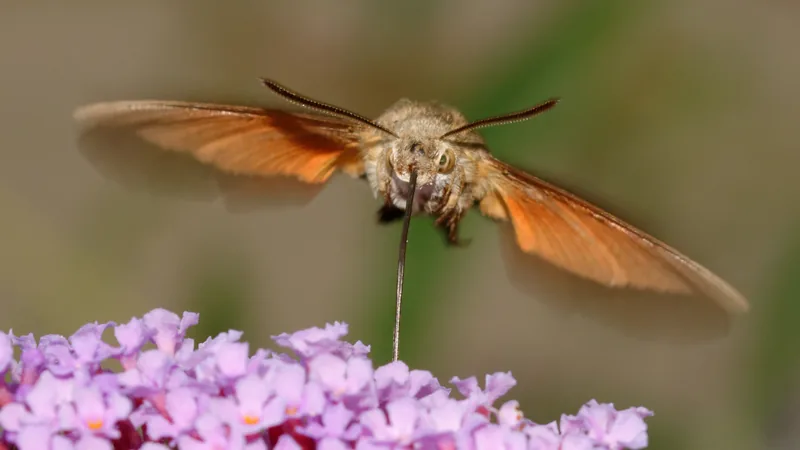
Hummingbird Hawk-Moth
A day-flying moth that hangs in front of flowers while a special patch of its eye fixes on the flower's entrance.
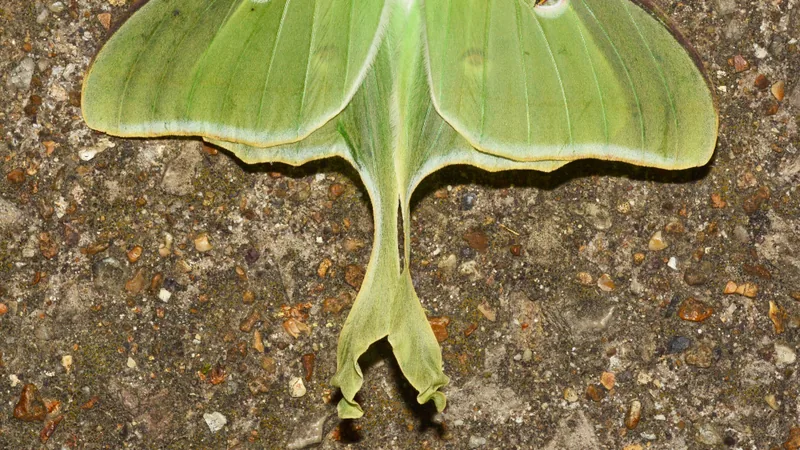
Luna Moth
A big green silk moth whose spinning hindwing tails pull bat attacks off its body, and whose adults do not eat.
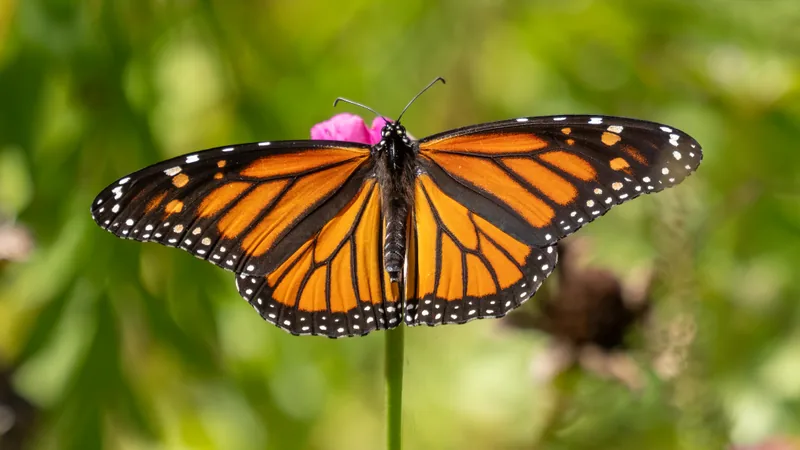
Monarch Butterfly
A butterfly of about half a gram that wears milkweed poison as armor, and whose eastern migrants steer by the sun.
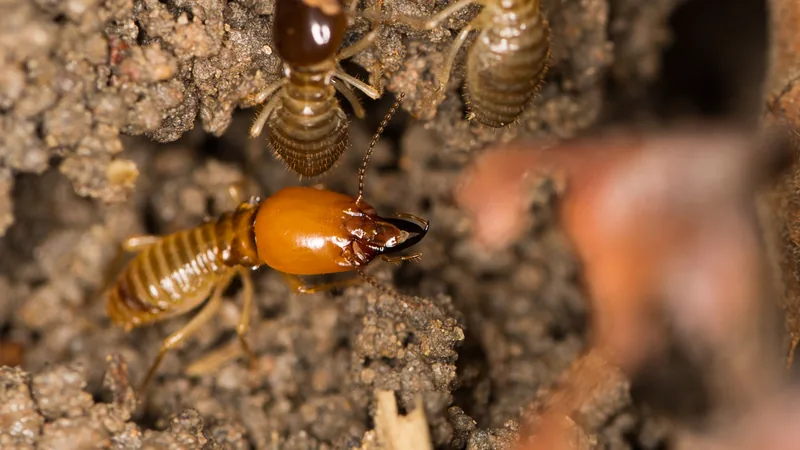
Mound-Building Termite
A fungus-farming termite whose queens and kings can live as long as 20 years in the lab, while its workers live only a few months.
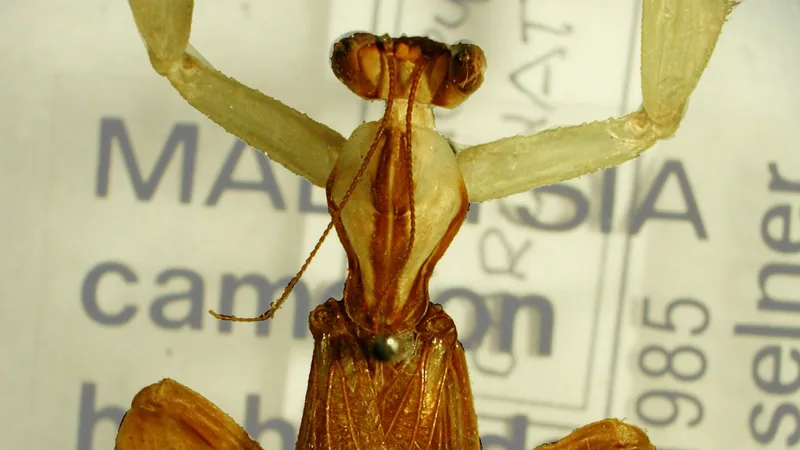
Orchid Mantis
Flower-colored to a bee's eyes, it draws in wild pollinators at a higher rate than real flowers do, then catches them.
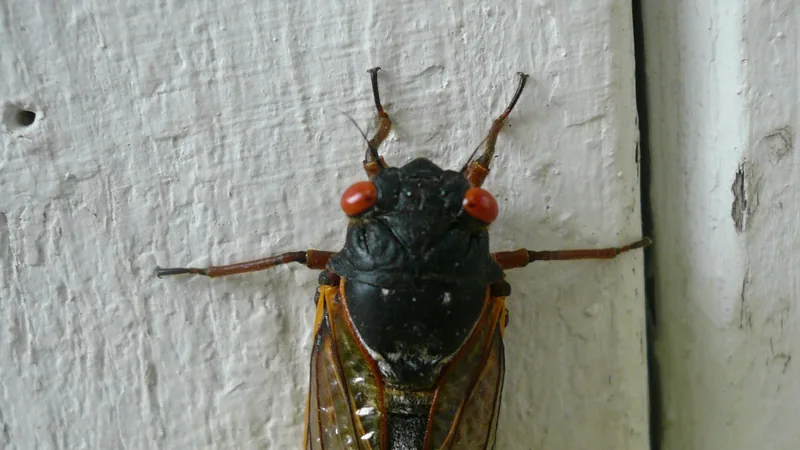
Periodical Cicada
17 years underground, then a few remarkably loud weeks
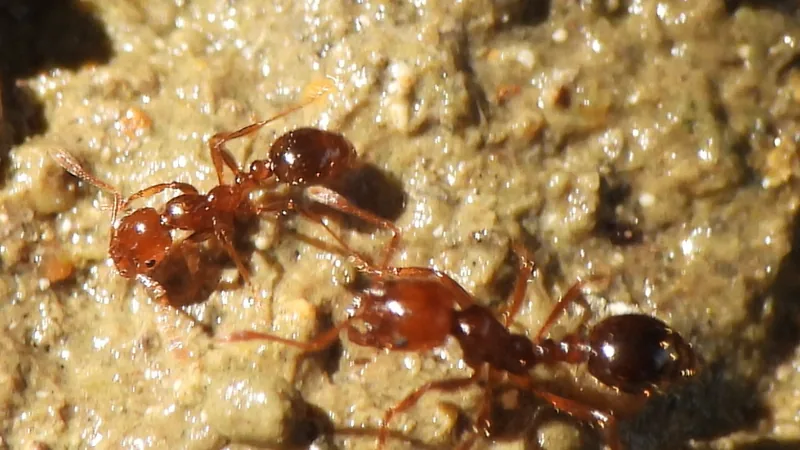
Red Imported Fire Ant
An ant a few millimetres long that links up with its nestmates into a raft that can float for days.
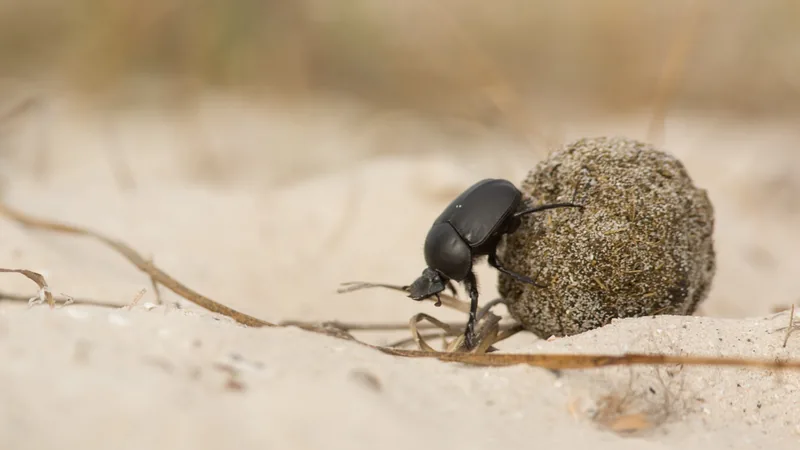
Sacred Scarab
A very large dung roller that shapes droppings into balls and holds heat in its thorax in flight.
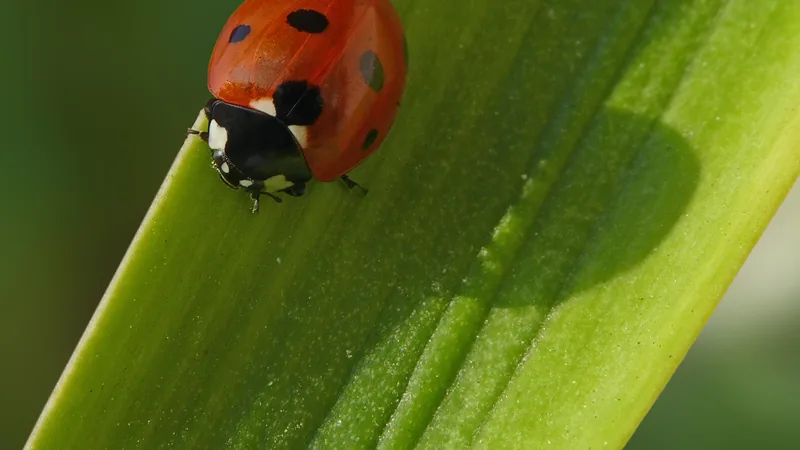
Seven-Spot Ladybird
The red beetle that bleeds poison from its leg joints.
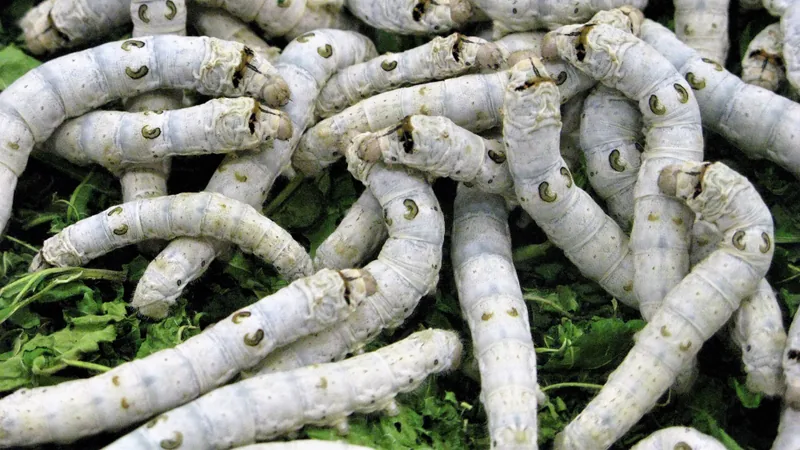
Silkworm
A caterpillar that grows thousands of times heavier in a month, then wraps itself in one silk thread up to 1,800 metres long.
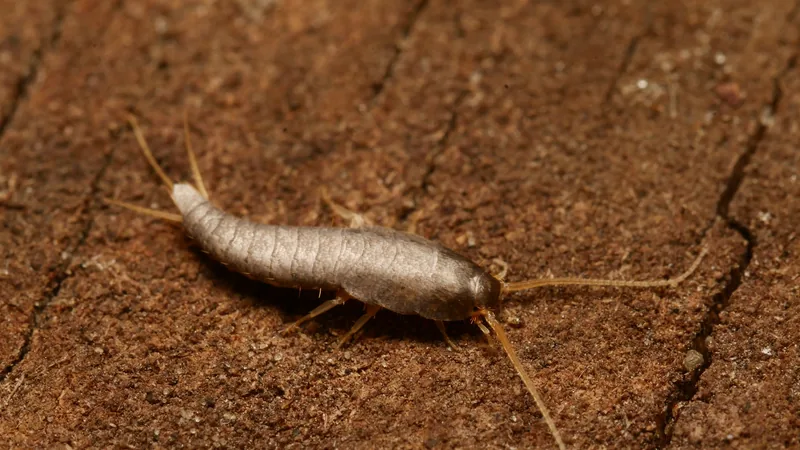
Silverfish
A wingless, silver-scaled insect that keeps molting as an adult and can go up to a year without food.
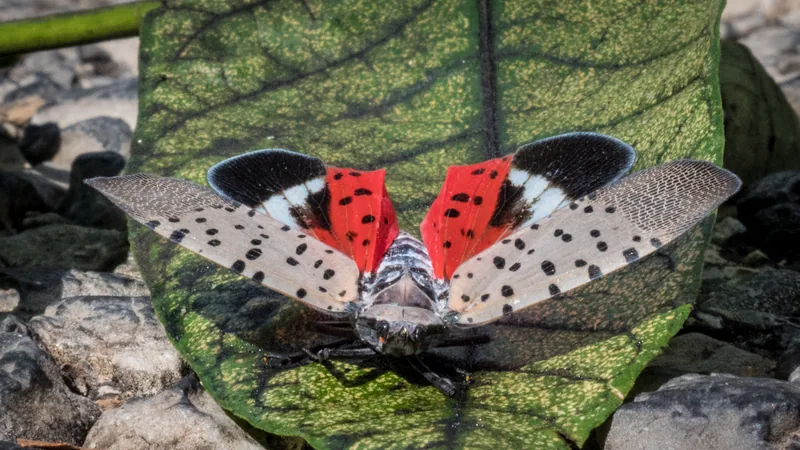
Spotted Lanternfly
A planthopper, not a moth, that turns red as it stocks up on its host tree's chemical defences.
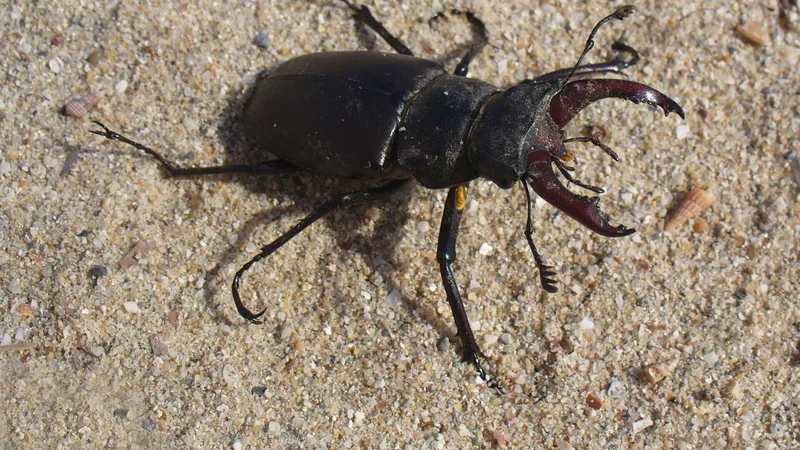
Stag Beetle
Antler-like jaws for wrestling rivals, years spent as a larva tunnelling through rotting wood, and just a few weeks as an adult to find a mate.
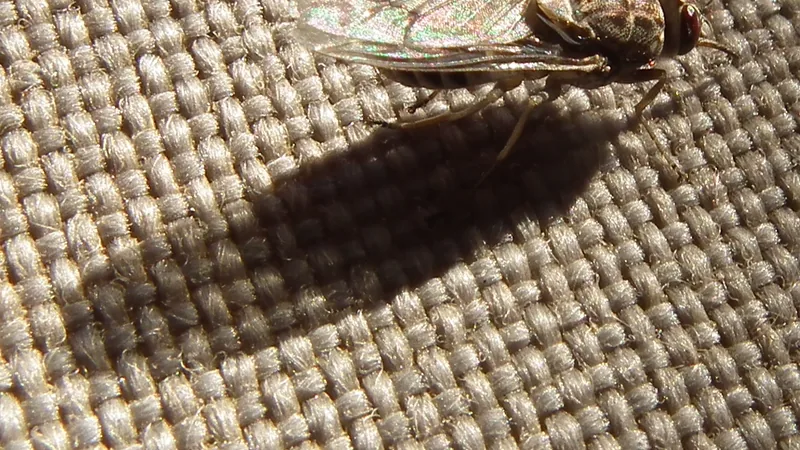
Tsetse Fly
A blood-drinking fly that makes milk and gives birth to a larva nearly as big as she is.
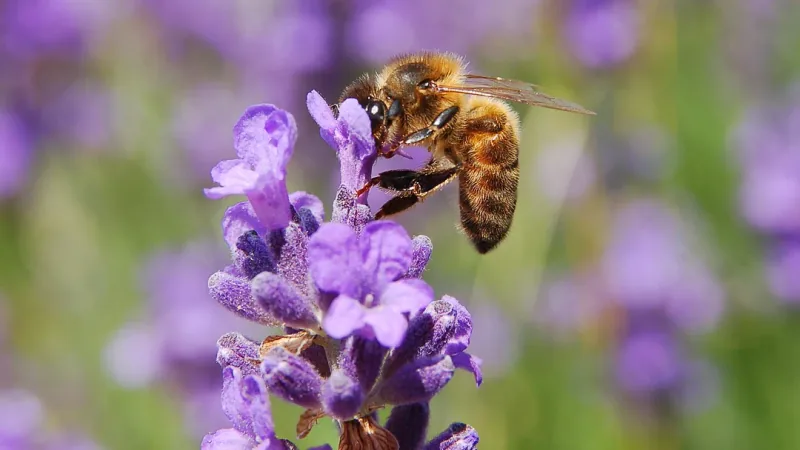
Western Honeybee
A forager who dances flower coordinates with her whole body, and dies giving her sting.
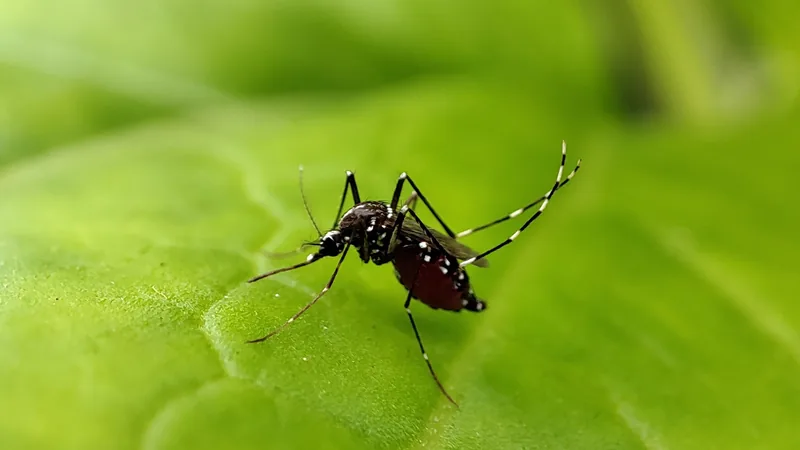
Yellow Fever Mosquito
A mosquito about a quarter of an inch long whose yellow fever cost U.S. troops more casualties than enemy fire in the Spanish-American War.