Birds
Feathered surviving theropod dinosaurs with hollow bones, flow-through lungs, and extreme navigation.
Aves
Birds are living theropod dinosaurs that survived the Cretaceous extinction. Their lightweight hollow bones, unidirectional air-sac respiration systems, and specialized aerodynamic feathers allow them to conquer ocean crossings, sub-zero Antarctic winters, and tropical canopies.
Key Evolutionary Adaptations
Avian respiration relies on air sacs that circulate oxygen continuously during both inhalation and exhalation.
Bar-tailed godwits migrate over 11,000 kilometers non-stop across open ocean without feeding or resting.
Emperor penguins dive to depths exceeding 500 meters, surviving sub-zero waters with dense multilayer plumage.
Birds (page 1 of 3)

Adélie Penguin
The pebble-stealing penguin that fasts for weeks on end and steers across featureless ice by the sun.

American Crow
Learns a dangerous human face, and the scolding spreads from crow to crow.

American Robin
A lawn hunter that weighs about as much as three AA batteries

Andean Cock-of-the-Rock
Peru's national bird: males court with synchronized moves and pig-like calls, and the female raises the chicks alone.
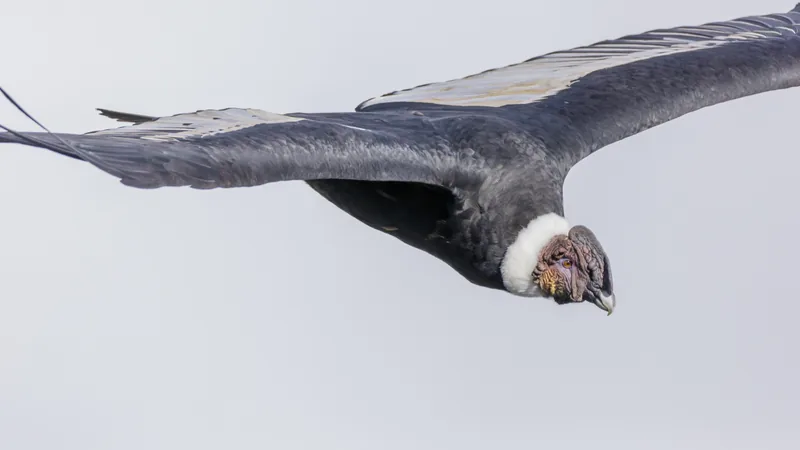
Andean Condor
The world's heaviest soaring bird: tracked condors flapped for just 1% of their flight time.
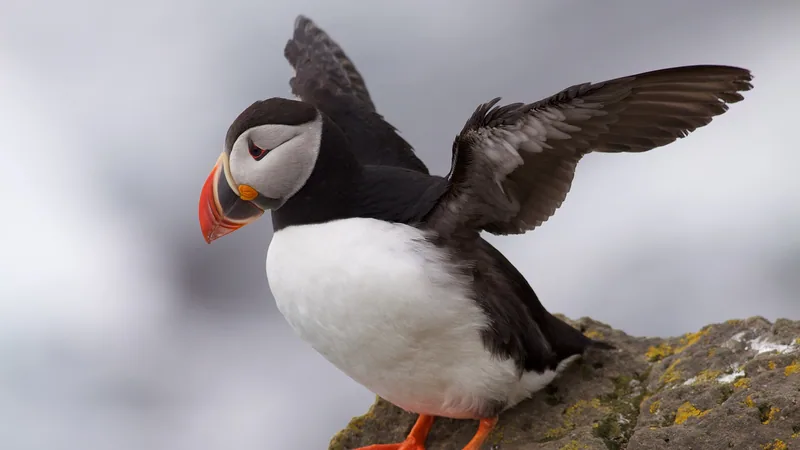
Atlantic Puffin
A bright-billed seabird that flies underwater on its wings and sometimes carries a dozen small fish home in its bill.
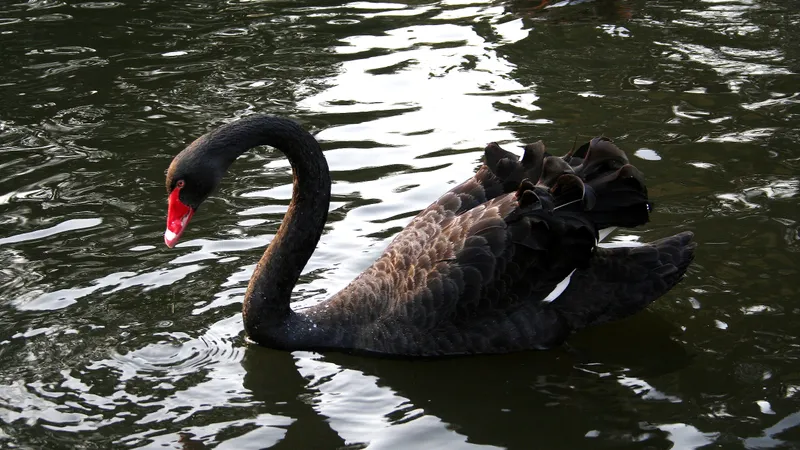
Black Swan
Australia's red-billed swan, whose black plumage is linked to a pigment gene that is cut short in the white mute swan.
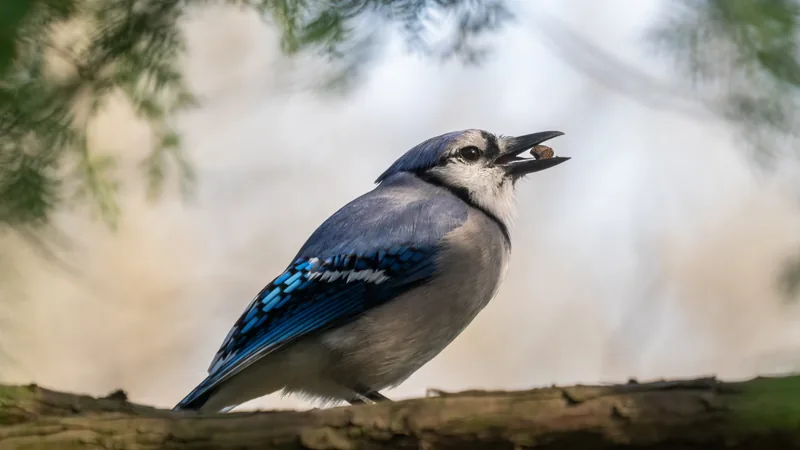
Blue Jay
A crested jay that can imitate the scream of a Red-shouldered Hawk. In one Virginia study, blue jays cached 133,000 acorns from one stand of oaks.
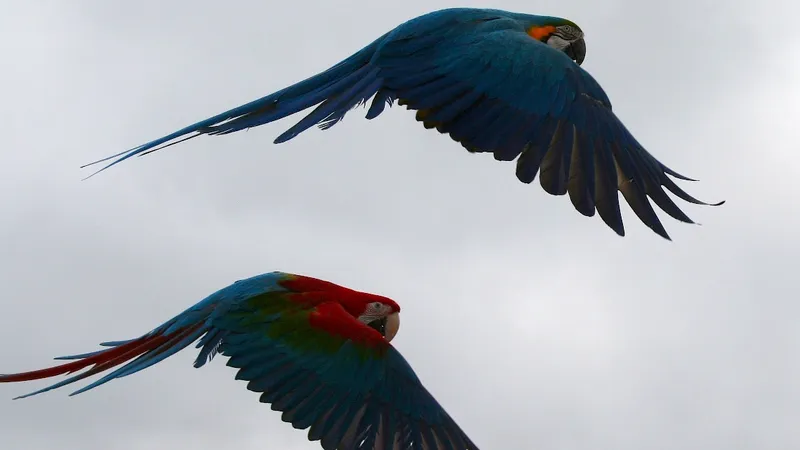
Blue-and-Yellow Macaw
A blue-and-gold parrot that blushes red, crushes nuts and seeds in its beak, and drops in on riverbank clay licks to eat soil.
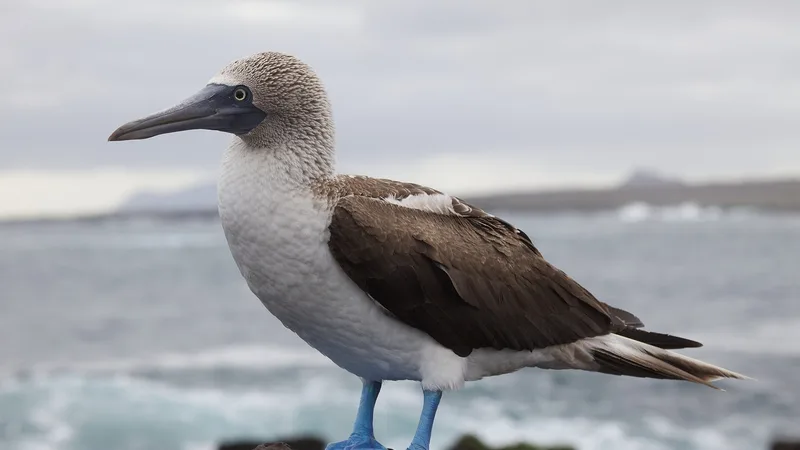
Blue-Footed Booby
Bright blue webbed feet, a high-stepping courtship walk, and plunge-dives that hit the water at up to 60 mph.
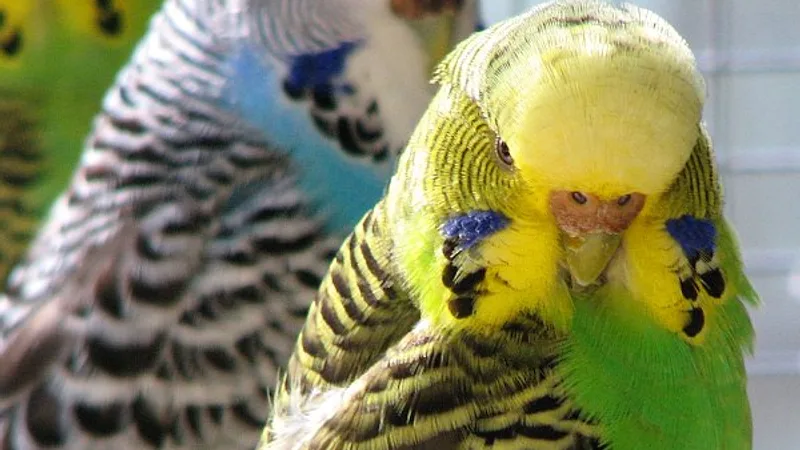
Budgerigar
The nomadic outback parrot that rewrites its own call to match a brand-new mate.
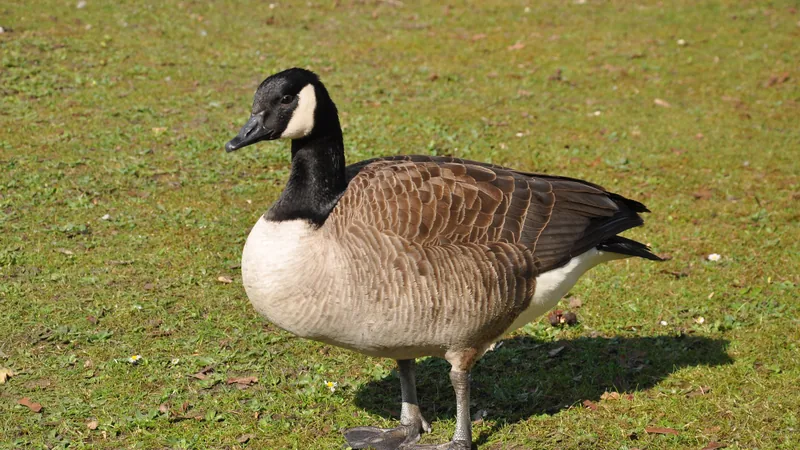
Canada Goose
North America's most widely distributed goose, with Hawaiian relatives that included a flightless giant over four times larger than the nene.
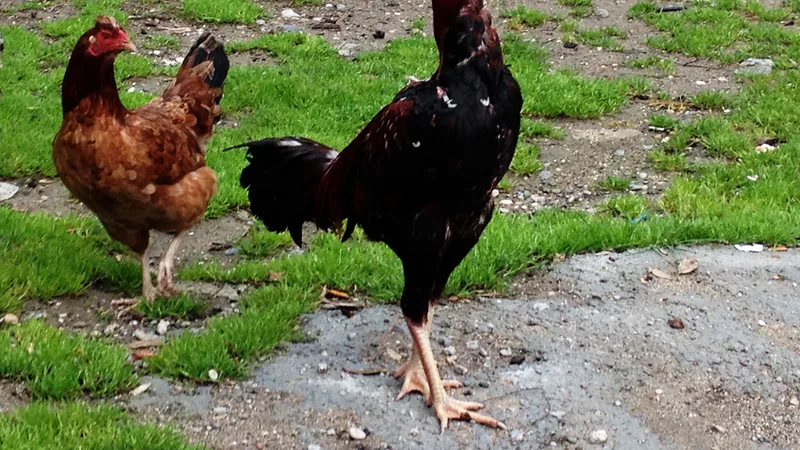
Chicken
The toothless bird whose gizzard does the chewing, whose hen usually lays an egg every 26 hours, and which outnumbers every other bird species.

Chinstrap Penguin
The seabird that nods off more than 10,000 times a day in naps that average four seconds, banking over 11 hours of sleep in each half of its brain while it guards the nest.
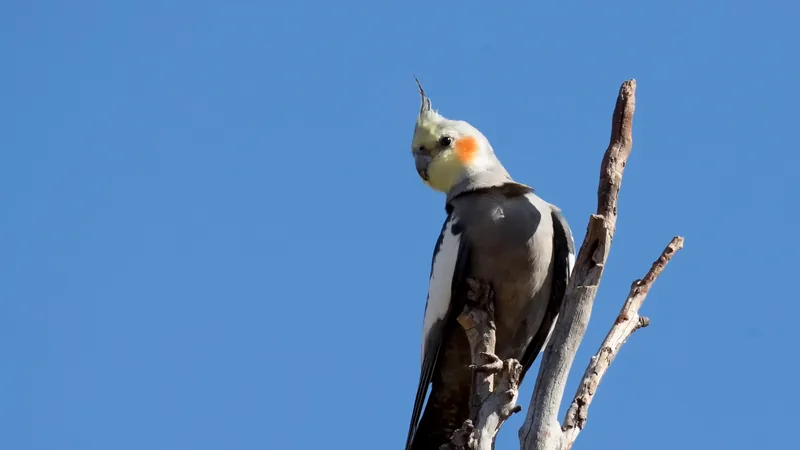
Cockatiel
A small crested parrot from Australia's open country that can sing a human melody in near-perfect sync.
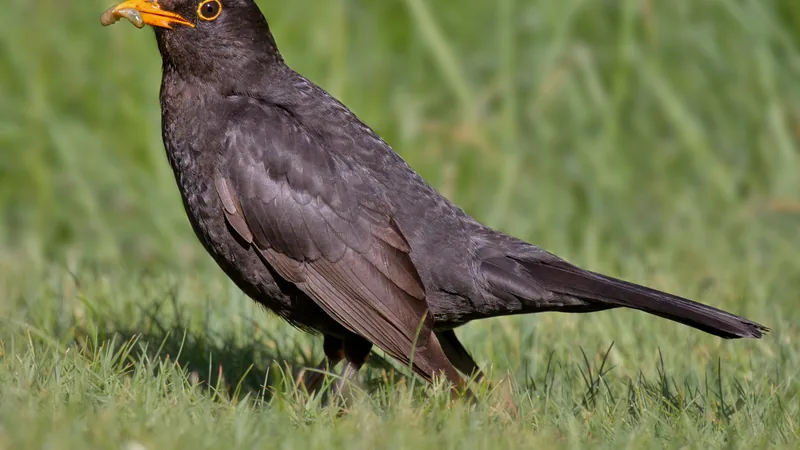
Common Blackbird
A lawn-hopping songster whose night-time hormones shift under city light.
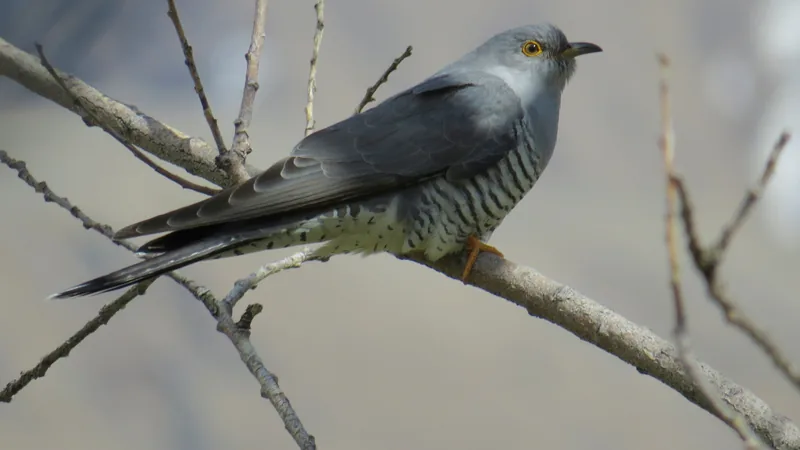
Common Cuckoo
A brood parasite whose females lay eggs that tend to match their hosts' eggs.
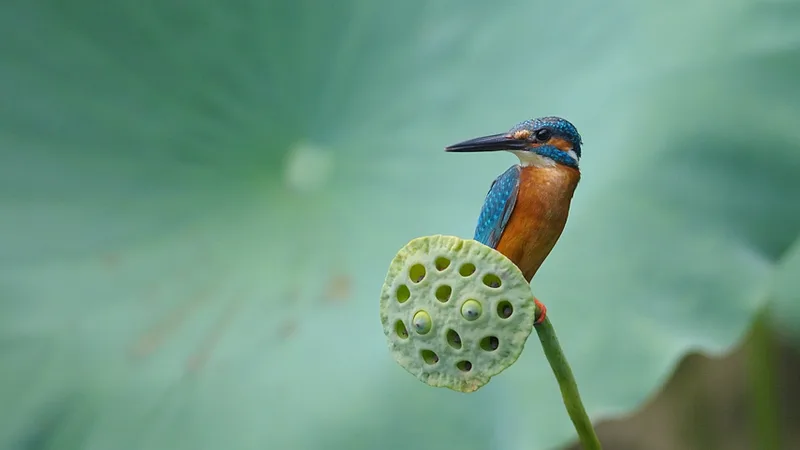
Common Kingfisher
Electric-cobalt torpedo diver, riverbank jewel, and an underwater strike made by touch alone.
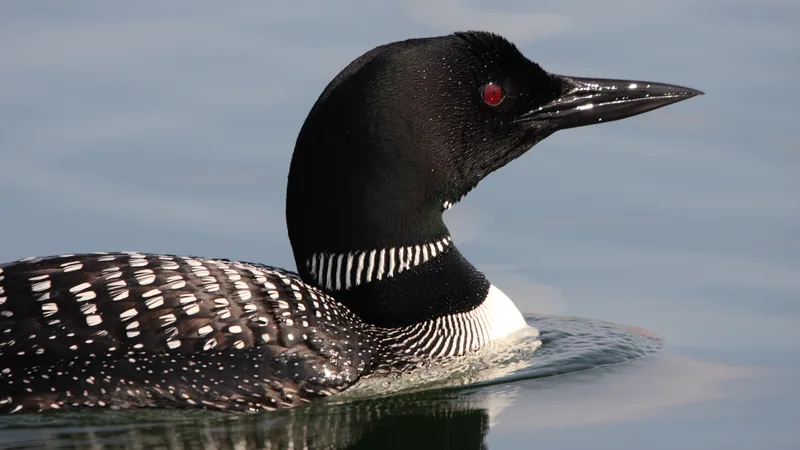
Common Loon
A dagger-billed diver with dense bones, a wolf-like wail and legs set too far back to walk well.
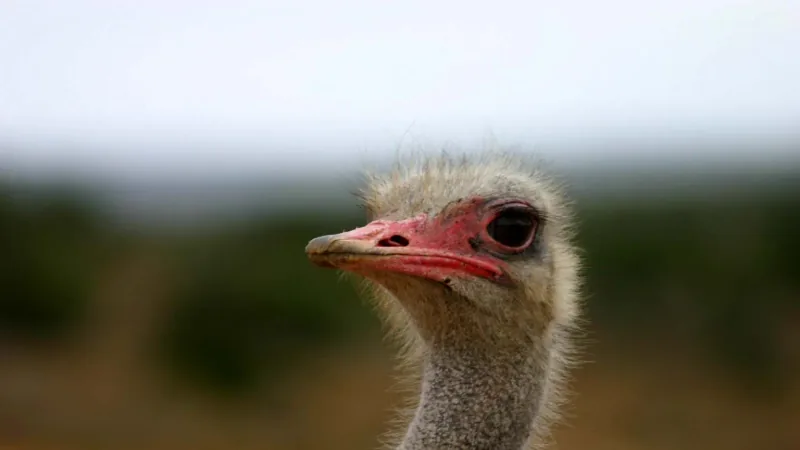
Common Ostrich
The tallest and heaviest bird alive, sprinting in bursts of up to 43 miles an hour on two toes, with a kick powerful enough to kill a lion.
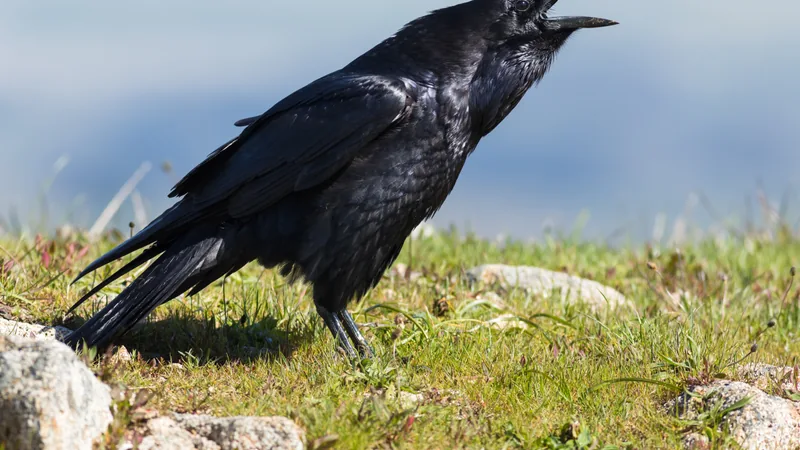
Common Raven
The oversized scavenger that caches food out of rivals' sight, guards the stash when it might be seen, and is less willing to pull its weight after a partner cheats.
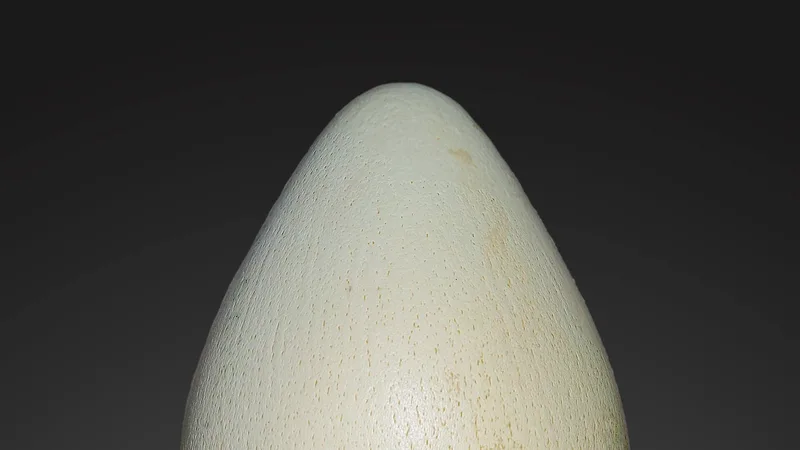
Emperor Penguin
Antarctic wind chills down to minus 60, dives past 500 meters, and months of fasting while the male alone incubates the egg.
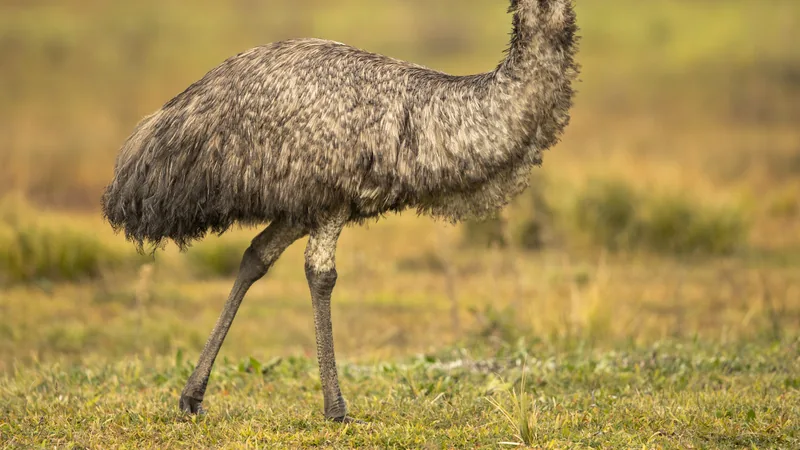
Emu
A flightless bird whose father sits on the eggs for eight weeks without eating or drinking.
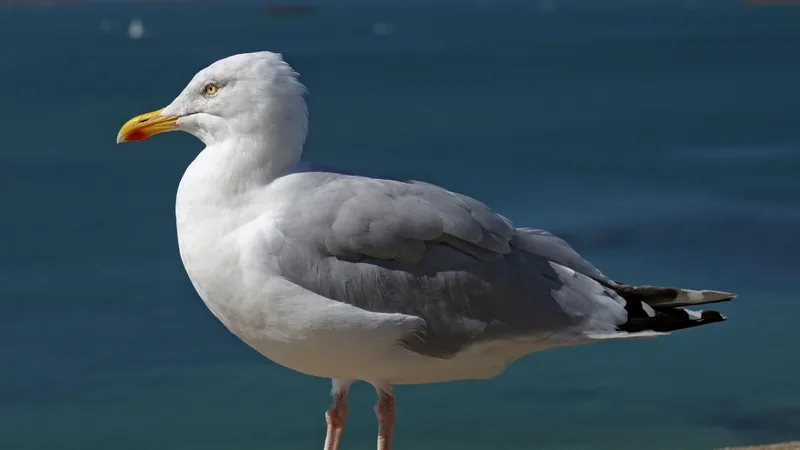
European Herring Gull
A large, pink-legged gull that paddles its feet on the ground to bring worms up, and now nests on rooftops as well as cliffs.