Birds
Feathered surviving theropod dinosaurs with hollow bones, flow-through lungs, and extreme navigation.
Aves
Birds are living theropod dinosaurs that survived the Cretaceous extinction. Their lightweight hollow bones, unidirectional air-sac respiration systems, and specialized aerodynamic feathers allow them to conquer ocean crossings, sub-zero Antarctic winters, and tropical canopies.
Key Evolutionary Adaptations
Avian respiration relies on air sacs that circulate oxygen continuously during both inhalation and exhalation.
Bar-tailed godwits migrate over 11,000 kilometers non-stop across open ocean without feeding or resting.
Emperor penguins dive to depths exceeding 500 meters, surviving sub-zero waters with dense multilayer plumage.
Birds (page 3 of 3)
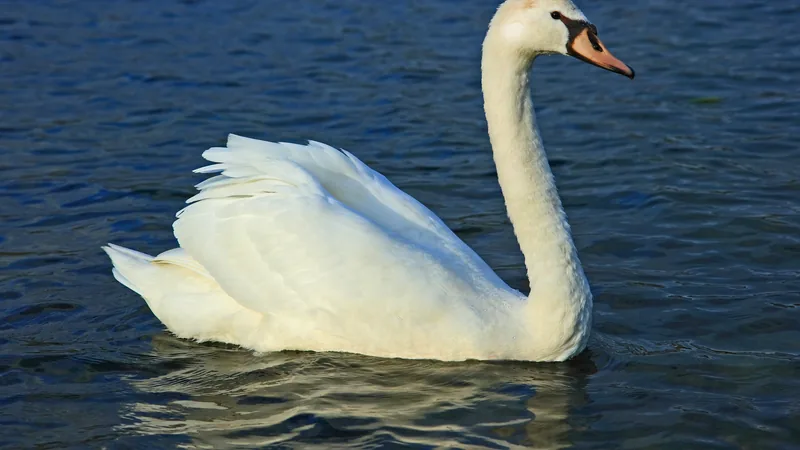
Mute Swan
Not actually mute: it hisses, snorts and twirls with its wings raised.
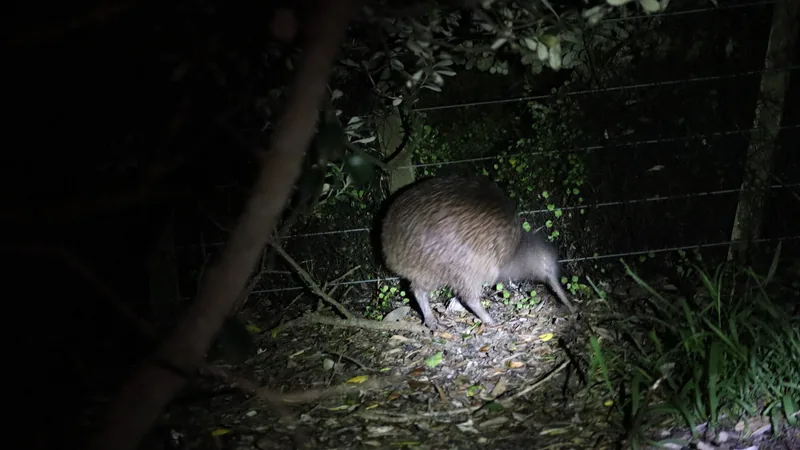
North Island Brown Kiwi
A flightless night forager with its nostrils near the tip of its bill and an egg that averages 15 percent of its mother's weight.
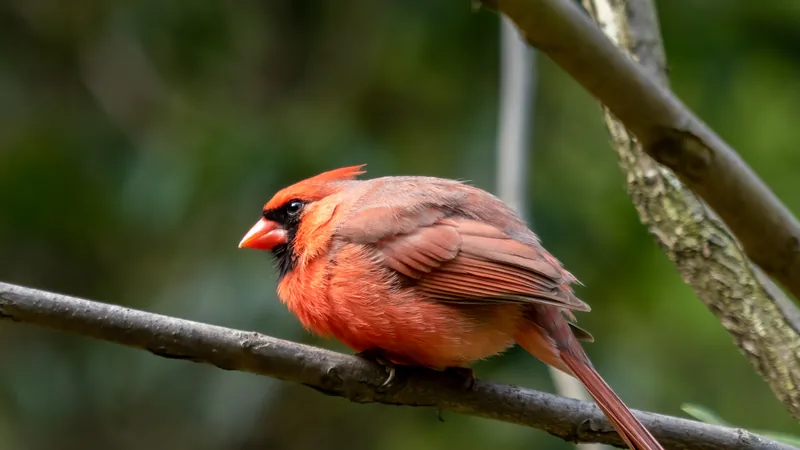
Northern Cardinal
A red songbird that turns yellow food pigments into scarlet feathers.
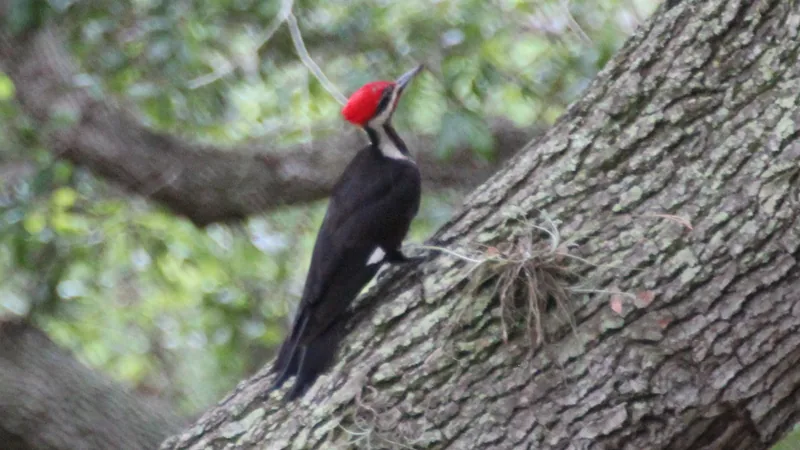
Pileated Woodpecker
A crow-sized woodpecker that chisels rectangular holes into trees to reach the ants inside.
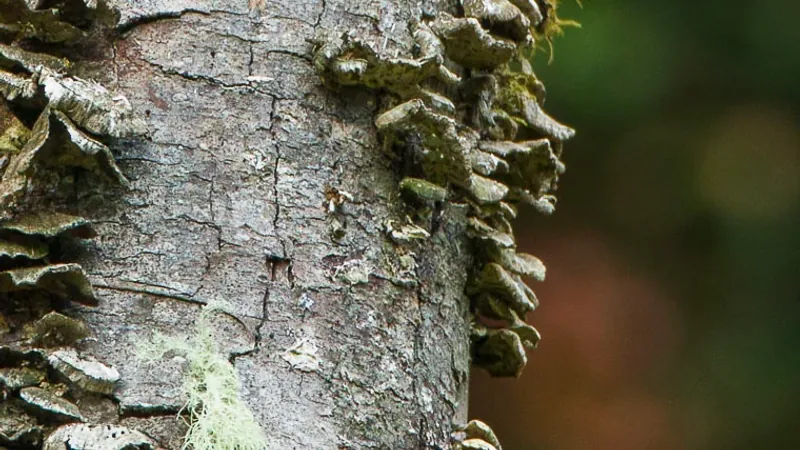
Resplendent Quetzal
A cloud forest trogon revered by pre-Columbian cultures, whose males grow iridescent tail plumes up to 90 centimeters long.
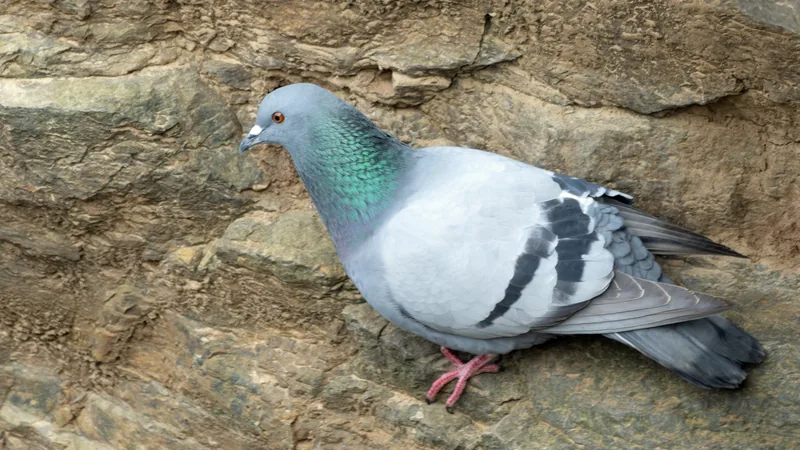
Rock Dove
A cliff bird turned city bird, fed on "pigeon milk" as a chick, and in its trained homing form able to find its way back to the loft from far away.
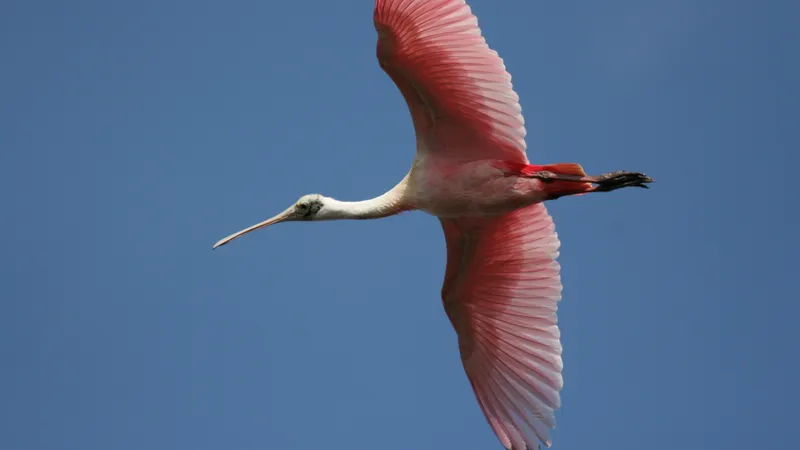
Roseate Spoonbill
The pink wader that hunts by touch, swinging a slightly open spoon-shaped bill through the shallows and snapping it shut when it contacts prey.
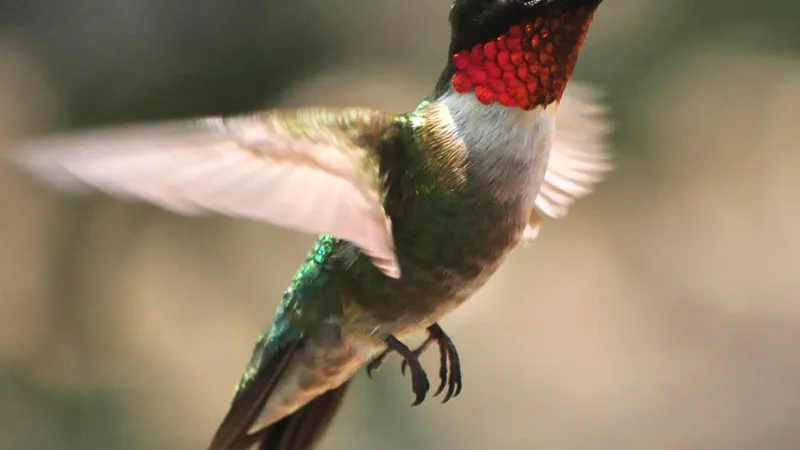
Ruby-throated Hummingbird
A metabolic dynamo that can beat its wings more than 50 times a second and cross the Gulf of Mexico in a single non-stop flight.
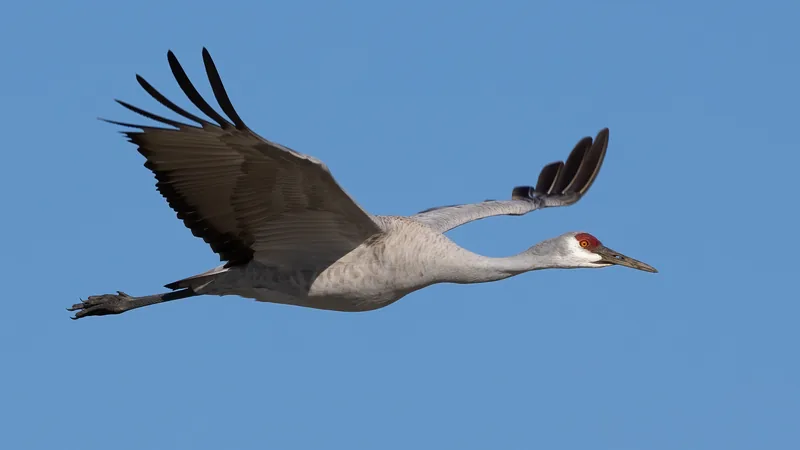
Sandhill Crane
A red-capped crane that duets with its mate and sleeps standing in the shallows.
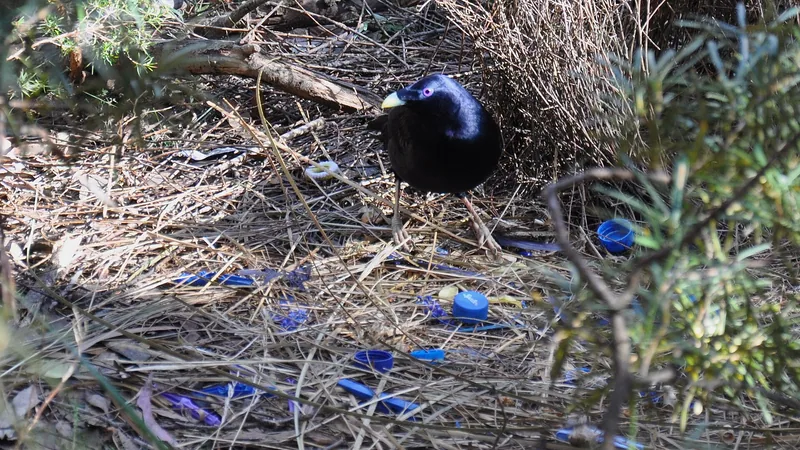
Satin Bowerbird
Stick-avenue builder, blue-object collector, and a courtship act of buzzes, rattles and mimicry.
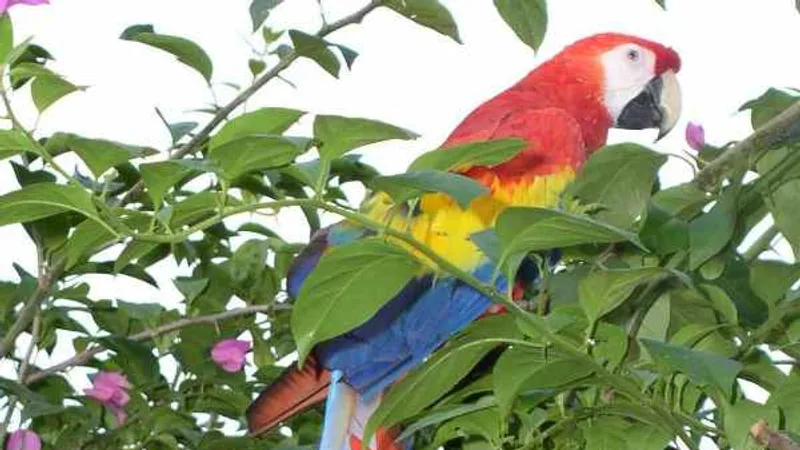
Scarlet Macaw
A big scarlet parrot that feeds mostly in the forest canopy, with a beak that can break open the toughest nuts.
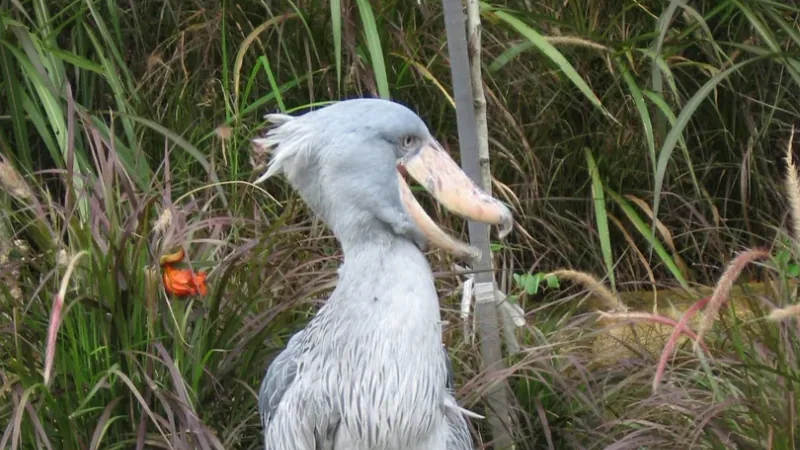
Shoebill Stork
Prehistoric-looking swamp stalker with a foot-long bill shaped like a clog.
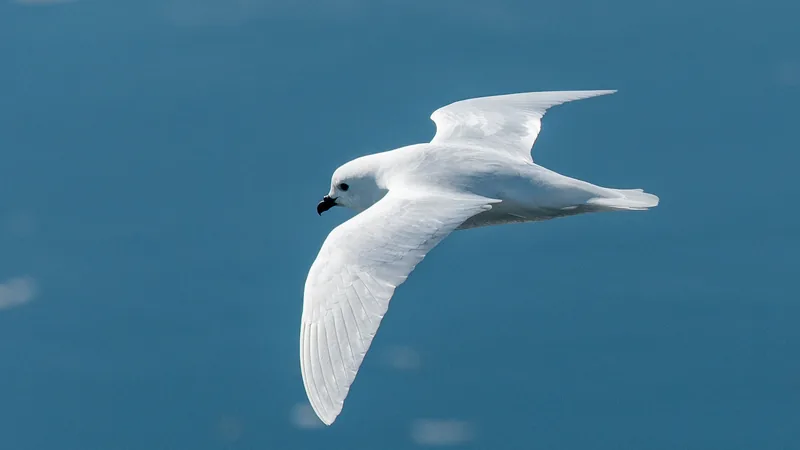
Snow Petrel
An all-white Antarctic seabird that sometimes nests hundreds of kilometers inland and spits stomach oil that can build up around its nest for thousands of years.
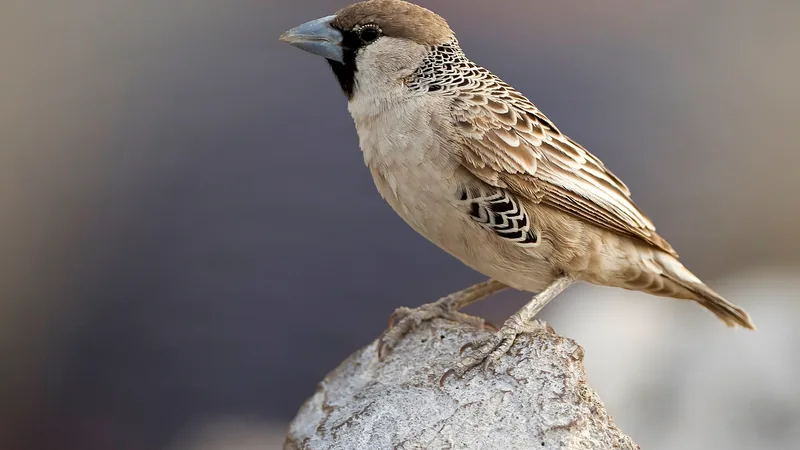
Sociable Weaver
The Kalahari architect that builds one shared straw mega-nest big enough for hundreds of birds, with some still standing more than a century later.
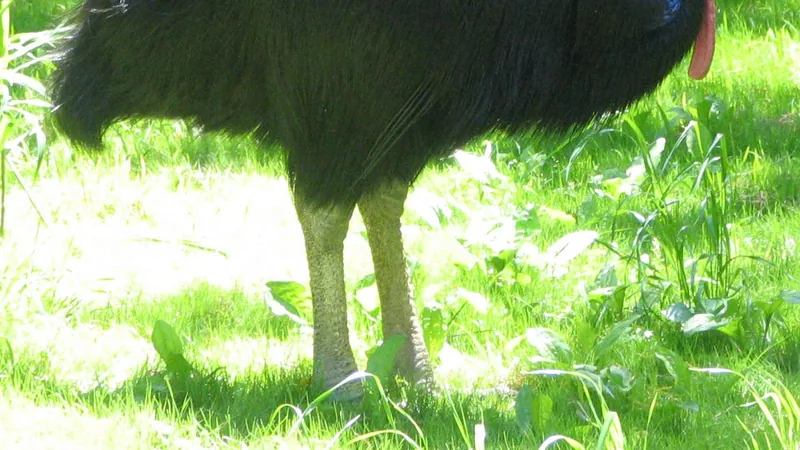
Southern Cassowary
A five-inch dagger-like claw on each foot, a leap of up to seven feet, and a casque that glows under ultraviolet light.
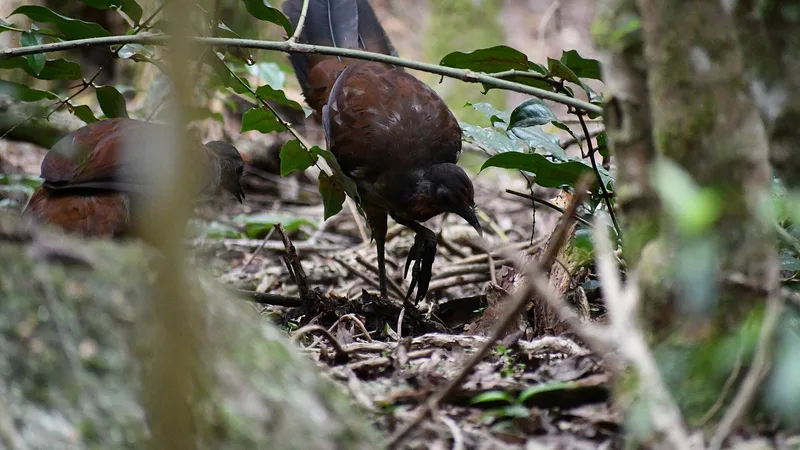
Superb Lyrebird
Ground-dwelling mimic whose courtship act includes a fake alarm-flock illusion convincing enough to fool real birds.
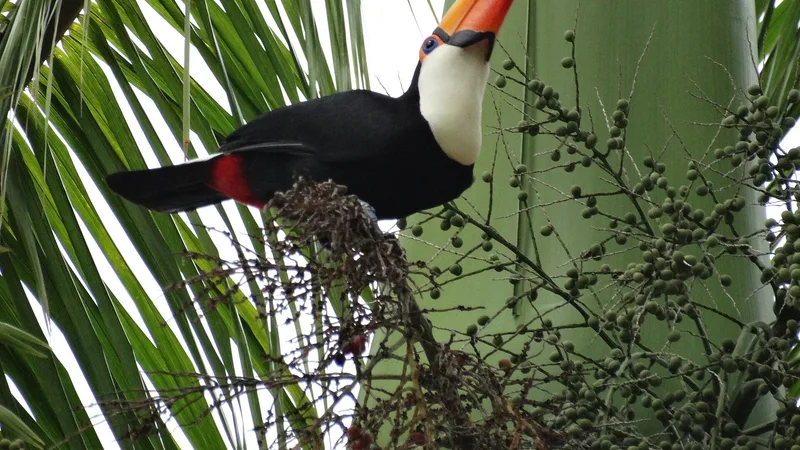
Toco Toucan
A blood-vessel-packed bill that doubles as a radiator, and a throat that takes fruit without the tongue ever touching it.
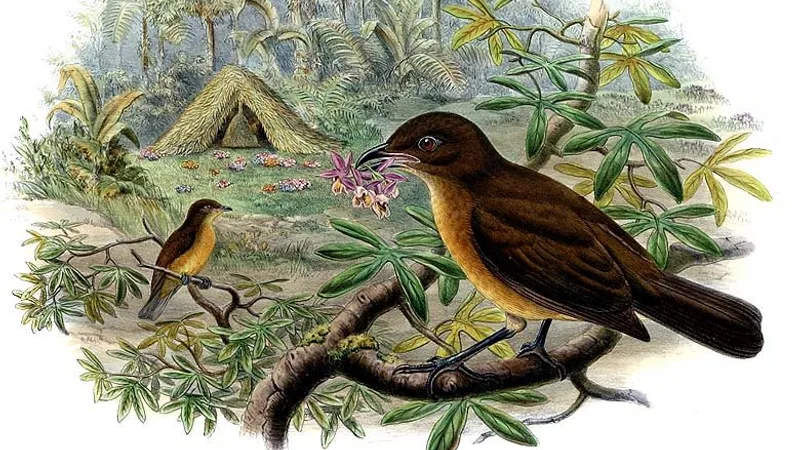
Vogelkop Bowerbird
A generally brown bird that builds what biologists call the most elaborately decorated structure erected by an animal other than humans, in a style that changes from range to range.
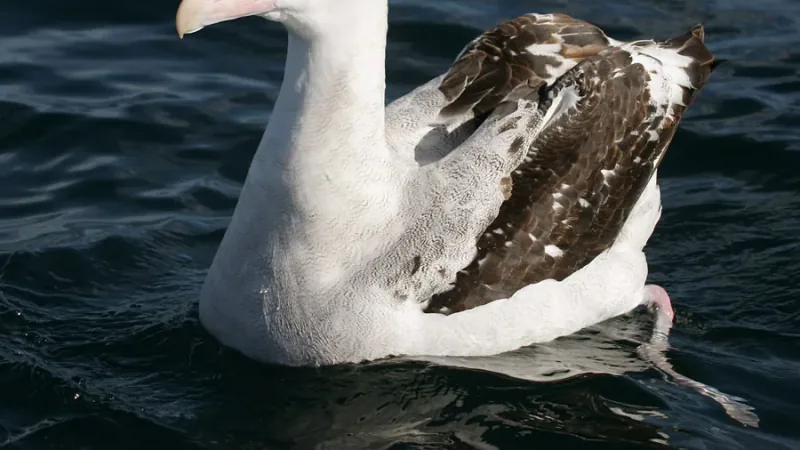
Wandering Albatross
Perhaps the longest wingspan of any bird, and in a year off from breeding some circle Antarctica twice or even three times.
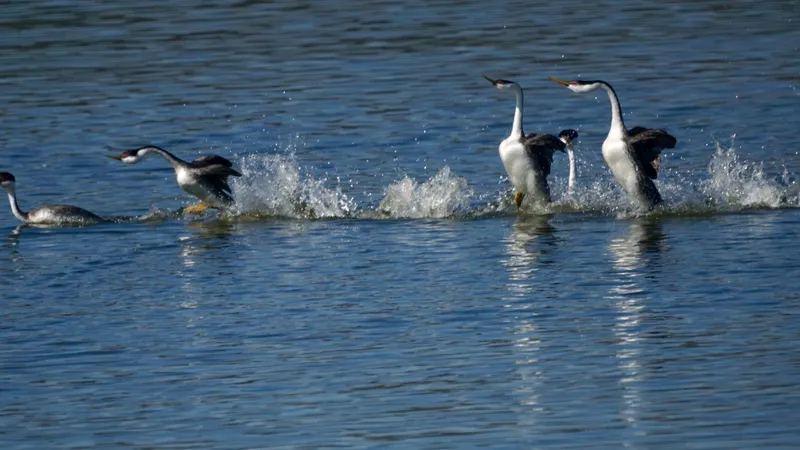
Western Grebe
Tied with Clark's grebe as the largest animal known to run on water, sprinting across a lake in a courtship display called rushing.
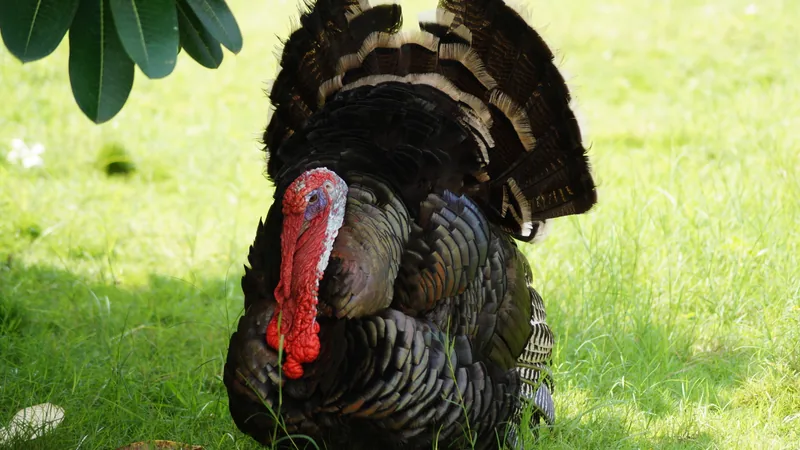
Wild Turkey
Gobbles heard up to a mile away, flight at up to 54 mph